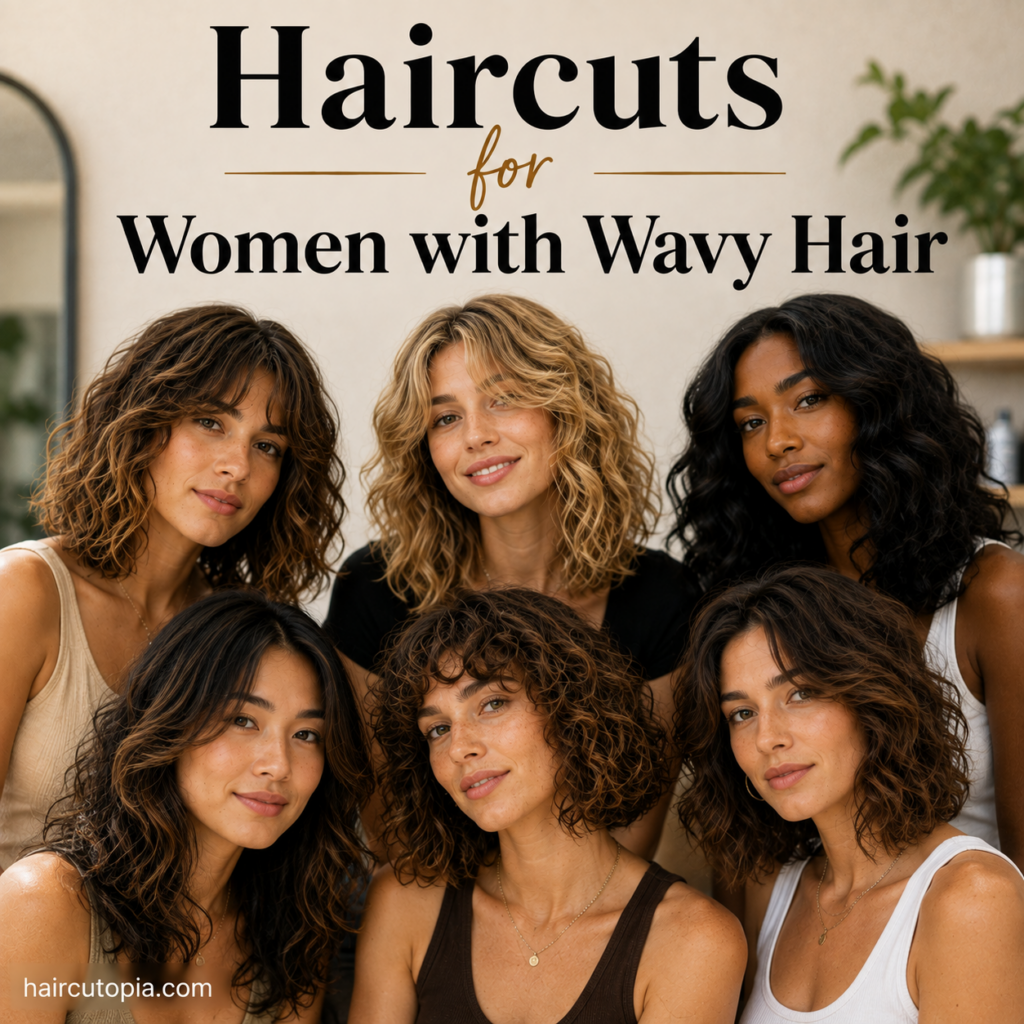
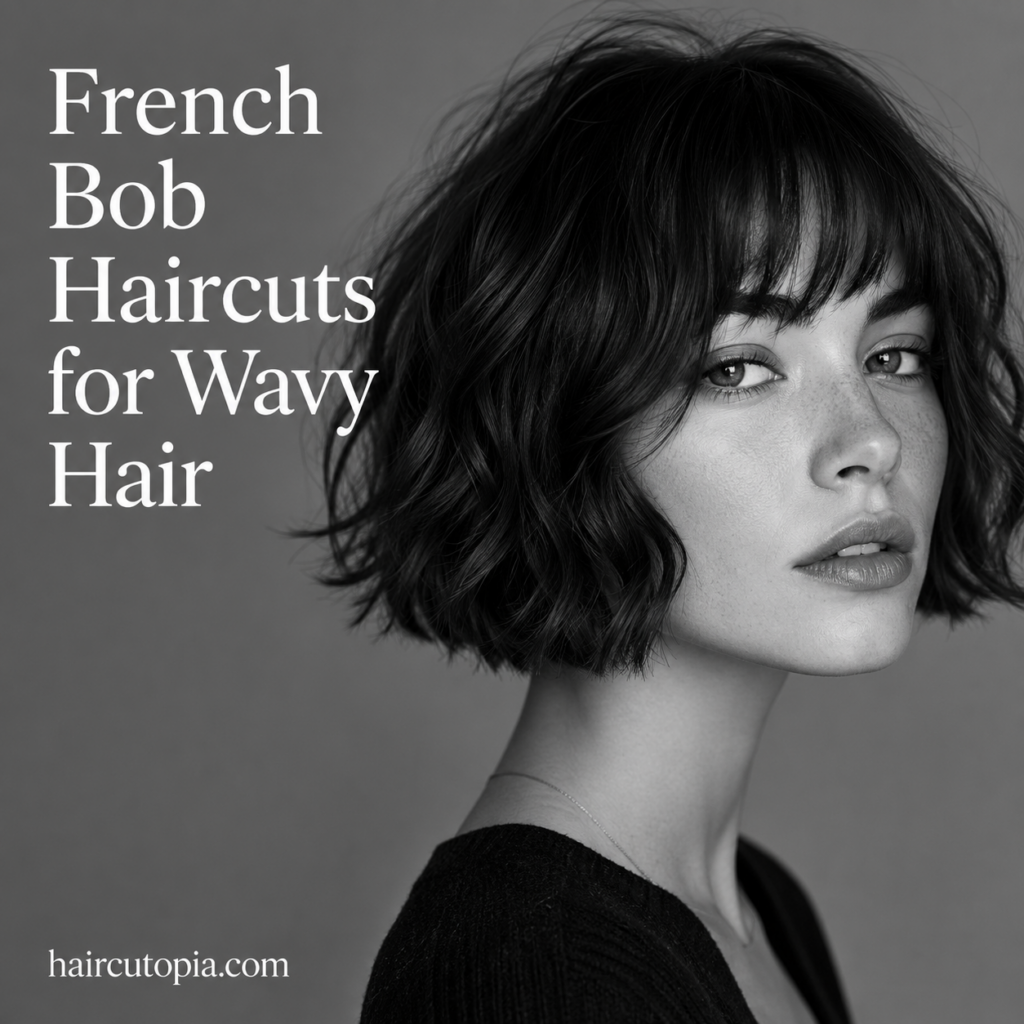
The French bob already has that effortless, slightly undone quality that makes it feel timeless. Add naturally wavy hair, and the cut becomes even more relaxed and full of character.
Unlike a sleek, precision bob that depends on every strand sitting perfectly in place, a French bob can actually look better with movement. Natural bends, loose waves, and a little texture give the haircut the lived-in finish it’s known for.
Traditionally, a French bob is cut somewhere between the cheekbones and jawline, often with bangs or a soft fringe. Modern versions are much more flexible. You can wear it slightly longer, add subtle layers, keep the ends blunt, or choose bangs that work with your natural wave pattern.
If you’re considering going shorter, here’s how to make a French bob work beautifully with wavy hair.
What Is a French Bob?
A French bob is a short bob haircut inspired by the classic styles associated with Parisian fashion. It usually falls around the jaw or slightly above it and often includes some type of fringe.
The basic ingredients are simple:
- A short, jaw-grazing length
- A defined but not overly rigid shape
- Natural-looking texture
- Optional bangs or fringe
- Minimal, unfussy styling
What separates it from many other short bobs is the overall attitude of the cut. A French bob doesn’t need to look perfectly polished.
In fact, a few uneven waves or pieces falling naturally around the face can make the haircut more convincing.
Why a French Bob Works So Well With Wavy Hair
Wavy hair gives a French bob something straight hair often needs styling products or hot tools to create: natural movement.
Instead of forcing the hair into a perfectly smooth shape, the haircut can work with its existing bends and texture.
Natural Volume
Shortening wavy hair can remove some of the weight that pulls waves downward. Depending on your hair type, this may help your texture appear fuller and more defined.
The result can be especially noticeable around the sides and back of a short bob.
Effortless Texture
The French bob is supposed to look a little relaxed.
That makes naturally wavy hair a particularly good match. You don’t necessarily need every wave to have the same shape or direction.
A slightly tousled finish can be part of the look.
Face-Framing Movement
Waves around the cheekbones and jaw can soften the outline of a short haircut.
This is useful because a very blunt bob can sometimes create a strong horizontal line around the face. Natural movement breaks up that line and gives the haircut a softer appearance.
Less Dependence on Heat Styling
A French bob can certainly be styled with a curling iron or flat iron, but it doesn’t have to be.
If your natural texture already creates loose waves, you may be able to style the cut with a lightweight product, some scrunching, and air-drying or diffusing.
Best French Bob Haircuts for Wavy Hair
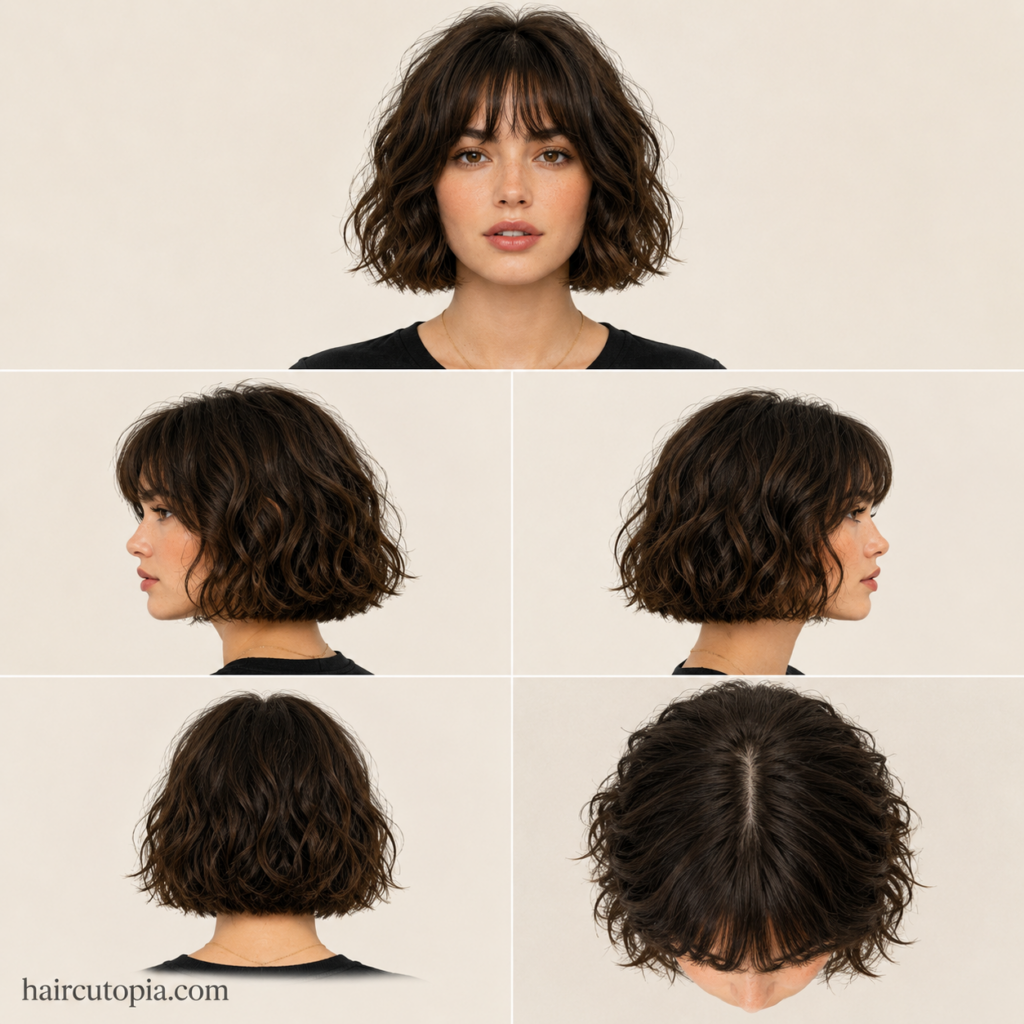
There isn’t just one way to wear a French bob. Small changes in length, layering, bangs, and the shape of the perimeter can completely change the finished haircut.
Here are some of the best variations to consider.
1. Classic Jaw-Length French Bob
The classic version sits around the jawline and keeps a relatively compact silhouette.
On wavy hair, the ends naturally move in different directions, preventing the shape from looking too severe.
This version works particularly well if you want a noticeable short haircut rather than a longer bob that brushes the shoulders.
Keep in mind that waves can make hair appear shorter once it dries. Your stylist may leave slightly more length than expected when cutting it wet.
2. French Bob With Soft Bangs
Soft bangs add even more of the traditional French-inspired feel without requiring a perfectly straight fringe.
Instead of heavy, sharply cut bangs, the fringe can be kept slightly airy and textured.
This allows individual pieces to move naturally across the forehead.
It’s a good option if you want bangs but don’t want them to look overly structured.
3. Wavy French Bob With Curtain Bangs
Curtain bangs are an easy alternative to a full fringe.
They separate near the center and gradually blend into the sides of the haircut, creating a softer transition around the face.
With wavy hair, curtain bangs can develop their own natural bend rather than sitting completely flat.
A longer curtain fringe can also be easier to manage if your hair tends to shrink noticeably when dry.
4. Blunt French Bob for Wavy Hair
A blunt perimeter and wavy texture can create an interesting contrast.
The strong baseline gives the haircut structure while the waves keep it from looking stiff.
You don’t necessarily need heavy layering with this version. In some cases, maintaining more weight through the ends can actually make the bob look thicker.
It can be particularly flattering for fine or medium-density wavy hair that benefits from a fuller-looking perimeter.
5. Layered French Bob
Strategic layering can encourage movement and prevent dense wavy hair from forming an overly triangular shape.
The key word is strategic.
Too many short layers can cause some wave patterns to expand considerably. Instead, subtle internal layers or carefully placed surface layers can remove weight without destroying the recognizable bob shape.
This is an area where working with a stylist experienced with textured hair can make a significant difference.
6. Tousled French Bob
If you prefer hairstyles that look better slightly messy, the tousled French bob is worth considering.
Rather than trying to create uniform waves, the goal is to enhance whatever movement your hair naturally produces.
A few pieces can bend toward the face while others flip outward.
That irregularity creates the casual, lived-in appearance that works so well with this haircut.
7. French Bob Without Bangs
Bangs aren’t mandatory.
A French bob without bangs can look cleaner and slightly more modern while keeping the signature short length.
A center part creates a balanced shape, while a side part can add more volume around the crown and one side of the face.
Skipping bangs also reduces maintenance if you prefer not to schedule frequent fringe trims.
8. Side-Parted Wavy French Bob
Changing the part can have a surprisingly large effect on a short haircut.
A deeper side part creates extra lift on one side and gives the waves more opportunity to fall across the forehead.
This can make the haircut feel softer and less symmetrical.
It’s also an easy styling change because you can experiment with the part before committing to any additional cutting.
9. Chin-Length French Bob
If a traditional cheekbone-to-jaw-length bob feels too short, a chin-length version offers a little more flexibility.
You still get the compact shape of a French bob, but the additional length gives the waves room to form.
It can also make the transition from medium or long hair feel less dramatic.
10. Micro French Bob
The micro French bob takes the haircut noticeably shorter, often ending around the cheekbones or just below them.
This creates a bold silhouette that puts more emphasis on the eyes, cheekbones, and jaw.
Because wavy hair can spring upward as it dries, this version needs careful planning. Even a small difference in length can noticeably change where the finished haircut sits.
11. French Bob With Wispy Fringe
Wispy bangs create a lighter effect than a traditional full fringe.
Small sections of hair fall across the forehead rather than creating one solid line.
Combined with waves, this can make the entire haircut feel airy and relaxed.
It’s especially useful if you like the idea of bangs but don’t want them to dominate the haircut.
12. Shaggy French Bob
A shaggy French bob combines the compact length of a bob with more visible layering and texture.
Compared with a classic French bob, the silhouette is less controlled. The ends may flip outward, the crown can have more lift, and face-framing pieces can vary in length.
This style works particularly well if your waves already have plenty of movement and you prefer an intentionally undone finish.
Choosing the Right Length for Wavy Hair
Length matters more than you might expect with a wavy bob.
Hair that appears chin-length when stretched can spring noticeably higher once the waves return.
That’s why your natural texture should be considered before deciding exactly where to place the perimeter.
Cheekbone Length
A cheekbone-length bob creates the most dramatic result.
It highlights the middle of the face and can produce plenty of volume because there isn’t much length weighing the waves down.
This length usually requires the most confidence and precision.
Jaw Length
Jaw length is the classic choice.
It gives you a clearly defined French bob while leaving enough hair for visible wave formation.
For many people, this is a practical middle ground between an ultra-short bob and a longer chin-length cut.
Chin Length
Chin length gives you slightly more styling flexibility.
You can still create the French bob silhouette while having enough length to tuck some sections behind your ears or experiment with different partings.
If you’re getting a short bob for the first time, this can be an easier starting point.
Should Wavy French Bobs Have Layers?
They can, but layers aren’t automatically necessary.
The best approach depends on your wave pattern, density, and how much volume you want.
Fine wavy hair may benefit from fewer layers so the ends retain their fullness. Thick hair may need some internal weight removed to prevent the haircut from becoming too wide.
If you do add layers, they should support the overall bob rather than overpower it.
Ask your stylist about:
- Subtle internal layering
- Face-framing pieces
- Weight removal through dense areas
- Maintaining fullness around the perimeter
- How your waves behave after drying
A good cut should still have a recognizable shape even when you haven’t styled every wave individually.
Bangs or No Bangs?
Both options work.
Bangs make the haircut feel more traditionally French, but they also add another section of hair that needs regular maintenance.
Choose Bangs If You Want:
- More framing around the eyes
- A stronger French-inspired appearance
- Additional texture around the forehead
- A noticeable change beyond simply cutting your hair shorter
Skip Bangs If You Want:
- Lower maintenance
- More flexibility with your part
- Easier growing-out stages
- A cleaner, simpler silhouette
If you’re somewhere in between, long curtain bangs or face-framing pieces can give you some of the effect without committing to a short fringe.
French Bob Haircuts for Different Face Shapes
Face shape can help guide the details of the haircut, but it shouldn’t be treated as a strict rulebook.
The placement of the length, fringe, volume, and part often matters more than simply deciding whether a bob “works” for a particular face.
Round Faces
A slightly longer French bob around the chin can create more vertical space around the face.
A side part or longer curtain fringe can also prevent the haircut from creating one strong horizontal line.
Oval Faces
Oval faces can generally experiment with a wide range of French bob lengths.
A shorter cheekbone-grazing version creates a bolder result, while a jaw-length bob offers the classic silhouette.
Square Faces
Soft waves naturally contrast with a defined jawline.
Instead of an extremely rigid perimeter, you might choose gentle texture around the ends or face-framing pieces.
Heart-Shaped Faces
A bob that develops volume around the jaw can balance a narrower chin.
Curtain bangs and soft fringe can also complement the wider upper portion of the face.
Long Faces
A jaw-length bob with some width through the sides can visually balance a longer face.
Bangs are another option because they reduce the amount of uninterrupted vertical space across the forehead.
How to Style a French Bob With Naturally Wavy Hair
One of the advantages of this haircut is that styling doesn’t need to be complicated.
The exact routine will depend on your texture, but a simple approach is often enough.
1. Start With Damp Hair
After washing, gently remove excess water rather than aggressively rubbing your hair with a towel.
Keeping some moisture in the hair makes it easier to distribute styling products.
2. Apply a Lightweight Styling Product
Choose a product based on what your waves need.
A lightweight mousse can add volume and hold, while a wave cream may provide more definition and softness.
Avoid applying too much heavy product near the roots if your hair becomes weighed down easily.
3. Scrunch the Waves
Gently scrunch sections upward toward the scalp.
You don’t need every section to form an identical curl.
The goal is simply to encourage your natural wave pattern.
4. Air-Dry or Diffuse
Air-drying usually creates a softer, more relaxed finish.
A diffuser can help increase definition and volume, particularly around the roots.
If you diffuse, lower heat and airflow settings can help reduce excessive movement while the waves are forming.
5. Separate the Waves
Once your hair is completely dry, gently separate any sections that have clumped together too much.
You can also loosen the roots with your fingertips for additional volume.
6. Finish With Texture
If you want a more undone finish, use a small amount of lightweight texture spray.
Focus on movement rather than trying to make the hairstyle perfectly symmetrical.
How to Make a Wavy French Bob Look Effortless
The temptation with a short haircut is to keep adjusting it until everything sits perfectly.
A French bob often looks better when you stop a little earlier.
Try leaving a few natural bends untouched. Let one side tuck behind your ear. Allow some ends to flip outward rather than forcing them back into place.
You can also switch your part occasionally.
Moving from a center part to a slightly off-center or side part can instantly change the volume and direction of the waves without requiring another haircut.
How Often Does a French Bob Need Trimming?
Short bobs tend to show growth sooner than longer hairstyles.
For a consistently sharp French bob, trims approximately every 6–8 weeks are common. If you like the haircut as it grows into a longer bob, you may be comfortable waiting longer.
Bangs may require more frequent attention.
A short fringe can start changing shape within a few weeks, while curtain bangs generally have a more forgiving grow-out period.
Your ideal schedule ultimately depends on how precise you want the haircut to remain.
What to Ask for at the Salon
Photos are useful when requesting a French bob, but it also helps to describe which parts of the haircut you actually like.
Instead of simply asking for “a French bob,” discuss the details.
You might say:
“I’d like a jaw-length French bob that works with my natural waves. I want movement and texture, but I’d still like the ends to look full.”
Then talk through:
- Where you want the hair to fall when dry
- Whether you want blunt or softened ends
- How much layering you prefer
- Whether you want bangs
- How much your hair shrinks when it dries
- Whether you normally air-dry or diffuse
- How much daily styling you’re willing to do
Your natural hair on a normal day is useful information for your stylist. If possible, arrive with your waves in a state that shows how they typically behave.
Is a French Bob High Maintenance?
The haircut itself can fall somewhere between low and moderate maintenance.
Daily styling may actually become simpler if the cut works well with your natural texture. The tradeoff is that shorter hairstyles generally require more frequent trims if you want to maintain their exact shape.
Bangs add another layer of upkeep.
If low maintenance is your priority, consider a chin-length French bob without short bangs. You’ll still get the overall look while allowing more room for the haircut to grow.
Common Mistakes to Avoid
A French bob is relatively simple, but a few decisions can make it harder to manage on wavy hair.
Cutting Too Short Without Considering Shrinkage
Wavy hair rarely looks exactly the same length wet and dry.
Always consider where the hair will sit after your natural texture returns.
Adding Too Many Layers
More layers don’t automatically create better waves.
Excessive layering can remove too much weight from the perimeter or create unwanted volume.
Fighting Your Natural Texture
If every styling session involves completely straightening your hair and then recreating waves, the haircut may not be working with your natural pattern.
A well-designed wavy French bob should look good with your real texture.
Using Too Much Product
Short hair can become weighed down quickly.
Start with less product than you think you need and add more only if necessary.
Expecting Every Wave to Match
Natural waves are rarely identical.
One side may curl more strongly, sections around the face may bend differently, and some ends may flip outward.
That variation can actually enhance the relaxed character of the haircut.
Who Should Consider a Wavy French Bob?
A French bob can be a great option if you want a haircut that feels noticeably different without requiring an elaborate styling routine.
It may be particularly appealing if you:
- Want to make natural waves more visible
- Prefer short hairstyles with movement
- Like slightly undone, textured finishes
- Want a bob that can air-dry naturally
- Don’t mind scheduling regular trims
- Want the option of adding bangs or face-framing pieces
If you’re nervous about going very short, start around chin length. You can always take the haircut shorter once you see how your waves respond.
Final Thoughts
French bob haircuts and wavy hair are a natural pairing.
The clean, compact shape of the bob gives the hair structure, while waves keep the style from feeling overly precise. Depending on your texture and personal style, you can keep the ends blunt, introduce subtle layers, add soft bangs, or embrace a more tousled finish.
The most important part is choosing the cut for the hair you actually have.
Consider how much your waves shrink, where they naturally bend, how much volume they create, and how you normally style your hair. A French bob designed around those characteristics will usually be much easier to wear than one that depends on daily heat styling.
And don’t worry about making every wave perfect. A little movement, asymmetry, and texture is exactly what gives a wavy French bob its effortless charm.