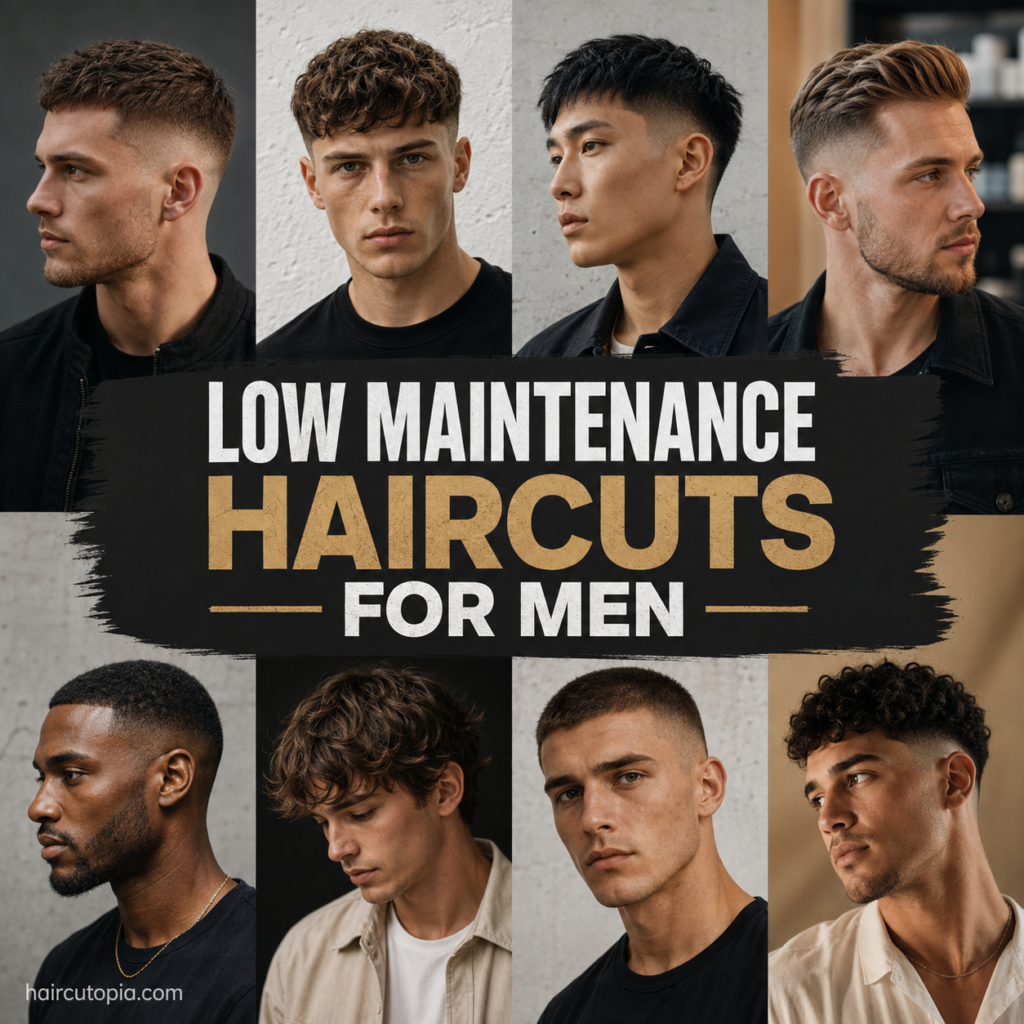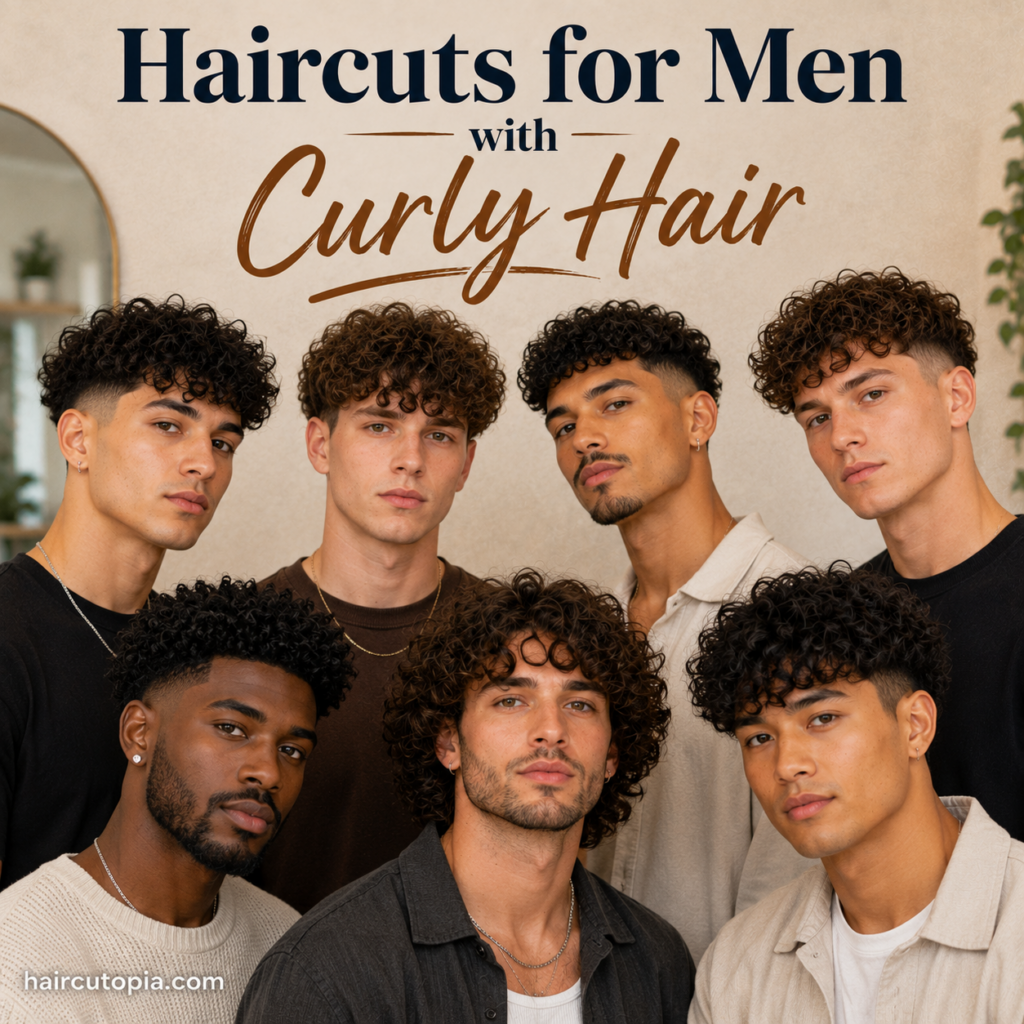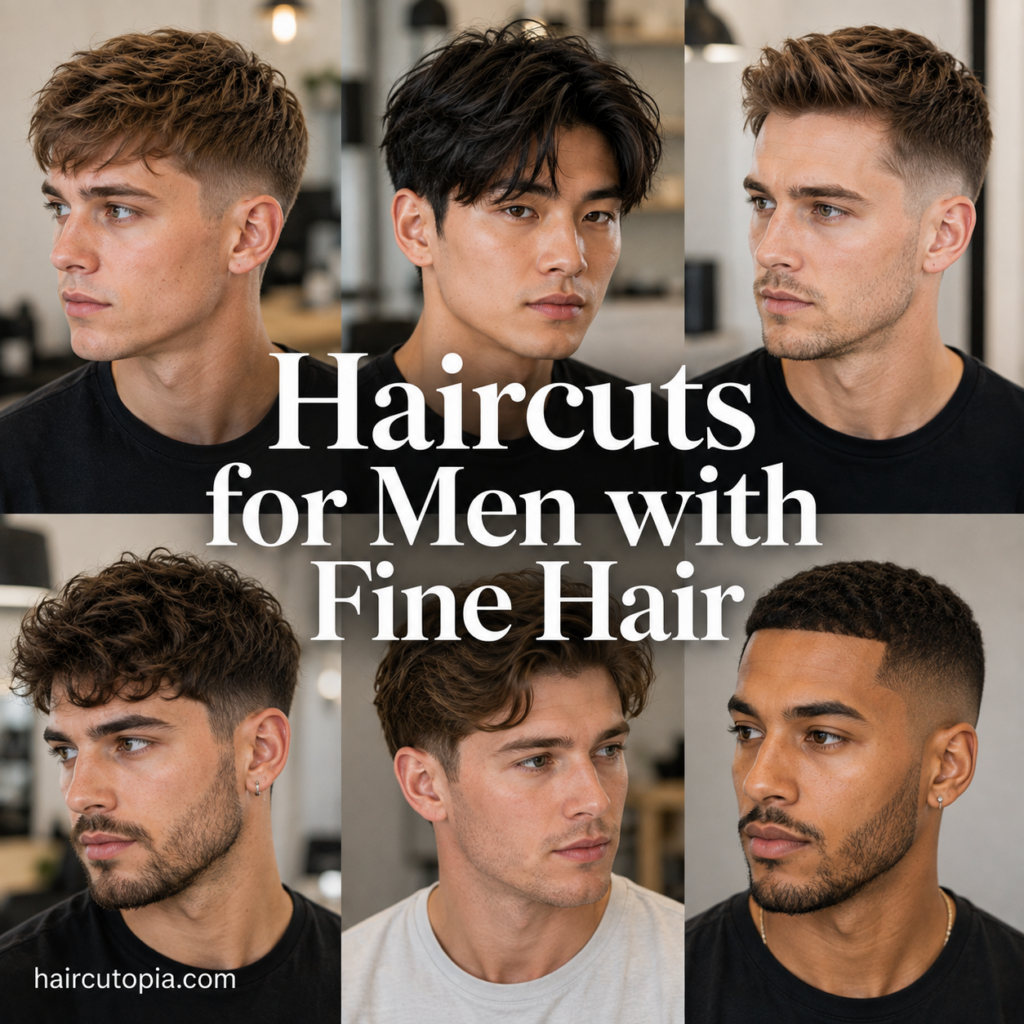
Fine hair can be both a blessing and a challenge. It often feels soft and manageable, but it can also lack volume, fall flat quickly, and make certain hairstyles difficult to pull off. The good news is that the right haircut can dramatically improve how fine hair looks and behaves.
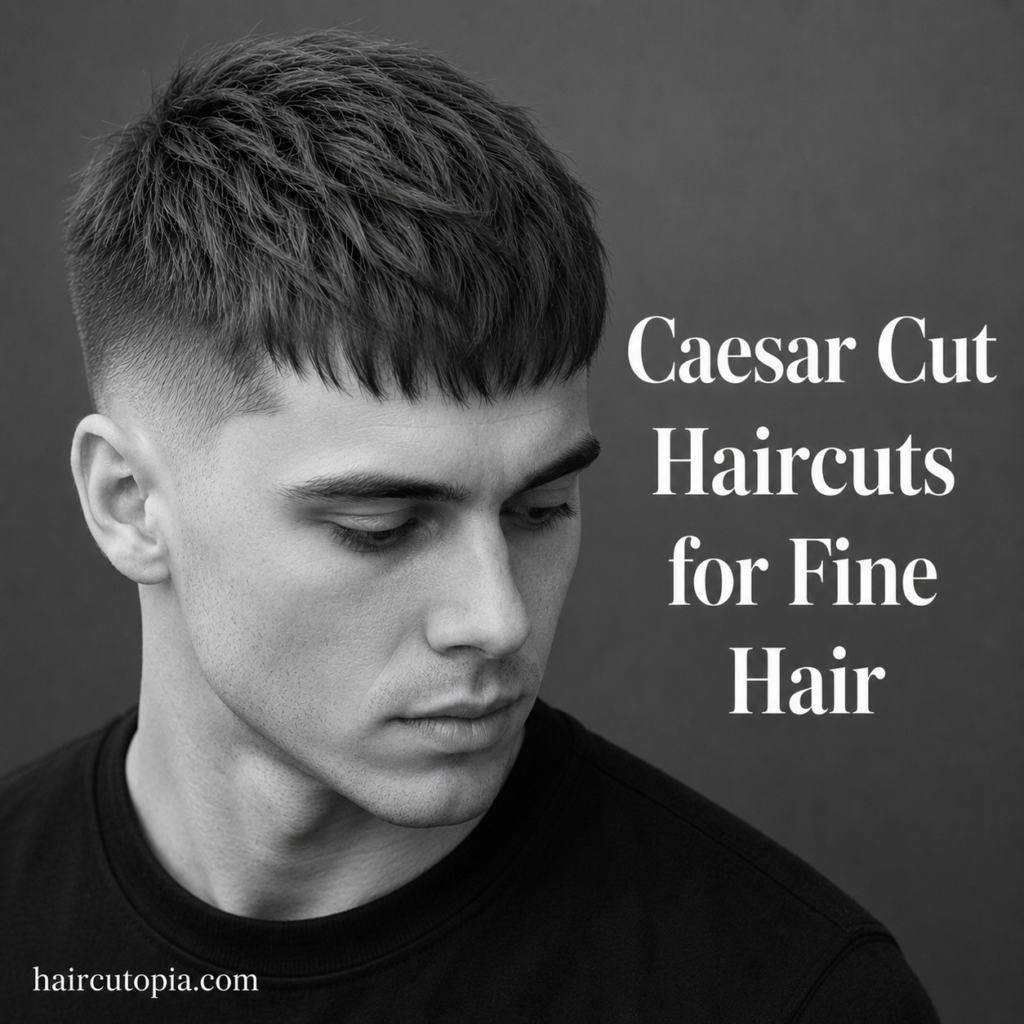
One of the best options for men with fine hair is the Caesar cut. This timeless hairstyle uses a short fringe, forward styling, and textured layers to create the appearance of thicker, fuller hair without requiring a complicated grooming routine.
Whether you’re looking for a classic style, a modern fade, or a textured crop-inspired variation, the Caesar cut offers plenty of versatility while helping fine hair look its best.
Why the Caesar Cut Works So Well for Fine Hair
Many hairstyles depend on natural volume to create shape. Fine hair doesn’t always provide that naturally, which is why some cuts can leave hair looking flat or lifeless.
The Caesar cut solves many of these challenges by:
- Creating texture and movement
- Making hair appear denser
- Reducing the appearance of scalp visibility
- Providing natural coverage at the hairline
- Requiring minimal styling effort
- Working with the hair’s natural growth pattern
Because the hair is styled forward rather than upward or backward, it often creates a fuller appearance throughout the front and crown areas.
What Is a Caesar Cut?
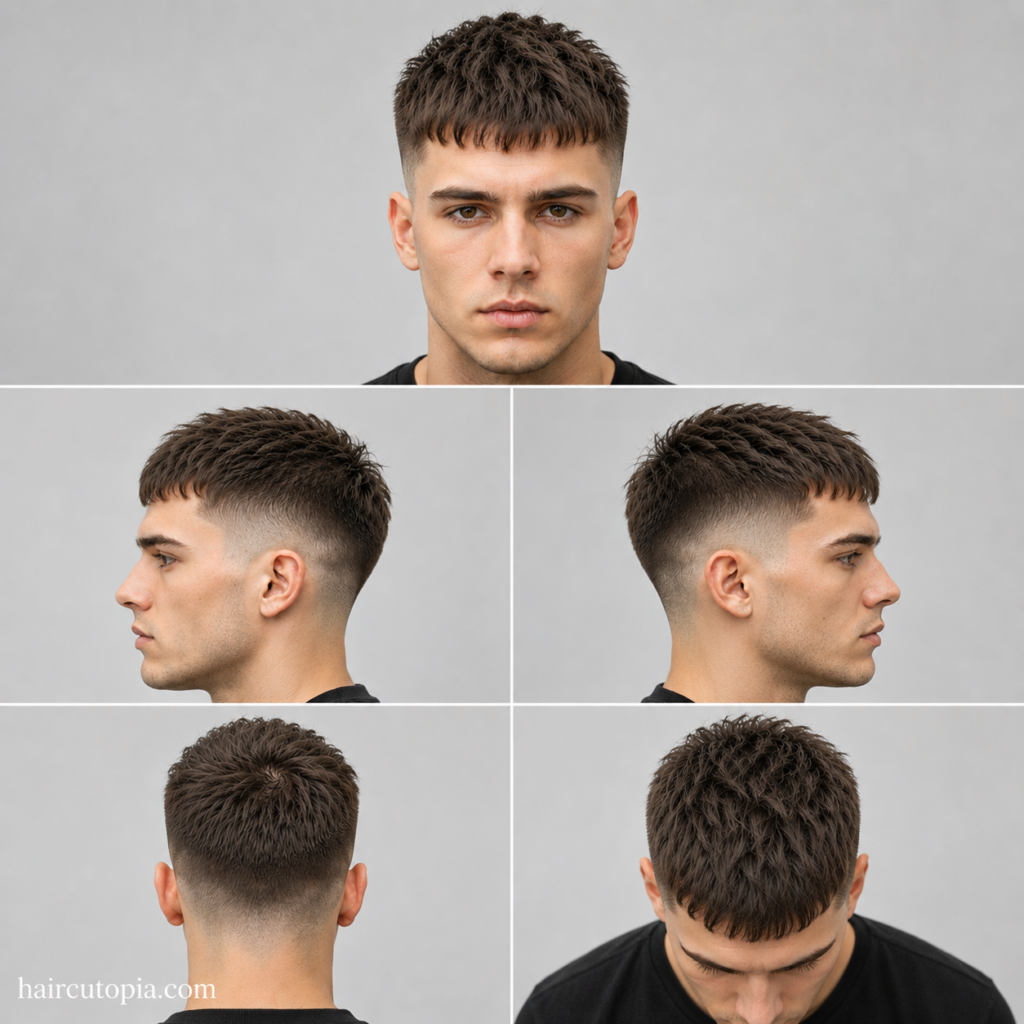
The Caesar cut is a short men’s haircut known for:
- A short fringe across the forehead
- Hair styled forward
- Short or tapered sides
- Textured layers on top
- A clean, structured silhouette
Modern Caesar cuts often include fades, textured finishes, and contemporary styling techniques that make the classic haircut feel fresh and current.
Best Caesar Cut Haircuts for Fine Hair
Classic Caesar Cut
The traditional Caesar cut remains one of the most practical options for men with fine hair.
Why it works:
- Clean and timeless appearance
- Easy to style
- Creates consistent density throughout the haircut
- Suitable for most ages and professions
This version keeps things simple while maximizing the appearance of fullness.
Textured Caesar Cut
Texture is often the secret to making fine hair appear thicker.
Benefits include:
- More visual volume
- Better movement
- Increased dimension
- Fuller overall appearance
Barbers can add texture without removing too much weight, helping the hair maintain a denser look.
Short Caesar Cut
A shorter Caesar cut can be especially effective for fine hair.
Advantages:
- Easy daily maintenance
- Less separation between strands
- Cleaner appearance
- Reduced visibility of thinning areas
Many men find shorter styles make fine hair look healthier and more uniform.
Caesar Cut with Low Fade
A low fade modernizes the haircut while maintaining a balanced appearance.
Features:
- Subtle transition on the sides
- Clean neckline
- Professional styling
- Enhanced shape
This variation works well for men who want a polished look without excessive contrast.
Caesar Cut with Mid Fade
A mid fade creates a sharper, more contemporary finish.
Benefits:
- Increased definition
- Stronger facial framing
- More structured appearance
- Added visual thickness on top
The contrast between the sides and top can make fine hair appear fuller.
Caesar Cut with Skin Fade
The skin fade version offers maximum contrast.
This style works best for men who:
- Prefer modern hairstyles
- Like clean barbered looks
- Want a sharper silhouette
- Have enough density on top to support the contrast
A textured top helps maintain balance with the closely faded sides.
Messy Caesar Cut
A slightly messy finish can work wonders for fine hair.
Characteristics include:
- Natural movement
- Piecey texture
- Casual styling
- Fuller appearance
This version avoids overly neat styling, which can sometimes expose fine hair’s lack of density.
Crop-Inspired Caesar Cut
The modern textured crop shares similarities with the Caesar cut and works exceptionally well for fine hair.
Benefits:
- Heavy texture on top
- Natural fringe
- Contemporary style
- Strong visual volume
This variation has become increasingly popular in recent years because it combines practicality with fashion-forward styling.
Caesar Cut with Beard
Facial hair can help create overall balance when paired with fine hair.
Advantages include:
- Enhanced facial structure
- Stronger masculine appearance
- Better visual proportion
- Added contrast
Even light stubble can complement a Caesar cut nicely.
How to Style a Caesar Cut for Fine Hair
The Caesar cut is naturally low maintenance, but proper styling can make a noticeable difference.
Start with Lightweight Products
Fine hair responds best to products that add texture without weighing it down.
Good options include:
- Texture powder
- Matte styling clay
- Lightweight texture cream
- Sea salt spray
Avoid heavy pomades or greasy products that can flatten the hair.
Blow Dry for Extra Volume
A few minutes with a blow dryer can create significant improvement.
Focus on:
- Lifting the roots
- Directing the hair forward
- Adding subtle movement
- Creating separation
This simple step can help fine hair look noticeably fuller.
Use Your Fingers Instead of a Comb
Finger styling often creates more natural texture.
Benefits include:
- Better volume
- Less flattening
- More relaxed appearance
- Improved separation
Many Caesar cuts actually look better with slightly imperfect styling.
Schedule Regular Trims
Fine hair can lose shape quickly as it grows.
For best results:
- Fade styles every 2–4 weeks
- Classic Caesar cuts every 4–6 weeks
Maintaining clean lines helps preserve the illusion of density.
Face Shapes That Pair Well with a Caesar Cut
The Caesar cut is adaptable enough to suit most face shapes.
Oval Face
Almost any Caesar variation works well with balanced facial proportions.
Round Face
Adding texture and a fade can help create more definition.
Square Face
The structured fringe complements strong jawlines and angular features.
Heart-Shaped Face
The fringe helps balance a broader forehead while creating symmetry.
Diamond Face
The Caesar cut softens prominent cheekbones while maintaining clean proportions.
Common Mistakes Men with Fine Hair Should Avoid
Even the right haircut can underperform if styling habits aren’t working in your favor.
Avoid:
- Growing fine hair excessively long
- Using heavy styling products
- Overloading hair with shine products
- Skipping regular barber visits
- Choosing hairstyles that rely on significant natural volume
Simple, textured styles typically produce the best results.
Is a Caesar Cut Good for Fine Hair?
Without question. The Caesar cut is one of the most flattering hairstyles for men with fine hair because it creates texture, adds visual density, and minimizes many of the challenges associated with finer hair types.
Whether you choose a classic Caesar, a textured version, or a modern fade variation, this versatile haircut can help fine hair appear fuller while remaining easy to style and maintain. For men seeking a practical, stylish haircut that works with fine hair rather than against it, the Caesar cut remains a reliable choice year after year.