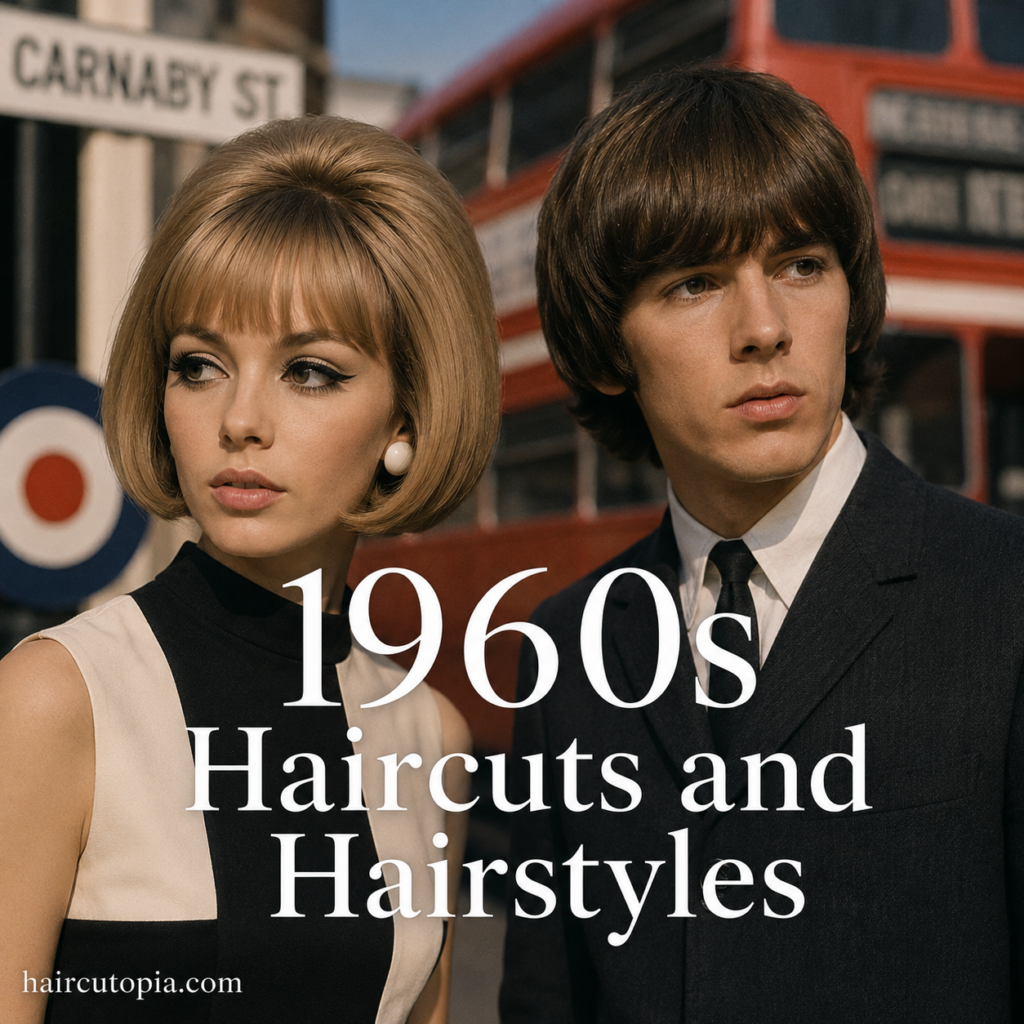
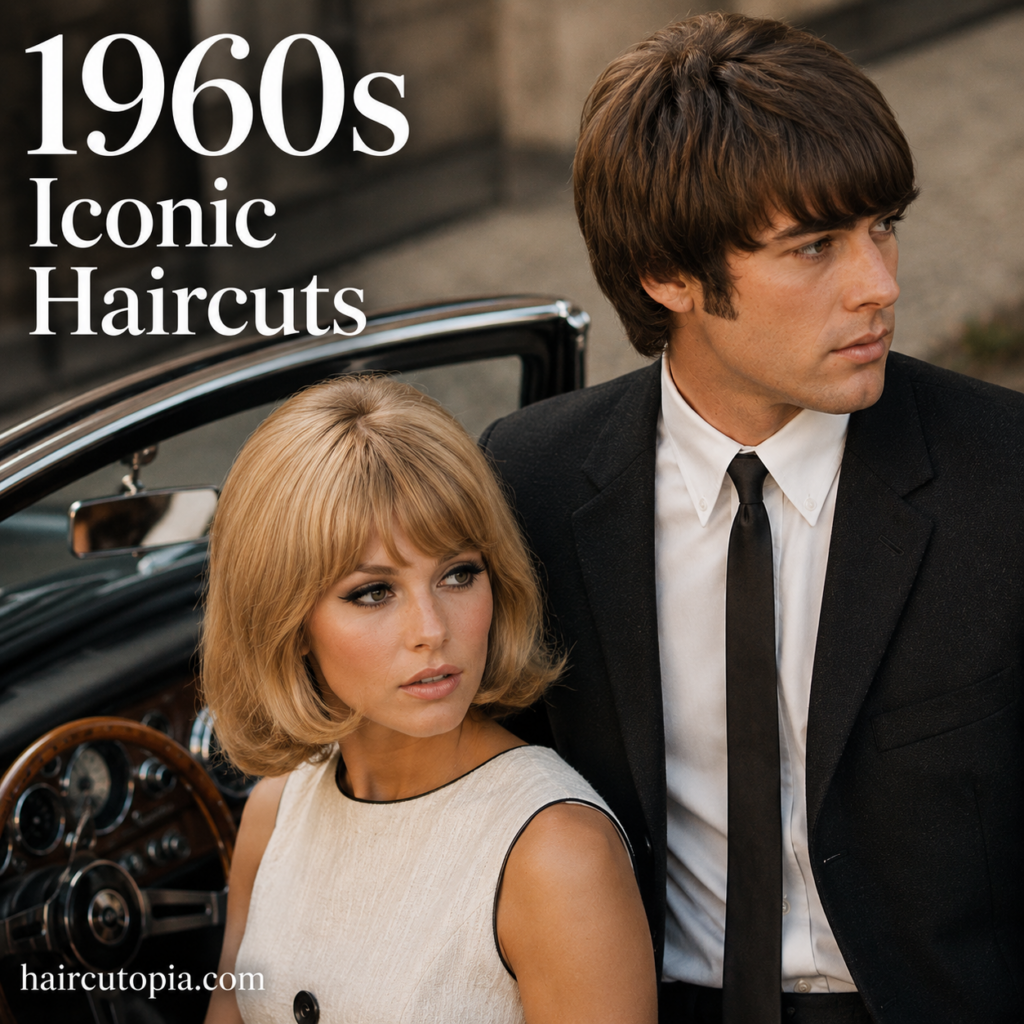
The 1960s was one of the most innovative decades in hair history. It introduced bold silhouettes, precision cutting, dramatic volume, and effortless natural styles that completely transformed the beauty industry. Many of the decade’s most recognizable haircuts are still worn today, proving that great design never goes out of style.
From the geometric precision of the Vidal Sassoon bob to the rebellious mop top and the elegant pageboy, 1960s iconic haircuts reflected a rapidly changing world. Fashion, music, television, and youth culture all played a role in shaping these unforgettable looks.
Whether you’re researching vintage hairstyles, looking for salon inspiration, or simply curious about the decade’s biggest trends, this guide explores the most iconic haircuts of the 1960s and why they remain timeless.
Why the 1960s Changed Haircut History
Before the 1960s, many hairstyles relied heavily on rollers, teasing, and hairspray. Haircuts often served as the foundation for elaborate styling rather than standing on their own.
The 1960s changed that approach.
Stylists began focusing on precision cutting, natural movement, and silhouettes that worked with the hair instead of against it.
Several cultural influences helped shape the decade’s haircuts:
- The British Invasion
- The Mod movement
- Hollywood films
- Television
- Rock and roll
- The hippie counterculture
- Advances in hairstyling techniques
As a result, the decade produced some of the most recognizable haircuts ever created.
How Haircuts Evolved Throughout the 1960s
The decade can generally be divided into three distinct periods.
Early 1960s (1960–1963)
Haircuts remained relatively conservative.
Popular characteristics included:
- Rounded shapes
- Structured volume
- Minimal layering
- Elegant silhouettes
- Smooth styling
Many styles still required significant daily maintenance.
Mid-1960s (1964–1966)
Haircut design became the main focus.
Major trends included:
- Precision cuts
- Sharp lines
- Blunt bobs
- Pixie cuts
- Graphic fringes
This period revolutionized salon cutting techniques.
Late 1960s (1967–1969)
Hair became more relaxed and natural.
Popular features included:
- Longer lengths
- Soft layers
- Center parts
- Natural texture
- Minimal styling
These haircuts laid the foundation for many 1970s trends.
The Most Iconic Women’s Haircuts
The Vidal Sassoon Bob
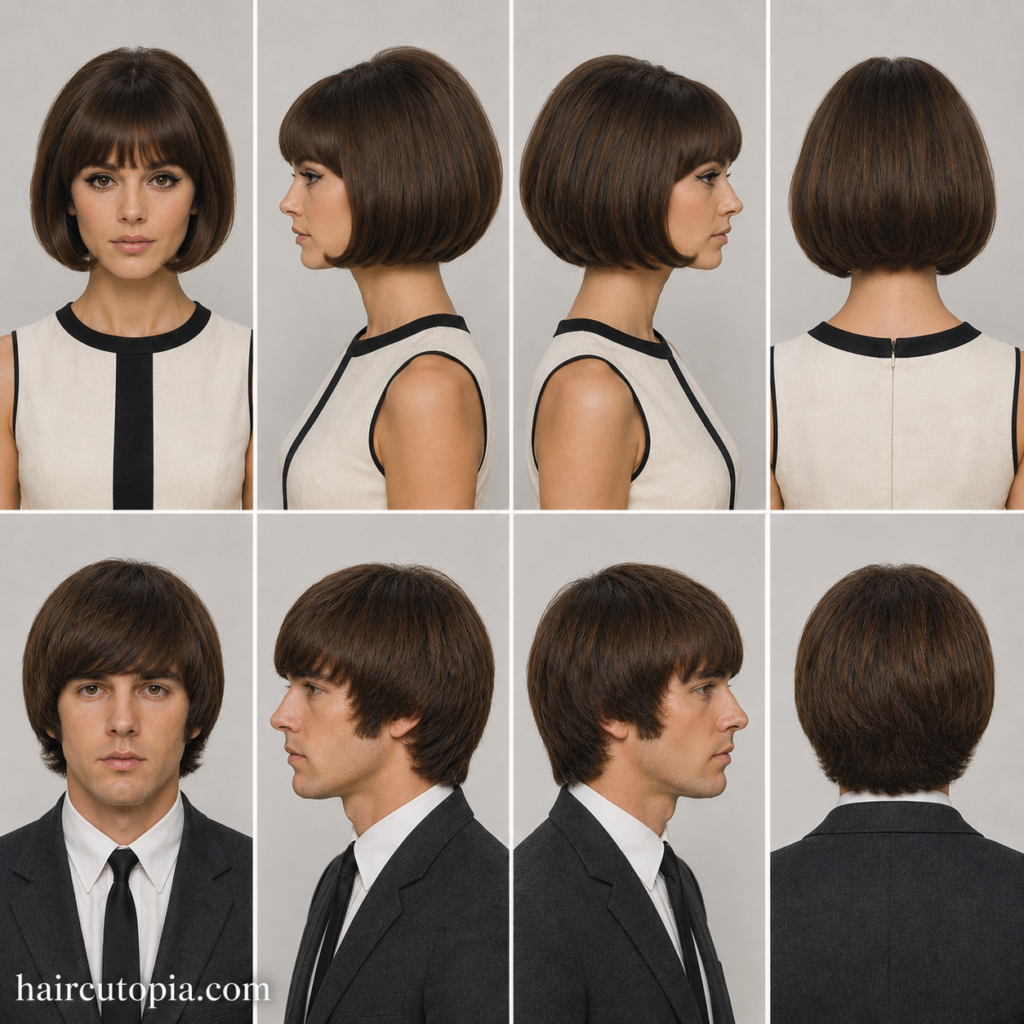
Few haircuts have had as much influence as the Vidal Sassoon bob.
Unlike previous styles that depended on teasing and rollers, this haircut relied on expert precision cutting to naturally maintain its shape.
Its defining features included:
- Blunt ends
- Clean geometric lines
- Smooth texture
- Minimal layers
- Easy styling
Today, many modern blunt bobs are direct descendants of this revolutionary haircut.
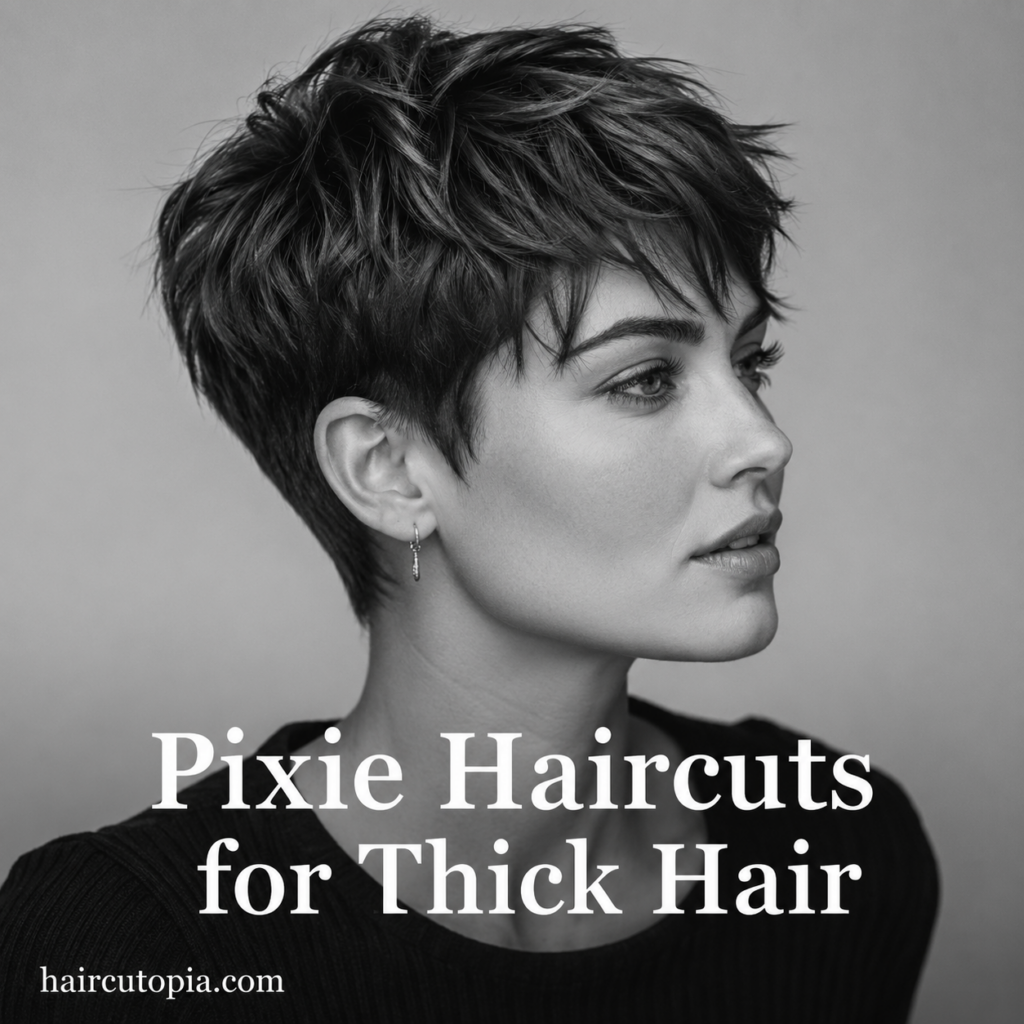
The Pixie Cut
The pixie became one of the boldest fashion statements of the decade.
The classic 1960s version featured:
- Closely cropped sides
- Slightly longer top
- Soft fringe
- Sleek finish
- Feminine silhouette
It challenged traditional beauty standards while remaining elegant and sophisticated.
The Pageboy
The pageboy became a favorite for women seeking a polished, low-maintenance haircut.
Characteristics included:
- Chin to shoulder length
- Rounded edges
- Curled-under ends
- Thick appearance
- Smooth styling
Its timeless shape remains popular today.
The French Bob
The French bob experienced renewed popularity during the decade.
Features included:
- Chin-length cut
- Blunt fringe
- Rounded shape
- Minimal layering
- Classic Parisian elegance
The haircut perfectly complemented the growing Mod fashion movement.
The Flip Haircut
The flip became one of the decade’s signature styles.
Rather than curling inward, the ends flipped outward to create movement and personality.
Its features included:
- Medium length
- Smooth roots
- Flipped ends
- Soft volume
- Side part
It struck the perfect balance between playful and polished.
Long Layered Hair
By the late 1960s, many women embraced longer hair.
Unlike earlier structured styles, these haircuts focused on:
- Natural movement
- Light layering
- Center parts
- Healthy shine
- Soft texture
The effortless aesthetic reflected changing attitudes toward beauty and self-expression.
The Most Iconic Men’s Haircuts
The Mop Top
Perhaps no men’s haircut represents the 1960s more than the mop top.
Its distinctive appearance included:
- Medium length
- Full fringe
- Rounded silhouette
- Hair covering the ears
- Thick texture
The style helped redefine men’s fashion around the world.
The Ivy League
For men preferring a more traditional appearance, the Ivy League remained popular.
Characteristics included:
- Short sides
- Longer top
- Side part
- Clean taper
- Professional styling
It blended timeless grooming with modern tailoring.
The Side-Part Taper
The classic taper continued throughout much of the decade.
Features included:
- Clean neckline
- Tapered sides
- Defined part
- Medium top length
- Versatile styling
It worked equally well in professional and casual settings.
Longer Layered Hair
Toward the end of the decade, men’s hairstyles gradually became longer.
Popular features included:
- Ear-length sides
- Side-swept fringe
- Natural texture
- Light layering
- Relaxed styling
These cuts paved the way for many 1970s hairstyles.
Haircuts That Defined the Mod Movement
The Mod movement introduced a fresh, modern approach to hairstyling.
Instead of relying on elaborate curls, Mod haircuts emphasized:
- Precision
- Geometry
- Symmetry
- Sharp fringes
- Smooth finishes
Many of today’s minimalist hairstyles still borrow from Mod aesthetics.
Haircuts Inspired by the Hippie Movement
As the decade progressed, many people abandoned highly structured styles.
Popular late-1960s haircuts included:
- Long straight hair
- Soft layers
- Curtain bangs
- Feathered movement
- Natural texture
The focus shifted toward authenticity rather than perfection.
Haircuts for Different Hair Types
One reason these iconic haircuts remain relevant is their versatility.
Straight Hair
Excellent choices include:
- Vidal Sassoon bob
- French bob
- Pageboy
- Pixie cut
Wavy Hair
Ideal for:
- Long layers
- Curtain bangs
- Flip haircut
- Relaxed shoulder-length cuts
Curly Hair
Great options include:
- Rounded bobs
- Layered medium cuts
- Voluminous pixies
- Soft natural curls
Thick Hair
Works especially well with:
- Blunt bobs
- Long layered cuts
- Mop tops
- Full fringes
Fine Hair
Can benefit from:
- Precision cuts
- Pixie styles
- Structured bobs
- Flip hairstyles
Hair Products That Helped Create These Looks
The decade’s hairstyles often depended on specialized products.
Popular choices included:
- Hairspray
- Setting lotion
- Hair rollers
- Blow dryers
- Teasing combs
- Hair cream
- Pomade
- Bobby pins
Later in the decade, lighter products became increasingly popular as natural styles emerged.
Why These Haircuts Remain Popular Today
Many modern hairstyles are updated versions of classic 1960s cuts.
Examples include:
- Blunt bobs
- Curtain bangs
- Modern pixie cuts
- Layered long hair
- Textured mop-inspired cuts
- Rounded bobs
Today’s stylists often soften these vintage designs with lighter layering and more natural texture while preserving their recognizable silhouettes.
How to Modernize a 1960s Haircut
If you’re inspired by the decade, you don’t need to recreate every vintage detail.
Modern updates include:
- Add soft layers for movement.
- Replace heavy teasing with volumizing products.
- Wear natural texture instead of stiff styling.
- Customize fringe to suit your face shape.
- Pair classic cuts with modern hair color techniques.
These subtle adjustments make vintage haircuts easier to maintain while preserving their timeless appeal.
Frequently Asked Questions
What is the most iconic 1960s haircut?
The Vidal Sassoon bob is often considered the decade’s most influential haircut, while the mop top became the defining men’s style.
Were 1960s haircuts difficult to maintain?
Some early styles required daily styling, but precision cuts like the Sassoon bob were designed to hold their shape with minimal effort.
What’s the difference between a 1960s bob and a modern bob?
A traditional 1960s bob typically featured stronger geometric lines, blunt ends, and a smoother finish. Modern versions often include softer layers and more texture.
Are 1960s haircuts still fashionable?
Absolutely. Curtain bangs, blunt bobs, pixie cuts, and long layered hairstyles all continue to draw inspiration from the 1960s.
Which iconic 1960s haircut is easiest to wear today?
A blunt bob, a modern pixie, or long layered hair with curtain bangs are among the most versatile and low-maintenance options.
Final Thoughts
The 1960s introduced some of the most iconic haircuts ever created. From the revolutionary precision of the Vidal Sassoon bob to the timeless appeal of the pageboy, pixie cut, and mop top, the decade transformed hairstyling into an art form.
More than sixty years later, these legendary cuts continue to influence salons around the world. Their clean shapes, versatility, and ability to adapt to modern trends have ensured they remain as stylish today as they were during one of fashion’s most groundbreaking decades.