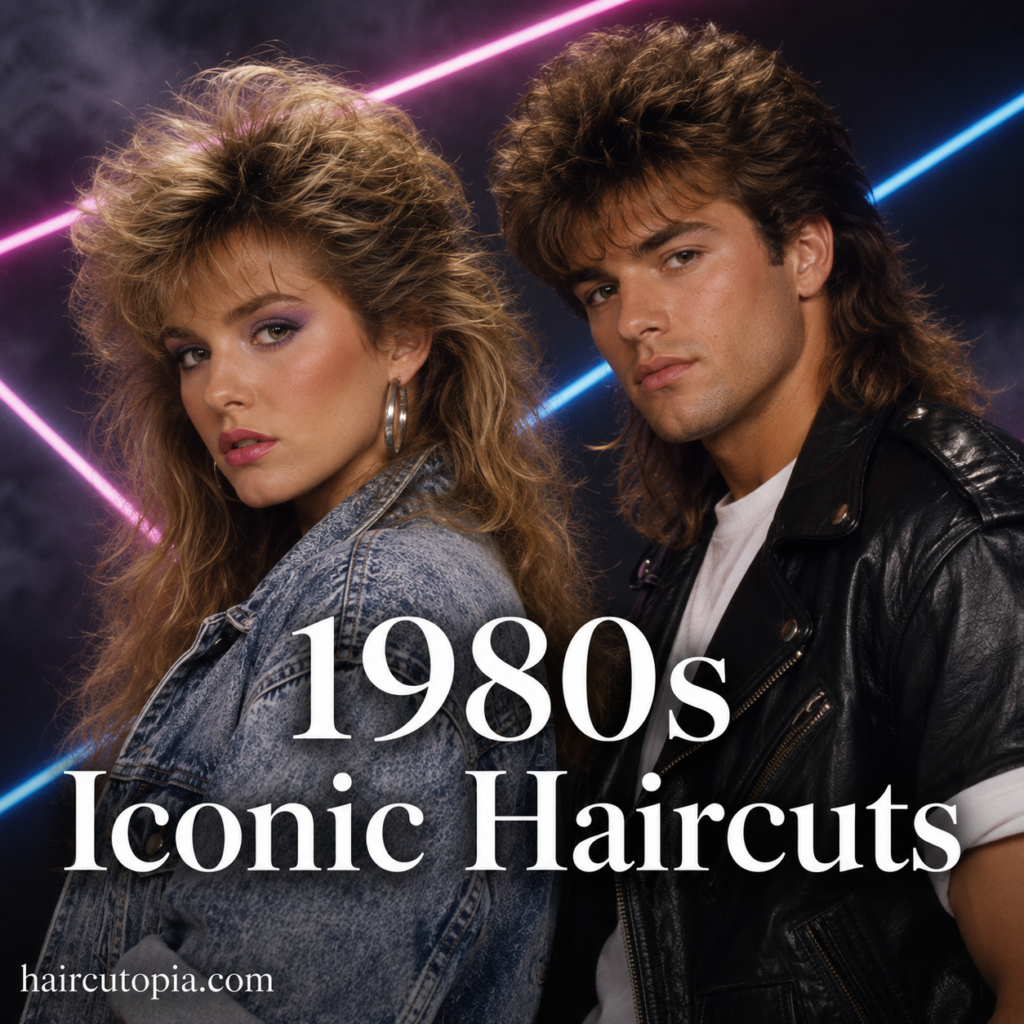
The 1980s were one of the most influential decades in hair history. While every era has its signature looks, few have produced as many instantly recognizable haircuts as the ’80s. Bold silhouettes, dramatic layering, textured finishes, and fearless experimentation made the decade unlike anything that came before or after.
From the legendary mullet and feathered layers to shag cuts, flat tops, and voluminous bobs, iconic 1980s haircuts became symbols of individuality. Musicians, actors, athletes, and television personalities all helped popularize these styles, turning them into cultural landmarks that are still referenced today.
Many of these cuts have experienced a revival in recent years. Modern hairstylists have softened the shapes and updated the styling, but the unmistakable influence of the 1980s remains stronger than ever.
Whether you’re exploring hair history or looking for inspiration for your next salon visit, here’s a closer look at the most iconic haircuts of the decade.
What Made a Haircut Iconic in the 1980s?
The hairstyles of the decade weren’t memorable simply because they were large—they stood out because they reflected the confidence and creativity of the era.
Several characteristics defined iconic ’80s cuts:
- Heavy layering
- Dramatic volume
- Textured finishes
- Distinctive silhouettes
- Versatile styling options
- Bold personality
Rather than blending in, these haircuts were designed to make a statement.
Why Layering Defined the Decade
Nearly every famous haircut from the 1980s relied on strategic layering.
Layers helped create:
- More movement
- Fuller-looking hair
- Easier styling
- Better support for curls
- Lift around the crown
- A softer frame around the face
Without layered cutting techniques, many of the decade’s signature styles simply wouldn’t have been possible.
The Most Iconic 1980s Haircuts
The Mullet
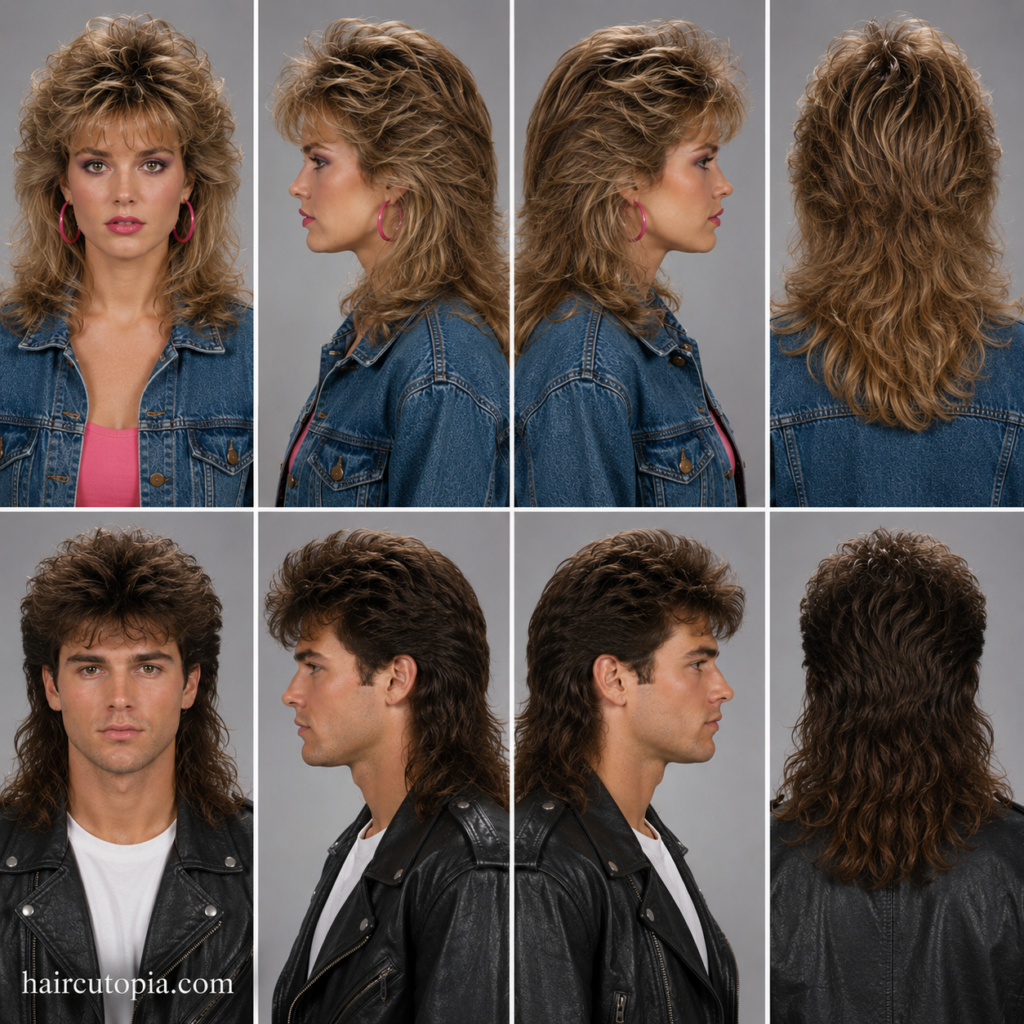
No haircut represents the 1980s quite like the mullet.
Its unmistakable formula became famous around the world:
- Short on top
- Short on the sides
- Long in the back
Originally embraced by musicians, athletes, and actors, the mullet eventually became one of the decade’s defining cultural symbols.
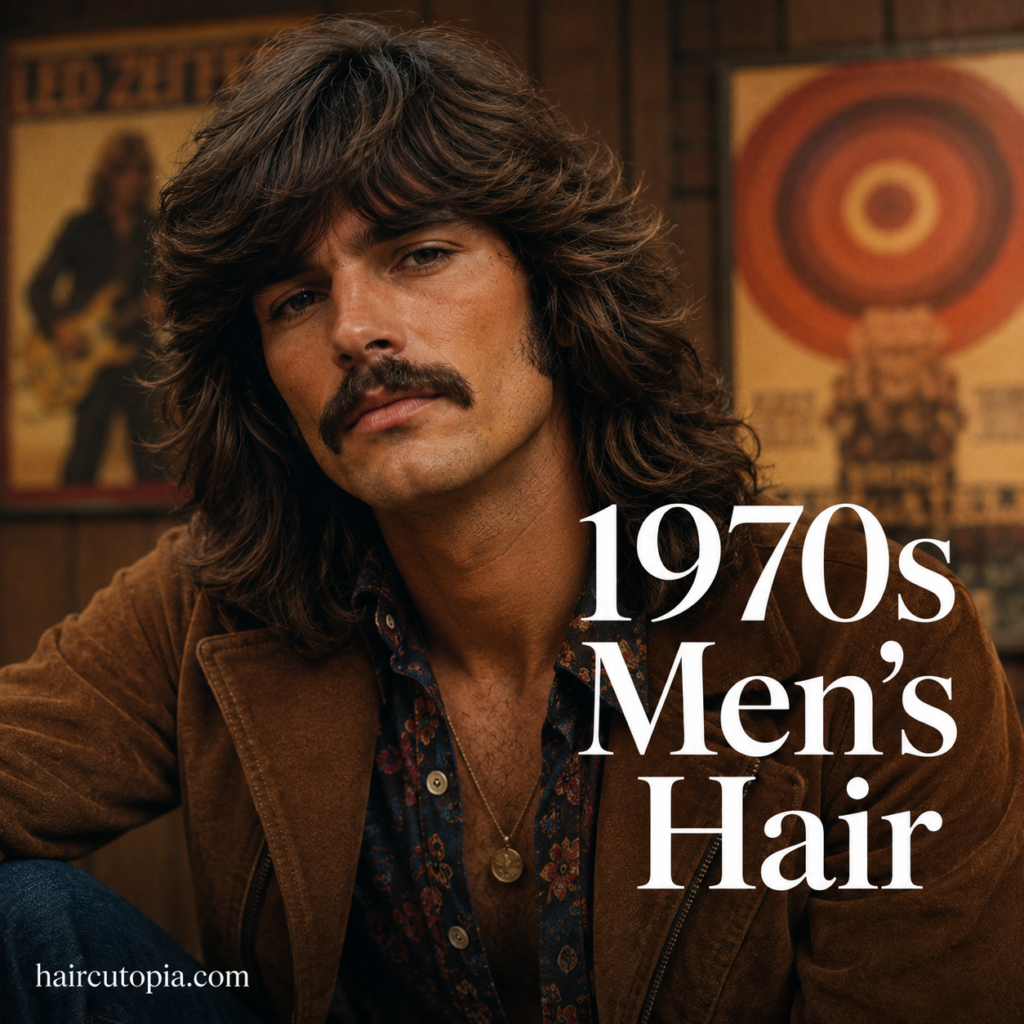
Today’s modern mullets feature softer blending, textured layers, and a more wearable silhouette.
The Feathered Cut
Feathered hair remained one of the most requested salon styles throughout the decade.
This haircut featured:
- Layered sides
- Face-framing pieces
- Soft feathered ends
- Lift around the crown
Blow-drying with a round brush helped create the signature feathered appearance.
Modern curtain layers borrow many ideas from this classic cut.
The Shag Haircut
The shag evolved into one of the most versatile cuts of the decade.
Characterized by:
- Choppy layers
- Textured ends
- Volume throughout
- Natural movement
the shag worked well on straight, wavy, and curly hair alike.
Today’s wolf cut traces much of its inspiration back to the iconic 1980s shag.
The Flat Top
The flat top became one of the most recognizable men’s haircuts of the decade.
Key features included:
- Extremely short sides
- Flat horizontal top
- Sharp geometric edges
- Clean outline
The style became especially influential within hip-hop culture and remains a classic barbershop cut today.
The High-Top Fade
Late in the decade, the high-top fade emerged as one of the most innovative hairstyles of its time.
It featured:
- Faded sides
- Tall sculpted top
- Crisp edges
- Precise barbering
The haircut continued growing in popularity throughout the early 1990s.
The Voluminous Bob
The classic bob received a dramatic makeover during the 1980s.
Instead of sleek lines, stylists emphasized:
- Rounded volume
- Layered movement
- Soft curls
- Lift at the crown
This glamorous version gave the timeless bob a distinctly ’80s personality.
The Asymmetrical Bob
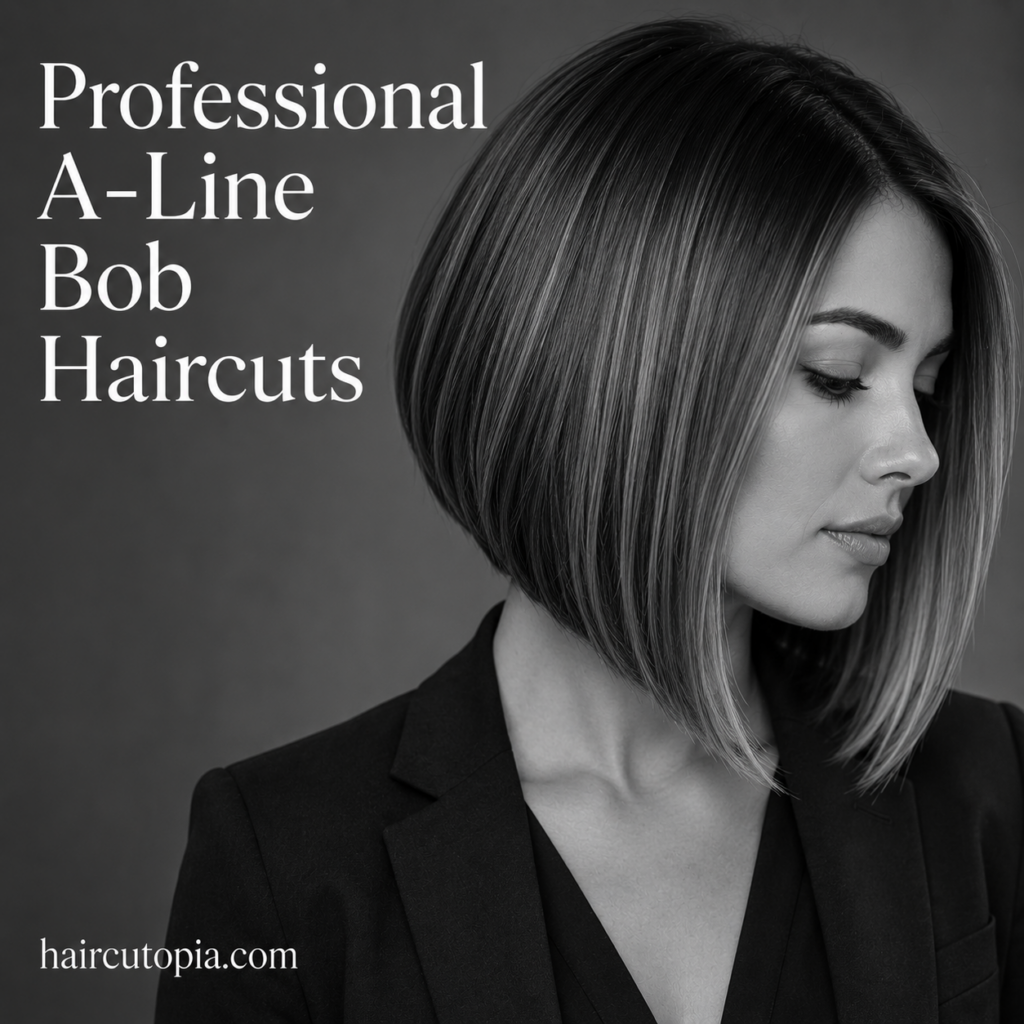
Fashion-forward salons introduced asymmetrical bobs that added an edgy twist to traditional styles.
Characteristics included:
- Uneven lengths
- Angled shape
- Layered texture
- Dramatic side profile
The haircut appealed to those seeking a more contemporary look.
The Pixie Cut
Although the decade often celebrated longer hair, pixie cuts remained a stylish option.
The ’80s version typically featured:
- Layered tops
- Textured fringe
- Soft volume
- Feminine styling
Unlike today’s ultra-cropped pixies, many retained enough length for flexible styling.
Long Layered Hair
Not every iconic haircut was short.
Long layered cuts became incredibly popular because they could easily be styled into:
- Blowouts
- Curls
- Feathered looks
- Ponytails
- Crimped hairstyles
The haircut itself served as the foundation for countless hairstyles throughout the decade.
Curly Layered Cut
As natural texture gained popularity, layered curly cuts became increasingly common.
The layers reduced bulk while allowing curls to bounce naturally.
This approach continues influencing curly haircut techniques today.
The Bowl Cut
Although often associated with younger wearers, bowl cuts remained surprisingly popular during the 1980s.
Updated versions incorporated:
- Softer edges
- Layering
- Improved blending
to create a more fashionable appearance.
Short Textured Crop
Toward the end of the decade, shorter textured cuts gained popularity.
These cuts relied on:
- Piecey texture
- Layered crowns
- Easy maintenance
- Natural movement
Many modern textured crops have roots in these late-1980s styles.
Iconic Women’s Haircuts of the 1980s
Several cuts became synonymous with women’s fashion during the decade.
The most recognizable included:
- Feathered layers
- Voluminous bob
- Shag haircut
- Long layered hair
- Curly layered cut
- Pixie cut
- Asymmetrical bob
Each provided the structure needed to achieve the decade’s signature volume.
Iconic Men’s Haircuts of the 1980s
Men’s styles became equally adventurous.
Popular choices included:
- Mullet
- Flat top
- High-top fade
- Feathered cut
- Crew cut
- Buzz cut
- Layered side-part
- Short textured crop
These cuts reflected the diversity of fashion throughout the decade.
How Music Shaped Iconic Haircuts
Music played a major role in defining hair trends.
Genres that influenced hairstyles included:
- Pop
- Rock
- Heavy metal
- New wave
- Hip-hop
- Punk
Artists introduced bold haircut ideas that salons quickly adapted for everyday clients.
Television and Movie Influence
Television reached millions of viewers every week.
Popular sitcoms, dramas, and blockbuster films showcased hairstyles that audiences immediately wanted to recreate.
Stylists often kept magazines filled with celebrity photos for clients seeking similar haircuts.
Styling Tools Behind the Look
The haircut alone wasn’t enough.
Popular styling tools included:
- Blow dryers
- Round brushes
- Curling irons
- Crimping irons
- Hot rollers
- Diffusers
- Teasing combs
These tools helped maximize the volume and texture that defined the era.
Hair Products That Made It Possible
Salon shelves filled with products promising bigger, longer-lasting styles.
Popular favorites included:
- Volumizing mousse
- Strong-hold hairspray
- Hair gel
- Curl activator
- Root-lifting spray
- Styling cream
- Shine spray
Together, these products transformed layered haircuts into iconic hairstyles.
How Iconic 1980s Haircuts Influenced Modern Trends
Today’s hairstylists continue drawing inspiration from the decade.
Modern adaptations include:
| Iconic 1980s Haircut | Modern Interpretation |
|---|---|
| Mullet | Soft textured mullet |
| Shag | Wolf cut |
| Feathered cut | Curtain layers |
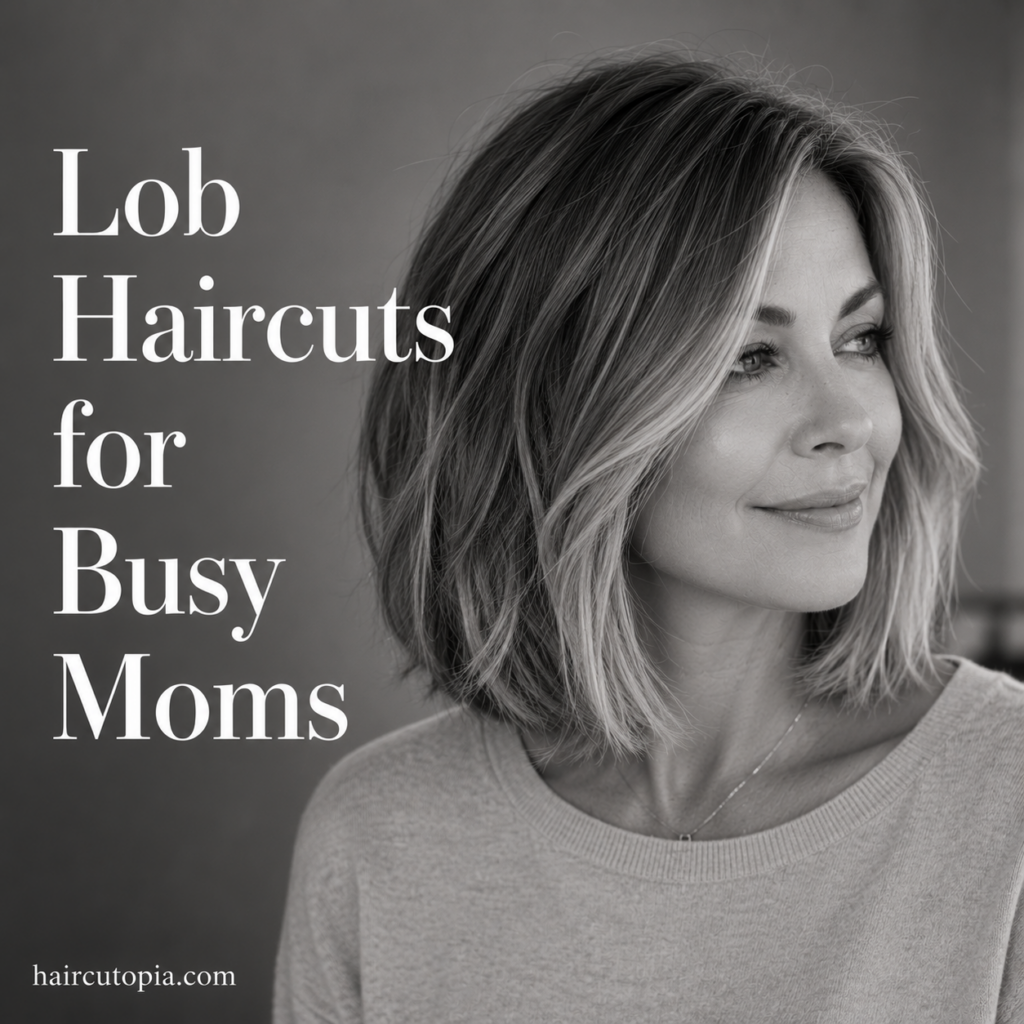
| Voluminous bob | Textured bob |
| Pixie | Long pixie |
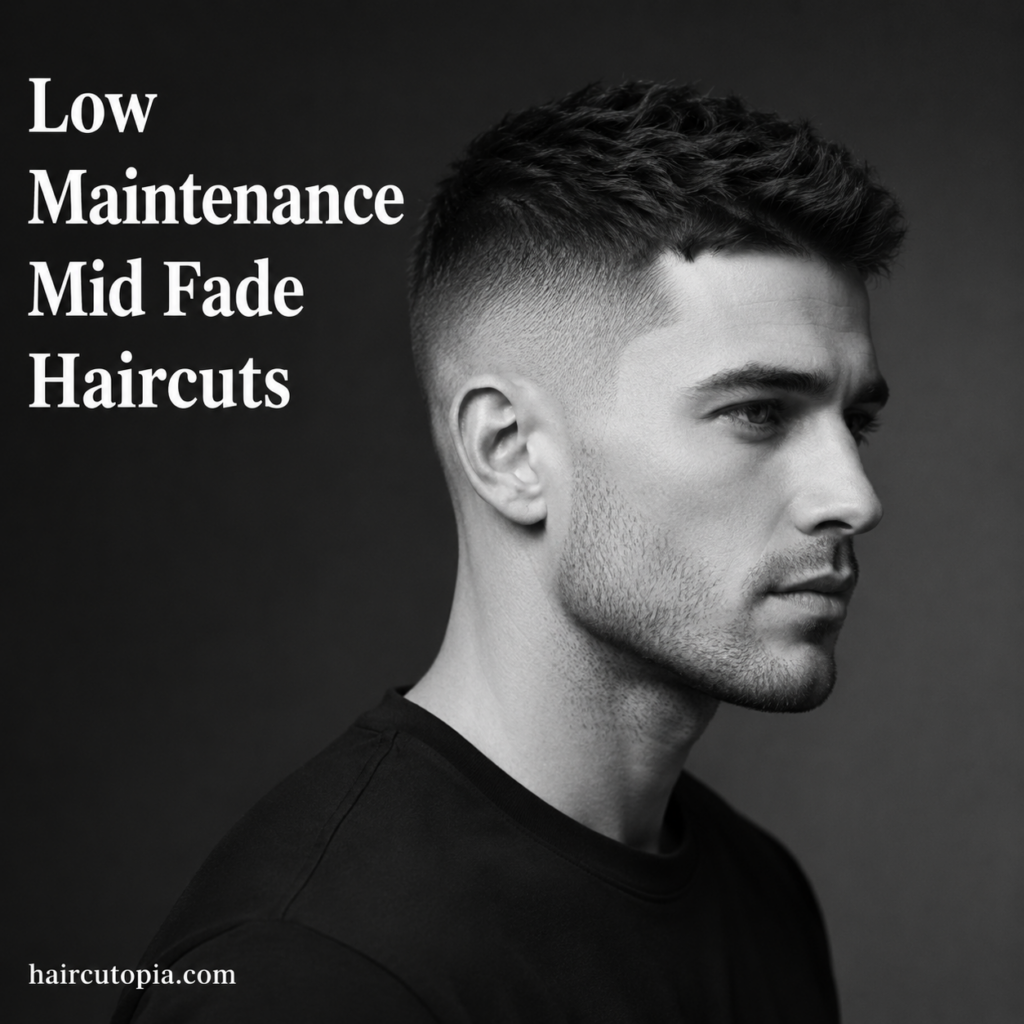
| Flat top | Modern fade |
| Long layers | Butterfly cut |
These updated versions maintain the spirit of the originals while feeling contemporary.
Are Iconic 1980s Haircuts Back?
Yes.
Many of today’s most requested cuts borrow heavily from the decade.
Current favorites include:
- Wolf cuts
- Modern mullets
- Layered bobs
- Feathered curtain bangs
- Long layers
- Curly shags
- Textured pixies
Rather than recreating vintage styles exactly, stylists reinterpret them using softer techniques and healthier styling methods.
Choosing an 1980s-Inspired Haircut Today
If you’re considering an iconic ’80s haircut, think about:
Face Shape
Different layers flatter different facial structures.
Hair Texture
Straight, wavy, curly, and coily hair all respond differently to layering.
Maintenance
Some styles require daily blow-drying, while others are easier to maintain.
Personal Style
Choose a haircut that complements your wardrobe and everyday routine rather than simply copying a vintage photograph.
Frequently Asked Questions
What was the most iconic haircut of the 1980s?
The mullet is generally considered the decade’s most iconic haircut because of its distinctive shape and widespread popularity.
Why were 1980s haircuts so layered?
Layers created volume, movement, and flexibility, making them essential for achieving the decade’s dramatic hairstyles.
Were feathered haircuts only for women?
No. Feathered layers were worn by both men and women throughout the decade.
Which modern haircut comes from the 1980s shag?
The wolf cut is widely regarded as the modern evolution of the classic shag haircut.
Are mullets fashionable again?
Yes. Modern mullets have become increasingly popular thanks to softer layering and more natural styling.
Can you wear an iconic 1980s haircut today?
Absolutely. Most modern versions tone down the dramatic volume while preserving the layered structure that made the originals so recognizable.
Final Thoughts
The 1980s gave the world some of the most memorable haircuts ever created. From the instantly recognizable mullet and feathered layers to voluminous bobs, shags, and flat tops, the decade embraced creativity and individuality in ways that continue to inspire hairstylists today.
While modern interpretations are softer and more refined, the DNA of these iconic cuts remains unmistakable. Whether you’re interested in retro fashion, researching hair history, or looking for a haircut with timeless personality, the iconic haircuts of the 1980s prove that great style always finds a way back into the spotlight.