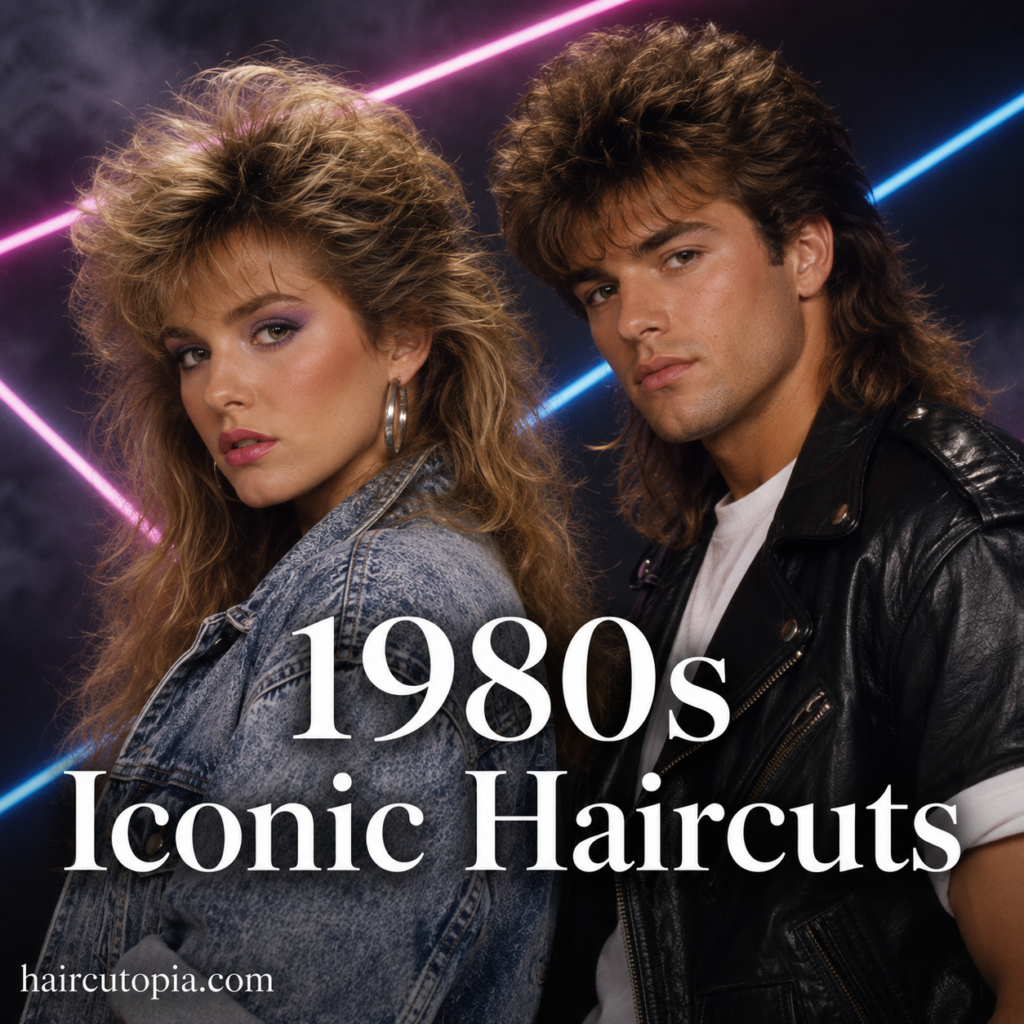
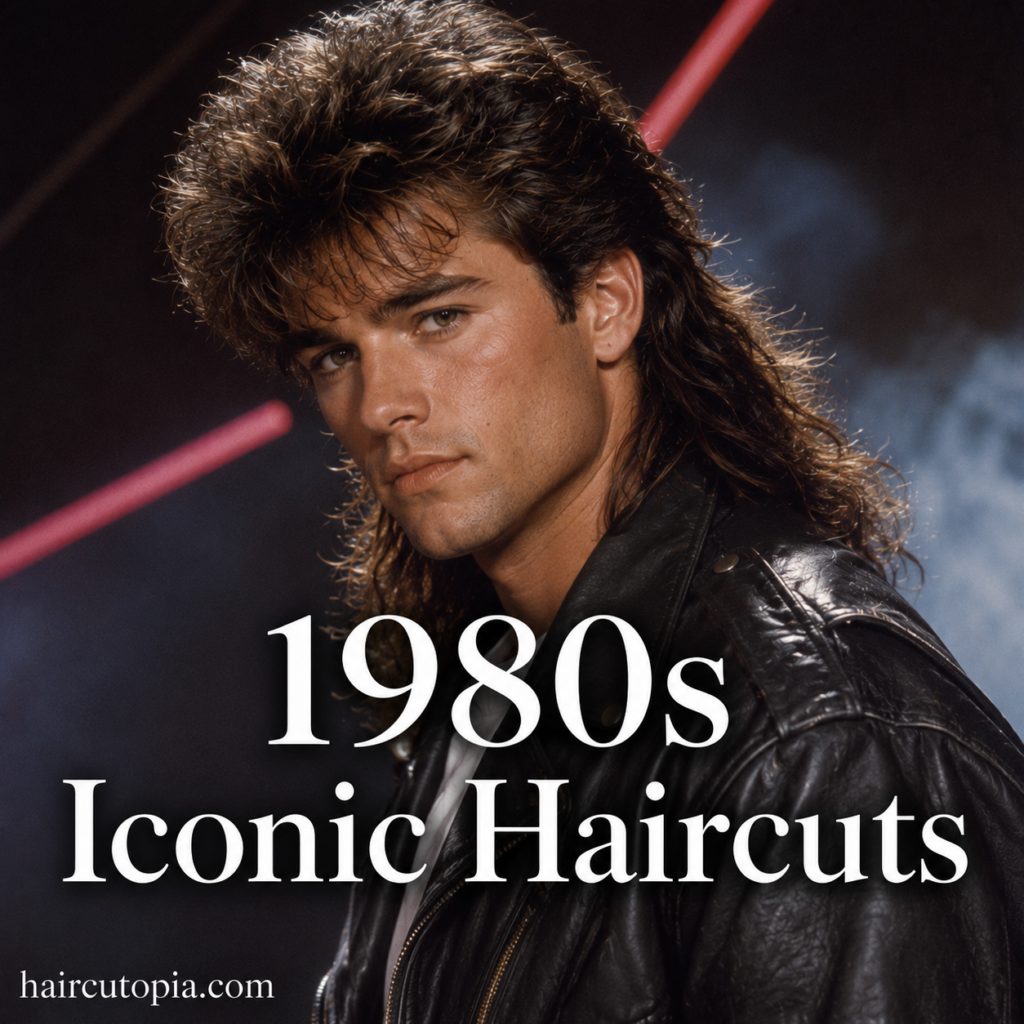
The 1980s were one of the most exciting decades in men’s grooming history. Hair became more than just a practical part of everyday style—it became a statement. Whether it was a perfectly feathered mullet, a towering flat top, or long layered locks inspired by rock stars, men’s hairstyles reflected the confidence and individuality that defined the era.
Unlike previous decades, the 1980s encouraged experimentation. Men embraced longer lengths, dramatic volume, textured cuts, and bold styling products. Influenced by musicians, athletes, movie stars, and the growing popularity of MTV, hairstyles evolved quickly and became one of the decade’s strongest forms of self-expression.
Today, many of these iconic styles are making a comeback. Modern interpretations of the mullet, textured layers, and voluminous cuts continue to appear in barbershops and salons around the world.
Whether you’re looking back at one of the greatest eras in men’s grooming or searching for retro haircut inspiration, this guide covers everything you need to know about 1980s men’s hair.
What Defined 1980s Men’s Hair?
Men’s hairstyles during the 1980s shared several unmistakable characteristics.
Unlike the shorter, conservative cuts of earlier decades, the ’80s celebrated personality and movement.
Common features included:
- Longer lengths
- Heavy layering
- Textured styling
- Fuller crowns
- Soft feathering
- High volume
Rather than aiming for perfectly neat hair, many styles intentionally looked relaxed, windswept, or dramatically textured.
Why Was Hair Bigger in the 1980s?
Fashion during the decade embraced excess.
Clothing became larger, colors became brighter, and hairstyles naturally followed the same direction.
Men achieved extra volume using:
- Blow dryers
- Volumizing mousse
- Hair gel
- Teasing
- Round brushes
- Strong-hold hairspray
The goal wasn’t messy hair—it was controlled volume with plenty of movement.
The Most Popular 1980s Men’s Hairstyles
The Mullet
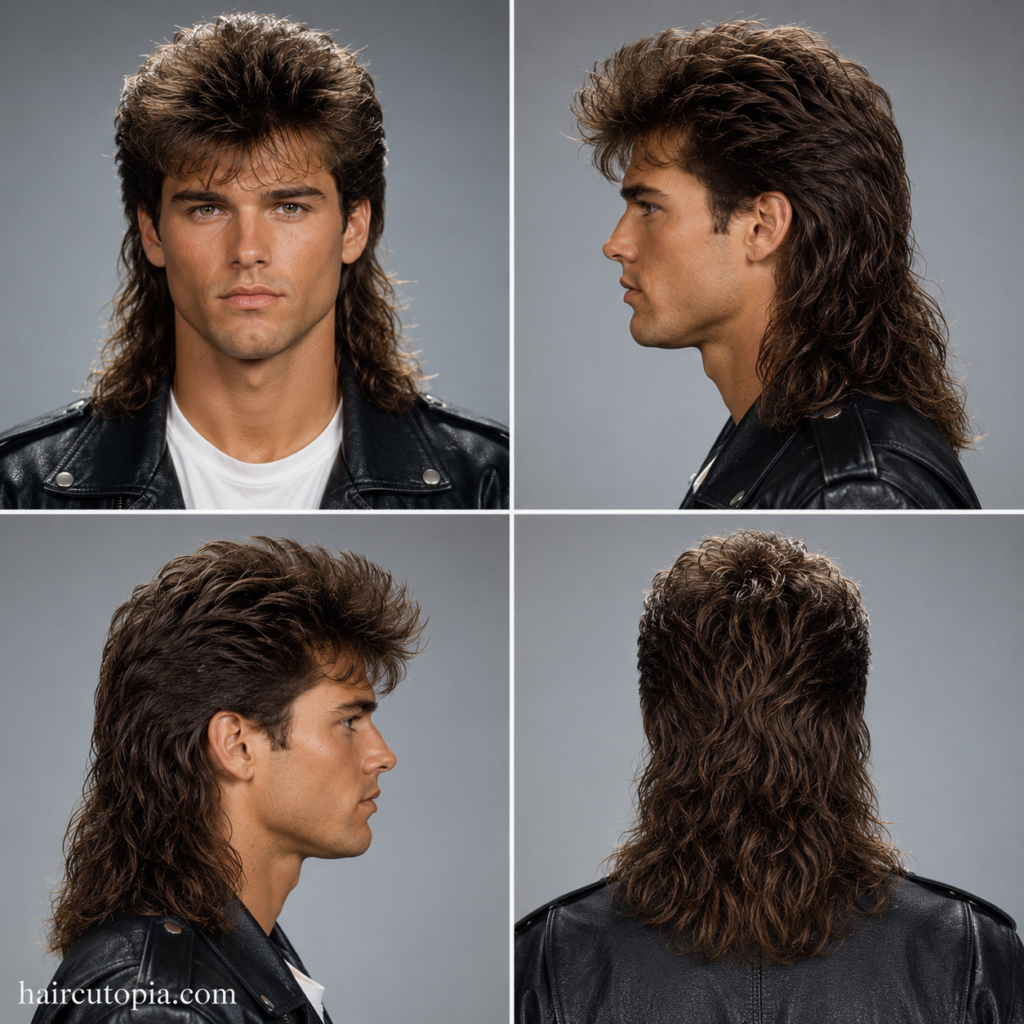
No hairstyle is more closely associated with 1980s men’s fashion than the mullet.
Its famous shape included:
- Short hair on top
- Tapered sides
- Long back
The mullet appealed to athletes, musicians, actors, and everyday men alike because it combined practicality with personality.
Modern mullets are softer and more textured while maintaining the unmistakable silhouette.
Feathered Hair
Feathered hairstyles remained incredibly popular throughout the decade.
This style relied on:
- Medium-length layers
- Blow-dried volume
- Soft movement
- Swept-back sides
The haircut worked especially well for men with naturally thick or straight hair.
Today, feathered layers continue influencing modern textured hairstyles.
Long Layered Hair
Many men embraced longer hair during the 1980s.
Instead of growing hair without shape, stylists incorporated layers that created movement while reducing bulk.
Popular styling options included:
- Natural waves
- Blowouts
- Loose curls
- Tucked-behind-the-ear looks
This haircut became especially popular within rock music culture.
The Flat Top
The flat top became one of the decade’s defining barber cuts.
Characteristics included:
- Very short sides
- Flat horizontal top
- Crisp edges
- Structured appearance
The style gained widespread popularity through hip-hop culture and remains a timeless classic.
High-Top Fade
By the late 1980s, the high-top fade emerged as one of the decade’s most influential hairstyles.
Features included:
- Faded sides
- Tall sculpted top
- Sharp barbering
- Clean outlines
Its impact extended well into the 1990s and continues influencing modern fades.
Side-Parted Layers
Not every hairstyle was dramatic.
Many professional men wore layered side-part hairstyles with:
- Medium length
- Feathered movement
- Natural volume
- Clean side part
The style balanced business professionalism with the relaxed fashion of the decade.
Curly Layered Hair
Men with naturally curly hair embraced their texture rather than trying to hide it.
Layering allowed curls to:
- Bounce naturally
- Reduce excess weight
- Create balanced volume
- Improve overall shape
The look felt effortless while remaining fashionable.
The Shag
The shag haircut became increasingly popular among musicians and creative professionals.
Its defining characteristics included:
- Choppy layers
- Textured ends
- Medium-to-long length
- Relaxed appearance
Modern wolf cuts borrow heavily from this iconic style.
The Crew Cut
Although larger hairstyles dominated fashion, shorter cuts remained popular.
The crew cut offered:
- Easy maintenance
- Clean appearance
- Athletic styling
Many men paired it with slightly longer tops to keep the look contemporary.
Buzz Cut
The buzz cut remained a timeless option throughout the decade.
While it contrasted sharply with more voluminous hairstyles, its simplicity appealed to military personnel, athletes, and anyone seeking low-maintenance grooming.
Haircuts That Defined the Decade
The haircut itself played a major role in creating the signature looks of the era.
Popular cuts included:
- Mullet
- Feathered cut
- Flat top
- High-top fade
- Layered cut
- Shag
- Crew cut
- Buzz cut
- Long layered haircut
Each could be styled differently depending on personal preference.
Hair Products Every Man Used
Styling products became essential during the 1980s.
Popular choices included:
- Hair mousse
- Strong-hold hairspray
- Styling gel
- Pomade
- Hair cream
- Root lifter
- Shine spray
Many men layered several products together to maximize hold and texture.
Styling Tools That Changed Men’s Grooming
Home styling became much more common.
Popular tools included:
- Blow dryers
- Round brushes
- Curling irons
- Diffusers
- Fine-tooth combs
- Teasing combs
These tools made it easier to recreate salon-quality hairstyles at home.
Celebrity Influence on 1980s Men’s Hair
Celebrities drove nearly every major hairstyle trend.
Popular influences included:
- Rock musicians
- Pop stars
- Movie actors
- Television personalities
- Professional athletes
Music videos allowed fans to study hairstyles from every angle, accelerating trend adoption.
Rock Music and Hair Culture
Rock culture had an enormous impact on men’s hairstyles.
Long layered hair, teased volume, and textured cuts became symbols of confidence and rebellion.
Many aspiring musicians adopted:
- Feathered layers
- Long shags
- Big curls
- Mullet variations
These styles became synonymous with the era’s music scene.
Professional Hairstyles in the 1980s
Business settings still encouraged more conservative grooming.
Popular office-friendly hairstyles included:
- Side-parted layered hair
- Medium feathered cuts
- Crew cuts
- Neatly styled mullets
- Short textured cuts
Even conservative styles featured more volume than previous decades.
How 1980s Men’s Hair Influenced Today’s Styles
Many modern hairstyles borrow directly from the decade.
Examples include:
| 1980s Style | Modern Version |
|---|---|
| Mullet | Textured mullet |
| Feathered layers | Flow haircut |
| Shag | Wolf cut |
| Flat top | Modern flat fade |
| Side-part layers | Textured side part |
| Long layers | Layered flow |
Rather than copying vintage styles exactly, today’s versions soften the overall appearance while maintaining movement and texture.
Are 1980s Men’s Hairstyles Back?
Absolutely.
Several styles have experienced major revivals, including:
- Modern mullets
- Flow hair
- Layered cuts
- Wolf cuts
- Textured crops
- Curly shags
- Long layered hairstyles
Current styling favors healthier hair with less hairspray and more natural texture.
How to Get an 1980s-Inspired Men’s Hairstyle Today
If you’d like to capture the decade’s aesthetic without looking outdated, consider these tips:
- Choose a layered haircut.
- Blow-dry for natural volume.
- Use lightweight styling cream.
- Add texture rather than stiffness.
- Keep the sides soft instead of overly faded.
- Maintain healthy shine.
- Avoid excessive teasing.
This creates a retro-inspired look that feels current.
Frequently Asked Questions
What was the most popular men’s hairstyle in the 1980s?
The mullet is widely considered the signature men’s hairstyle of the decade, followed closely by feathered layers and flat tops.
Why did men have longer hair in the 1980s?
Fashion encouraged individuality and self-expression, making longer layered hairstyles increasingly popular.
Were mullets only worn by rock stars?
No. Athletes, actors, professionals, and everyday men all embraced variations of the mullet during the decade.
What products were popular for men’s hair?
Hair mousse, hairspray, styling gel, pomade, and volumizing products became everyday essentials.
Are feathered hairstyles back in style?
Yes. Modern flow hairstyles and layered cuts borrow many characteristics from classic feathered hair.
Can you wear an 1980s hairstyle today?
Absolutely. Modern interpretations focus on softer layers, healthier hair, and more natural styling while maintaining the spirit of the original looks.
Final Thoughts
The 1980s transformed men’s grooming into an expression of confidence, creativity, and individuality. From legendary mullets and feathered layers to flat tops, high-top fades, and long textured hair, the decade introduced styles that continue to influence barbers and stylists today.
Although today’s versions are generally softer and easier to maintain, the foundations remain unmistakably rooted in the 1980s. Whether you’re embracing a modern mullet, growing out layered flow hair, or simply appreciating the history of men’s grooming, the hairstyles of this unforgettable decade continue to prove that great style never truly disappears—it simply evolves.