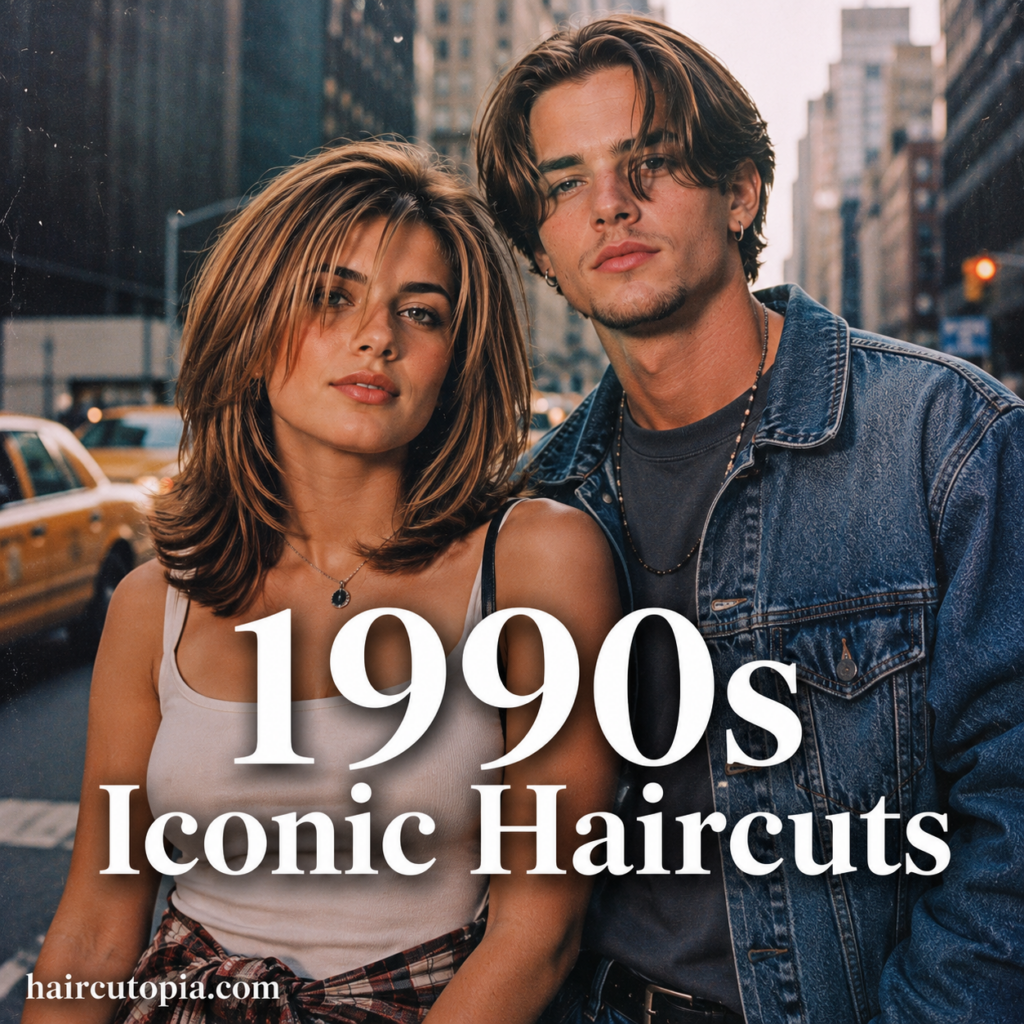
The 1990s produced some of the most recognizable haircuts in modern history. It was a decade that embraced individuality, blending polished salon styles with relaxed, effortless looks inspired by fashion, television, music, and pop culture.
Unlike the towering hairstyles of the 1980s, the ’90s favored softer layers, natural movement, and cuts that looked stylish without appearing overly structured. Whether you were inspired by a Hollywood star, a supermodel, or your favorite sitcom character, there was a haircut for every personality and hair type.
Many of those iconic styles never truly disappeared. Today, curtain bangs, layered bobs, pixie cuts, shag haircuts, and long layers have all returned, proving that great haircuts are timeless.
In this guide, we’ll explore the most iconic 1990s haircuts, what made them memorable, and why they continue to influence modern hairstyling.
Why 1990s Haircuts Became So Iconic
The 1990s celebrated versatility.
Instead of everyone wearing one signature hairstyle, people embraced cuts that reflected their own style and lifestyle.
The decade was influenced by:
- Television shows
- Hollywood movies
- Supermodels
- Grunge music
- Hip-hop culture
- Pop music
- Fashion magazines
- Street style
This combination created a wide variety of unforgettable haircuts that appealed to every age group.
How Haircuts Evolved Throughout the Decade
Early 1990s (1990–1993)
The beginning of the decade moved away from the oversized volume of the 1980s.
Popular features included:
- Soft layers
- Side parts
- Natural movement
- Medium lengths
- Healthy shine
Hair looked lighter, softer, and more wearable.
Mid-1990s (1994–1996)
This period introduced many of the decade’s most recognizable cuts.
Popular choices included:
- Long layers
- Curtain bangs
- Chin-length bobs
- Layered blowouts
- Sleek styling
Many of these became salon favorites.
Late 1990s (1997–1999)
The final years of the decade embraced texture and experimentation.
Trending features included:
- Razor-cut layers
- Choppy ends
- Piecey styling
- Short pixies
- Dramatic highlights
These styles paved the way for many early-2000s trends.
The Most Iconic 1990s Haircuts
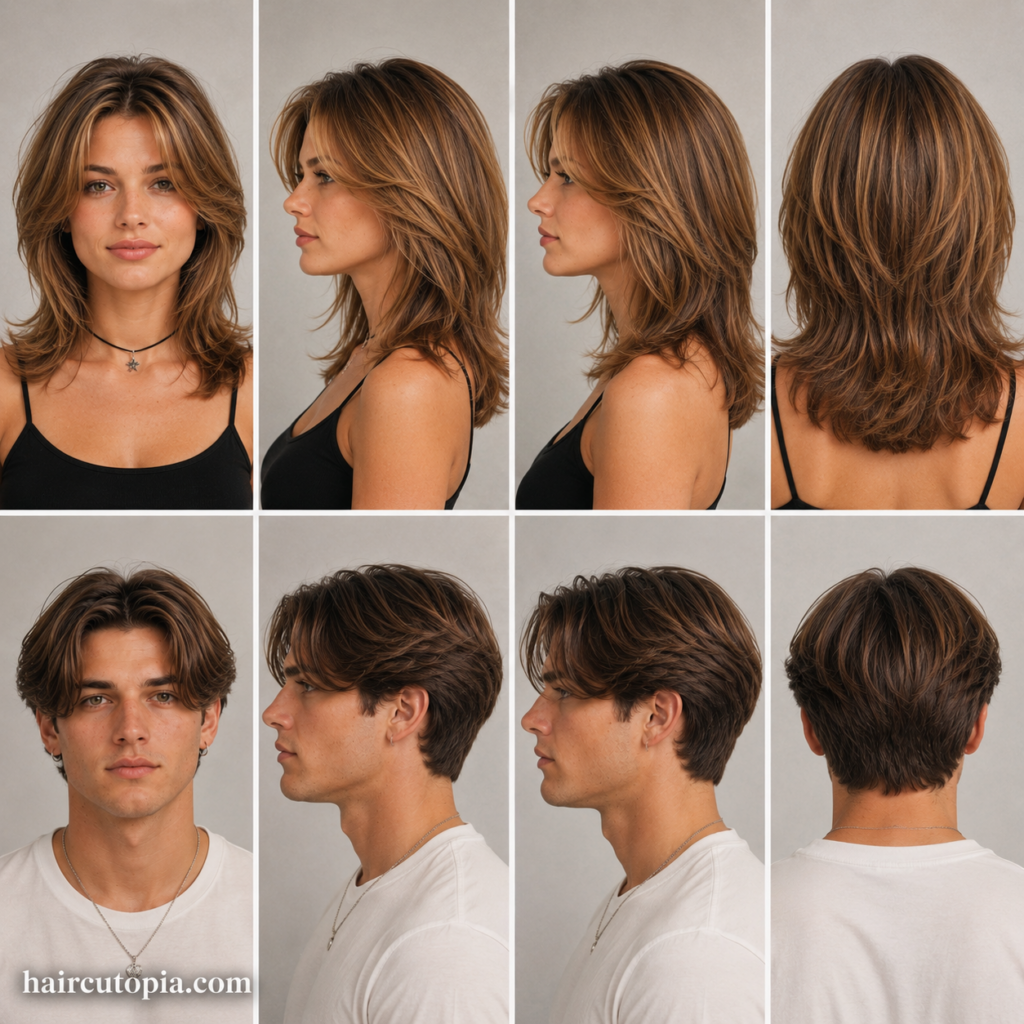
The Rachel
Few haircuts have achieved legendary status quite like “The Rachel.”
Known for its:
- Medium length
- Rounded layers
- Face-framing pieces
- Voluminous blowout
- Soft movement
It became one of the most requested salon cuts in history and remains a symbol of 1990s beauty.
Long Layered Hair
Long layers defined much of the decade.
Instead of thick, blunt cuts, stylists removed weight to create movement and softness.
Benefits included:
- Natural volume
- Versatile styling
- Easy maintenance
- Timeless appearance
Long layers remain one of today’s most requested haircut techniques.
Curtain Bangs
Curtain bangs became one of the decade’s signature features.
Their popularity came from their ability to:
- Frame the face
- Blend naturally into layers
- Grow out gracefully
- Suit many face shapes
They’re one of the biggest hairstyle comebacks of recent years.
Blunt Bob
The blunt bob offered a sleek alternative to layered styles.
Characteristics included:
- Chin-length shape
- Sharp perimeter
- Smooth styling
- Healthy shine
Its clean silhouette made it both modern and sophisticated.
Layered Bob
Many preferred a softer version of the classic bob.
Adding layers created:
- Extra movement
- More volume
- Lightweight styling
- Greater versatility
The layered bob remains one of the most flattering haircut options today.
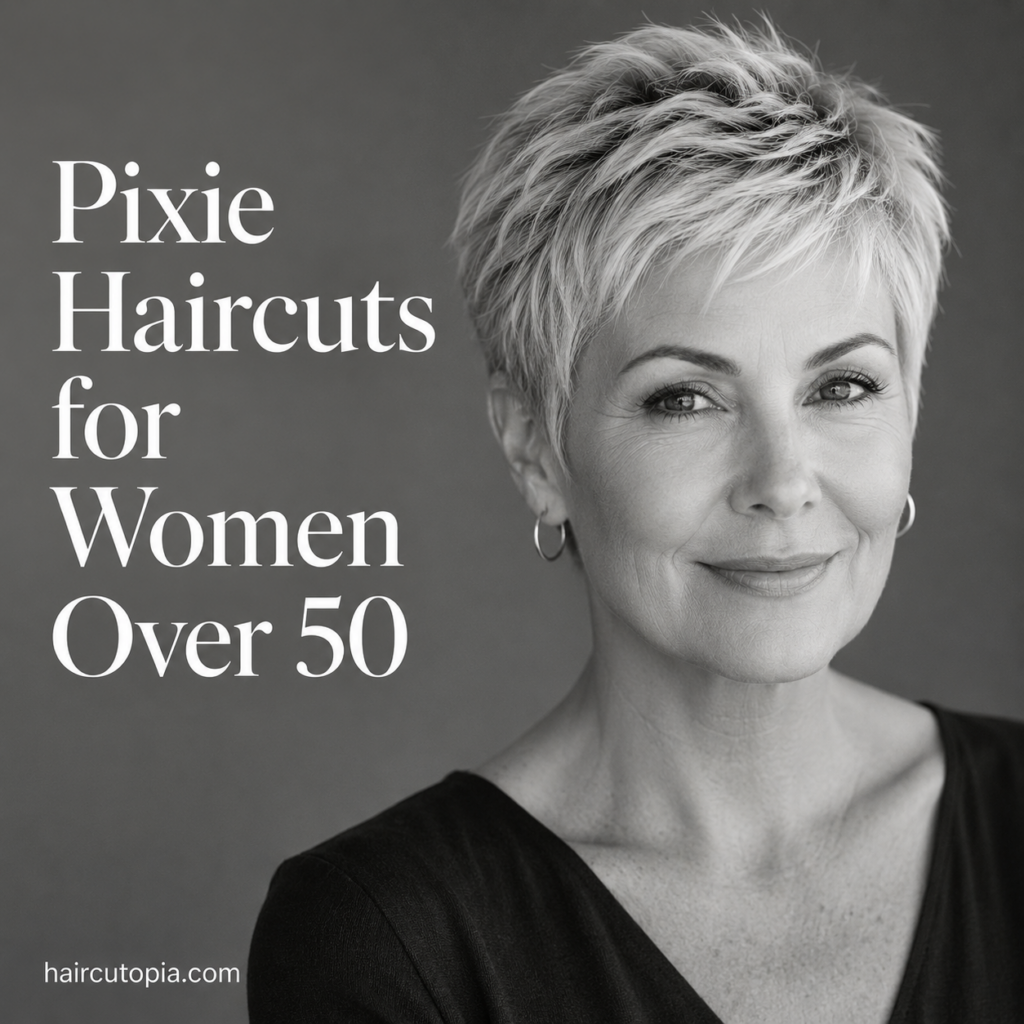
Pixie Cut
The pixie became a bold statement throughout the decade.
Popular versions featured:
- Cropped sides
- Longer tops
- Soft texture
- Feminine shaping
The cut proved that short hair could be elegant, stylish, and versatile.
Shag Haircut
The 1990s gave the shag a modern update.
Instead of dramatic 1970s volume, the decade embraced:
- Soft layers
- Wispy texture
- Face framing
- Feathered ends
Modern shag haircuts borrow heavily from these versions.
Lob (Long Bob)
Although the term “lob” became popular later, shoulder-grazing bobs flourished throughout the decade.
They offered:
- Easy maintenance
- Flexible styling
- Professional appearance
- Everyday versatility
The lob remains one of the world’s most popular haircuts.
Shoulder-Length Cut
Shoulder-length hair struck the perfect balance between long and short.
It allowed for:
- Ponytails
- Blowouts
- Waves
- Straight styling
- Updos
This practicality made it one of the decade’s favorite lengths.
Graduated Bob
This haircut featured:
- Shorter back
- Longer front
- Rounded shape
- Structured silhouette
It offered sophistication without sacrificing wearability.
Razor Cut
Razors became increasingly popular during the late 1990s.
This cutting technique created:
- Soft edges
- Piecey texture
- Lightweight movement
- Relaxed styling
Many textured haircuts relied on razor-cutting to achieve their signature finish.
Face-Framing Layers
One of the decade’s most influential haircut techniques focused around the face.
These layers helped:
- Soften facial features
- Highlight cheekbones
- Blend bangs
- Add movement
They’re still requested in salons around the world.
Feathered Layers
Feathered layering returned with a softer approach.
Hair was styled away from the face to create:
- Smooth movement
- Natural bounce
- Rounded volume
- Elegant finishes
This technique paired perfectly with blowouts.
Choppy Layered Cut
Late-’90s trends embraced texture.
Characteristics included:
- Uneven layers
- Piecey ends
- Relaxed styling
- Casual appearance
This haircut complemented modern styling products like wax and texture paste.
Asymmetrical Bob
Fashion-forward clients often chose asymmetrical cuts.
These featured:
- One side longer
- Sharp lines
- Dramatic silhouettes
- Contemporary styling
The look felt bold while remaining wearable.
Iconic Men’s Haircuts of the 1990s
Men also enjoyed a wide variety of memorable styles.
Popular choices included:
- Curtain haircut
- Caesar cut
- Buzz cut
- High-top fade
- Flat top
- Frosted tips
- Medium layered hair
- Textured crop
Many continue to inspire today’s barber trends.
Hair Colors That Enhanced Iconic Haircuts
Hair color played an important role in completing the look.
Popular choices included:
- Honey blonde
- Golden highlights
- Chunky highlights
- Warm brunette
- Jet black
- Auburn
- Copper
- Burgundy
Color often emphasized the layers and movement of these haircuts.
Celebrities Behind the Most Iconic Haircuts
Celebrity influence reached new heights during the decade.
Some of the biggest haircut trendsetters included:
- Jennifer Aniston
- Winona Ryder
- Meg Ryan
- Halle Berry
- Naomi Campbell
- Cindy Crawford
- Cameron Diaz
- Gwyneth Paltrow
- Brad Pitt
- Leonardo DiCaprio
Their styles frequently became the inspiration for salon visits around the world.
Why 1990s Haircuts Are Still Popular
Fashion evolves, but truly great haircuts rarely disappear.
Today’s stylists update classic 1990s cuts by incorporating:
- Softer blending
- Modern layering
- Personalized shaping
- Healthier styling
- Contemporary coloring
The result feels current while honoring the original inspiration.
Choosing the Right Iconic 1990s Haircut
Fine Hair
Great choices include:
- Blunt bob
- Graduated bob
- Shoulder-length cut
- Soft layers
Thick Hair
Ideal options include:
- Long layers
- Shag haircut
- Razor cut
- Curtain bangs
Curly Hair
Consider:
- Rounded layered cuts
- Long layers
- Soft shag
- Shoulder-length styles
Straight Hair
Excellent choices include:
- Rachel-inspired layers
- Sleek bob
- Curtain bangs
- Lob
- Face-framing layers
How to Ask Your Stylist for a 1990s-Inspired Cut
Bring several reference photos that match your hair type and desired level of maintenance.
Discuss:
- Hair texture
- Hair density
- Preferred length
- Daily styling routine
- Maintenance schedule
- Whether you want a vintage or modern interpretation
Clear communication helps your stylist personalize the cut while preserving the classic inspiration.
Maintaining an Iconic 1990s Haircut
Healthy hair is essential for achieving the polished look associated with many 1990s styles.
Helpful maintenance tips include:
- Schedule trims every 6–8 weeks.
- Use a lightweight volumizing product.
- Apply heat protectant before blow-drying.
- Deep condition weekly.
- Invest in a round brush for salon-style blowouts.
- Finish with a shine serum for added polish.
Frequently Asked Questions
What was the most iconic haircut of the 1990s?
“The Rachel” is widely considered the decade’s most iconic haircut, thanks to its layered shape and massive popularity.
Were layered haircuts popular in the 1990s?
Yes. Layers defined much of the decade, appearing in long hair, bobs, pixies, shoulder-length cuts, and shag hairstyles.
What bangs were popular during the 1990s?
Curtain bangs, wispy bangs, and side-swept fringe were among the most fashionable styles.
Are 1990s haircuts still fashionable?
Absolutely. Modern versions of long layers, curtain bangs, lobs, pixies, and textured bobs remain some of the most requested salon haircuts.
Which men’s haircut best represents the 1990s?
The curtain haircut is perhaps the most recognizable men’s hairstyle of the decade, though Caesar cuts, buzz cuts, and medium layered styles were also extremely popular.
Final Thoughts
The 1990s introduced haircuts that balanced effortless style with timeless versatility. From The Rachel and long layers to sleek bobs, pixies, and curtain bangs, the decade offered something for every hair type, personality, and lifestyle.
That’s why these iconic haircuts continue to inspire hairstylists decades later. Updated with modern cutting techniques and personalized styling, they remain as fresh and wearable today as they were when they first became cultural phenomena.
Related Posts
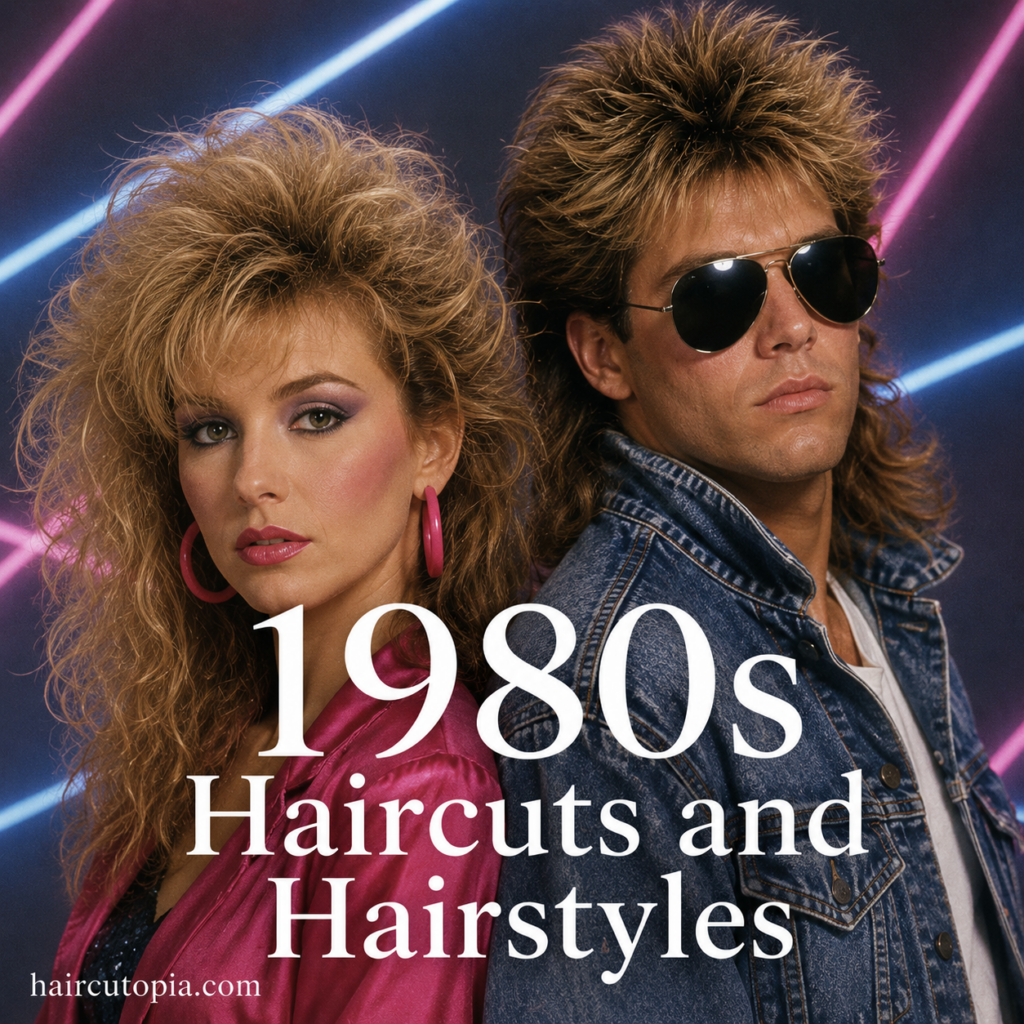 1980s Haircuts and Hairstyles: The Complete Guide to Big Hair, Bold Cuts, and Iconic Styles
 1970s Haircuts and Hairstyles: The Complete Guide to an Era of Layers, Texture, and Individual Style
 1960s Haircuts and Hairstyles: The Complete Guide to an Era of Volume, Mod Style, and Change
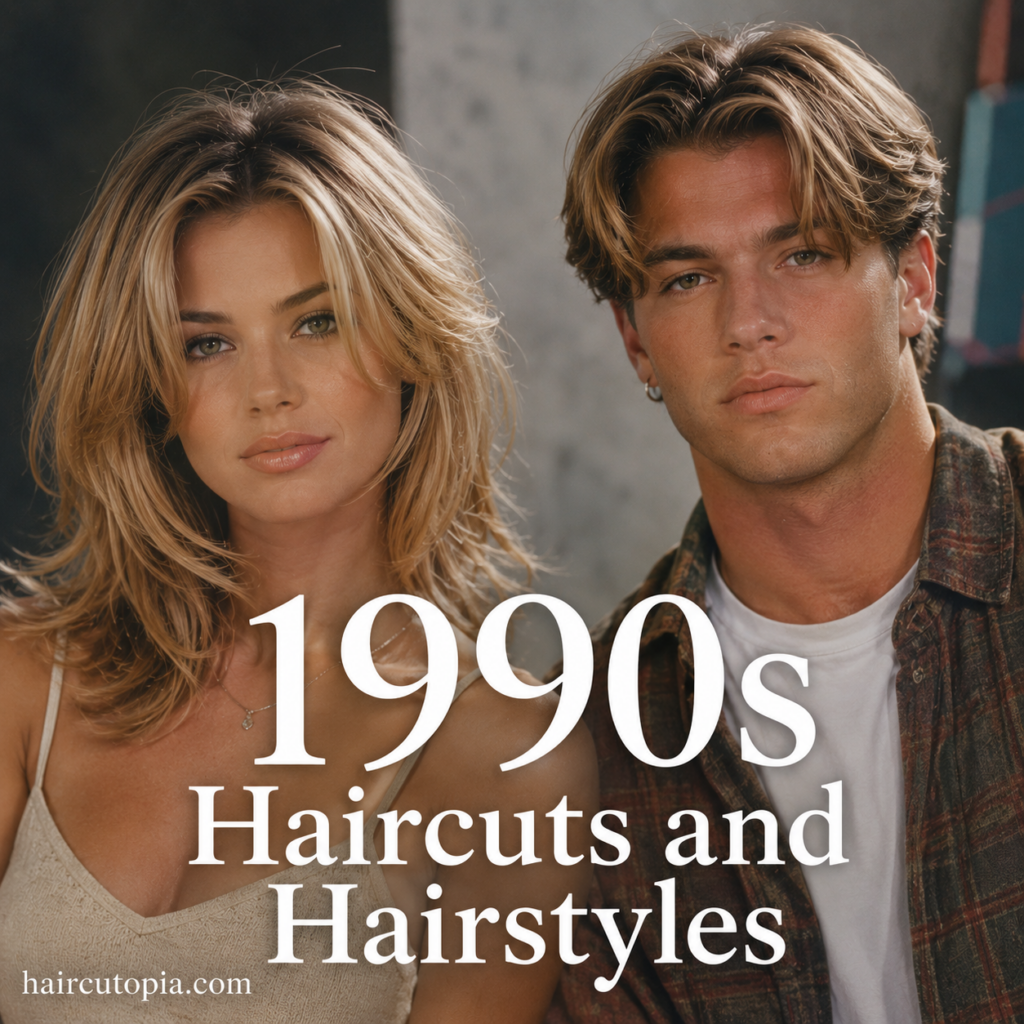 1990s Haircuts and Hairstyles: The Complete Guide to Layers, Grunge, Bobs, and Iconic ’90s Hair