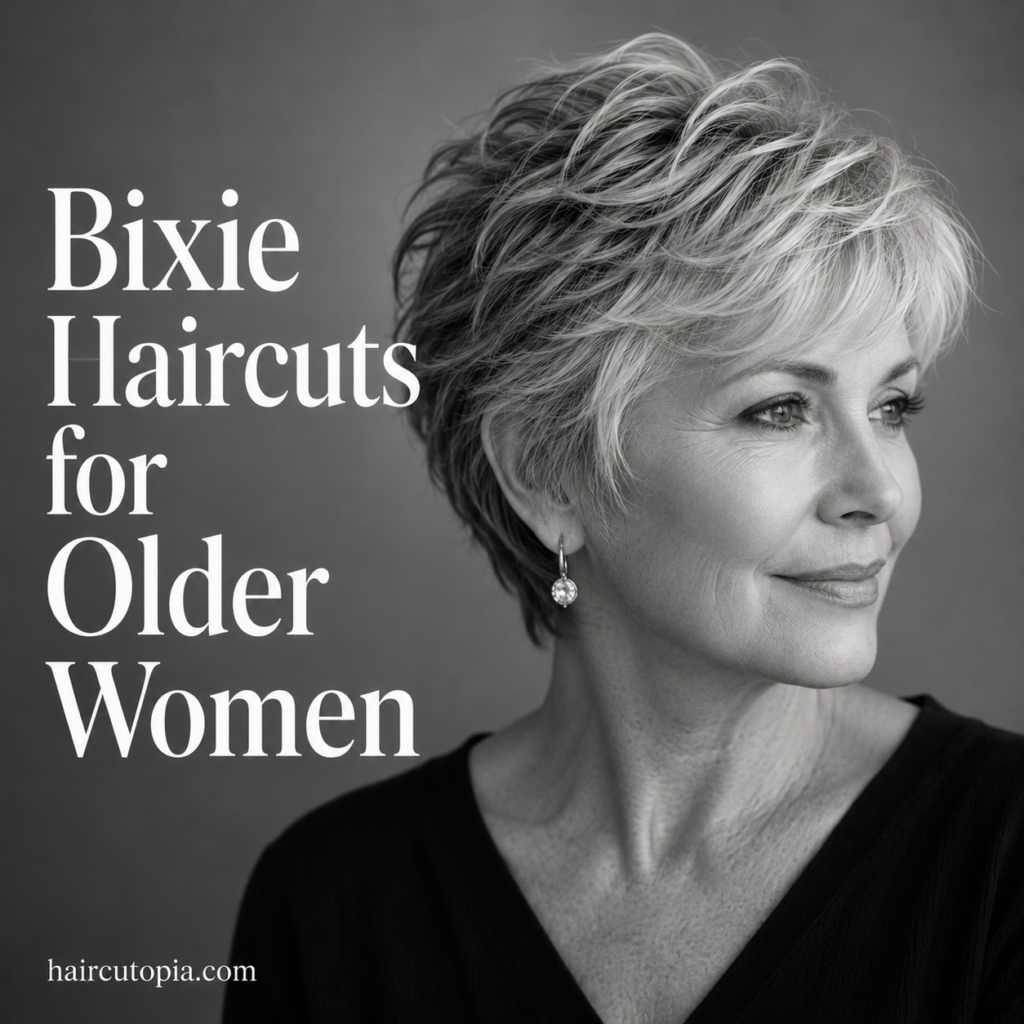
The bixie haircut is a great option when you want the ease of short hair but aren’t quite ready for a traditional pixie. It blends the layered, lightweight shape of a pixie with some of the softness and length you’d expect from a short bob.
For older women, that combination can be especially practical. Hair often changes in texture, density, and movement over time. A style that once felt easy may start sitting differently, losing volume at the crown, or requiring more work than you’d like.
A well-cut bixie can help create shape without relying on heavy styling. Layers add movement, longer pieces can soften the area around the face, and the shorter length makes everyday care more manageable.
There are plenty of ways to make the haircut your own. Here are 25 bixie haircuts for older women, from soft feathered styles to modern gray cuts, curly bixies, and low-maintenance options.
What Is a Bixie Haircut?
A bixie is a short haircut that combines elements of a bob and a pixie.
It’s generally longer than a classic pixie, particularly around the sides and front. At the same time, it has more layering and texture than a traditional short bob.
Typical features include:
- Short or medium layers through the crown
- Longer sections around the face
- Textured or feathered ends
- A shaped neckline
- Movement around the ears
- Optional bangs or fringe
Some bixies are very short and sit close to the head. Others maintain enough length to tuck behind the ears and gradually grow into a bob.
The haircut is flexible, which is one reason it works with so many different hair textures.
Why Bixie Haircuts Work Well for Older Women
The best short haircut isn’t simply the one that’s easiest to wash. It should also work with the way your hair naturally behaves.
The bixie can be adjusted to address several common styling concerns.
Layers Can Create More Movement
Hair that feels flat or heavy may benefit from strategic layering.
Shorter layers around the crown can encourage natural lift. The hair doesn’t have as much weight pulling it downward, so it may appear fuller and more mobile.
This is especially useful for fine or medium hair.
Shorter Length Can Simplify Styling
A bixie usually requires less drying time than a bob or longer haircut.
Depending on your natural texture, you may only need a small amount of styling product and a quick blow-dry.
Some wavy and curly bixies can even be air-dried.
The Cut Can Be Soft Around the Face
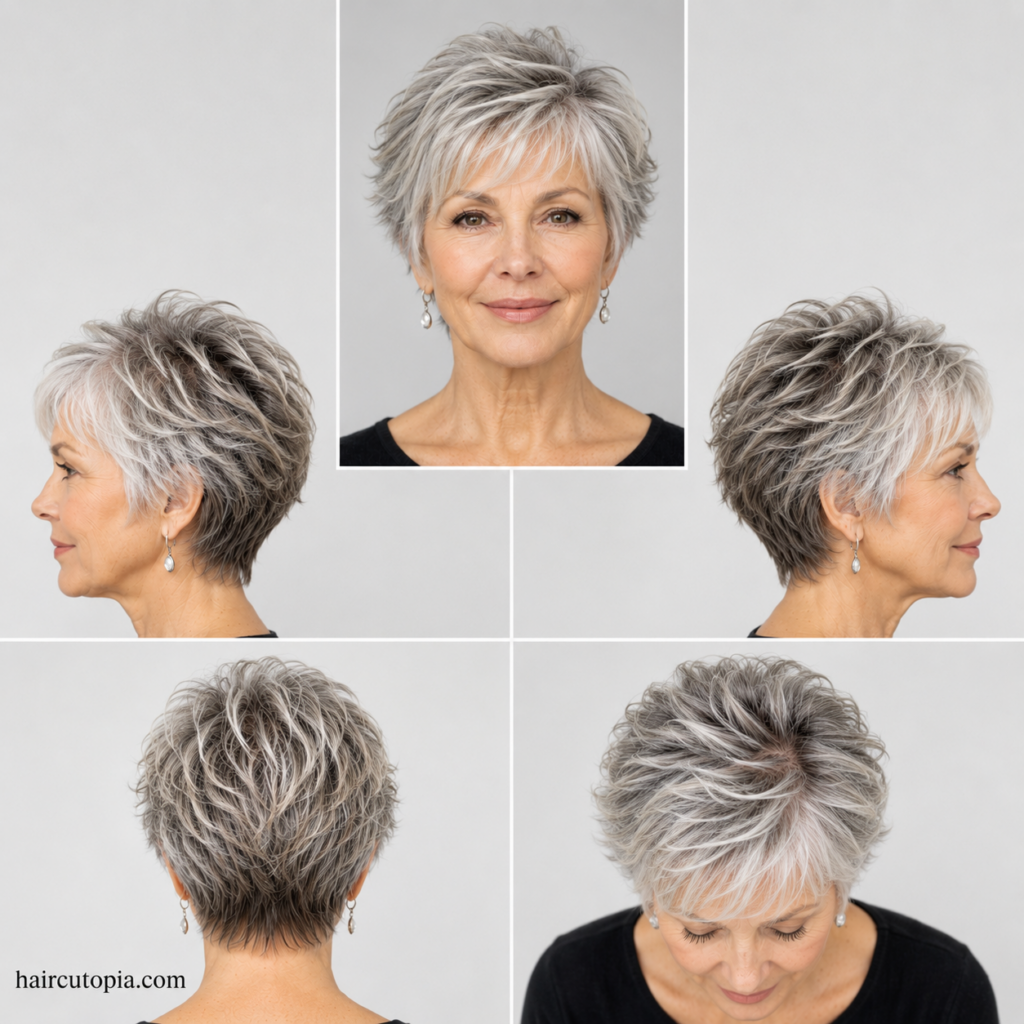
Choosing short hair doesn’t mean every section needs to be cropped close.
Longer bangs, wispy fringe, and face-framing layers can create softness around the forehead, cheekbones, and jawline.
These details can completely change the personality of the haircut.
25 Bixie Haircuts for Older Women
1. Classic Layered Bixie
The classic layered bixie offers a balanced combination of volume and softness.
Shorter layers through the crown create movement, while longer sections around the sides help maintain a gentle shape.
The neckline is usually tapered without being extremely short.
This style works with straight or slightly wavy hair and can be styled with a lightweight volumizing mousse.
2. Soft Bixie With Wispy Bangs
Wispy bangs give a bixie a light, airy finish.
The fringe is softly textured instead of cut into a heavy line across the forehead.
Individual pieces blend into the side layers, creating natural movement.
This is a flexible option because the bangs can be worn forward or swept slightly to the side.
3. Bixie for Fine Hair
A carefully layered bixie can help fine hair feel lighter and more voluminous.
Short crown layers encourage lift while slightly longer lower sections preserve the shape of the haircut.
Avoid excessive thinning, which can make fine ends look sparse.
For styling, apply lightweight mousse near the roots and blow-dry with your fingers.
4. Feathered Bixie Haircut
Feathered layers create soft movement throughout the haircut.
The ends are lightly textured and directed away from the face.
This creates an airy appearance without making the haircut look choppy.
A small round brush can help enhance the feathered shape during blow-drying.
5. Bixie With Side-Swept Bangs
Side-swept bangs can add movement around the eyes and forehead.
The fringe is kept longer and directed diagonally across the face.
It blends naturally into the side layers.
This style can look polished when blow-dried smoothly or more relaxed when styled with your fingers.
6. Voluminous Bixie Haircut
A voluminous bixie focuses on creating lift around the crown.
Short internal layers remove weight and encourage the roots to rise naturally.
The sides are kept slightly smoother so the volume remains balanced.
Use a root-lifting spray or lightweight mousse before blow-drying.
7. Wavy Bixie Haircut
Natural waves work beautifully with the layered shape of a bixie.
Removing excess length allows the wave pattern to become more visible.
The haircut can have a soft, relaxed appearance without requiring precise styling.
Apply a lightweight curl cream to damp hair and scrunch gently.
8. Curly Bixie for Older Women
A curly bixie can create natural volume and definition.
The layers should be shaped according to the curl pattern and expected shrinkage.
Shorter crown layers encourage lift, while longer curls near the face add softness.
A stylist who regularly works with curly hair can help create a more balanced shape.
9. Sleek Bixie Haircut
The sleek bixie offers a clean, polished appearance.
Layers are subtle and carefully blended.
The hair is styled smooth with the ends gently curved toward the face or tucked behind the ears.
This style works particularly well with naturally straight hair.
Use a lightweight smoothing product to control flyaways.
10. Choppy Textured Bixie
Choppy layers add energy and movement to a bixie.
The ends are intentionally separated, giving the haircut a more modern appearance.
This style works well if you prefer hair that looks slightly undone.
Use a tiny amount of styling paste to define individual pieces.
11. Long Bixie Haircut
A long bixie maintains more length around the sides and neckline.
It’s a comfortable option if you’re transitioning from a bob or medium-length haircut.
The layers keep the style lightweight while preserving enough length to tuck behind the ears.
The haircut can also grow naturally into a short bob.
12. Bixie With a Deep Side Part
A deep side part is a simple way to change the shape of a bixie.
Moving the part farther to one side creates additional movement across the crown.
One side appears fuller while the other can be tucked neatly behind the ear.
This styling technique can create volume without adding more layers.
13. Rounded Bixie Haircut
A rounded bixie creates fullness through the sides and crown.
The haircut follows the natural curve of the head and gradually tapers toward the neckline.
This style can work particularly well with medium or thick hair.
Regular trims help maintain the rounded silhouette.
14. Bixie With Face-Framing Layers
Longer pieces around the face add softness to a short haircut.
The front layers may fall near the cheekbones or jawline.
These sections connect the bangs to the rest of the hairstyle and create natural movement.
This is a good option if you prefer not to have all of your hair pulled away from your face.
15. Tousled Bixie Haircut
A tousled bixie is relaxed and intentionally imperfect.
The layers are styled with soft bends and natural separation.
Slightly wavy hair works especially well with this look.
Apply a lightweight texture spray and reshape the hair with your fingers.
16. Bixie With Long Side Bangs
Long side bangs offer extra styling flexibility.
The fringe may reach the cheekbones or blend into longer side sections.
You can sweep the bangs across the forehead, direct them away from the face, or tuck them behind the ear.
This allows you to change the look without changing the haircut.
17. Bixie for Thick Hair
Thick hair may need internal layering to prevent a bixie from feeling bulky.
Strategic weight removal allows the hair to move more naturally.
The outer shape can remain full while the internal sections are lightened.
Tell your stylist how your hair behaves when it dries naturally, especially if it tends to expand.
18. Piecey Bixie Haircut
A piecey bixie emphasizes individual layers.
Small sections are defined with lightweight styling cream or paste.
This creates visible texture without making the hair feel stiff.
Use very little product and apply it mainly to the ends.
19. Low-Maintenance Bixie Haircut
A low-maintenance bixie should follow your natural texture and growth pattern.
The layers are placed so the hair can fall into shape with minimal styling.
This might mean keeping the fringe longer or embracing a natural wave.
Be clear with your stylist about how much time you realistically spend on your hair.
20. Bixie With Flipped Ends
Flipped ends give the bixie playful movement.
The longer layers around the sides and neckline are directed slightly outward.
A small round brush can create the effect during blow-drying.
Keep the flip soft for a modern finish.
21. Shaggy Bixie Haircut
The shaggy bixie combines short length with relaxed layers.
Shorter crown pieces create lift, while textured sections around the sides add movement.
The haircut works especially well with wavy or slightly coarse hair.
A texture spray can help emphasize the layers.
22. Bixie With Natural Gray Hair
A layered bixie can showcase gray, white, silver, and salt-and-pepper tones beautifully.
The movement in the haircut allows different shades to become more visible.
Instead of appearing like one solid color, the hair may have natural dimension.
A lightweight shine product can help highlight the texture.
23. Bixie With Soft Crown Volume
Soft crown volume creates a balanced shape without excessive height.
Short internal layers encourage the roots to lift.
The sides remain slightly smoother to keep the haircut controlled.
A quick blow-dry at the roots may be enough to enhance the volume.
24. Asymmetrical Bixie Haircut
An asymmetrical bixie keeps one section slightly longer than the other.
The difference can be subtle.
A longer side piece or extended fringe creates visual interest without making the haircut difficult to wear.
This style pairs particularly well with a side part.
25. Grown-Out Bixie Haircut
A grown-out bixie has a softer shape that sits between a pixie and a bob.
The sides and neckline become longer while the original layers maintain movement.
You can gradually transition into a bob without completely reshaping the haircut.
Occasional trims help keep the ends neat during the growing process.
How to Choose a Bixie for Your Hair Type
The easiest bixie to maintain is usually one that works with your natural hair.
Fine Hair
Fine hair often benefits from lightweight layers and crown volume.
Good options include:
- Feathered bixies
- Voluminous bixies
- Piecey styles
- Deep side parts
Avoid overly aggressive thinning.
Thick Hair
Thick hair may need internal layers to reduce bulk.
Shaggy and textured bixies can create movement.
The neckline may also be slightly tapered to keep the haircut balanced.
Straight Hair
Straight hair works well with sleek and feathered bixies.
Soft layers prevent the haircut from appearing flat.
Side-swept bangs can add extra movement.
Wavy Hair
Wavy hair naturally suits the layered shape of a bixie.
Longer layers can help preserve the wave pattern.
Air-drying may be enough for everyday styling.
Curly Hair
Curly bixies should be shaped according to the natural curl pattern.
Shrinkage needs to be considered before cutting the final length.
Strategic layering can help distribute volume throughout the haircut.
How to Style a Bixie Haircut
A bixie doesn’t need a complicated styling routine.
Try this simple approach:
- Start with damp, towel-dried hair.
- Apply a lightweight styling product.
- Blow-dry the roots using your fingers.
- Direct the bangs or front layers into place.
- Define a few pieces with styling cream.
- Add light hairspray only if extra hold is needed.
If your hair is naturally wavy or curly, try scrunching it and allowing it to air-dry.
Natural movement often complements the haircut.
Best Styling Products for a Bixie
The right product depends on your hair texture and desired finish.
For volume:
- Lightweight mousse
- Root-lifting spray
- Volumizing foam
For texture:
- Texture spray
- Lightweight paste
- Soft styling cream
For smoothness:
- Heat protectant
- Lightweight serum
- Smoothing cream
Short hair usually needs less product than you expect.
Start with a small amount and add more gradually.
How Often Should an Older Woman Trim a Bixie?
Most bixie haircuts benefit from a trim every six to eight weeks.
The neckline may begin to grow out and the crown layers can lose some of their shape.
However, you don’t necessarily need to maintain the original length.
If you like a softer, longer bixie, your stylist can clean up the ends without dramatically shortening the haircut.
What to Ask Your Stylist for
Because bixie haircuts can vary widely, reference photos are extremely useful.
Try to bring examples showing the haircut from multiple angles.
Also discuss:
- Your preferred length
- How much crown volume you want
- Whether you want bangs
- Your natural hair texture
- Whether you air-dry or blow-dry
- How much time you spend styling your hair
- How frequently you’re willing to schedule trims
Your everyday routine matters.
A haircut should still look good when you style it at home, not only when you leave the salon.
Are Bixie Haircuts Good for Older Women?
Bixie haircuts can be an excellent choice for older women who want a short hairstyle with softness, movement, and styling flexibility.
The layered shape can help fine hair appear fuller, remove excess weight from thick hair, and showcase natural waves, curls, or gray tones.
You can keep the haircut smooth and polished or choose a relaxed, textured finish.
The most flattering bixie isn’t determined by age. It’s the haircut that works with your natural hair and fits comfortably into your everyday routine.
Related Posts
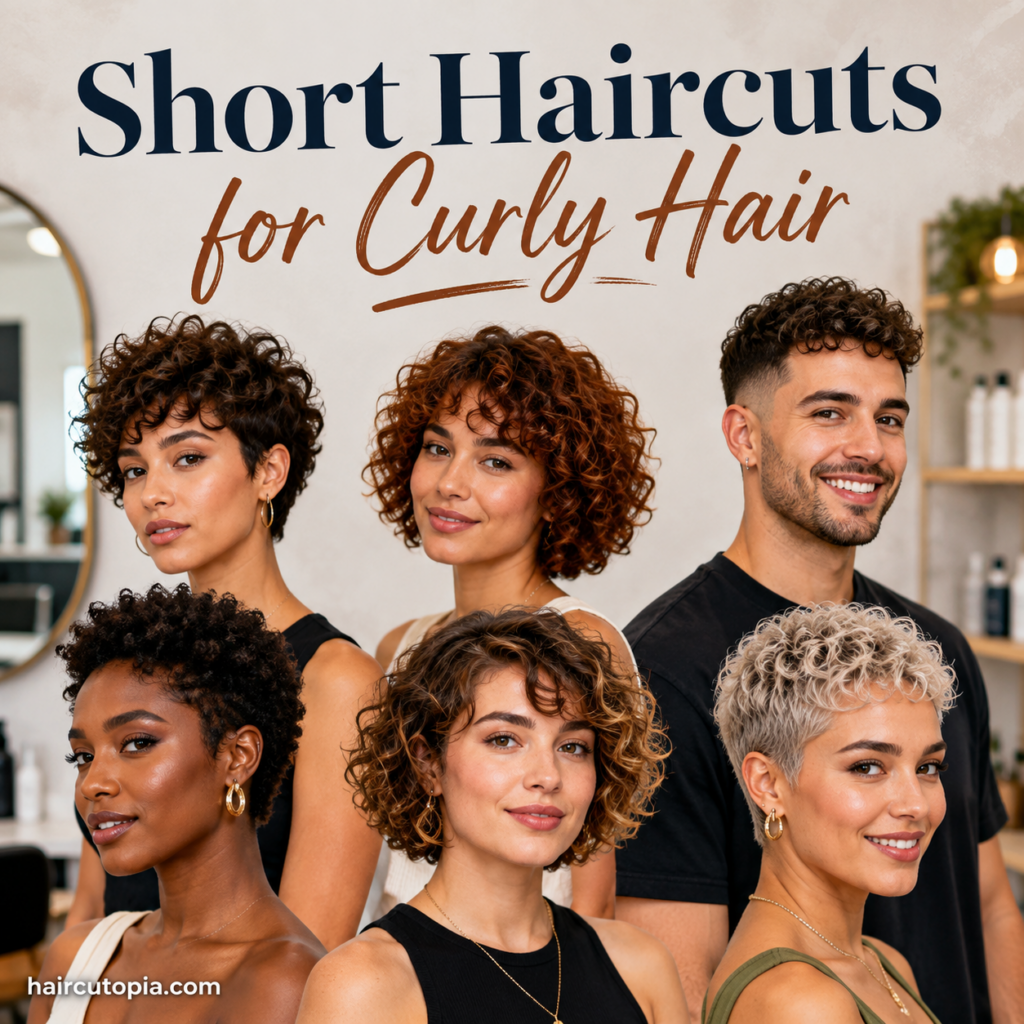 Short Haircuts for Curly Hair: 25 Stylish Ideas, Tips, and Maintenance Guide
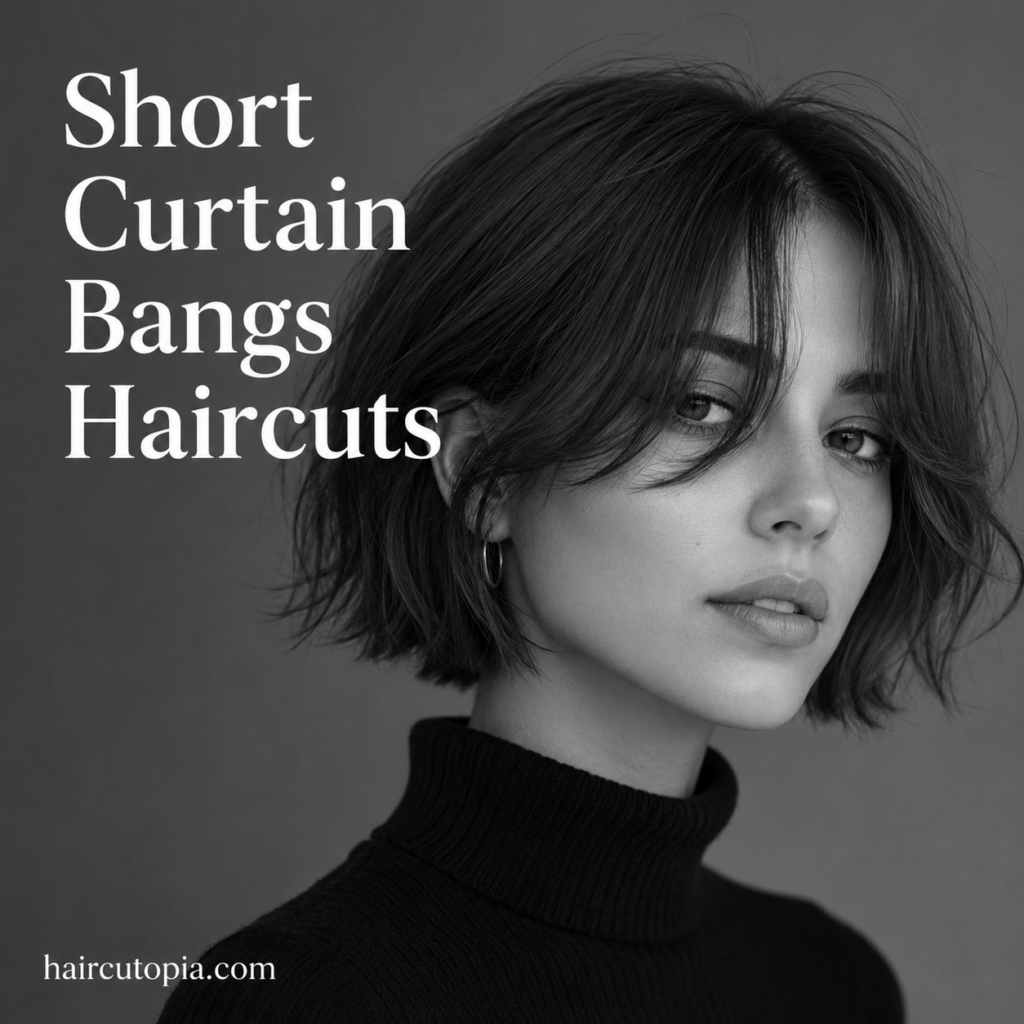 Short Curtain Bangs Haircuts: 25 Chic Ideas to Refresh Your Look
 Long Bixie Haircuts: 27 Gorgeous Styles That Blend Soft Length with Modern Texture
 Medium Bixie Haircuts: 27 Stylish Ideas That Perfectly Balance a Pixie and Bob