The Classic Caesar Cut is one of the few men’s hairstyles that has truly stood the test of time. While haircut trends constantly evolve, the Caesar remains a reliable choice for men who want something clean, practical, and stylish without requiring extensive daily maintenance.
Recognized by its short length, straight fringe, and neat overall appearance, the classic Caesar cut offers a balance of sophistication and simplicity that works for almost every age group. Whether you’re looking for a professional hairstyle, a low-maintenance haircut, or a timeless look that never feels outdated, the Caesar cut deserves serious consideration.
In this guide, we’ll explore what makes the classic Caesar so enduring, who it suits best, the most popular variations, styling tips, maintenance advice, and everything else you need to know before your next barber visit.
What Is a Classic Caesar Cut?
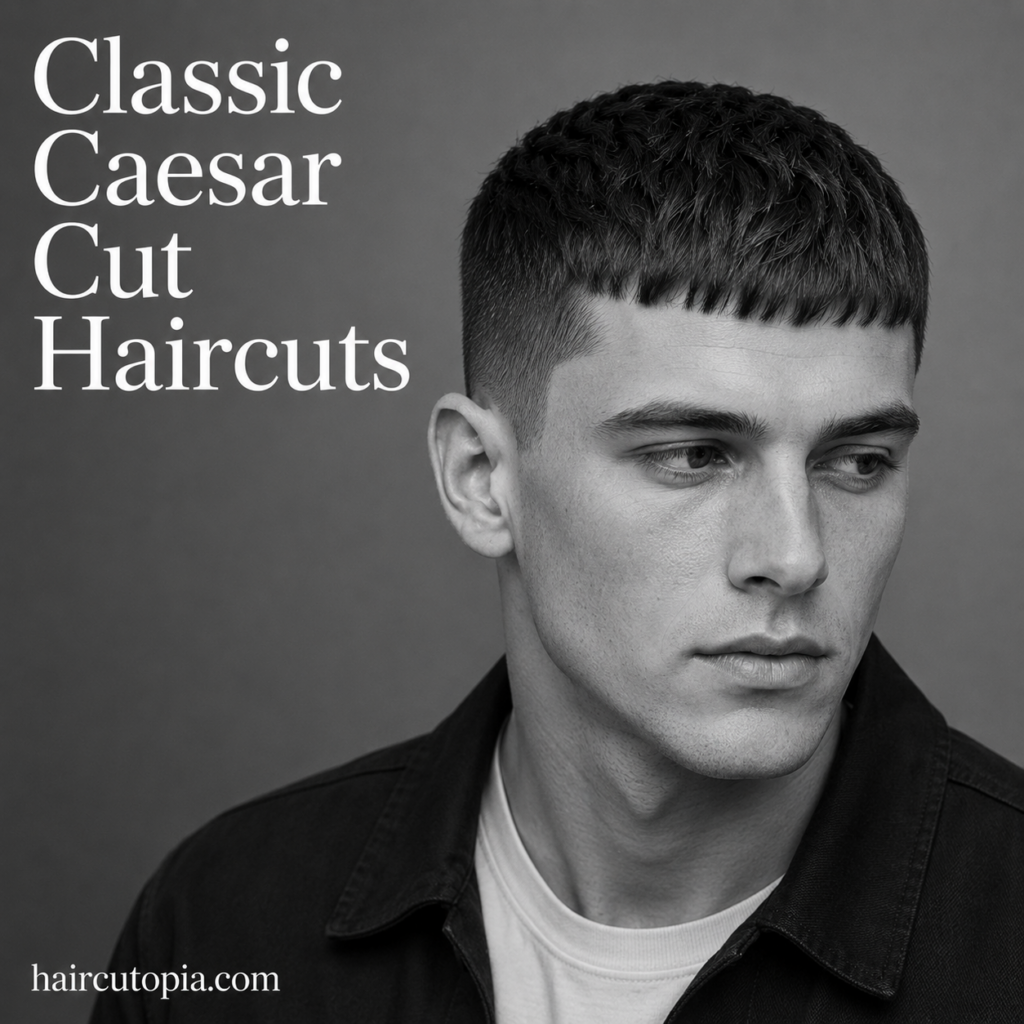
The Caesar cut is a short men’s hairstyle characterized by:
- A short, horizontal fringe
- Hair combed forward
- Even or slightly layered length on top
- Short sides and back
- Clean, structured appearance
Unlike modern textured crops that often feature messy styling and dramatic contrast, the classic Caesar focuses on simplicity and balance.
The haircut creates a neat silhouette that looks intentional without appearing overly styled.
The History Behind the Caesar Cut
The Caesar cut traces its origins to ancient Rome and is often associated with Julius Caesar, who reportedly wore his hair forward with a short fringe.
Over the centuries, the style has been reinvented countless times. It gained renewed popularity during the 1990s and has continued to evolve through modern barbering techniques while retaining its recognizable shape.
Today, barbers blend traditional Caesar elements with contemporary fades, tapers, and texturing methods, creating styles that feel both classic and current.
Why Classic Caesar Cut Haircuts Remain Popular
Some hairstyles fade into obscurity after a few years. The Caesar cut continues to thrive because it solves many of the challenges men face when choosing a haircut.
Easy to Maintain
Many men want a hairstyle that doesn’t require a lengthy morning routine.
A classic Caesar offers:
- Minimal styling
- Quick drying
- Easy upkeep
- Simple barber maintenance
Timeless Appearance
Unlike trend-driven haircuts that can quickly feel dated, the Caesar cut maintains a clean and timeless look.
The structured shape remains stylish regardless of changing fashion trends.
Suitable for Many Ages
One of the Caesar cut’s biggest strengths is its versatility.
It works well for:
- Teenagers
- College students
- Working professionals
- Men over 40
- Older gentlemen
The haircut adapts naturally to different lifestyles and age groups.
Professional and Polished
The clean lines and controlled shape make the Caesar cut an excellent option for workplace environments.
It projects:
- Confidence
- Professionalism
- Attention to grooming
- Classic style
Key Features of a Classic Caesar Cut
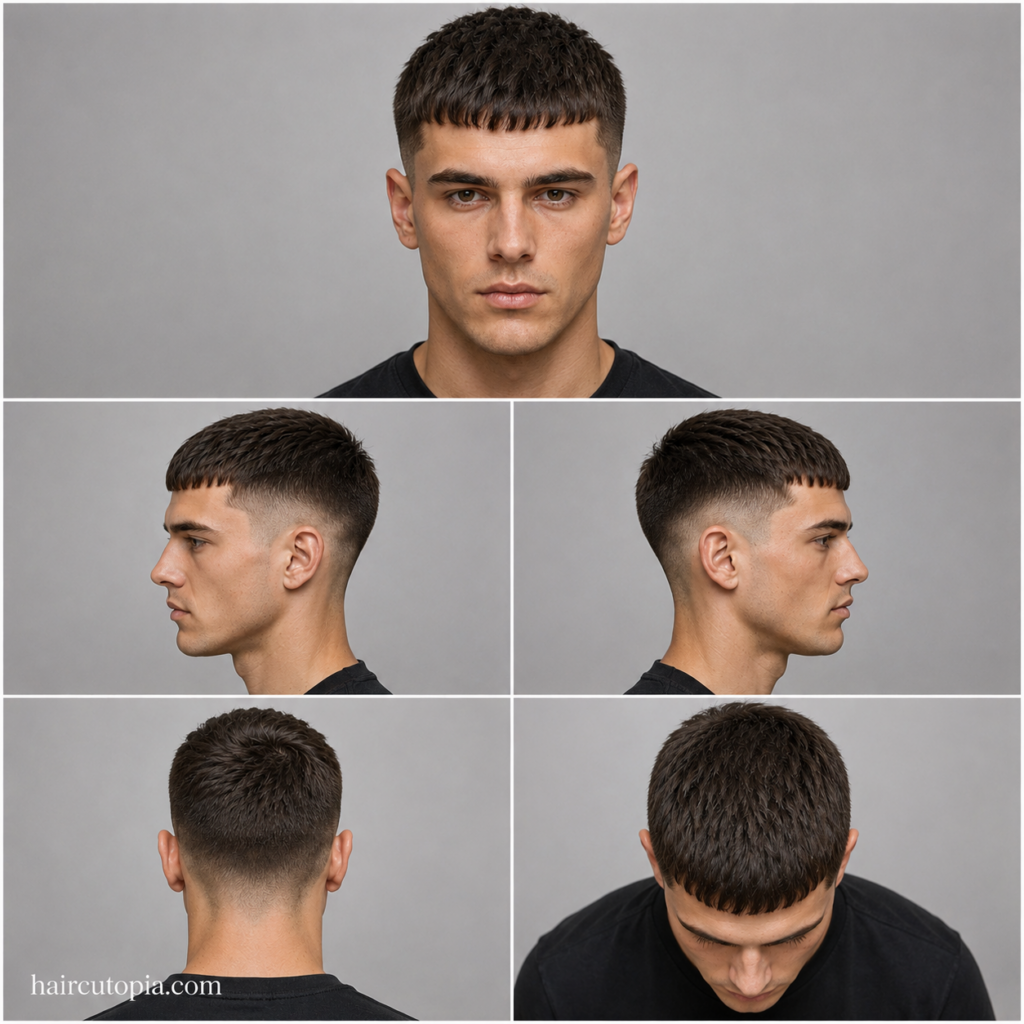
While there are many variations today, several characteristics define the traditional version.
Short Forward Fringe
The fringe is the signature feature of the Caesar cut.
Rather than sweeping to the side or standing upright, the hair is cut short and brushed forward across the forehead.
Uniform Length
Classic Caesar cuts generally maintain a relatively even length throughout the top.
This creates a balanced and consistent appearance.
Clean Edges
A sharp outline around the hairline and temples helps maintain the haircut’s structured look.
Short Sides and Back
The sides are typically kept shorter than the top but without the dramatic skin fades commonly seen in modern styles.
Best Classic Caesar Cut Variations
While the traditional version remains popular, several modern adaptations have emerged.
Traditional Caesar Cut
The most authentic version includes:
- Even length on top
- Straight fringe
- Scissor-cut sides
- Minimal texture
This is the closest representation of the original style.
Caesar Cut with Taper
A taper gradually shortens the hair around the ears and neckline.
Benefits include:
- Cleaner appearance
- Professional finish
- Subtle modern touch
- Easy maintenance
Caesar Cut with Low Fade
The low fade introduces slightly more contrast while preserving the haircut’s classic character.
It’s ideal for men who want a contemporary update without straying too far from tradition.
Textured Classic Caesar
Light texture can add movement and dimension to the top.
This version works especially well for:
- Thick hair
- Wavy hair
- Men seeking a modern finish
Long Caesar Cut
Some men prefer slightly more length on top while maintaining the classic fringe.
The added length creates:
- More styling flexibility
- Increased texture
- Fuller appearance
Who Looks Best with a Classic Caesar Cut?
The Caesar cut is remarkably adaptable, but certain face shapes and features tend to pair especially well with it.
Oval Face Shapes
Men with oval faces can wear virtually any Caesar variation successfully.
The balanced facial proportions naturally complement the haircut.
Square Face Shapes
Strong jawlines and angular features pair exceptionally well with the structured nature of a Caesar cut.
Diamond Face Shapes
The fringe helps balance wider cheekbones while maintaining facial harmony.
Men with Receding Hairlines
Many men choose Caesar cuts because the forward fringe can soften the appearance of a receding hairline.
While it won’t hide significant hair loss, it can create a more balanced overall look.
Best Hair Types for a Caesar Cut
The Caesar cut works well with a variety of hair textures.
Straight Hair
Straight hair naturally creates the sharp lines associated with the classic Caesar.
Benefits include:
- Easy styling
- Defined fringe
- Crisp appearance
Thick Hair
Thicker hair provides excellent density and structure.
Barbers can remove bulk through layering and texturizing while preserving the haircut’s shape.
Fine Hair
Shorter hairstyles often help fine hair appear fuller.
The Caesar’s forward styling can add visual density and create the impression of thicker hair.
Wavy Hair
Subtle waves introduce natural texture and movement without compromising the haircut’s overall structure.
How to Ask Your Barber for a Classic Caesar Cut
When visiting your barber, be specific about the style you’re after.
You can ask for:
- A traditional Caesar cut
- Short forward fringe
- Even length on top
- Short scissor-cut sides or taper
- Minimal texture
- Natural finish
Bringing a reference photo can help ensure the final result matches your expectations.
How to Style a Classic Caesar Cut
One reason the Caesar remains popular is its straightforward styling process.
Natural Everyday Style
For a simple look:
- Towel dry your hair.
- Comb the hair forward.
- Allow it to air dry naturally.
This approach works well for casual daily wear.
Matte Finish
Apply a small amount of:
- Matte clay
- Texture cream
- Styling paste
Work the product lightly through the top to add separation and definition.
Professional Finish
For a cleaner appearance:
- Use a lightweight styling cream.
- Comb hair neatly forward.
- Keep the fringe controlled.
This creates a polished look suitable for work and formal occasions.
Maintenance Tips for a Sharp Caesar Cut
Even low-maintenance hairstyles require some upkeep.
Schedule Regular Haircuts
To keep the shape looking sharp:
- Every 2–3 weeks for tapered versions
- Every 3–4 weeks for traditional styles
- Every 4–5 weeks for longer Caesar cuts
Avoid Heavy Products
Thick gels can make the haircut appear stiff and outdated.
Instead, choose lightweight products that preserve movement and texture.
Keep the Fringe Neat
The fringe is the focal point of the Caesar cut.
Once it grows too long, the hairstyle can quickly lose its distinctive shape.
Maintain Healthy Hair
Regular conditioning and scalp care help keep the haircut looking its best.
Healthy hair always styles more easily and looks more polished.
Classic Caesar Cut vs. Modern Caesar Cut
Although they share the same foundation, there are notable differences.
Classic Caesar
- More uniform length
- Less texture
- Conservative appearance
- Traditional styling
Modern Caesar
- Added texture
- More contrast
- Fade variations
- Contemporary finishes
Both options look excellent, but the classic version emphasizes timeless simplicity.
Why the Classic Caesar Cut Continues to Endure
There is a reason the Caesar cut has survived for centuries while countless other hairstyles have disappeared.
It offers a rare combination of:
- Simplicity
- Versatility
- Professional appeal
- Low maintenance
- Timeless style
The haircut doesn’t rely on trends or flashy styling techniques. Instead, it focuses on clean lines, balanced proportions, and practical grooming.
For men who want a hairstyle that looks sharp today and will likely still look good years from now, the classic Caesar cut remains one of the safest and smartest choices available.
Frequently Asked Questions
Is the Caesar cut still in style?
Yes. The Caesar cut remains popular because of its timeless appearance and adaptability to modern barbering techniques.
How short should a Caesar fringe be?
Most Caesar fringes are kept between half an inch and two inches depending on the overall haircut.
Does a Caesar cut require daily styling?
Very little. Most men can style it in just a few minutes.
Is the Caesar cut good for thinning hair?
Yes. The forward fringe can help soften the appearance of mild thinning or a receding hairline.
What’s the difference between a Caesar cut and a French crop?
A Caesar cut typically has a shorter, more uniform fringe, while a French crop often features heavier texture and greater contrast between the top and sides.