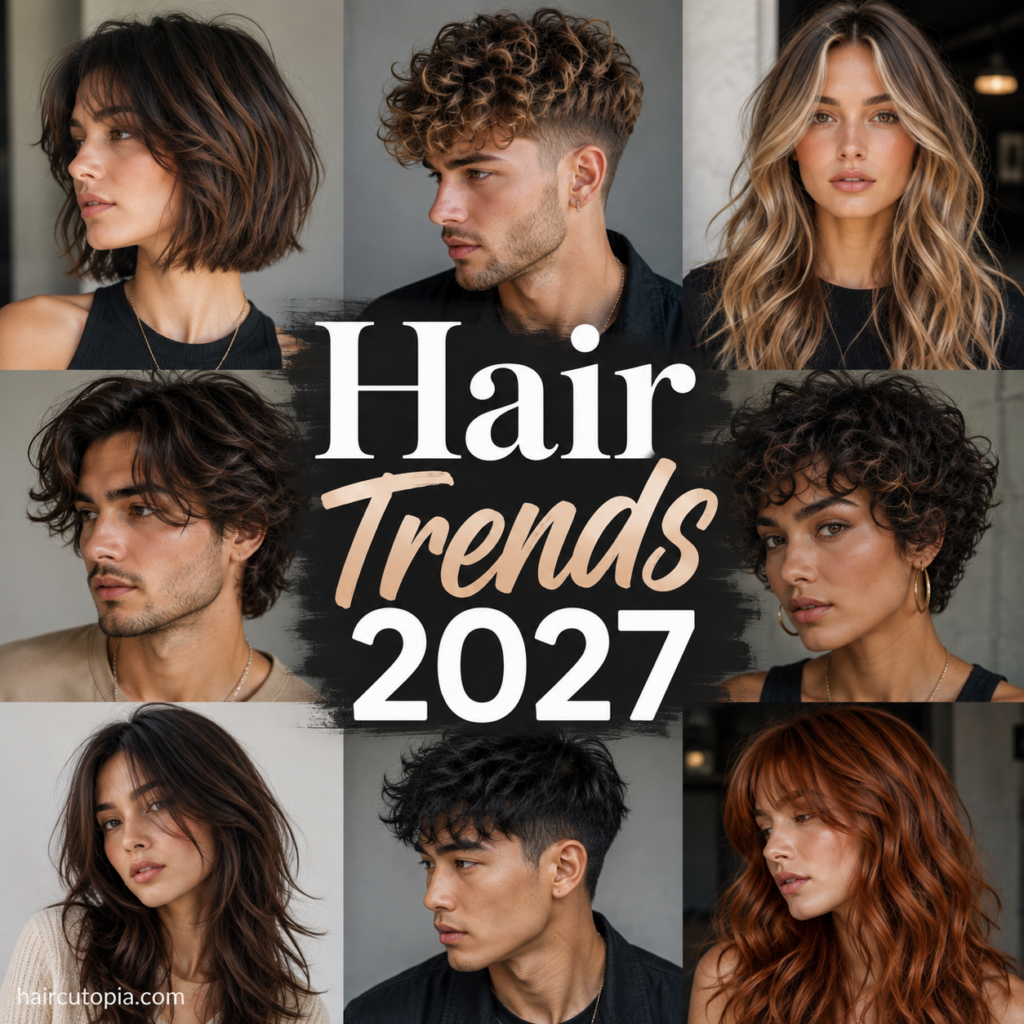
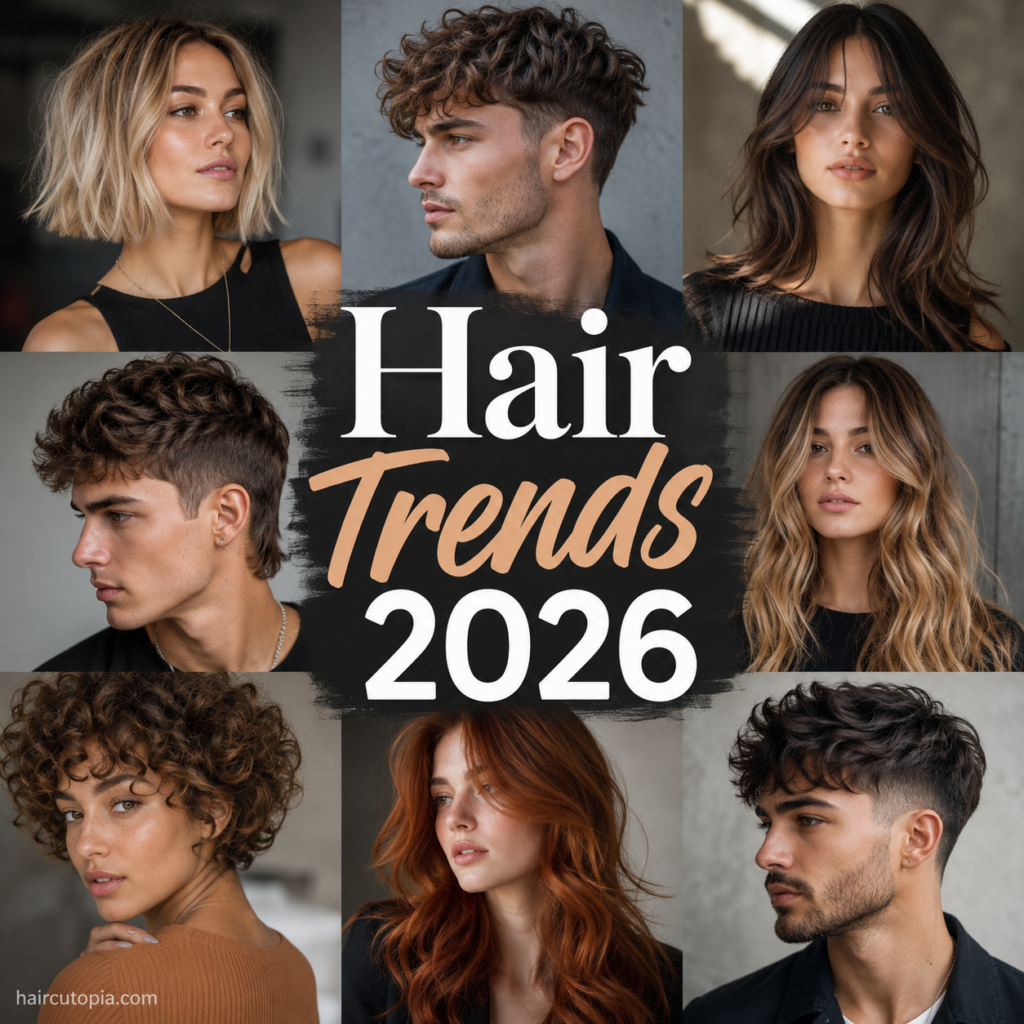
Hair trends in 2026 are all about making style feel personal again. Rather than everyone chasing the exact same haircut, this year’s looks leave plenty of room for texture, movement, individuality, and realistic everyday styling.
Some trends are polished and carefully shaped. Others lean into undone texture, natural curls, grown-out layers, or intentionally imperfect finishes. We’re also seeing familiar cuts return with subtle updates that make them feel current rather than recycled.
Whether you’re thinking about a dramatic haircut or simply want a fresh way to style what you already have, these are some of the biggest hair trends defining 2026.
What Hair Trends Are Taking Over in 2026?
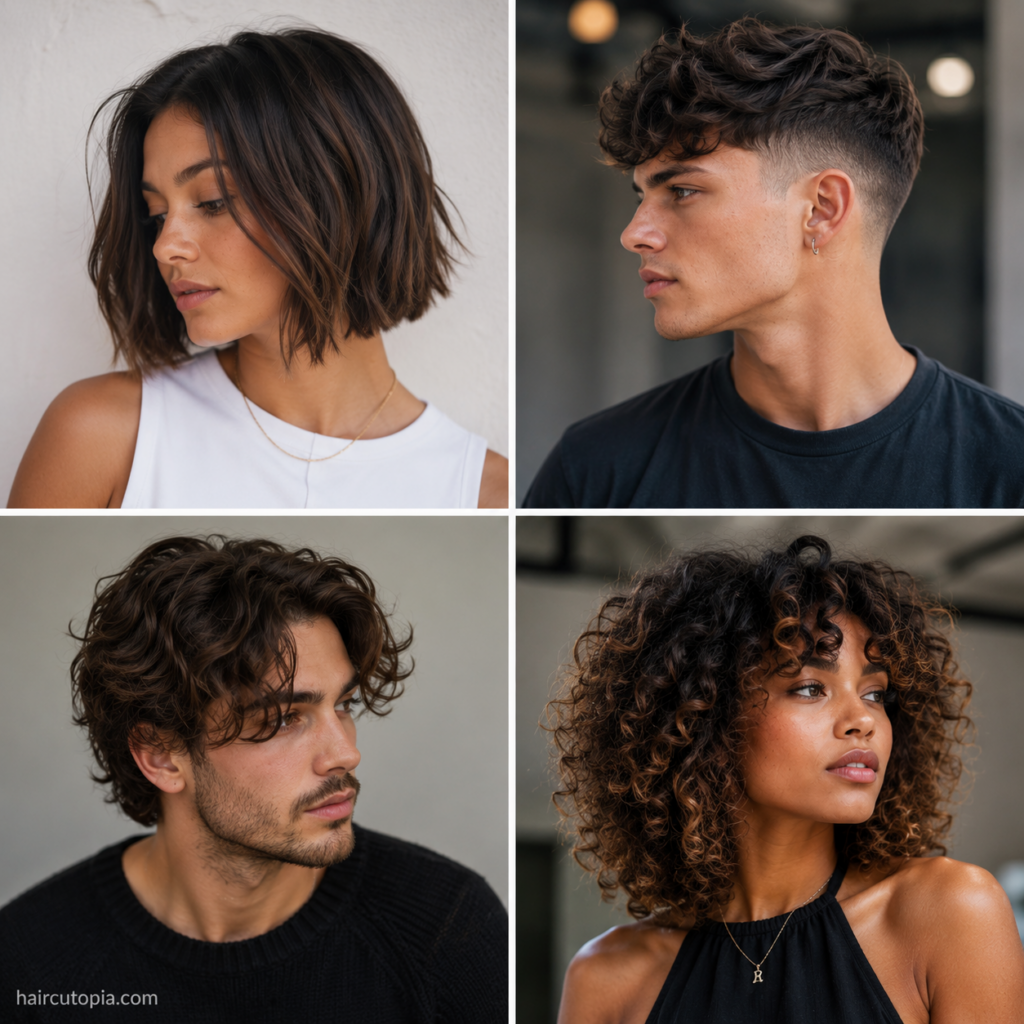
The overall direction of 2026 hair is surprisingly wearable. Statement styles haven’t disappeared, but many popular looks are designed to work beyond the salon chair.
Some of the strongest themes include:
- Soft, blended layers
- Modern bob variations
- Face-framing cuts
- Natural curls and waves
- Textured short haircuts
- Grown-out, lived-in styles
- Rich dimensional hair colors
- Healthy, glossy finishes
- Updated bangs and fringes
- Low-maintenance styling
There’s also less pressure for hair to look perfectly uniform. Texture, slight asymmetry, flyaways, and natural movement can actually make a style look more modern.
1. Soft, Flowing Layers
Layers remain one of the biggest hair trends of 2026, but they’re becoming softer and more blended.
Instead of heavily separated sections, the goal is often movement that seems to flow naturally through the hair. Long layers can remove excess weight while keeping most of the overall length intact.
This approach works especially well for medium and long hair because it adds shape without requiring a dramatic change.
Why Soft Layers Are Trending
Soft layers are versatile. They can add volume to fine hair, reduce heaviness in thick hair, and give waves or curls more room to form.
They also work with several styling approaches, from polished blowouts to air-dried texture.
For someone who wants a noticeable update without losing much length, layered hair remains an easy place to start.
2. The Modern Bob
The bob isn’t going anywhere in 2026. Instead, it keeps evolving.
Sharp, chin-length versions are still around, but softer bobs with movement and texture are becoming just as important. Some sit neatly around the jaw, while others fall closer to the shoulders.
Popular variations include:
- Blunt bobs
- Textured bobs
- French-inspired bobs
- Curly bobs
- Layered bobs
- Side-parted bobs
- Longer “lob” styles
The variety is part of the appeal. A bob doesn’t have to mean one specific shape anymore.
Who Does a Bob Work For?
Almost anyone can wear a bob when the length, layering, and shape are adjusted appropriately.
Fine hair may benefit from a cleaner perimeter that creates the appearance of density. Thick hair can often use internal layering to remove bulk. Curly and wavy hair can be shaped around the natural pattern rather than forced into a perfectly straight silhouette.
3. Face-Framing Layers
Face-framing pieces continue to be a major feature of 2026 hairstyles.
These shorter sections around the front of the hair can soften a long haircut, highlight facial features, and create movement without requiring layers throughout the entire head.
They can be subtle or dramatic depending on where the shortest pieces begin.
For example, layers starting around the cheekbones tend to create a stronger framing effect, while pieces beginning closer to the chin usually feel softer.
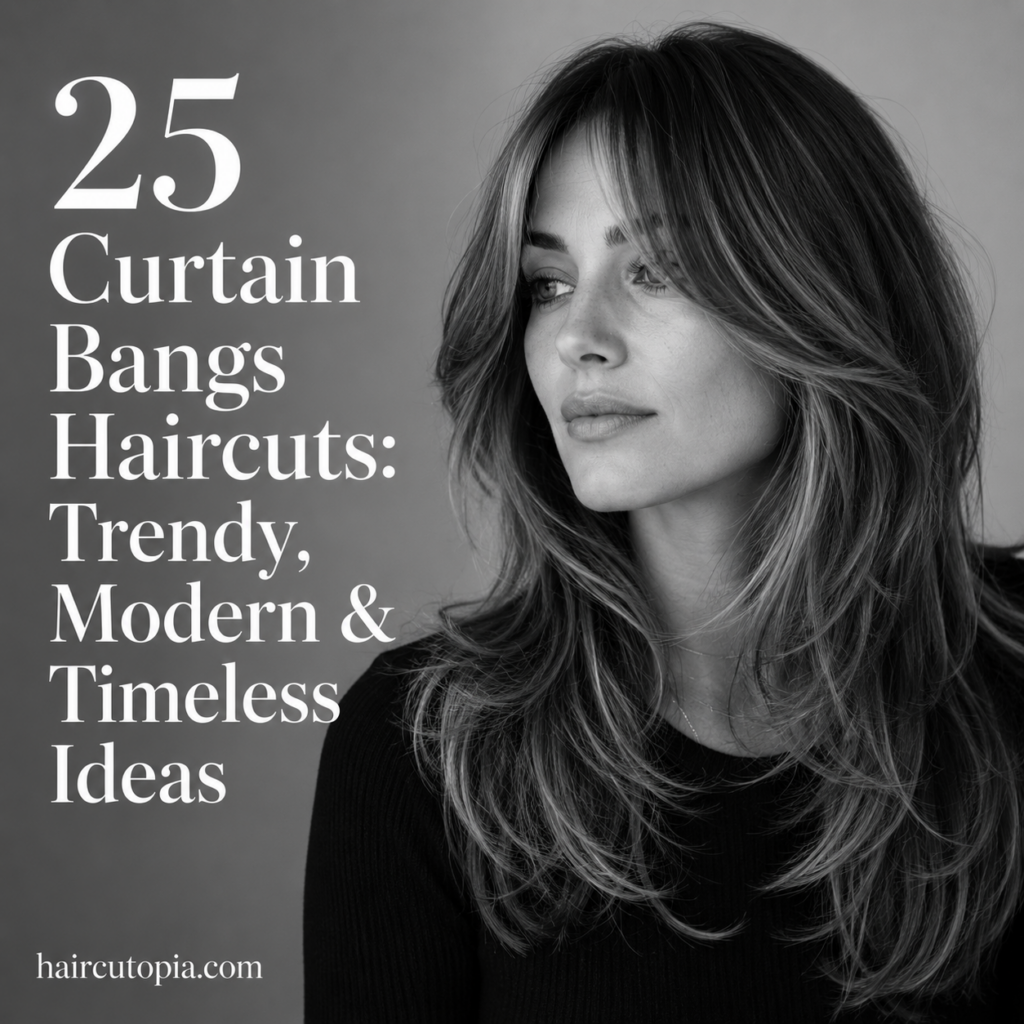
4. Curtain Bangs and Grown-Out Fringe
Bangs are becoming increasingly flexible.
Rather than committing exclusively to short, blunt fringe, many people are choosing longer bangs that blend naturally into surrounding layers.
Curtain bangs remain popular because they can be worn parted, swept to the sides, or incorporated into a layered style as they grow.
Other trending fringe styles include:
- Wispy bangs
- Bottleneck bangs
- Side-swept fringe
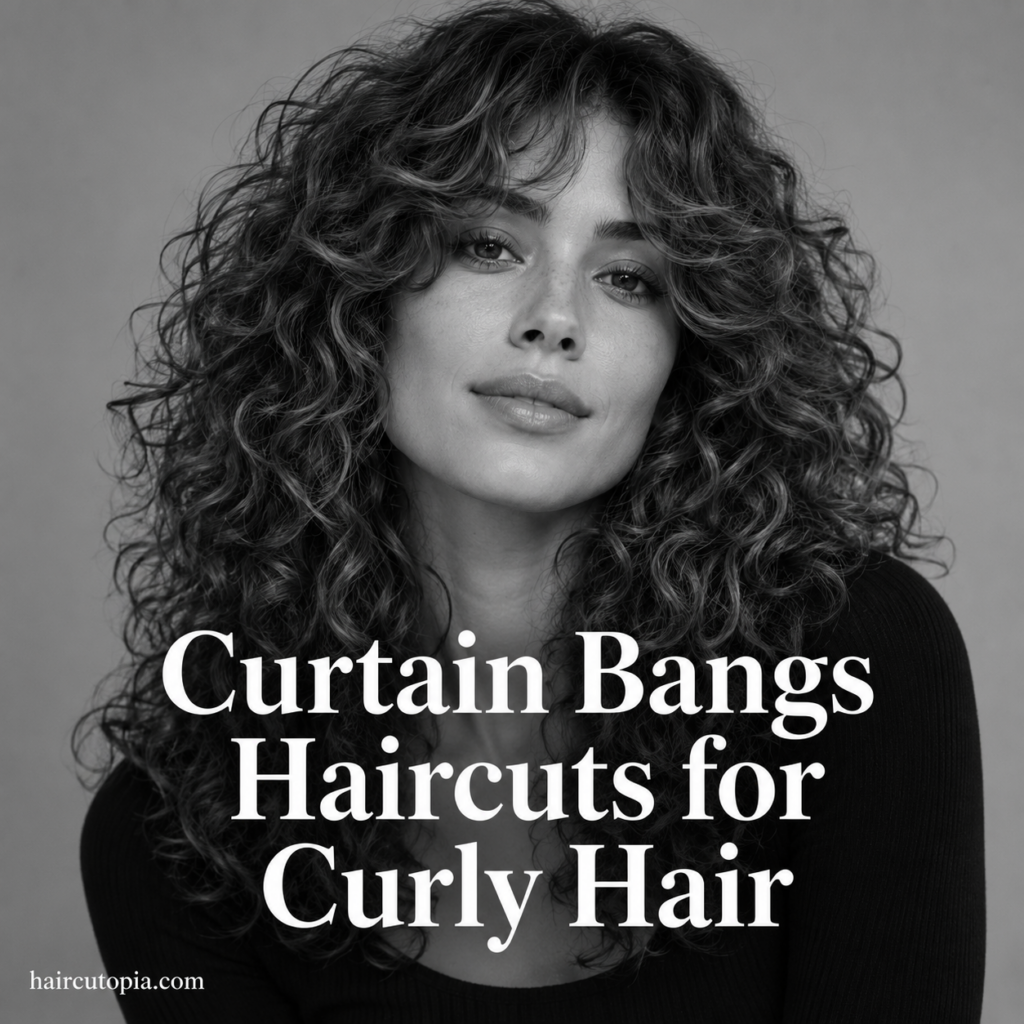
- Curly bangs
- Long face-framing fringe
- Soft textured bangs
The common theme is movement rather than stiffness.
5. Natural Curls Take Center Stage
One of the strongest 2026 hair trends is simply working with natural texture rather than constantly trying to change it.
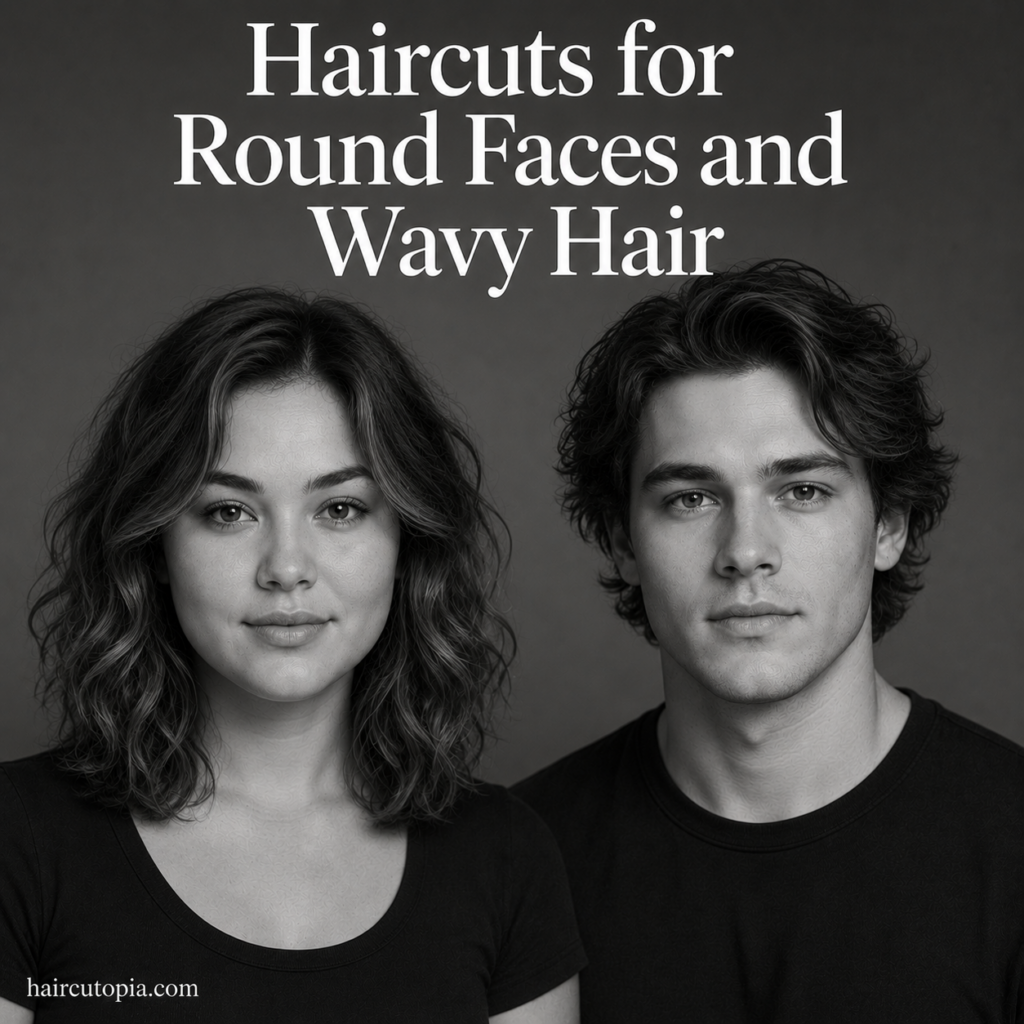
Curly haircuts are increasingly shaped around the curl pattern itself. Strategic layering can help curls sit more naturally, reduce unwanted bulk, and create a more balanced silhouette.
The same idea applies to waves.
Instead of flattening every bend with heat styling, a modern cut can encourage natural movement and make air-dried hair part of the finished look.
The Goal Is Definition Without Stiffness
Curl styling is also moving toward touchable definition.
Heavy, crunchy finishes can be replaced with products and techniques that provide enough hold to maintain shape while allowing the hair to move naturally.
6. The Butterfly Cut Evolves
The butterfly haircut continues to influence long layered styles in 2026, although newer versions can look more relaxed than earlier interpretations.
The basic idea remains the same: shorter layers create movement around the face while longer sections preserve length through the back.
It can create the visual effect of shorter hair from the front without requiring someone to actually give up their long hair.
In 2026, the look pairs particularly well with loose waves, rounded blowouts, and natural texture.
7. Shaggy, Lived-In Haircuts
Not every trending haircut is polished.
Shags and heavily textured cuts continue to appeal to people who prefer a more relaxed style. Layers, fringe, and natural separation give these cuts their characteristic shape.
Modern shags can range from subtle to dramatic. Some borrow heavily from retro styles, while others simply incorporate shag-inspired layering into an otherwise conventional haircut.
They can work particularly well with naturally wavy or curly hair.
8. The Pixie Gets Softer
Short hair is also moving toward softer shapes.
Classic pixies remain relevant, but slightly longer versions allow more styling flexibility. Extra length through the top or fringe can create texture, volume, or a swept-back finish.
Popular directions include:
- Textured pixies
- Long pixies
- Pixie-bob hybrids
- Curly pixies
- Side-swept pixies
- Tapered short cuts
A little extra length can dramatically change how versatile a short haircut feels.
9. Short, Textured Men’s Hair
Men’s hair trends in 2026 are also leaning toward texture and adaptability.
Rather than relying entirely on rigid styling, many popular cuts leave enough length on top for natural movement.
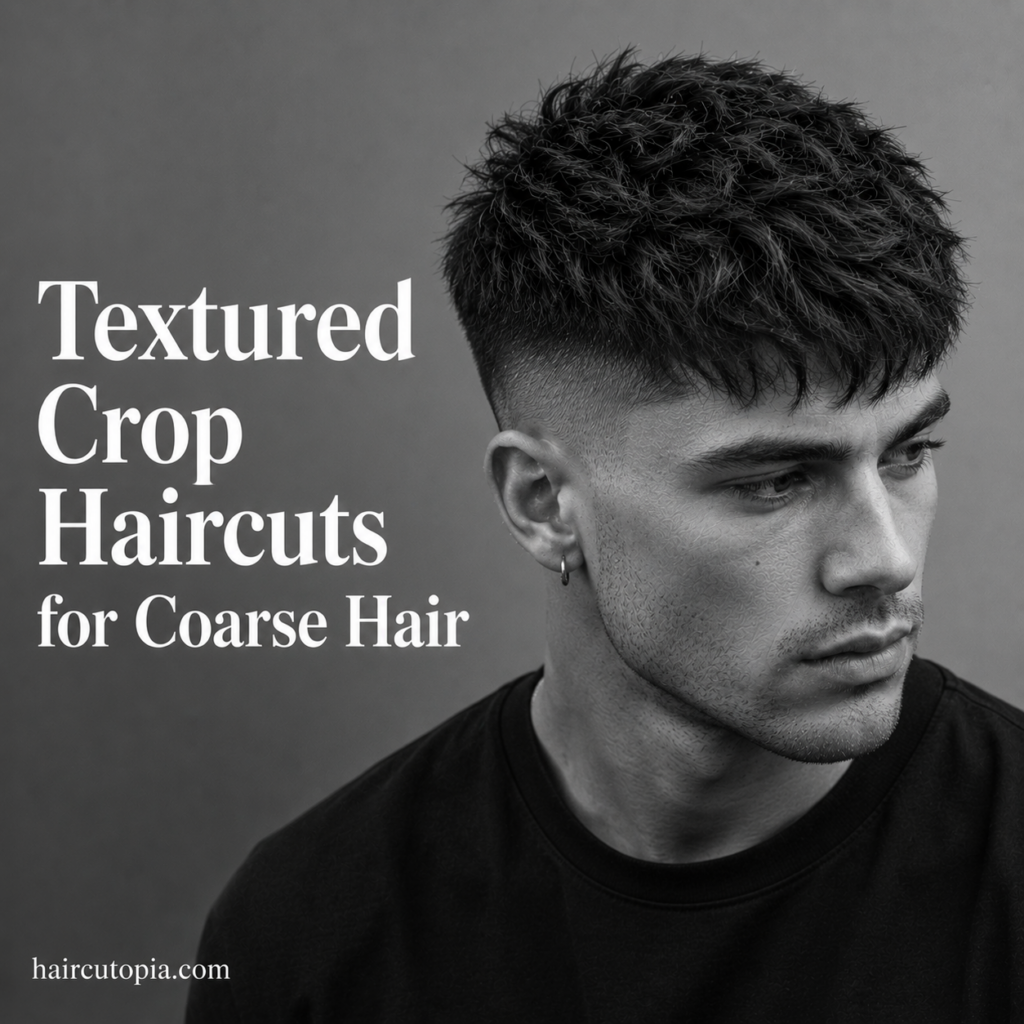
Textured crops, tapers, fades, and longer tops can all fit this direction.
A short haircut can still look clean and intentional without every strand being locked into place.
10. Longer Men’s Hairstyles
At the opposite end of the spectrum, medium-length and longer men’s hair continues to gain ground.
Hair around the ears, layered medium-length cuts, swept-back styles, and loose waves provide alternatives to the extremely short cuts that have dominated men’s grooming for years.
The key is shape.
Growing hair longer without periodically reshaping it can make it feel heavy or awkward. Strategic trimming helps longer styles look intentional throughout the growing process.
11. Modern Mullets and Wolf Cuts
The modern mullet and wolf cut haven’t completely disappeared. They’ve simply become more adaptable.
Extreme versions still exist, but softer interpretations can blend the difference between the shorter front and longer back.
Wolf cuts similarly combine layers, texture, and volume without necessarily creating an exaggerated silhouette.
These styles are especially suited to someone who wants a haircut with obvious personality rather than something completely classic.
12. Side Parts Make a Strong Return
The middle part remains popular, but 2026 isn’t treating it as the only option.
Side parts are appearing again across short, medium, and long hairstyles.
A deeper part can instantly change the balance of a familiar haircut and often creates more volume around the crown or front.
This is also one of the easiest trends to try because it doesn’t require cutting anything.
Sometimes simply changing where the hair falls is enough to make an existing style feel different.
13. Bouncy Blowouts
Big, touchable blowouts continue to influence styling in 2026.
The modern version isn’t necessarily about creating enormous volume. Instead, the focus is on movement, curved ends, healthy-looking shine, and lift around the roots.
Layered hair works especially well with this trend because different lengths become more visible once the hair has movement.
At the same time, blowouts don’t have to look overly perfect. A slightly relaxed finish often makes them feel more contemporary.
14. Air-Dried and Undone Texture
At the other end of the styling spectrum is the increasingly popular air-dried look.
The goal isn’t simply to leave wet hair alone and hope for the best. Instead, the haircut and product routine are designed to support the hair’s natural pattern.
Depending on hair type, that might involve:
- Applying a lightweight leave-in product.
- Adding curl cream, mousse, or texturizing product.
- Gently shaping the hair while damp.
- Allowing it to dry with minimal disturbance.
- Breaking up any overly defined sections once dry.
The finished result should feel effortless without necessarily being unstyled.
15. Healthy, Glossy Hair
One of the most universal hair trends of 2026 isn’t a haircut at all.
Healthy-looking shine is becoming part of the style itself.
Gloss treatments, conditioning routines, heat protection, careful coloring, and regular trims can all contribute to hair that reflects light and looks smoother.
This doesn’t mean every texture needs to appear glassy or pin-straight. Curly, coily, wavy, and textured hair can all have a healthy finish without losing their natural character.
16. Dimensional Brunette Hair
Brunette shades are becoming richer and more dimensional rather than appearing completely flat.
Subtle variations can add depth while maintaining an overall brunette appearance.
Trending directions include:
- Espresso brown
- Chocolate brown
- Warm chestnut
- Caramel brunette
- Mocha tones
- Soft brunette balayage
- Deep neutral brown
This can be especially appealing to people who want a color change without moving dramatically lighter.
17. Warm Blonde Shades
Blonde isn’t limited to icy platinum.
Warmer blondes are an important part of the 2026 color landscape, including honey, beige, golden, and creamy shades.
These colors can be used throughout the hair or incorporated through highlights and balayage.
The exact shade matters. A professional colorist can help determine whether warmer, cooler, or more neutral tones work best with someone’s existing hair and desired maintenance level.
18. Copper and Auburn Hair
Copper continues to make an impact, particularly for people looking for something richer than blonde but brighter than conventional brunette.
The category includes a surprisingly wide range of shades:
- Soft copper
- Golden copper
- Auburn
- Copper brown
- Deep red-brown
- Strawberry-inspired tones
Some versions are vibrant and attention-grabbing, while others are subtle enough to appear almost naturally red.
19. Lived-In Hair Color
High-maintenance color isn’t the only way to make an impact.
Lived-in color remains popular because it creates dimension while allowing the roots to grow more naturally.
Techniques such as balayage, root blending, and strategically placed highlights can create a softer transition between the natural base and colored sections.
That can mean fewer obvious grow-out lines and potentially more flexibility between salon visits.
20. Strategic Statement Color
While natural-looking color is popular, bold color hasn’t vanished.
Instead of coloring the entire head, some 2026 looks use vibrant shades strategically.
That might mean:
- Colored face-framing pieces
- Hidden color underneath longer layers
- Contrasting panels
- Pastel accents
- Bright tips
- Small sections of vivid color
This provides a way to experiment without necessarily committing to a complete transformation.
Low-Maintenance Hair Is Becoming More Important
A major shift behind many 2026 hair trends is practicality.
People still want stylish hair, but that doesn’t mean they want to spend an hour styling it every morning.
Haircuts that grow out gracefully and work with natural texture can make maintenance considerably easier.
Before choosing a new style, it helps to consider:
- How often you’re willing to visit the salon
- How much time you normally spend styling
- Whether you regularly use heat tools
- Your natural hair texture
- How your hair behaves in humidity
- Whether you’re comfortable using styling products
- How noticeable you want the grow-out to be
The most fashionable haircut isn’t necessarily the best one if maintaining it becomes a daily chore.
How to Choose a 2026 Hair Trend That Works for You
Trends are useful for inspiration, but they don’t have to be copied exactly.
A better approach is to identify what you actually like about a particular look.
Is it the length? The volume? The fringe? The color? The movement?
Once you know that, the trend can be adapted to your own hair.
Consider Your Natural Texture
A haircut behaves differently on straight, wavy, curly, and coily hair.
Instead of choosing solely from a photograph, think about how the shape will interact with your natural texture when you aren’t styling it extensively.
Think About Maintenance
Short doesn’t automatically mean low maintenance.
A precision bob or very short pixie may require more frequent trims than long layers. Likewise, dramatic blonde transformations may require significantly more upkeep than subtle dimensional color.
Ask about maintenance before committing.
Bring Inspiration, Not Just One Photo
Showing your stylist a few examples can be more helpful than bringing one image and asking for an exact copy.
Point out the specific details you like. You might love the bangs in one photo, the layering in another, and the overall length in a third.
That gives your stylist more information to work with.
Are Classic Hairstyles Still Popular in 2026?
Absolutely.
Not every hairstyle needs to look obviously trendy.
Bobs, long layers, pixies, fades, ponytails, buns, braids, curls, and simple long hair aren’t going anywhere. What changes is how those familiar styles are cut, finished, and personalized.
A classic haircut with subtle modern adjustments can often stay relevant longer than a highly specific trend.
What Is the Biggest Hair Trend of 2026?
If there’s one idea connecting most 2026 hair trends, it’s personalization.
Hair doesn’t need to fit one universal aesthetic.
Someone with curls may embrace more volume. Someone with straight hair may choose a sharp bob. Another person may keep long hair but introduce subtle face-framing layers. Someone else might change nothing about their haircut and experiment with a deep side part or richer color.
That’s what makes the current direction in hair interesting: there’s room for polished and undone, short and long, natural and bold.
Final Thoughts on Hair Trends 2026
The best hair trends of 2026 aren’t necessarily about making the biggest transformation. They’re about finding details that make your existing style feel fresher and more intentional.
Soft layers can give long hair new movement. A modern bob can completely change the silhouette. Bangs can reshape the front of a familiar haircut, while dimensional color can add depth without requiring a dramatic change.
Most importantly, you don’t need to follow every trend.
Choose the elements that fit your texture, lifestyle, maintenance preferences, and personal style. A trend may provide the inspiration, but the best version is the one that actually works when you’re styling your own hair on an ordinary morning.