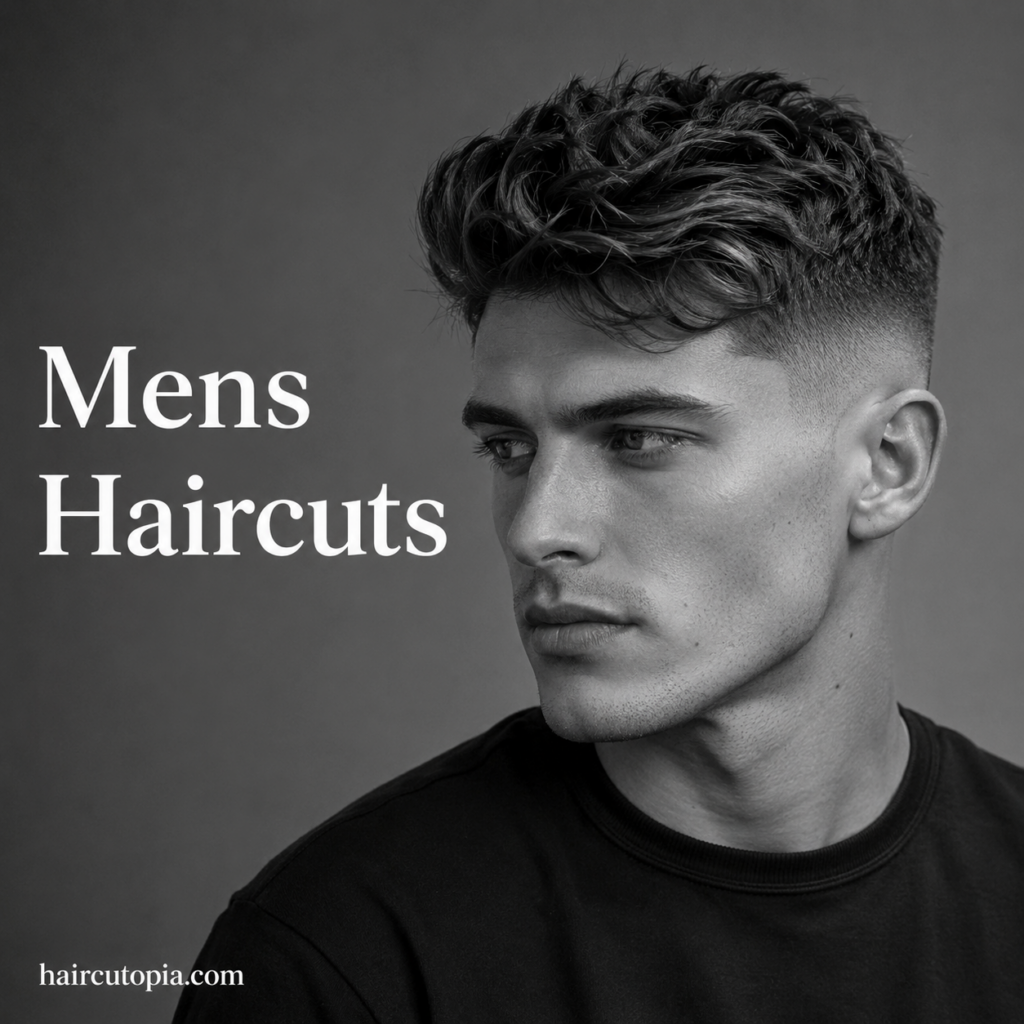
Finding the right men’s haircut is about more than following trends. The best haircut complements your face shape, works with your natural hair texture, fits your lifestyle, and makes styling easier every morning. Whether you’re looking for a classic professional cut, a modern fade, or a low-maintenance style, there’s a haircut that fits your needs.
This complete guide explores today’s most popular men’s haircuts, explains how to choose the right style for your features, and offers practical tips for keeping your haircut looking its best between barber visits.
Why Your Haircut Matters
A haircut is one of the first things people notice. It can completely change how your face looks, highlight your best features, and even make your hair appear thicker or more manageable.
The right haircut can:
- Enhance your face shape
- Balance facial proportions
- Make thin hair look fuller
- Reduce bulk in thick hair
- Require less daily styling
- Match your personal style
- Create a cleaner, more polished appearance
Instead of copying a celebrity haircut, focus on finding a style that works for your own hair and lifestyle.
The Most Popular Men’s Haircuts
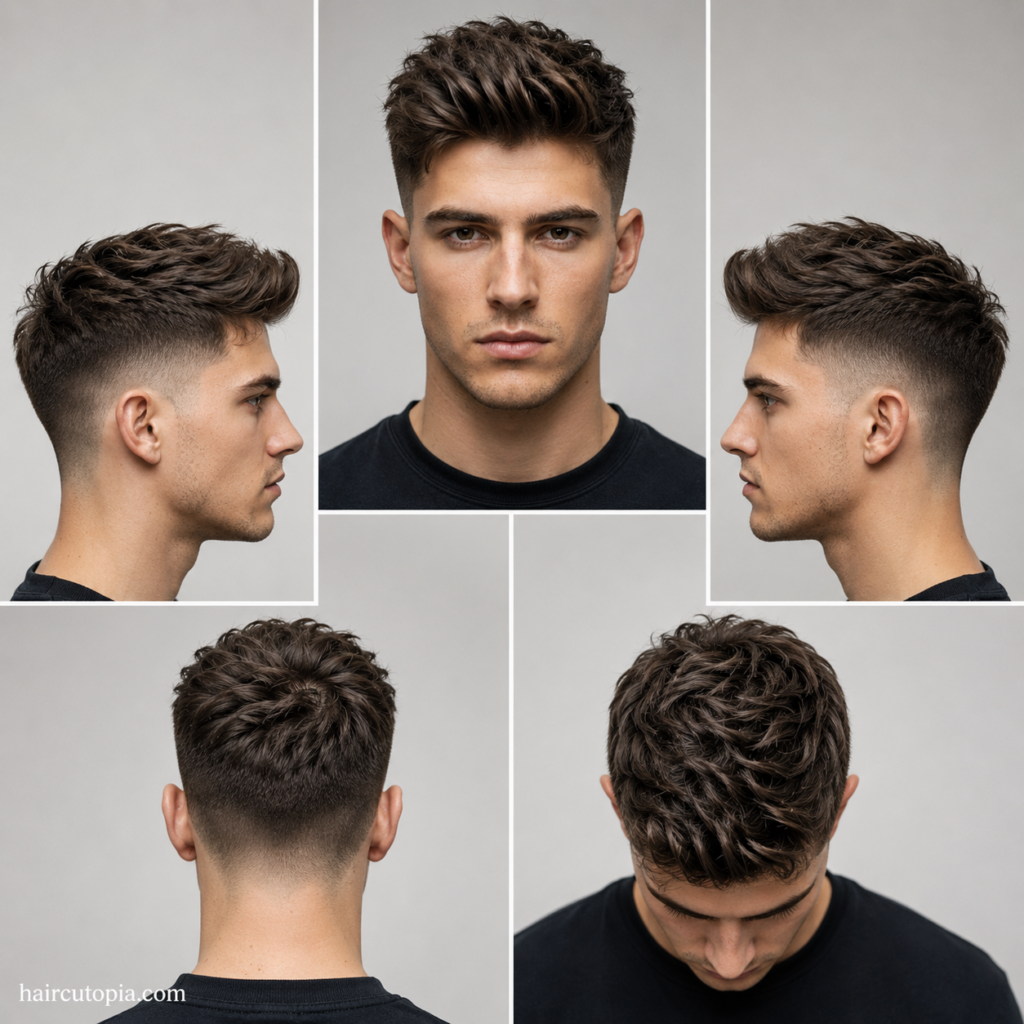
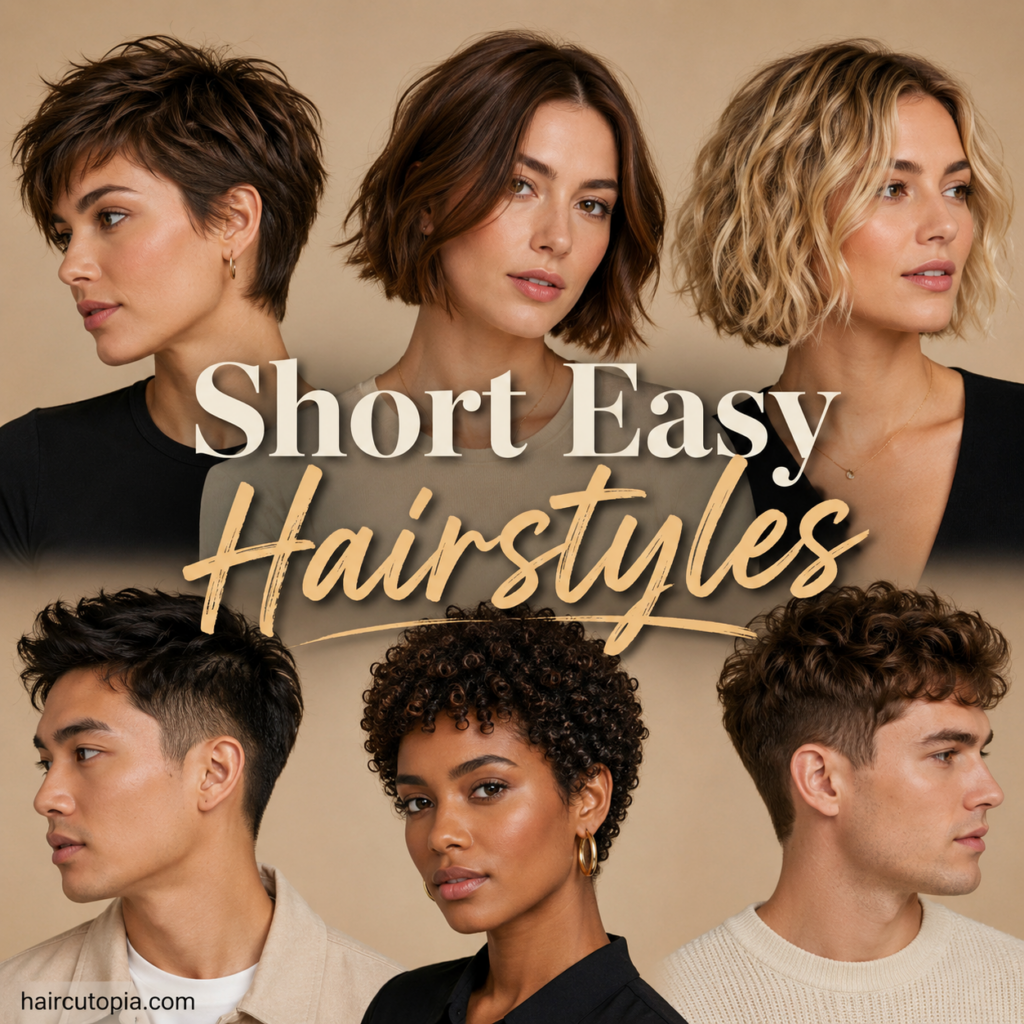
Modern barbers offer dozens of haircut variations, but most styles fall into several core categories.
Fade Haircuts
Fade haircuts remain one of the most requested styles in barbershops around the world, offering everything from subtle blends to sharp, high-contrast finishes.
A fade gradually blends the hair from longer on top to shorter near the neckline, creating a clean and modern appearance.
Popular fade variations include:
- Low Fade
- Mid Fade
- High Fade
- Skin Fade
- Drop Fade
- Burst Fade
- Temple Fade
- Taper Fade
Fades work with nearly every hairstyle and can be customized for casual or professional settings.
Taper Haircuts
A taper creates a gradual transition around the sideburns and neckline without dramatically shortening the sides.
Compared to a fade, a taper looks more conservative while still appearing neat and modern.
Ideal for:
- Office professionals
- Business settings
- First-time haircut changes
- Classic styles
Crew Cut
The crew cut is a timeless short hairstyle that combines easy maintenance with a clean, structured appearance.
This short haircut features slightly longer hair on top with neatly tapered sides.
Benefits include:
- Extremely easy maintenance
- Minimal styling
- Clean appearance
- Great for active lifestyles
It works particularly well on straight, wavy, and thick hair.
Buzz Cut
The buzz cut is one of the shortest and easiest men’s haircuts to maintain.
Hair is clipped to a uniform length or combined with faded sides for a more modern look.
Advantages include:
- Very low maintenance
- No daily styling
- Cooler during warm weather
- Easy home maintenance
Many men pair a buzz cut with a beard for added definition.
Caesar Cut
The Caesar cut is a classic short hairstyle characterized by an even length and a short, forward-styled fringe.
- Short length
- Small horizontal fringe
- Even texture throughout
- Clean edges
This style works especially well for men with:
- Receding hairlines
- Thick hair
- Wavy hair
- Curly hair
Its forward styling can help soften the appearance of thinning at the temples.
French Crop
The French crop combines a textured top with a short fringe and neatly trimmed or faded sides, creating a modern style that’s relatively easy to maintain.
Characteristics include:
- Textured top
- Short fringe
- Short faded sides
- Natural movement
It’s an excellent option for men who want a stylish haircut without spending much time styling.
Ivy League
The Ivy League haircut combines the clean structure of a crew cut with enough length on top for polished side-part styling.
Think of it as a slightly longer crew cut.
Features include:
- Longer top
- Side-part styling options
- Tapered sides
- Professional appearance
It’s ideal for business professionals who want flexibility.
Side Part
The side part haircut remains one of the most timeless choices for men, working well with both traditional and contemporary styling.
Modern versions often combine:
- Fade
- Taper
- Hard part
- Natural part
- Textured finish
It works equally well in formal and casual settings.
Comb Over
The modern comb over haircut uses volume, texture, and a defined direction to create a polished style that works particularly well with tapered or faded sides.
Modern comb overs feature:
- Volume
- Texture
- Natural movement
- Fade or taper sides
They’re stylish, versatile, and suitable for many face shapes.
Pompadour
The pompadour haircut creates its signature volume by styling the hair upward and backward while keeping the sides comparatively shorter.
It pairs well with:
- Skin fades
- Low fades
- Mid fades
- Tapered sides
While it requires some styling time, it delivers a bold and polished appearance.
Quiff
The quiff haircut combines some of the height of a pompadour with a looser, more textured finish.
Benefits include:
- Modern look
- Natural texture
- Flexible styling
- Works with many hair types
It can be worn messy or polished depending on the occasion.
Slick Back
The slick back haircut styles the hair away from the face, creating a clean shape that can range from classic and polished to loose and textured.
Modern versions often use matte products instead of high-shine pomades for a softer finish.
Popular variations include:
- Slick back fade
- Undercut slick back
- Textured slick back
Undercut
The undercut haircut creates a distinctive contrast between longer hair on top and very short sides, typically with little or no blending between the two lengths.
The dramatic contrast creates a bold, fashionable appearance.
Fringe Haircuts
Fringe haircuts for men allow the hair to fall forward over part of the forehead, creating anything from a soft textured finish to a more defined statement look.
Benefits include:
- Softening strong facial features
- Hiding larger foreheads
- Adding youthful texture
- Creating movement
Fringe styles are especially popular with younger men.
Textured Crop
The textured crop haircut emphasizes natural movement through layering and texture while keeping the overall shape relatively short and manageable.
This style works particularly well for:
- Thick hair
- Wavy hair
- Fine hair
- Men wanting low-maintenance styling
Textured crops remain one of today’s most requested barbershop cuts.
Choosing a Haircut Based on Face Shape
Your face shape can help narrow down which haircuts are most flattering.
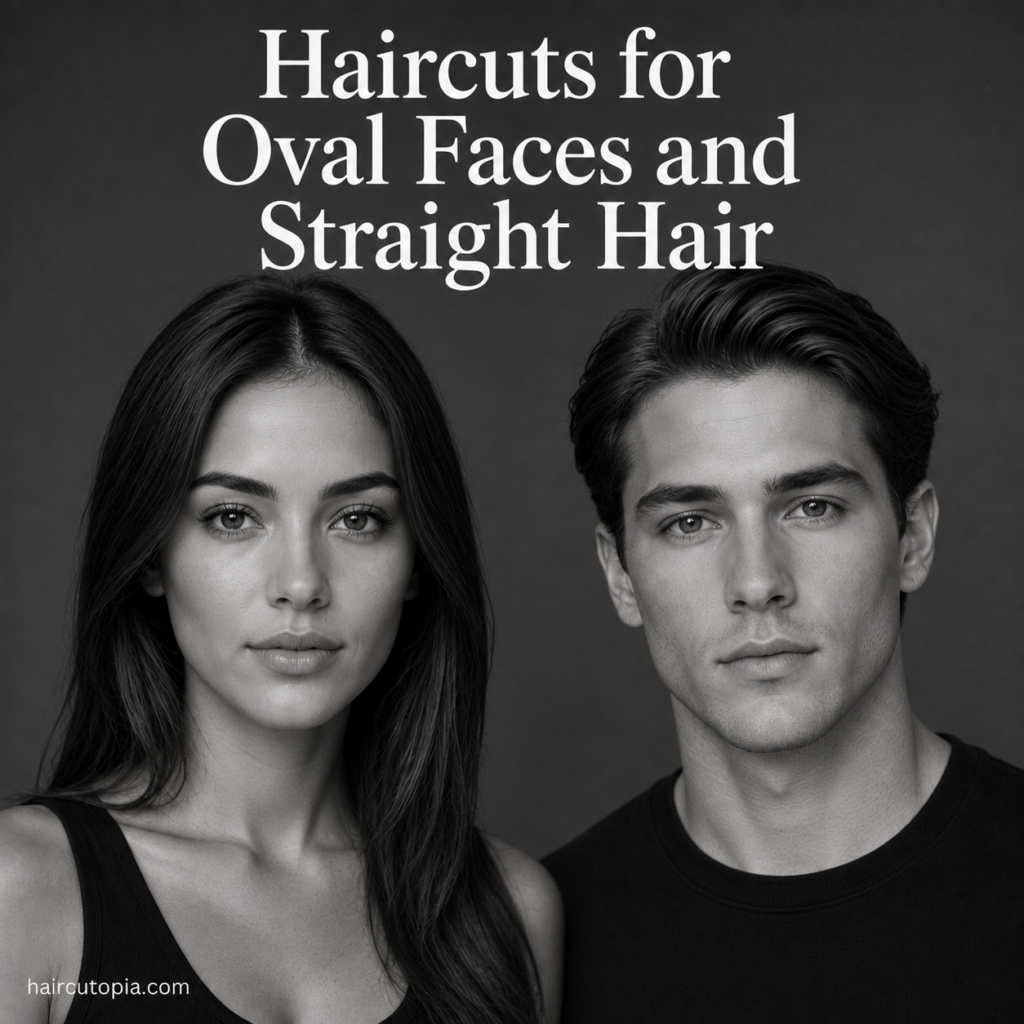
Oval Face
Oval faces are considered the most versatile.
Nearly every haircut works well, including:
- Crew cut
- Quiff
- Pompadour
- Side part
- Slick back
- Fade
- Caesar cut
Avoid styles that create excessive height if your face is already long.
Round Face
Round faces benefit from hairstyles that create height and angles.
Good choices include:
- Pompadour
- Quiff
- High fade
- Comb over
- Side part
- Faux hawk
Avoid heavy rounded fringes that make the face appear wider.
Square Face
Square faces feature strong jawlines that pair well with structured haircuts.
Popular options include:
- Buzz cut
- Crew cut
- Fade
- Textured crop
- Side part
- Slick back
These styles emphasize masculine facial features.
Heart Face
Heart-shaped faces have wider foreheads with narrower chins.
Balanced styles include:
- Medium fringe
- Textured crop
- Side part
- Ivy League
- Low fade
Avoid excessive height that further widens the upper face.
Diamond Face
Diamond-shaped faces benefit from styles that add width around the forehead.
Great options include:
- Fringe
- Side part
- Medium-length textured styles
- Caesar cut
Avoid extremely tight sides paired with very tall tops.
Long Face
Long faces should avoid adding too much height.
Instead choose:
- French crop
- Caesar cut
- Crew cut
- Low fade
- Textured crop
- Side part
These styles maintain facial balance.
Choosing a Haircut Based on Hair Type
Straight Hair
Straight hair works with nearly every hairstyle.
Popular options include:
- Side part
- Slick back
- Pompadour
- Ivy League
- Crew cut
Straight hair often showcases precise barber work particularly well.
Thick Hair
Thick hair offers volume but can become bulky.
Recommended styles include:
- Textured crop
- Quiff
- Fade
- Caesar cut
- Undercut
Removing weight through layering helps improve manageability.
Fine Hair
Fine hair benefits from cuts that maximize texture.
Good choices include:
- French crop
- Crew cut
- Buzz cut
- Ivy League
- Textured styles
Avoid overly long hairstyles that can appear flat.
Wavy Hair
Natural waves create movement with little effort.
Excellent options include:
- Textured crop
- Medium-length quiff
- Comb over
- Fringe
- Low fade
Enhancing natural texture often produces the best results.
Curly Hair
Curly hair has become increasingly popular to wear naturally.
Popular curly styles include:
- Curly fade
- Curly crop
- Curly fringe
- Taper fade
- Medium curls
Keeping curls hydrated improves appearance and definition.
Coarse Hair
Coarse hair benefits from layered cuts that reduce bulk while maintaining shape.
Ideal choices include:
- Fade
- Caesar
- Crew cut
- Buzz cut
- Textured crop
Choosing the Right Haircut for Your Lifestyle
Think about how much time you’re willing to spend styling your hair.
Low-Maintenance Haircuts
If you want minimal upkeep, consider:
- Buzz cut
- Crew cut
- Caesar cut
- French crop
- Short taper
- Low fade
These styles often require only a few minutes each morning.
Professional Haircuts
For office environments, classic styles remain excellent choices.
Examples include:
- Ivy League
- Side part
- Crew cut
- Taper fade
- Comb over
These haircuts remain polished without appearing overly trendy.
Trendy Haircuts
If you enjoy experimenting with modern looks, consider:
- Skin fade
- Textured crop
- Burst fade
- Fringe
- Modern mullet
- Curly fade
These styles often reflect current barbering trends.
Popular Haircut Lengths
Very Short
- Buzz cut
- Burr cut
- Induction cut
Short
- Crew cut
- Caesar cut
- French crop
- Ivy League
Medium
- Side part
- Comb over
- Quiff
- Slick back
Long
- Layered styles
- Bro flow
- Shoulder-length hair
- Man bun
Each length offers different styling possibilities and maintenance requirements.
Barber Terms You Should Know
Knowing common barber terminology makes communication much easier.
Some useful terms include:
- Fade
- Taper
- Blend
- Skin fade
- Hard part
- Texture
- Layers
- Point cutting
- Clippers
- Guards
- Line up
- Edge up
- Neck taper
Bringing reference photos also helps eliminate confusion.
How Often Should Men Get Haircuts?
The ideal schedule depends on your haircut.
Every 2–3 Weeks
- Skin fade
- High fade
- Buzz cut
- Sharp taper
Every 3–5 Weeks
- Crew cut
- French crop
- Caesar cut
- Textured crop
Every 6–8 Weeks
- Medium hairstyles
- Longer layered cuts
- Slick back
- Pompadour
Regular maintenance keeps your haircut looking intentional rather than overgrown.
Styling Products Every Man Should Know
Choosing the right product can make a significant difference.
Matte Clay
Best for:
- Texture
- Volume
- Natural finish
Pomade
Ideal for:
- Slick backs
- Side parts
- Shine
- Smooth finishes
Hair Paste
Provides:
- Medium hold
- Flexible styling
- Natural movement
Hair Cream
Great for:
- Longer styles
- Curly hair
- Frizz control
Sea Salt Spray
Perfect for:
- Texture
- Volume
- Beach-inspired finishes
Haircut Maintenance Tips
To keep your haircut looking its best:
- Wash your hair according to your hair type.
- Use conditioner regularly.
- Avoid excessive heat styling.
- Visit your barber consistently.
- Use products designed for your hair texture.
- Keep your neckline clean between appointments.
- Protect your hair from excessive sun exposure.
Consistent maintenance helps every haircut look sharper for longer.
Common Haircut Mistakes
Many men make similar mistakes when choosing a haircut.
Avoid:
- Copying hairstyles without considering your face shape
- Ignoring your natural hair texture
- Waiting too long between cuts
- Using too much styling product
- Choosing trends over practicality
- Giving vague instructions to your barber
A haircut should fit your daily routine, not create unnecessary work.
Frequently Asked Questions
What is the most popular men’s haircut today?
Fade haircuts continue to dominate because they pair well with almost every hairstyle, from textured crops and crew cuts to pompadours and slick backs.
Which haircut is easiest to maintain?
Buzz cuts and crew cuts require the least daily styling and are among the easiest haircuts to maintain.
Which haircut makes hair look thicker?
Textured crops, French crops, Caesar cuts, and layered styles can create the appearance of fuller, thicker hair.
Are fades still in style?
Yes. Fade haircuts remain one of the most requested styles in modern barbershops and continue to evolve with new variations and combinations.
How do I know which haircut suits me?
Consider your face shape, hair type, hair density, lifestyle, and the amount of time you’re willing to spend styling each day. A skilled barber can also recommend styles that complement your features.
Final Thoughts
The best men’s haircut isn’t necessarily the latest trend—it’s the one that works with your natural hair, complements your face shape, and fits comfortably into your daily routine. Whether you prefer the simplicity of a buzz cut, the timeless appeal of an Ivy League, the sharp finish of a fade, or the texture of a modern crop, there’s no shortage of great options.
As trends continue to evolve, classic barbering techniques remain the foundation of most modern hairstyles. Understanding the differences between haircut types, knowing what works for your hair, and communicating clearly with your barber will help you leave the chair feeling confident every time.
Related Posts
 Slick Back Haircuts for Straight Hair: Timeless Styles with a Modern Edge
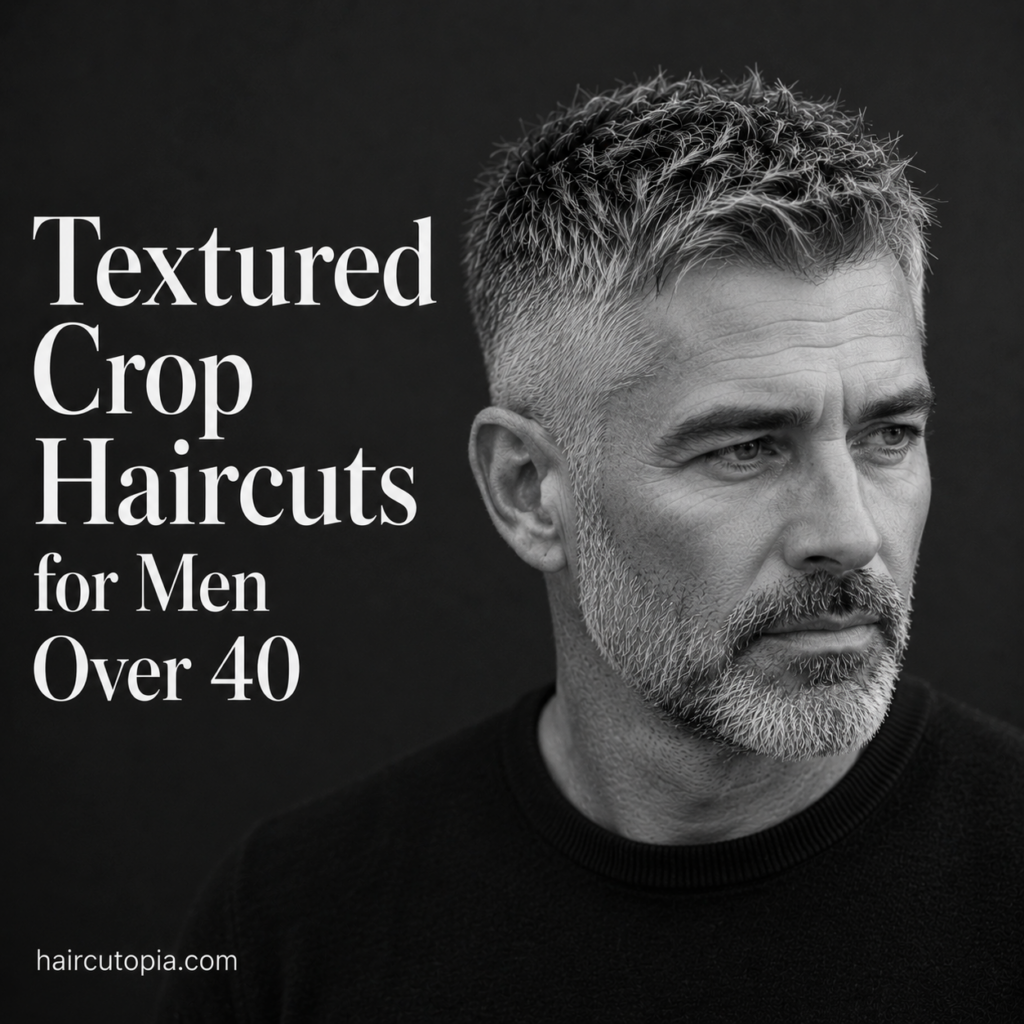 Textured Crop Haircuts for Men Over 40: 25 Modern and Sophisticated Styles
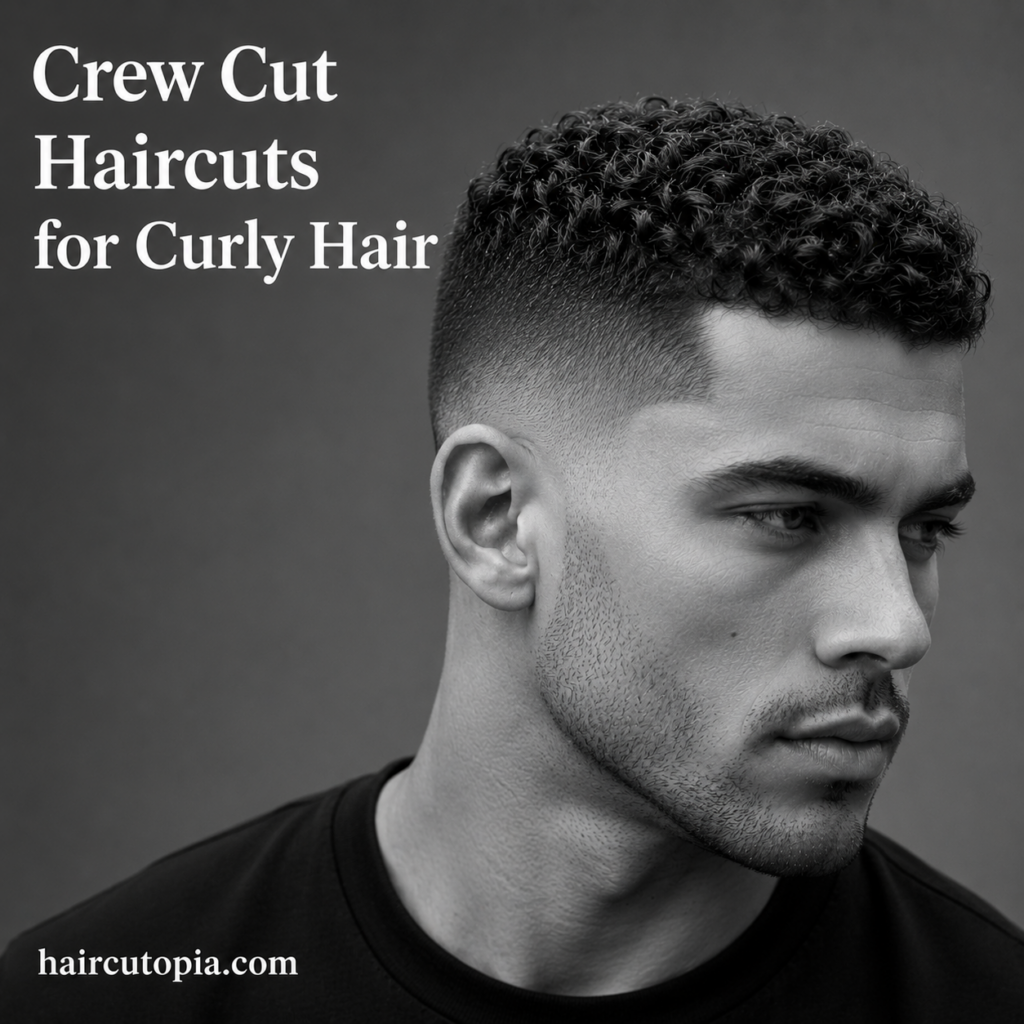 Crew Cut Haircuts for Curly Hair: Stylish, Easy-to-Maintain Looks for Men
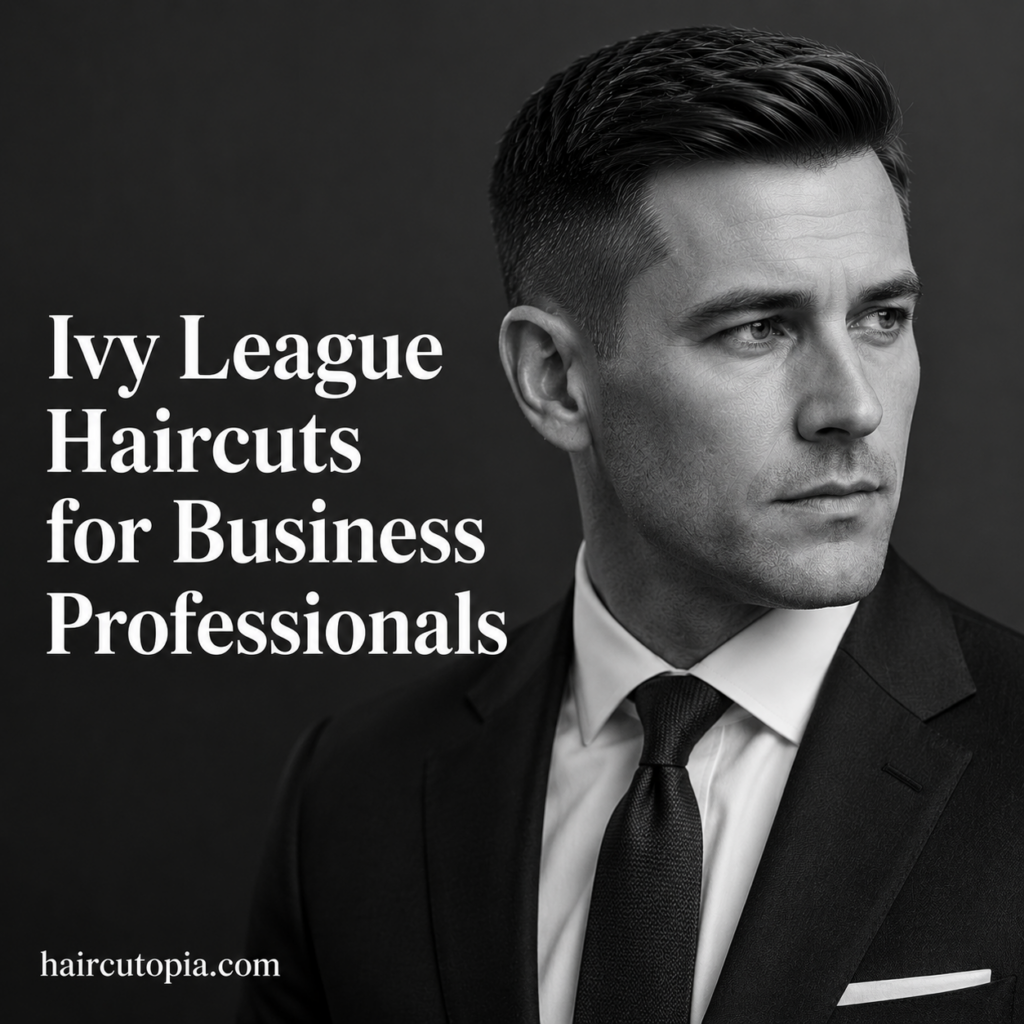 Ivy League Haircuts for Business Professionals: The Ultimate Professional Hairstyle