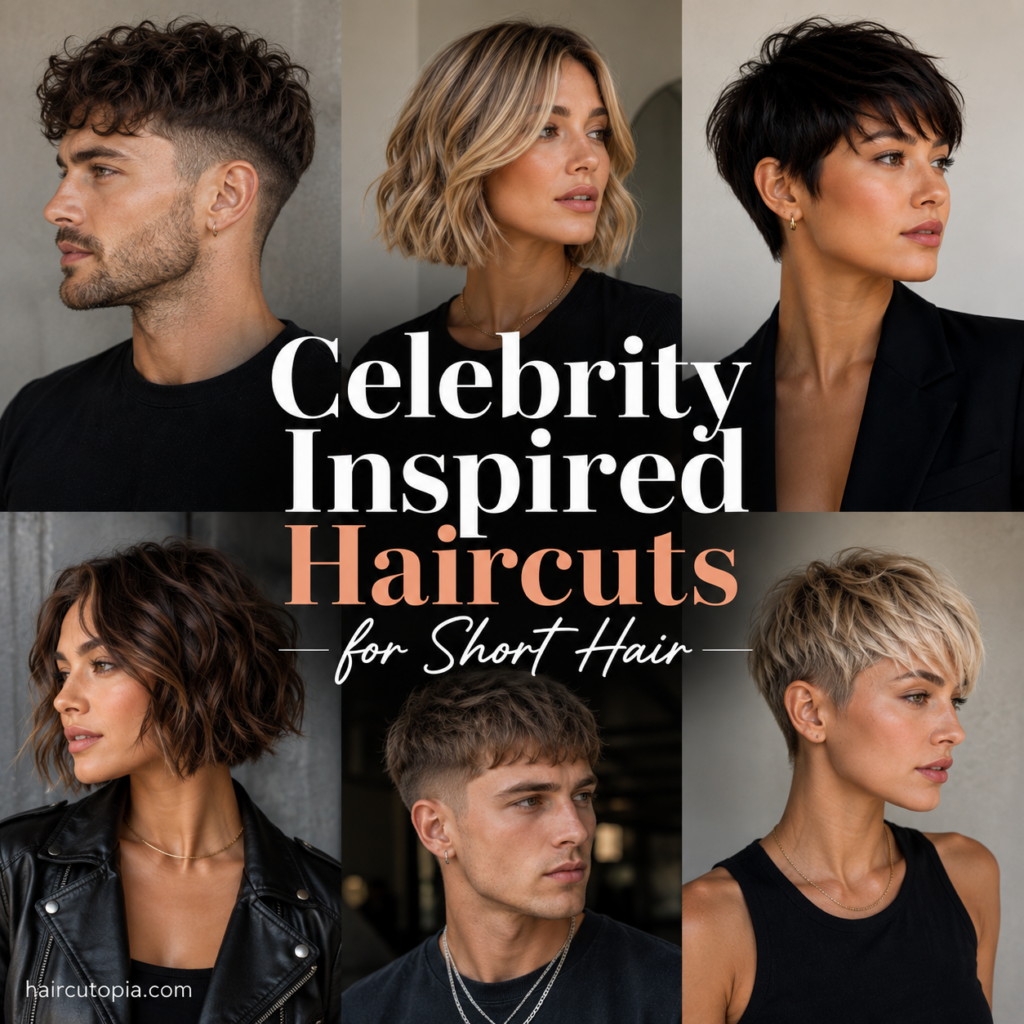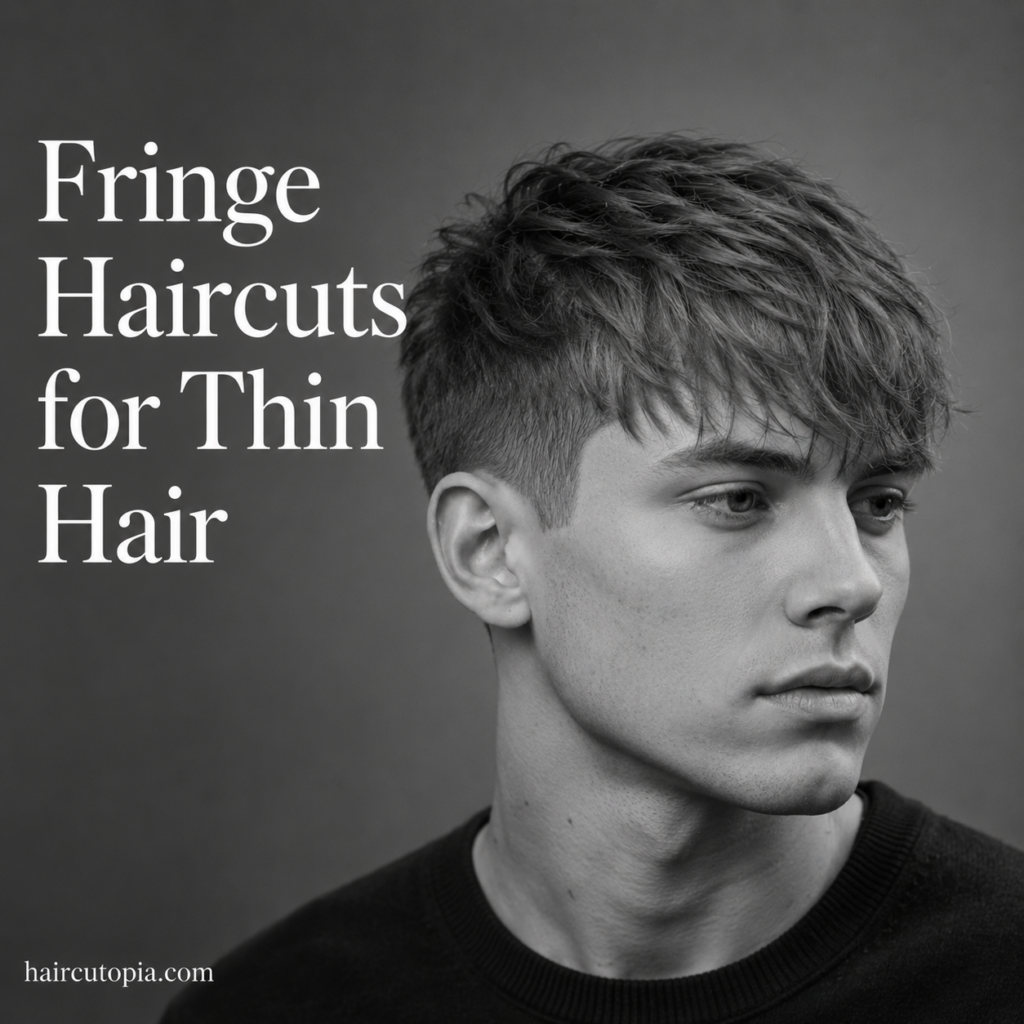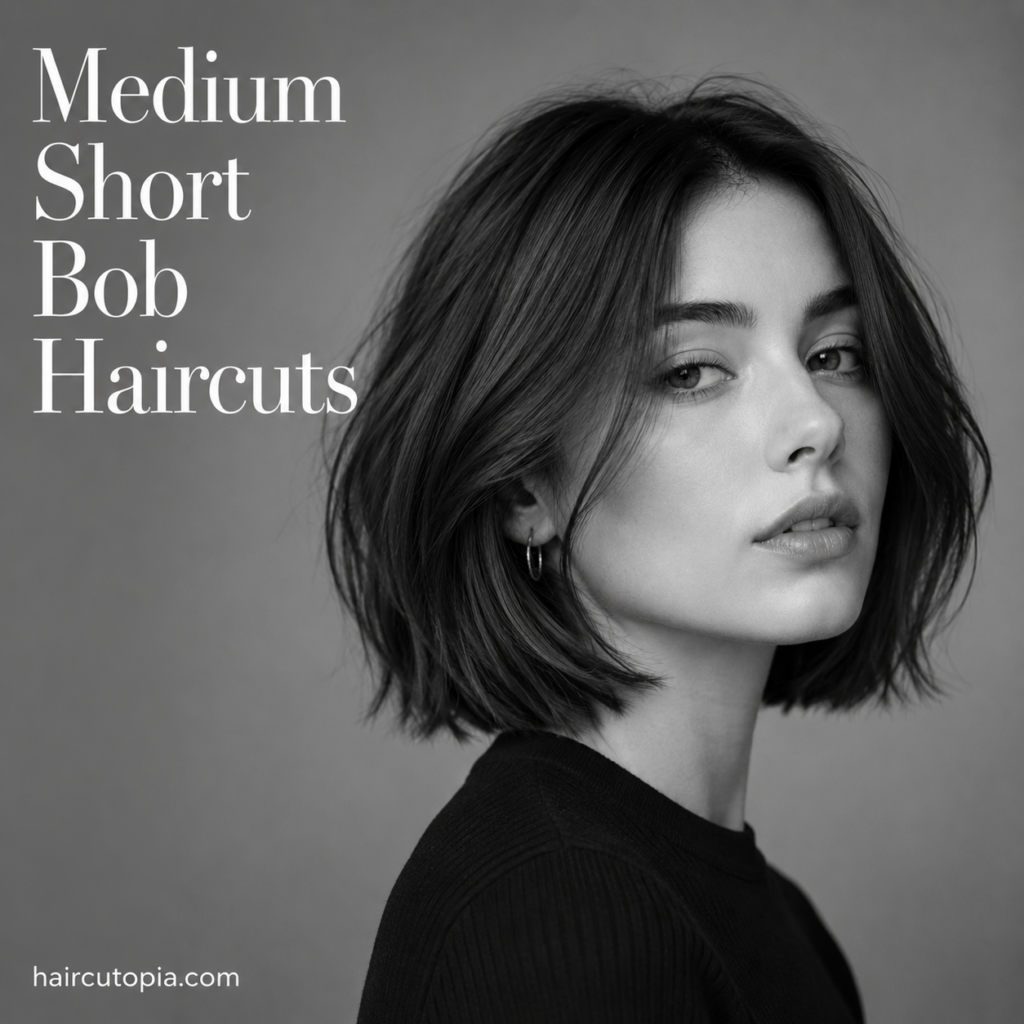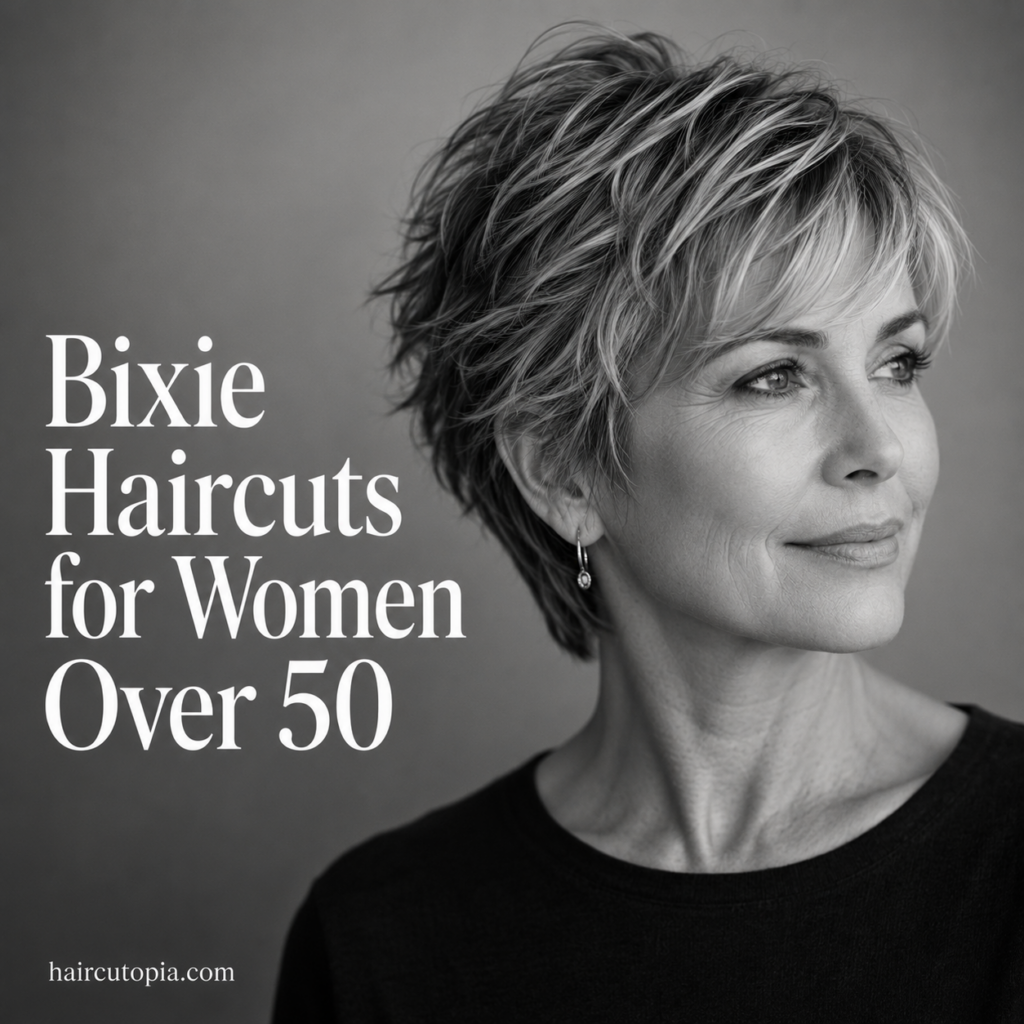
Spring has a way of making everything feel ready for a refresh, and hair is no exception. After months of winter hats, dry indoor air, darker colors, and practical cold-weather styling, the new season is a natural time to try something lighter.
That doesn’t have to mean a dramatic haircut.
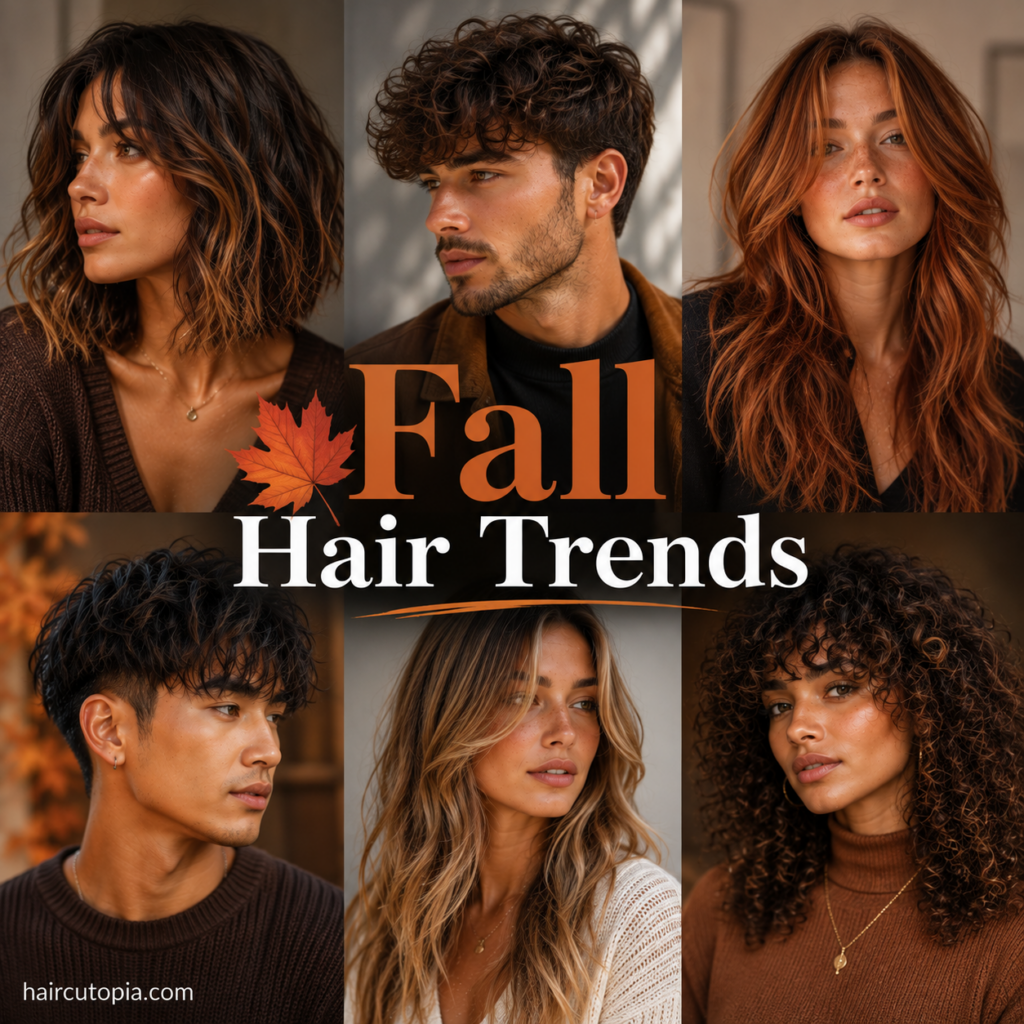
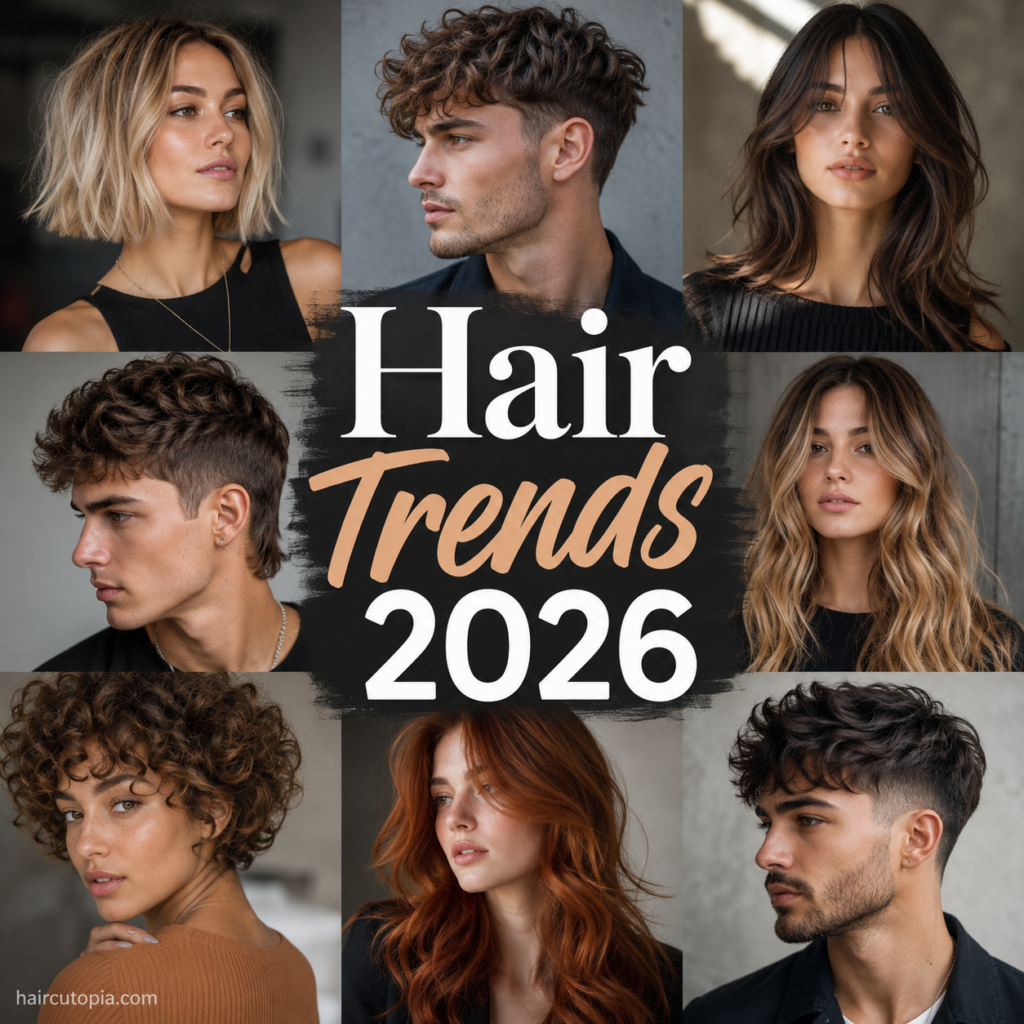
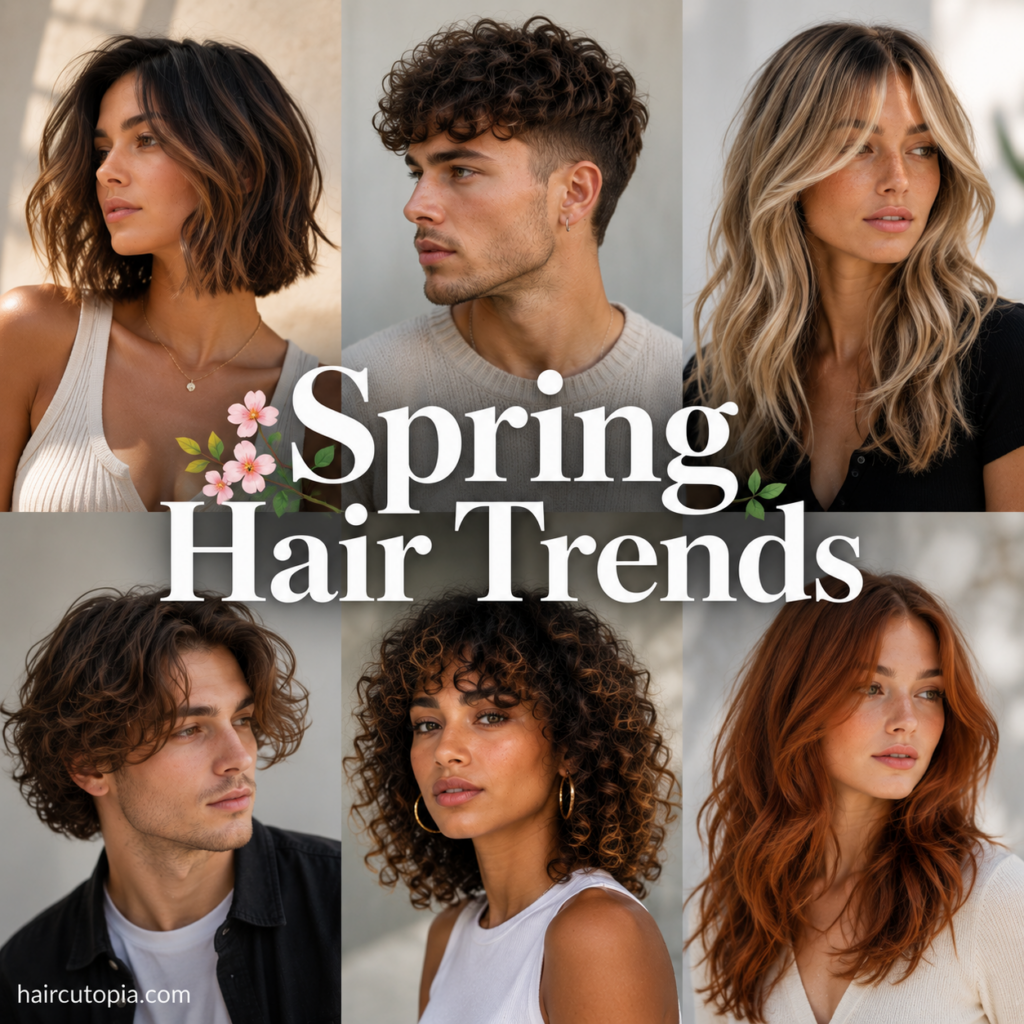
Some of the biggest spring hair trends are surprisingly simple: softer layers, airy bangs, natural curls, warmer highlights, shorter shapes, and hairstyles that look polished without feeling overly styled. Even changing your part or adding a little more movement can make familiar hair feel new again.
If you’re thinking about a seasonal update, these spring haircut, color, and styling trends offer plenty of inspiration.
What Hair Trends Are Popular for Spring?
Spring hair tends to feel lighter than winter hair, both visually and physically.
Heavy shapes give way to movement. Dark solid colors often pick up dimension. Styling becomes softer as warmer weather makes effortless looks more practical.
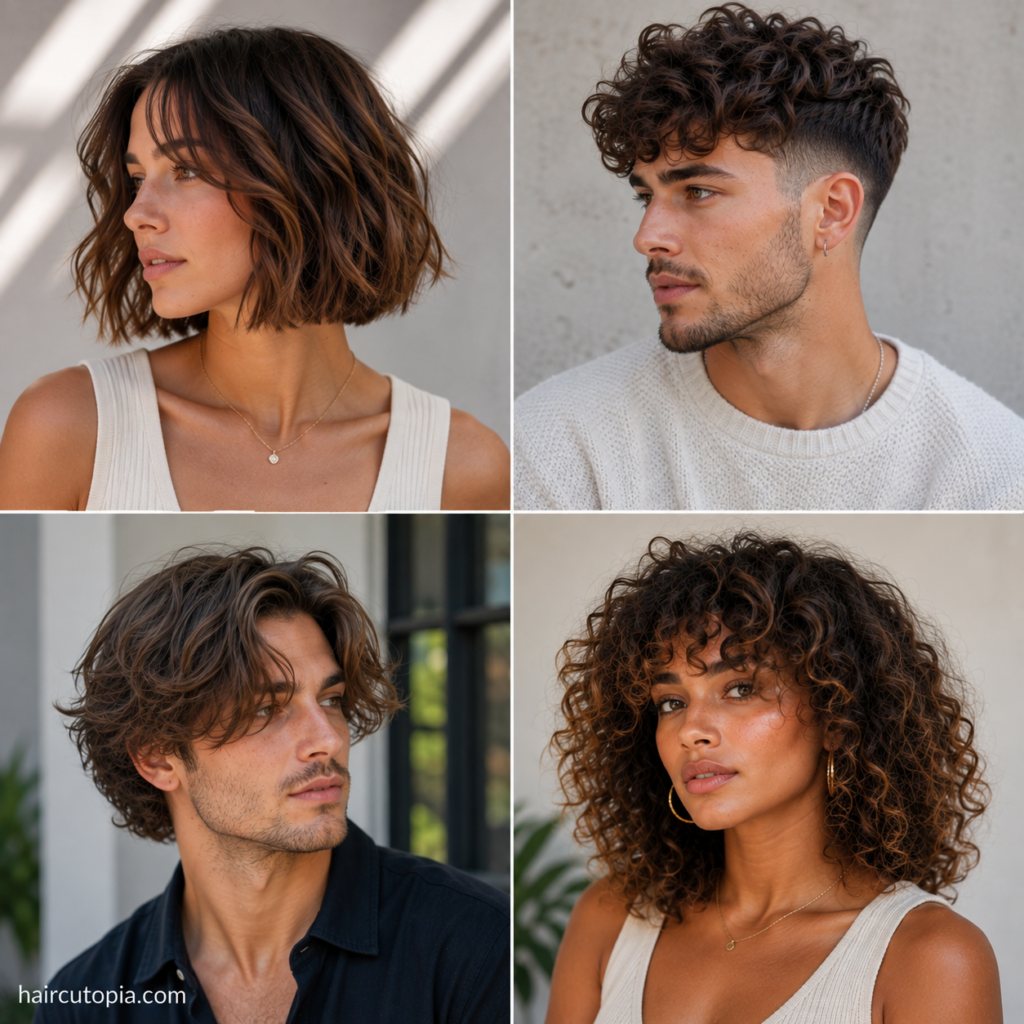
Popular directions for spring include:
- Soft, flowing layers
- Face-framing pieces
- Modern bobs
- Shoulder-length cuts
- Curtain and wispy bangs
- Natural curls and waves
- Textured short hair
- Warm dimensional highlights
- Brighter brunette shades
- Honey and beige blondes
- Copper tones
- Air-dried texture
- Relaxed updos
- Glossy, healthy-looking finishes
The common thread is freshness rather than complete reinvention.
1. Soft Layers for More Movement
Layers are a natural fit for spring because they can remove some of the visual heaviness associated with winter hairstyles.
Long, blended layers add movement without sacrificing much length. They can also make waves and blowouts more noticeable because the different sections of hair move independently.
For thick hair, strategic layering may help reduce bulk. Fine hair usually benefits from more careful placement so the ends don’t become too thin.
Keep the Layers Blended
Spring layers don’t necessarily need dramatic separation.
A softer approach creates movement while maintaining an easy, wearable shape. Face-framing sections can then provide additional definition around the front.
2. Face-Framing Layers
If you want a change without committing to a completely new haircut, face-framing layers are one of the easiest options.
Shorter pieces around the face can change the appearance of long or medium-length hair while leaving most of the length untouched.
The shortest layer might begin around the:
- Cheekbones
- Jaw
- Chin
- Collarbone
Where it begins affects how dramatic the finished result feels.
Shorter framing tends to create a stronger transformation, while longer pieces blend more subtly into the rest of the hair.
3. The Spring Bob
Few haircuts adapt to changing trends as easily as the bob.
For spring, the bob can feel especially refreshing after wearing longer hair through winter. It exposes more of the neck and can create an instantly lighter silhouette.
There isn’t just one version to choose from.
Popular spring bob variations include:
- Blunt bobs
- Textured bobs
- Layered bobs
- French bobs
- Curly bobs
- Wavy bobs
- Jaw-length bobs
- Side-parted bobs
The best shape depends on your texture, density, and how much styling you want to do.
4. The Long Bob
Not ready for a chin-length cut?
The long bob, often called a lob, offers a middle ground between short and long hair.
It typically falls somewhere around the shoulders or collarbone, giving you the visual impact of a shorter haircut without removing quite as much length.
A lob can be worn straight, wavy, curly, tousled, or polished. Depending on the exact length, it may still be long enough for a small ponytail or bun.
That versatility makes it particularly practical for spring and summer.
5. Airy Curtain Bangs
Curtain bangs remain popular because they’re softer and generally more adaptable than a short, blunt fringe.
They can frame the cheekbones, blend into longer layers, or be pushed away from the face when you want a different look.
For spring, a lighter version works especially well.
Rather than creating a thick wall of hair across the forehead, airy curtain bangs maintain movement and separation.
6. Wispy Bangs
Wispy bangs offer another low-impact way to change your hairstyle.
They’re lighter than traditional full bangs and can create definition around the eyes without completely covering the forehead.
They pair naturally with:
- Bobs
- Lobs
- Long layers
- Shags
- Straight hair
- Wavy styles
Keep in mind that even lightweight bangs may need regular trimming to maintain their intended length.
7. Natural Waves
Spring is a good time to loosen up the styling routine.
Instead of creating perfectly uniform curls with a hot tool, natural waves can be encouraged with lightweight products and minimal manipulation.
A little imperfection actually helps.
The goal is movement rather than identical bends from root to tip.
People with naturally wavy hair may find that the right haircut makes air-drying significantly easier.
8. Curly Hair With Shape and Volume
Natural curls are particularly well suited to spring’s softer, more relaxed aesthetic.
Layering can give curls additional room to form while preventing the overall shape from becoming too heavy toward the bottom.
Popular curly spring styles include:
- Rounded curly cuts
- Layered curls
- Curly bobs
- Curly bangs
- Shoulder-length curls
- Short tapered curls
- Long voluminous curls
The ideal layering pattern depends heavily on the individual curl pattern, so curly hair usually benefits from a personalized approach.
9. Short Textured Pixies
A short haircut can feel especially dramatic heading into warmer weather.
Textured pixies offer more movement than an extremely uniform short cut. Additional length through the top or fringe allows the hair to be tousled, swept sideways, curled, or styled more neatly.
This versatility can make a pixie surprisingly adaptable.
The tradeoff is maintenance. Very short hair often needs more frequent trims if you want to preserve a specific silhouette.
10. The Pixie-Bob
The space between a pixie and a bob has become a style of its own.
A pixie-bob keeps some of the lightness of short hair while leaving enough length around the top, sides, or front for additional movement.
It can work especially well for someone growing out a pixie who wants the transition to look intentional.
The style can be sleek and polished or deliberately tousled.
11. Soft Shags
Spring shags tend to look best when they’re full of movement.
Layers through the crown, sides, and ends can encourage natural texture while fringe gives the front additional personality.
You don’t have to choose an extreme shag.
Softer interpretations borrow the layering and movement of the haircut while maintaining a more conventional overall shape.
This makes the style easier to adapt to different textures and lengths.
12. Spring Hair Trends for Men
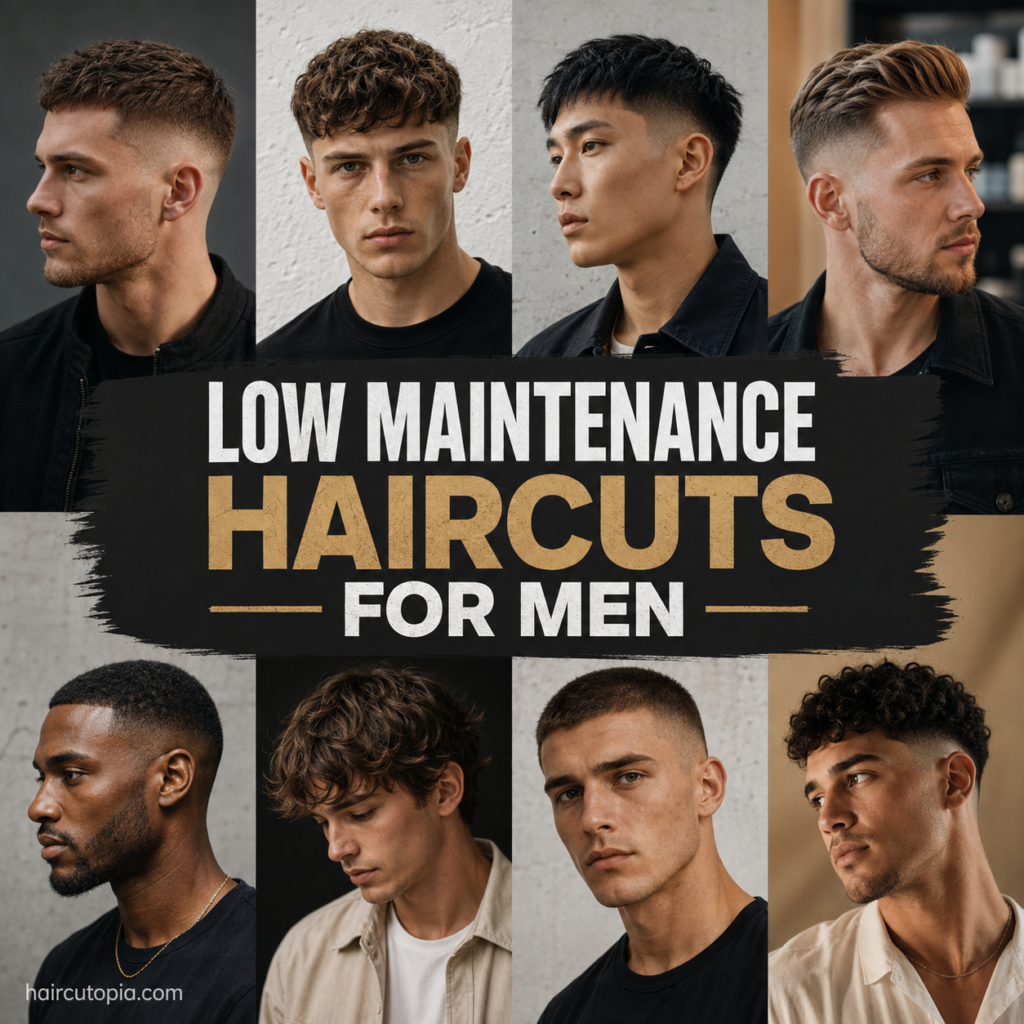
Men’s spring hair trends are also moving toward more natural texture and flexibility.
Short fades and tapers remain popular, but they’re no longer the only direction.
Medium-length cuts provide room for waves, curls, side parts, and relaxed swept-back styling.
Popular options include:
- Textured crops
- Low tapers
- Curly fades
- Medium-length waves
- Side-parted cuts
- Longer textured tops
- Loose curtains
- Modern mullets
- Grown-out tapers
Spring can also be a convenient season to begin growing a short haircut longer.
13. Relaxed Men’s Texture
One noticeable shift in men’s styling is the move away from hair that looks completely locked into place.
Instead of using heavy product to create a rigid finish, lighter styling can allow individual strands and natural texture to remain visible.
That doesn’t mean messy.
A good haircut provides the structure, while the styling keeps the finished result relaxed.
14. The Side Part
You don’t always need scissors to participate in a hair trend.
Moving your part is one of the easiest ways to change the appearance of your existing haircut.
A side part can create additional root volume and shift the way layers fall around the face.
Try experimenting with:
- A subtle off-center part
- A classic side part
- A deep side part
- Switching sides completely
If your hair has been trained to fall in the same direction for years, it may take a little time before a new part sits naturally.
15. Honey Blonde
Spring and warmer blonde shades naturally complement each other.
Honey blonde brings golden warmth into the hair without necessarily becoming extremely bright.
It can appear as an all-over color or through carefully placed highlights.
For brunettes, honey-toned pieces can add noticeable brightness while allowing much of the natural base to remain intact.
16. Beige and Creamy Blonde
Not every spring blonde needs to be strongly golden.
Beige and creamy shades sit in a softer middle ground between warm and cool.
They can create brightness without the stark appearance of extremely icy platinum.
Dimensional versions use multiple related tones instead of making every strand exactly the same color.
17. Bronde Hair
Can’t decide between blonde and brunette?
That’s essentially the appeal of bronde.
Bronde combines a brunette base with enough lighter dimension to create an overall appearance somewhere between the two colors.
It can be particularly effective for spring because it adds brightness without requiring a complete blonde transformation.
Balayage and blended highlights are common ways to create the effect.
18. Dimensional Brunette
Brunette hair doesn’t need to become blonde to feel brighter for spring.
Subtle dimension can add warmth and movement while preserving an overall brunette appearance.
Potential spring shades include:
- Caramel brown
- Chestnut
- Chocolate
- Golden brunette
- Mocha
- Warm espresso
- Soft brown
Highlights don’t have to create dramatic contrast. Sometimes a slight variation is enough to make layers and waves more visible.
19. Copper and Strawberry Tones
Spring is also a natural season for warmer reds.
Copper can range from vivid orange-red to much softer brown-based shades. Strawberry tones bring blonde into the mix for an even lighter effect.
Popular variations include:
- Soft copper
- Golden copper
- Strawberry blonde
- Copper brunette
- Light auburn
- Cinnamon-inspired shades
Red color can fade differently from brunette or blonde, so ask your colorist about maintenance before choosing a shade.
20. Face-Framing Highlights
For a relatively small color change with noticeable impact, face-framing highlights remain hard to beat.
Lighter sections around the front can brighten the appearance of the entire hairstyle without requiring highlights throughout every section.
They can be bold or extremely subtle.
A softer version blends gradually into the base color, while higher-contrast pieces create more of a statement.
21. Lived-In Highlights
Spring doesn’t have to mean signing up for constant salon appointments.
Lived-in color uses softer transitions so new growth doesn’t immediately create a harsh line.
Balayage, blended highlights, and root-melting techniques can all contribute to this effect.
It’s particularly useful for someone who wants lighter spring hair but prefers more flexibility between color appointments.
22. Glossy Hair
Healthy-looking shine works in every season, but spring’s brighter light makes it especially noticeable.
Gloss treatments and conditioning routines can enhance the appearance of natural and colored hair.
For color-treated hair, a gloss may also help refresh tone between larger color appointments.
The goal isn’t to make every hair texture look identical.
Curly, coily, wavy, and straight hair reflect light differently. Healthy shine should complement the natural texture rather than erase it.
23. Air-Dried Hair
Warmer weather makes air-drying much more appealing.
A simple routine may be all that’s needed for naturally wavy or curly hair:
- Gently remove excess water after washing.
- Apply a lightweight leave-in product.
- Add mousse, curl cream, or another texture-appropriate styler.
- Shape or scrunch the hair while damp.
- Allow it to dry without excessive touching.
- Loosen any stiff sections once completely dry.
The right routine depends on your texture and climate, so experimentation is part of the process.
24. Relaxed Blowouts
On days when you want something more polished, the spring blowout is softer than a heavily sculpted style.
Think movement, curved ends, moderate volume, and visible layers.
A relaxed blowout works particularly well with face-framing pieces because the shorter sections can sweep naturally away from the face.
It should still move when you move.
25. Easy Spring Updos
As temperatures rise, getting hair away from the neck becomes increasingly practical.
Fortunately, spring updos don’t need to look overly formal.
Popular options include:
- Loose buns
- Low buns
- Messy buns
- Claw-clip twists
- High ponytails
- Low ponytails
- Braided ponytails
- Half-up styles
Leaving a few face-framing pieces loose can soften the finished look.
26. Braids for Spring
Braids are another practical warm-weather option.
Depending on hair length and texture, you can experiment with simple three-strand braids, French braids, Dutch braids, braided ponytails, small accent braids, or more elaborate protective styles.
Braids also pair naturally with spring’s less-polished styling direction.
A little texture and movement can make the hairstyle more interesting.
27. Half-Up, Half-Down Hairstyles
Half-up hairstyles solve a very specific problem: you want your hair down, but you don’t necessarily want all of it in your face.
That makes them ideal for spring.
The upper section can be styled into:
- A small bun
- Ponytail
- Twist
- Braid
- Claw-clip style
The remaining hair can be straight, wavy, curly, or naturally textured.
Low-Maintenance Spring Hair Is In
One of the biggest themes running through spring hair trends is ease.
A seasonal refresh shouldn’t automatically create a complicated daily routine.
Before choosing a haircut or color, think about how it will work once you leave the salon.
Consider:
- Your natural texture
- How often you use heat
- Your typical morning routine
- How frequently you want salon appointments
- How your hair reacts to humidity
- Whether you prefer air-drying
- How much color maintenance you’re comfortable with
The right spring hairstyle should make getting ready easier, not harder.
How to Refresh Your Hair for Spring Without a Major Haircut
You don’t have to lose several inches of hair to make a noticeable change.
Small adjustments can have a surprisingly large effect.
Try:
- Changing your part.
- Adding subtle face-framing layers.
- Trimming dry ends.
- Trying curtain or wispy bangs.
- Adding a few dimensional highlights.
- Refreshing your existing color with a gloss.
- Experimenting with your natural texture.
- Trying a different everyday hairstyle.
Even changing how you normally style your hair can make an existing cut feel completely different.
How to Choose the Right Spring Hair Trend
Trends are best treated as inspiration rather than instructions.
A haircut that looks effortless on someone else may require significant styling on your particular hair type.
Consider Your Natural Texture
Start with what your hair naturally wants to do.
Straight, wavy, curly, and coily hair each respond differently to layers, bangs, short cuts, and humidity.
A stylist can adjust a trend so it complements your texture rather than fights against it.
Think About the Coming Weather
Spring often means more humidity, rain, wind, and outdoor activity.
If your hair reacts strongly to humidity, consider a haircut that still looks intentional when your natural texture becomes more noticeable.
Be Realistic About Maintenance
That ultra-short bob might look incredible, but are you comfortable having it reshaped regularly?
The same applies to color.
A dramatic blonde transformation may require significantly more upkeep than subtle balayage or face-framing highlights.
Knowing the maintenance requirements beforehand makes it easier to choose a style you’ll actually enjoy.
Do You Need a New Haircut Every Spring?
Not at all.
Seasonal trends can be fun, but there’s no reason to replace a haircut that’s already working for you.
Sometimes a trim, styling change, gloss treatment, new part, or subtle layer is enough.
Spring is less about following a specific rule and more about making your hair feel fresh again.
What Is the Biggest Spring Hair Trend?
If there’s one theme connecting many spring hair trends, it’s movement.
Hair is becoming softer, lighter, and less rigid.
Layers move. Bobs become textured. Curls retain their natural volume. Men’s cuts leave room for natural waves. Highlights create dimension rather than one flat block of color.
Even polished styles are becoming more touchable.
The result is hair that feels styled without looking like every strand had to be carefully positioned.
Final Thoughts on Spring Hair Trends
Spring is one of the easiest seasons to experiment with your hair because even a small change can feel significant after winter.
You might cut your hair into a bob, add flowing layers, try bangs, brighten your brunette with caramel highlights, experiment with copper, or simply start wearing your natural waves more often.
There’s no need to do everything at once.
The best spring hair trends are the ones you can adapt to your own texture, routine, and personality. Choose the elements that genuinely appeal to you and leave the rest behind.
A seasonal refresh should still feel like you—just with a little more movement, brightness, and energy.