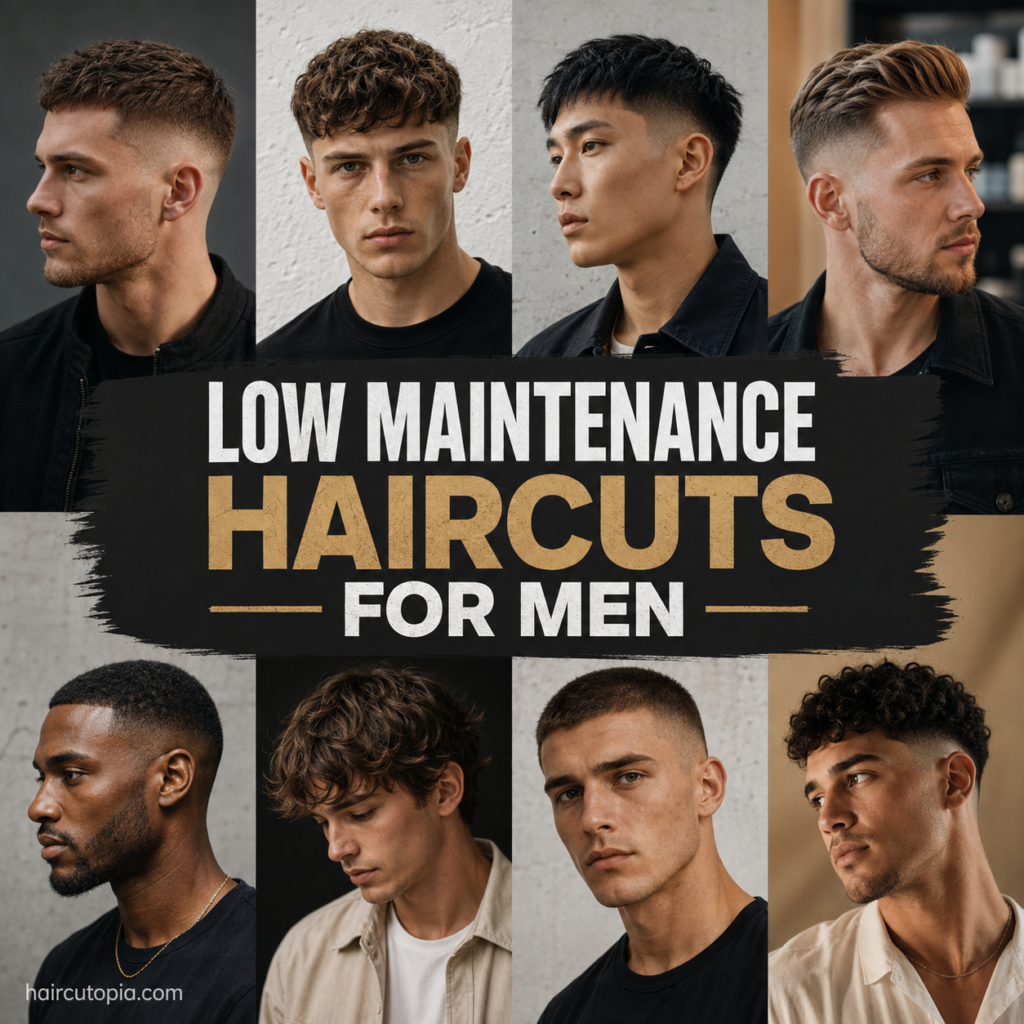
A great haircut shouldn’t require twenty minutes of styling every morning. For many guys, the best hairstyle is one that looks good almost immediately after getting out of bed, survives a busy day, and doesn’t demand a bathroom shelf full of products.
That’s exactly why low maintenance haircuts for men continue to be popular. These cuts rely on smart length, clean shaping, and natural texture rather than complicated styling. Some are extremely short and practically effortless, while others leave enough length to create a more polished or modern look when you want it.
Whether you have straight, wavy, curly, thick, or thinning hair, there’s likely a low-maintenance haircut that works with your hair instead of fighting against it.
What Makes a Men’s Haircut Low Maintenance?
Low maintenance doesn’t necessarily mean extremely short.
The real goal is choosing a haircut that falls naturally into place without requiring much daily styling. A good low-maintenance cut should still look intentional even when you haven’t spent much time on it.
The easiest men’s haircuts typically have a few things in common:
- Minimal blow-drying or heat styling
- Little or no daily hair product
- A shape that works with natural hair texture
- Simple washing and grooming
- Enough structure to look good without constant adjustment
- Reasonable time between barber visits
Your lifestyle matters too. Someone who doesn’t mind visiting a barber every few weeks may love a skin fade, while someone who wants to stretch appointments longer may prefer a more gradual taper or textured medium-length cut.
1. Buzz Cut
The buzz cut is about as low maintenance as men’s hair gets.
Hair is clipped very short across the entire head, creating a clean and uniform appearance. There’s almost nothing to style in the morning, and washing takes seconds.
A traditional buzz cut also works well for active lifestyles because there’s no longer hair falling into your face during workouts, outdoor activities, or hot weather.
Best For
- Straight, wavy, or slightly curly hair
- Men who want almost zero styling
- Active lifestyles
- Hot climates
- Anyone comfortable with a very short haircut
One thing to remember is that short hair makes the shape of your head more noticeable. If you’re unsure about going extremely short, start with a longer clipper guard before committing to a closer buzz.
2. Crew Cut
The crew cut gives you the simplicity of short hair without taking everything down to buzz-cut length.
Hair is generally kept shorter around the sides and back while leaving slightly more length through the top. That extra length gives the haircut some shape and allows for subtle styling.
Most mornings, you can simply run your fingers through it and go.
For a slightly sharper finish, use a small amount of matte styling product to add separation or texture.
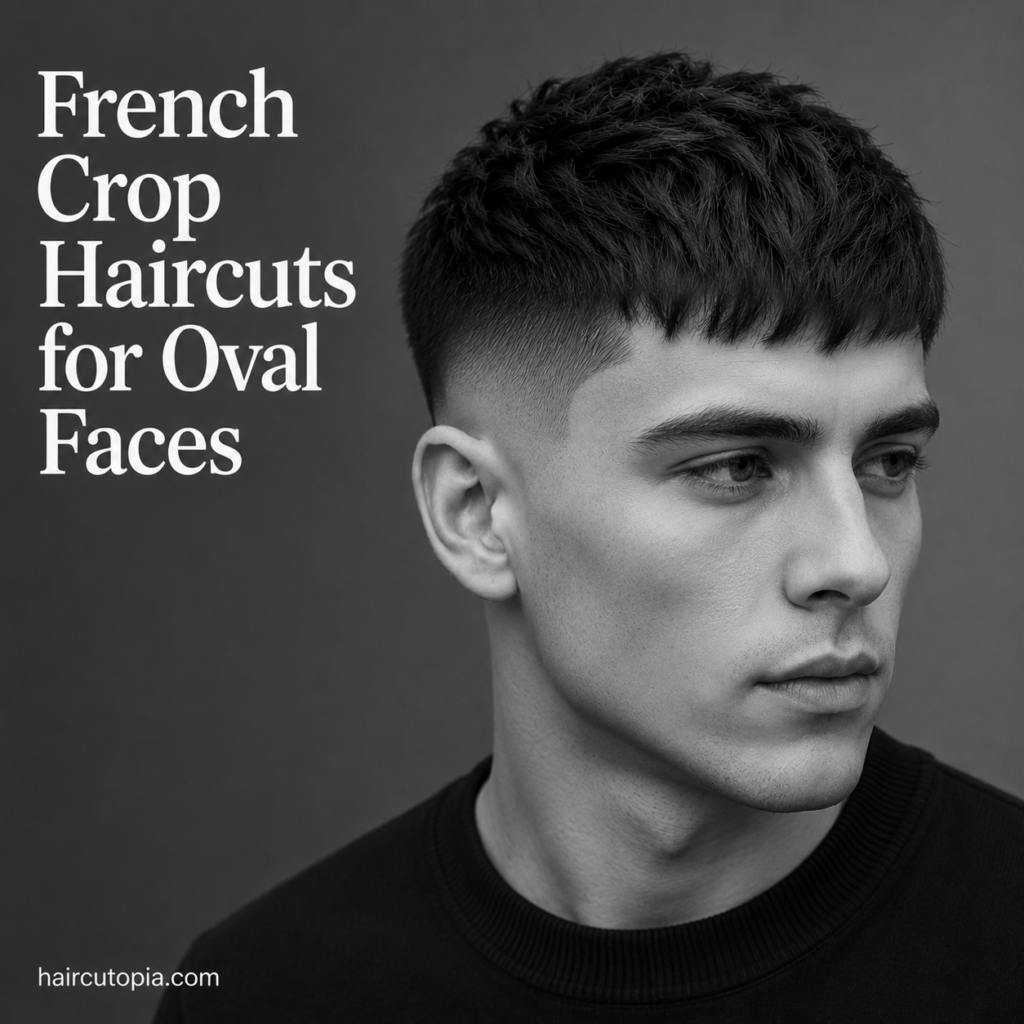
3. French Crop
The French crop combines short sides with a textured top and a fringe that sits toward the forehead.
It’s especially useful if you want a contemporary haircut without having to style your hair upward or backward every day. Instead of fighting gravity, the haircut allows the hair to naturally move forward.
That makes it surprisingly easy to maintain.
A textured crop can also help create the appearance of fullness because the hair isn’t being flattened against the scalp.
4. Textured Crop
A textured crop is similar to a French crop but usually puts more emphasis on movement throughout the top.
Rather than creating a perfectly smooth finish, the barber cuts texture into the hair so individual sections naturally separate.
This slightly messy appearance is part of the style.
That’s good news on busy mornings.
You can often create the look simply by working a small amount of matte clay or paste through dry hair with your fingers. Some hair types may not need product at all.
5. High and Tight
Originally associated with military grooming, the high and tight has become a mainstream men’s haircut.
The sides and back are clipped very short, while the top remains slightly longer.
Because there isn’t much hair to manage, daily styling is minimal. The contrast between the top and sides also creates a sharp appearance even without much product.
The tradeoff is barber maintenance. Short sides lose their crisp appearance relatively quickly, so you’ll probably need more frequent trims if you want the haircut looking freshly cut.
6. Short Taper Haircut
A taper gradually shortens the hair around the sideburns and neckline without removing as much length as a dramatic fade.
That subtle difference can make it easier to maintain.
As the hair grows, the transition tends to remain natural rather than developing an obvious line between longer and shorter sections.
Pair a taper with a short textured top and you get a haircut that looks neat without feeling overly styled.
7. Ivy League Haircut
The Ivy League is essentially a longer, slightly more polished version of the crew cut.
There’s enough length on top to create a subtle side part or brush the hair backward, while the sides remain short and manageable.
It works particularly well if you need something that can transition between casual and professional settings.
Wear it naturally during the weekend, then add a small amount of styling cream or pomade when you want a cleaner finish.
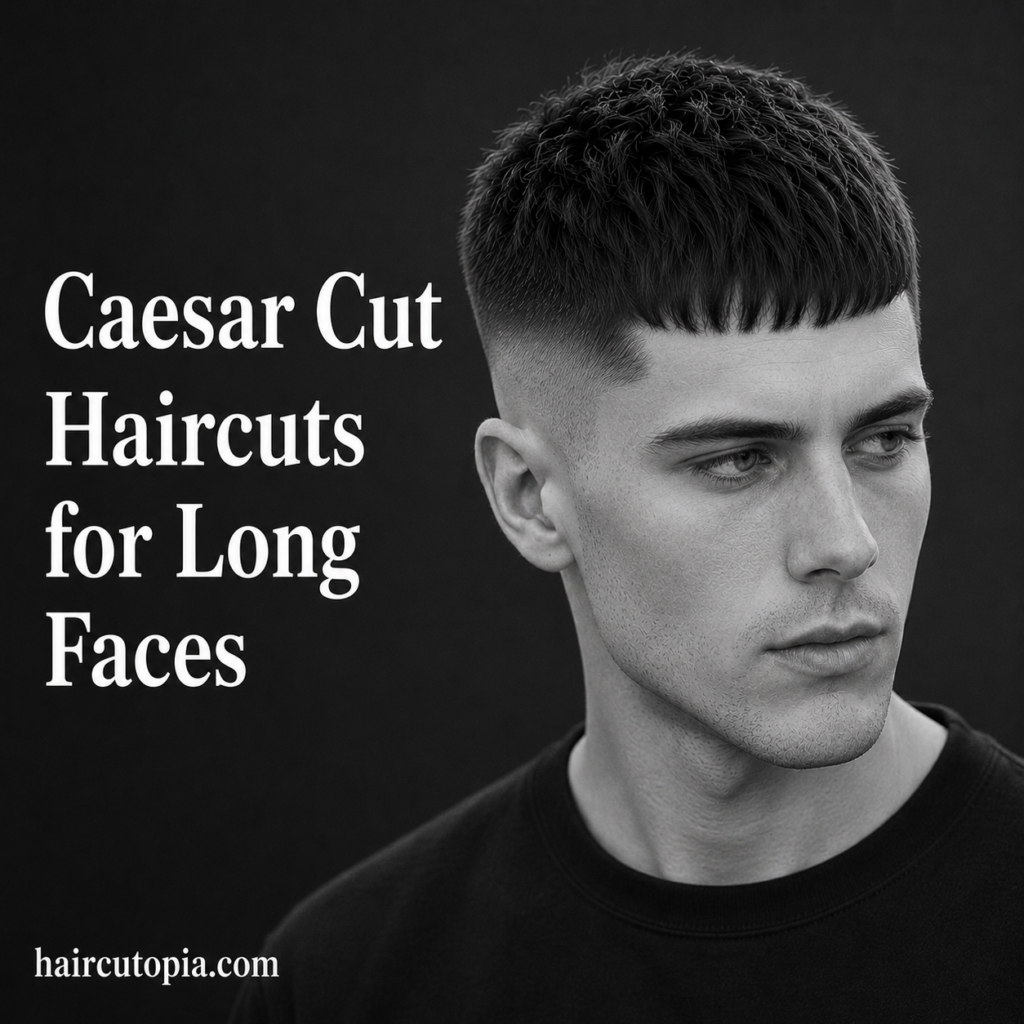
8. Caesar Cut
The Caesar cut features short hair with a small fringe styled forward across the forehead.
Because the hair naturally sits forward, there’s very little complicated styling involved.
It can also be a useful option for men who don’t want to emphasize the front hairline. Instead of brushing the hair backward and exposing the hairline, the Caesar brings texture toward the front.
Keep the top slightly textured for a more modern appearance.
9. Short Side Part
A side part might sound like a hairstyle that requires daily work, but it doesn’t have to.
The key is keeping the hair relatively short.
If your barber shapes the haircut around the direction your hair naturally grows, the part may fall into place with very little effort. You can leave it loose for a casual look or use a lightweight product for more definition.
Avoid excessive product if low maintenance is the goal. The haircut should do most of the work.
10. Short Messy Hair
Not every low-maintenance haircut needs to look perfectly groomed.
Short messy hairstyles intentionally use natural texture and irregular movement. Instead of trying to position every strand, you simply encourage the hair to move naturally.
This style works especially well with:
- Thick hair
- Wavy hair
- Naturally textured hair
- Hair with plenty of volume
A little matte paste can add definition, but don’t overwork it. The slightly imperfect finish is what makes the hairstyle work.
11. Short Curly Hair
Curly hair can actually be very low maintenance when it’s cut to the right length.
Keeping curls relatively short allows their natural pattern to provide most of the visual interest. You don’t need to straighten them or force them into another style.
The biggest priority is controlling dryness and maintaining curl definition.
A lightweight curl cream or leave-in conditioner may be more useful than traditional styling products.
12. Curly Crop
A curly crop keeps enough length on top for curls to remain visible while shortening the sides and back.
This creates a clear shape without requiring you to control every curl.
Because natural variation is expected, the hairstyle can still look good when your curls behave differently from one morning to the next.
Ask your barber to work with your natural curl pattern rather than cutting the top as though it were straight hair.
13. Short Afro
A short afro is a classic option for tightly curled and coily hair.
Rather than changing the natural texture, the haircut uses it as the foundation of the style. Keeping the overall shape relatively short makes everyday grooming straightforward while maintaining plenty of character.
Moisture is particularly important.
A simple routine built around gentle cleansing, conditioning, and appropriate moisturizing products can often do more than complicated daily styling.
14. Fade With Short Top
A fade paired with short hair on top creates one of the cleanest modern men’s hairstyles.
The sides gradually transition from very short hair into the longer top, creating contrast without requiring elaborate styling.
You can combine a fade with:
- A buzz cut
- Crew cut
- Textured crop
- Short curls
- Caesar cut
- Short afro
The haircut is easy to style but not necessarily low maintenance at the barber.
Fades grow out relatively quickly. If you like the freshly faded appearance, expect more frequent appointments.
15. Butch Cut
The butch cut sits somewhere between a buzz cut and a short crew cut.
Hair is clipped to a relatively uniform length but usually left long enough to provide slightly more coverage and texture than an extremely short buzz.
It’s a practical choice for anyone who wants very little styling without going down to near-bare clippers.
A quick wash and occasional brush or finger styling is usually all it needs.
16. Short Spiky Hair
Spiky hair doesn’t have to resemble the heavily gelled styles of decades past.
Modern versions are softer and more textured.
Keeping the top short allows you to create subtle spikes with your fingers using a small amount of matte product. The goal is separation and movement rather than stiff, perfectly shaped spikes.
If your hair naturally grows upward, you may find this style particularly easy to maintain.
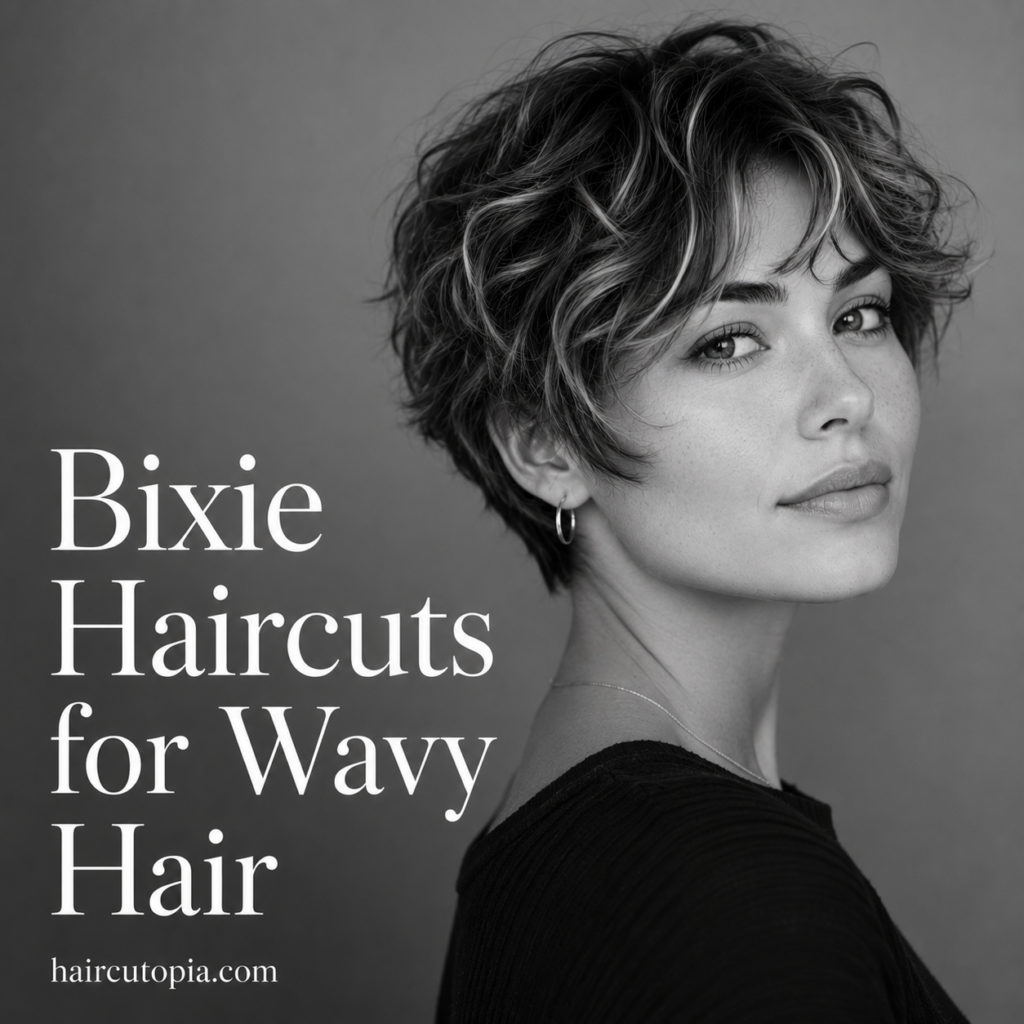
17. Short Wavy Hair
Natural waves can make a simple haircut look much more detailed than it actually is.
Instead of straightening or flattening them, leave enough length on top for the wave pattern to appear. Keep the sides slightly shorter to prevent the overall haircut from becoming bulky.
For many men, a little sea salt spray or lightweight styling cream is enough to bring out the texture.
You can also simply let it air-dry for an even easier routine.
18. Short Brush Up
The short brush up leaves enough hair at the front to create a little height while keeping everything else manageable.
It’s a good compromise if you like hairstyles with volume but don’t want a full pompadour or quiff.
After washing your hair, push the front upward with your fingers. Depending on your hair type, a small amount of matte product can help hold the shape.
Keeping the front relatively short is what prevents the style from becoming high maintenance.
19. Short Slick Back
Long slicked-back hairstyles can require considerable styling, but the short version is much easier.
Hair on top is left just long enough to move backward while the sides remain trimmed.
Instead of creating a perfectly glossy finish, try a loose natural slick back using a lightweight cream or low-shine pomade.
The result feels polished without requiring meticulous styling.
20. Regulation Cut
The regulation cut takes inspiration from traditional military grooming but usually leaves more length than a high and tight.
The sides are neatly tapered, while the top is long enough for a simple side part or brushed-over finish.
It’s particularly useful if you want a low-maintenance haircut that still looks appropriate in conservative workplaces or formal environments.
The shape does most of the work, so daily styling can remain minimal.
21. Medium-Length Natural Flow
Low maintenance doesn’t automatically mean short.
If your hair naturally falls backward or to the sides, a medium-length flow can actually require less maintenance than a highly structured short hairstyle.
The key is getting the shape right.
Strategic layers can remove excess bulk and encourage natural movement. Once the haircut is established, you may only need to wash, condition, and let your hair air-dry.
The downside is that longer hair generally requires more attention to conditioning and overall hair health.
22. Shaggy Layered Haircut
A short-to-medium shag uses layers and natural texture to create an intentionally relaxed appearance.
Because the style isn’t supposed to look perfectly controlled, a little growth or movement doesn’t ruin it.
This makes it particularly suitable for wavy or slightly curly hair.
A good layered haircut can often be refreshed simply by dampening the hair and letting the natural texture return.
23. Short Hair With Natural Texture
Sometimes the easiest haircut doesn’t need a complicated name.
Ask your barber for short sides and enough length on top to preserve your natural texture.
Instead of forcing your hair into a quiff, slick back, or rigid side part, allow it to sit where it naturally wants to go.
This approach can work with straight, wavy, curly, and coily hair.
The result is personalized to your growth pattern, which is often the secret to genuinely low-maintenance hair.
24. Induction Cut
The induction cut is one of the shortest possible clipper cuts.
Hair is taken down to nearly the same very short length across the entire head. There are no complicated transitions, fringes, parts, or textured sections to style.
Daily maintenance is essentially nonexistent.
However, the haircut grows out noticeably because there isn’t much length to begin with. Maintaining the ultra-short appearance requires regular clipping.
Some men even learn to maintain this haircut themselves between barber appointments.
25. Bald Head
For men experiencing significant hair loss—or anyone who simply likes the look—shaving the head removes hairstyling from the equation entirely.
There is still maintenance involved, though.
A completely smooth scalp usually requires regular shaving, and the exposed skin needs protection from the sun. Moisturizer can also help prevent dryness.
So while there’s no hair to style, scalp care becomes part of the routine.
Best Low Maintenance Haircuts by Hair Type
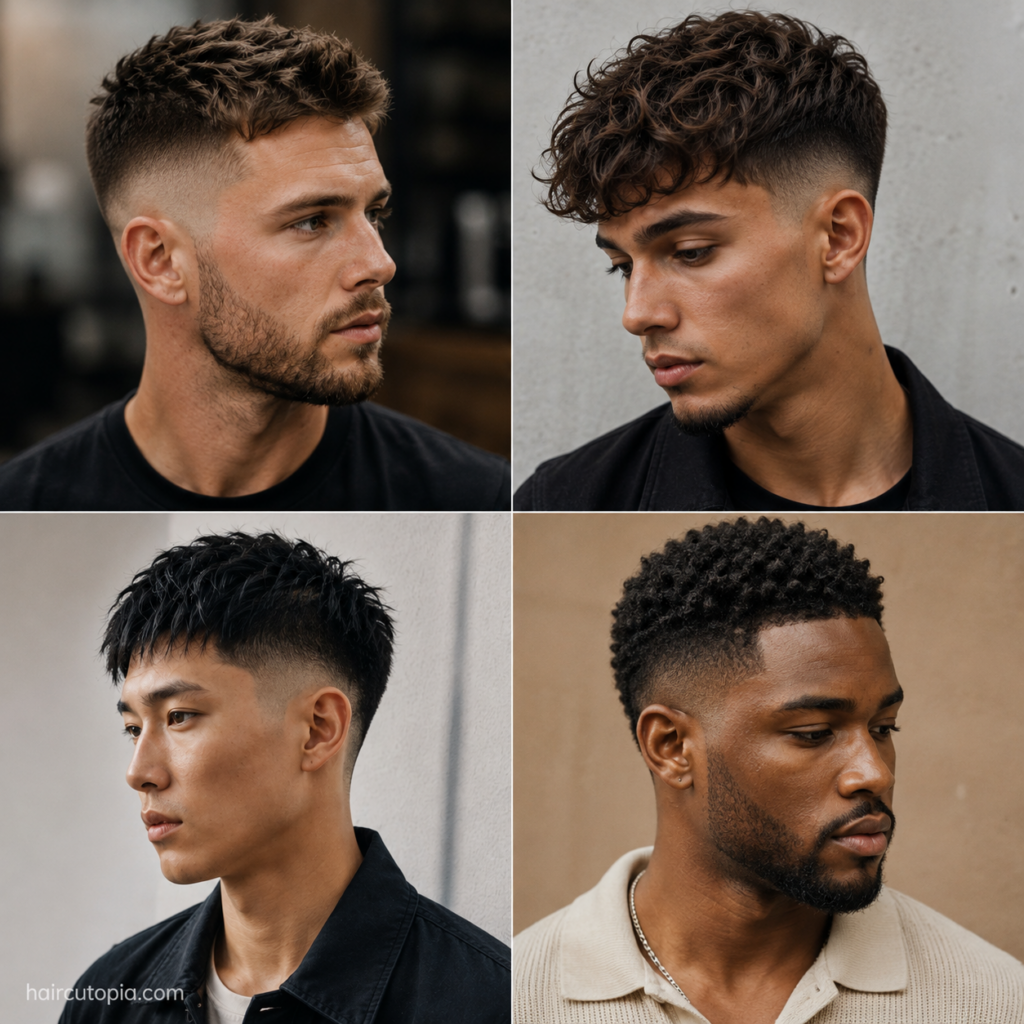
Your natural texture can make certain haircuts dramatically easier to manage.
Straight Hair
Straight hair works particularly well with:
- Crew cuts
- Buzz cuts
- Ivy League cuts
- French crops
- Caesar cuts
- Short side parts
Adding some texture on top can prevent very straight hair from looking flat.
Wavy Hair
Wavy hair naturally creates movement, making it ideal for:
- Textured crops
- Short messy cuts
- Medium-length flow
- Layered styles
- Short tapers
Avoid removing all of the texture unless you specifically want an extremely short haircut.
Curly Hair
Good low-maintenance choices include:
- Curly crops
- Short curls with tapered sides
- Short fades
- Caesar-inspired curly cuts
- Short natural styles
A haircut that follows the curl pattern is usually easier than one that constantly requires curls to be reshaped.
Coily Hair
Consider:
- Short afros
- Even clipper cuts
- Tapered natural hair
- Buzz cuts
- Short curls with faded or tapered sides
Maintaining moisture and scalp health is often more important than elaborate styling.
Thick Hair
Thick hair can become bulky quickly, so strategic texture and weight removal can make a major difference.
Textured crops, crew cuts, layered styles, and tapered cuts are all strong choices.
Fine or Thinning Hair
Shorter hairstyles often make fine hair easier to manage.
Options include:
- Buzz cuts
- Crew cuts
- Caesar cuts
- French crops
- Short textured cuts
Keeping the hair relatively short can reduce the contrast between thinner and denser areas.
Low Maintenance Haircuts That Grow Out Well
There’s an important difference between a haircut that’s easy to style and one that’s easy to maintain.
A skin fade might take almost no effort each morning, but its sharp transition can become noticeably softer within a few weeks.
If you’d rather visit the barber less frequently, consider cuts with softer transitions.
Good options include:
- Classic tapers
- Scissor-cut sides
- Medium crew cuts
- Layered medium-length styles
- Natural textured cuts
- Longer Ivy League cuts
These styles generally change more gradually as the hair grows.
Fade vs. Taper: Which Is Lower Maintenance?
Both can be easy to style, but a taper usually wins if your goal is fewer barber visits.
A fade takes the hair very short and creates a noticeable transition. That crisp contrast is part of the appeal, but new growth changes the appearance fairly quickly.
A taper is more subtle.
Because the transition isn’t as dramatic, additional growth tends to blend into the haircut more naturally.
Choose a fade if you prioritize a sharp, fresh-cut appearance. Choose a taper if you want something that can remain presentable longer between appointments.
How Often Should You Get a Low Maintenance Haircut?
There’s no universal schedule because it depends on the haircut and how polished you want it to look.
As a general starting point:
- Skin or very short fades: about every 2–3 weeks
- Buzz cuts: about every 2–4 weeks
- Crew cuts and crops: about every 3–5 weeks
- Classic tapers: about every 4–6 weeks
- Medium-length layered cuts: roughly every 6–10 weeks
These aren’t strict rules. If you don’t mind a slightly grown-out appearance, you can often stretch the time between appointments.
How to Make Your Hair Routine Easier
The right haircut is only half the equation.
Simplifying your routine can make almost any hairstyle easier to live with.
Work With Your Natural Texture
If your hair naturally curls, choosing a haircut that depends on perfectly straight hair creates unnecessary work.
The same applies to thick, wavy, fine, or extremely straight hair.
Start with what your hair naturally wants to do.
Don’t Use More Product Than You Need
More product doesn’t necessarily mean better hair.
For short hairstyles, start with a very small amount. Warm it between your hands and distribute it through your hair before deciding whether you need more.
Too much product can make hair greasy, stiff, or difficult to reshape.
Choose the Right Product
Different finishes work for different hairstyles.
- Matte clay: texture and stronger hold
- Styling paste: flexible texture
- Cream: natural control with softer hold
- Pomade: smoother, more polished styles
- Sea salt spray: enhances loose waves and texture
- Curl cream: helps define curly hair
If your haircut already sits naturally, you may not need styling product every day.
Tell Your Barber You Want Low Maintenance
Don’t just show your barber a photo.
Explain your actual routine.
Tell them how much time you’re willing to spend styling your hair, whether you use a blow dryer, how often you want to return for trims, and whether you regularly use styling products.
A haircut that looks effortless in a photo might require considerable work behind the scenes.
What to Ask Your Barber
If you’re not sure exactly which haircut you want, describe the outcome instead.
You might say:
“I want something that looks good without blow-drying and doesn’t need much product. I’d also like it to grow out naturally between appointments.”
Then discuss:
- Your natural hair texture
- How short you’re comfortable going
- Whether you want your forehead exposed
- How often you visit the barber
- Whether you prefer fades or softer tapers
- How much styling you’re willing to do
- Whether you need a professional or workplace-friendly look
A skilled barber can then adapt the haircut to your face shape, growth patterns, density, and lifestyle.
What Is the Easiest Men’s Haircut to Maintain?
For pure simplicity, the buzz cut is difficult to beat.
There’s almost nothing to style, washing is quick, and you don’t need much product.
However, the easiest haircut isn’t automatically the best haircut for everyone.
If you want more versatility, a crew cut or textured crop offers a good middle ground. If you want fewer barber visits, a classic taper or slightly longer natural cut may be easier overall.
The best choice depends on what “maintenance” means to you.
Are Low Maintenance Haircuts Still Stylish?
Absolutely.
Many modern men’s hairstyles are moving toward natural texture, softer finishes, and less rigid styling. Hair doesn’t need to look perfectly sculpted to look intentional.
A textured crop, relaxed crew cut, natural taper, short curls, or slightly messy layered haircut can all look contemporary without requiring a complicated morning routine.
The trick is getting a haircut designed around how your hair actually behaves.
Choosing the Best Low Maintenance Haircut for You
Start with your natural hair instead of choosing a style solely because you like how it looks on someone else.
Consider three things:
- Your hair texture: Straight, wavy, curly, and coily hair behave differently at the same length.
- Your daily routine: Decide whether you’re willing to use products or spend a few minutes styling.
- Your barber schedule: Very sharp cuts often require more frequent maintenance than softer, natural styles.
If you want virtually zero daily effort, look toward a buzz cut, butch cut, or very short crew cut.
For something modern but still easy, try a textured crop, French crop, taper, or short curly style.
And if you prefer more length, natural flow and layered cuts can remain surprisingly manageable when they’re shaped correctly.
Ultimately, low maintenance doesn’t have to mean boring. A well-chosen haircut can look sharp, modern, and personal without turning your morning routine into another job.