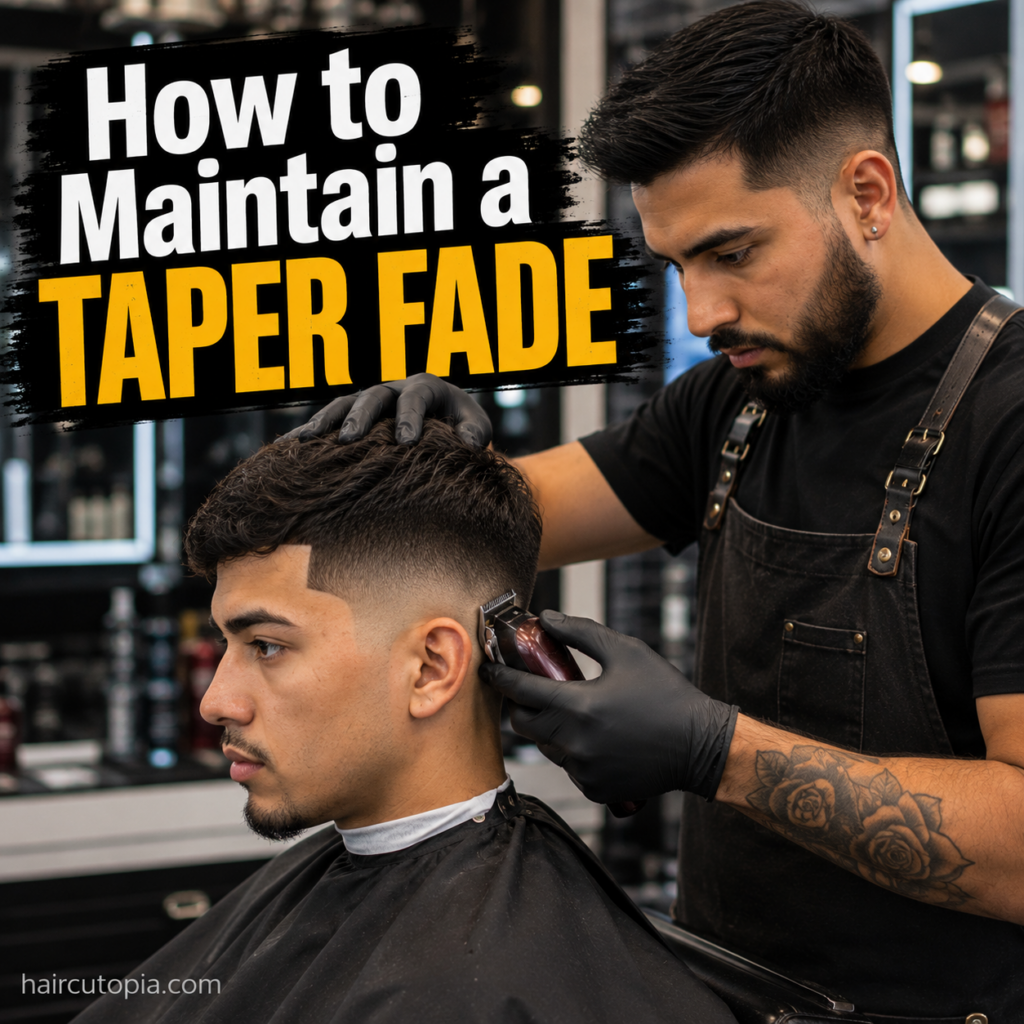
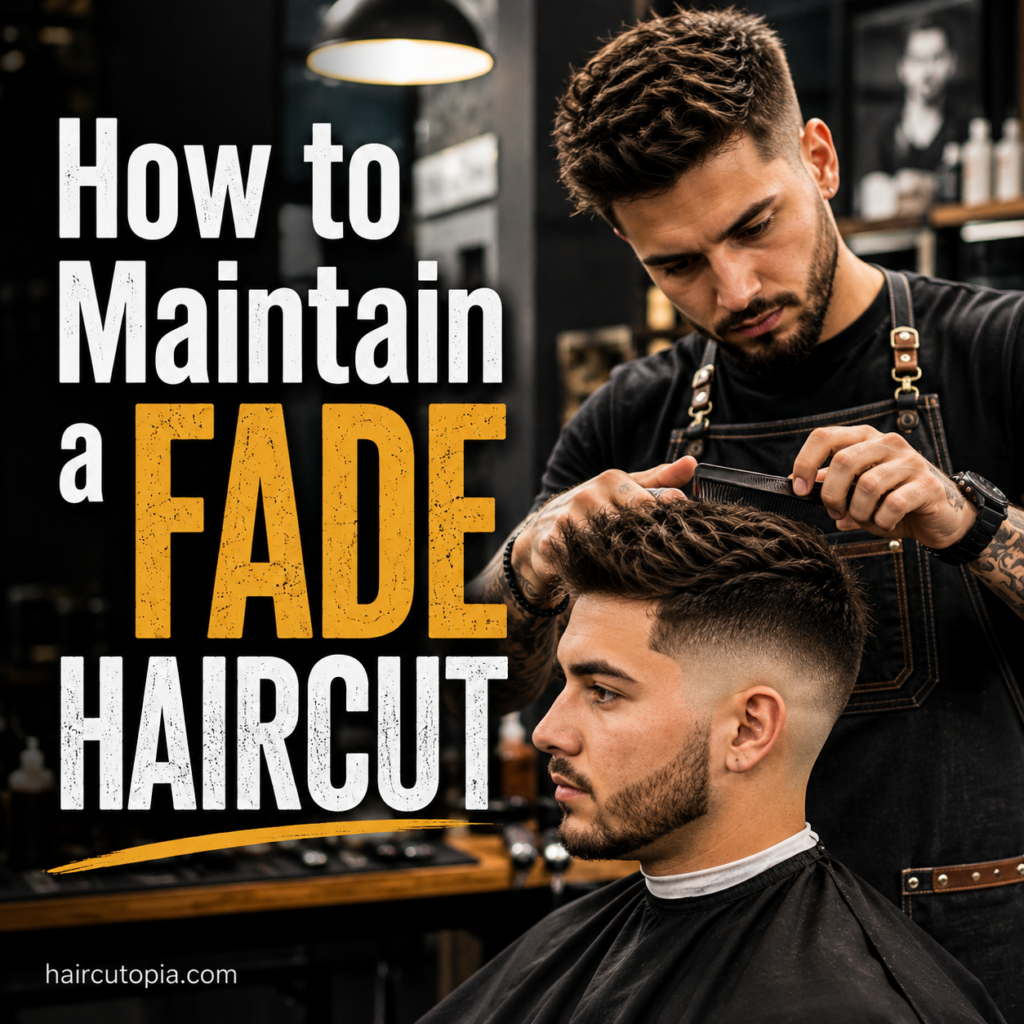
A fresh fade has a clean, sharp look that’s hard to beat. The problem is that it doesn’t stay fresh for very long.
Because a fade relies on a precise transition from very short hair into longer hair, even a little growth can soften the blend. That doesn’t mean you need to visit the barbershop every few days, though. With the right routine, you can keep your fade looking clean between appointments without accidentally ruining your barber’s work.
Here’s how to maintain a fade haircut, from washing and styling to neckline cleanup and knowing when it’s time for another cut.
How Long Does a Fade Haircut Last?
Most fades look their sharpest during the first one to two weeks after a haircut. After that, new growth gradually makes the transition less defined.
Exactly how long your fade looks fresh depends on several factors:
- How quickly your hair grows
- How short the fade starts
- Whether you have a skin fade or longer fade
- Your hair texture and density
- How precise you like your haircut to look
- How you maintain the edges between appointments
A skin fade usually shows growth sooner because the shortest section begins at bare skin. A longer taper or fade can often grow out more subtly.
There’s nothing wrong with letting a fade grow for several weeks. It simply won’t have the same crisp appearance it had when you left the barber’s chair.
How Often Should You Get a Fade?
For a consistently sharp fade, many people schedule a barber visit roughly every two to four weeks.
That isn’t a rule.
Someone maintaining an extremely clean skin fade may prefer more frequent touch-ups, while someone with a low fade or taper may comfortably wait longer.
Skin Fades
Skin fades tend to require the most upkeep.
Since the hair at the bottom is shaved extremely close or down to the skin, even a small amount of regrowth becomes noticeable.
If keeping that freshly faded appearance is important to you, you may want a cleanup every one to two weeks.
Low and Mid Fades
Low and mid fades often give you a little more flexibility.
Depending on your hair growth and the length of the fade, you may be able to go two to four weeks between cuts while still maintaining a neat overall shape.
Taper Fades
A taper fade concentrates the shortest transition around areas such as the sideburns and neckline rather than fading a large portion of the sides.
Because more length remains, tapers can often grow out more naturally than aggressive skin fades.
Wash Your Hair Without Overdoing It
Keeping your hair and scalp clean is part of maintaining any haircut, but washing more frequently doesn’t automatically make a fade look better.
Choose a shampoo that works with your scalp and hair type. How often you need it depends on factors such as oil production, activity level, styling products, and hair texture.
If your hair becomes dry or rough from frequent shampooing, consider reducing how often you use shampoo or choosing a gentler formula.
Conditioner can also help keep longer hair on top manageable, especially if your style has curls, waves, or enough length to require daily styling.
The goal is clean, healthy-looking hair rather than stripping away every bit of natural oil.
Keep the Sides Looking Neat
One of the best things you can do for a growing fade is surprisingly simple: keep it tidy.
After showering, make sure the sides dry in their natural direction rather than sticking out randomly. A brush or comb can help control slightly longer areas as the fade grows.
Hair that sticks away from the head can make the sides appear bulkier than they actually are.
Depending on your hair texture, a small amount of lightweight styling product can also help control stubborn areas.
Avoid loading the faded sections with heavy waxes or pomades. These can make short hair look greasy and may draw more attention to uneven growth.
Style the Top Consistently
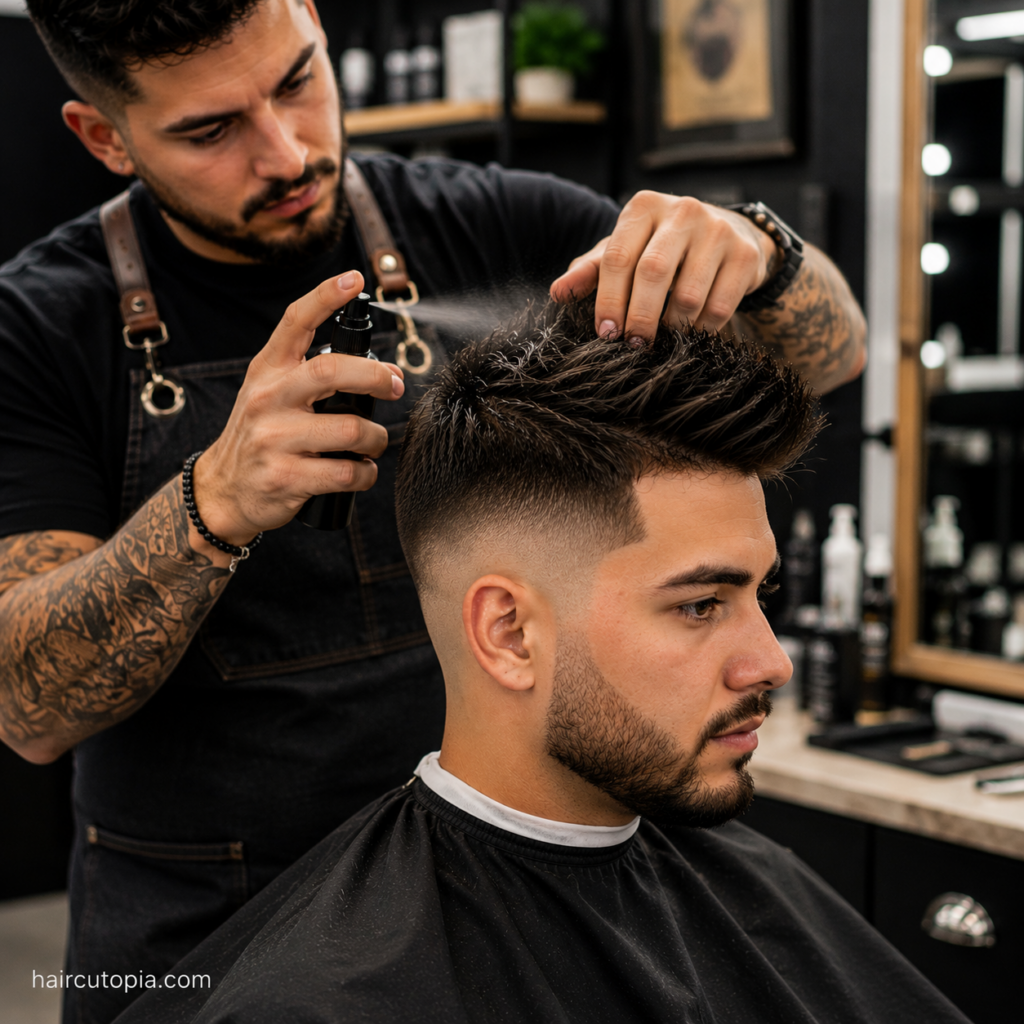
The fade isn’t the only part of the haircut that affects how fresh it looks.
As the top grows, the overall proportions of the hairstyle change. Styling it properly can keep the haircut looking intentional even when the fade isn’t brand new.
Your routine will depend on your hairstyle.
For example:
- Use matte clay or paste for textured styles.
- Try pomade for slicker, more controlled finishes.
- Use curl-friendly products for curly or coily hair.
- Consider a lightweight cream for longer, natural-looking styles.
- Blow-dry the hair when you need additional volume or direction.
You don’t necessarily need more product as your haircut grows. Often, adjusting how you apply it is enough.
Start with a small amount and add more only when necessary.
Brush or Comb Your Hair Regularly
A quick brush or comb can make a noticeable difference, particularly once your haircut starts growing out.
For straight or wavy hair, brushing the sides in their natural direction can reduce the appearance of bulk.
For curly and coily hair, use grooming techniques appropriate for your texture rather than repeatedly brushing curls dry and creating unwanted frizz.
The top deserves attention too. Keeping the longer hair styled helps preserve the shape your barber originally created.
Keep Your Neckline Clean
The neckline is often one of the first places where a haircut begins to look untidy.
Stray hairs can appear below the original neckline while the fade itself still looks relatively good.
If you want to clean this area at home, be conservative.
Removing obvious stray hairs below the established neckline is very different from attempting to recreate the fade yourself.
A handheld mirror or three-way mirror can help you see the back of your head, but don’t try to create a new line if you aren’t sure where the original one should be.
When in doubt, leave it alone until your next barber visit.
Clean Up Around the Ears Carefully
Hair growing around the ears can also make a fade look older.
You may be able to carefully remove isolated hairs that clearly extend beyond the original haircut, but avoid cutting into the actual blend.
A common DIY mistake is trying to make one small area look cleaner and gradually moving farther into the haircut. Before long, you’ve changed the fade line or created a visible patch.
Think of home maintenance as cleanup rather than haircutting.
Don’t Try to Re-Fade Your Hair Without Experience
Watching your barber blend a fade can make the process look deceptively simple.
It isn’t.
A proper fade may involve multiple clipper guards, lever positions, blending techniques, and careful attention to the shape of the head.
Taking a single clipper guard to the sides can create a hard line that wasn’t there before.
Common DIY fade mistakes include:
- Taking the fade too high
- Creating visible lines
- Making one side higher than the other
- Cutting into longer sections
- Removing too much around the temples
- Creating patches while trying to correct another mistake
If you’re learning to cut your own hair, that’s a different story. But if your goal is simply to preserve a professional fade between appointments, minimal intervention is usually safer.
Maintain Your Sideburns and Facial Hair
If your fade connects to a beard, the transition between the two is part of the overall haircut.
An overgrown beard can make a clean fade look less polished, while an aggressively trimmed sideburn can interrupt the transition your barber created.
Keep your facial hair at a consistent length and clean up obvious stray hairs as needed.
If your barber fades your sideburns directly into your beard, pay attention to where that transition begins. Avoid moving the line upward when trimming at home.
For complicated beard fades, letting your barber handle the blending is usually the easiest option.
Protect Your Hair and Scalp
Hair maintenance isn’t only about appearance.
If your fade exposes a significant amount of scalp, particularly with a high or skin fade, that skin may receive more direct sun exposure than you’re used to.
A hat can provide coverage when you’ll be outside for extended periods. When appropriate, consider sun protection suitable for exposed scalp.
Keeping the scalp comfortable and healthy can also help the haircut look its best.
If you experience persistent irritation, bumps, or other scalp concerns after haircuts, avoid repeatedly shaving or trimming irritated areas and consider discussing the issue with an appropriate healthcare professional.
Use the Right Products for Your Hair Type
You don’t need a shelf full of grooming products to maintain a fade.
A few products that actually suit your hair are more useful than a complicated routine.
Straight Hair
Straight hair often works well with:
- Matte paste
- Styling clay
- Lightweight pomade
- Texture products
Choose based on whether you want a natural, textured, or polished finish.
Wavy Hair
Wavy hair can benefit from products that provide control without eliminating its natural movement.
Light creams, pastes, and texture products can work well depending on your hairstyle.
Curly Hair
Moisture and curl definition are often more important than strong hold.
Look for products designed to keep curls manageable without making them stiff or excessively heavy.
Coily Hair
Focus on moisture, scalp care, and products appropriate for your specific texture and style.
Your barber can also recommend a routine based on how your hair behaves after a cut.
Sleep Can Affect How Your Hair Looks
You might wake up with one side of your hair completely flattened after sleeping.
That’s normal.
Instead of piling on styling product, lightly dampen or restyle the affected area. Depending on the length and texture, a comb, brush, or quick blow-dry may be enough to restore its shape.
Keeping pillowcases clean is also a simple part of maintaining good hair and scalp hygiene, particularly if you regularly use styling products.
What to Do When Your Fade Starts Growing Out
Eventually, every fade loses its crisp transition.
At that point, you have a few options.
Let It Grow Naturally
You don’t have to immediately get another haircut.
A well-cut fade should transition reasonably well as it grows, although it will gradually become fuller around the sides.
Continue keeping your hair clean and styled until you’re ready for another appointment.
Get a Cleanup
Some barbers offer shorter cleanup or line-up services between full haircuts.
This may involve tidying areas such as the neckline, sideburns, edges, or other areas that have begun to look overgrown.
Ask your barber what they recommend for your specific fade.
Get the Fade Redone
Once the sides have grown enough that the original blend has largely disappeared, a full fade is usually the cleanest way to restore the haircut.
Bringing a photo from immediately after your previous appointment can be useful, especially if you want the same result again.
How to Make a Fade Last Longer
You can’t stop your hair from growing, but you can keep the haircut looking presentable as it does.
Try these habits:
- Keep your hair and scalp clean.
- Style the longer hair on top regularly.
- Brush or control the sides as they grow.
- Remove only obvious stray hairs around the neckline if you’re comfortable doing so.
- Maintain facial hair that connects to the fade.
- Avoid attempting major clipper corrections at home.
- Schedule your next barber appointment before the haircut becomes difficult to manage.
The biggest difference usually comes from keeping the entire hairstyle neat rather than trying to preserve every millimeter of the original fade.
Signs It’s Time for Another Haircut
You don’t need to count the days since your last appointment.
Look at the haircut itself.
It may be time for another fade when:
- The transition on the sides is difficult to see.
- Hair around the ears looks noticeably overgrown.
- The neckline has become untidy.
- The sides are beginning to puff outward.
- The top and sides no longer feel balanced.
- Your usual styling routine isn’t producing the same shape.
- You simply prefer the cleaner appearance of a fresh cut.
Some people enjoy a fade at every stage of growth. Others want it razor-sharp all the time. Your maintenance schedule can reflect whichever look you prefer.
Should You Get the Same Fade Every Time?
Not necessarily.
Your next appointment is a good opportunity to adjust the haircut based on how the previous fade grew out.
Tell your barber if:
- The fade felt too high or too low.
- The sides grew out too quickly for your liking.
- You want less scalp showing.
- You liked how the haircut looked after a week or two better than when it was fresh.
- The top became too heavy.
- You want an easier maintenance schedule.
These details can help your barber modify the next cut.
For example, someone tired of maintaining a very short skin fade might prefer a slightly longer low fade or taper.
Keep Your Fade Looking Fresh Between Barber Visits
Maintaining a fade haircut doesn’t mean constantly cutting it.
Most of the work comes down to basic grooming: keep your hair clean, style the top, control the sides as they grow, maintain your neckline and facial hair, and resist the temptation to make major clipper adjustments unless you know what you’re doing.
Your fade will gradually soften as your hair grows. That’s unavoidable.
Instead of trying to keep it looking exactly like day one, focus on keeping the haircut neat and balanced between appointments. Then, when the blend has grown beyond the look you prefer, it’s time to head back to your barber for a fresh fade.