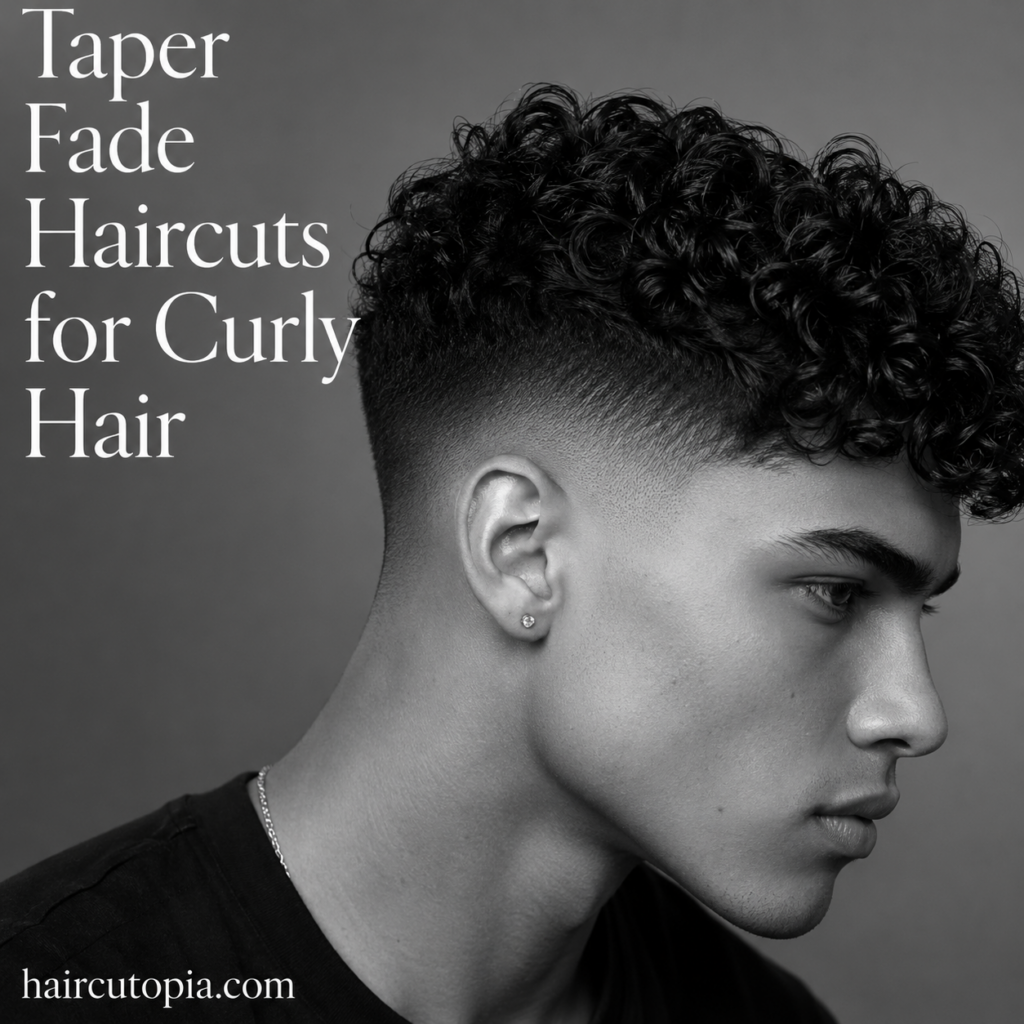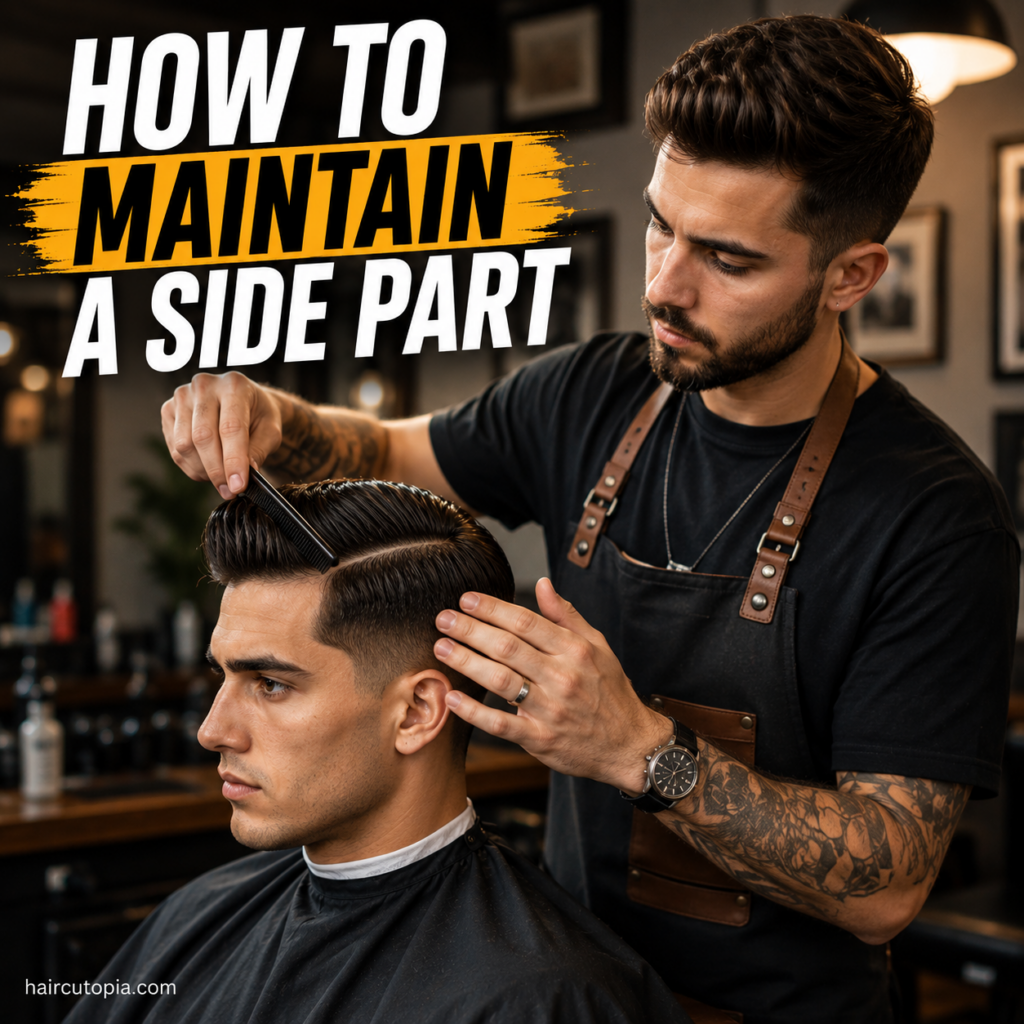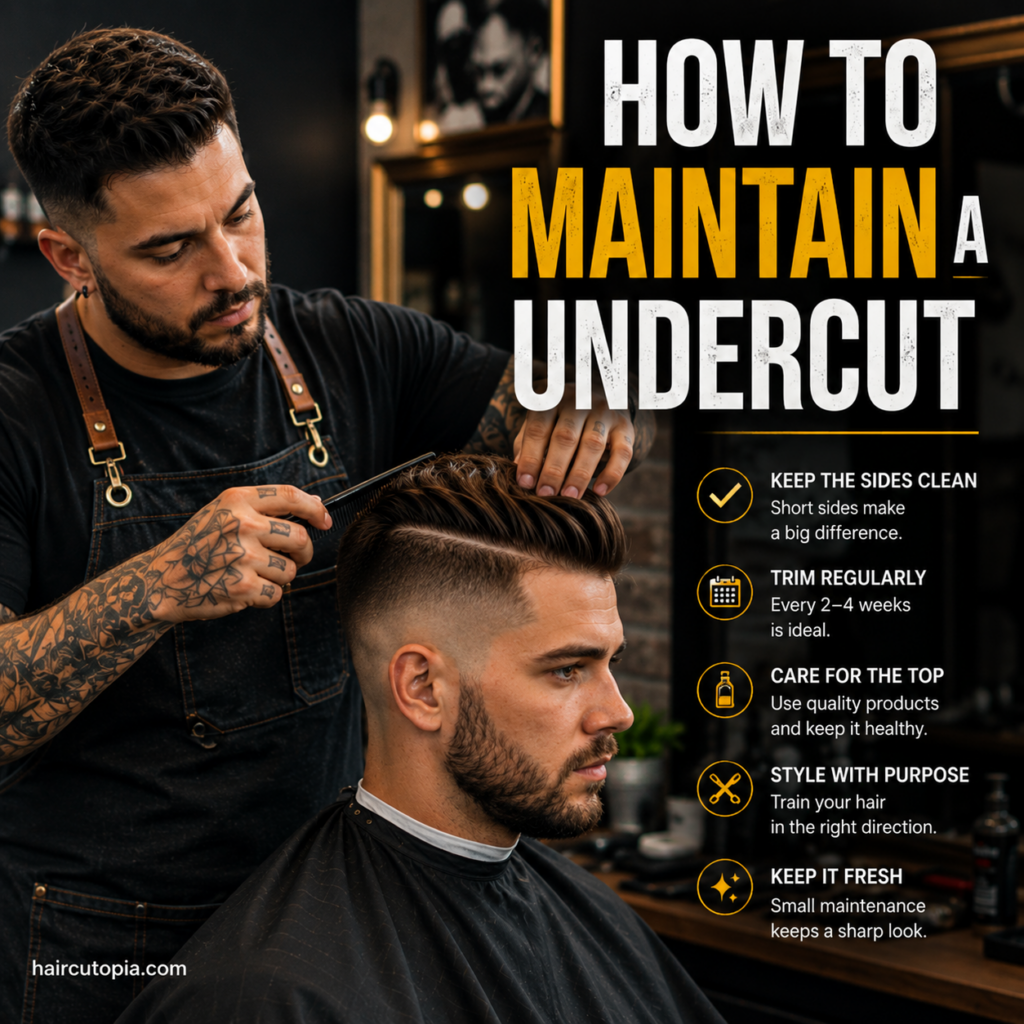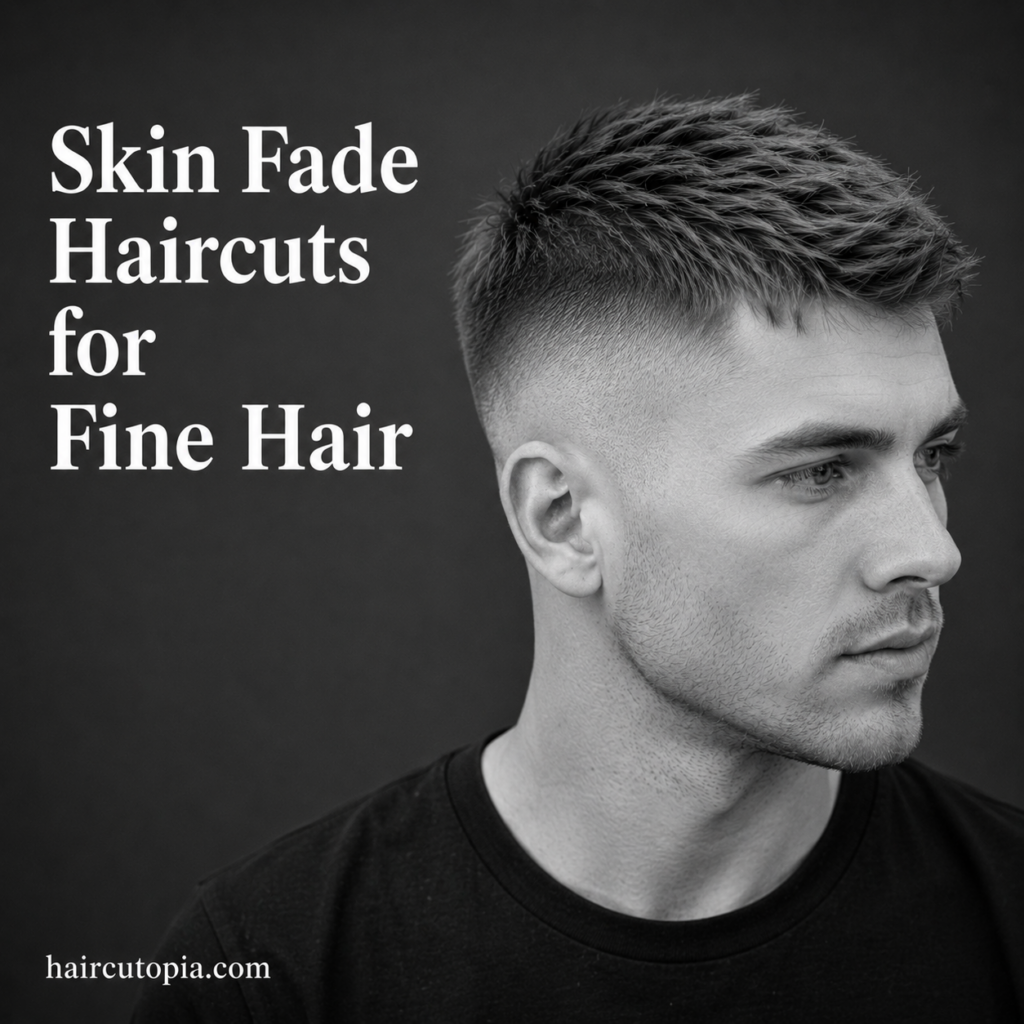
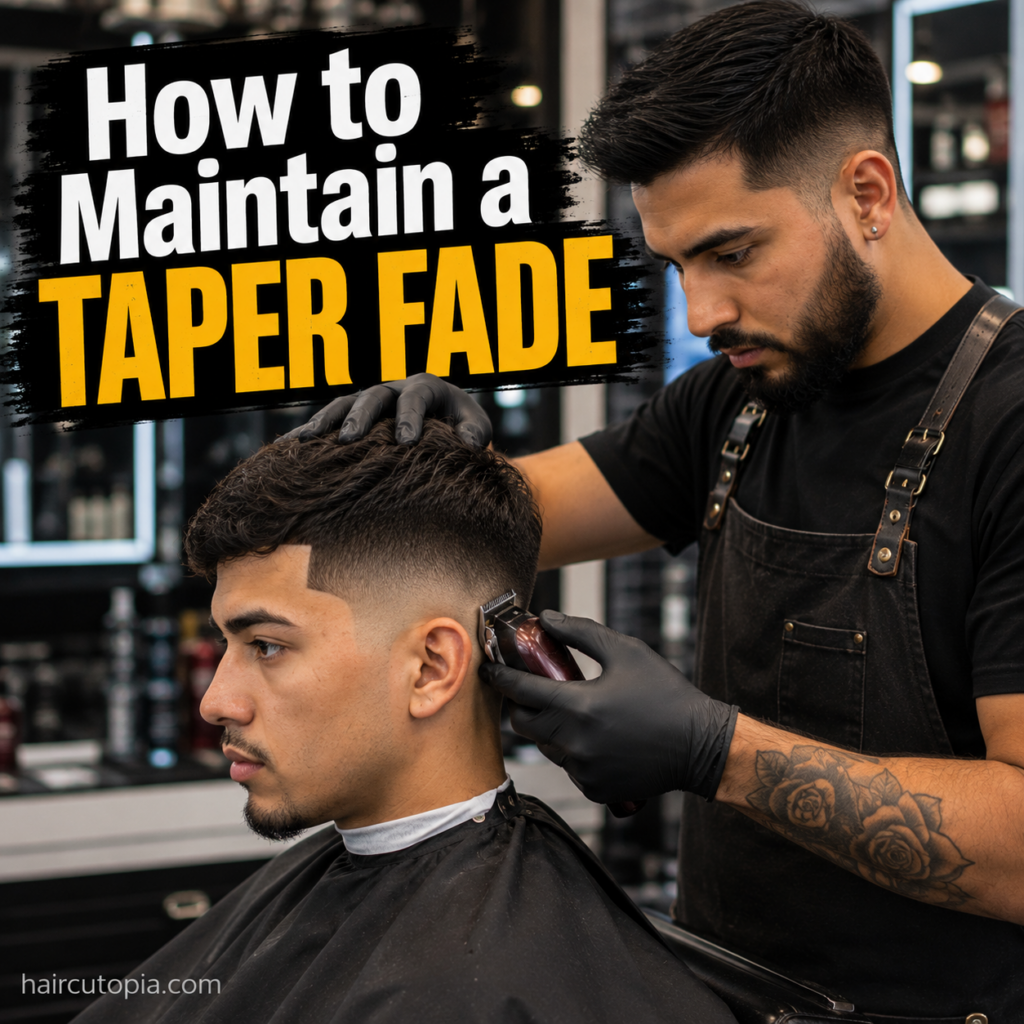
A fresh taper fade has a clean, sharp look that’s hard to beat. The transition around the temples and neckline is smooth, the edges are crisp, and everything looks intentional.
Then your hair starts growing.
That’s completely normal, of course, but the shortest areas of a taper tend to show new growth quickly. The good news is that you don’t necessarily need a full haircut every time your fade loses that freshly cut appearance.
Learning how to maintain a taper fade comes down to keeping your hair clean, styling it properly, protecting the shape, and knowing when it’s time for a barber cleanup.
Here’s how to keep your taper looking good between appointments without accidentally turning a small touch-up into an emergency trip to the barbershop.
How Long Does a Taper Fade Stay Fresh?
A taper fade usually looks its sharpest during the first one to two weeks after a haircut.
After that, you’ll start noticing growth around the temples, sideburns, and neckline. The blend itself doesn’t suddenly disappear, but the contrast becomes softer as the shortest hairs grow longer.
How quickly this happens depends on several factors:
- Your natural hair growth rate
- How short the taper was originally cut
- Whether the taper goes down to skin
- Your hair color and density
- Your hair texture
- How sharp your lineup is
- The length of the surrounding hair
A skin taper tends to show growth sooner because there’s more contrast between bare skin and the hair above it. A darker taper that leaves some hair at the bottom often grows out more subtly.
How Often Should You Get a Taper Fade Touched Up?
For most people, getting a taper fade touched up every two to three weeks keeps it looking consistently clean.
That doesn’t necessarily mean getting a complete haircut every two weeks.
If the hair on top still looks good, you can ask your barber for a taper or edge cleanup instead. The barber can refresh the temples, neckline, sideburns, and lineup without significantly changing the rest of your hairstyle.
A typical schedule might look something like this:
- Every 1–2 weeks for an especially sharp, freshly faded appearance
- Every 2–3 weeks for regular maintenance
- Every 3–4 weeks for a more relaxed, grown-in look
- Every 4–6 weeks for a full haircut, depending on your hairstyle
There isn’t one perfect schedule. If your taper still looks good after three weeks, there’s no reason to cut it just because the calendar says so.
Wash Your Hair Without Overdoing It
Keeping your scalp and hair clean helps a taper fade look its best, especially around the shorter sections.
But that doesn’t mean you need to shampoo aggressively every day.
How often you should wash depends on your hair texture, scalp, activity level, and styling products. Someone who works out daily or uses heavy pomade may need to cleanse more frequently than someone with dry or curly hair.
When washing your hair:
- Use lukewarm rather than extremely hot water.
- Work shampoo primarily into the scalp.
- Massage gently instead of aggressively scratching.
- Rinse thoroughly so product doesn’t remain around the hairline.
- Use conditioner when appropriate for your hair type.
Clean hair can make the fade appear more defined because oil and product buildup aren’t weighing down the short hairs.
Keep the Hair Around Your Taper Moisturized
Short hair still benefits from proper moisture.
This is especially important if you have curly, coily, or naturally dry hair. When the hair surrounding a taper becomes dry or frizzy, the transition can look less polished even if the actual fade is still in good shape.
Depending on your hair type, you might use:
- A lightweight leave-in conditioner
- Curl cream
- Hair moisturizer
- A small amount of hair oil
- Styling cream
You don’t need to saturate the faded areas. A little product usually goes a long way.
Avoid allowing thick pomades, gels, or creams to accumulate along the hairline. Heavy buildup can make the edges look greasy and may hide some of the definition you’re trying to preserve.
Brush or Comb Your Hair Regularly
A quick brush or comb can make a surprisingly noticeable difference.
As the taper grows, some hairs may begin sticking outward rather than following the natural shape of the haircut. Brushing them into place helps maintain a cleaner silhouette.
The right tool depends on your hairstyle.
For Short Straight or Wavy Hair
A soft or medium-bristle brush can help keep the sides neat and direct the hair consistently.
For Curly Hair
Use a tool that works with your curl pattern rather than forcing the hair flat. A wide-tooth comb, curl brush, or your fingers may be enough.
For Coily or Textured Hair
Regular brushing or appropriate curl and texture maintenance can help preserve the overall shape surrounding the taper.
The goal isn’t to recreate the fade with a brush. You’re simply keeping the longer hair around it from looking unruly.
Maintain Your Hairstyle on Top
A taper fade is only one part of the haircut.
Sometimes people assume their taper needs to be recut when the real problem is that the longer hair has lost its shape.
Styling the top properly can make the entire haircut look fresher.
Depending on your hairstyle, that might mean using:
- Matte clay for texture
- Pomade for control and shine
- Styling cream for a softer finish
- Curl cream for definition
- Sea salt spray for loose texture
- Lightweight gel for hold
Start with a small amount of product and add more if needed. Too much product can flatten the hair and make a clean haircut look heavy.
Protect Your Hair While You Sleep
Your pillow can affect your hairstyle more than you might expect.
Moving around while sleeping creates friction, which can flatten curls, disturb waves, and make longer hair around the taper stick in different directions.
For certain hair types, sleeping with a satin or silk pillowcase, bonnet, or durag can help reduce friction and preserve the hairstyle.
This is particularly useful for curly, coily, and textured hair.
It won’t stop your taper from growing, but it can help the rest of your haircut stay more manageable between barber visits.
Keep the Neckline Clean
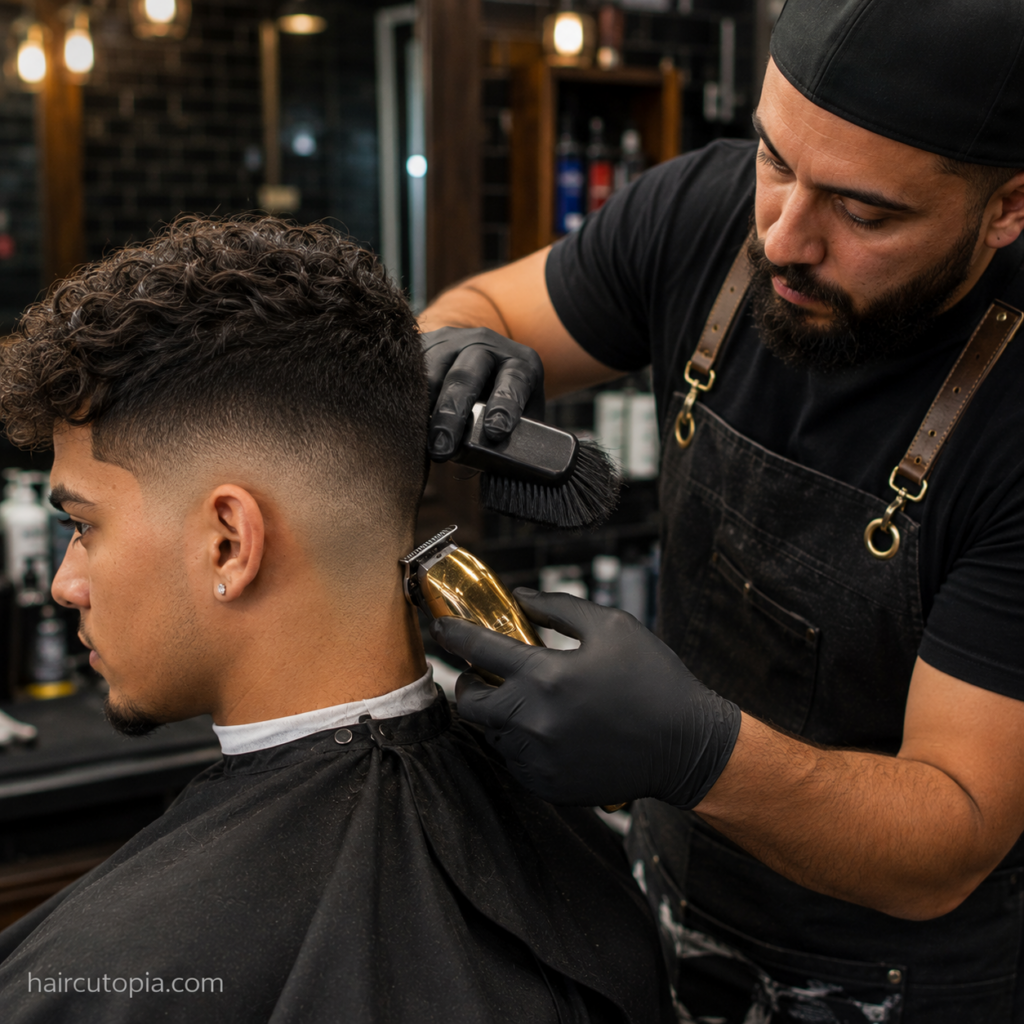
The neckline is often one of the first areas where a taper starts looking grown out.
Hair below the intended neckline can make the back of an otherwise clean haircut look untidy.
If you have someone who can safely help, lightly removing obvious stray hairs below the established neckline can extend the clean appearance of the haircut.
The key word is lightly.
Don’t try to redesign the neckline or move it higher. Once you start cutting into the actual taper, you’re no longer cleaning stray hairs—you’re changing the haircut.
If you’re unsure where the neckline ends, leave it alone and let your barber handle it.
Can You Maintain a Taper Fade at Home?
You can perform basic maintenance at home, but recreating the actual fade is much harder than cleaning up a few stray hairs.
A professional taper involves blending several lengths together smoothly. That usually requires clipper control, good lighting, multiple mirrors, and an understanding of how different sections connect.
Home maintenance is best limited to simple tasks such as:
- Washing and conditioning your hair
- Styling the top
- Brushing or combing the sides
- Removing obvious stray neckline hairs
- Trimming isolated hairs that clearly sit outside the haircut
- Maintaining facial hair so it complements the fade
Once you start moving clippers upward into the faded area, the risk of creating a visible line increases significantly.
Should You Line Up Your Own Taper Fade?
This depends on your experience.
Cleaning up an established edge may look easy when you watch a barber do it, but pushing the hairline even slightly too far back can change its shape.
The front corners and temple area are particularly easy to overcorrect.
If you decide to maintain your own lineup, avoid repeatedly moving the line backward just to make it perfectly straight. A natural hairline isn’t always perfectly symmetrical.
For most people, preserving the existing line is more important than making it sharper every few days.
When in doubt, leave the edges alone until your next appointment.
Don’t Try to Fix the Fade With a Single Clipper Guard
One of the easiest ways to ruin a growing taper is running one clipper guard over the entire faded section.
A taper works because the hair gradually changes from shorter to longer. Using one length across the area can remove that transition.
You may end up creating:
- A visible line
- A patchy section
- An uneven blend
- A higher taper than you wanted
- A section that’s too short to correct immediately
If your taper has grown enough that the blend needs to be recreated, that’s usually the point where a barber touch-up makes more sense.
Avoid Cutting the Taper Higher Every Time
A taper can slowly creep upward if too much hair is removed during every maintenance session.
This can happen at home, but it can also happen if you aren’t clear about what you want during barber visits.
If you like the original placement of your taper, tell your barber:
“Keep the taper at the same height. I just want it cleaned up.”
That communicates that you want the existing shape restored rather than redesigned.
This is particularly important if you chose a low taper specifically because you wanted to preserve fullness through the sides.
Maintain Your Sideburns and Facial Hair
If you have a beard, your taper and facial hair should look intentional together.
As both grow, the transition between the sideburn and beard can become bulky.
Regular beard grooming helps maintain balance even when your haircut isn’t brand new.
You can:
- Brush or comb your beard
- Trim obvious stray hairs
- Maintain your preferred beard length
- Keep the cheek and neck areas tidy
- Use beard oil or balm when appropriate
If your barber originally faded your sideburns into your beard, recreating that transition yourself can be difficult. Consider leaving the blending work for your next barber visit.
What to Do When Your Taper Starts Growing Out
A growing taper doesn’t automatically look bad.
In fact, one advantage of a taper over some more dramatic fades is that it can grow out relatively naturally because much of the sides and back remain longer.
When you notice growth, start with the basics:
- Wash and condition your hair as appropriate.
- Style the top into its intended shape.
- Brush or comb the sides.
- Clean only obvious stray hairs if necessary.
- Check whether the taper actually needs to be recut.
You may find that your haircut still looks perfectly good once everything is styled properly.
Signs It’s Time to Visit Your Barber
Eventually, styling and basic maintenance won’t be enough.
It’s probably time for a touch-up when:
- The temple taper has lost its visible transition
- The sideburns look noticeably overgrown
- The neckline has become difficult to keep tidy
- The sides are beginning to lose their shape
- Your lineup needs professional reshaping
- The top needs trimming as well
- You find yourself trying to recreate the fade at home
At that point, a professional cleanup can restore the haircut without requiring you to start over.
Ask for a Taper Cleanup Between Full Haircuts
If your top grows more slowly than your fade, ask whether your barber offers cleanup appointments.
You can say:
“I want to keep the length on top. Can you just refresh the taper, neckline, and edges?”
This can be particularly useful if you’re growing out your hair.
Instead of cutting everything every few weeks, you can maintain clean edges while allowing the rest of your hairstyle to gain length.
How to Make a Taper Fade Last Longer
You can’t stop hair growth, but you can keep the haircut looking polished as it grows.
For better results between appointments:
- Keep your scalp and hair clean.
- Condition according to your hair type.
- Style the longer sections consistently.
- Brush or comb hair that’s beginning to stick out.
- Avoid excessive product buildup.
- Protect textured or curly hairstyles while sleeping.
- Don’t unnecessarily cut into the faded sections.
- Clean only obvious stray hairs around the neckline.
- Schedule a taper cleanup when the blend becomes noticeably grown out.
The goal isn’t to keep the haircut frozen exactly as it looked when you left the barber. That’s impossible.
Instead, focus on helping it grow out neatly.
Common Taper Fade Maintenance Mistakes
A few habits can make a taper look worse rather than better.
Over-Trimming the Hairline
Repeatedly chasing a perfectly sharp line can gradually push the natural hairline backward.
Cutting Into the Blend
Removing a little more hair every time the taper looks grown out can eventually turn a low taper into a much higher fade.
Using Too Much Styling Product
Heavy product buildup can make short hair look greasy and reduce the clean contrast of the haircut.
Ignoring the Rest of the Hairstyle
A perfect taper won’t make an unstyled top look polished. Maintain the entire haircut, not just the faded sections.
Waiting Until the Haircut Completely Loses Its Shape
If you care about keeping a consistently sharp appearance, a quick barber cleanup is easier than waiting until the entire haircut needs reshaping.
Taper Fade Maintenance Checklist
Keeping a taper fade looking good doesn’t require a complicated routine.
Between appointments:
- Wash your hair based on your scalp and hair needs.
- Use conditioner or moisturizer when appropriate.
- Brush, comb, or shape the hair regularly.
- Style the top to maintain the haircut’s intended silhouette.
- Keep heavy product buildup away from the hairline.
- Protect curls and textured hair while sleeping when needed.
- Avoid cutting into the actual fade unless you know how to blend.
- Keep facial hair groomed if it connects to the taper.
- Book a cleanup once the taper begins losing its shape.
Final Thoughts
Maintaining a taper fade is less about constantly cutting your hair and more about allowing it to grow out cleanly.
Good washing and conditioning habits, regular styling, and a little attention to the neckline can keep the haircut looking polished well beyond the first few days. Resist the temptation to chase every new hair with a pair of clippers. Small DIY corrections can quickly change the shape of the taper or create lines that are harder to fix.
For a consistently sharp look, consider a taper cleanup every two to three weeks, adjusting that schedule based on how quickly your hair grows and how fresh you like your haircut to look.
Most importantly, maintain the haircut you actually have rather than trying to recreate it from scratch between appointments. A taper is designed to provide a clean transition around the edges, and with a sensible routine, that transition can continue looking good even as your hair grows.