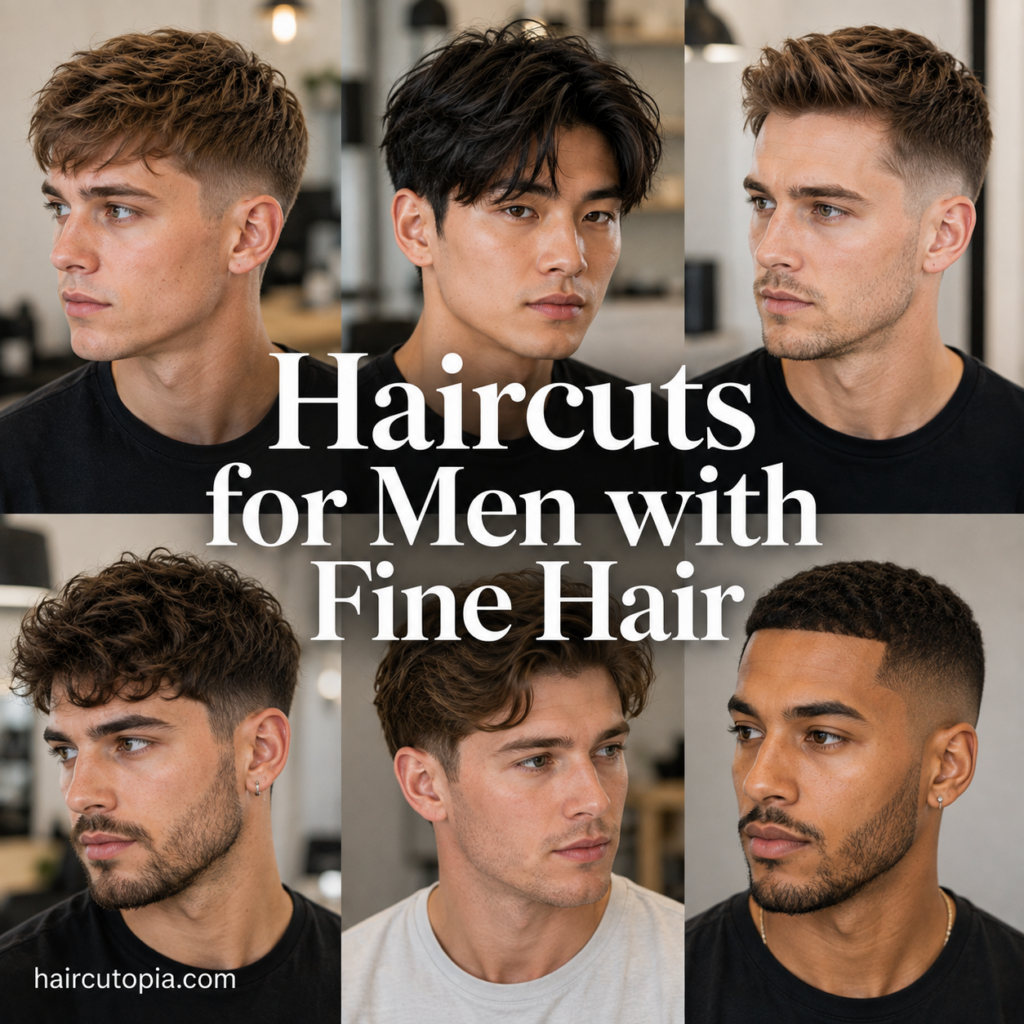
Fine hair presents a unique challenge when it comes to choosing the right haircut. Unlike thick hair, which naturally creates volume, fine hair tends to lie flatter against the scalp and can sometimes appear less dense than it actually is.
The good news is that the right haircut can make a dramatic difference.
One of the best hairstyles for men with fine hair is the Ivy League haircut. This timeless style offers structure, versatility, and the ability to create the appearance of fuller, thicker hair without requiring an overly complicated styling routine.
Whether you’re a young professional, a student, or someone looking for a sophisticated everyday haircut, the Ivy League remains one of the smartest options available for fine hair.
What Is an Ivy League Haircut?
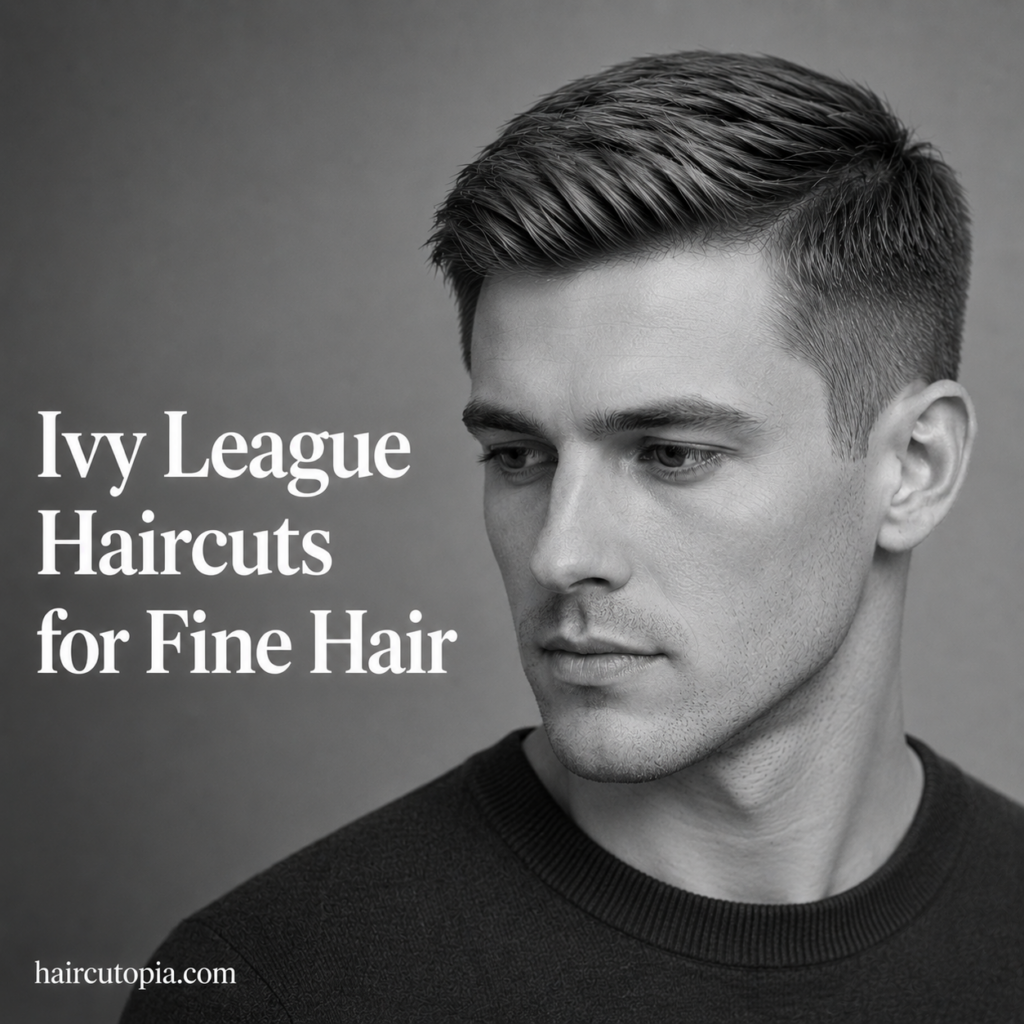
The Ivy League haircut is often described as a slightly longer version of the crew cut.
It typically features:
- Short tapered sides and back
- Longer hair on top
- A clean side part or brushed-up front
- A polished, structured appearance
The extra length on top allows for styling flexibility while maintaining the clean and professional look that has made the Ivy League popular for generations.
For men with fine hair, this balance of length and structure can help create the illusion of greater volume.
Fine Hair vs. Thin Hair: What’s the Difference?
Many people use the terms interchangeably, but they’re not exactly the same.
Fine Hair
Fine hair refers to the diameter of each individual strand.
Characteristics include:
- Smaller strand thickness
- Soft texture
- Smooth appearance
- Less natural volume
Thin Hair
Thin hair refers to the amount of hair growing on the scalp.
Characteristics include:
- Lower hair density
- More visible scalp
- Wider spacing between follicles
Many men have fine hair without having thin hair. In fact, someone can have a full head of fine hair but still struggle with volume.
The Ivy League haircut works exceptionally well in both situations.
Why the Ivy League Haircut Works for Fine Hair
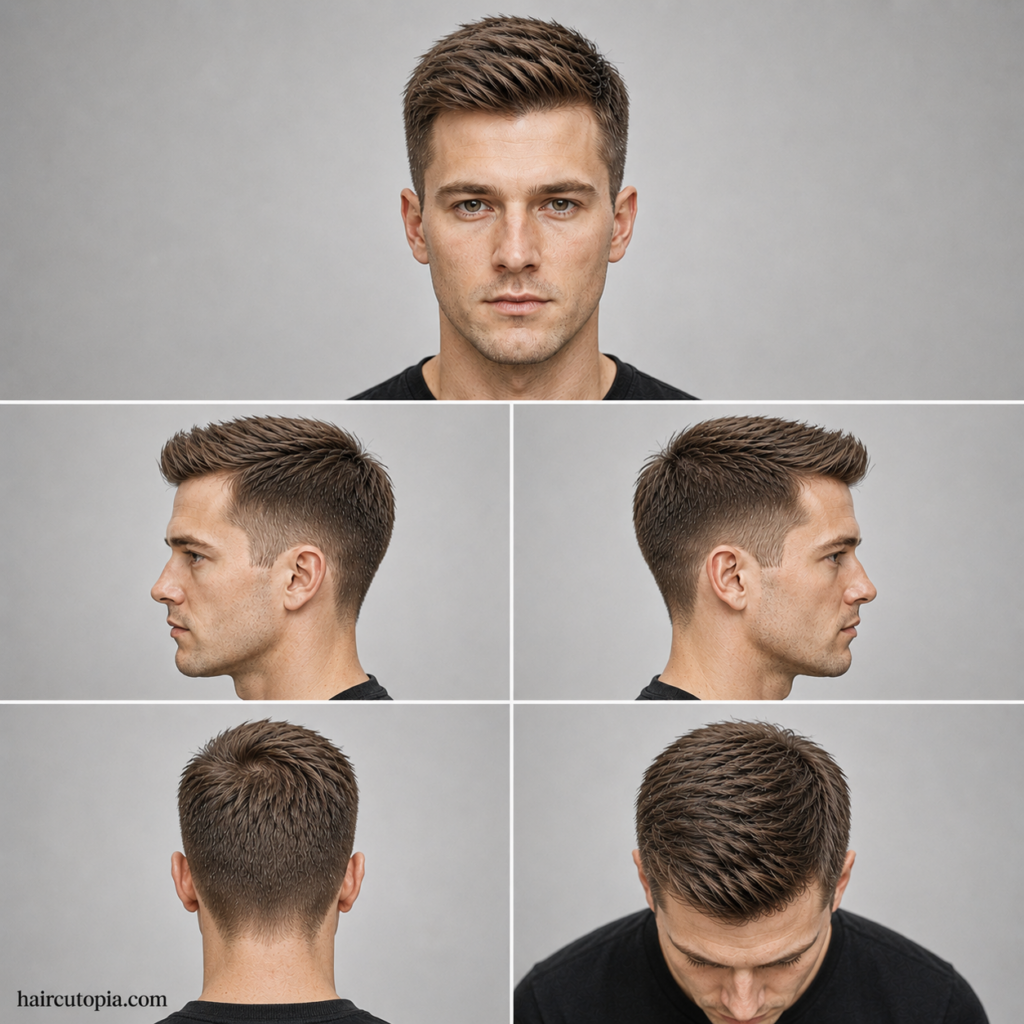
Fine hair often benefits from hairstyles that create structure without relying on excessive length.
The Ivy League achieves this balance perfectly.
Benefits include:
- Creates visual fullness
- Adds texture and movement
- Enhances natural volume
- Maintains a clean appearance
- Works in professional and casual settings
- Easy to style and maintain
Instead of allowing fine hair to fall flat, the Ivy League encourages lift and shape.
Best Ivy League Haircuts for Fine Hair
Classic Ivy League
The traditional Ivy League remains one of the most reliable choices.
The slightly longer top provides enough hair to style while the tapered sides keep the overall look neat and balanced.
Why it works:
- Timeless appearance
- Easy styling
- Creates subtle volume
It’s a safe choice for nearly every age group and profession.
Textured Ivy League
Texture can dramatically improve the appearance of fine hair.
Adding light layers throughout the top creates separation and movement that make hair appear fuller.
Benefits include:
- More visual density
- Less flatness
- Modern appearance
A matte styling product can enhance the textured effect without weighing hair down.
Side-Part Ivy League
A side part adds definition and structure.
Because fine hair often lacks natural body, the side part creates a clear shape that helps the haircut look more intentional and polished.
This variation is ideal for:
- Office environments
- Formal occasions
- Men who prefer classic grooming
Ivy League With Taper Fade
A taper fade modernizes the Ivy League while helping the top appear fuller.
By reducing bulk around the ears and neckline, more visual attention is directed toward the hair on top.
Advantages include:
- Cleaner profile
- Contemporary styling
- Enhanced volume effect
A low taper fade is often the most flattering option for fine hair.
Short Ivy League
Shorter styles can sometimes make fine hair appear denser.
A short Ivy League leaves enough length for styling while avoiding the weight that can flatten fine strands.
Benefits include:
- Low maintenance
- Easy styling
- Clean appearance
This variation works particularly well for active lifestyles.
Brushed-Up Ivy League
Adding height at the front creates the illusion of thicker hair.
The brushed-up version lifts the front section slightly upward and back.
This helps:
- Increase volume
- Improve facial balance
- Create a youthful appearance
Even modest height can make fine hair look significantly fuller.
Ivy League With Natural Texture
Not every hairstyle needs a perfectly polished finish.
Allowing some natural texture to show creates movement and dimension that fine hair often lacks.
The result feels:
- Relaxed
- Modern
- Effortless
This style is especially flattering for men with naturally wavy fine hair.
Ivy League With Low Fade
A low fade creates subtle contrast while preserving the classic nature of the haircut.
Because the fade begins lower on the head, it maintains balance and prevents the haircut from looking overly aggressive.
This variation offers:
- Versatility
- Professional appearance
- Easy maintenance
Ivy League With Soft Quiff
A soft quiff combines the Ivy League’s structure with additional front volume.
Unlike dramatic pompadours, the quiff remains subtle and practical.
Benefits include:
- More height
- Fuller appearance
- Modern styling
It’s an excellent choice for men who want a contemporary twist on a classic haircut.
Scissor-Taper Ivy League
A scissor taper creates softer transitions than a fade.
For fine hair, this often produces a more natural and fuller-looking result.
The haircut remains:
- Timeless
- Sophisticated
- Easy to manage
It’s particularly popular among professionals who prefer understated grooming.
Choosing the Right Ivy League Haircut for Your Face Shape
Oval Face
Oval faces are highly versatile.
Recommended styles include:
- Classic Ivy League
- Textured Ivy League
- Side-Part Ivy League
Round Face
Height helps create a longer visual profile.
Best options:
- Brushed-Up Ivy League
- Soft Quiff Ivy League
- Taper Fade Ivy League
Square Face
Strong jawlines pair naturally with structured hairstyles.
Excellent choices include:
- Classic Ivy League
- Side-Part Ivy League
- Low Fade Ivy League
Long Face
Avoid excessive height.
Instead consider:
- Short Ivy League
- Natural Texture Ivy League
- Scissor-Taper Ivy League
These variations maintain better overall balance.
How to Ask Your Barber for an Ivy League Haircut
Clear communication leads to better results.
You can tell your barber:
“I’d like an Ivy League haircut with enough length on top to create volume and shorter tapered sides.”
Also discuss:
- Desired top length
- Fade or taper preference
- Side-part placement
- Styling habits
- Hair concerns
Reference photos are always helpful.
Styling Fine Hair With an Ivy League Haircut
The haircut itself is only part of the equation.
Proper styling helps maximize volume and texture.
Use Lightweight Products
Heavy products can flatten fine hair.
Better options include:
- Texture cream
- Matte paste
- Volumizing mousse
- Lightweight clay
These provide hold without excessive weight.
Blow-Dry for Volume
A blow dryer is one of the most effective tools for fine hair.
Steps:
- Apply a volumizing product.
- Lift the roots while drying.
- Direct the hair into place.
- Finish with a matte styling product.
This creates noticeable lift and fullness.
Focus on Root Lift
Volume begins at the roots.
Even a small amount of lift can dramatically improve the appearance of fine hair.
Avoid Overloading Product
Using too much styling product can cause fine hair to collapse.
Start with a small amount and add more only if necessary.
Common Mistakes Men With Fine Hair Make
Growing Hair Too Long
Longer hair often becomes flat and lifeless.
The Ivy League works best because it maintains controlled length.
Using Greasy Products
Shiny pomades can separate fine strands and reveal the scalp.
Matte products generally create a fuller appearance.
Skipping Haircuts
Regular trims maintain shape and structure.
Without maintenance, fine hair can quickly lose its volume.
Choosing Styles That Depend on Thickness
Some hairstyles simply require dense hair to look their best.
The Ivy League succeeds because it works with fine hair rather than fighting against it.
Maintenance Tips
Maintaining an Ivy League haircut is relatively simple.
For best results:
- Schedule trims every 4–6 weeks
- Use volumizing shampoo
- Condition lightly
- Blow-dry when possible
- Choose lightweight styling products
Consistency helps maintain the haircut’s shape and fullness.
Is an Ivy League Haircut Good for Receding Hairlines?
In many cases, yes.
The Ivy League offers enough flexibility to work around a slightly receding hairline while maintaining a balanced appearance.
Benefits include:
- Controlled styling
- Added texture
- Natural-looking coverage
- Professional appearance
A barber can customize the haircut based on your hairline and growth patterns.
Why the Ivy League Never Goes Out of Style
Trends come and go, but the Ivy League remains relevant because it combines practicality with timeless appeal.
It works for:
- Young professionals
- Students
- Business executives
- Older men
- Casual lifestyles
- Formal environments
Very few haircuts offer this level of versatility.
Final Thoughts
When it comes to hairstyles for fine hair, the Ivy League haircut consistently ranks among the best choices available. Its combination of structure, texture, and styling flexibility helps create the appearance of fuller hair while maintaining a clean and sophisticated look.
Whether you prefer a classic side part, a textured finish, or a modern taper fade, there’s an Ivy League variation that can complement your hair type and personal style.
If you’re searching for a haircut that makes fine hair look its best without demanding hours of styling, the Ivy League remains a proven and timeless solution.