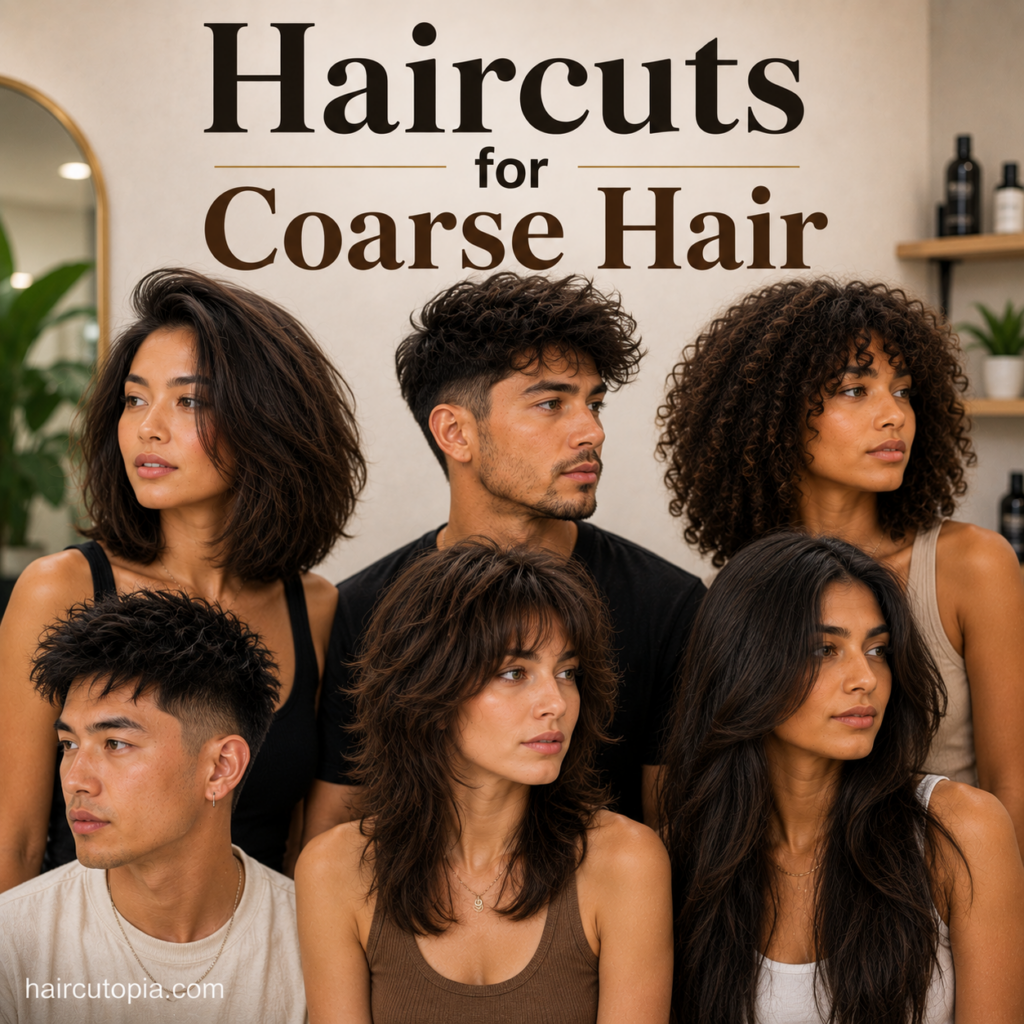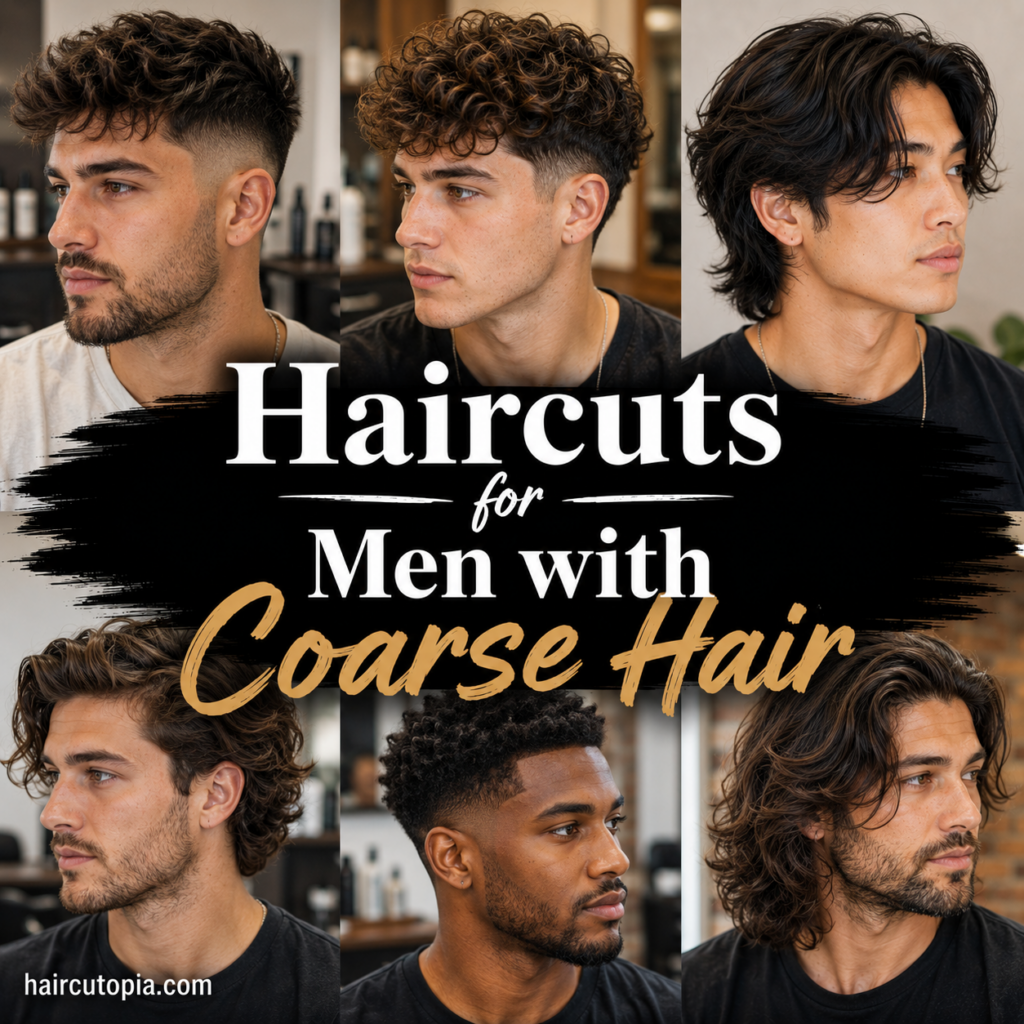
Coarse hair has a reputation for being difficult to manage, but in reality, it’s one of the best hair types for creating strong, masculine hairstyles. Its natural density, thickness, and structure provide the foundation for cuts that hold their shape well and create impressive volume.
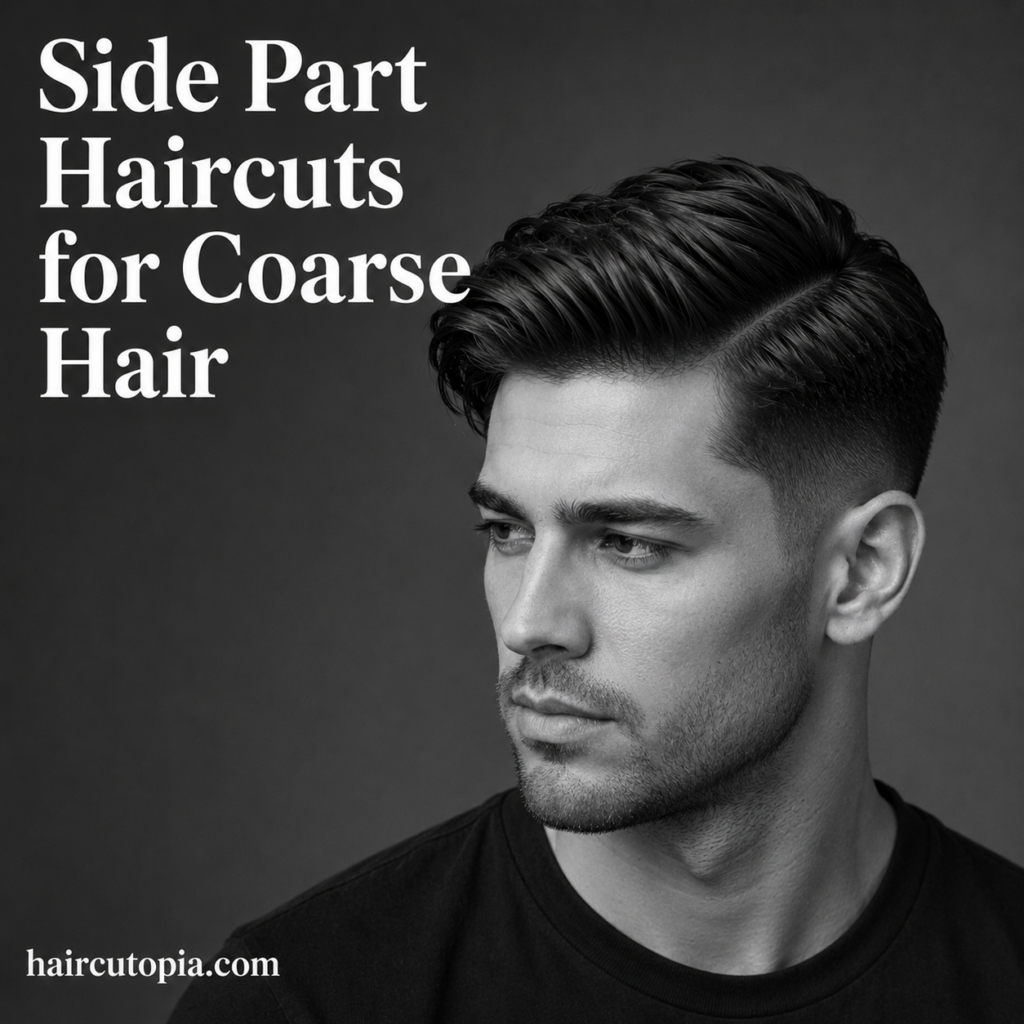
One hairstyle that works particularly well with coarse hair is the side part. The combination of a structured part and naturally thick strands creates a look that feels clean, confident, and timeless. Whether you’re aiming for a professional appearance or a more modern style, a side part can help bring control and definition to coarse hair without sacrificing its natural character.
In this guide, we’ll explore the best side part haircuts for coarse hair, how to choose the right variation, styling tips, maintenance advice, and common mistakes to avoid.
Why Side Part Haircuts Work Well with Coarse Hair
Coarse hair naturally has more body than fine or thin hair. While that can sometimes create challenges, it also provides significant advantages when paired with the right haircut.
A side part helps:
- Control excess volume
- Create a more structured shape
- Improve overall balance
- Showcase hair density
- Reduce a bulky appearance
- Add a polished finish
Rather than fighting the thickness of coarse hair, a side part works with it, directing the hair into a more intentional and flattering style.
Best Side Part Haircuts for Coarse Hair
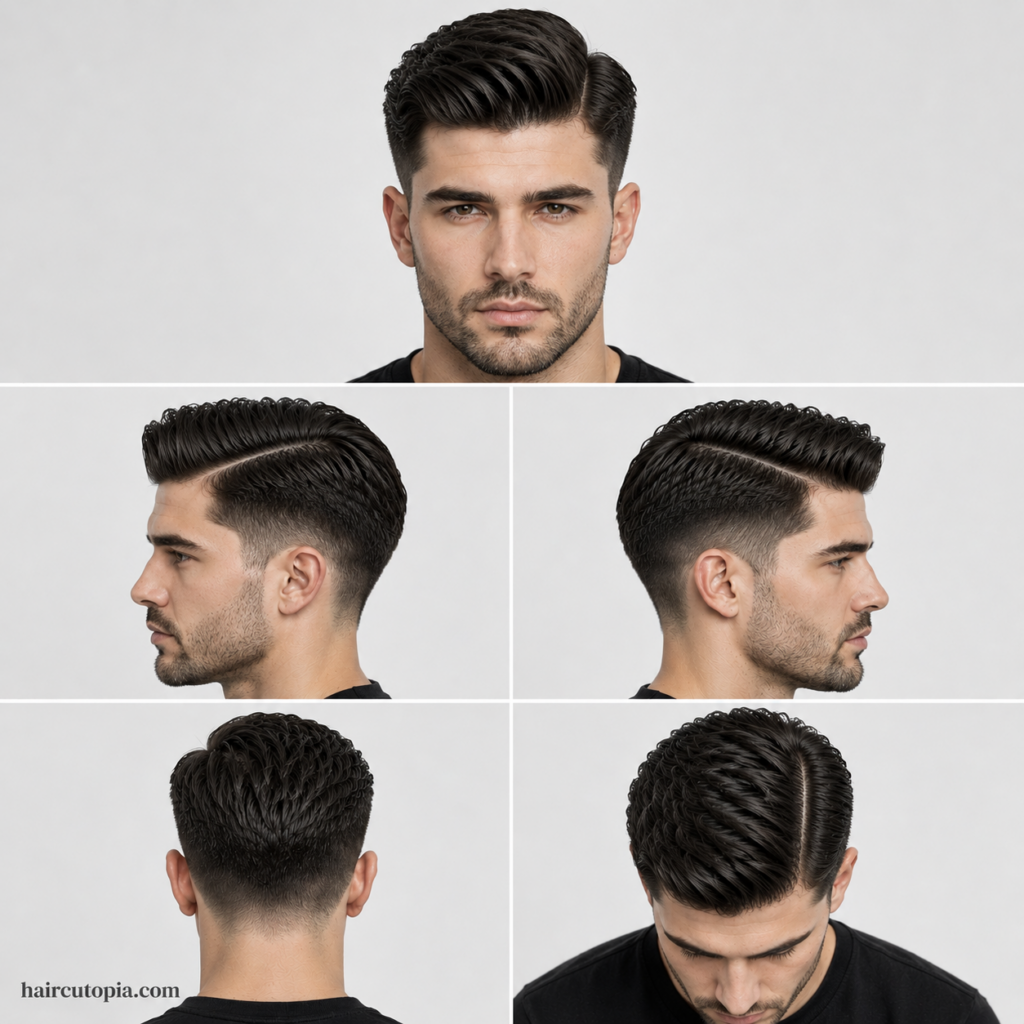
Classic Side Part
The classic side part remains one of the most reliable haircuts for coarse hair.
With moderate length on top and neatly tapered sides, this style uses the natural strength of coarse hair to maintain a crisp shape throughout the day.
Why it works:
- Timeless appearance
- Easy to style
- Professional versatility
- Strong natural hold
Side Part with Low Fade
A low fade helps remove bulk around the ears and neckline without dramatically changing the overall shape.
For men with especially thick hair, this creates a cleaner profile while maintaining fullness on top.
Benefits include:
- Modern appearance
- Better weight distribution
- Reduced side bulk
- Easy maintenance
Side Part with Mid Fade
The mid fade creates a stronger contrast between the sides and top.
Because coarse hair naturally provides volume, the shorter sides help prevent the haircut from looking too wide or heavy.
This style is ideal for men who want a sharper, more contemporary appearance.
Side Part with Skin Fade
A skin fade removes almost all hair at the base of the sides and neckline.
The dramatic contrast highlights the density of the top section while creating one of the cleanest looks available.
Best suited for:
- Thick coarse hair
- Defined facial features
- Modern styling preferences
- Frequent barber visits
Taper Fade Side Part
A taper fade offers a softer alternative to aggressive fades.
The gradual transition keeps the haircut professional while helping manage the natural bulk that coarse hair often creates.
This is one of the safest options for men who need a workplace-friendly hairstyle.
Textured Side Part
Adding texture can make coarse hair look more natural and less rigid.
Barbers often use point cutting or layering techniques to create movement and reduce excessive weight.
Advantages include:
- Modern appearance
- Easier styling
- Improved movement
- Reduced heaviness
Side Part Undercut
The undercut creates a bold contrast by keeping the sides significantly shorter than the top.
For coarse hair, this style works exceptionally well because the thicker strands create dramatic volume and definition above the undercut.
This haircut stands out without requiring complicated styling.
Ivy League Side Part
The Ivy League offers a shorter, more conservative approach to the side part.
The haircut remains neat and manageable while taking advantage of coarse hair’s ability to hold shape naturally.
It’s a popular choice among professionals who want a polished, low-maintenance style.
Side Part with Quiff
A quiff adds height and visual interest to the front of the haircut.
Coarse hair often excels in this style because it naturally supports volume without collapsing throughout the day.
This combination creates a confident and stylish appearance.
Long Side Part
Men who prefer longer hair can still benefit from a side part.
The part introduces structure while allowing the natural texture and density of coarse hair to remain visible.
This style works particularly well when combined with layering to prevent excessive bulk.
Understanding Coarse Hair
Many people confuse coarse hair with thick hair, but they aren’t exactly the same thing.
Coarse hair refers to the diameter of individual strands, while thick hair refers to overall density.
Coarse strands tend to:
- Feel stronger and sturdier
- Hold styles well
- Resist humidity better
- Require moisture to stay healthy
- Create natural volume
Understanding these characteristics can help you choose the right haircut and styling products.
Best Face Shapes for Side Part Haircuts
Oval Face Shape
An oval face works well with virtually every side-part variation.
Recommended styles:
- Classic side part
- Low fade side part
- Undercut side part
- Quiff side part
Round Face Shape
A side part can help create visual length and structure.
Look for:
- Additional height on top
- Shorter sides
- Defined part lines
Square Face Shape
Strong jawlines pair naturally with structured side part hairstyles.
Great options include:
- Ivy League side part
- Taper fade side part
- Classic side part
Heart Face Shape
A side part helps balance a wider forehead and narrower chin.
Recommended styles:
- Medium-length side part
- Textured side part
- Low fade side part
How to Ask Your Barber for a Side Part Haircut
Getting the right haircut starts with clear communication.
Discuss:
- Desired top length
- Fade preference
- How much weight you want removed
- Whether you prefer texture or a cleaner finish
- How much daily styling you’re willing to do
Because coarse hair behaves differently than other hair types, mentioning your styling challenges can help your barber customize the cut.
How to Style a Side Part with Coarse Hair
Coarse hair can be highly cooperative when paired with the right products and techniques.
Step 1: Start with Damp Hair
Hair that is slightly damp is easier to direct and shape.
Step 2: Apply the Right Product
Good options include:
- Styling cream
- Matte clay
- Fiber paste
- Lightweight pomade
Avoid using excessive amounts.
Coarse hair already has natural volume and structure.
Step 3: Create the Part
Use a comb to establish your preferred side part.
Following your natural growth pattern usually delivers the best results.
Step 4: Shape the Style
Use a comb for a classic appearance or your fingers for a more textured finish.
Step 5: Lock in the Look
A light finishing spray can help maintain control without making the hair appear stiff.
Common Mistakes to Avoid
Leaving Too Much Bulk on the Sides
One of the most common issues with coarse hair is excessive width.
Removing some weight from the sides often improves overall balance.
Using Heavy Products
Heavy products can cause buildup and make the hair appear greasy.
Lighter styling products generally produce better results.
Ignoring Moisture
Coarse hair benefits from hydration.
Dry strands can become rough, difficult to manage, and prone to frizz.
Skipping Regular Haircuts
Because coarse hair grows with noticeable density, shape can disappear quickly.
Regular trims help maintain a polished appearance.
Maintenance Tips
To keep your side part looking sharp:
- Get trims every 4–6 weeks
- Use a moisturizing conditioner
- Avoid over-washing
- Apply styling products sparingly
- Deep condition periodically
- Protect hair from excessive heat
Consistency is often the key to managing coarse hair successfully.
Are Side Part Haircuts Good for Coarse Hair?
Absolutely.
In fact, coarse hair is often ideal for side part hairstyles because it naturally provides the volume, structure, and hold that these cuts require.
Rather than trying to flatten or eliminate the natural characteristics of coarse hair, a side part helps direct and refine them.
The result is a hairstyle that looks intentional, masculine, and easy to maintain.
Final Thoughts
Side part haircuts for coarse hair offer a perfect balance of structure and natural texture. The side part creates direction and control, while coarse hair provides the volume and strength needed to maintain the style throughout the day.
Whether you choose a classic side part, a fade, an undercut, or a textured variation, working with your hair’s natural characteristics will always produce the best results.
With the right barber, proper maintenance, and quality styling products, a side part can become one of the most reliable and flattering hairstyles for men with coarse hair.