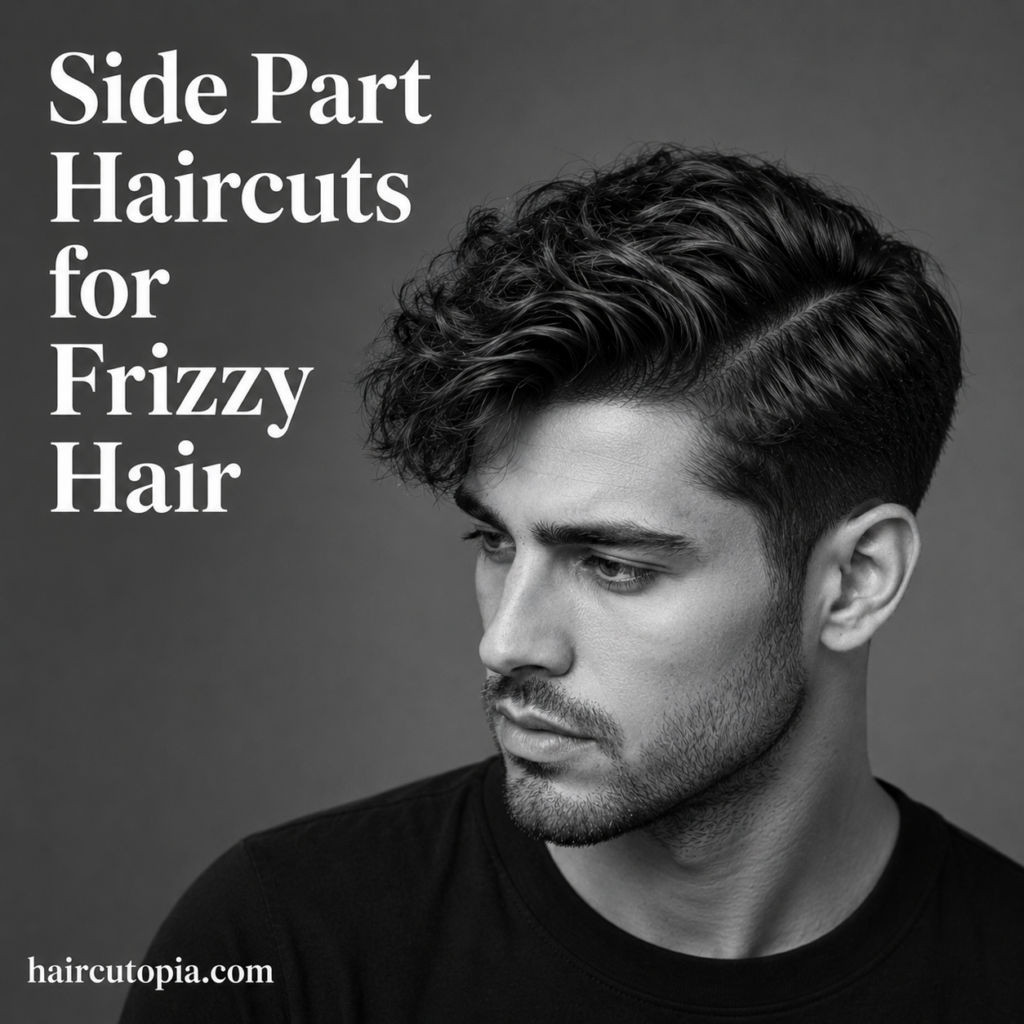
Frizzy hair often gets a bad reputation, but the truth is that frizz usually comes with volume, texture, and character that many people spend time trying to create. The challenge isn’t getting rid of frizz entirely—it’s finding a haircut that works with it instead of against it.
That’s where side part haircuts come in.
A well-executed side part can bring structure and control to frizzy hair while still allowing it to maintain its natural movement and fullness. Whether your hair is slightly unruly, naturally coarse, or prone to humidity-induced frizz, the right side part haircut can help you achieve a cleaner and more polished appearance.
In this guide, we’ll explore the best side part haircuts for frizzy hair, styling techniques, maintenance tips, and how to choose the right variation for your hair type and face shape.
Why Side Part Haircuts Work Well with Frizzy Hair
One of the biggest challenges with frizzy hair is a lack of visible structure. Hair may expand outward, appear uneven, or feel difficult to manage.
A side part helps solve many of those issues by creating direction and balance.
Benefits include:
- Creates a more organized appearance
- Helps control volume
- Reduces the look of uneven fullness
- Enhances natural texture
- Works with various hair lengths
- Looks professional and stylish
Instead of forcing frizzy hair into a perfectly smooth style, a side part embraces texture while providing shape.
Best Side Part Haircuts for Frizzy Hair
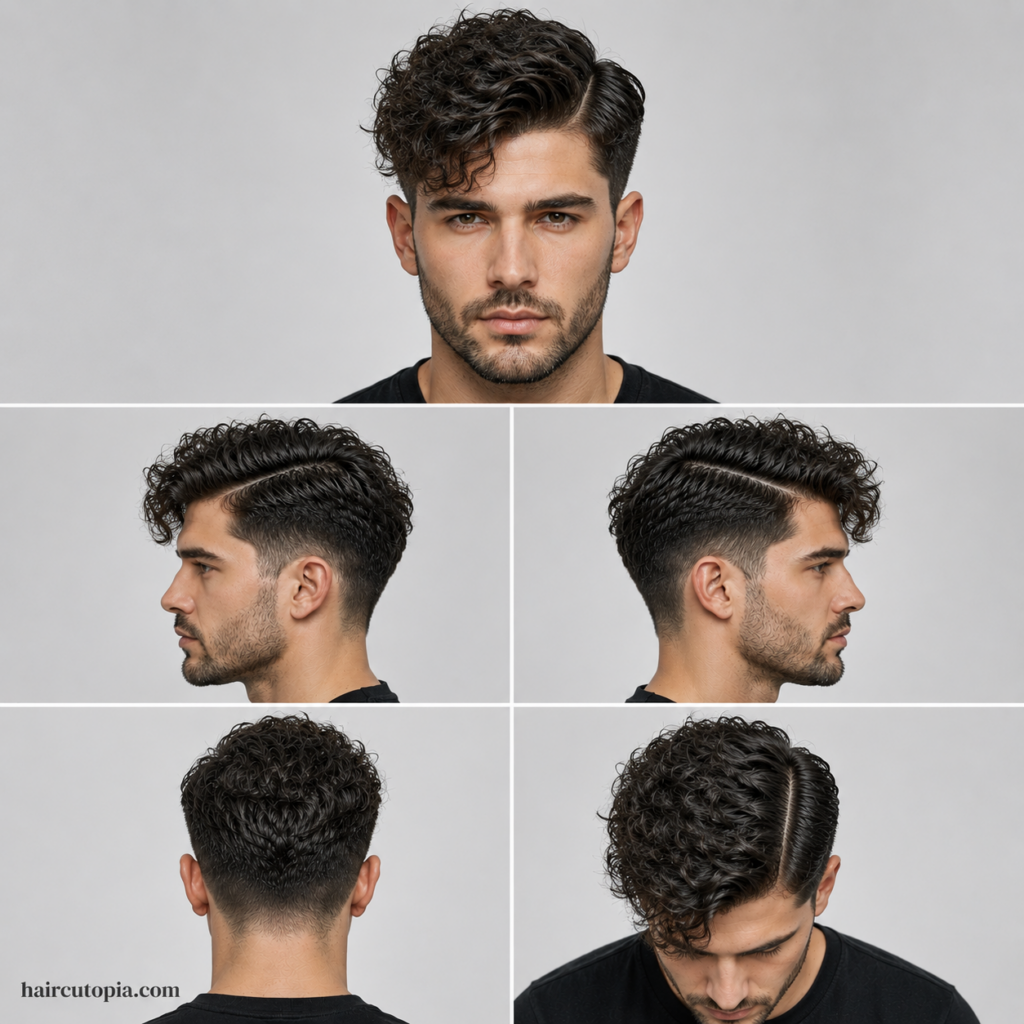
Classic Side Part
The classic side part remains one of the safest and most versatile choices.
Moderate length on top combined with neatly tapered sides creates enough structure to keep frizz from looking overwhelming.
Why it works:
- Timeless appearance
- Easy maintenance
- Suitable for most workplaces
- Works with various hair densities
Side Part with Low Fade
A low fade helps remove bulk around the ears and lower sides without making the haircut look too aggressive.
This allows the textured top to remain the focal point while maintaining overall balance.
Benefits include:
- Cleaner profile
- Improved shape
- Less side volume
- Modern appearance
Side Part with Mid Fade
For men with significant volume, a mid fade can create stronger contrast and reduce width.
This style helps direct attention upward instead of outward.
It’s especially effective for thicker hair that tends to expand throughout the day.
Taper Fade Side Part
A taper fade offers a more conservative and professional variation.
The gradual blending around the neckline and sideburns keeps the haircut looking neat while preserving natural fullness above.
Many men choose this option because it grows out gracefully and requires less maintenance than skin fades.
Textured Side Part
Textured styles work exceptionally well with frizzy hair because they intentionally embrace movement and separation.
Instead of trying to flatten the hair completely, the haircut encourages natural texture while maintaining shape.
This often produces a more modern and effortless appearance.
Side Part Undercut
The undercut creates a bold contrast between the longer top and significantly shorter sides.
For men with thick, frizzy hair, this can dramatically reduce bulk while highlighting texture where it looks best.
The side part provides the structure needed to keep the style looking intentional.
Long Side Part
Frizzy hair doesn’t always need to be cut short.
With proper layering and a well-positioned side part, longer hairstyles can look stylish and controlled.
This approach works especially well for men who prefer a relaxed, natural appearance.
Ivy League Side Part
The Ivy League combines shorter lengths with classic sophistication.
The reduced length minimizes excessive frizz while maintaining enough hair to create a defined side part.
It’s a popular choice for professionals who want something clean and easy to manage.
Side Part with Quiff
A quiff introduces additional height and style to the front of the haircut.
The natural volume that often accompanies frizzy hair can actually become an advantage here.
With the right product and cut, frizz can help create a fuller and more textured quiff.
Modern Textured Gentleman Cut
This style combines traditional barbering with modern texture.
Rather than aiming for perfectly smooth hair, the focus is on controlled movement and natural volume.
The result is polished without looking overly styled.
Understanding Frizzy Hair
Frizz isn’t actually a hair type.
It’s a condition that can affect straight, wavy, curly, or coily hair.
Common causes include:
- Humidity
- Dryness
- Heat damage
- Lack of moisture
- Overwashing
- Rough towel drying
- Environmental factors
Understanding what causes your frizz can help you choose better products and styling techniques.
Best Face Shapes for Side Part Haircuts
Oval Face Shape
Almost every side part variation works well with an oval face.
Recommended styles include:
- Classic side part
- Fade side part
- Textured side part
- Long side part
Round Face Shape
A side part can create visual length and improve facial balance.
Look for:
- Height on top
- Reduced side bulk
- Defined structure
Square Face Shape
Square faces pair naturally with structured hairstyles.
Great options include:
- Taper fade side part
- Ivy League side part
- Textured side part
Heart Face Shape
A side part helps balance a wider forehead and narrower chin.
Recommended choices include:
- Medium-length side part
- Textured side part
- Low fade side part
How to Ask Your Barber for a Side Part Haircut
The key is explaining how your hair behaves naturally.
Tell your barber:
- Where your hair tends to become frizzy
- How much length you want on top
- Whether you prefer texture or a cleaner finish
- Your preferred fade level
- How much styling you’re willing to do
An experienced barber can adjust the haircut to account for your specific hair characteristics.
How to Style a Side Part with Frizzy Hair
The goal isn’t eliminating every bit of frizz.
The goal is creating controlled texture.
Step 1: Start with Damp Hair
Hair is usually easier to manage when slightly damp.
Step 2: Apply a Moisturizing Product
Good options include:
- Styling cream
- Leave-in conditioner
- Smoothing cream
- Lightweight pomade
Avoid products that contain excessive alcohol, as they can increase dryness.
Step 3: Create the Part
Use a comb or your fingers to establish the side part.
Following your natural growth pattern typically works best.
Step 4: Shape the Hair
Direct the hair into place while allowing some natural texture to remain.
Avoid trying to force every strand into perfect alignment.
Step 5: Finish Lightly
A small amount of anti-frizz serum or finishing cream can help maintain control without creating stiffness.
Common Mistakes to Avoid
Overusing Heavy Products
Too much product can weigh hair down and create buildup.
Start with a small amount and add more only if necessary.
Overwashing
Washing too frequently can strip natural oils and increase dryness.
Many men find that shampooing less often improves frizz control.
Ignoring Moisture
Dry hair is more likely to become frizzy.
Regular conditioning is essential.
Fighting Natural Texture
Trying to make naturally textured hair perfectly smooth often leads to frustration.
A side part works best when it complements the hair’s natural behavior.
Maintenance Tips
To keep your haircut looking its best:
- Use a moisturizing shampoo
- Condition regularly
- Avoid excessive heat styling
- Schedule trims every 4–6 weeks
- Use anti-frizz products when needed
- Dry hair gently with a microfiber towel
Small changes in your routine can significantly improve manageability.
Are Side Part Haircuts Good for Frizzy Hair?
Absolutely.
In fact, side part haircuts are often one of the best choices for men with frizzy hair because they provide structure without requiring perfectly smooth strands.
The side part creates a sense of order while allowing natural texture to remain visible.
Rather than hiding your hair’s character, it helps showcase it in a more controlled and flattering way.
Final Thoughts
Side part haircuts for frizzy hair offer an excellent balance between control and natural texture. The side part creates shape and direction, while the hair’s natural volume adds personality and fullness.
Whether you choose a classic side part, a fade, an undercut, or a textured variation, embracing your hair’s natural characteristics will typically produce better results than constantly fighting them.
With the right haircut, quality moisturizing products, and a simple maintenance routine, frizzy hair can become one of your greatest styling advantages rather than a daily frustration.
Related Posts
 Haircuts for Frizzy Hair: The Complete Guide to Cuts for Every Length and Texture
 Haircuts for Women with Frizzy Hair: 15 Flattering Styles for Natural Texture
 Haircuts for Men with Frizzy Hair: 15 Styles That Work With Your Texture
 Long Haircuts for Frizzy Hair: Flattering Styles That Work With Natural Texture