The Ivy League haircut is one of the few men’s haircuts that has never truly gone out of fashion. Clean, refined, and incredibly versatile, it bridges the gap between a short crew cut and a traditional side-part hairstyle. Whether you’re heading into a business meeting, attending a formal event, or simply looking for an everyday haircut that always looks polished, the Ivy League is an excellent choice.
Originally associated with prestigious American universities, the Ivy League haircut has evolved into a modern classic worn by professionals, students, celebrities, and men of every age. Its balanced proportions and timeless appearance make it one of the safest—and smartest—haircut choices available.
In this complete guide, you’ll learn everything about Ivy League haircuts, including popular variations, styling options, face shape recommendations, maintenance tips, and how to ask your barber for the perfect cut.
What Is an Ivy League Haircut?
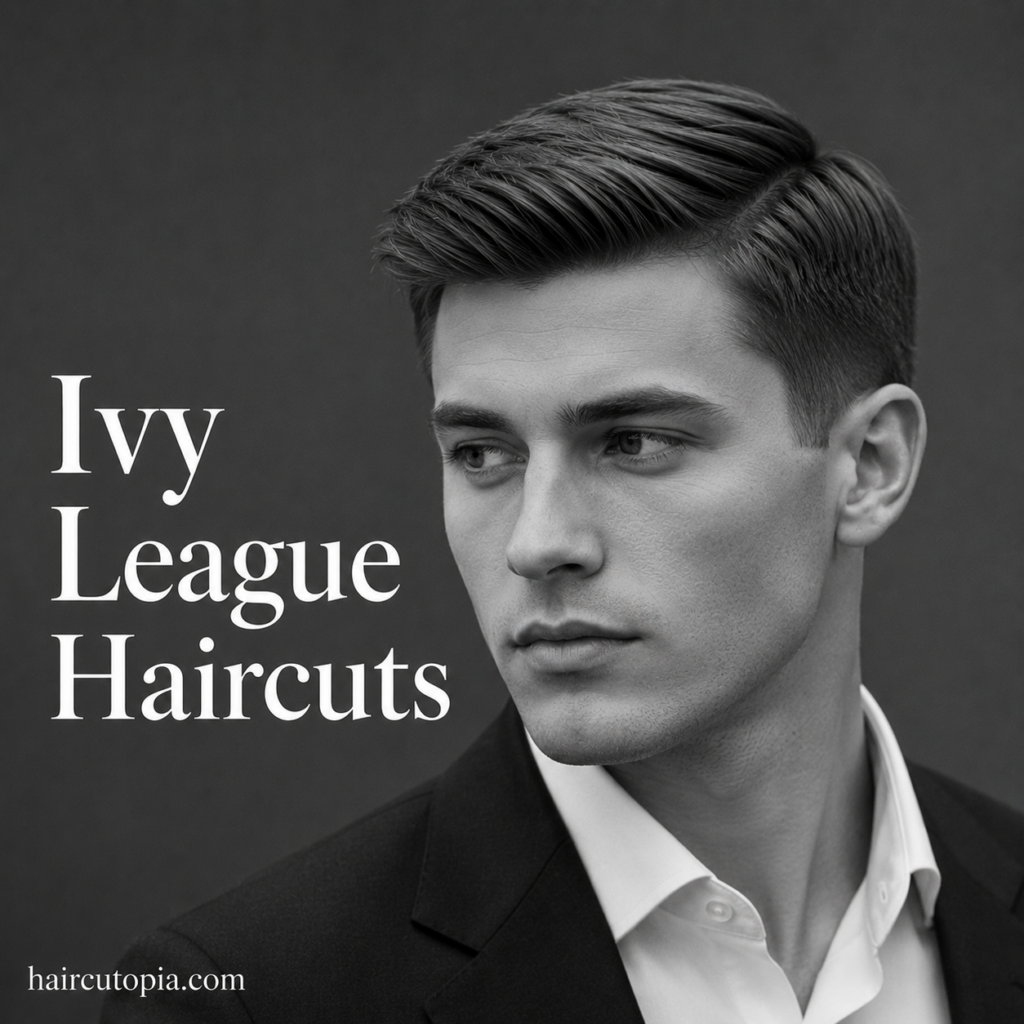
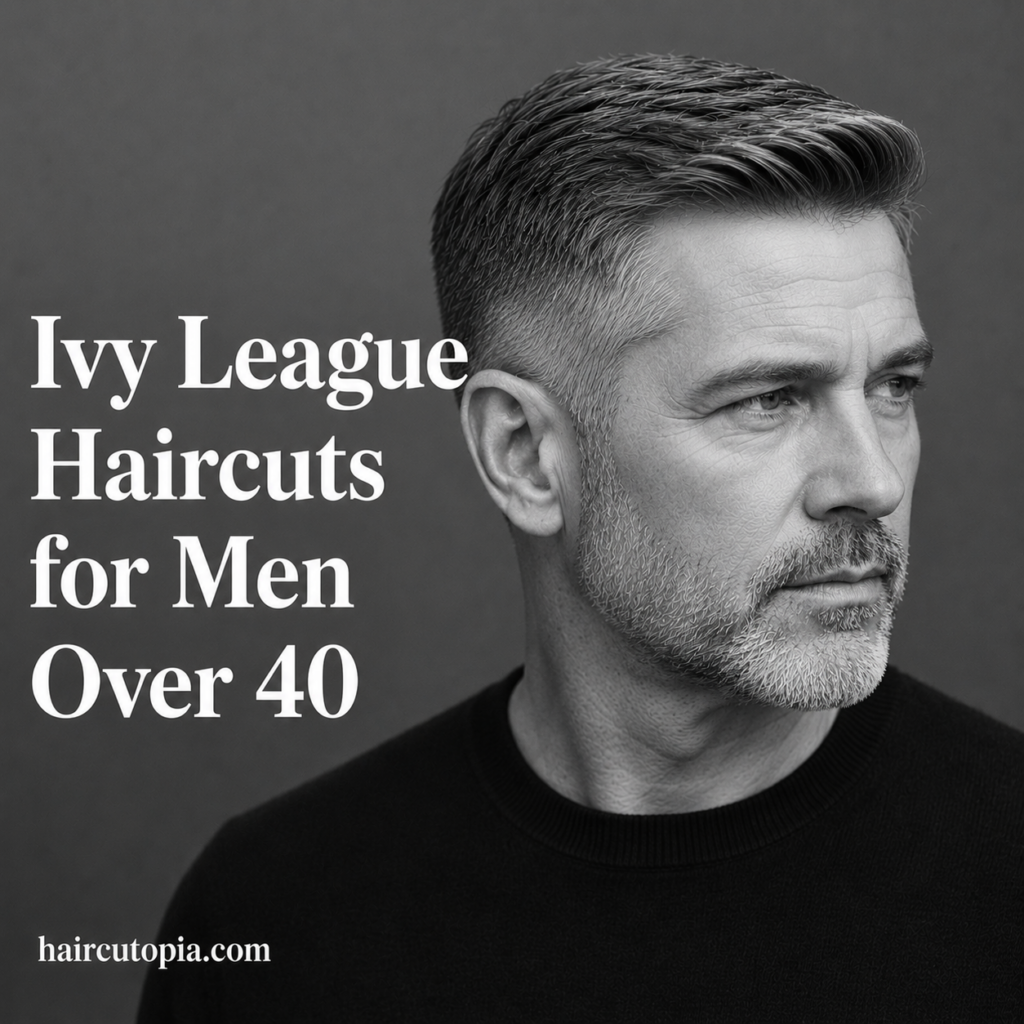
An Ivy League haircut is a short men’s hairstyle with tapered or faded sides and enough length on top to create a clean side part or neatly brushed finish. It’s often described as a longer version of the crew cut because it retains the same clean appearance while offering greater styling flexibility.
Unlike hairstyles that rely on dramatic volume or texture, the Ivy League focuses on neat proportions and understated elegance.
Key characteristics include:
- Short, tapered sides
- Longer hair on top
- Side-part styling
- Clean neckline
- Professional appearance
The result is a haircut that feels timeless rather than trendy.
Why Ivy League Haircuts Are So Popular
Few hairstyles are as versatile as the Ivy League.
Some of its biggest advantages include:
- Professional appearance
- Easy daily styling
- Suitable for nearly every age
- Works with most hair types
- Timeless appeal
- Easy to maintain
- Appropriate for casual and formal settings
Whether you’re wearing jeans or a suit, an Ivy League haircut fits effortlessly.
The History of the Ivy League Haircut
The Ivy League haircut earned its name because it became popular among students attending elite universities in the northeastern United States during the mid-20th century.
Its polished appearance reflected a balance of professionalism and youthful style. Over time, it became a staple in barbershops around the world and remains one of the most requested classic men’s hairstyles today.
Ivy League vs. Crew Cut
These hairstyles share similarities but have distinct differences.
Ivy League
- Longer top
- Side part possible
- More styling flexibility
- Classic appearance
Crew Cut
- Shorter top
- Minimal styling
- More athletic appearance
- Less length overall
If you enjoy styling your hair but still want a short haircut, the Ivy League offers the best of both worlds.
Popular Types of Ivy League Haircuts
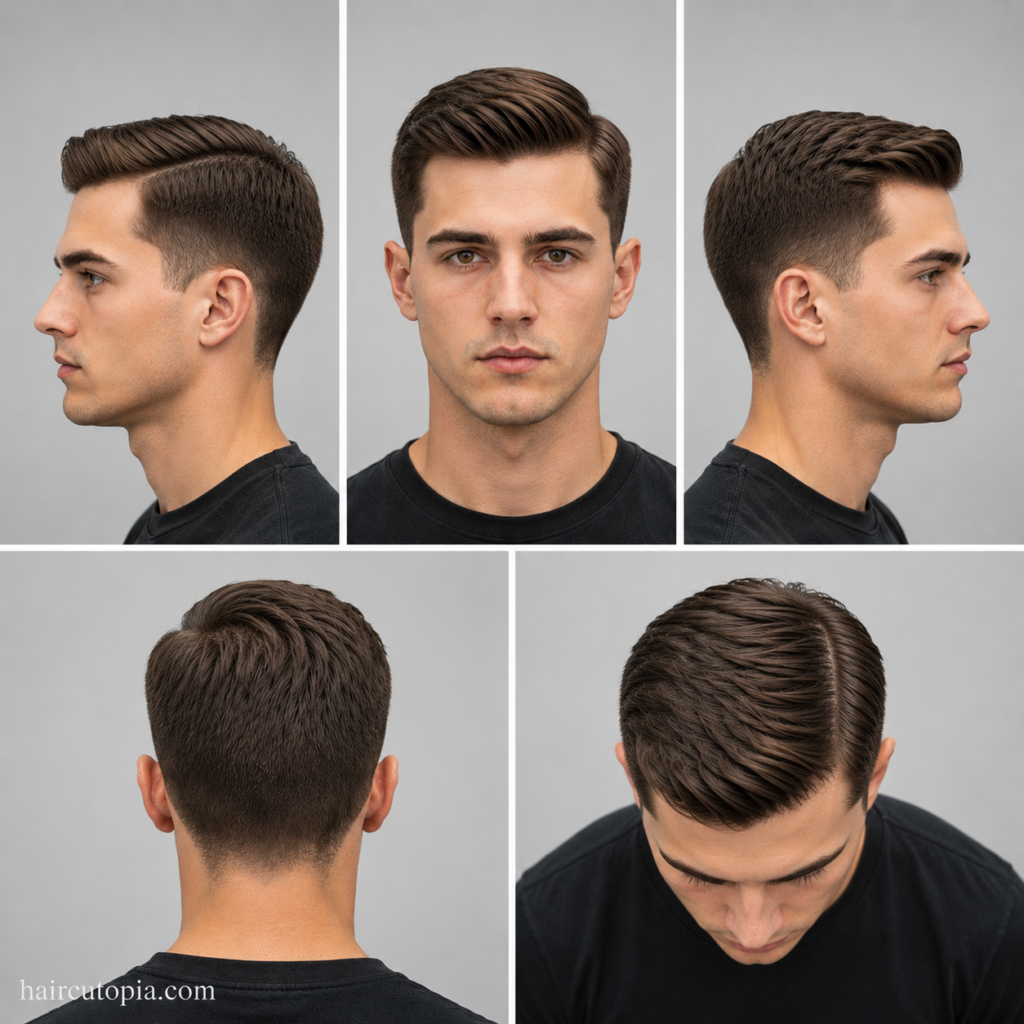
Modern barbers offer several variations of the Ivy League.
Classic Ivy League
The traditional version features tapered sides with neatly combed hair on top.
Benefits include:
- Timeless style
- Professional appearance
- Easy maintenance
- Elegant finish
It’s one of the safest haircut choices for nearly every occasion.
Ivy League with Fade
Pairing the Ivy League with one of several modern fade haircuts updates the sides while preserving the haircut’s classic proportions.
Popular fade options include:
The fade adds contrast without making the haircut appear overly trendy.
Ivy League with Taper
A taper fade creates a softer, more traditional transition than a full fade while preserving the Ivy League’s polished appearance.
Advantages include:
- Conservative appearance
- Natural blending
- Office-friendly styling
Textured Ivy League
Modern layering creates additional movement and volume.
Benefits include:
- Fuller appearance
- Relaxed finish
- Natural texture
Ideal for thick or wavy hair.
Long Ivy League
Keeping more length on top allows for greater styling versatility.
Popular options include:
- Side part
- Brush back
- Loose comb over
Short Ivy League
This variation closely resembles a crew cut while maintaining enough length for a subtle side part.
Perfect for men who want minimal maintenance.
Modern Ivy League Hairstyles
Today’s Ivy League haircut pairs beautifully with modern barbering techniques.
Ivy League with Low Fade
One of the most versatile combinations.
It creates:
- Professional appearance
- Clean profile
- Balanced proportions
Ivy League with Skin Fade
A skin fade gives the traditional haircut a contemporary edge.
Ivy League with Hard Part
Adding a shaved part creates extra definition and structure.
Ivy League with Beard
A neatly groomed beard complements the haircut particularly well.
Popular beard pairings include:
- Stubble
- Short beard
- Boxed beard
- Full beard
Ivy League with Texture
Using matte products creates a more relaxed, casual appearance without losing the haircut’s polished feel.
Ivy League Haircuts by Hair Type
Straight Hair
Straight hair naturally suits the Ivy League.
Recommended styles include:
- Classic Ivy League
- Side part
- Tapered Ivy League
Thick Hair
The haircut removes bulk while preserving enough length for styling.
Popular choices:
- Textured Ivy League
- Fade Ivy League
- Long Ivy League
Fine Hair
Keeping moderate length on top can help fine hair appear fuller.
Layering also adds movement.
Wavy Hair
Natural waves create effortless texture.
The Ivy League allows waves to enhance the overall appearance without becoming difficult to manage.
Curly Hair
Curly Ivy League haircuts have become increasingly popular.
Benefits include:
- Controlled curls
- Clean sides
- Easy maintenance
Coily Hair
A carefully shaped Ivy League can work well with tightly textured hair, especially when paired with a taper fade.
Choosing an Ivy League by Face Shape
Oval Face
Nearly every Ivy League variation works well.
Round Face
Adding slight height on top helps create a longer appearance.
Recommended:
- Textured Ivy League
- Ivy League with fade
Square Face
Strong jawlines pair naturally with:
- Classic Ivy League
- Tapered Ivy League
- Side-part Ivy League
Heart Face
Balanced styling helps soften wider foreheads.
Try:
- Textured top
- Moderate side part
Diamond Face
The extra fullness on top helps balance prominent cheekbones.
Long Face
Avoid excessive height.
A classic Ivy League with moderate length works best.
Styling an Ivy League Haircut
Although easy to maintain, styling enhances the finished appearance.
Recommended products include:
Matte Clay
Perfect for:
- Texture
- Natural finish
- Medium hold
Hair Paste
Provides:
- Flexible styling
- Soft definition
Pomade
Ideal for:
- Classic side parts
- Polished shine
- Formal styling
Hair Cream
Excellent for:
- Wavy hair
- Curly hair
- Frizz control
Choose the product that best matches your desired finish, whether matte or polished.
Ivy League Haircuts with Beards
An Ivy League haircut pairs exceptionally well with facial hair.
Popular combinations include:
- Ivy League with stubble
- Ivy League with short beard
- Ivy League with boxed beard
- Ivy League with full beard
Maintaining clean beard lines helps preserve the haircut’s refined appearance.
How Often Should You Get an Ivy League Haircut?
Regular trims keep the haircut looking sharp.
General schedule:
- Every 3 weeks for faded versions
- Every 4 weeks for classic Ivy League styles
- Every 5 weeks for longer variations
Consistent maintenance keeps the side part and overall shape well-defined.
How to Ask Your Barber for an Ivy League
Tell your barber:
- Desired top length
- Fade or taper preference
- Side part placement
- Texture
- Neckline style
- Beard blending if applicable
Bringing reference photos is one of the easiest ways to communicate your expectations.
Common Ivy League Mistakes
Avoid these common issues:
- Letting the sides become too long
- Using too much styling product
- Ignoring regular trims
- Choosing excessive height
- Neglecting beard grooming
The Ivy League works best when its proportions remain balanced and neat.
Frequently Asked Questions
What is an Ivy League haircut?
An Ivy League haircut is a short hairstyle with tapered sides and enough length on top to be neatly parted or brushed to the side.
Is an Ivy League haircut professional?
Yes. It’s widely considered one of the most professional men’s hairstyles because of its clean and polished appearance.
What’s the difference between an Ivy League and a crew cut?
An Ivy League leaves more hair on top for styling, while a crew cut is shorter and offers less flexibility.
Are Ivy League haircuts still in style?
Absolutely. The Ivy League remains one of the most timeless men’s haircuts thanks to its versatility and classic appearance.
How often should you trim an Ivy League haircut?
Most Ivy League haircuts benefit from trimming every three to four weeks to maintain their clean shape.
Final Thoughts
The Ivy League haircut has earned its reputation as one of the most timeless men’s hairstyles ever created. Its clean lines, versatile styling options, and polished appearance make it equally suitable for professional environments, formal occasions, and everyday life.
Whether you choose a classic tapered version, a modern fade, or a textured interpretation, the Ivy League offers a refined look that rarely goes out of style. With regular trims, quality styling products, and an experienced barber, it’s a haircut that delivers confidence, sophistication, and effortless versatility.

Related Posts
 Textured Crop Haircuts for Men Over 40: 25 Modern and Sophisticated Styles
 Ivy League Haircuts for Business Professionals: Timeless Style for the Modern Workplace
 Ivy League Haircuts for Men Over 50: Timeless Style with Confidence and Class
 Ivy League Haircuts for Men Over 40: Timeless Style That Never Ages