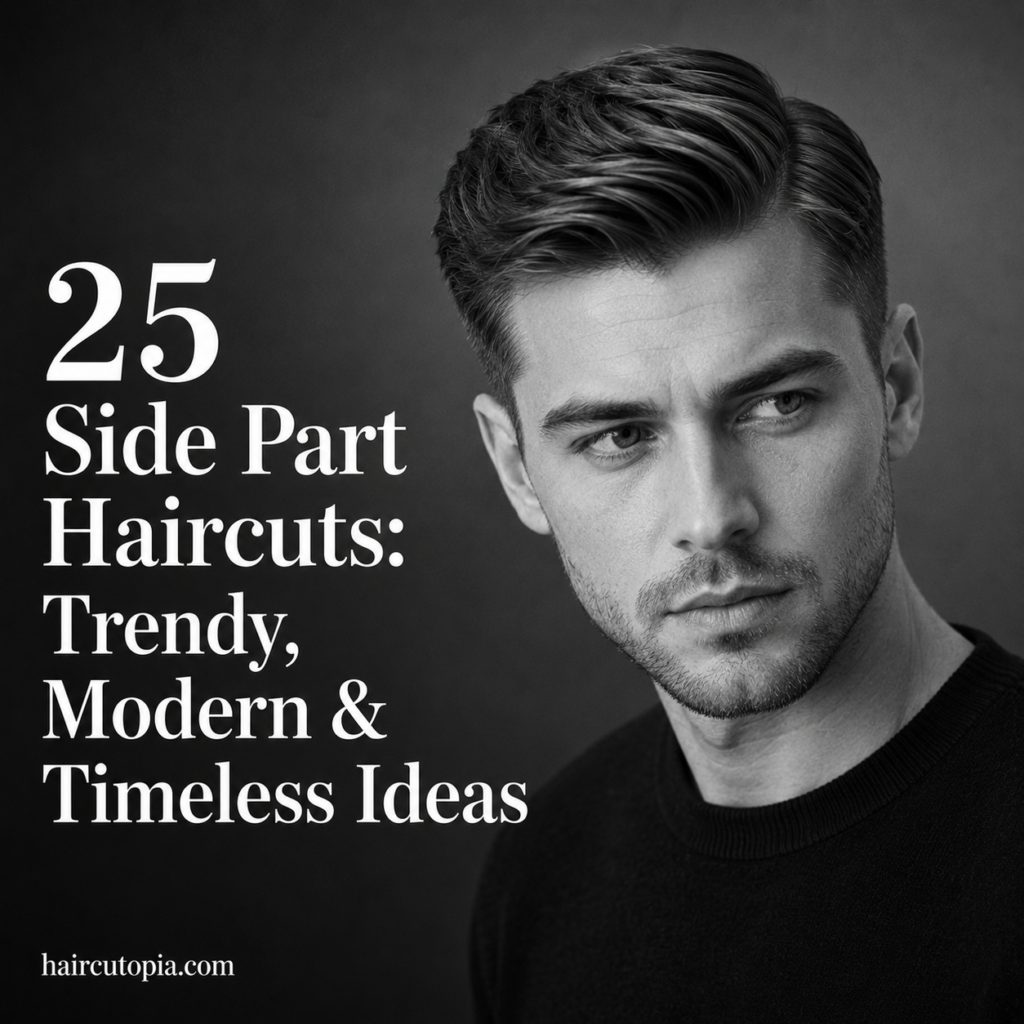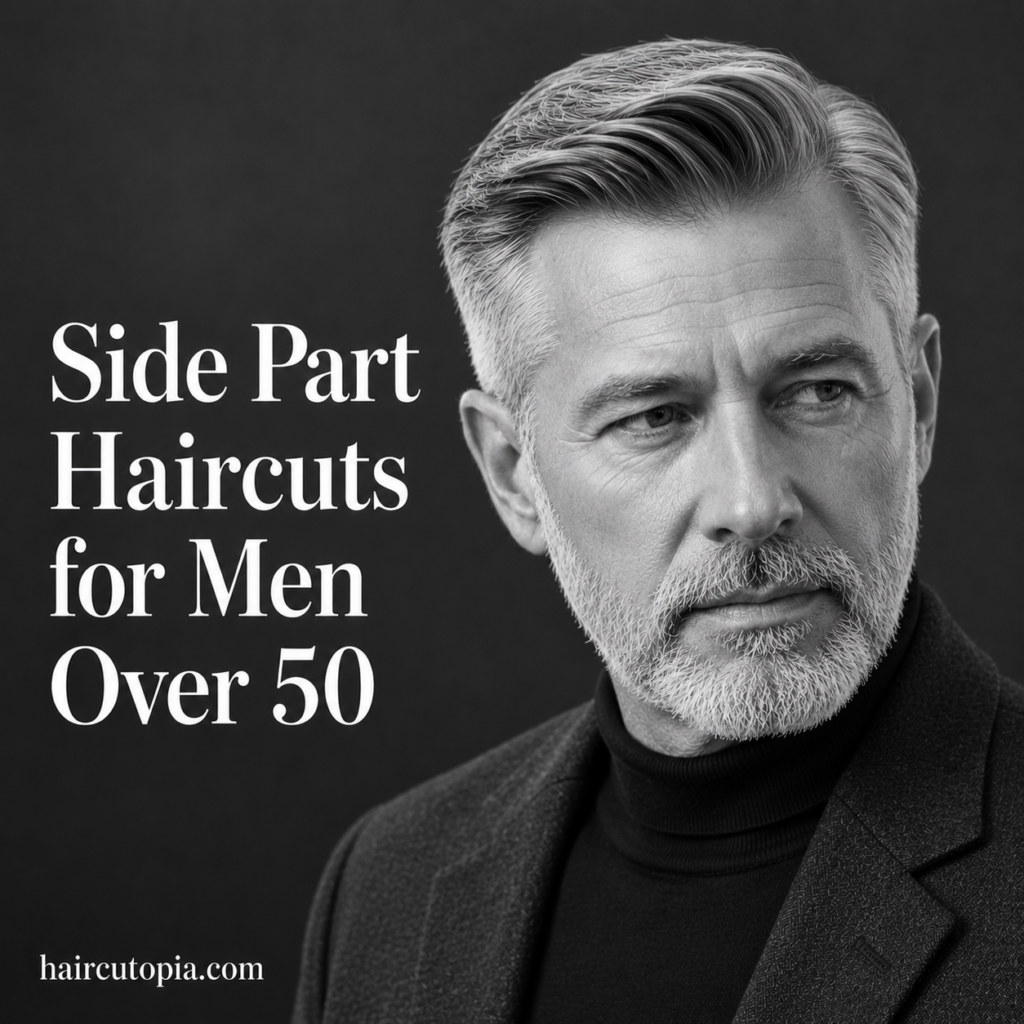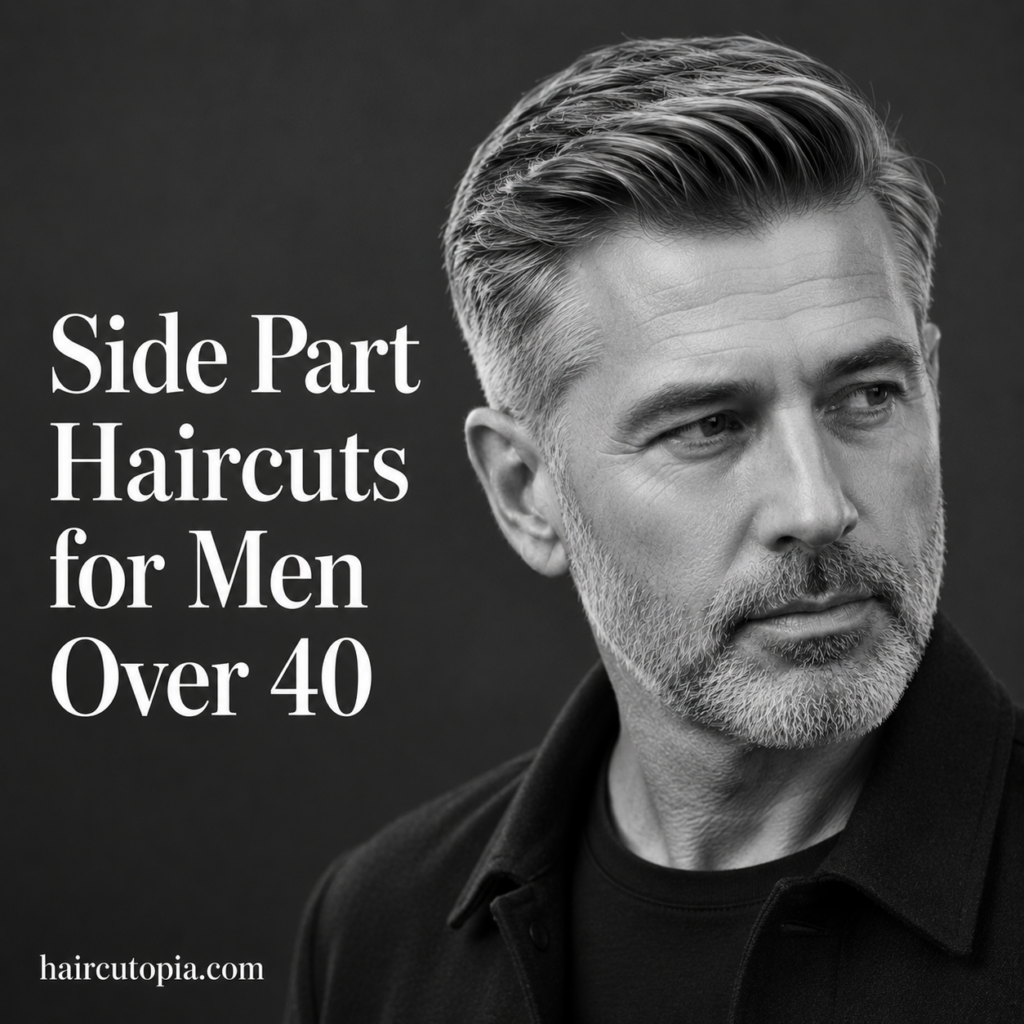
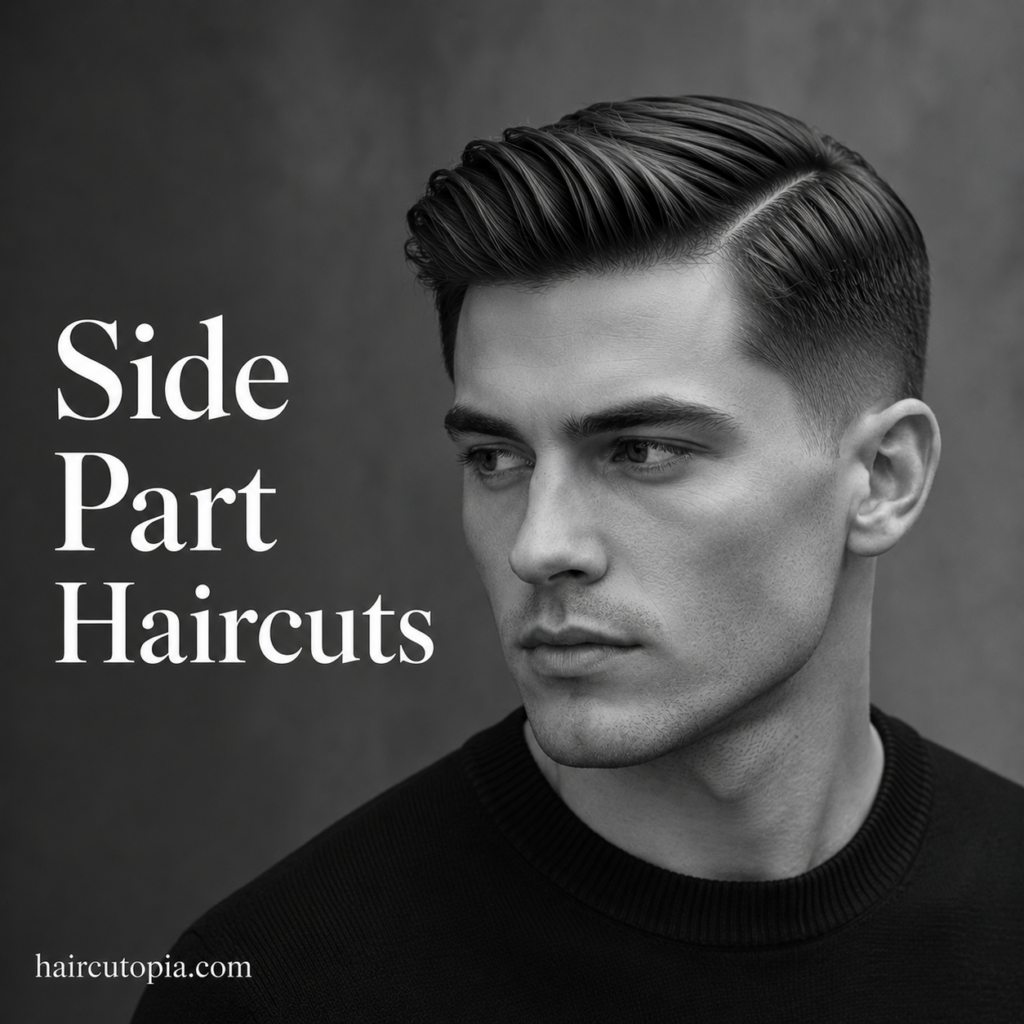
The side part haircut is one of the most iconic men’s haircuts ever created. It has remained popular for more than a century because it’s clean, adaptable, and suitable for nearly every occasion. From business professionals and students to celebrities and athletes, men continue to choose the side part because it strikes the perfect balance between classic sophistication and modern style.
While the traditional side part has its roots in vintage barbering, today’s versions are anything but old-fashioned. Modern fade haircuts, textured finishes, tapered sides, and natural styling have transformed this timeless haircut into one of the most versatile options available.
Whether you prefer a polished office-ready look or something more relaxed and contemporary, this guide will walk you through everything you need to know about side part haircuts, including the most popular variations, styling techniques, maintenance tips, and how to choose the right version for your hair type and face shape.
What Is a Side Part Haircut?
A side part haircut features hair that is naturally or intentionally parted to one side, with the longer section combed across the head. The sides are typically cut shorter using a taper or fade, while the top retains enough length for styling.
The result is a haircut that looks balanced, structured, and effortlessly refined.
Key characteristics include:
- A defined side part
- Longer hair on top
- Tapered or faded sides
- Clean neckline
- Flexible styling options
The part itself can be soft and natural or sharply defined with a hard part, depending on your personal preference.
Why Side Part Haircuts Never Go Out of Style
Very few hairstyles have remained consistently popular across generations.
The side part continues to stand the test of time because it offers:
- A professional appearance
- Easy daily styling
- Versatility for every occasion
- Compatibility with most hair types
- Timeless appeal
- Excellent grow-out
- Countless modern variations
Whether you’re attending a wedding, interviewing for a new job, or spending the weekend with friends, the side part always looks appropriate.
The History of the Side Part Haircut
The side part became a defining hairstyle during the early 20th century when clean grooming and polished appearances became increasingly fashionable.
Throughout the decades, it has been worn by actors, politicians, athletes, and business leaders. While modern trends have introduced fades, texture, and matte finishes, the basic concept of the side part has remained remarkably consistent.
Today, it continues to be one of the most requested hairstyles in barbershops around the world.
Side Part vs. Comb Over
A comb over haircut typically sweeps more of the hair across the head and can incorporate additional volume and texture, while a side part places greater emphasis on the defined part line.
Side Part
- Natural or defined part line
- Balanced proportions
- Classic appearance
- Moderate styling
Comb Over
- Hair swept further across the head
- More volume
- Often styled with additional lift
- Greater emphasis on texture
A side part typically appears more conservative, while a comb over often feels more modern and dynamic.
Popular Types of Side Part Haircuts
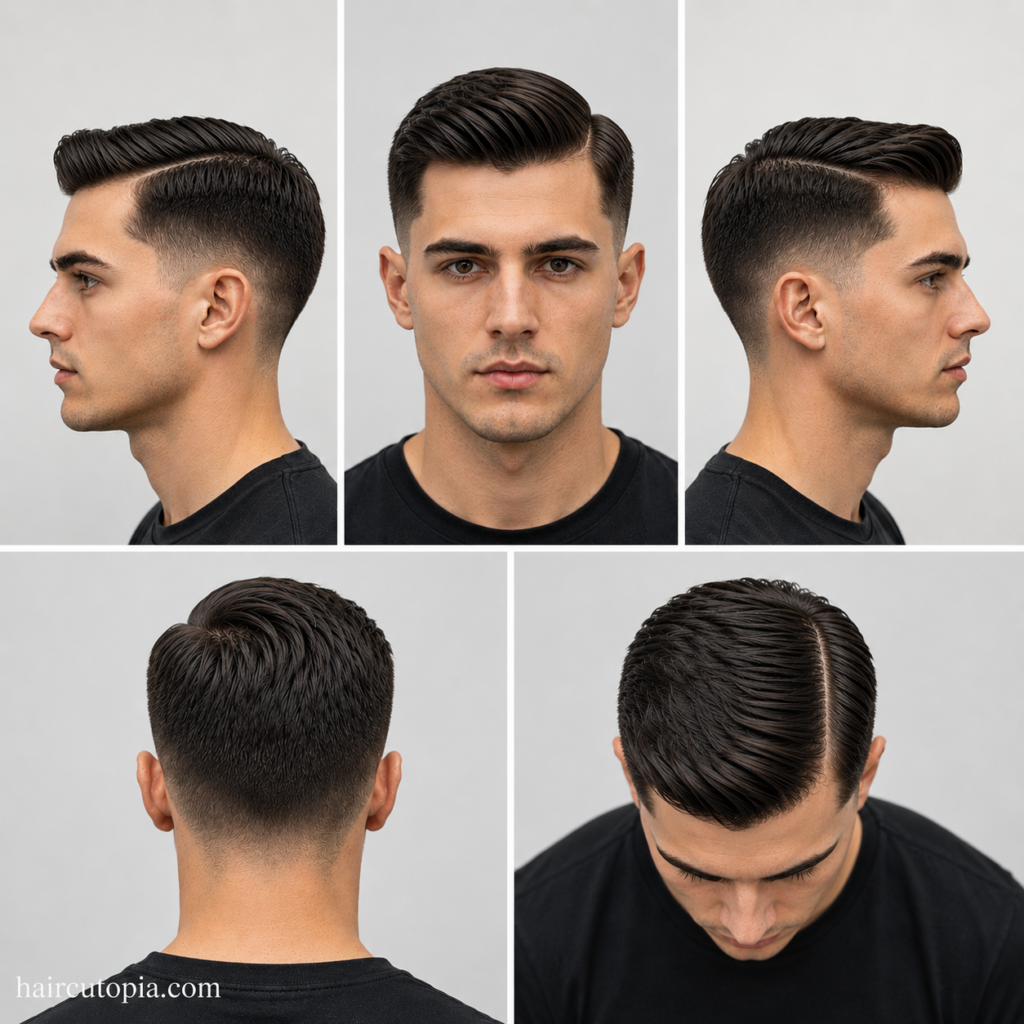
Today’s barbers offer numerous interpretations of the classic side part.
Classic Side Part
The traditional version features tapered sides with neatly combed hair on top.
Benefits include:
- Timeless style
- Professional appearance
- Easy maintenance
- Works for every age
It’s one of the safest haircut choices available. Men who prefer a shorter version with the same polished, side-parted appearance may also want to consider an Ivy League haircut, which combines short sides with enough length on top for neat styling.
Side Part with Low Fade
A low fade modernizes the haircut while maintaining a conservative appearance.
Advantages include:
- Clean finish
- Soft transition
- Office-friendly style
Side Part with Mid Fade
The mid fade creates additional contrast without becoming overly dramatic.
Ideal for men who want:
- Modern styling
- Balanced proportions
- Sharp appearance
Side Part with High Fade
A high fade creates a bold contrast between the top and sides.
This variation is popular among younger men who want a contemporary look.
Side Part with Skin Fade
A skin fade provides the cleanest finish possible.
Benefits include:
- Crisp edges
- Modern appearance
- Maximum contrast
Side Part with Taper
A taper fade creates a softer, more natural transition than a full fade, making it especially well suited to classic and professional side part styles.
Perfect for:
- Business professionals
- Mature men
- Conservative workplaces
Hard Part Haircut
A hard part uses a shaved line to permanently define the part.
This style creates:
- Sharp structure
- Bold contrast
- Easy daily styling
Modern Side Part Hairstyles
The side part works well with many of today’s most popular hairstyles.
Textured Side Part
Adding texture creates a relaxed, modern appearance.
Benefits include:
- Natural movement
- Matte finish
- Greater volume
Side Part Pompadour
Combining a side part with a pompadour creates extra height while maintaining classic proportions.
Side Part Quiff
A quiff introduces volume and movement while preserving the defined part.
Slick Side Part
Using pomade creates a polished finish that’s perfect for formal occasions.
Messy Side Part
A looser side part styled with matte clay produces a casual everyday look.
Side Part with Beard
The haircut pairs beautifully with facial hair.
Popular combinations include:
- Stubble
- Short beard
- Boxed beard
- Full beard
Choosing a Side Part by Hair Type
Straight Hair
Straight hair naturally highlights the clean lines of a side part.
Recommended styles include:
- Classic side part
- Hard part
- Tapered side part
Thick Hair
The side part helps control volume while showcasing natural density.
Excellent options include:
- Textured side part
- Side part fade
- Side part quiff
Fine Hair
Keeping moderate length on top helps fine hair appear fuller.
Lightweight styling products work best.
Wavy Hair
Natural waves add movement and texture.
A side part allows those waves to become a feature rather than something to hide.
Curly Hair
Curly side parts have become increasingly popular.
Benefits include:
- Defined curls
- Controlled volume
- Modern appearance
Coily Hair
A side part combined with a taper or fade creates a polished look while preserving natural texture.
Choosing a Side Part by Face Shape
Oval Face
Nearly every side part variation works well.
Round Face
Adding height and pairing the haircut with a fade creates a longer appearance.
Recommended:
- Side part with mid fade
- Side part quiff
Square Face
Strong jawlines naturally complement the clean structure of a side part.
Ideal styles include:
- Classic side part
- Hard part
- Side part taper
Heart Face
Moderate volume balances wider foreheads.
Textured styling often works particularly well.
Diamond Face
A side part softens prominent cheekbones while maintaining structure.
Long Face
Avoid excessive height.
A classic side part with moderate volume creates better balance.
Styling a Side Part Haircut
The side part offers flexibility depending on your desired finish.
Matte Clay
Best for:
- Texture
- Natural finish
- Everyday styling
Hair Paste
Provides:
- Medium hold
- Flexible movement
Pomade
Perfect for:
- Classic side parts
- Formal styling
- Glossy finish
Hair Cream
Excellent for:
- Wavy hair
- Curly hair
- Frizz control
A blow dryer can also help create additional volume if desired.
Side Part Haircuts with Beards
Facial hair complements the structured appearance of the side part.
Popular combinations include:
- Side part with stubble
- Side part with short beard
- Side part with boxed beard
- Side part with full beard
- Side part with goatee
Keeping beard lines clean helps preserve the polished overall appearance.
How Often Should You Get a Side Part Haircut?
Maintenance depends on the length and fade.
General guidelines include:
- Every 2–3 weeks for skin fades
- Every 3–4 weeks for faded side parts
- Every 4–5 weeks for classic tapered versions
Regular trims keep the part looking crisp and the sides neat.
How to Ask Your Barber for a Side Part
When discussing your haircut, explain:
- Desired top length
- Fade or taper preference
- Natural or hard part
- Neckline style
- Texture
- Beard blending
Bringing a reference photo is one of the easiest ways to communicate exactly what you want.
Common Side Part Mistakes
Avoid these common issues:
- Creating the part on the wrong side
- Using too much product
- Choosing excessive shine for casual styles
- Skipping regular trims
- Ignoring your natural hair growth pattern
Working with your natural part often produces the most flattering results.
Frequently Asked Questions
What is a side part haircut?
A side part haircut features a defined or natural part with longer hair on top styled to one side and shorter sides that are usually tapered or faded.
Is a side part haircut still in style?
Yes. The side part remains one of the most timeless and versatile men’s hairstyles, with modern versions featuring fades, texture, and natural finishes.
What’s the difference between a side part and a comb over?
A side part emphasizes a defined part line and balanced styling, while a comb over generally sweeps more hair across the head and often includes greater volume.
Does a side part work with curly hair?
Absolutely. Curly hair creates additional texture and movement, making modern side part styles look natural and distinctive.
How often should you trim a side part?
Most side part haircuts benefit from trims every three to four weeks, while faded versions may require maintenance every two to three weeks.
Final Thoughts
Side part haircuts have remained popular for generations because they offer the perfect combination of style, versatility, and sophistication. Whether you prefer a classic tapered cut, a modern fade, a textured finish, or a sharp hard part, there’s a side part that suits almost every hair type, face shape, and lifestyle.
With regular trims, quality styling products, and the right barber, a side part haircut can deliver a polished appearance that’s equally at home in the office, at formal events, or during everyday life. It’s a timeless investment in your personal style that continues to evolve without ever going out of fashion.