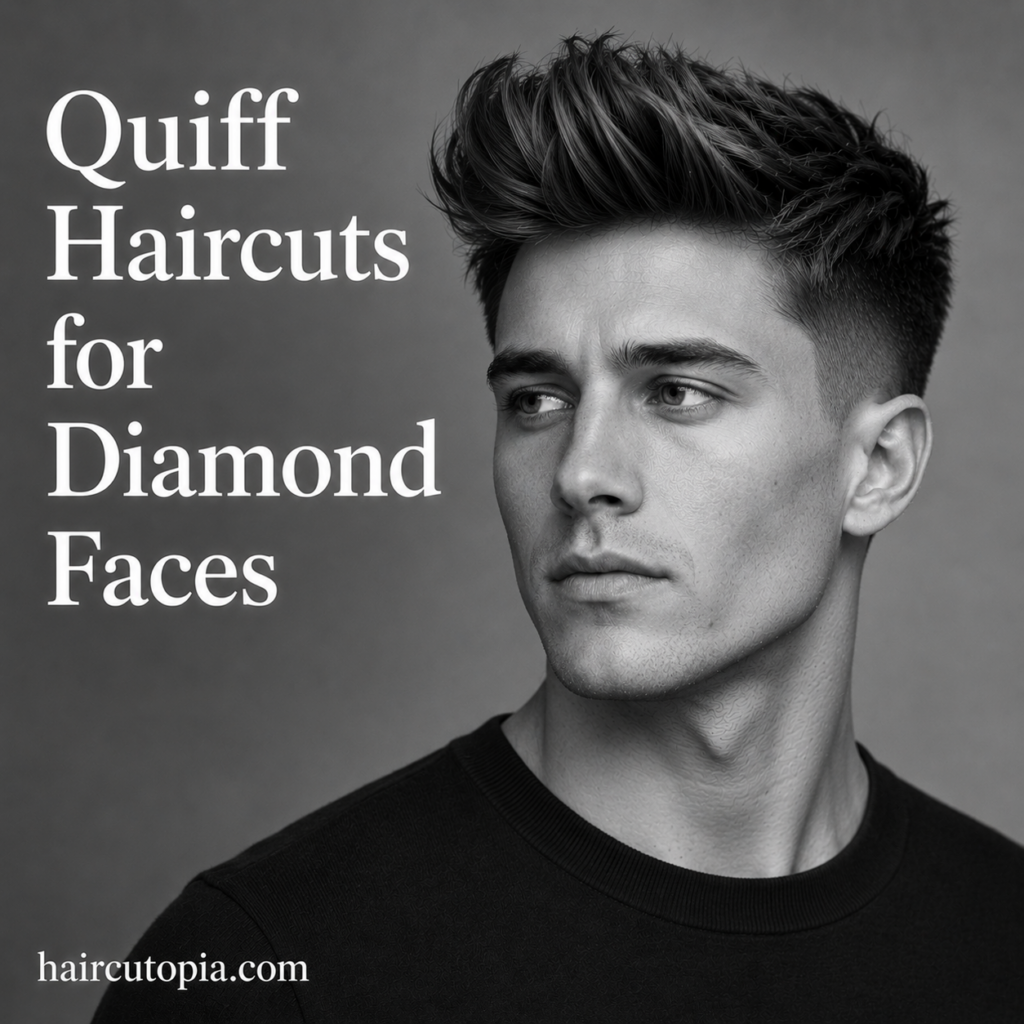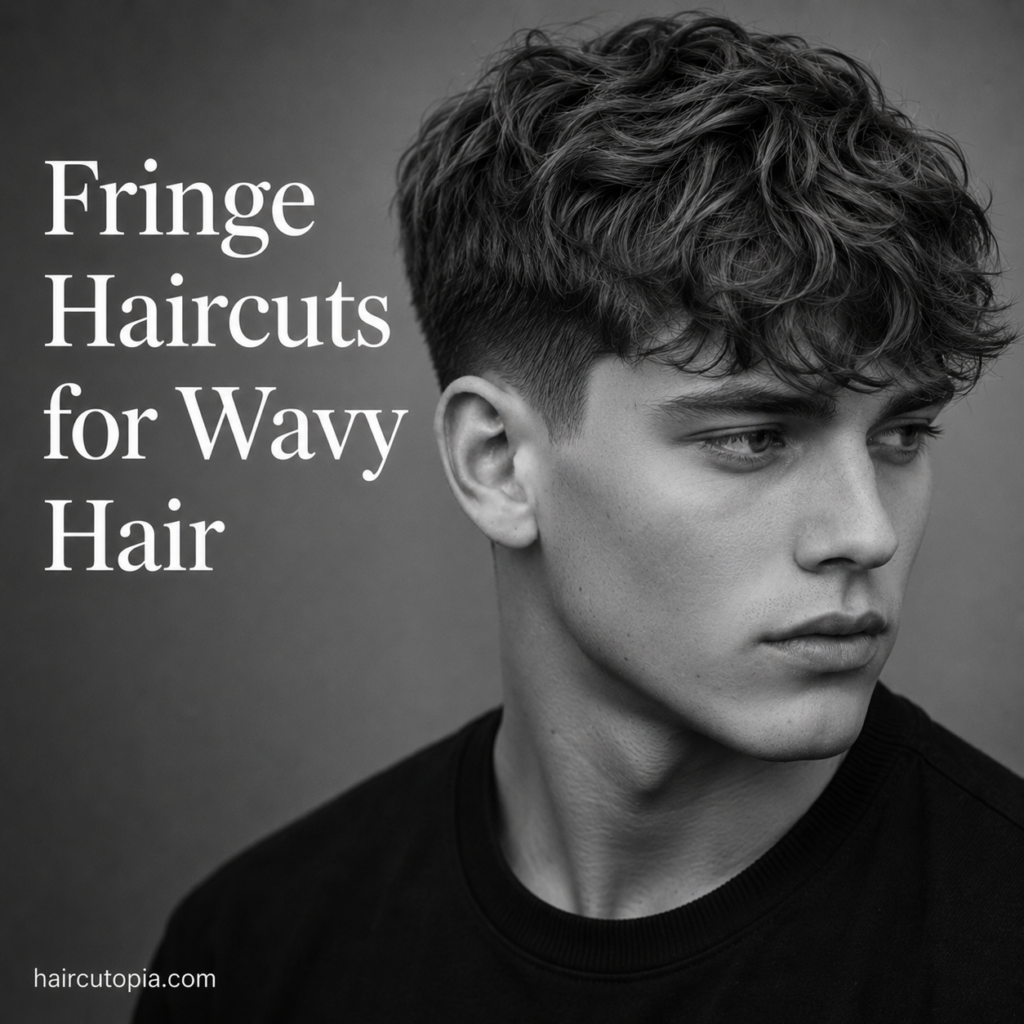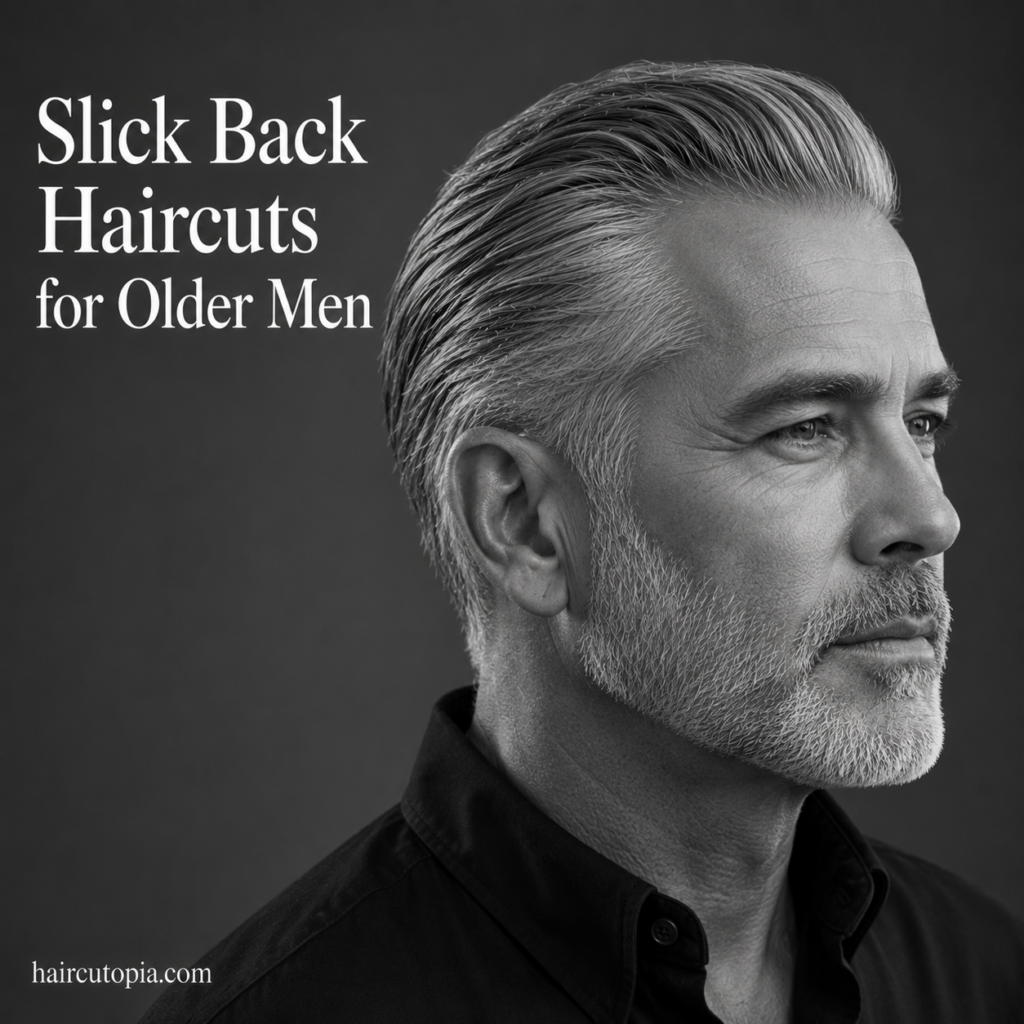
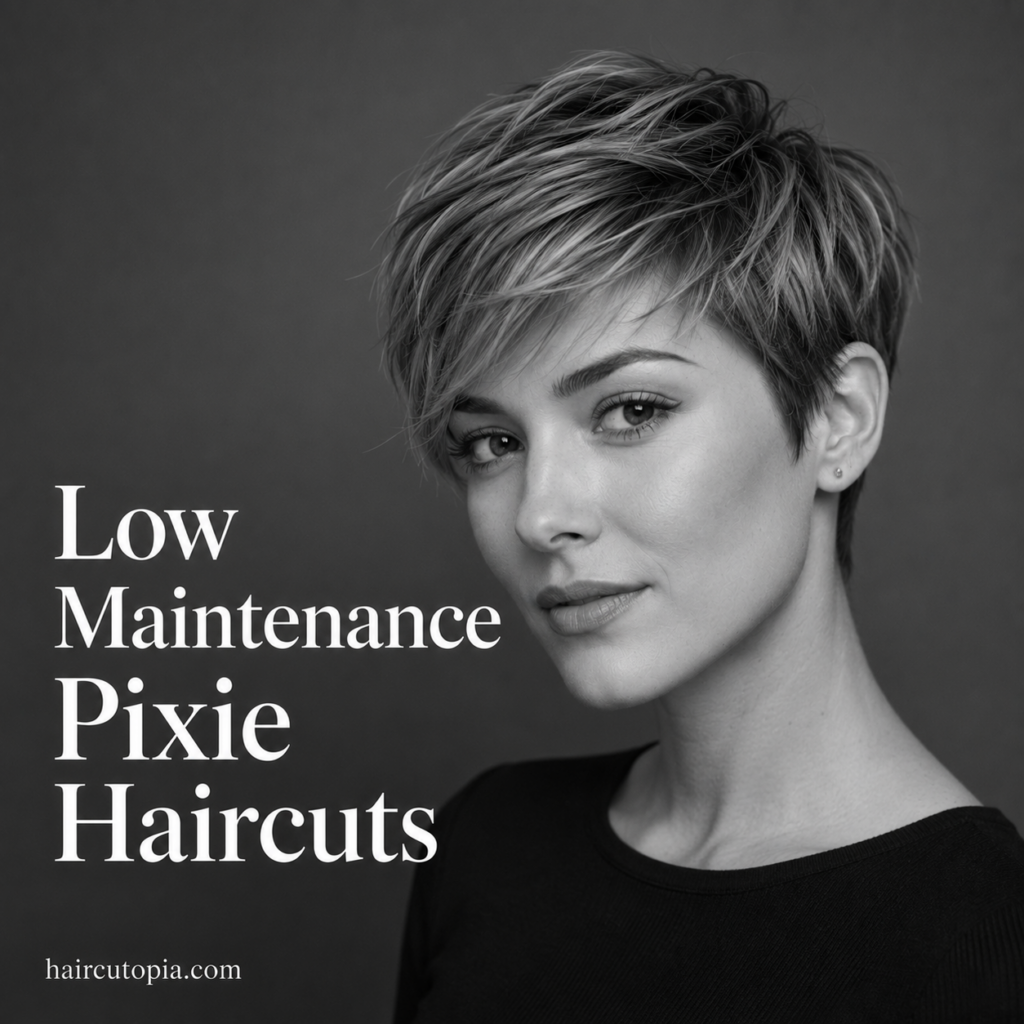
Low maintenance pixie haircuts are ideal when you want short hair that looks stylish without turning your morning routine into a full styling session. A well-cut pixie can work with your natural texture, fall into shape with minimal effort, and often need little more than a quick refresh before you head out the door.
The haircut itself does most of the work.
That is the real secret to an easy pixie. Instead of relying on heat tools and layers of styling products, the shape is designed around how your hair naturally grows. Straight hair can be cut to create clean movement. Waves can add built-in texture. Curls can provide natural volume.
Of course, no haircut is completely maintenance-free. Pixies still need occasional trims, and very short styles may require more frequent salon visits. But when daily styling is your main concern, the right pixie can make life noticeably easier.
If you are ready for a simpler routine, these low maintenance pixie haircut ideas are worth considering.
What Makes a Pixie Haircut Low Maintenance?
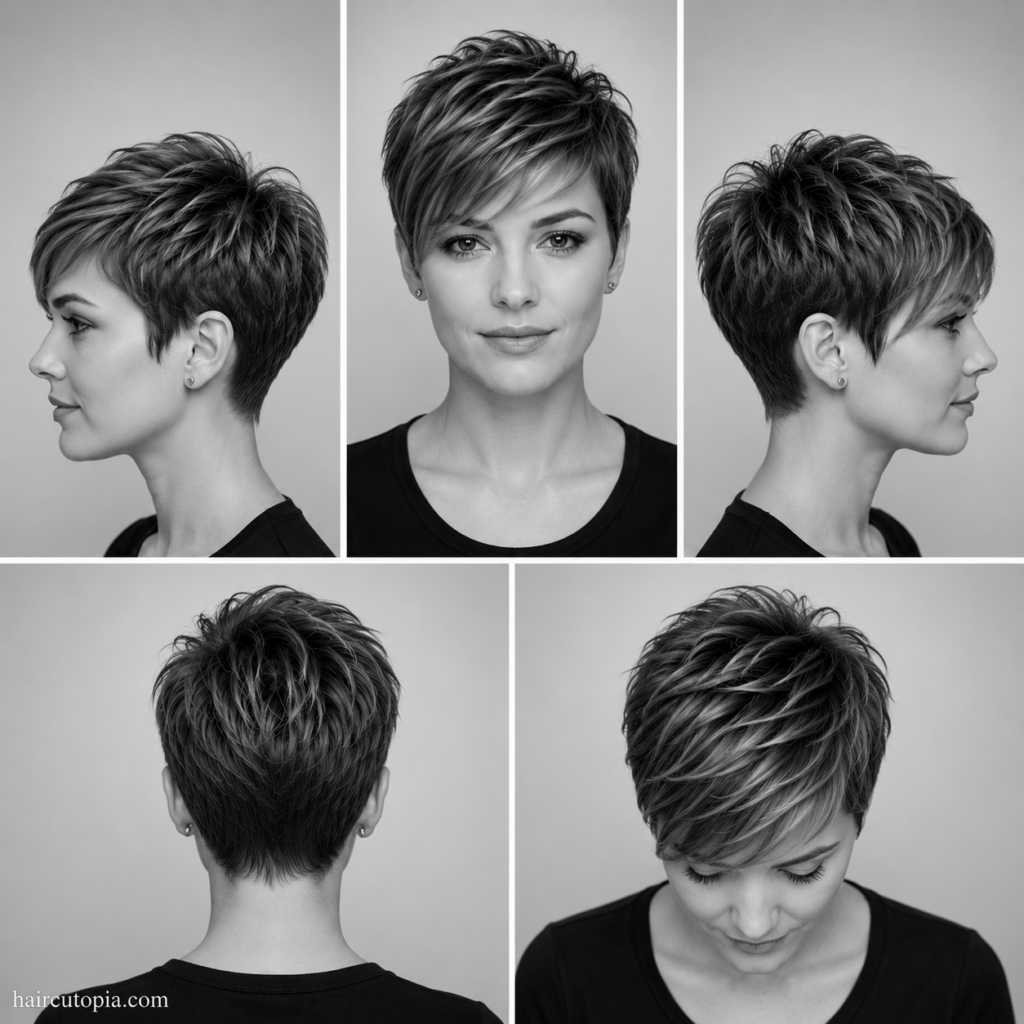
A low maintenance pixie haircut works with your natural hair instead of constantly fighting it.
The cut should take your texture, density, cowlicks, and growth patterns into account.
For example, naturally wavy hair may be easier to manage in a softly layered pixie than in a perfectly sleek style that requires daily straightening.
The same idea applies to thick hair. Strategic weight removal can help the haircut fall naturally without needing constant blow-drying.
Low maintenance pixies often have:
- Natural-looking texture
- A shape that works with the hair’s growth pattern
- Easy-to-manage bangs
- Soft or intentional layering
- Minimal daily product requirements
- Enough flexibility to look good slightly tousled
- A simple wash-and-dry routine
The best low maintenance haircut is not necessarily the shortest one.
Sometimes leaving a little extra length makes the hair easier to control.
Why Choose a Low Maintenance Pixie Haircut?
Time is one of the biggest reasons women choose pixie haircuts.
Short hair usually dries faster and requires less detangling. You also use less shampoo, conditioner, and styling product.
For many women, a pixie simplifies the entire hair routine.
Other benefits include:
- Faster washing and drying
- Less time spent using heat tools
- Lightweight, comfortable feel
- Easy everyday styling
- Natural texture becomes part of the look
- Less hair to manage during exercise
- Quick refreshes between washes
- Plenty of modern haircut options
A low maintenance pixie can be particularly useful if you have a busy schedule.
The ability to dampen your hair, reshape it with your fingers, and leave the house a few minutes later is difficult to beat.
Best Low Maintenance Pixie Haircuts for Women
The easiest pixie haircuts usually have a flexible shape. They do not depend on every strand sitting in exactly the same position.
Classic Low Maintenance Pixie
A classic pixie keeps the sides and back short with slightly more length through the top.
The shape is simple and balanced.
Because the haircut already has a defined structure, daily styling can be minimal.
For many hair types, a small amount of lightweight styling cream is enough to guide the top into place.
This is a reliable option if you want a straightforward short haircut.
Short Textured Pixie
Texture makes a pixie more forgiving.
If the hair moves slightly differently from one day to the next, it still looks intentional.
A short textured pixie uses layers to create separation through the top.
To style it, warm a small amount of matte paste between your fingertips and lightly work it through the ends.
You do not need to create perfect placement.
Wash-and-Wear Pixie
A wash-and-wear pixie is designed to air-dry into a natural shape.
The exact haircut depends heavily on your hair texture.
Straight hair may have soft layers that naturally fall forward or to the side.
Wavy and curly hair may be shaped to encourage natural movement.
The key is telling your stylist that you want to minimize blow-drying.
A haircut that looks great only after a professional blowout is not truly wash-and-wear.
Short Tapered Pixie
A tapered pixie becomes gradually shorter around the ears and neckline.
The clean shape can make the haircut look finished even when the top is styled simply.
Tapered sides also reduce bulk.
This is especially helpful for thick hair that tends to expand around the sides.
The top can be left slightly textured for easy finger styling.
Low Maintenance Pixie With Side-Swept Bangs
Side-swept bangs are often easier to manage than a full straight fringe.
They can blend naturally into the top layers and do not always need precise trimming.
The bangs may be styled with your fingers while the hair is damp.
If they become longer, they can usually be tucked behind the ear.
This flexibility makes side-swept bangs a practical choice.
Messy Pixie Cut
A messy pixie is one of the most forgiving short hairstyles.
The haircut is designed around texture and movement.
Bedhead does not automatically ruin the style.
In fact, a quick adjustment with your fingertips may improve the look.
Use styling products lightly.
Too much wax can make a messy pixie look heavy rather than effortless.
Shaggy Pixie
A shaggy pixie has soft, irregular layers and a slightly grown-out appearance.
The edges are often less precise than a traditional pixie.
This means the haircut may continue looking intentional as it gains some length.
Shaggy pixies are particularly good for women who do not want to visit the salon every few weeks.
The longer layers can also work well with natural waves.
Long Low Maintenance Pixie
Long pixies can be surprisingly easy to manage.
The additional length allows the hair to fall naturally.
Longer bangs can be swept to one side or tucked behind the ear.
If the crown becomes slightly messy, the movement often looks intentional.
A long pixie may also require less frequent trimming than a very short tapered style.
Layered Low Maintenance Pixie
Layers can help a pixie maintain natural movement.
The haircut should be designed carefully for your hair density.
Fine hair may need fewer layers to maintain fullness.
Thick hair can benefit from internal layers that remove weight.
When the layering is balanced, the haircut often falls into place with minimal styling.
Low Maintenance Pixie Bob
A pixie bob, or bixie, combines a short haircut with some of the movement of a bob.
The sides and front are usually longer than a traditional pixie.
This length creates styling flexibility.
You can tuck the hair behind your ears, wear it naturally tousled, or create a simple side part.
Pixie bobs also tend to grow out gradually.
Low Maintenance Curly Pixie
Natural curls can do much of the styling work in a pixie haircut.
The haircut should be shaped around the curl pattern.
Once the shape is right, styling may only require curl cream or a lightweight leave-in product.
Apply the product to damp hair and allow the curls to air-dry.
Avoid constantly touching the hair while it dries, as this may create additional frizz.
Low Maintenance Wavy Pixie
Wavy hair naturally creates texture.
A softly layered pixie can encourage those waves to move without complicated styling.
Apply a small amount of lightweight cream to damp hair.
Gently scrunch the layers and allow them to air-dry.
The natural variation in the waves helps create a relaxed finish.
Low Maintenance Pixie for Straight Hair
Straight hair can work well with simple pixie shapes.
A side-swept or forward-styled haircut may naturally fall into place.
The cutting direction is important.
If your hair naturally grows forward, choosing a style that follows that direction may be easier than trying to create daily crown volume.
A lightweight styling cream can help control flyaways.
Low Maintenance Pixie for Fine Hair
Fine hair often benefits from shorter lengths because there is less weight pulling the hair down.
However, too much layering can remove density.
A simple pixie with subtle crown layers may create natural lift.
For quick styling:
- Lightly dampen the hair.
- Apply a small amount of lightweight volumizing product.
- Use your fingers to lift the crown.
- Blow-dry for one or two minutes if necessary.
- Shape the top into place.
Avoid heavy oils and waxes.
Low Maintenance Pixie for Thick Hair
Thick hair needs the right shape to remain easy to manage.
Without weight removal, a pixie can become bulky.
Internal layering can reduce density while maintaining the visible shape of the haircut.
Tapered sides may also help.
Once the excess weight is removed, thick hair often holds a pixie shape very well.
Low Maintenance Pixie Haircuts by Face Shape
Face shape can help guide small adjustments to the haircut, but your natural hair texture is often more important when low maintenance is the goal.
Low Maintenance Pixie Haircuts for Round Faces
A little height through the crown can visually lengthen a round face.
Side-swept bangs may also create diagonal movement.
Choose a shape that creates natural lift rather than requiring daily teasing.
Keeping the sides slightly closer to the head may help maintain balance.
Low Maintenance Pixie Haircuts for Oval Faces
Oval faces can usually wear many pixie variations.
Classic, shaggy, textured, and long pixies can all work well.
Focus on choosing a haircut that matches your natural texture and styling routine.
Low Maintenance Pixie Haircuts for Square Faces
Soft layers and natural texture can complement a defined jawline.
Side-swept bangs may create additional movement around the face.
Wavy and shaggy pixies can be particularly easy to style.
Low Maintenance Pixie Haircuts for Heart-Shaped Faces
Side-swept fringe can help balance a broader forehead.
A little softness around the sides may create a flattering frame.
Longer pixies can be useful because the front sections are easy to tuck behind the ears.
Low Maintenance Pixie Haircuts for Long Faces
Avoid creating excessive height if you want to balance a longer face.
Soft fringe and side movement may work well.
A shaggy or wavy pixie can create natural width without requiring complicated styling.
Low Maintenance Pixie Haircuts for Diamond Faces
Longer fringe and soft temple layers can help balance prominent cheekbones.
A side part may naturally distribute volume around the upper part of the face.
Choose layers that follow your natural hair movement.
How to Choose the Easiest Pixie for Your Hair Type
The lowest maintenance haircut is different for everyone.
A style that takes one person two minutes to manage may require another person twenty minutes.
Straight Hair
Look at the direction your hair naturally grows.
If it falls forward, consider a textured pixie with fringe.
If it naturally moves to one side, a side-swept style may be easier.
Work with the growth direction whenever possible.
Wavy Hair
Soft layers can encourage natural movement.
Avoid haircuts that require the waves to remain perfectly smooth.
A shaggy or textured pixie may allow you to air-dry your hair.
Curly Hair
The curl pattern should guide the haircut.
Ask your stylist to consider shrinkage before choosing the final length.
Leaving enough length for curls to form can simplify styling.
Fine Hair
Avoid excessive layering.
A strong overall shape with subtle crown movement may create the appearance of fuller hair.
Lightweight products usually work best.
Thick Hair
Weight removal is important.
Internal layers and tapering can prevent the haircut from becoming bulky.
The right cut can significantly reduce daily styling time.
How to Ask Your Stylist for a Low Maintenance Pixie
Be clear about your routine.
Do not simply ask for an “easy pixie.”
Explain exactly what easy means to you.
You might say:
- I prefer to air-dry my hair.
- I do not want to use a flat iron every day.
- I only want to spend five minutes styling.
- I need the haircut to grow out well.
- I do not want bangs constantly falling into my eyes.
- I prefer using one styling product or less.
Bring reference photos, but also explain how much styling you are willing to do.
Your stylist can adjust the haircut to better fit your lifestyle.
How to Style a Low Maintenance Pixie in Five Minutes
A simple routine is often enough.
- Lightly dampen your hair with water.
- Apply a small amount of lightweight styling product.
- Use your fingers to guide the top and fringe.
- Blow-dry for one or two minutes if additional shape is needed.
- Separate a few pieces with your fingertips.
You do not need to restyle every section.
Focus on the front and crown because those areas usually have the biggest visual impact.
Best Styling Products for an Easy Pixie Routine
You do not need a cabinet full of products.
One or two reliable options are usually enough.
Useful products may include:
- Lightweight styling cream
- Matte texture paste
- Root-lifting spray
- Texture spray
- Curl cream
- Lightweight leave-in conditioner
- Flexible-hold hairspray
Choose products based on your hair texture.
Fine hair generally needs lightweight formulas.
Thick or coarse hair may benefit from slightly richer creams.
How Often Do Low Maintenance Pixie Haircuts Need Trims?
This is where pixie haircuts can be slightly misleading.
Daily styling may be easy, but some short pixies require frequent salon visits.
Very short tapered cuts may need trims every four to six weeks.
Longer, shaggy, and layered pixies may go eight to twelve weeks between appointments.
If fewer salon visits are important to you, tell your stylist.
A softer haircut with a less precise neckline may grow out more naturally.
How to Make a Pixie Haircut Easier to Maintain
Small decisions can simplify your routine.
Work With Your Natural Part
Forcing your hair into a completely different part every morning takes time.
Use the direction your hair naturally prefers whenever possible.
Avoid Overly Precise Bangs
Blunt bangs may require frequent trimming.
Side-swept or textured fringe often grows out more gradually.
Choose Flexible Texture
Haircuts that allow movement are more forgiving.
If one section sits differently in the morning, it can still look intentional.
Use Less Product
Start with a very small amount.
You can always add more.
Removing too much product usually means washing your hair again.
Learn a Quick Refresh Routine
Short hair may become flat overnight.
A spray bottle of water can be surprisingly useful.
Lightly dampen the top, reshape the hair, and allow it to dry.
Are Pixie Haircuts Really Low Maintenance?
The answer depends on what kind of maintenance you want to avoid.
Pixies often require less daily styling than longer hairstyles.
They dry quickly and use less product.
However, highly structured pixies may require frequent trims.
If you want both easy styling and fewer salon visits, choose a longer, shaggy, or softly layered pixie.
These haircuts generally tolerate growth better.
The right balance depends on your priorities.
Is a Low Maintenance Pixie Haircut Right for You?
A low maintenance pixie may be a good option if you want to simplify your daily routine.
The haircut can work with straight, wavy, curly, fine, or thick hair.
The key is choosing a shape designed around your natural texture.
Think about what you actually do with your hair every morning.
If you rarely use heat tools now, do not choose a pixie that requires daily straightening.
If you dislike frequent salon appointments, avoid an extremely precise cropped style.
Your haircut should fit your life.
Final Thoughts on Low Maintenance Pixie Haircuts
Low maintenance pixie haircuts are less about finding the shortest possible hairstyle and more about finding the right shape for your hair.
A textured pixie can make natural movement part of the style. A shaggy pixie may grow out gracefully. A curly pixie can allow your natural curl pattern to provide the volume and texture.
The easiest haircut is usually the one that works with what your hair already wants to do.
Talk openly with your stylist about your routine, styling habits, and how often you want to visit the salon.
With the right cut, a pixie can make your daily hair routine faster, simpler, and much easier to manage without sacrificing style.