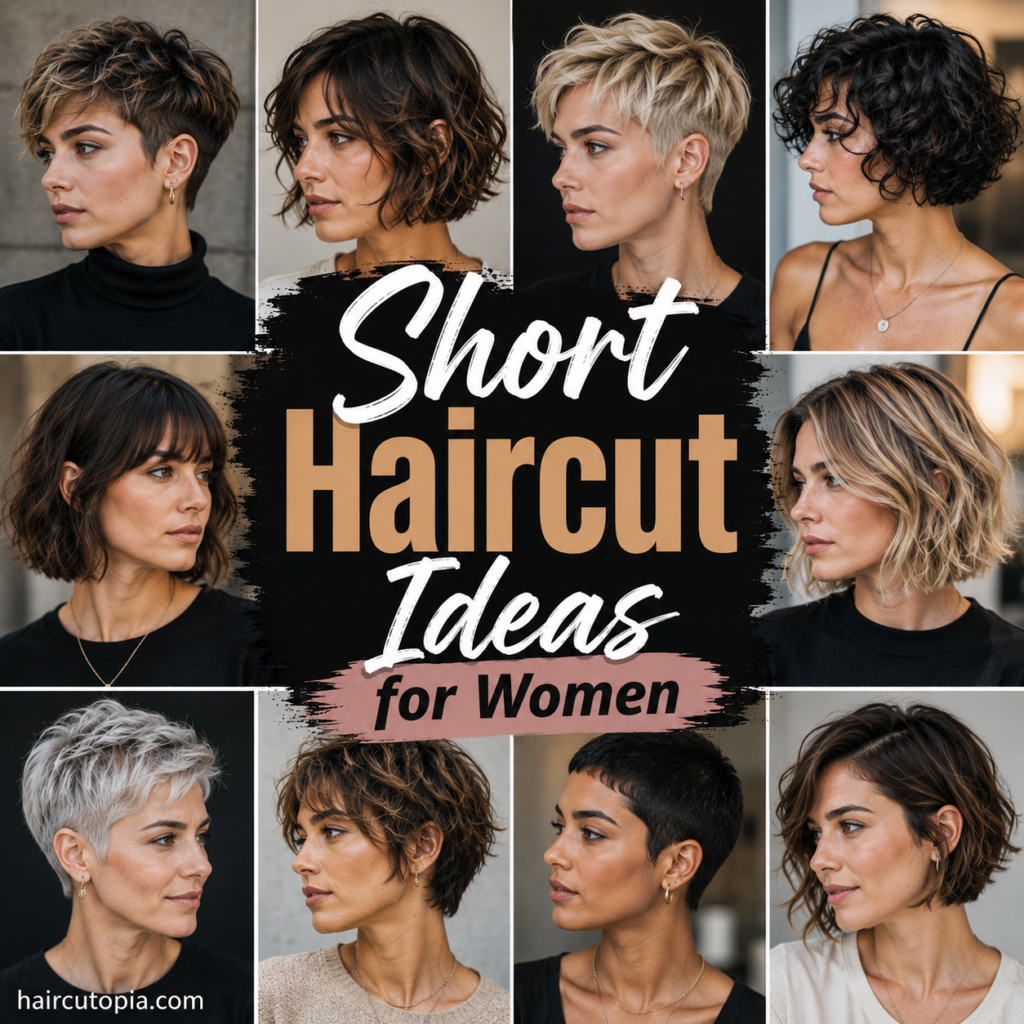
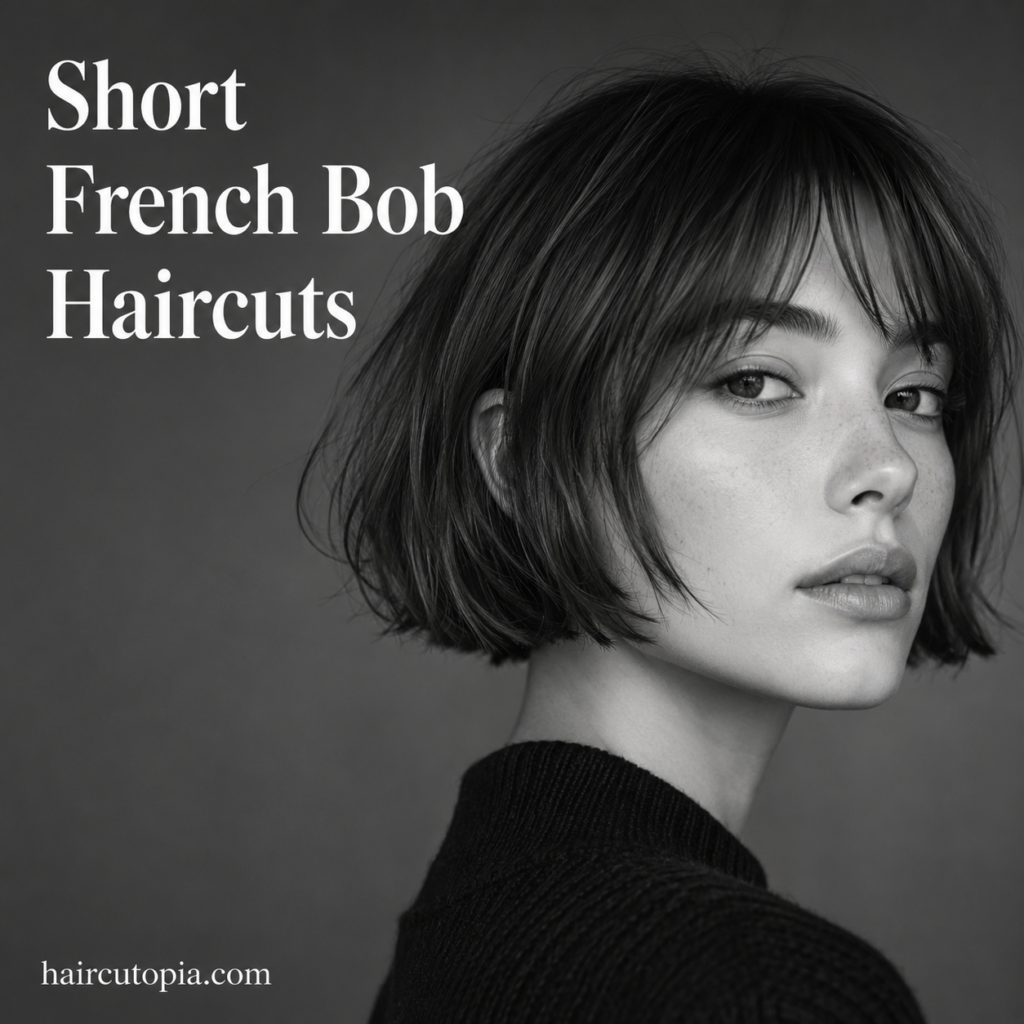
Short French bob haircuts have a way of looking polished without feeling overly styled. They’re cropped, confident, and just a little undone—the kind of haircut that can look equally good freshly blow-dried or with a bit of natural texture.
The classic French bob is usually cut somewhere between the cheekbones and jawline, often paired with bangs or a soft fringe. But there isn’t just one way to wear it. Modern versions range from sleek, precise cuts to tousled bobs with layers, curls, waves, and wispy bangs.
If you’re considering going shorter, here are some of the best short French bob haircuts to inspire your next salon visit.
What Is a Short French Bob?
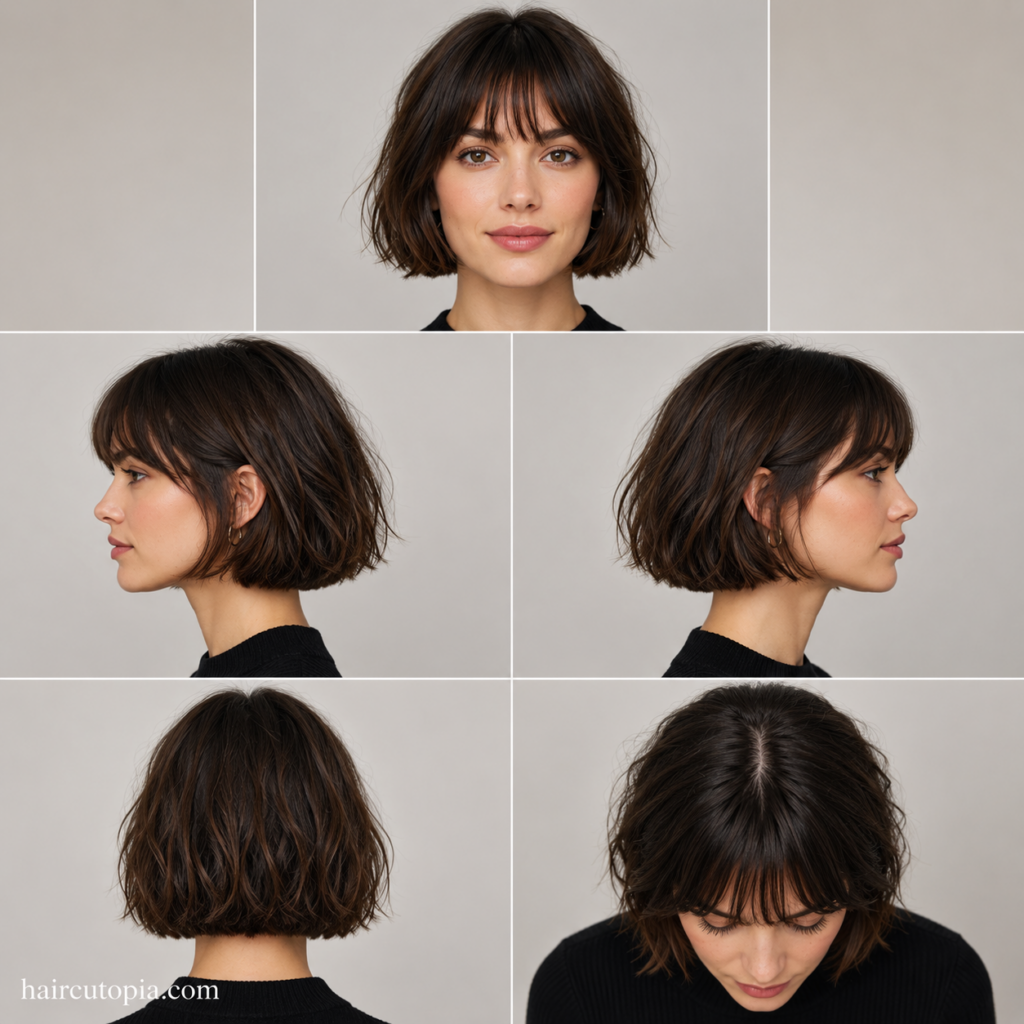
A French bob is a short bob haircut traditionally cut around chin length or slightly above it. Compared with longer bob styles, it creates a more noticeable frame around the face and puts extra emphasis on the cheekbones, jawline, and neck.
Classic French bobs often include:
- A chin-length or slightly shorter cut
- Blunt or softly textured ends
- Straight, wispy, or curtain-style bangs
- Minimal layering
- Natural-looking movement
- An intentionally effortless finish
The beauty of the cut is that it doesn’t have to be perfectly smooth. A little bend, wave, curl, or texture can actually make the style more interesting.
15 Short French Bob Haircuts to Consider
1. Classic Chin-Length French Bob
The chin-length French bob is the style most people picture when they hear the name.
The hair falls right around the chin with a relatively blunt perimeter, creating a clean silhouette without needing much length. Add eyebrow-skimming bangs and you get an unmistakably French-inspired finish.
This version works particularly well if you want something timeless rather than heavily layered or trendy.
For styling, keep things simple. A smooth blowout works beautifully, but slightly tousled ends can give the haircut more personality.
2. Short French Bob With Bangs
Bangs can completely change the character of a short bob.
Full bangs create a stronger, more dramatic frame around the face, while softer fringe makes the haircut feel relaxed. The combination also helps visually connect the front of the haircut with its short perimeter.
If you’re worried about heavy bangs feeling too structured, ask your stylist to soften the ends rather than creating one perfectly straight line.
3. Wavy Short French Bob
Natural waves and French bobs are an easy match.
Instead of trying to straighten every section, let the hair form loose bends around the cheeks and jawline. The irregular texture gives the haircut that casual, lived-in appearance that makes short French bobs so appealing.
For naturally straight hair, you can recreate the effect with a curling iron or flat iron. Alternate the direction of a few bends and leave the ends relatively relaxed rather than creating uniform curls.
4. Blunt Short French Bob
If you prefer clean lines, consider a blunt French bob.
Rather than heavily layering the ends, the hair is cut into a strong perimeter. This creates the appearance of fuller, denser ends and makes the overall shape of the bob more noticeable.
The cut can look especially sharp when worn straight, although a little natural texture keeps it from feeling too severe.
A blunt bob can also be a useful option for finer hair because the solid baseline can make the ends appear thicker.
5. Short French Bob With Wispy Bangs
Wispy bangs offer a softer alternative to traditional full fringe.
Instead of covering the entire forehead, lighter pieces fall loosely across it. This keeps some openness around the face while still giving the haircut that recognizable bob-and-bangs combination.
Wispy fringe is also versatile. It can be styled forward, swept slightly to one side, or separated through the center as it grows.
6. Curly French Bob
A French bob doesn’t need straight hair to work.
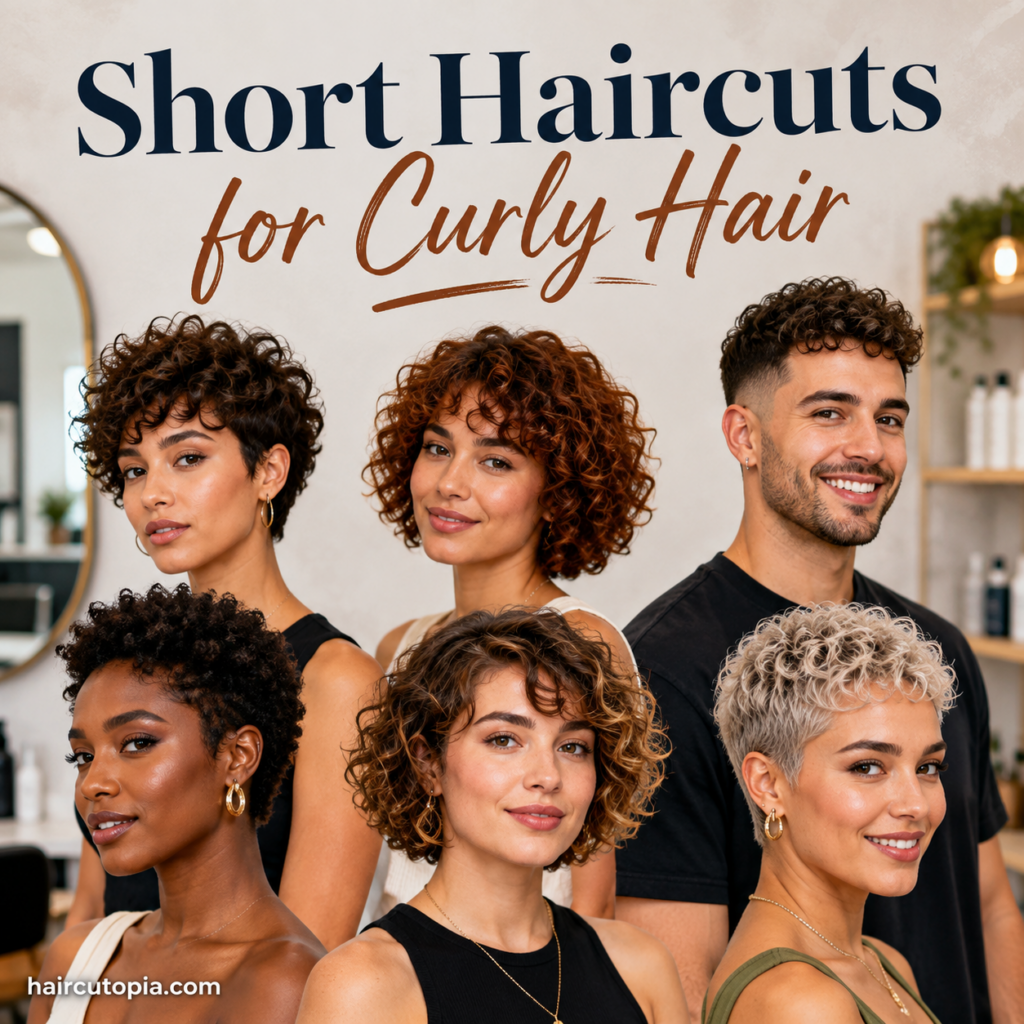
On curly hair, the shorter length can create a rounded, lively silhouette with plenty of natural movement. Individual curls around the cheekbones and jawline also prevent the haircut from looking overly structured.
Shrinkage matters with this version. Curly hair can spring considerably shorter once dry, so discuss your desired finished length with your stylist before cutting.
A curl-by-curl or dry-cutting approach may also help create a shape that works with your natural curl pattern.
7. Short French Bob Without Bangs
Bangs aren’t mandatory.
A short French bob without fringe creates a cleaner, more open frame around the face. The front sections can be tucked behind the ears, parted down the middle, or swept casually to one side.
This variation is worth considering if you like the length of a French bob but don’t want the maintenance associated with bangs.
It also makes growing the haircut out relatively straightforward.
8. Layered Short French Bob
Although French bobs are often associated with blunt lines, subtle layering can introduce extra movement.
The key is keeping the layers controlled. Too many short layers can dramatically change the silhouette, while a few strategically placed pieces can remove bulk and help the hair move more naturally.
Layering can be especially helpful for thick or wavy hair that tends to expand around chin length.
9. Tousled French Bob
Not every bob needs a perfect blowout.
A tousled French bob embraces irregular texture, loose bends, and slightly separated ends. The result feels casual and modern rather than carefully sculpted.
Try applying a lightweight texturizing product before gently scrunching the hair. If your hair is naturally straight, add a few loose bends rather than curling every section.
The goal is movement, not perfection.
10. Short French Bob With Curtain Bangs
Curtain bangs create a softer frame than traditional straight-across fringe.
The bangs separate near the middle and gradually blend into the sides of the haircut. On a short bob, this creates movement around the eyes and cheekbones without completely covering the forehead.
This version can also be easier to grow out because the fringe naturally begins blending into the rest of the bob as it gets longer.
11. Sleek French Bob
For a more polished interpretation, wear the French bob smooth and sleek.
A precise part and smooth surface put the focus on the actual shape of the haircut. The finish can look particularly striking with a blunt perimeter.
Use heat protectant before blow-drying or flat ironing, and avoid applying too much finishing product. The hair should still move rather than appearing stiff.
A tiny amount of smoothing serum through the ends is often enough.
12. Textured French Bob for Fine Hair
Fine hair doesn’t necessarily need lots of layers to create movement.
In fact, keeping most of the perimeter intact can help maintain the appearance of density. Your stylist can introduce subtle texture through the ends instead of removing significant amounts of hair.
A lightweight volumizing mousse or texture spray can add body without weighing the haircut down.
Keeping the length around the chin can also prevent fine hair from looking stretched or flat.
13. Short French Bob for Thick Hair
Thick hair can create a beautiful, substantial French bob, but controlling the internal weight is important.
Without some strategic shaping, a chin-length cut may become wider toward the bottom. Internal layering or subtle weight removal can help maintain the bob’s silhouette while preserving its strong outer shape.
Rather than aggressively thinning the ends, talk to your stylist about removing bulk where it’s actually needed.
This allows the haircut to retain movement without losing too much fullness.
14. Side-Parted French Bob
Changing the part is one of the easiest ways to give a French bob a different personality.
A side part creates asymmetry and can add noticeable volume near the crown. One side can be tucked behind the ear while the opposite side falls naturally across the cheek.
It works particularly well with softly layered or wavy versions of the haircut.
You can also switch between a center and side part depending on how you want to style your hair that day.
15. Micro French Bob
If you’re ready for something noticeably shorter, the micro French bob takes the traditional shape upward.
Instead of ending directly at the chin, the hair may sit around the lower cheek or between the cheekbone and jawline. The shorter perimeter makes the haircut more dramatic and draws attention toward the center of the face.
Because even a small difference in length becomes noticeable with such a short cut, precision matters.
Bring reference photos to your appointment so you and your stylist have the same idea of what “short” means.
Short French Bob With Bangs vs. Without Bangs
One of the biggest decisions is whether to add fringe.
A French bob with bangs tends to create a stronger frame around the face and gives the haircut a more classic appearance. Straight bangs can make the style feel bold, while wispy or curtain bangs create something softer.
Going without bangs keeps more of the forehead visible and gives you greater flexibility with your part.
Consider your normal styling routine as well.
Bangs typically need more frequent trims and may require quick styling in the morning. If you prefer very low-maintenance hair, a fringe-free version may be easier.
Choosing a French Bob for Your Hair Type
The same reference photo won’t behave exactly the same way on every head of hair. Texture and density influence how the final haircut sits.
Fine Hair
Fine hair often benefits from a stronger perimeter with minimal layering.
Consider:
- Blunt ends
- Chin-length cuts
- Light texturizing
- Wispy rather than extremely heavy bangs
- Lightweight volumizing products
Avoid excessive layering if maintaining fullness is your priority.
Thick Hair
With thick hair, controlling weight becomes more important.
Subtle internal layers can reduce bulk while allowing the outside of the bob to retain its recognizable shape.
Your stylist may also adjust the length slightly depending on how much your hair naturally expands.
Wavy Hair
Wavy hair is particularly well suited to relaxed French bobs.
A carefully shaped cut can encourage the existing wave pattern, making daily styling relatively simple. Air-drying may be enough on many days.
Avoid making every wave identical. Natural variation is part of the appeal.
Curly Hair
Curly French bobs can have beautiful volume and shape.
Because curls shrink as they dry, the haircut may need to be left longer than the desired final appearance suggests. Your stylist should account for your individual curl pattern and shrinkage.
Ask how the haircut will sit both naturally curly and stretched before committing to a very short length.
How to Ask Your Stylist for a Short French Bob
“French bob” can mean slightly different things to different people, so describing the details you want is more useful than relying on the name alone.
Before your appointment, decide:
- Where you want the perimeter to fall.
- Whether you want blunt or textured ends.
- How much layering you prefer.
- Whether you want bangs.
- How you normally wear your natural texture.
Photos are extremely helpful.
Bring two or three examples showing both what you like and what you don’t. Point out the specific details you’re interested in, such as the length, fringe, texture, or overall silhouette.
Also tell your stylist how much time you realistically spend styling your hair.
A great haircut should work with your routine rather than requiring you to completely change it.
How to Style a Short French Bob
One reason short French bobs remain popular is their styling flexibility.
You can wear the same haircut sleek one day and textured the next.
For a Natural Finish
Apply a lightweight leave-in product or styling cream to damp hair, then air-dry or gently diffuse.
Once dry, use your fingers to separate the hair rather than brushing everything into place.
For Loose Waves
Add a few bends with a flat iron or curling iron.
Alternate directions and avoid curling every piece exactly the same way. Leaving some sections relatively straight creates a more natural finish.
For a Sleek Finish
Blow-dry the hair smooth using a brush, then refine any necessary sections with a flat iron.
Finish with a small amount of smoothing serum through the ends.
For Extra Texture
Texture spray can give freshly washed hair more grip.
Apply lightly, concentrating on the mid-lengths and ends. Scrunch or separate individual pieces with your fingers until you get the amount of definition you want.
How Much Maintenance Does a Short French Bob Need?
Short bobs generally need regular trims because changes in length become noticeable relatively quickly.
A typical schedule may be around every six to eight weeks, although your ideal timing depends on how precise you want the haircut to remain.
Very short or sharply blunt French bobs may require more frequent maintenance.
Bangs can also need trimming sooner than the rest of the haircut.
If you don’t mind a softer grow-out, you can usually stretch the time between appointments and gradually transition into a longer bob.
Is a Short French Bob Easy to Grow Out?
One advantage of a bob is that the grow-out process can be relatively straightforward.
As the hair moves beyond the chin, the style naturally transitions toward a longer bob or “lob.” Regular shaping can prevent the growing haircut from becoming bulky around the shoulders.
Bangs require a little more patience.
Wispy or curtain bangs tend to blend into longer face-framing pieces more easily, while short blunt bangs may take longer to integrate into the rest of the haircut.
Who Should Consider a Short French Bob?
A short French bob is worth considering if you want a haircut that feels noticeably different without requiring elaborate daily styling.
It may be especially appealing if you:
- Prefer short or chin-length hair
- Like defined haircut shapes
- Want to highlight your jawline or cheekbones
- Enjoy natural waves or texture
- Want the option of adding bangs
- Prefer styling that can range from polished to tousled
The most important part is adapting the cut to your own hair.
Length, density, texture, bangs, and layering can all be adjusted. You don’t need to copy the traditional French bob exactly to get the same overall character.
Frequently Asked Questions
How short is a French bob?
A traditional French bob usually falls around the chin and can be cut slightly above it. Some modern micro versions sit closer to the lower cheek, while softer interpretations may extend just below the chin.
Does a French bob have to have bangs?
No. Bangs are strongly associated with the classic French bob, but they’re optional. The haircut also works with a center part, side part, curtain fringe, or longer face-framing pieces.
Is a French bob good for fine hair?
It can be. A relatively blunt perimeter can make fine hair appear fuller through the ends. Keeping layering minimal may also help preserve density.
Can thick hair have a short French bob?
Yes. Thick hair may benefit from internal layering or strategic weight removal so the bob doesn’t become excessively bulky around the jawline.
Can you wear a French bob with curly hair?
Absolutely. Curly hair gives the French bob natural volume and movement. The cut should account for curl shrinkage so it doesn’t end up significantly shorter than intended.
Are French bobs high maintenance?
They can require regular trims if you want to maintain a precise short length. Daily styling, however, doesn’t necessarily need to be complicated. Textured versions can work well with natural waves, curls, or air-dried hair.
What’s the difference between a French bob and a regular bob?
The French bob is typically shorter, often sitting around the chin or above, and is frequently paired with bangs. It also tends to emphasize a softer, less overly styled finish. A regular bob is a broader category that can include everything from jaw-length cuts to shoulder-skimming styles.
Final Thoughts
Short French bob haircuts prove that you don’t need much length to have plenty of styling options.
You can keep the cut blunt and sleek, add wispy bangs, embrace natural curls, create loose waves, or choose subtle layers for additional movement. Even small changes to the length or fringe can give the haircut a completely different feel.
If you’re thinking about making the cut, focus less on recreating one exact French bob and more on finding the version that works with your hair texture, face, and everyday routine.
A well-tailored French bob should still feel like your hair—just shorter, sharper, and a little more effortlessly stylish.