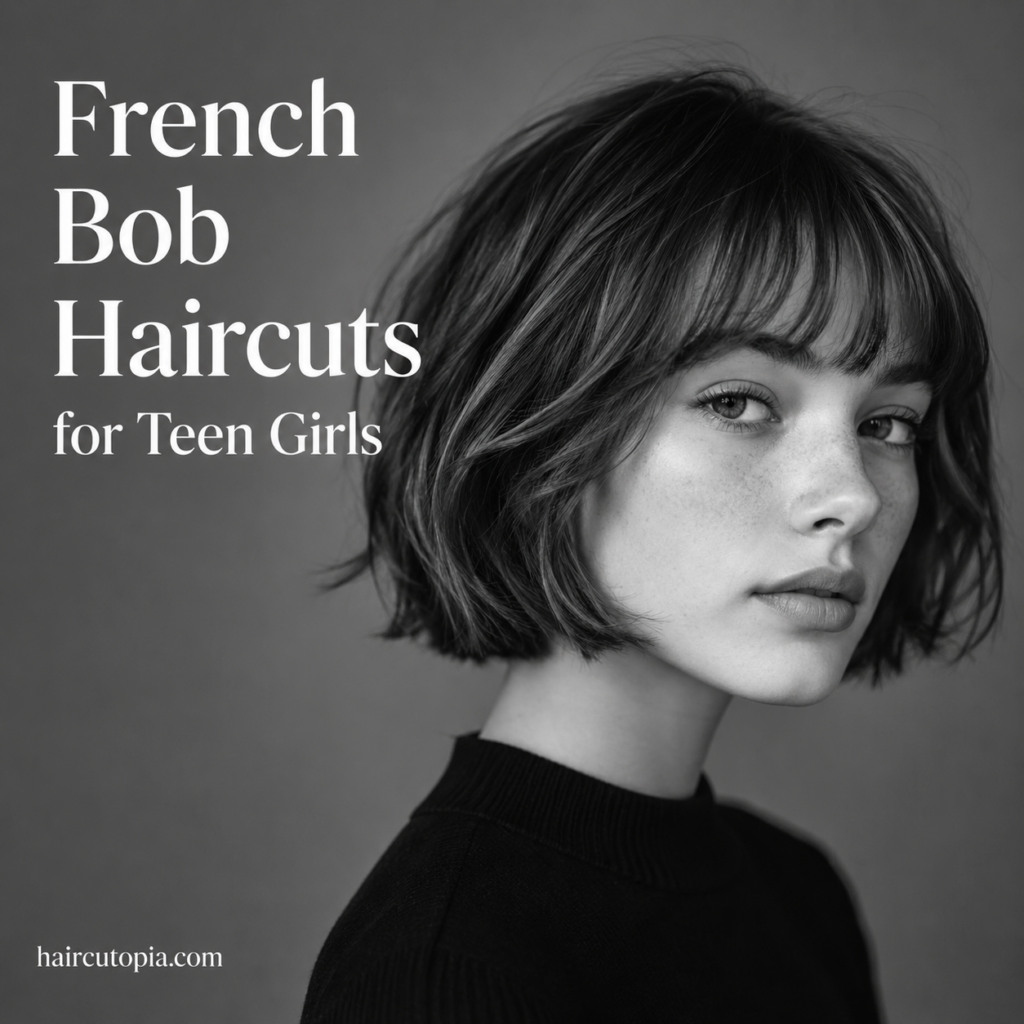
The French bob is one of those haircuts that manages to look polished without feeling overly styled. Short, slightly undone, and full of personality, it can be a great choice for teen girls who want something fresh without committing to a complicated daily routine.
Traditionally, a French bob sits somewhere around the jaw or chin, often paired with bangs and a softly textured finish. But there isn’t just one way to wear it. Modern versions can be sleek, wavy, curly, layered, blunt, or a little longer around the face.
That flexibility makes the French bob especially appealing for teens. It can be customized around hair texture, face shape, school routines, sports, and how much time you actually want to spend styling your hair in the morning.
Here are some of the best French bob haircuts for teen girls, along with tips for choosing and maintaining the right version.
What Is a French Bob Haircut?
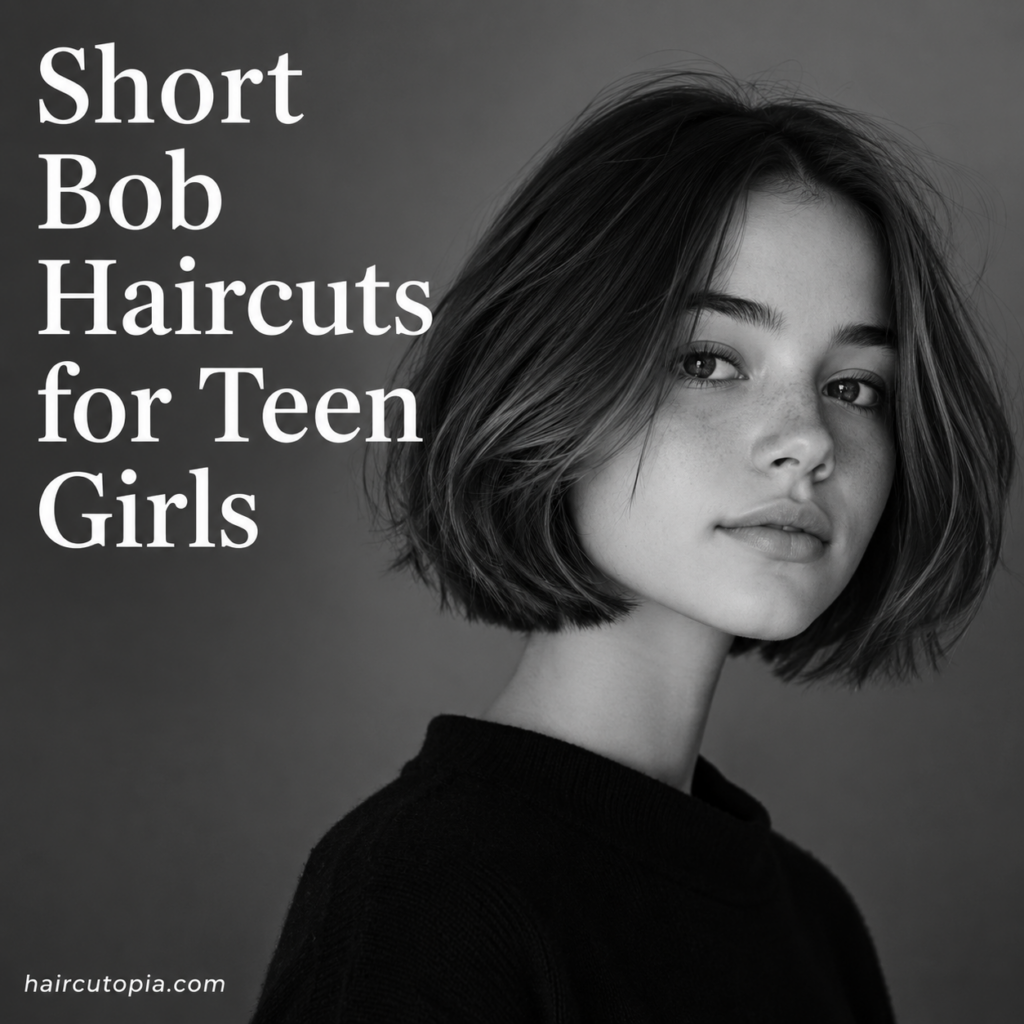
A French bob is a short bob haircut that typically falls between the cheekbones and chin. The classic version has a relatively blunt shape, natural texture, and some type of fringe.
Compared with a traditional bob, the French bob often feels a little less structured. Instead of every strand being perfectly smooth and controlled, the haircut can embrace movement, bends, waves, and even a slightly tousled finish.
Common features include:
- Cheekbone-to-chin length
- Blunt or softly textured ends
- Straight, wispy, or curtain bangs
- Natural-looking movement
- Minimal, effortless styling
- A shape that frames the face
Modern versions don’t have to follow every one of these rules. A stylist can adjust the length, fringe, layers, and overall shape to create something that feels more personal.
Why French Bobs Work So Well for Teen Girls
Short hair can make a noticeable change without requiring an extreme or unconventional haircut. A French bob gives you plenty of style while still being versatile enough for everyday life.
It’s also adaptable.
Someone with straight hair might choose a sharp chin-length bob with wispy bangs, while someone with naturally wavy hair can lean into a softer, tousled version. Curly hair can look especially cute in a rounded French bob that lets the natural curl pattern create the shape.
French bobs can also be relatively quick to style once you find a routine that works for your hair.
Instead of spending time creating an elaborate hairstyle every morning, you may only need a little leave-in product, light styling cream, or quick blow-dry.
1. Classic Chin-Length French Bob
The classic French bob is a great starting point if you love the traditional look.
It usually ends around the chin and has a clean perimeter with enough softness to prevent the haircut from looking too severe. Add eyebrow-length bangs, and you get the recognizable Paris-inspired silhouette.
This style works particularly well with straight and slightly wavy hair.
For a more relaxed finish, avoid making the hair perfectly flat. A little movement around the ends helps give the cut its signature effortless appearance.
2. French Bob With Wispy Bangs
If full bangs feel like too much of a commitment, wispy bangs offer a lighter alternative.
Instead of creating a solid line across the forehead, the fringe is cut with more separation and movement. This can make the entire haircut feel softer and more casual.
Wispy bangs also blend easily into the rest of the bob as they grow.
They’re a good option for teens who want bangs but don’t necessarily want a thick fringe that requires frequent styling.
3. Wavy French Bob
Natural waves and French bobs are an especially good combination.
A little bend throughout the hair prevents the bob from looking overly precise and gives it a relaxed, lived-in texture.
If your hair is naturally wavy, you may not need much styling at all. Apply a lightweight curl or wave product to damp hair, gently scrunch it, and allow the texture to form naturally.
The goal isn’t perfect waves. Slightly irregular movement is part of what makes this version look so good.
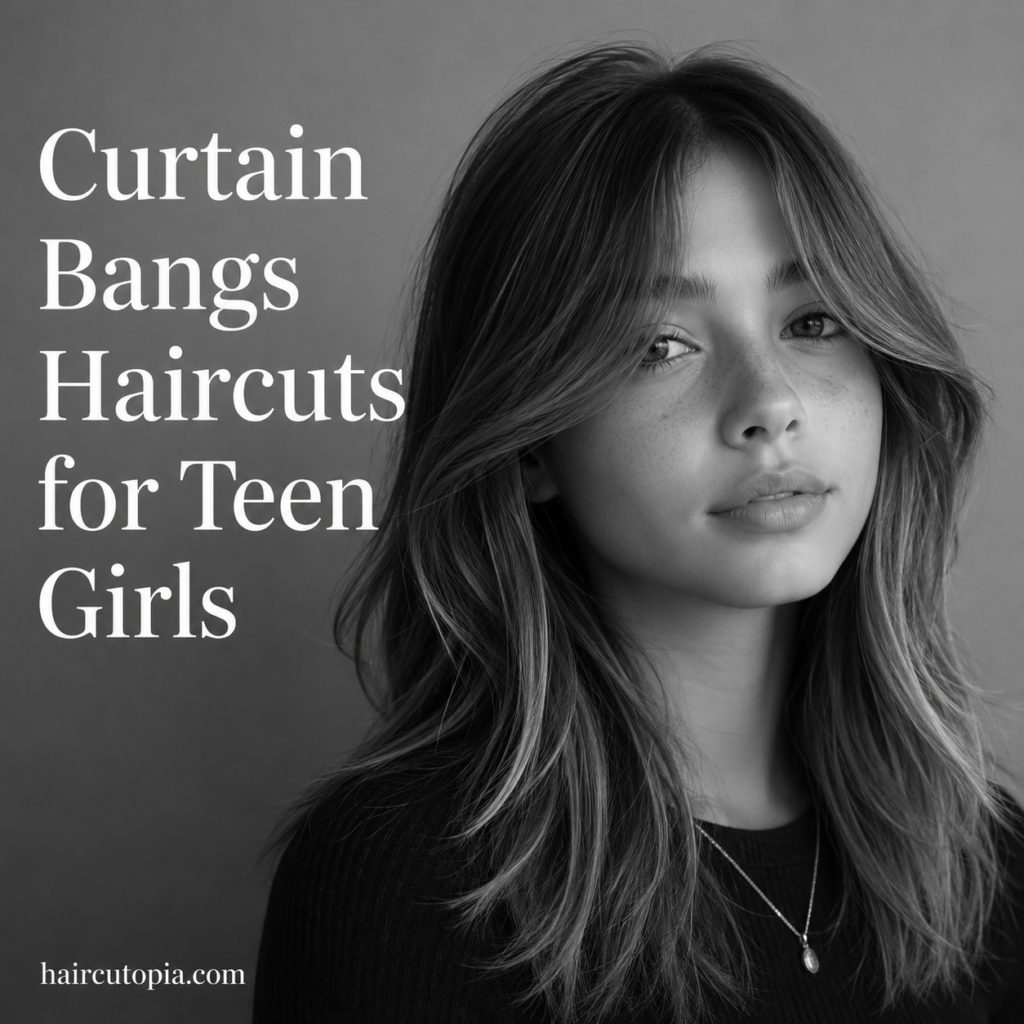
4. French Bob With Curtain Bangs
Curtain bangs give the French bob a softer face-framing effect.
Instead of covering the entire forehead, the fringe separates near the center and gradually becomes longer toward the sides.
This makes curtain bangs especially useful if you’re nervous about committing to traditional bangs.
They can also create a smooth transition between your fringe and the rest of your haircut.
A slightly longer French bob paired with curtain bangs is an easy way to try the overall style without going extremely short.
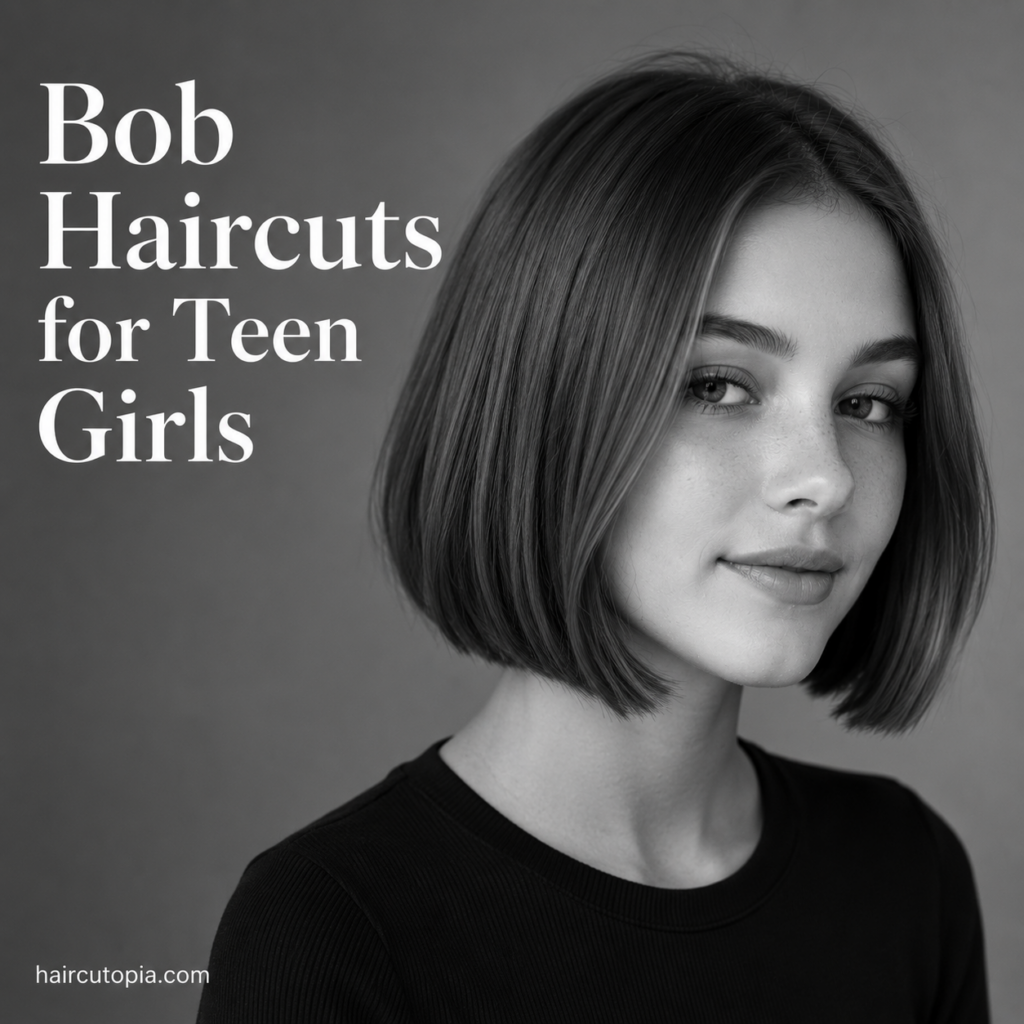
5. Blunt French Bob
Want something cleaner and more graphic?
A blunt French bob keeps the ends relatively uniform, creating a strong line around the bottom of the haircut.
It can look especially striking on naturally straight hair because the shape is easy to see.
The key is choosing the right length. A blunt cut around the jaw can feel bold, while keeping it closer to the chin creates a slightly softer appearance.
Ask your stylist whether a completely blunt perimeter or subtle internal texture would work better with your hair density.
6. Soft Layered French Bob
Not every French bob needs to be completely blunt.
Adding subtle layers can remove excess weight and create more movement through the haircut. This can be especially helpful for thick hair that tends to become bulky when cut to one length.
The layers should generally support the overall bob shape rather than turn the haircut into a heavily layered style.
Soft layering can also make the haircut easier to tousle and style casually.
7. Curly French Bob
Curly hair can give the French bob an entirely different personality.
Instead of focusing on a perfectly defined outline, the haircut uses the natural curl pattern to create volume and shape around the face.
Depending on your curls, the finished length might sit near the jaw, chin, or slightly below it.
Remember that curls can spring upward after drying. A stylist experienced with curly hair can account for shrinkage when deciding where to create the final length.
A curly fringe can complete the look without requiring the bangs to be straightened.
8. French Bob Without Bangs
Bangs aren’t required.
A French bob without bangs has a simpler shape and puts more attention on the jaw-length perimeter.
You can wear it with:
- A middle part
- A slightly off-center part
- A deep side part
- Hair tucked behind one or both ears
Skipping bangs also means one less part of the haircut to maintain.
This version is worth considering if you like short hair but aren’t interested in regular fringe trims.
9. French Bob With Micro Bangs
Micro bangs create one of the bolder versions of the French bob.
These short bangs sit noticeably above the eyebrows, exposing more of the forehead and giving the haircut a distinctive, fashion-forward appearance.
Because micro bangs make such a strong statement, it’s worth thinking carefully before making the cut.
Unlike longer fringe, they can’t immediately be swept behind the ears if you change your mind.
If you’re unsure, start with longer bangs first. You can always go shorter later.
10. Slightly Longer French Bob
You don’t have to jump straight to jaw-length hair.
A longer French bob may fall around the chin or slightly below it, giving you some of the same shape while preserving additional length.
This is particularly useful if you’re transitioning from long hair and aren’t sure how you’ll feel about a dramatic chop.
The extra length can also make it easier to tuck your hair behind your ears or pull portions of it back.
11. Tousled French Bob
A French bob doesn’t have to look freshly blow-dried all day.
The tousled version actually looks better with some imperfect texture.
Soft waves, separated ends, and natural volume create a casual finish that works well for everyday wear.
Try using a small amount of lightweight styling cream or texture product rather than coating the hair with heavy products.
You want movement, not stiffness.
12. Sleek French Bob
On the opposite end of the spectrum is the sleek French bob.
This version emphasizes the haircut’s shape with smooth hair and a cleaner finish.
A center part can give it a modern appearance, while bangs make the style feel closer to the traditional French bob.
If you’re using heat to create the sleek effect, always use appropriate heat protection and avoid repeatedly passing hot tools over the same sections of hair.
13. French Bob With Side-Swept Bangs
Side-swept bangs are another alternative to a straight-across fringe.
They blend naturally into the side of the haircut and can create a softer look around the forehead.
They’re also fairly versatile.
As the bangs grow, they can gradually become face-framing pieces rather than needing to be completely reshaped.
This makes them a practical option if you enjoy changing your hairstyle frequently.
14. Thick-Hair French Bob
Thick hair can look amazing in a French bob, but managing the weight of the haircut is important.
A completely blunt short bob can sometimes become wider toward the ends if there’s a lot of density.
Your stylist may use subtle internal layering or weight removal to keep the shape balanced.
The goal isn’t necessarily to make the hair look thin. It’s to help the haircut move naturally instead of forming a heavy block around the jaw.
15. Fine-Hair French Bob
The French bob can also work well with fine hair.
A relatively blunt perimeter can make the ends appear fuller, particularly when the haircut sits around the chin.
Too many layers, on the other hand, may remove density that fine hair needs.
A stylist might recommend keeping most of the shape one length while adding only minimal texture where necessary.
A lightweight volumizing product at the roots can provide additional lift without weighing the hair down.
16. French Bob With Face-Framing Pieces
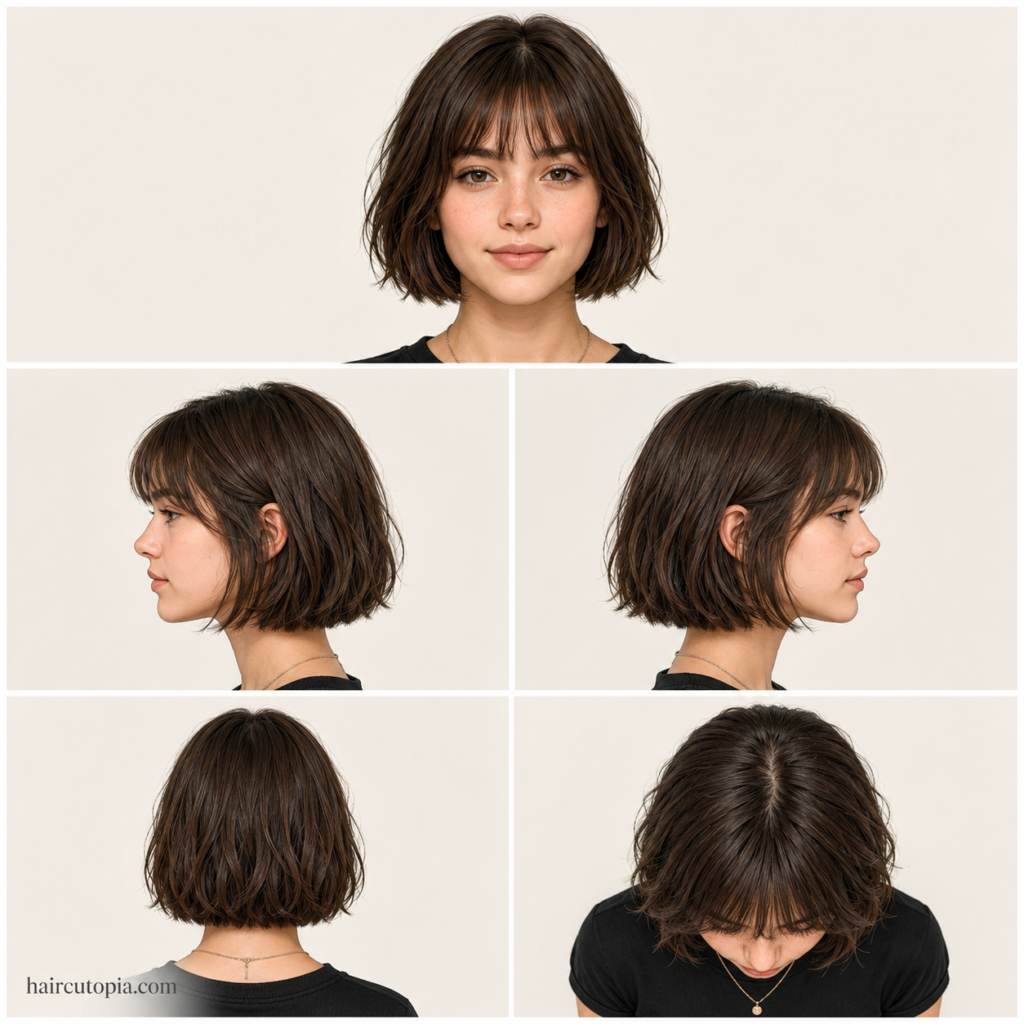
Face-framing pieces create a softer transition around the cheeks and jaw.
They can be particularly useful with a bob that doesn’t have traditional bangs.
The shorter sections around the front add movement while leaving the majority of the haircut at one consistent length.
This is another good choice if you’re experimenting with shorter hair but still want something relatively easy to grow out.
How to Choose the Right French Bob
A haircut you love in a photo won’t necessarily behave exactly the same way on your own hair.
Your natural texture, density, growth patterns, and styling habits all affect how a French bob will sit.
Before getting the haircut, think about these factors.
Your Natural Hair Texture
Straight hair can emphasize a precise bob shape, while waves and curls naturally create a softer outline.
Rather than fighting your natural texture every morning, consider choosing a French bob designed to work with it.
How Short You Want to Go
There’s a noticeable difference between cheekbone-length and chin-length hair.
If you’ve never had short hair before, starting around the chin or slightly below it can make the transition easier.
You can always go shorter at your next appointment.
Whether You Want Bangs
Bangs can completely change the look of a French bob.
Options include:
- Full bangs
- Wispy bangs
- Curtain bangs
- Micro bangs
- Side-swept bangs
- No bangs
Consider both appearance and maintenance.
Bangs often need trims sooner than the rest of the haircut.
Your Morning Routine
Be realistic about how much styling you want to do before school.
If you prefer wash-and-go hair, ask your stylist for a cut that works with your natural texture.
If you don’t mind using a blow-dryer or styling tool, you can choose a more structured version that benefits from additional styling.
What to Ask Your Hairstylist
Bringing reference photos is helpful, but explaining what you like about each photo is even better.
Instead of simply saying, “I want a French bob,” talk about the specific features you want.
For example, you could ask for:
- A chin-length bob with a soft perimeter.
- Light texture through the ends.
- Wispy bangs that don’t feel too heavy.
- Enough length around the sides to tuck behind your ears.
- A shape that works with your natural texture.
Also tell your stylist how you normally wear your hair.
If you almost always air-dry it, that’s useful information. The haircut should ideally work with your normal routine rather than only looking good after a professional blowout.
How to Style a French Bob for School
One of the best things about a short bob is that everyday styling doesn’t need to be complicated.
Quick Natural Texture
For a simple morning routine:
- Lightly dampen any sections that became messy overnight.
- Apply a small amount of lightweight styling product.
- Scrunch or reshape the hair with your fingers.
- Adjust your bangs if you have them.
- Let the hair air-dry or use a blow-dryer briefly.
The whole process can be fairly quick once you know how your haircut behaves.
Add Soft Waves
If your hair is naturally straight and you want more movement, a few loose bends can change the entire style.
You don’t need to curl every section perfectly. Concentrating on a few pieces around the face and through the top layers can be enough.
Tuck It Behind the Ears
Sometimes the simplest styling trick is the best one.
Tucking one or both sides behind the ears immediately changes the shape of a French bob and opens up the face.
It’s also useful when you’re growing out bangs or shorter face-framing pieces.
How Often Does a French Bob Need Trimming?
Short haircuts usually show growth sooner than longer hairstyles.
For maintaining a precise French bob shape, you may want a trim approximately every six to eight weeks. Softer or slightly longer versions can often go longer between appointments.
Bangs may need attention sooner.
If you have a short fringe, ask your salon whether they offer quick bang trims between full haircut appointments.
Avoid trimming your own bangs unless you’re confident about what you’re doing. Cutting slightly too much is much more noticeable when the fringe is already short.
Is a French Bob High Maintenance?
It depends on the version you choose.
The haircut itself can be relatively easy to style, especially when it’s designed around your natural texture. However, maintaining a specific short length usually requires more frequent trims than keeping long hair.
A sleek, perfectly blunt bob may also require more daily styling than a wavy or tousled version.
If low maintenance is your priority, consider:
- A slightly longer length
- Soft texture rather than a rigid shape
- Wispy or curtain bangs instead of micro bangs
- A cut designed for air-drying
- Your natural wave or curl pattern
Choosing the right variation matters more than following one exact French bob formula.
Can You Put a French Bob in a Ponytail?
This is something worth considering before cutting your hair.
A traditional jaw- or chin-length French bob usually won’t fit into a full ponytail. You may be able to pull back the top section, use clips, add a headband, or create a small half-up style.
If you regularly need to tie your hair back for sports or other activities, tell your stylist before deciding on the final length.
Keeping the bob slightly longer may give you more styling flexibility.
French Bob Haircut Ideas for Different Personal Styles
The same basic haircut can feel completely different depending on the details.
For a classic look, try a chin-length bob with soft full bangs.
For something casual, choose natural waves and wispy fringe.
For a modern minimalist style, go with a sleek blunt bob and center part.
For something bolder, consider micro bangs or a shorter cheekbone-length shape.
And if you want something easygoing, a slightly longer bob with curtain bangs gives you plenty of flexibility.
There isn’t one “correct” French bob. The best version is the one that works with your hair and feels comfortable to wear.
Final Thoughts on French Bob Haircuts for Teen Girls
French bob haircuts for teen girls can range from classic and polished to messy, curly, sleek, or bold. That’s part of what makes the style so versatile.
If you’re trying short hair for the first time, a chin-length or slightly longer French bob is often an easier place to start. You can experiment with bangs, layers, and texture later once you know how you like wearing the shorter length.
Most importantly, choose the haircut based on your actual hair texture and daily routine rather than trying to copy a photo exactly.
A well-cut French bob shouldn’t require you to completely change the way you handle your hair. It should make your natural texture and personal style easier to show off.