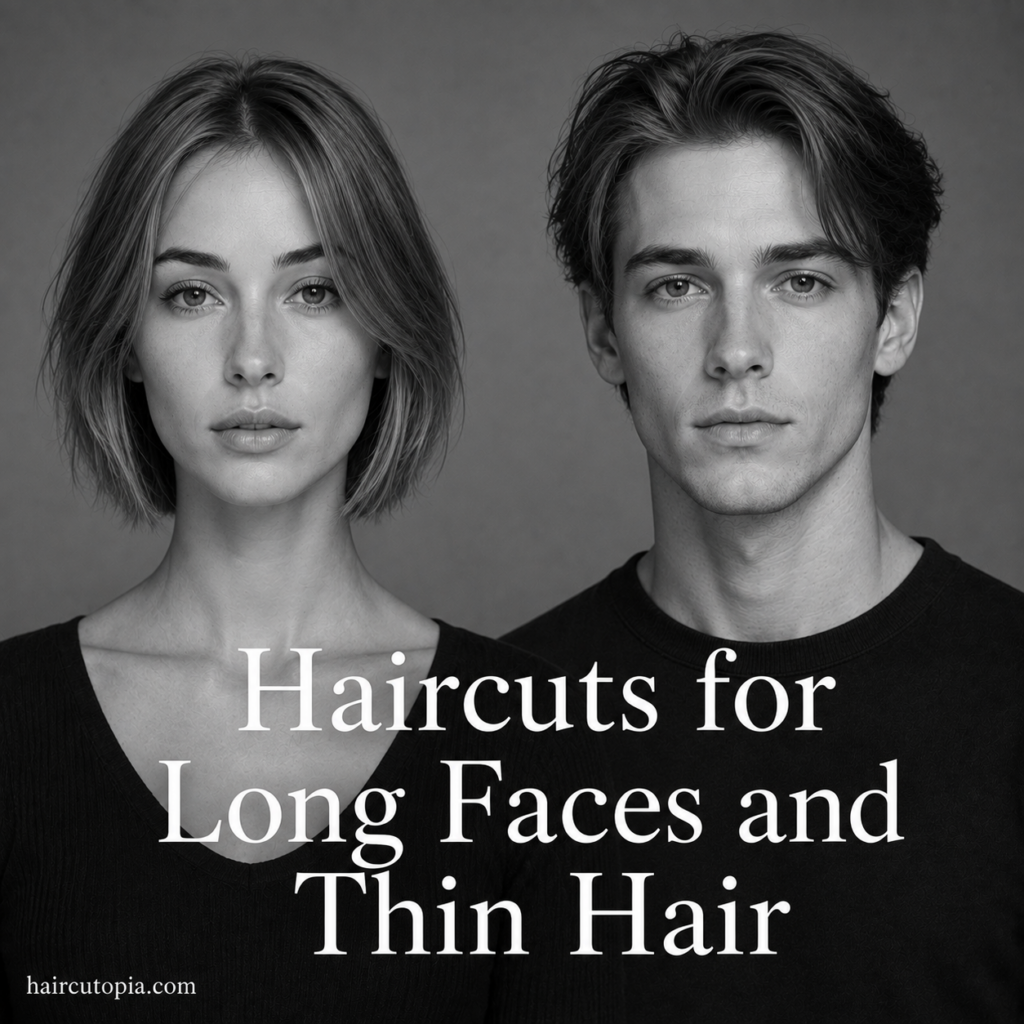
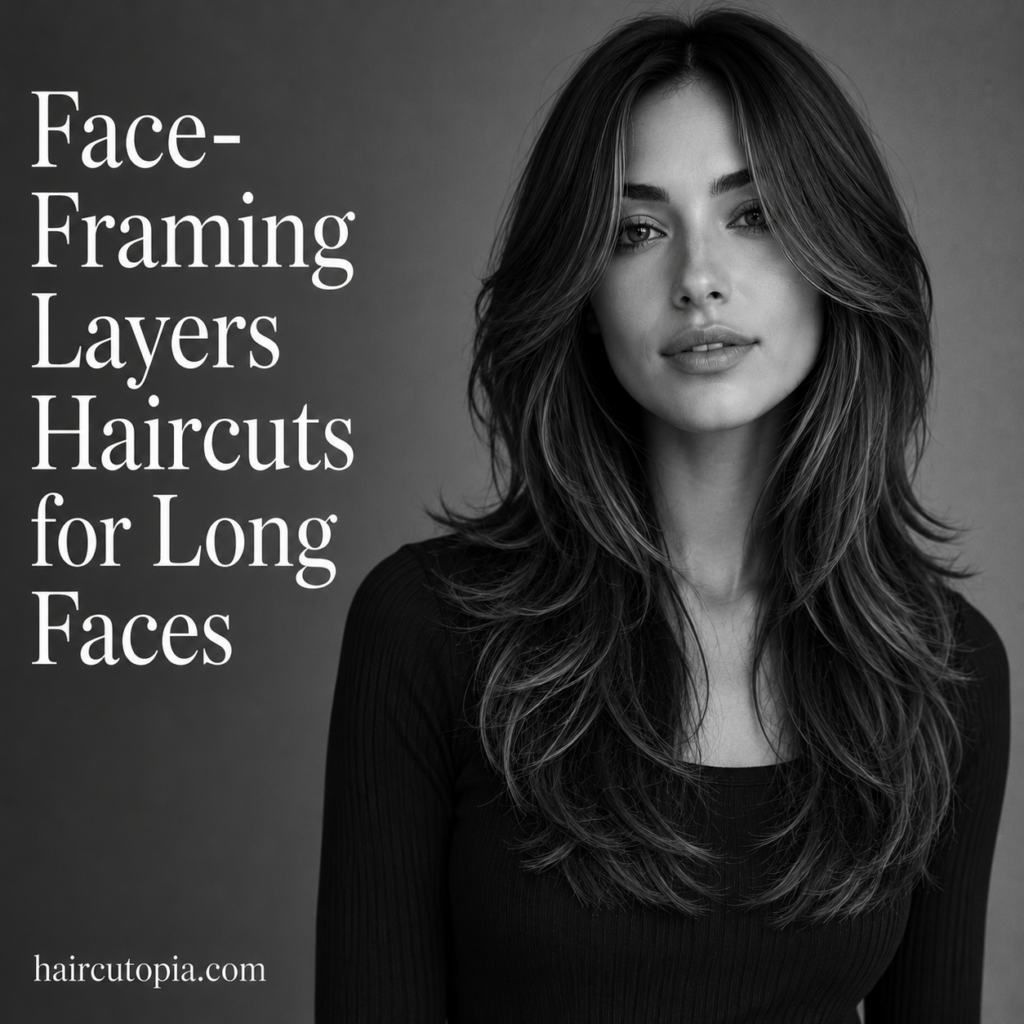
If you have a long face shape, the right haircut can make all the difference. While long faces often feature elegant proportions and high cheekbones, a thoughtfully layered haircut can create the illusion of more width, soften the overall silhouette, and beautifully frame your best features.
That’s why face-framing layers continue to be one of the most popular haircut techniques. They’re versatile, flattering, and easy to personalize based on your hair type, length, and lifestyle.
Whether you’re considering a butterfly cut, curtain layers, or a shoulder-length lob, this guide will help you discover the best face-framing layer haircuts for long faces, along with expert styling tips and inspiration for your next salon visit.
Why Face-Framing Layers Work So Well for Long Faces
Long faces are generally characterized by:
- A face that is noticeably longer than it is wide
- A forehead, cheekbones, and jawline with similar widths
- A softly rounded or slightly pointed chin
The goal of face-framing layers isn’t to shorten your face—it’s to create visual balance by adding softness and width around the cheeks and jawline.
Benefits include:
- Creating the illusion of fuller facial proportions
- Highlighting the cheekbones
- Softening long facial lines
- Adding movement and dimension
- Giving hair a lighter, more voluminous appearance
- Blending beautifully with bangs
The result is a haircut that feels balanced, modern, and effortlessly flattering.
What Makes Face-Framing Layers Ideal for Long Faces?
Layer placement is one of the most important factors.
For long face shapes, layers that begin around the cheekbones, nose, or lips help add width through the middle of the face. These placements naturally break up facial length while drawing attention toward the eyes and cheeks.
Longer blended layers around the chin also create softness without making the face appear longer.
For many people with long faces, combining face-framing layers with curtain bangs or side-swept bangs produces especially flattering results.
Choosing the Right Layer Length
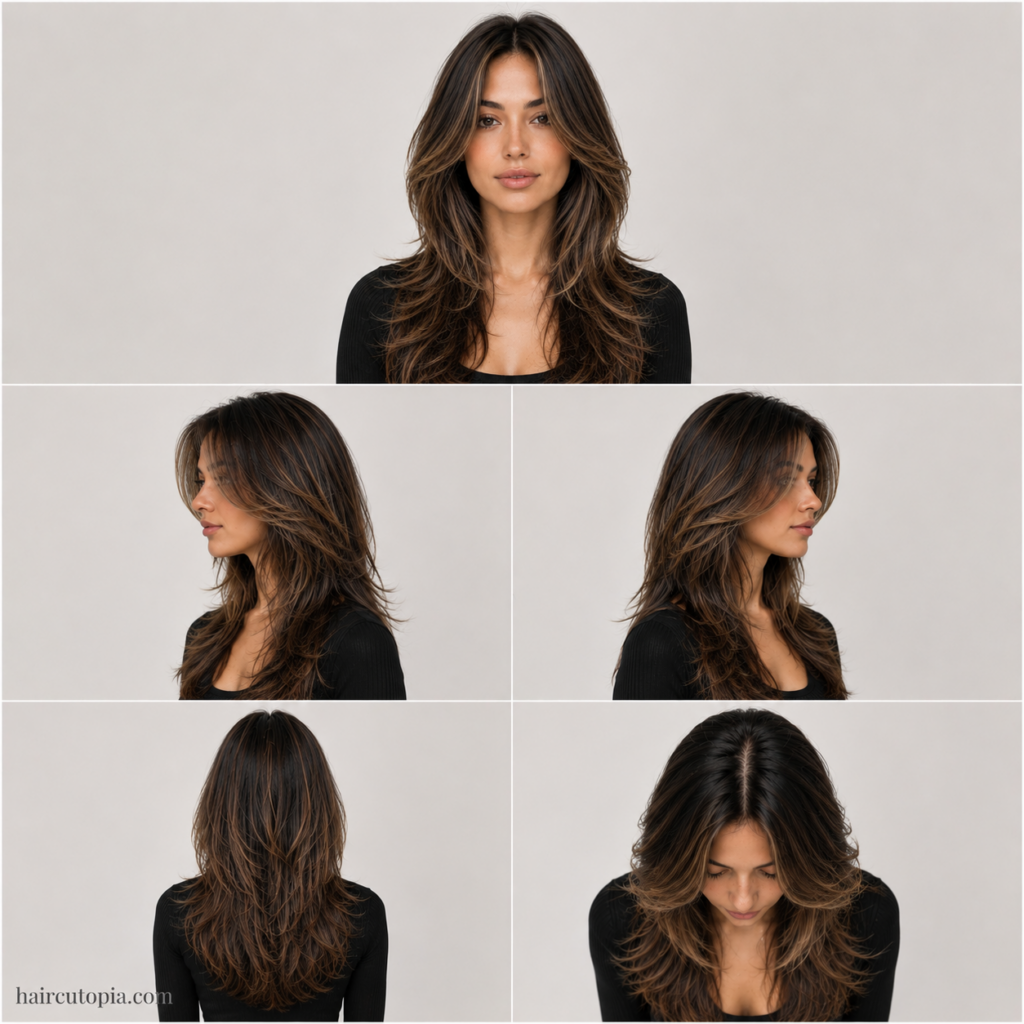
Short Face-Framing Layers
Starting around the eyes or cheekbones, these layers create:
- Lift
- Texture
- Soft volume
- Youthful movement
They work especially well with shags and layered bobs.
Medium Face-Framing Layers
Layers beginning around the nose or lips provide one of the most balanced looks for long faces.
They create fullness without adding unnecessary length.
Long Face-Framing Layers
Long layers beginning near the chin soften the overall haircut while preserving long hair.
They’re ideal for anyone who wants movement without sacrificing length.
25 Face-Framing Layers Haircuts for Long Faces
1. Long Soft Layers
Long blended layers create beautiful movement while keeping your overall length intact.
This classic haircut works with nearly every hair type.
2. Curtain Layers
Curtain-inspired framing pieces soften the forehead and create width around the face.
They’re one of the easiest ways to balance a longer face shape.
3. Butterfly Haircut
The butterfly haircut combines shorter framing layers with long flowing lengths.
It delivers:
- Volume
- Bounce
- Softness
- Movement
while maintaining long hair.
4. Layered Lob
A shoulder-length lob naturally adds width around the jawline while remaining polished and easy to style.
5. Feathered Layers
Feathered ends create airy movement while removing excess weight.
This style looks especially beautiful with blowouts.
6. Cheekbone-Length Layers
Layers beginning around the cheekbones draw attention toward the center of the face, helping create balanced proportions.
7. Face-Framing Layers with Curtain Bangs
Curtain bangs blend effortlessly into surrounding layers while visually shortening the appearance of a longer face.
This combination remains one of the most flattering options.
8. Soft Shag
Modern shags create texture and width throughout the sides of the haircut.
They’re playful, stylish, and surprisingly easy to maintain.
9. Layered Waves
Loose waves paired with face-framing layers create natural fullness around the cheeks.
The overall effect feels relaxed and effortlessly chic.
10. Invisible Layers
Invisible layers remove internal bulk while maintaining a sleek appearance.
Perfect for those who prefer polished hairstyles.
11. Mid-Length Layers
Medium-length layered cuts offer versatility while helping create width through the lower half of the face.
12. Rounded Layers
Rounded layering techniques produce soft volume and balanced movement throughout the haircut.
13. Long Layers with Side Part
A side part naturally adds fullness while creating a softer overall silhouette.
14. Wispy Front Layers
Fine wispy pieces soften facial lines without dramatically changing your haircut.
15. Layered U-Cut
The rounded U-shape preserves fullness while allowing front layers to flow naturally.
16. Shoulder-Length Textured Cut
Texture prevents medium-length hair from appearing flat while adding movement around the face.
17. Voluminous Blowout Layers
Large blowouts make face-framing layers stand out while adding luxurious body.
18. Air-Dried Layers
If you prefer minimal styling, longer blended layers enhance your natural texture beautifully.
19. Money Piece Layers
Bright front highlights paired with layered framing pieces naturally brighten the complexion.
20. Curly Face-Framing Layers
Curly hair benefits from carefully shaped layers that define curls while creating balanced proportions.
21. Layered V-Cut
A V-shaped perimeter keeps long hair flowing while face-framing layers soften the front.
22. Soft Flipped Layers
Flipped ends add playful movement with a subtle retro-inspired finish.
23. Long Textured Layers
Textured long layers remove heaviness while maintaining fullness.
24. Sleek Straight Layers
Straight hair benefits from blended framing pieces that create movement without sacrificing sleekness.
25. Classic Face-Framing Layers
Simple blended layers remain one of the most timeless choices for long face shapes.
They’re flattering, versatile, and never go out of style.
Best Hair Types for Face-Framing Layers
Fine Hair
Longer blended layers help preserve fullness while creating soft movement.
Recommended styles include:
- Butterfly haircut
- Invisible layers
- Layered lob
- Soft long layers
Thick Hair
Strategic layering removes excess weight while making thick hair easier to manage.
Great options include:
- Feathered layers
- Rounded layers
- Long shag
- Butterfly haircut
Straight Hair
Straight textures showcase precise layering beautifully.
The result feels polished and modern.
Wavy Hair
Soft waves naturally emphasize face-framing layers while adding body and width.
Curly Hair
Curly hair benefits from customized layering that enhances definition while maintaining balance.
Should You Get Bangs?
Many people with long faces find that bangs help create more balanced facial proportions.
Excellent options include:
- Curtain bangs
- Wispy bangs
- Side-swept bangs
- Bottleneck bangs
- Long layered fringe
These styles pair perfectly with face-framing layers while helping visually shorten the appearance of a longer face.
Styling Tips for Face-Framing Layers
To maximize your layered haircut:
- Blow dry front sections outward using a round brush.
- Create loose waves around the face.
- Add texture spray for movement.
- Finish with lightweight shine serum.
- Avoid overly flat hairstyles that elongate the face.
A little volume around the cheeks often creates the most flattering result.
How Often Should You Trim Face-Framing Layers?
To keep layers fresh:
- Every 6–8 weeks for shorter layered styles
- Every 8–10 weeks for medium-length cuts
- Every 10–12 weeks for long layered hairstyles
Regular trims also help prevent split ends and maintain your haircut’s shape.
Frequently Asked Questions
Are face-framing layers good for long faces?
Yes. They’re one of the most flattering haircut techniques because they create softness and width while balancing facial length.
Where should face-framing layers start?
Most stylists recommend beginning around the cheekbones, nose, or lips to help create fuller facial proportions.
Should long faces get curtain bangs?
Absolutely. Curtain bangs pair beautifully with face-framing layers and help balance a longer face shape.
Do face-framing layers work with curly hair?
Yes. Proper layering enhances curl definition while creating a balanced silhouette.
Can I keep my hair long?
Definitely. Long face-framing layers preserve overall length while adding movement and softness around the face.
Final Thoughts
Face-framing layers are one of the most effective ways to enhance a long face shape without dramatically changing your hairstyle. By adding softness, movement, and volume around the cheeks and jawline, they create balanced proportions while highlighting your natural features.
Whether you choose a butterfly haircut, layered lob, curtain bangs, or long flowing layers, the right haircut can completely transform your look while remaining easy to style every day. Work with your stylist to customize the placement of your layers based on your hair type and personal preferences, and you’ll enjoy a flattering, timeless hairstyle that complements your face beautifully.
Related Posts
 Haircuts for Women with Curly Hair: 25 Flattering Styles for Every Curl Type
 Short Haircuts for Curly Hair: 25 Stylish Ideas, Tips, and Maintenance Guide
 Haircuts for Women with Thin Hair: 25 Flattering Styles That Add Volume and Confidence
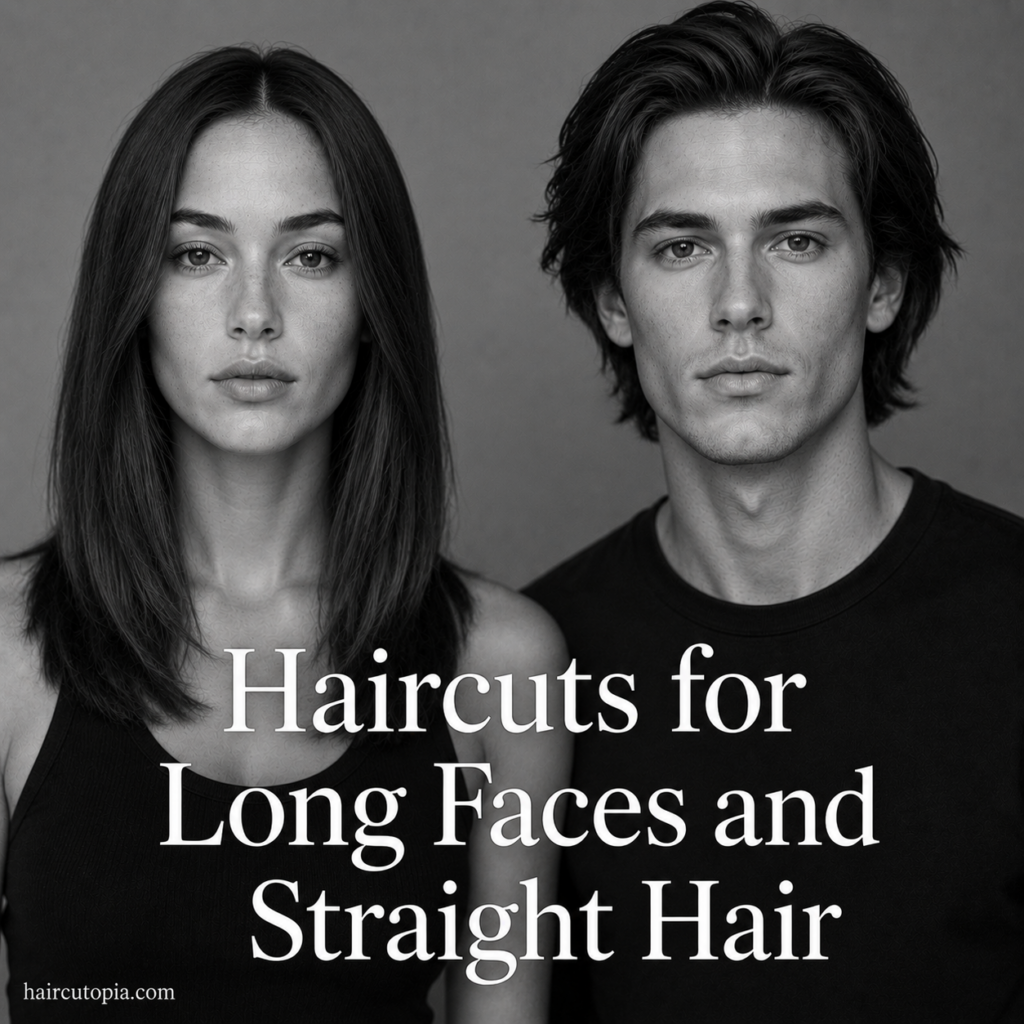 Haircuts for Long Faces and Straight Hair: 25 Flattering Styles That Create Perfect Balance