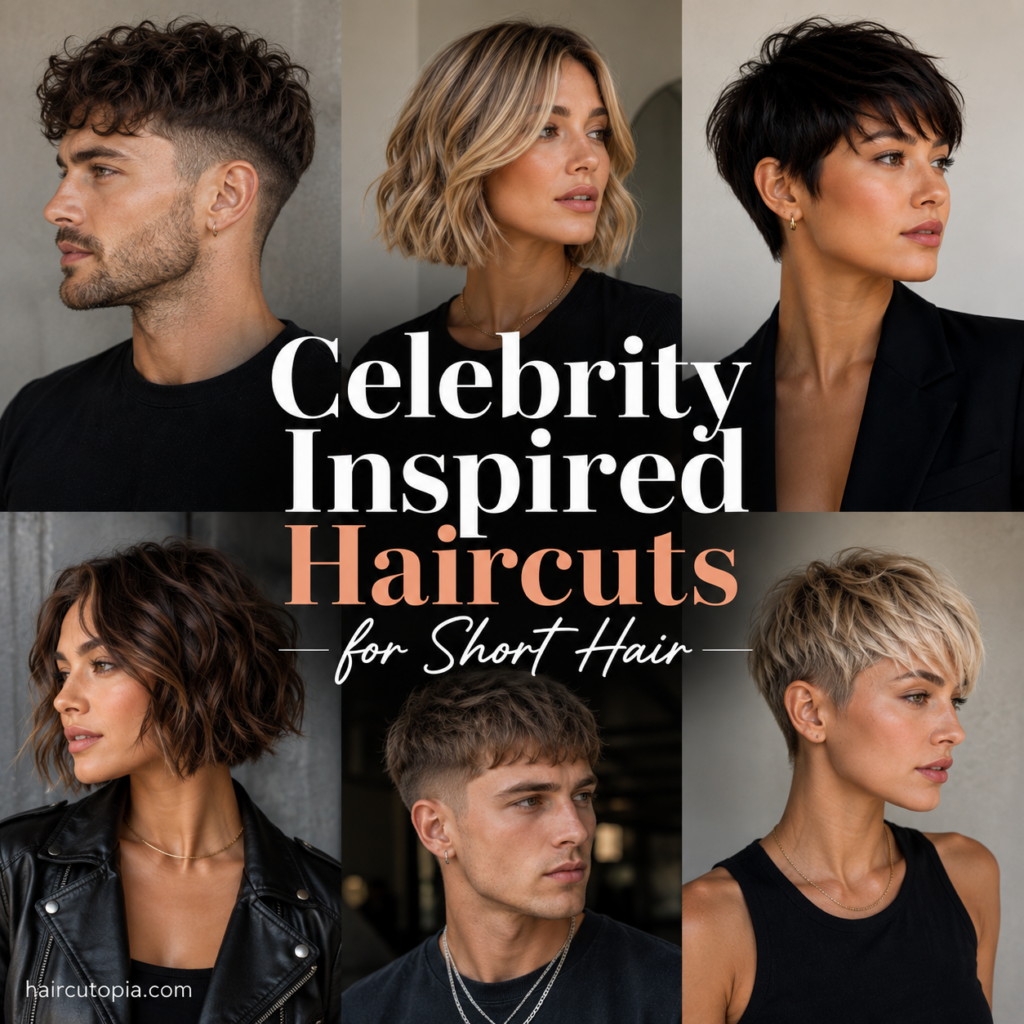
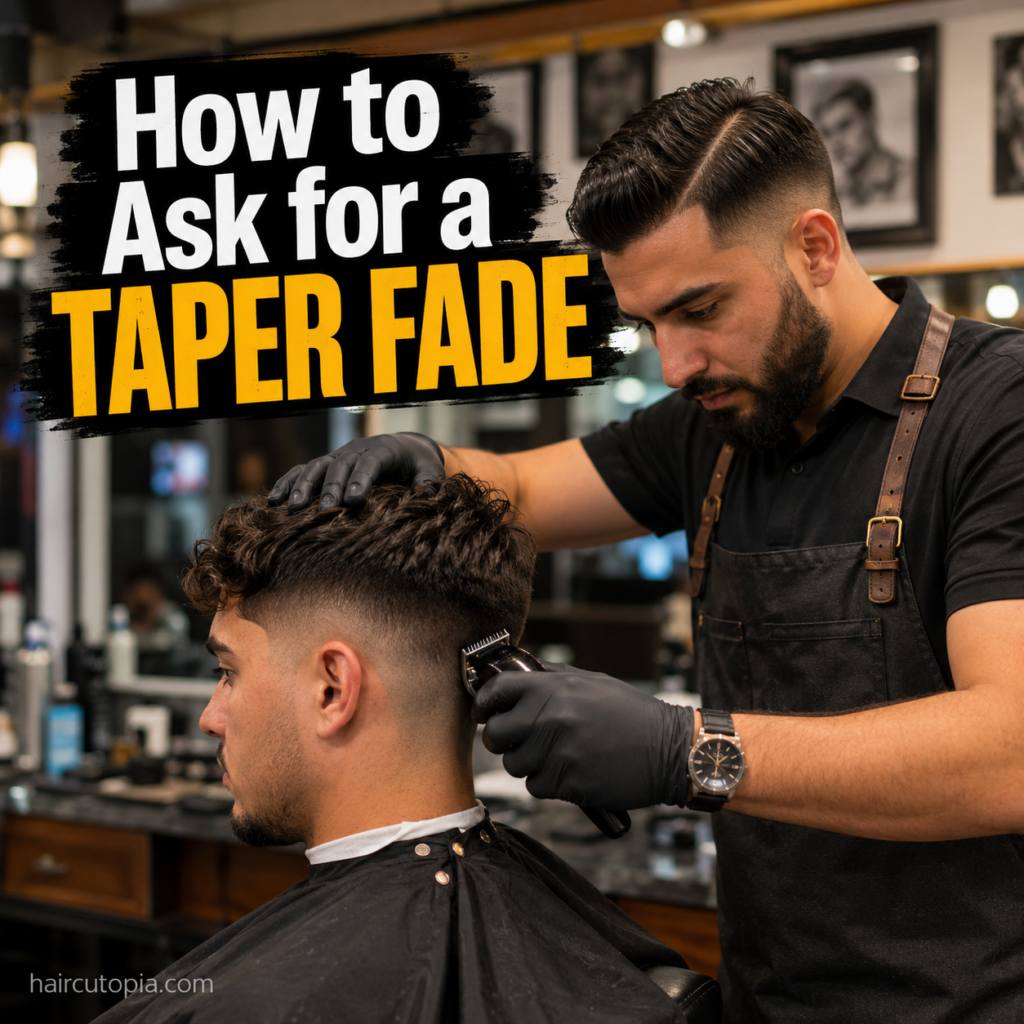
A taper fade is one of those haircuts that sounds simple until your barber starts asking questions. Low, mid, or high? Skin or shadow? How much length on top? What do you want around the neckline?
Knowing how to ask for a taper fade makes the whole process easier. You don’t need to memorize barber terminology or know your exact clipper guard numbers. You just need to communicate where you want the taper, how short you’re comfortable going, and what you want the finished haircut to look like.
This guide breaks down what to tell your barber, which details actually matter, and how to avoid walking out with a fade that’s much higher or shorter than you expected.
What Is a Taper Fade?
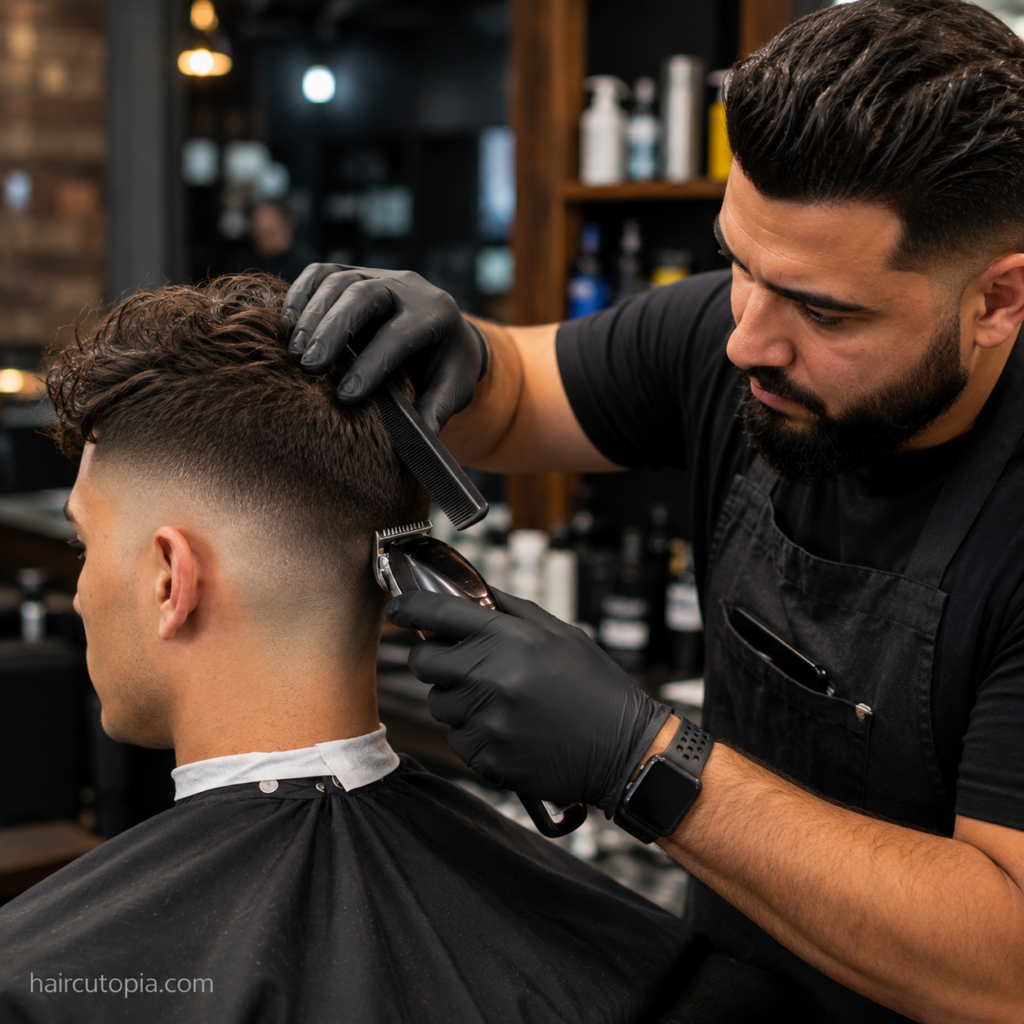
A taper fade gradually shortens the hair around specific areas of the head, usually the temples, sideburns, and neckline. The transition becomes progressively shorter as it moves toward the edges of the haircut.
What separates a taper fade from a traditional full fade is how much of the head is affected.
With a classic taper fade, much of the hair on the sides and back remains intact. The fading is concentrated around the edges rather than extending dramatically up the sides of the head.
This gives the haircut a clean finish without removing too much hair.
A taper fade can work with many hairstyles, including:
- Textured crops
- Curly hairstyles
- Afros
- Crew cuts
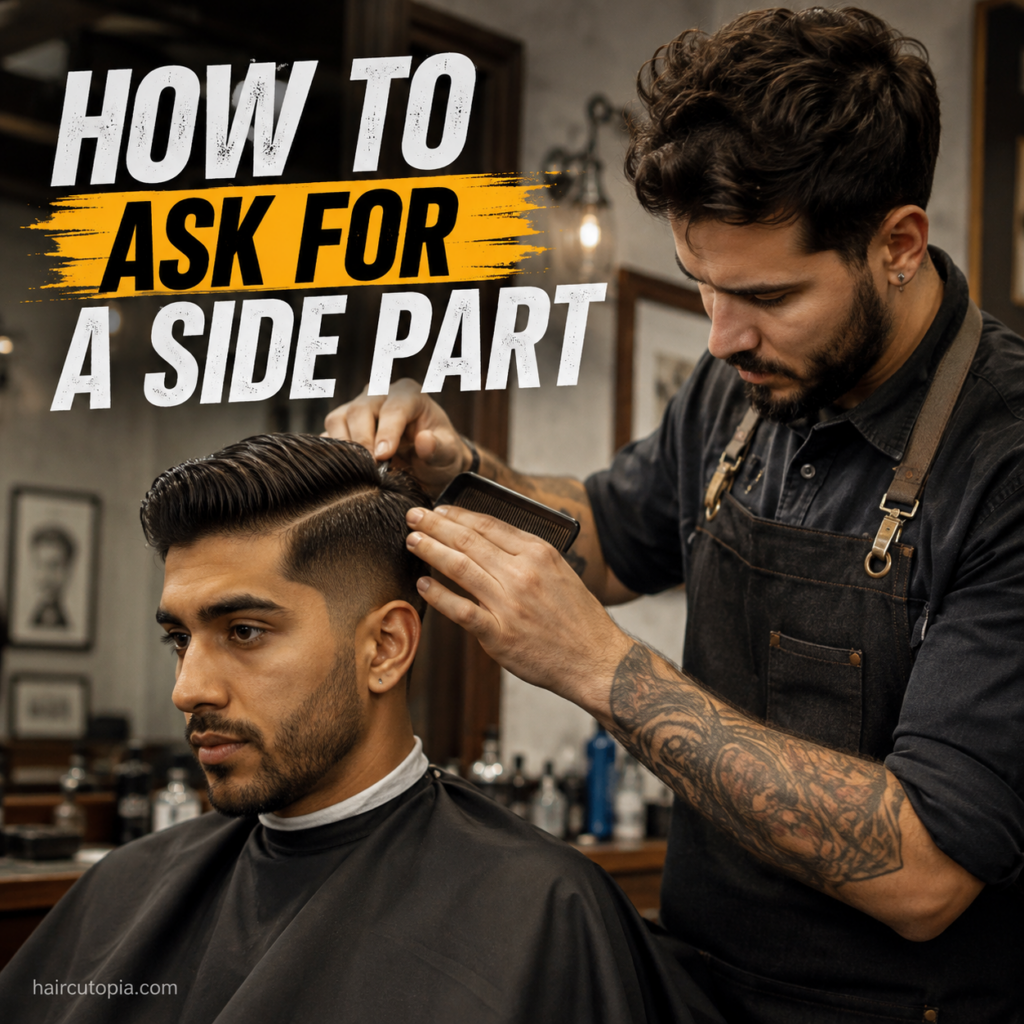
- Comb overs
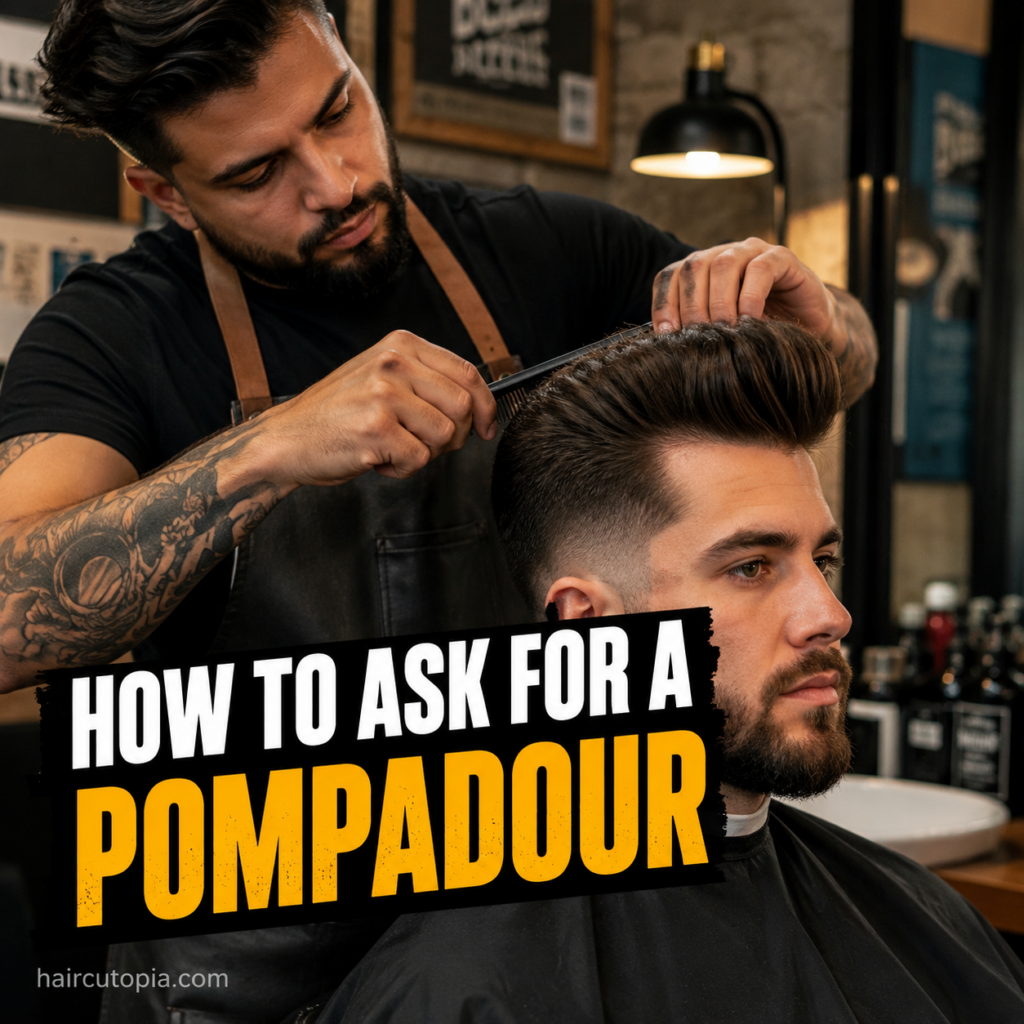
- Pompadours
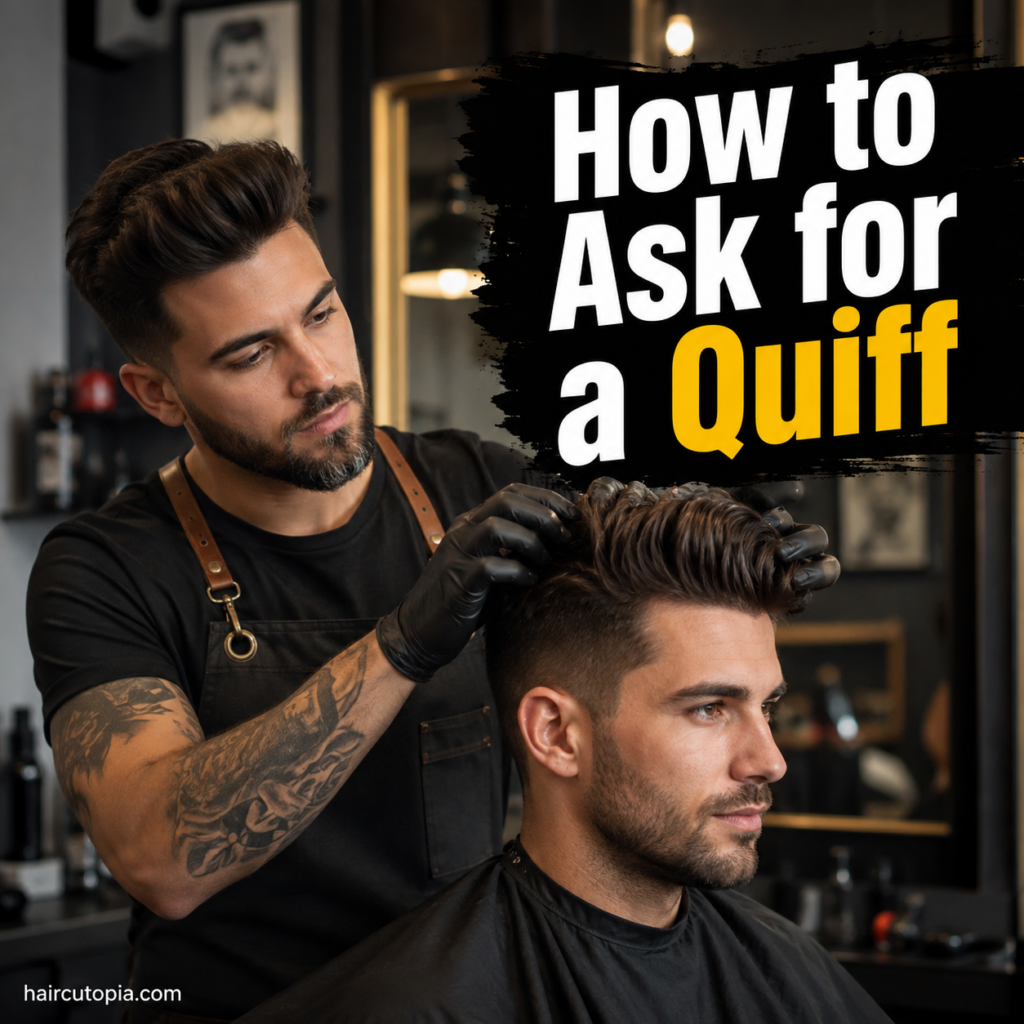
- Quiffs
- Slick backs
- Longer textured tops
- Short natural hairstyles
Because the taper mainly cleans up the perimeter, it’s also a useful option if you want a fresh haircut without the more aggressive appearance of a high or skin fade.
What to Tell Your Barber When Asking for a Taper Fade
The easiest approach is to describe the haircut in pieces rather than simply saying, “I want a taper fade.”
Your barber needs to know how low or high you want the taper, how short it should become, what you want done with the top, and how you normally style your hair.
A good request might sound something like:
“I’d like a low taper fade around the temples and neckline. Keep it fairly subtle, don’t take the sides too high, and leave enough length on top so I can style it with some texture.”
That gives your barber considerably more information than just naming the haircut.
Choose How High You Want the Taper
One of the most important decisions is where the taper should begin.
Low Taper Fade
A low taper fade stays close to the hairline and typically creates the most subtle transition.
Most of the sides remain longer, while the barber gradually shortens the hair around the sideburns and neckline.
Ask for a low taper if you want:
- A conservative, clean appearance
- More hair left on the sides
- A subtle transition
- A haircut that grows out naturally
- The focus to remain on your hairstyle rather than the fade
If you’re trying a taper fade for the first time and aren’t sure how high you want to go, starting low is often the safer choice.
Mid Taper Fade
A mid taper creates a more noticeable transition while still keeping the haircut relatively balanced.
Depending on the hairstyle and barber, the taper may extend slightly higher around the temple area than it would with a low taper.
This can work well if you want the fade to be visible without becoming the dominant feature of the haircut.
High Taper Fade
A high taper starts higher around the temples and creates more contrast between the longer hair and the faded areas.
It produces a sharper, more noticeable finish.
Be especially clear when requesting this style. “High taper” can be interpreted differently depending on the barber and the shape of your haircut. Showing where you’d like the transition to begin can prevent confusion.
Decide How Short You Want the Fade
Height isn’t the only thing that matters. You also need to decide how short the taper should become near the edges.
A taper can finish with some visible hair or fade all the way down to the skin.
Skin Taper
A skin taper, sometimes called a bald taper, takes the shortest portion down to bare or nearly bare skin.
This creates maximum contrast and gives the edges an especially crisp appearance.
You can tell your barber:
“Give me a low taper, but take the bottom down to skin.”
Shadow Taper
If you don’t want exposed skin, ask your barber to leave a slight shadow at the shortest point.
The result is softer and often less dramatic.
You might say:
“I want a low taper, but don’t take it down to skin. Leave a little darkness at the bottom.”
This is particularly useful if you’re unsure whether you’ll like the look of a skin fade.
Tell Your Barber What You Want on Top
A taper fade describes what happens around the sides and edges. It doesn’t automatically tell your barber what to do with the hair on top.
Be specific about how much length you want removed.
Instead of saying:
“Just clean up the top.”
Try something more descriptive:
“Take about half an inch off the top and keep the texture.”
Or:
“Keep most of the length on top. I just want it shaped and cleaned up.”
If you’re growing your hair, tell your barber before the haircut begins. Otherwise, they may remove more length than you intended while trying to balance the overall shape.
Explain How You Style Your Hair
How you normally wear your hair can affect how the barber cuts it.
Tell them whether you usually wear it:
- Forward
- Swept back
- Parted to one side
- Messy or textured
- Curly and natural
- Brushed upward
- With or without styling products
For example, if you normally push your hair backward, your barber may preserve length in areas that help create that shape.
This is one reason describing your routine can sometimes be more useful than knowing technical haircut terminology.
Be Clear About the Neckline
The neckline is easy to overlook, but it can change how the back of the haircut looks.
With a taper fade, the neckline is often naturally tapered rather than cut into a hard horizontal line.
A tapered neckline gradually blends into the skin and tends to look softer as it grows out.
You can simply ask:
“Can you taper the neckline instead of blocking it?”
If you prefer a sharper outline, ask your barber what would work best with your hairline and haircut.
Bring a Reference Photo
A reference photo is one of the easiest ways to communicate what you want.
Haircut terminology isn’t completely universal. One barber’s idea of a low taper may be slightly different from another barber’s.
A photo removes much of that uncertainty.
Try to find a reference showing:
- A similar hair texture
- A similar amount of hair on top
- The taper height you want
- The shortest point of the fade
- The front, sides, and back when possible
You don’t need to find someone with exactly your face shape or hair. The goal is simply to show the barber the overall direction.
It’s also perfectly reasonable to combine ideas from several photos.
You might like the taper in one picture but prefer the length and texture from another.
Should You Ask for a Specific Clipper Guard?
You can, but you usually don’t need to.
If you already know that you like a particular guard length, telling your barber can be helpful. But clipper numbers aren’t necessary for communicating a good haircut.
Saying “a number 1 on the sides” can also be misleading if you’re actually trying to describe a blended taper with several lengths.
Instead, focus on the visual result.
Tell your barber whether you want the taper:
- Down to skin
- Extremely short but not bald
- Darker and more subtle
- Sharp and high contrast
- Soft and blended
An experienced barber can choose the appropriate tools and guard lengths to create that effect.
Taper Fade vs. Regular Fade: Know the Difference
This distinction can prevent one of the biggest haircut misunderstandings.
A taper fade generally concentrates the shortest blending around the temples, sideburns, and neckline.
A regular fade usually affects a larger portion of the sides and back.
For example, a low fade may create a continuous faded section wrapping around the head. A low taper usually preserves considerably more length through the sides and back.
If you want the sides mostly left alone, say so.
Something as simple as:
“I want the taper mainly around the temples and neckline. Don’t fade the entire sides.”
can make your preference much clearer.
How to Ask for a Taper Fade With Curly Hair
Taper fades pair especially well with curly hair because they can clean up the edges without removing the volume and texture that make the hairstyle work.
If you want to preserve your curls, tell your barber.
For example:
“Give me a low taper around the temples and neckline, but keep the curls full on top and don’t take too much weight out of the sides.”
You may also want to discuss shrinkage. Curly hair can appear considerably shorter when dry, so removing what seems like a small amount of length can make a noticeable difference.
If maintaining curl length is important, make that clear before the cutting starts.
How to Ask for a Taper Fade With Straight or Wavy Hair
With straight or wavy hair, the transition between different lengths can sometimes appear more obvious.
A softer taper can help maintain a natural connection between the sides and the longer hair above.
If you wear a quiff, textured crop, side part, or pushed-back style, explain how you want the top to connect with the sides.
For example:
“I want a low taper around the edges, but keep enough weight through the sides so it blends naturally into the longer top.”
This tells your barber that you don’t want an overly disconnected look.
Common Mistakes When Asking for a Taper Fade
Most disappointing haircuts aren’t caused by using the wrong technical term. They’re caused by leaving important details open to interpretation.
Only Saying “Give Me a Taper”
That’s a starting point, not a complete description.
Specify the height, shortest length, and what you want done with the top.
Confusing a Taper With a Full Fade
If you want hair left through most of the sides, make that clear. Otherwise, you could end up with more of the sides faded than expected.
Asking for “Short” Without Explaining How Short
“Short” means different things to different people.
Use a reference photo, show the approximate length with your fingers, or explain whether you’re comfortable seeing skin.
Not Mentioning That You’re Growing Your Hair
If you’re growing out the top, sides, or back, tell your barber before they start cutting.
A taper can actually be useful during the growing-out process because it cleans up the edges while preserving length elsewhere.
Staying Quiet During the Consultation
The best time to correct a misunderstanding is before significant length has been removed.
If the barber points to where the taper will begin and it seems too high, say something. A quick clarification is much easier than trying to fix an unwanted high fade afterward.
What to Say Before the Haircut Starts
You don’t need a complicated script.
A clear taper fade request can cover four things:
- The height of the taper
- How short you want the bottom
- How much length you want left on top
- How you normally style your hair
For example:
“I’d like a low taper fade around the temples and neckline. Take the bottom down very short but not completely to skin. Keep most of the length on top and just add some texture. I usually style it forward.”
That’s enough information for the barber to understand the general direction while still allowing them to adapt the haircut to your hair.
What If You Don’t Know Which Taper Fade Suits You?
You don’t have to make every decision yourself.
A barber can recommend a taper based on your:
- Hair texture
- Hair density
- Growth patterns
- Hairline
- Head shape
- Current hairstyle
- Desired maintenance level
Tell them the result you’re trying to achieve rather than pretending you know exactly how it should be cut.
For example:
“I want something clean around the edges, but I don’t want the sides looking too faded. What taper would work best?”
That gives your barber room to make a professional recommendation while keeping your main preference clear.
How Often Does a Taper Fade Need to Be Maintained?
Taper fades tend to lose their freshly cut appearance as the shortest areas begin growing back.
If you like a consistently sharp finish, you may want a cleanup every two to three weeks. If you’re comfortable with a softer, grown-in appearance, you can usually wait longer between appointments.
How noticeable the growth becomes depends on factors such as:
- How short the original taper was
- How quickly your hair grows
- The contrast between your hair and scalp
- How sharp your lineup is
- Your hairstyle and hair texture
A skin taper generally shows regrowth sooner than a taper that starts slightly longer.
Quick Taper Fade Checklist Before Your Appointment
Before sitting in the barber’s chair, know the answers to these questions:
- Do I want a low, mid, or high taper?
- Do I want skin showing at the shortest point?
- How much length do I want removed from the top?
- Do I want most of the sides preserved?
- How do I normally style my hair?
- Do I want the neckline naturally tapered?
- Do I have a reference photo?
You don’t need a technical answer for every detail. Even knowing what you don’t want can help your barber.
Final Thoughts
Learning how to ask for a taper fade is mostly about communicating the finished look you want.
Start by deciding whether you want a low, mid, or high taper. Explain how short you’re comfortable going, tell your barber what should happen with the top, and mention how you normally style your hair. If you have a reference photo, use it.
Most importantly, don’t worry about sounding like a barber.
Clear descriptions such as “keep the sides fuller,” “don’t take it down to skin,” or “keep the taper low around my temples” are often more useful than trying to use terminology you’re unsure about.
A good consultation gives your barber enough information to combine what you want with what works for your hair. That’s the simplest way to get a taper fade that looks right when you leave the shop—and still works once you’re styling it yourself at home.