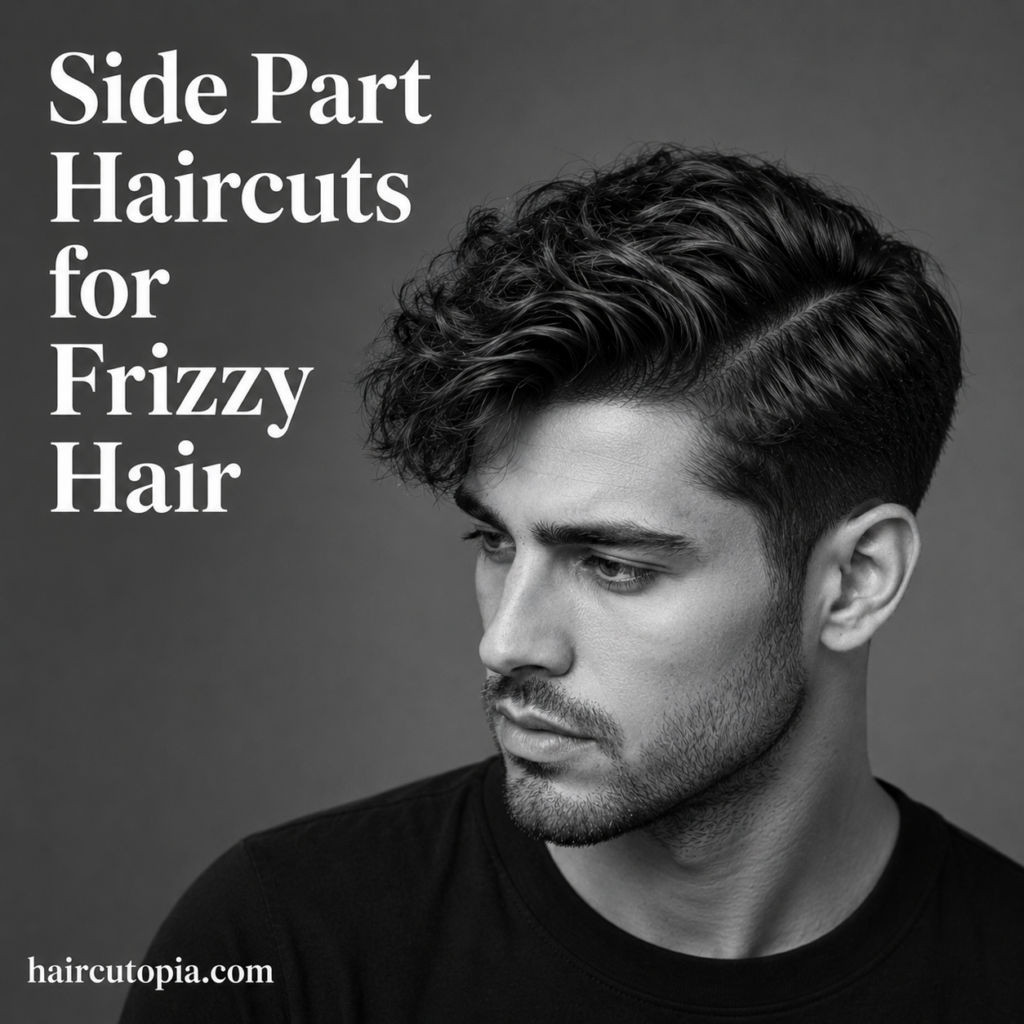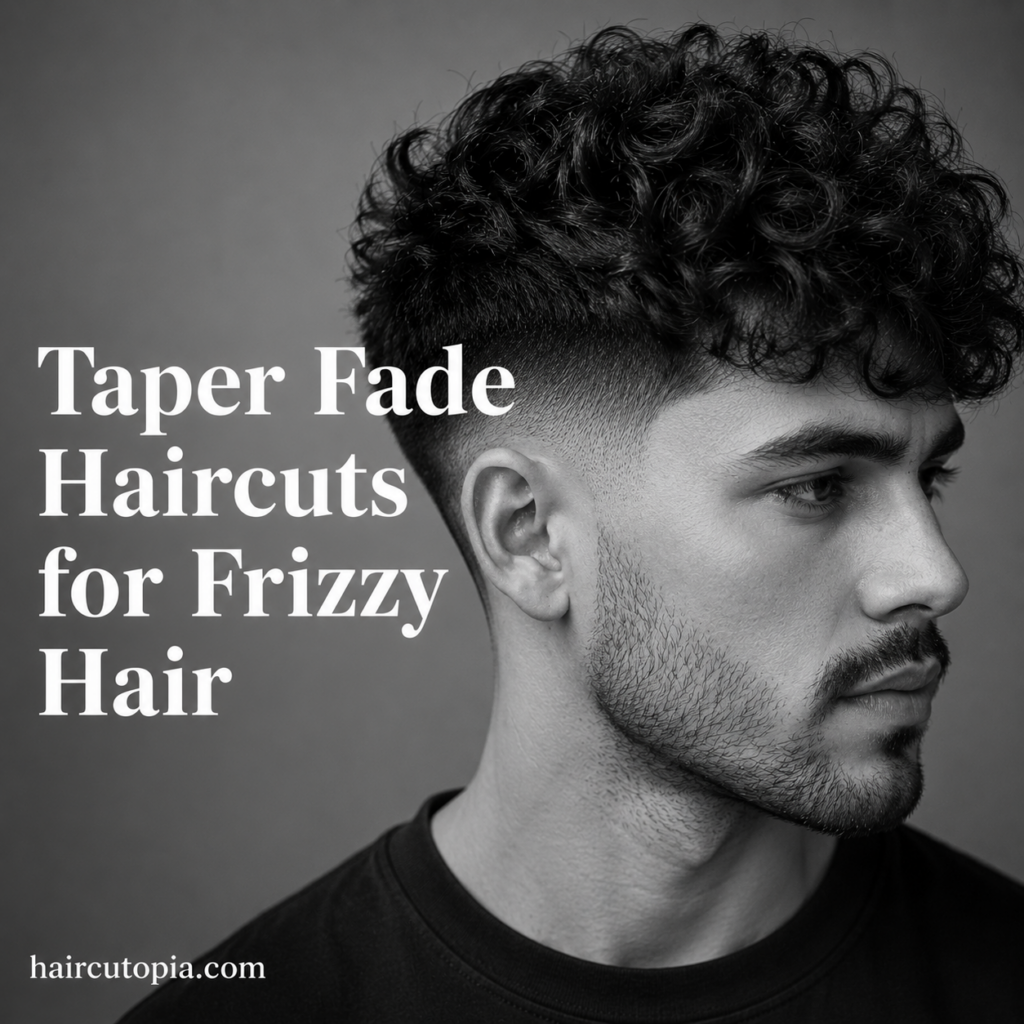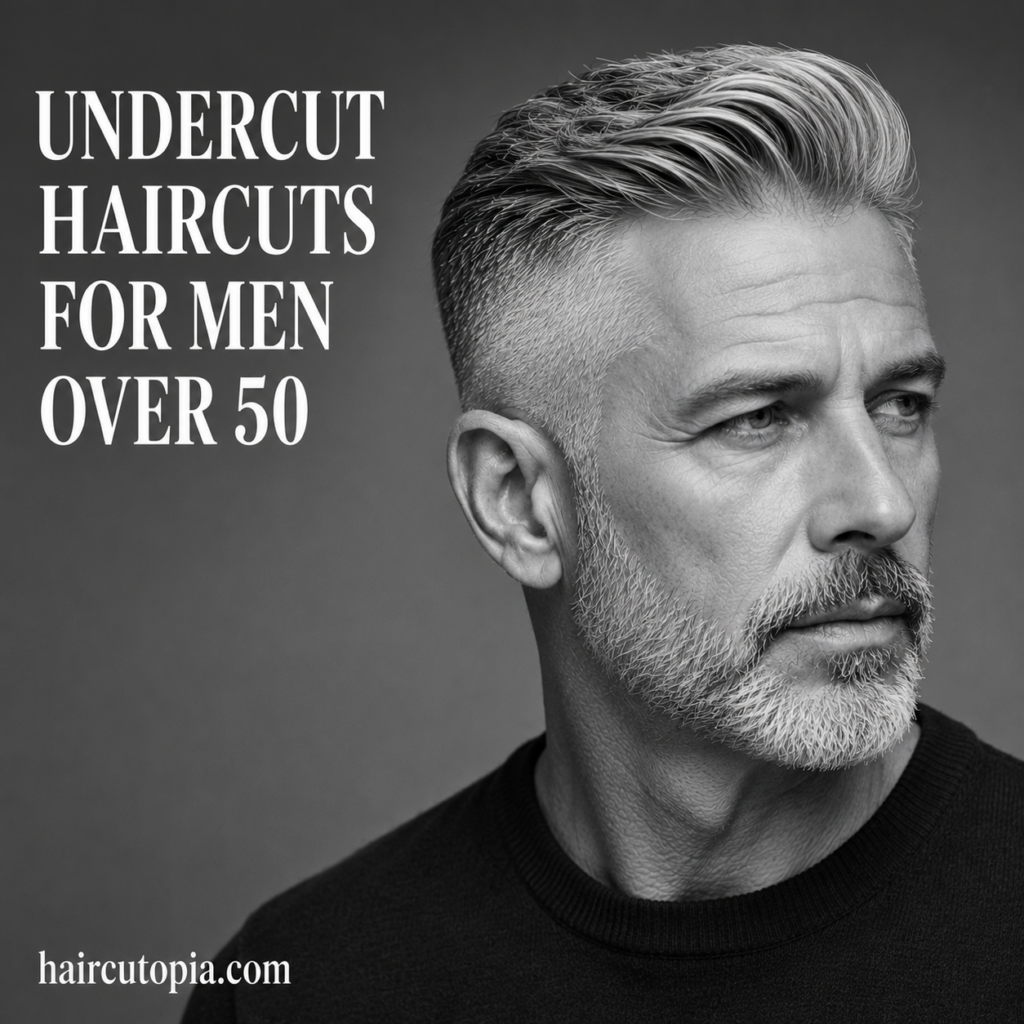
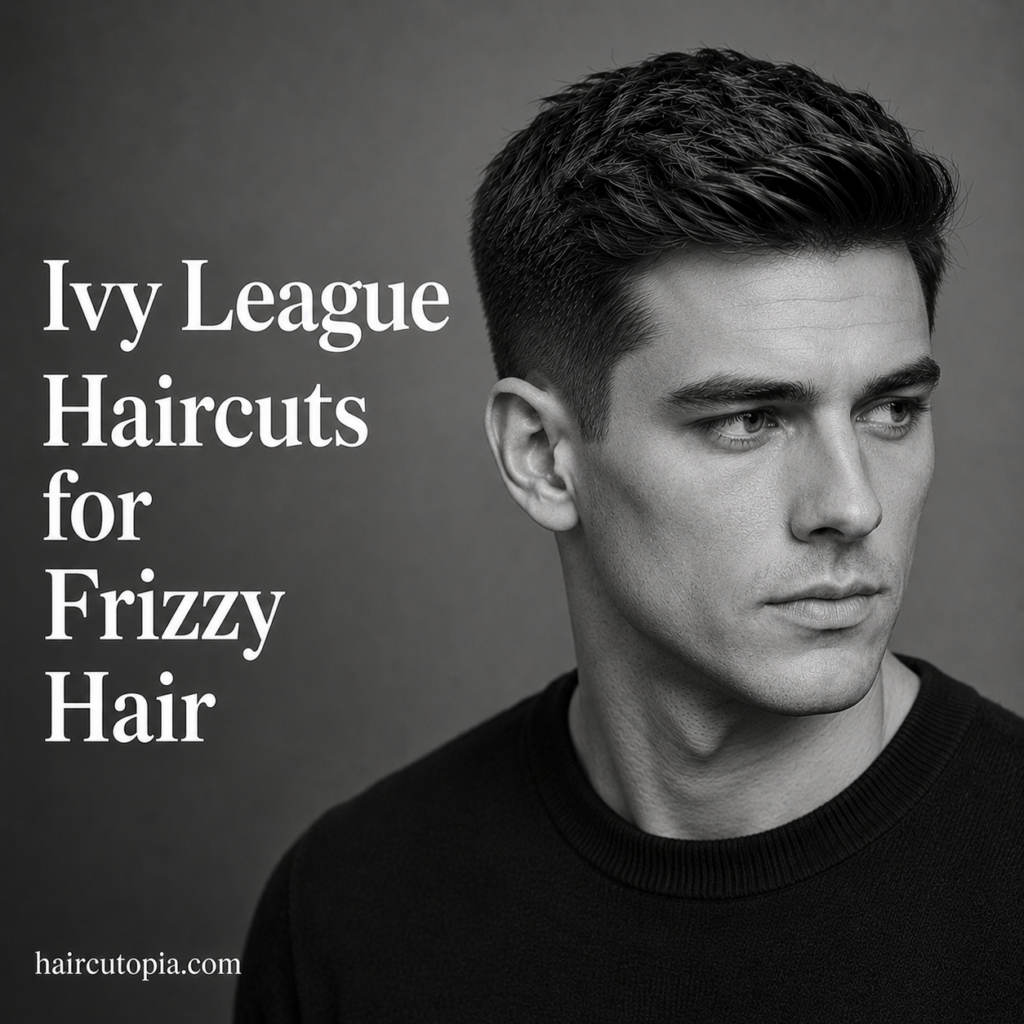
Frizzy hair can be frustrating. One day it looks perfectly styled, and the next it seems to have a mind of its own. Humidity, dryness, hair texture, and even your haircut can all affect how much frizz you experience.
The good news is that the right haircut can make a huge difference.
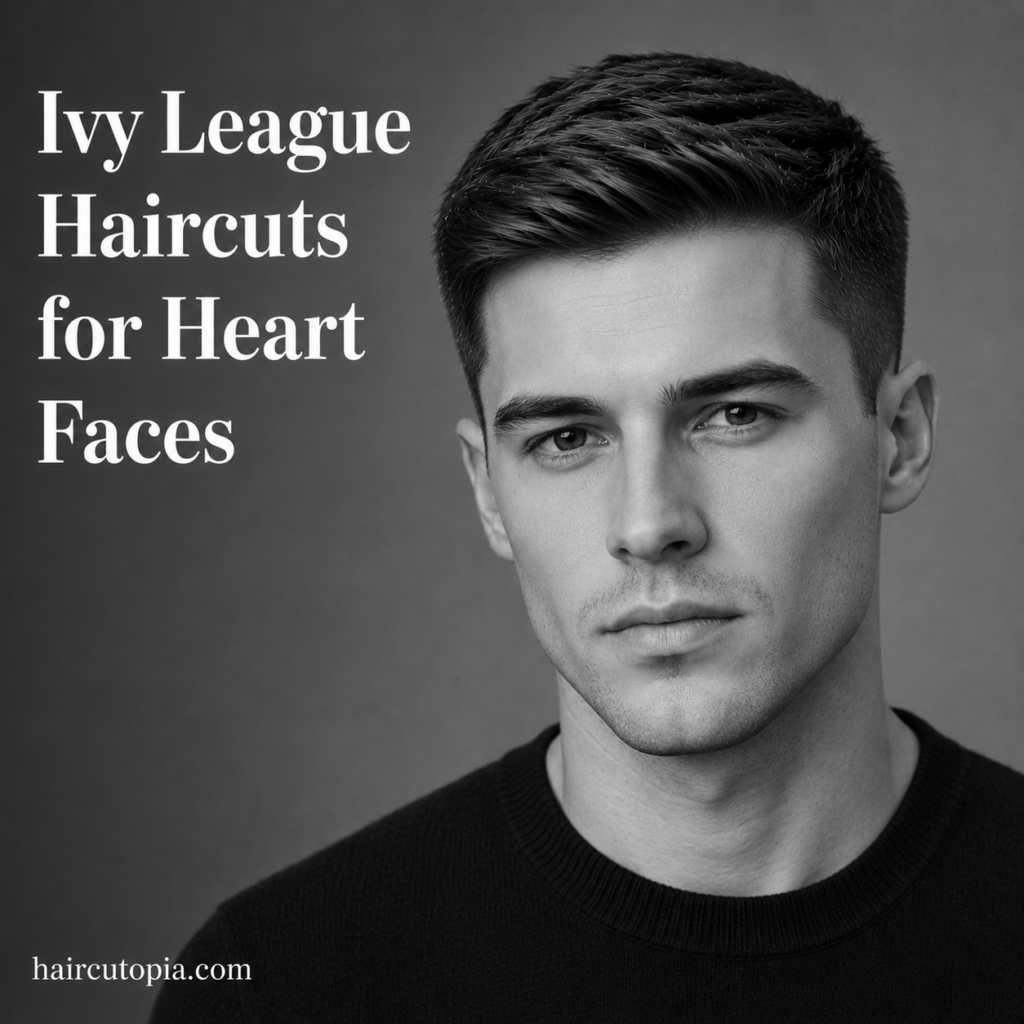
One of the best options for men with frizzy hair is the Ivy League haircut. This classic style provides structure, shape, and control while still allowing natural texture to work in your favor. Instead of constantly fighting your hair, the Ivy League helps create a polished appearance that remains manageable throughout the day.
Whether your hair is slightly frizzy or naturally prone to significant volume and flyaways, an Ivy League haircut can help you achieve a cleaner, more refined look without requiring an overly complicated styling routine.
What Is an Ivy League Haircut?
The Ivy League haircut is a timeless men’s hairstyle that combines the neatness of a crew cut with the versatility of slightly longer hair on top.
Key characteristics include:
- Short tapered sides and back
- Longer top section
- Clean, structured silhouette
- Flexible styling options
Unlike extremely short cuts, the Ivy League leaves enough length to create a side part, textured finish, or brushed-up style while maintaining a professional appearance.
This balance makes it particularly effective for managing frizzy hair.
What Causes Frizzy Hair?
Understanding why hair becomes frizzy can help you choose the right haircut and styling approach.
Common causes include:
- Dryness
- Humidity
- Hair damage
- Natural texture
- Overwashing
- Excessive heat styling
Frizz occurs when the hair cuticle lifts and allows moisture from the environment to enter the hair shaft.
The result is:
- Flyaways
- Puffiness
- Uncontrolled volume
- Uneven texture
While no haircut can completely eliminate frizz, the right style can make it far easier to manage.
Why the Ivy League Haircut Works for Frizzy Hair
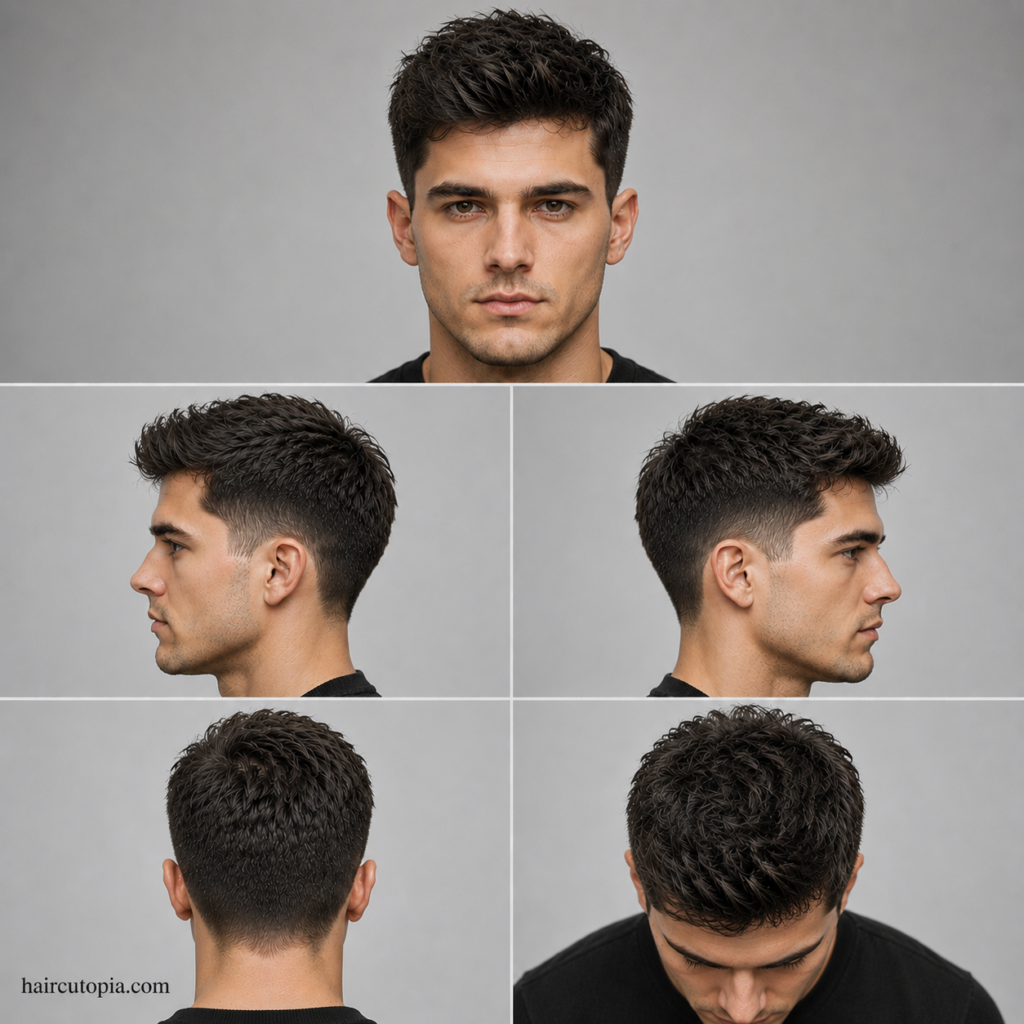
Some hairstyles require every strand to stay perfectly in place.
Frizzy hair rarely cooperates with that approach.
The Ivy League works because it embraces texture while maintaining overall structure.
Benefits include:
- Reduces visual bulk
- Creates a controlled shape
- Allows natural texture to blend in
- Minimizes styling time
- Looks professional and polished
- Works with multiple hair textures
Instead of fighting your hair’s natural tendencies, the Ivy League helps direct them.
Is an Ivy League Haircut Good for Frizzy Hair?
Yes.
In fact, many barbers recommend the Ivy League for men who struggle with frizz because it provides enough length to style the hair while preventing the excessive bulk that often makes frizz more noticeable.
The haircut can help:
- Improve manageability
- Reduce puffiness
- Create cleaner lines
- Maintain a structured appearance
The key is proper cutting and styling techniques.
Best Ivy League Haircuts for Frizzy Hair
Classic Ivy League
The traditional Ivy League remains one of the most reliable choices.
The tapered sides reduce unnecessary volume while the longer top creates styling flexibility.
Benefits include:
- Timeless appeal
- Easy maintenance
- Professional appearance
This version works well for most levels of frizz.
Textured Ivy League
Texture can actually help disguise frizz.
Rather than forcing the hair into a perfectly smooth style, this version embraces controlled movement.
Advantages include:
- More natural appearance
- Better texture blending
- Modern styling
A matte product works particularly well with this variation.
Ivy League With Taper Fade
A taper fade removes excess bulk around the ears and neckline.
This creates a cleaner silhouette and reduces the overall visual impact of frizz.
Benefits include:
- Sharper profile
- Better shape control
- Modern appearance
A low taper fade is often the safest option.
Side-Part Ivy League
A side part introduces structure and direction.
Even when some natural texture remains, the part helps the haircut appear intentional and polished.
Why it works:
- Adds definition
- Creates balance
- Enhances professionalism
It’s a favorite among office professionals.
Ivy League With Low Fade
A low fade keeps the haircut conservative while improving manageability.
Because the fade starts lower on the head, it maintains a classic Ivy League appearance.
Advantages include:
- Versatility
- Clean edges
- Minimal styling effort
Ivy League With Natural Texture
Trying to completely eliminate frizz often leads to frustration.
This version embraces natural texture while maintaining shape.
The result feels:
- Relaxed
- Modern
- Authentic
Many men find this approach easier to maintain long term.
Brushed-Up Ivy League
Frizzy hair often creates natural volume.
A brushed-up Ivy League uses that volume to its advantage.
Benefits include:
- Increased height
- Better facial balance
- Stylish appearance
A lightweight styling cream helps maintain control.
Ivy League With Scissor Taper
A scissor taper creates softer transitions than a skin fade.
For frizzy hair, this often results in a fuller and more natural-looking appearance.
It’s particularly popular among men who prefer traditional hairstyles.
Ivy League With Medium Texture
Leaving slightly more length on top allows texture to become part of the style.
Benefits include:
- Enhanced movement
- Softer appearance
- Better blend of natural texture
This variation works especially well for naturally wavy hair that tends to become frizzy.
Ivy League With Soft Quiff
A subtle quiff introduces additional height without becoming difficult to manage.
The style adds:
- Volume
- Modern character
- Visual interest
Frizzy hair often provides enough natural lift to support this look.
Choosing the Right Ivy League Haircut for Your Face Shape
Oval Face
Oval faces work with nearly every Ivy League variation.
Recommended styles include:
- Classic Ivy League
- Textured Ivy League
- Side-Part Ivy League
Round Face
Height helps elongate facial features.
Best choices:
- Brushed-Up Ivy League
- Soft Quiff Ivy League
- Taper Fade Ivy League
Square Face
Strong jawlines pair naturally with structured haircuts.
Excellent options include:
- Classic Ivy League
- Side-Part Ivy League
- Low Fade Ivy League
Long Face
Avoid excessive volume on top.
Instead consider:
- Natural Texture Ivy League
- Scissor-Taper Ivy League
- Classic Ivy League
These styles create better overall balance.
How to Ask Your Barber for an Ivy League Haircut
Communication is essential when dealing with frizzy hair.
You can tell your barber:
“I’d like an Ivy League haircut that helps control my frizz while keeping some natural texture on top.”
Also discuss:
- Areas where frizz is most noticeable
- Desired top length
- Fade or taper preference
- Styling routine
- Maintenance expectations
Reference photos can make the process much easier.
Styling an Ivy League Haircut for Frizzy Hair
The right styling routine can dramatically improve results.
Focus on Moisture
Dry hair tends to become frizzier.
Use:
- Moisturizing conditioner
- Leave-in conditioner
- Lightweight hair cream
Hydrated hair is usually easier to control.
Use Anti-Frizz Products
Helpful options include:
- Smoothing cream
- Styling cream
- Lightweight pomade
- Frizz-control serum
Choose products that provide control without excessive shine.
Avoid Aggressive Towel Drying
Rough towel drying can increase frizz.
Instead:
- Gently pat hair dry.
- Apply product while damp.
- Style with your fingers or a wide-tooth comb.
- Allow hair to air dry or use low heat.
Don’t Overload Product
Too much product can make hair appear greasy and heavy.
Start small and add more only if necessary.
Common Mistakes Men With Frizzy Hair Make
Chasing Perfect Smoothness
Frizzy hair often looks best when some natural texture remains visible.
Trying to eliminate every flyaway can create a stiff, unnatural appearance.
Using Excessive Heat
Frequent heat styling can damage hair and worsen frizz over time.
Skipping Conditioner
Conditioner plays a major role in moisture retention and frizz control.
Ignoring Regular Haircuts
Frizz tends to become more noticeable when hair loses its shape.
Routine trims help maintain structure.
Maintenance Tips
Keeping an Ivy League haircut looking sharp requires consistency.
Helpful habits include:
- Trim every 4–6 weeks
- Use moisturizing products
- Avoid overwashing
- Limit heat styling
- Maintain side tapering
These simple practices can significantly improve hair manageability.
Ivy League vs. Crew Cut for Frizzy Hair
Both styles can work, but they offer different benefits.
Ivy League
Pros:
- More styling flexibility
- Better texture control
- More professional versatility
- Greater volume management
Crew Cut
Pros:
- Lower maintenance
- Minimal styling
- Shorter overall length
For most men with frizzy hair, the Ivy League offers more options while still remaining easy to manage.
Why the Ivy League Remains a Timeless Choice
The Ivy League haircut has remained popular for generations because it adapts to different hair types while maintaining a clean, sophisticated appearance.
For men with frizzy hair, it offers:
- Structure
- Manageability
- Styling flexibility
- Timeless appeal
Few hairstyles balance all of these qualities as effectively.
Final Thoughts
Frizzy hair doesn’t have to limit your hairstyle choices. In fact, the right haircut can transform frizz from a daily frustration into a manageable part of your overall look.
The Ivy League haircut remains one of the best options because it provides structure without demanding perfection. By combining clean tapering with enough length to showcase natural texture, it creates a balanced style that looks polished, versatile, and easy to maintain.
Whether you choose a classic Ivy League, a textured variation, a taper fade, or a soft quiff, this timeless haircut can help you take control of frizzy hair while still looking effortlessly stylish.