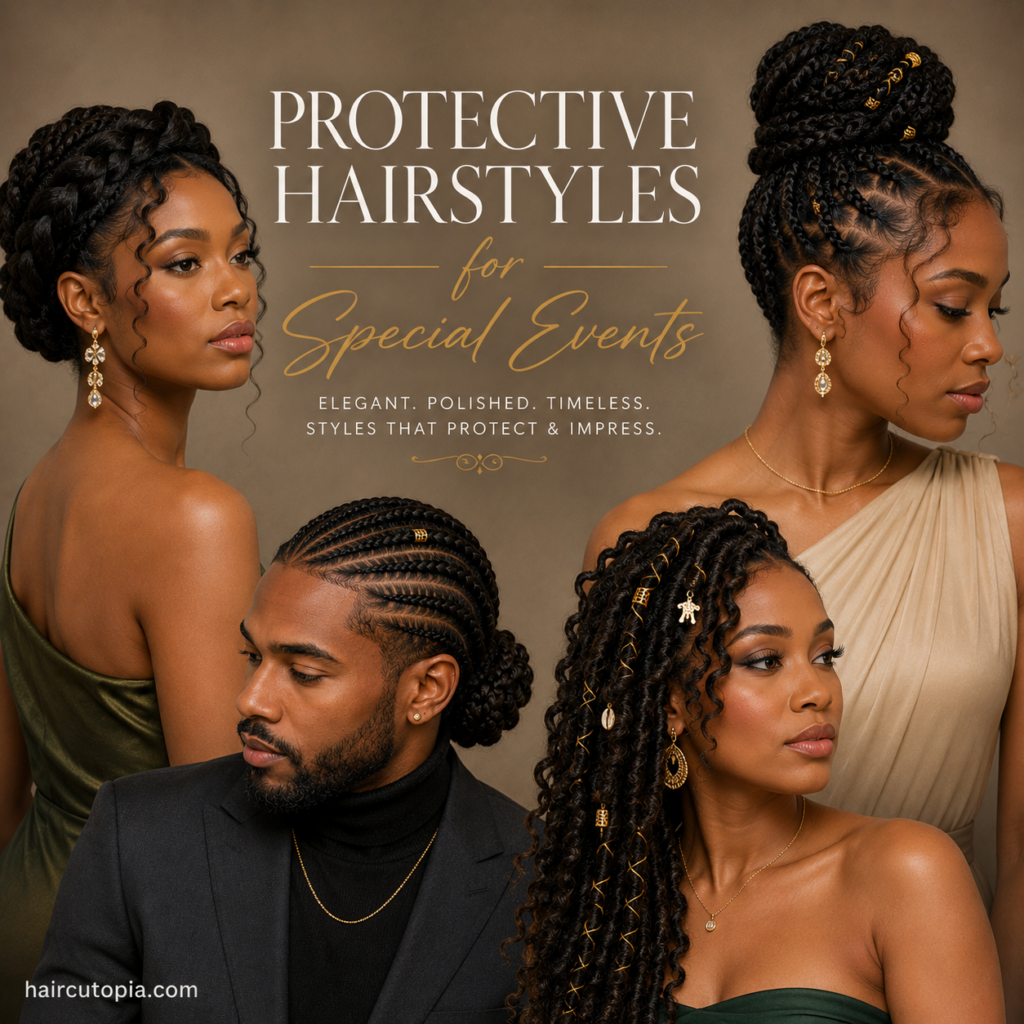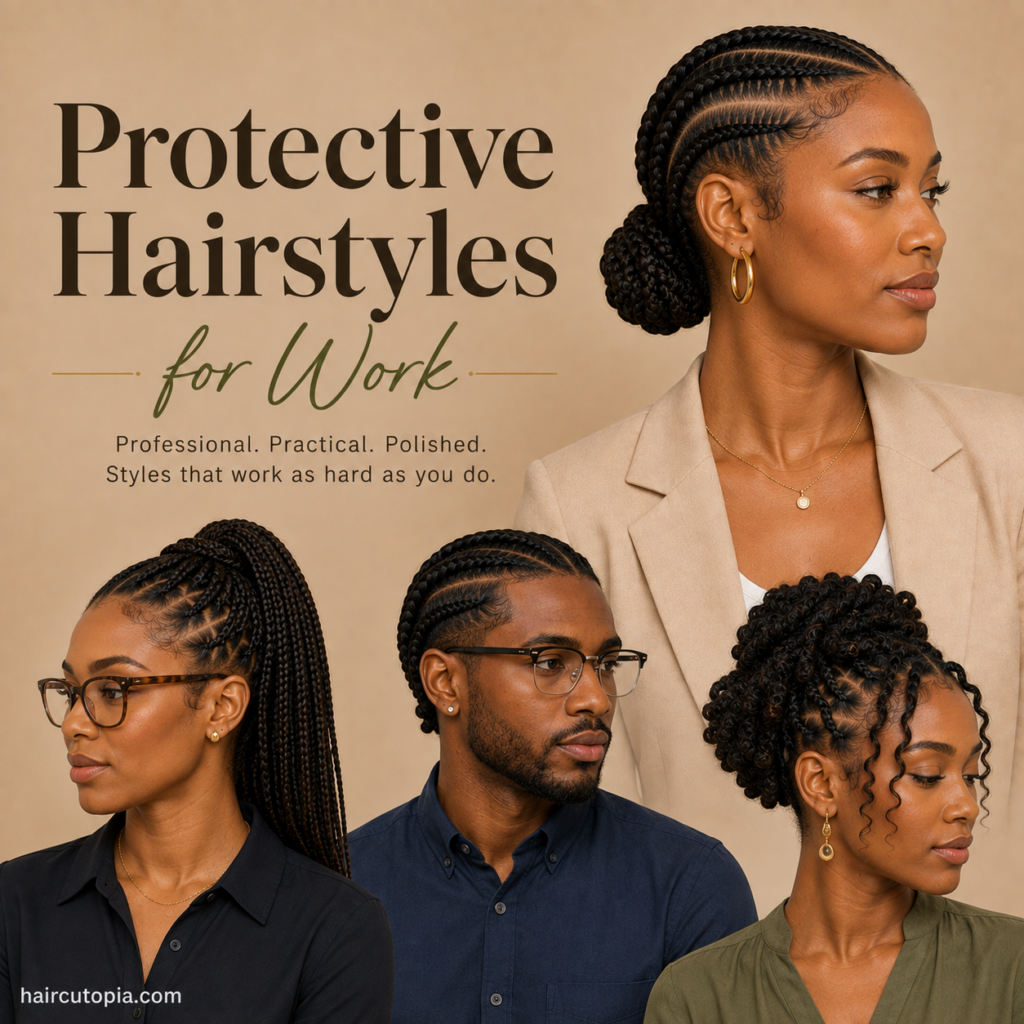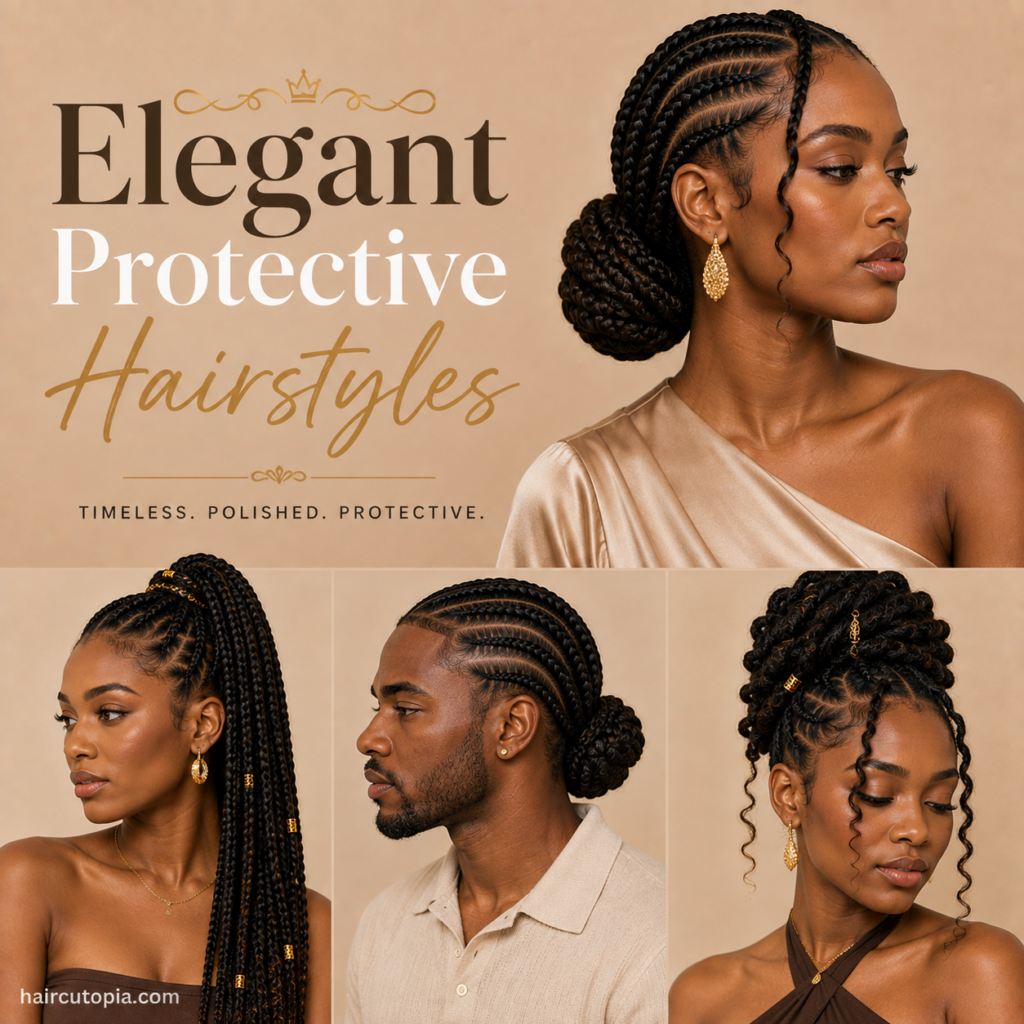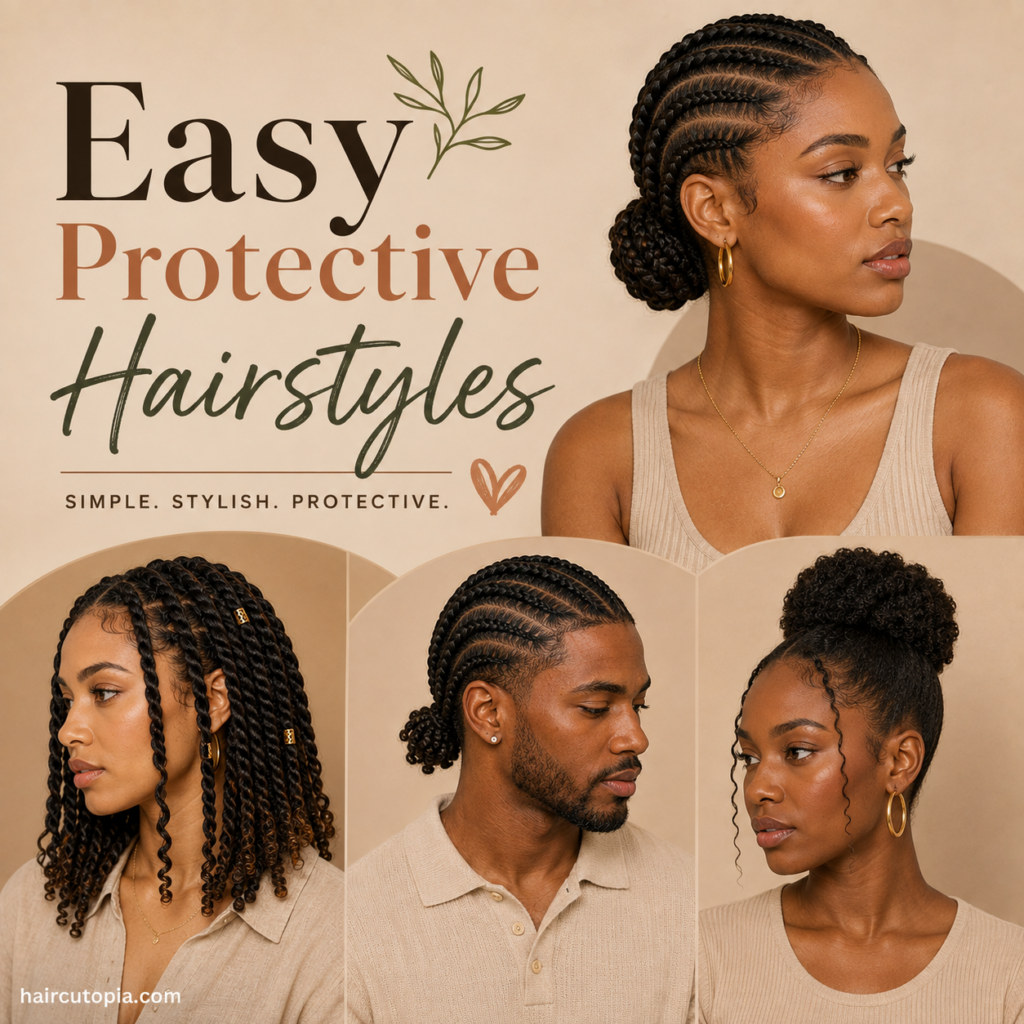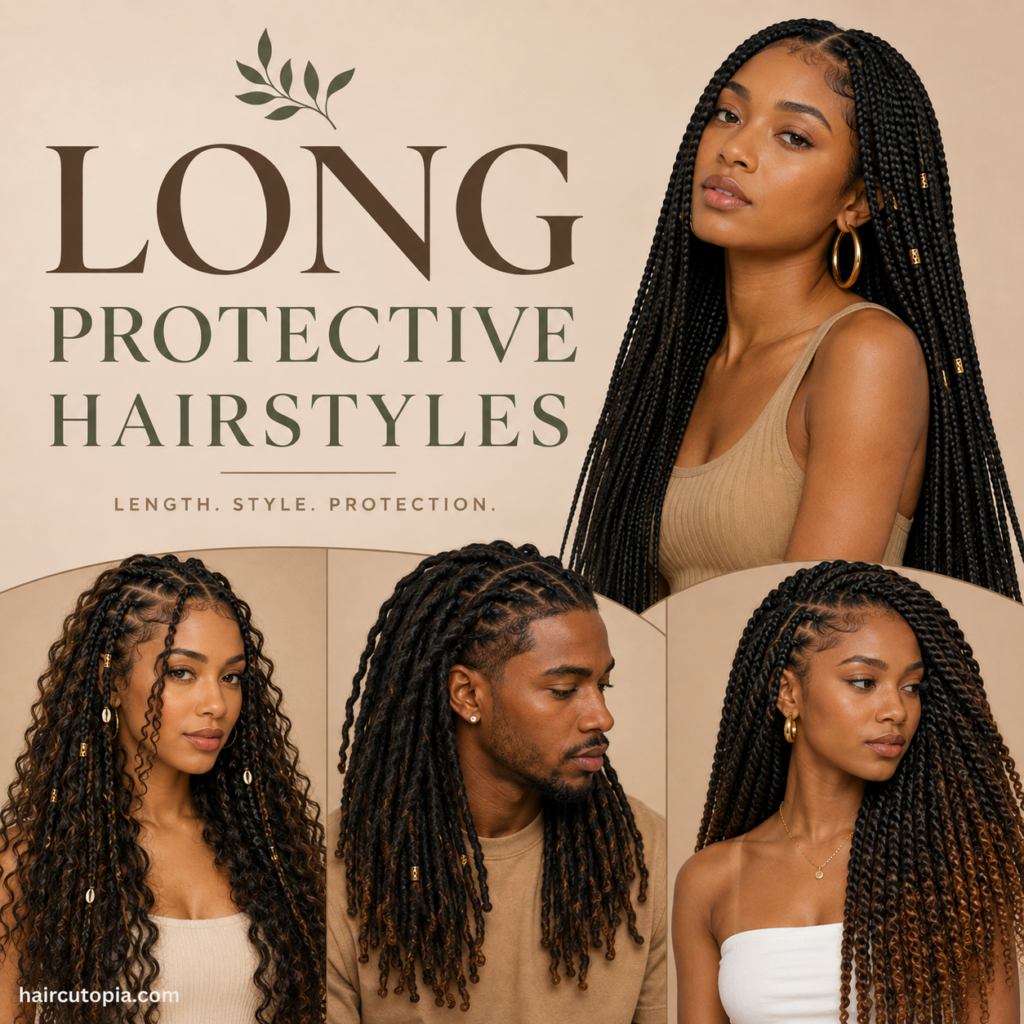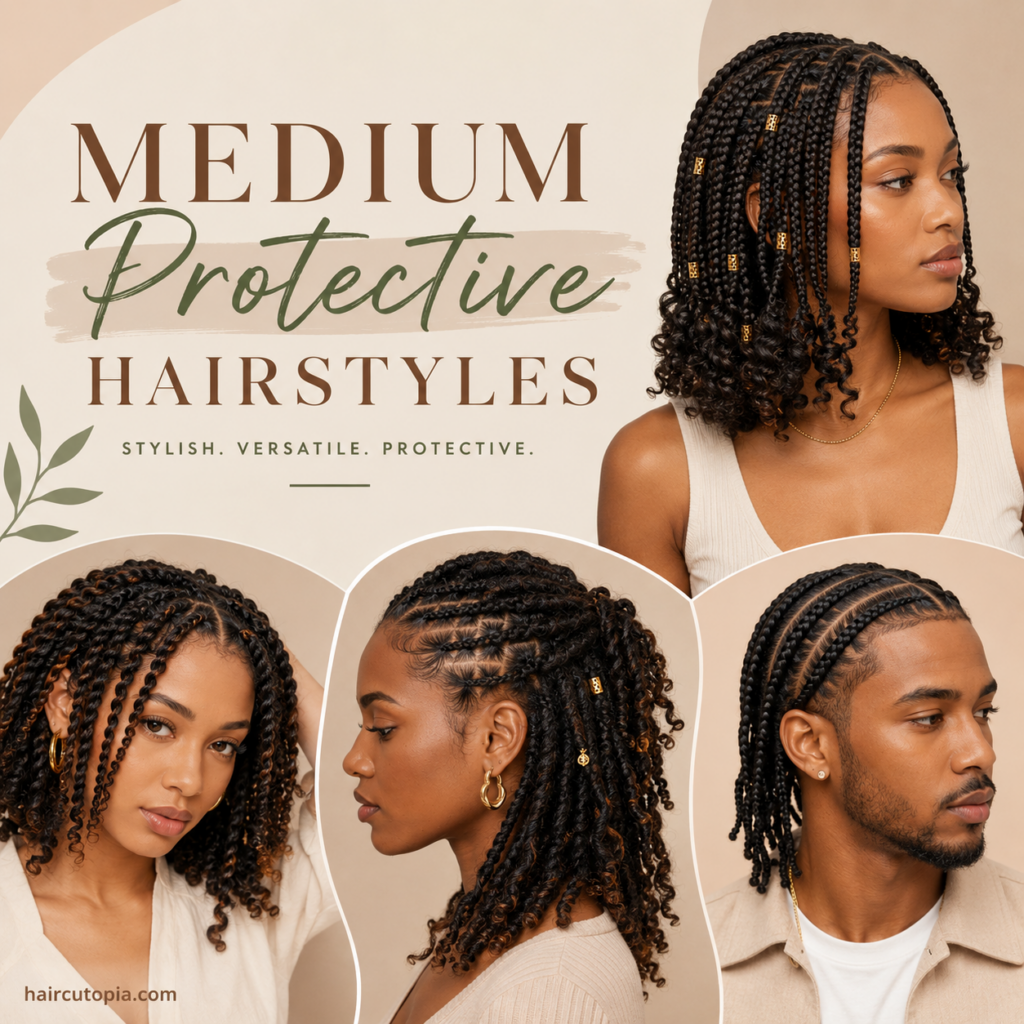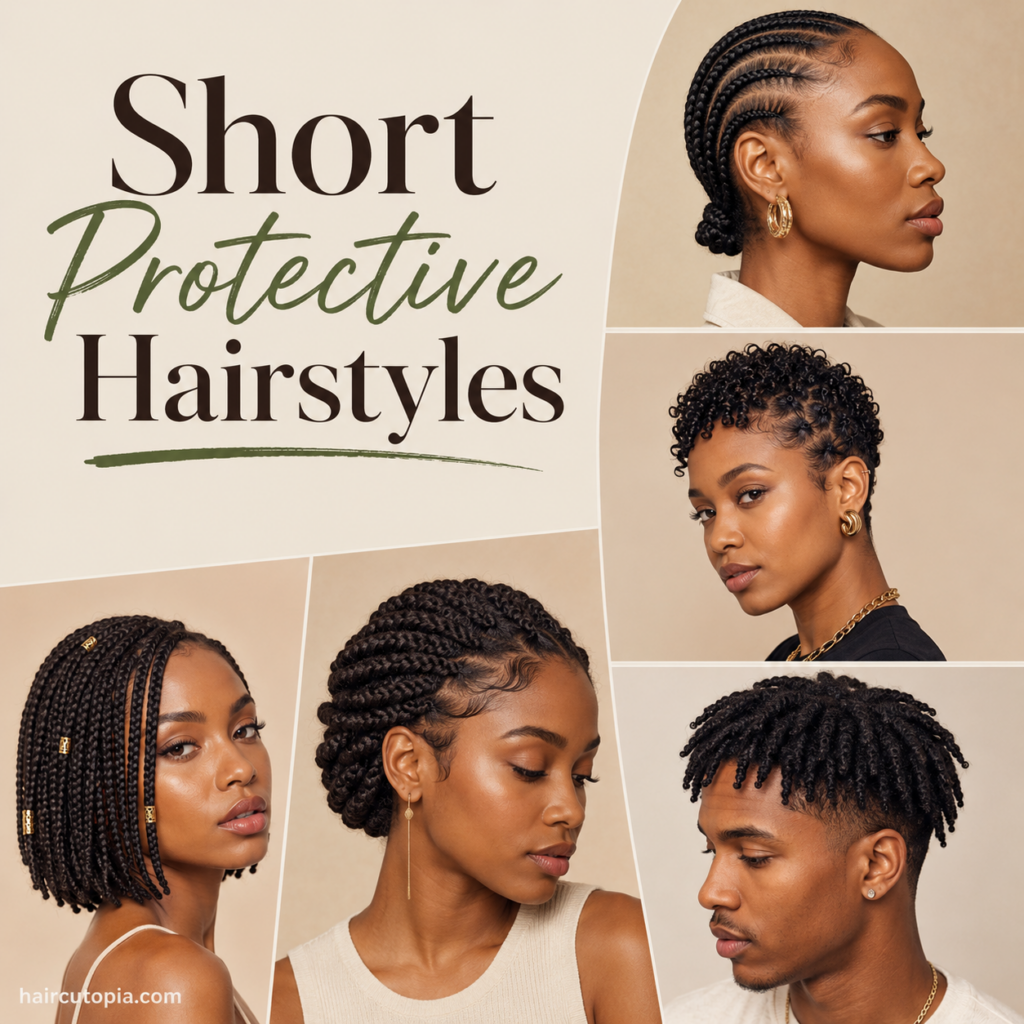
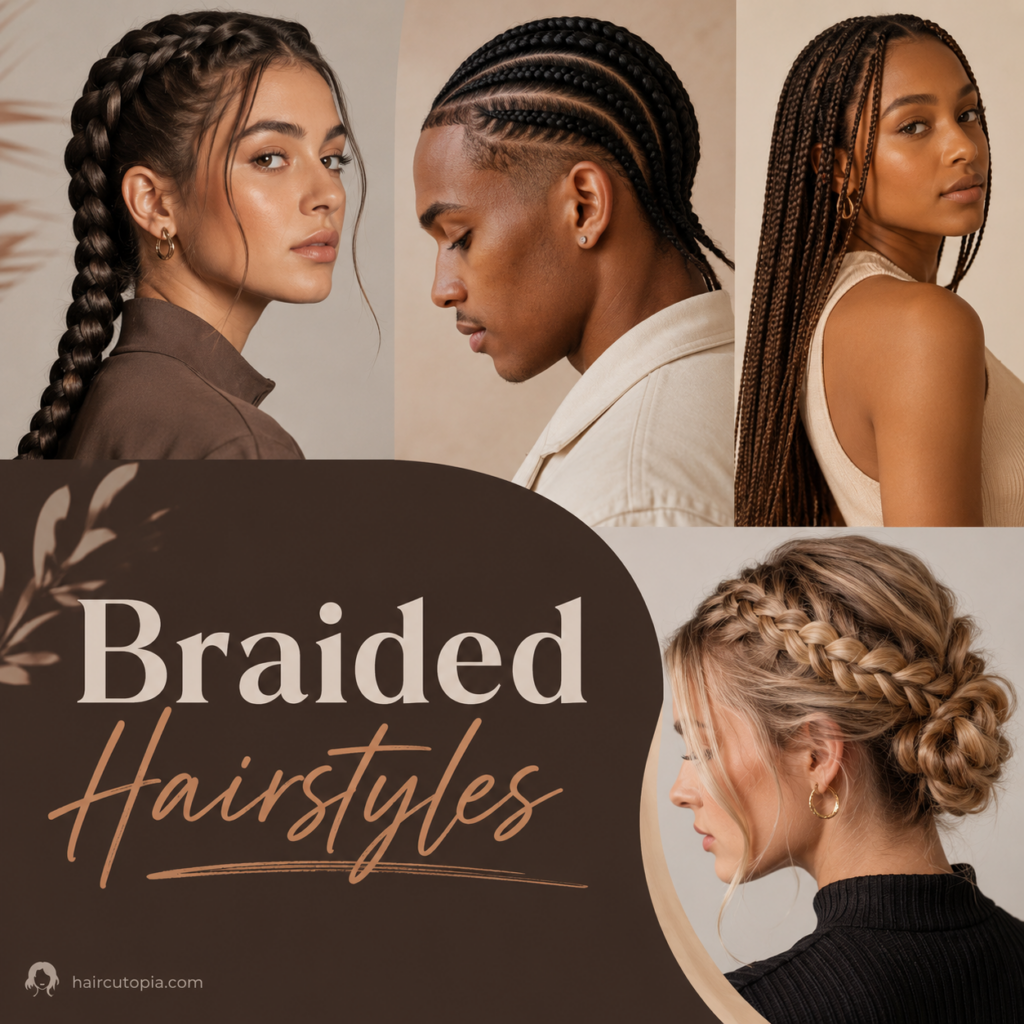
Braided hairstyles can be simple enough for an everyday look or detailed enough to become the centerpiece of an entire style. From classic three-strand braids and French braids to box braids, cornrows, fishtails, and elaborate braided updos, there are countless ways to work braids into your hair.
Part of what makes braids so versatile is that they aren’t limited to one hair type, length, or occasion. A loose side braid can feel relaxed and casual, while a polished braided bun can work beautifully for a wedding or formal event. Braids can also be incorporated into ponytails, half-up styles, protective hairstyles, and looks designed specifically for curly or textured hair.
If you’re looking for inspiration, understanding the main types of braided hairstyles can make it much easier to find a style that works for your hair and the look you want to create.
Continue reading “Braided Hairstyles: Types, Ideas, and How to Choose the Right Braid”