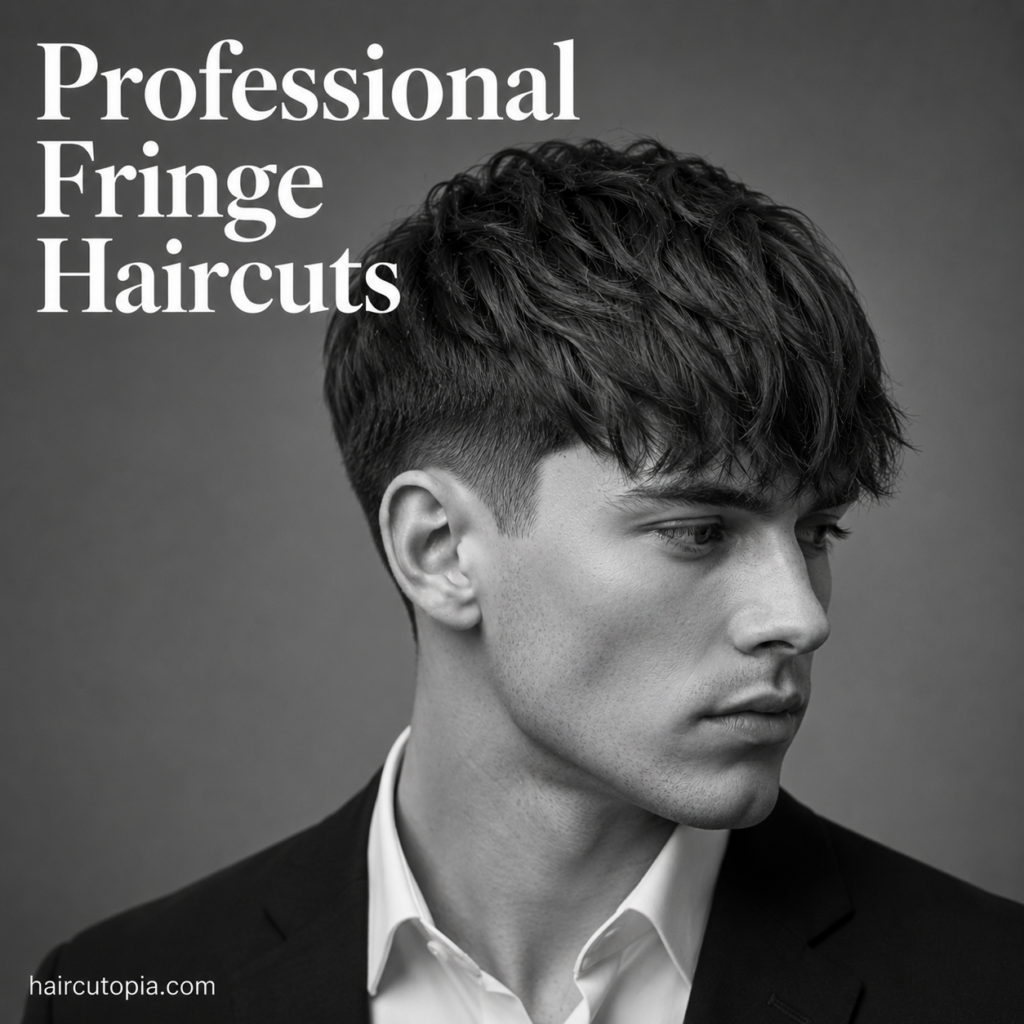
A fringe haircut doesn’t have to look casual or edgy. With the right length, texture, and finish, a professional fringe haircut can offer a polished appearance that’s appropriate for the office while still reflecting modern style.
Today’s professional hairstyles strike a balance between neatness and personality. A well-cut fringe adds texture and movement without becoming distracting, making it an excellent choice for men who want a hairstyle that transitions effortlessly from meetings to weekends.
Whether you work in a corporate office, a creative industry, or somewhere in between, this guide will help you find a professional fringe haircut that suits your career, hair type, and personal style.
What Is a Professional Fringe Haircut?
A professional fringe haircut features a neatly maintained fringe that’s styled with intention rather than appearing overly messy or dramatic. While the fringe remains the focal point, it’s blended into the rest of the haircut with clean fades, tapers, or scissor-cut sides.
Professional fringe haircuts typically emphasize:
- Clean lines
- Controlled texture
- Natural movement
- Easy maintenance
- A polished finish
The result is a hairstyle that feels modern without looking overly trendy.
Why Choose a Professional Fringe Haircut?
There are plenty of reasons why this style has become a favorite among working professionals.
Modern Without Being Overdone
A professional fringe offers enough texture to stay current while maintaining a clean appearance.
Easy to Maintain
Most styles require only a few minutes of styling each morning.
Suitable for Many Industries
Whether you work in finance, healthcare, education, technology, or design, there’s a version that fits your workplace.
Works With Different Hair Types
Straight, thick, fine, wavy, and curly hair can all be adapted into professional fringe styles.
Best Professional Fringe Haircuts
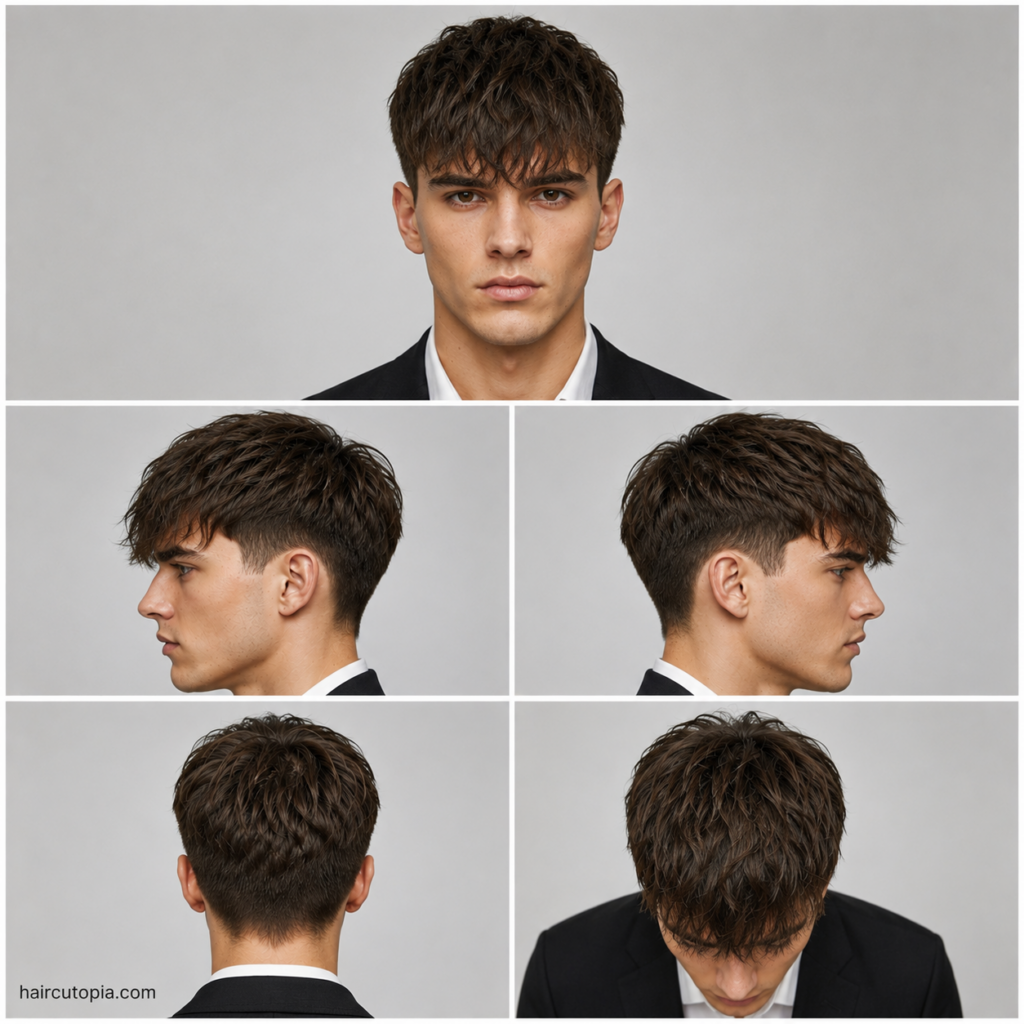
1. Textured Fringe with Low Fade
One of the most versatile professional haircuts.
The low fade keeps the sides neat while the textured fringe adds subtle personality.
2. Side-Swept Fringe
A side-swept fringe creates a polished, timeless appearance.
It’s an excellent option for formal workplaces.
3. Taper Fade with Fringe
Instead of a dramatic fade, the taper creates a softer transition.
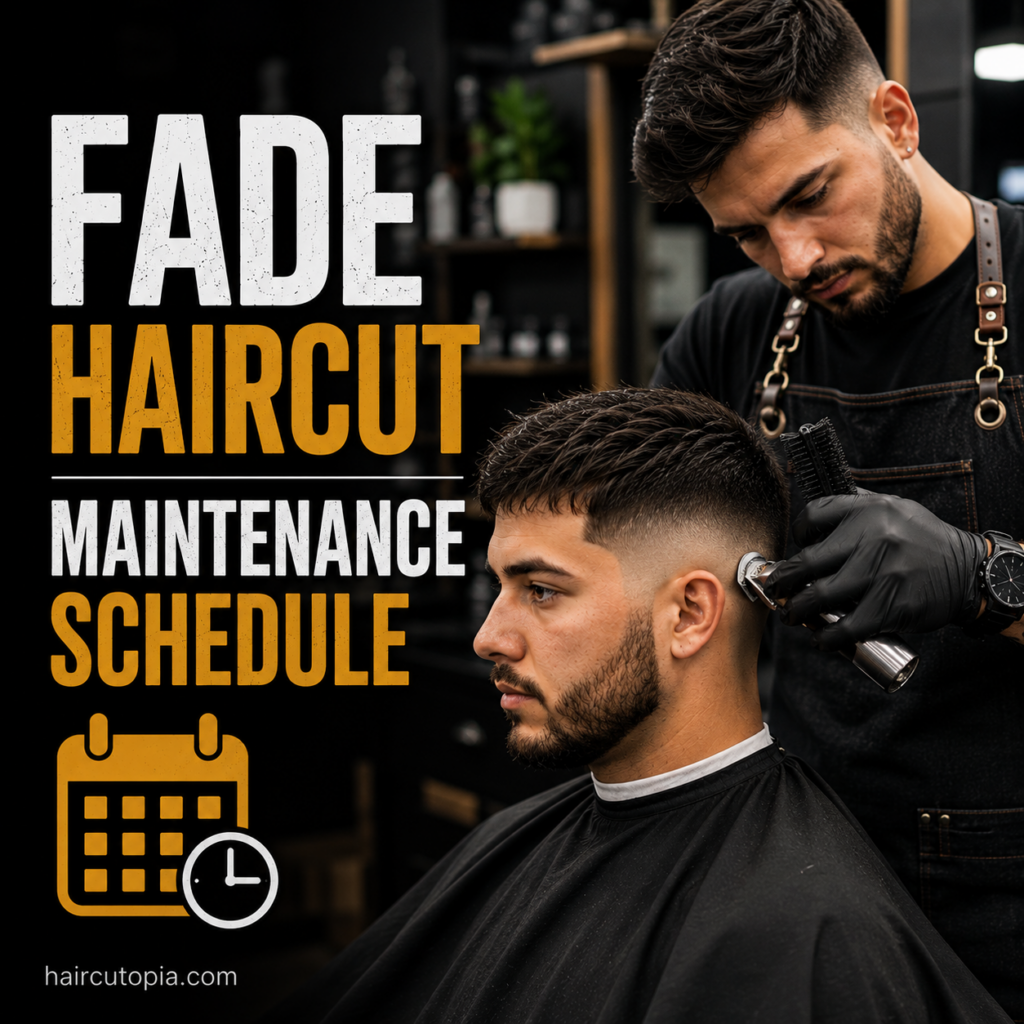
This haircut grows out naturally and requires less maintenance.
4. Classic Scissor Cut Fringe
Everything is blended with scissors for a traditional look.
This style is perfect if your workplace leans more conservative.
5. Medium Textured Fringe
Keeping the fringe around eyebrow level provides styling flexibility while remaining professional.
6. French Crop with Soft Fringe
Rather than a blunt fringe, this version uses subtle texture for a cleaner finish.
7. Ivy League Fringe
Combining an Ivy League haircut with a short textured fringe creates a sophisticated style that’s suitable for almost any office.
8. Short Fringe with Low Taper
This haircut prioritizes neatness without sacrificing modern styling.
9. Layered Fringe
Soft layers create movement while keeping the haircut structured.
Ideal for thick hair.
10. Natural Fringe
Allowing the hair to fall naturally often creates one of the most effortless professional looks.
11. Straight Hair Fringe
Straight hair showcases clean lines and subtle layering.
A matte styling product helps maintain a natural finish.
12. Wavy Fringe
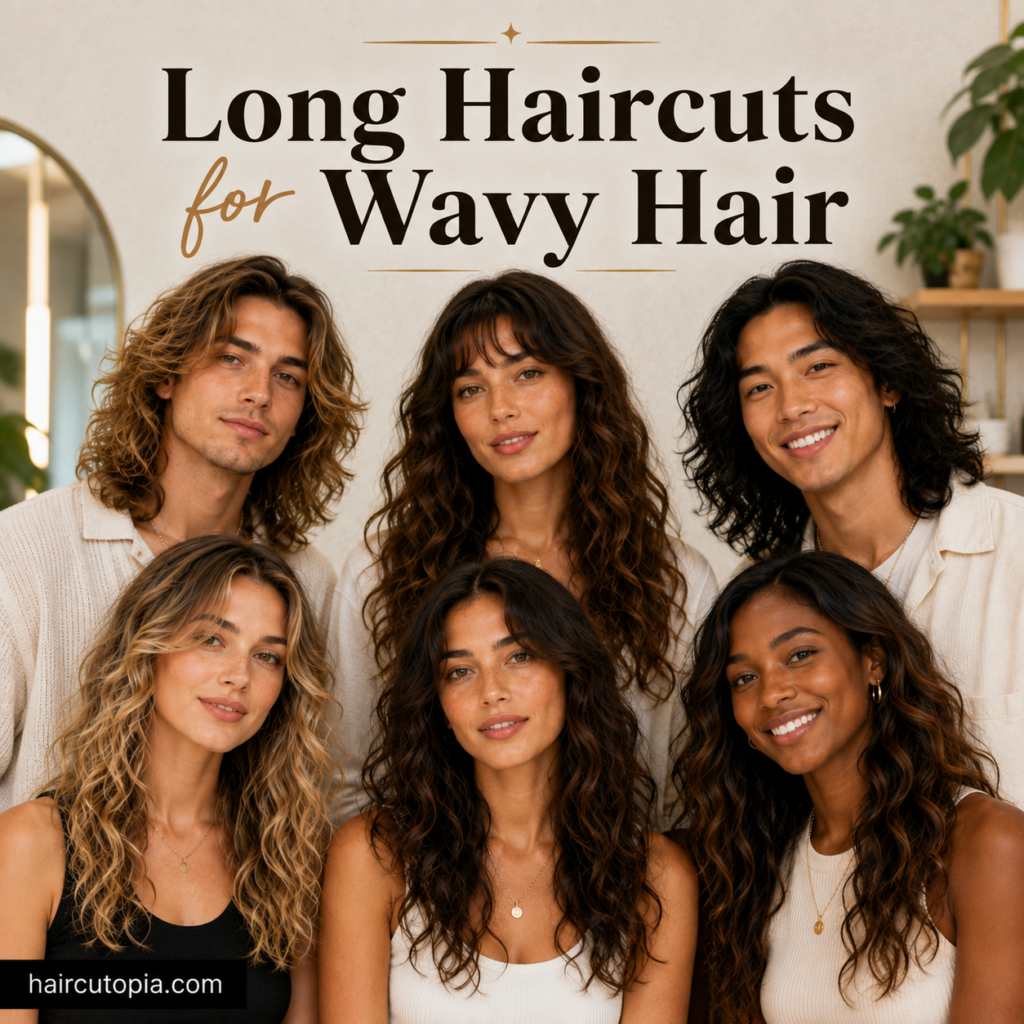
Natural waves add texture without requiring excessive styling.
13. Curly Fringe
Short, controlled curls create a distinctive yet polished appearance.
Keeping the sides neatly tapered enhances the professional finish.
14. Thick Hair Fringe
Texturizing removes bulk while preserving volume.
The result is balanced and easy to manage.
15. Fine Hair Fringe
Layering helps create the appearance of fuller hair.
Avoid heavy products that flatten the style.
16. Low Fade with Longer Fringe
The slightly longer fringe provides styling options while the low fade keeps everything office-ready.
17. Mid Fade with Soft Texture
A mid fade offers a little more contrast while maintaining a professional appearance.
18. Brushed Forward Fringe
The fringe is styled neatly toward the forehead with controlled texture.
This style works well in business-casual environments.
19. Side-Part Fringe
Adding a defined side part gives the haircut a classic, executive-inspired look.
20. Clean Crop Fringe
Simple, structured, and easy to maintain.
This is an excellent choice for busy professionals.
21. Soft Textured Crop
Rather than dramatic spikes or separation, this version focuses on subtle texture.
22. Professional Fringe with Beard
Pairing the haircut with neatly groomed facial hair creates a balanced appearance.
Popular options include:
- Light stubble
- Short boxed beard
- Designer beard
23. Conservative Fringe
A shorter fringe with minimal texture suits workplaces with stricter grooming expectations.
24. Business Casual Fringe
Slightly relaxed styling makes this haircut versatile enough for both work and social settings.
25. Low-Maintenance Professional Fringe
Keep the sides tapered, the fringe neatly textured, and the styling simple.
Perfect for men with busy schedules.
Choosing the Right Professional Fringe for Your Face Shape
Round Face
Choose:
- Mid or high taper
- Textured volume
- Slight height on top
These features create a more balanced appearance.
Oval Face
Oval faces suit nearly every professional fringe haircut.
Experiment with different textures and lengths.
Square Face
Textured fringes soften strong jawlines while maintaining masculine definition.
Heart Face
Layered fringes help balance a wider forehead.
Avoid overly blunt cuts.
Diamond Face
Soft texture around the forehead balances prominent cheekbones.
Long Face
Choose fuller fringes without excessive height to create better proportions.
Best Hair Types for Professional Fringe Haircuts
Straight Hair
Easy to shape into clean, structured styles.
Thick Hair
Provides excellent volume with proper texturizing.
Fine Hair
Layering creates movement while making hair appear fuller.
Wavy Hair
Natural texture produces effortless styling.
Curly Hair
Short, controlled curls work surprisingly well in professional settings.
How to Ask Your Barber for a Professional Fringe
Reference photos are always useful.
You can also describe your goals clearly.
For example:
“I’d like a professional textured fringe with a low taper fade. Keep the sides clean, leave enough length for natural texture, and make it suitable for an office environment.”
Be sure to discuss:
- Fringe length
- Fade or taper preference
- Texture
- Hair density
- Styling routine
- Workplace dress code
How to Style a Professional Fringe
Professional styling should look natural rather than overworked.
Step 1
Start with clean, towel-dried hair.
Step 2
Apply a small amount of:
- Matte clay
- Texture paste
- Styling cream
Step 3
Use your fingers or a comb to direct the fringe.
Keep the finish soft and controlled.
Step 4
Avoid overly shiny products or excessive volume.
The goal is effortless polish.
Best Styling Products
Matte Clay
Ideal for natural texture and medium hold.
Styling Cream
Provides flexible control without stiffness.
Texture Paste
Creates subtle separation.
Sea Salt Spray
Adds light volume to finer hair.
Lightweight Hairspray
Useful for keeping the hairstyle in place throughout the workday.
Maintenance Tips
To keep your haircut looking professional:
- Visit your barber every 3 to 5 weeks.
- Wash and condition your hair regularly.
- Use only a small amount of styling product.
- Trim the fringe before it becomes too long.
- Keep facial hair neatly groomed if you wear a beard.
Common Mistakes to Avoid
Using Too Much Product
Heavy styling products make the hair appear greasy rather than polished.
Allowing the Fringe to Cover the Eyes
A professional fringe should frame the face—not hide it.
Skipping Barber Appointments
Regular maintenance keeps the haircut looking intentional.
Choosing a Style That Doesn’t Match Your Workplace
Creative industries may allow more texture and length, while traditional workplaces often favor cleaner finishes.
Frequently Asked Questions
Are fringe haircuts appropriate for the office?
Yes. When kept neat and properly maintained, fringe haircuts can look professional in most workplaces.
What’s the best professional fringe haircut?
A textured fringe with a low taper fade is one of the most versatile options because it balances modern styling with a clean appearance.
Can professionals have longer fringes?
Yes, provided the fringe is styled neatly and doesn’t obstruct your vision.
Do professional fringe haircuts work for curly hair?
Absolutely. Keeping the curls controlled and pairing them with clean sides creates a polished look.
How often should I trim a professional fringe?
Most professional fringe haircuts benefit from trims every 3 to 5 weeks.
Final Thoughts
Professional fringe haircuts prove that you don’t have to sacrifice style for a polished appearance. Whether you prefer a textured crop, a soft side-swept fringe, or a clean taper, the right haircut can help you look confident in the workplace while still expressing your personality.
The key is choosing a style that complements your hair type, face shape, and professional environment. With regular trims, light styling products, and a skilled barber, a professional fringe haircut can remain sharp, versatile, and easy to maintain throughout the year.

Related Posts
 Professional A-Line Bob Haircuts: 35 Polished Styles for a Smart, Sophisticated Look
 Professional Bangs Haircuts: 25 Polished Styles for a Sophisticated Look
 Professional Curtain Bangs Haircuts: 25 Polished Styles for a Sophisticated Look
 Professional Face-Framing Layers Haircuts: 25 Polished Styles for a Sophisticated Look