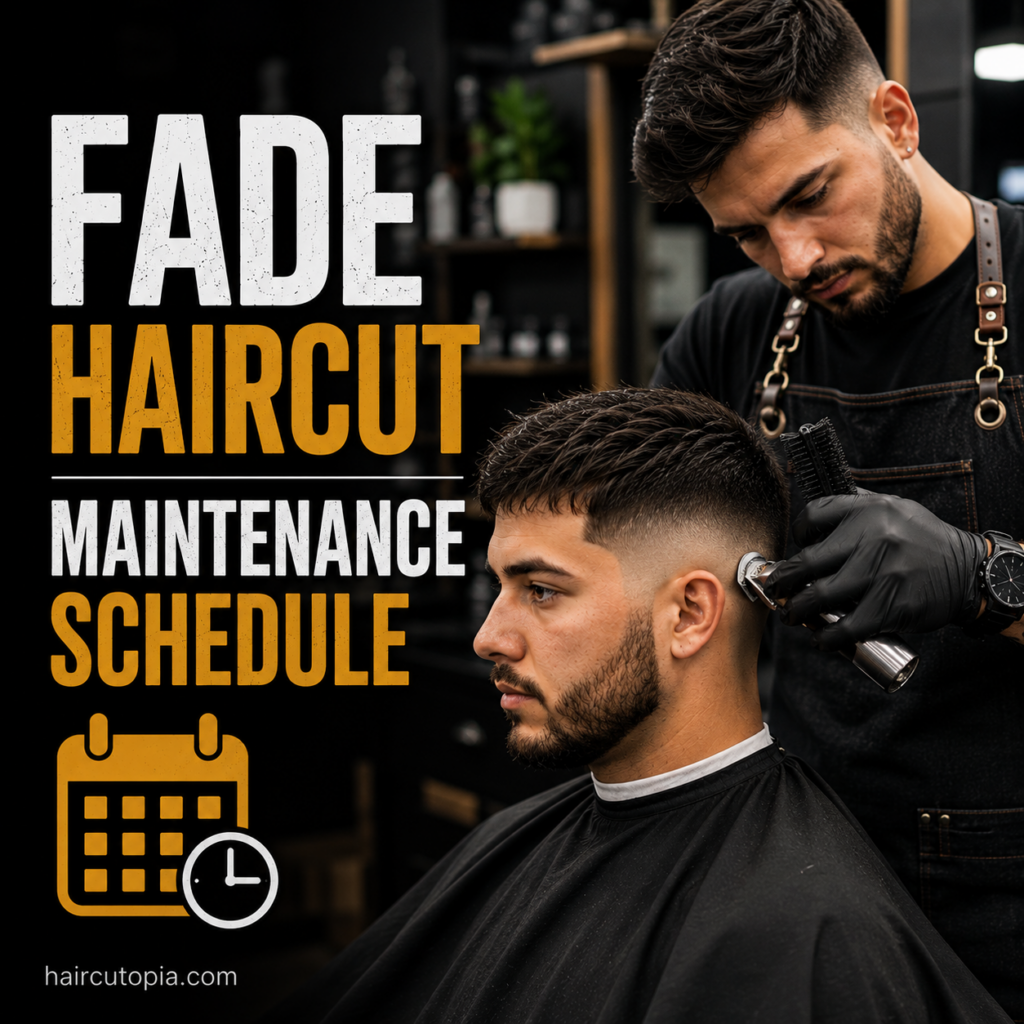
A fresh fade can look incredibly sharp, but the clean blend doesn’t last forever. Since the shortest sections of a fade may be clipped extremely close to the scalp, even a few days of growth can begin changing its appearance.
That doesn’t mean everyone needs a weekly haircut.
The right fade haircut maintenance schedule depends on the type of fade you have, how quickly your hair grows, and how polished you want your haircut to look. Someone maintaining a skin fade for a consistently crisp appearance will probably visit the barber more often than someone who prefers a low taper and doesn’t mind a little growth.
Here’s a practical way to plan your fade appointments without spending more time in the barber chair than necessary.
How Often Should You Get a Fade?
For many people, getting a fade refreshed about every two to four weeks provides a good balance between appearance and maintenance.
However, there’s no universal schedule.
You might want an appointment sooner if you have a very short skin fade or want consistently sharp edges. You may be able to wait considerably longer if your fade starts higher in length, grows out smoothly, or you prefer a more relaxed look.
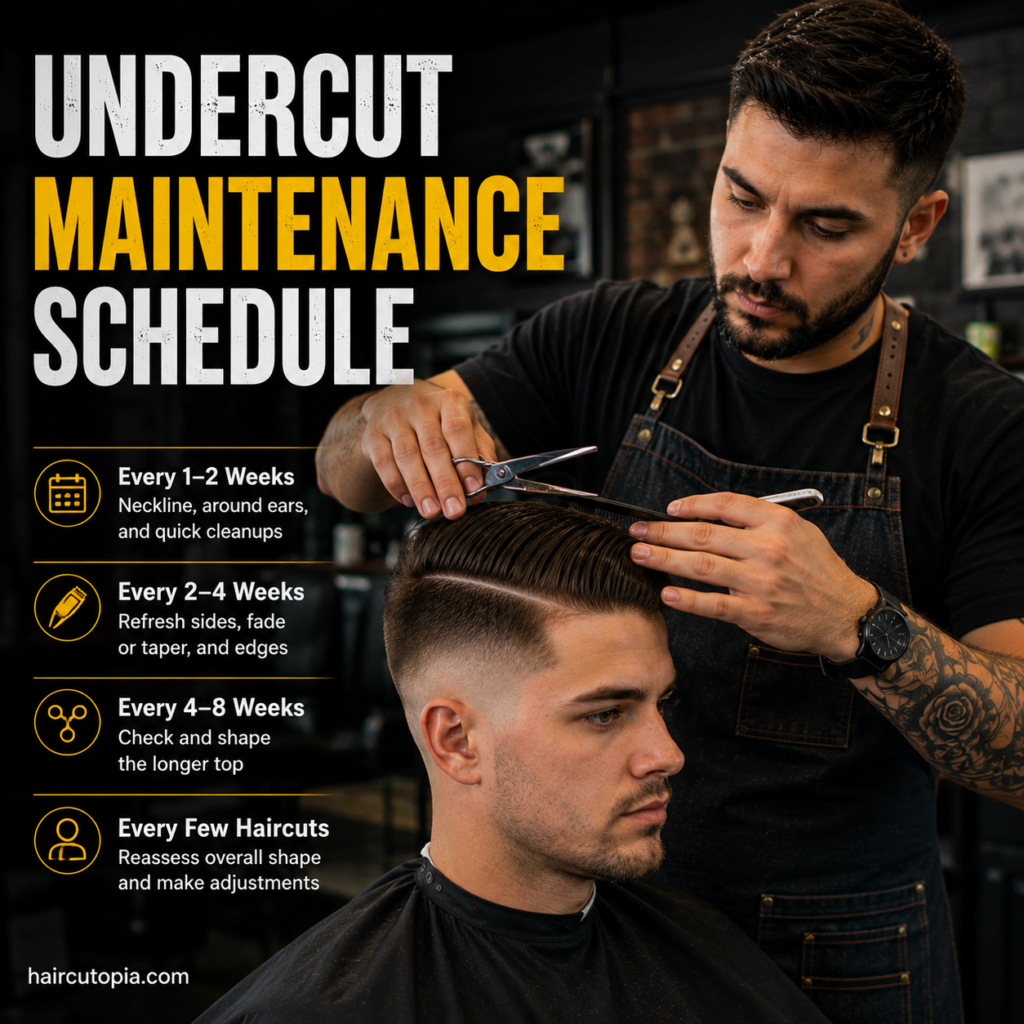
A general schedule looks like this:
- Every 1–2 weeks: Very crisp skin and bald fades
- Every 2–3 weeks: Most regularly maintained fades
- Every 3–4 weeks: Low-maintenance fades and longer blends
- Every 4+ weeks: Grown-out styles, tapers, or anyone comfortable with softer edges
Use these as starting points rather than strict rules.
Your hair will tell you when it’s time for another cut.
Fade Haircut Maintenance Schedule by Week
Understanding how a fade typically changes can help you decide when to book your next appointment.
Days 1–7: Fresh Fade
This is when the fade generally looks its sharpest.
The transition is clearly visible, the neckline is clean, and the areas around the ears and sideburns are freshly detailed.
You usually don’t need to do much during this stage besides normal hair care.
Focus on:
- Washing according to your hair and scalp needs
- Styling the top
- Keeping styling products from building up
- Avoiding unnecessary clipper touch-ups
If you’ve had a skin fade, the shortest areas will begin showing growth fairly quickly. That’s completely normal.
Week 2: Early Growth
By the second week, the fade may still look clean, but you’ll probably notice that the shortest areas aren’t quite as sharp.
Hair around the sideburns, ears, and neckline may also become more noticeable.
For many people, this is still an easy stage to manage.
Continue styling the top and keeping the haircut tidy. If you like an exceptionally crisp appearance, this may be the point when you schedule a cleanup or another fade.
Week 3: The Fade Begins to Soften
Around the third week, the original transition may become less obvious.
The sides can start looking fuller, especially if your hair grows quickly or tends to stick outward.
You may notice:
- More bulk around the sides
- An untidy neckline
- Hair beginning to cover the edges of the ears
- Less contrast between the top and sides
- Sideburns losing their original shape
For many fade styles, week three is a natural time for another barber visit.
Week 4: Time for a Refresh
By four weeks, most short fades will look noticeably different from when they were first cut.
The haircut may still look perfectly presentable, but the crisp blend has usually softened.
If you want to maintain the same fade continuously, this is a good point to have it redone.
If you’re growing your hair out or don’t mind a softer appearance, there’s no requirement to cut it just because four weeks have passed.
Skin Fade Maintenance Schedule
A skin fade generally requires the most frequent maintenance.
The bottom of the fade is taken extremely short, sometimes completely down to the skin. That creates strong contrast when fresh, but it also makes new growth easier to see.
For a consistently sharp skin fade, consider:
- Around 1 week: Optional line-up or cleanup
- Around 1–2 weeks: Refresh for an especially crisp appearance
- Around 2–3 weeks: Common point for a full fade refresh
- 3+ weeks: Fade becomes noticeably softer
You don’t have to follow an aggressive schedule just because you have a skin fade.
If you like how it grows out, waiting longer is perfectly reasonable.
Low Fade Maintenance Schedule
Low fades tend to be relatively forgiving because the shortest portion remains closer to the ears and neckline.
More hair is retained on the sides, so new growth may not dramatically change the overall silhouette as quickly.
A low fade might be refreshed every two to four weeks depending on your preferences.
Low fades can be especially practical if you want a clean haircut without committing to very frequent barber appointments.
Mid Fade Maintenance Schedule
A mid fade creates more contrast than many low fades while still retaining some fullness above the faded area.
For many people, a two-to-three-week schedule keeps a mid fade looking consistently defined.
By the third or fourth week, the sides may begin looking noticeably fuller.
If your hairstyle has substantial length on top, you may also need to consider how quickly that portion grows. Sometimes the top needs reshaping at roughly the same time the fade needs refreshing.
High Fade Maintenance Schedule
Because a high fade removes more hair from the sides, regrowth can significantly change the haircut’s proportions.
A high skin fade may require fairly frequent appointments if you want to maintain its dramatic contrast.
A typical schedule might be every two to three weeks.
Longer high fades can potentially go longer between appointments.
Again, the shortest length matters just as much as the fade height. A high fade that starts with some visible hair will generally grow differently from one taken completely to the skin.
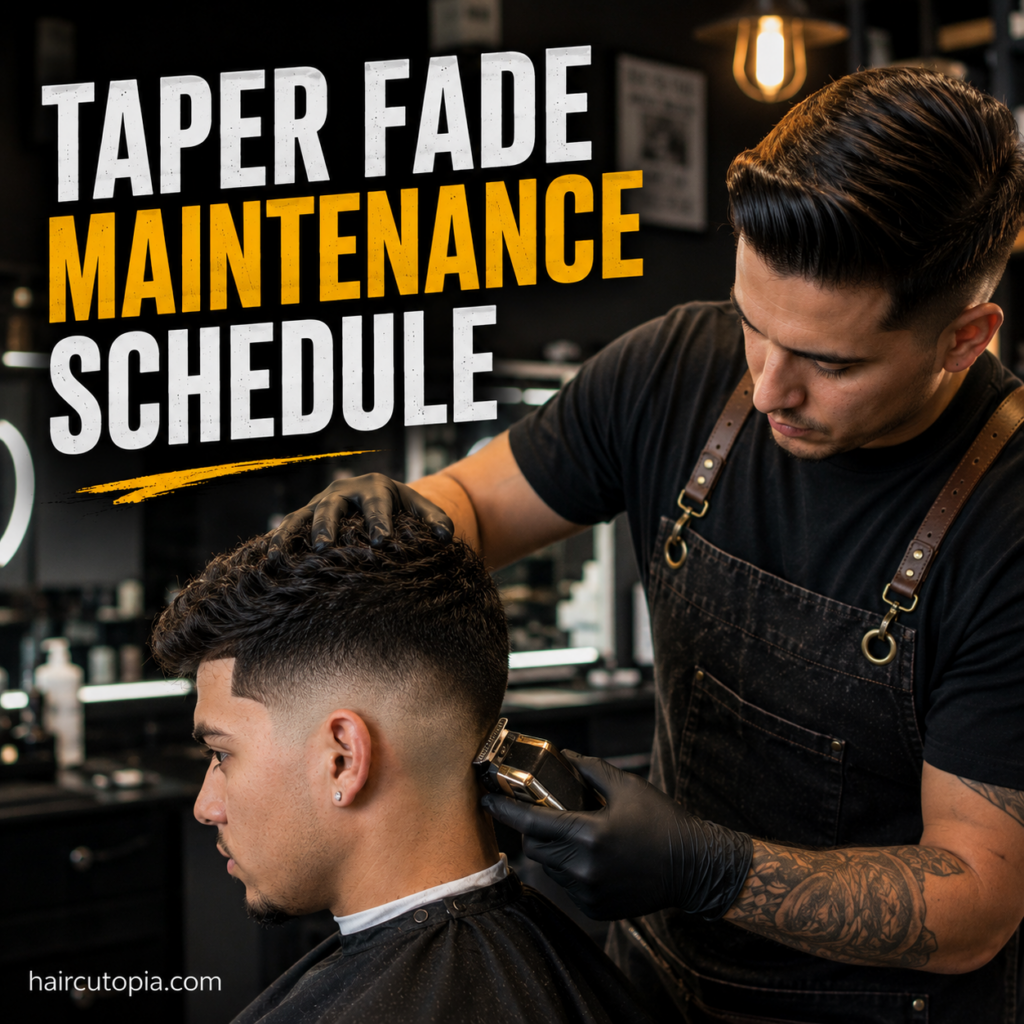
Taper Fade Maintenance Schedule
Taper fades can be among the easiest faded styles to maintain.
Rather than removing a large amount of hair from the sides, the shortest transitions are usually concentrated around areas such as the sideburns and neckline.
That means the haircut can often grow out naturally.
Depending on the style, you may be comfortable waiting three to five weeks or longer between full cuts.
Small cleanups around the neckline and sideburns can also help extend the appearance of a taper.
Your Hair Growth Rate Matters
Two people can get the same haircut on the same day and need their next appointment at completely different times.
Hair doesn’t grow at an identical rate for everyone.
Instead of basing your schedule entirely on the calendar, pay attention to how your own fade changes.
Take a photo immediately after a haircut and compare it with how your hair looks after two, three, and four weeks.
After a few haircut cycles, you’ll have a much better idea of your ideal interval.
Hair Texture Can Change How a Fade Grows Out
Hair texture and density can affect how noticeable new growth becomes.
Straight hair may begin sticking outward as the sides gain length. Thick hair can develop visible bulk relatively quickly.
Curly and coily hair may change the silhouette differently as new growth develops.
Rather than assuming a certain texture always needs more or less maintenance, look at how your individual haircut grows.
Your barber can also tell you what to expect based on your hair.
When Should You Schedule a Line-Up?
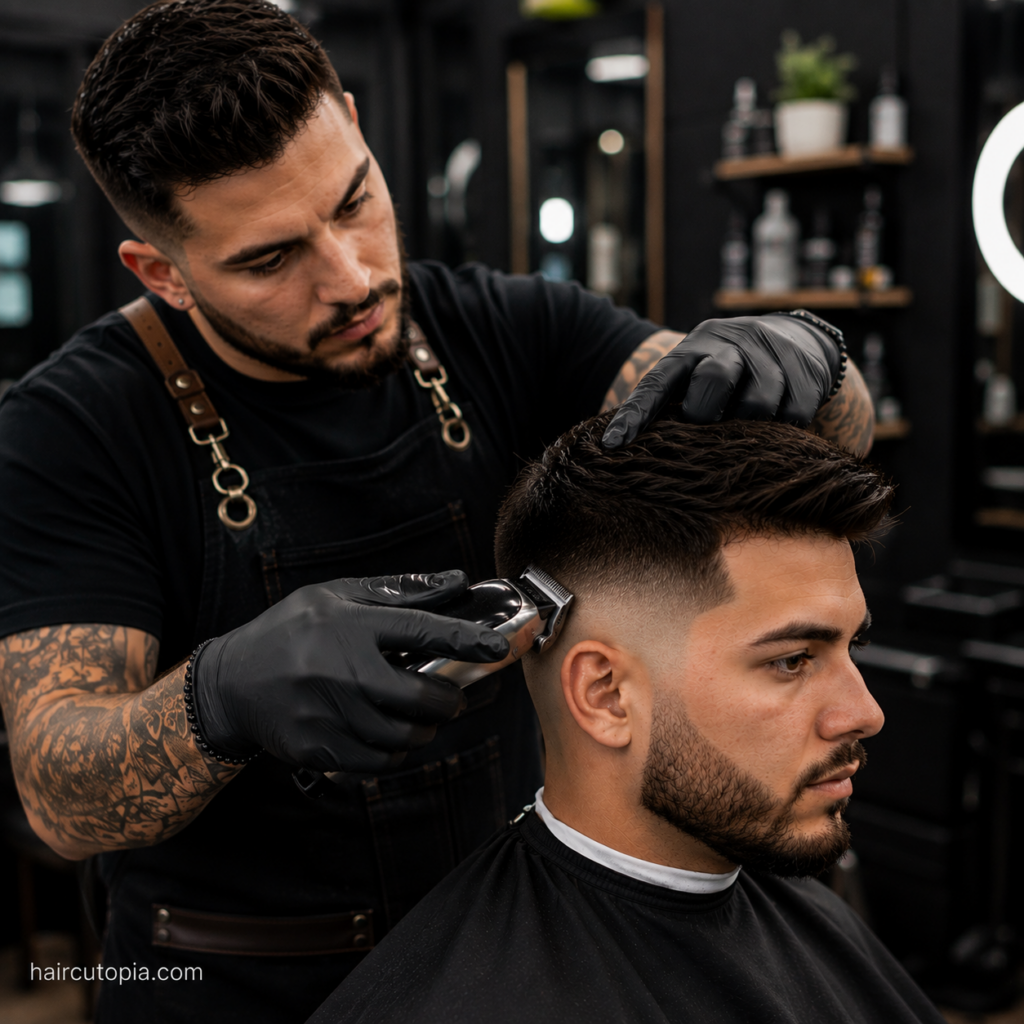
A line-up or edge cleanup can sometimes extend the polished appearance of a haircut without completely redoing the fade.
This may involve cleaning areas such as:
- Hairline
- Temples
- Sideburns
- Around the ears
- Neckline
- Beard edges
A cleanup can be useful halfway between full appointments, particularly if the blend still looks good but the edges have become untidy.
Be careful about repeatedly moving the hairline backward in pursuit of sharper edges. A professional barber can maintain the existing shape without unnecessarily changing the natural hairline.
Can You Maintain a Fade at Home?
Basic maintenance is possible at home, but there’s an important difference between cleaning up a fade and recreating one.
You can usually handle simple grooming tasks such as styling the top or removing obvious stray hairs if you’re comfortable doing so.
Re-blending the fade is much more difficult.
Professional fades often involve several clipper lengths and careful transitions. Trying to fix a small area can easily create a visible line or push the fade higher than intended.
For simple between-cut maintenance, focus on:
- Keeping your hair and scalp clean.
- Styling the top consistently.
- Brushing or controlling the sides as they grow.
- Keeping facial hair neat if it connects to the fade.
- Carefully removing only obvious stray hairs if necessary.
- Leaving major blending work for your barber.
If you’re deliberately learning to cut your own fades, that’s different. Otherwise, conservative maintenance is generally the safer approach.
How to Make Your Fade Look Fresh Between Haircuts
You can’t slow down normal hair growth just to preserve a haircut, but you can keep the style looking neat.
Keep the Top Styled
As your fade grows, styling the longer hair becomes increasingly important.
A well-shaped top can keep the overall haircut looking intentional even when the sides aren’t freshly faded.
Control the Sides
Short hair can begin sticking outward as it gains length.
Depending on your hair texture, brushing the sides in their natural direction or using a tiny amount of lightweight styling product can help.
Keep the Neckline Neat
The neckline often looks overgrown before the rest of the haircut.
If you clean this area yourself, avoid creating a completely new neckline or cutting into the fade.
Maintain Your Beard
If your fade transitions into facial hair, keeping your beard groomed can help the entire haircut look cleaner.
Avoid accidentally cutting away the blended section connecting the sideburns and beard.
When Is a Fade Actually Due for a Haircut?
Instead of automatically getting a haircut every 14 or 21 days, look for changes in the haircut.
It may be time for a refresh when:
- The original blend is difficult to see.
- The sides look bulky.
- Hair is growing noticeably around your ears.
- Your neckline looks untidy.
- The sideburns have lost their shape.
- The top and sides no longer look balanced.
- Your usual styling routine isn’t working as well.
- You simply don’t like how grown out the fade looks.
The last point matters.
Haircut maintenance is partly personal preference. One person may think a three-week-old fade looks great, while someone else wants it refreshed after ten days.
Neither approach is wrong.
Should You Book a Cleanup or Full Haircut?
You don’t necessarily need a complete haircut every time your fade starts looking less sharp.
If the top still has the length and shape you want, ask your barber whether a fade refresh or cleanup is an option.
A smaller service might focus on the sides, neckline, sideburns, or edges.
A full haircut makes more sense when:
- The top needs reshaping.
- Significant bulk needs to be removed.
- You want to change your hairstyle.
- The fade has completely grown out.
- Your overall haircut has lost its original proportions.
Ask your barber what services they offer, since terminology and pricing vary between shops.
Schedule Your Next Appointment Before You Leave
If you know your ideal haircut interval, booking your next appointment before leaving the barbershop can make maintenance easier.
For example, if you’ve learned that your fade starts bothering you around week three, schedule another appointment approximately three weeks out.
This is particularly useful if your barber has a busy schedule.
It also removes the cycle of noticing that your haircut needs attention and then discovering your barber doesn’t have an opening for another week.
Adjust Your Schedule for Special Events
Your regular maintenance schedule doesn’t always have to dictate when you get a haircut.
If you have a wedding, job interview, vacation, photo session, date, or another important event coming up, plan accordingly.
Some people prefer a fade immediately after leaving the barbershop. Others like the haircut better after a few days when it has settled slightly.
If you already know your preference, time the appointment so your haircut reaches that stage around the event.
Avoid experimenting with a completely different fade immediately before an important occasion if you’re unsure how it will look on you.
How Much Maintenance Do You Really Want?
This is worth considering before choosing your next fade.
A haircut that looks great but requires more barber visits than you want isn’t necessarily the best haircut for your lifestyle.
If you’re tired of frequent appointments, talk to your barber about alternatives.
You might prefer:
- A low fade instead of a high skin fade
- A longer starting length
- A taper fade
- More natural edges
- A hairstyle designed to grow out gradually
Tell your barber that maintenance matters to you. They may be able to modify the haircut so it stays within your preferred look for longer.
Sample Fade Maintenance Schedules
If you’re still unsure where to start, use one of these basic schedules and adjust it based on your hair growth.
High-Maintenance Schedule
Best for someone who wants an extremely crisp skin fade.
- Week 0: Full haircut
- Week 1: Optional edge cleanup
- Week 2: Fade refresh
- Week 3: Basic home grooming
- Week 4: Full haircut
Moderate-Maintenance Schedule
A practical option for many fades.
- Week 0: Full haircut
- Week 1: Normal styling and grooming
- Week 2: Home maintenance
- Week 3: Fade refresh or full haircut
- Repeat
Low-Maintenance Schedule
Better for longer fades, tapers, or anyone comfortable with some growth.
- Week 0: Full haircut
- Weeks 1–2: Normal grooming
- Week 3: Optional neckline or edge cleanup
- Week 4: Evaluate growth
- Weeks 4–6: Schedule the next haircut when needed
These schedules aren’t prescriptions. They’re simply useful starting points.
Finding Your Ideal Fade Haircut Maintenance Schedule
For most people, the best fade haircut maintenance schedule falls somewhere between every two and four weeks. Skin fades often need attention sooner, while low fades, longer blends, and taper fades may stay presentable for longer.
But the calendar shouldn’t make the final decision.
Pay attention to when your sides start feeling bulky, when the blend loses definition, and when the overall shape no longer looks the way you want.
After a few appointments, you’ll probably discover a predictable pattern. Maybe your fade looks best for 18 days. Maybe you’re happy waiting a full month.
Once you know that interval, maintenance becomes easy: schedule around how your hair actually grows rather than following an arbitrary rule.