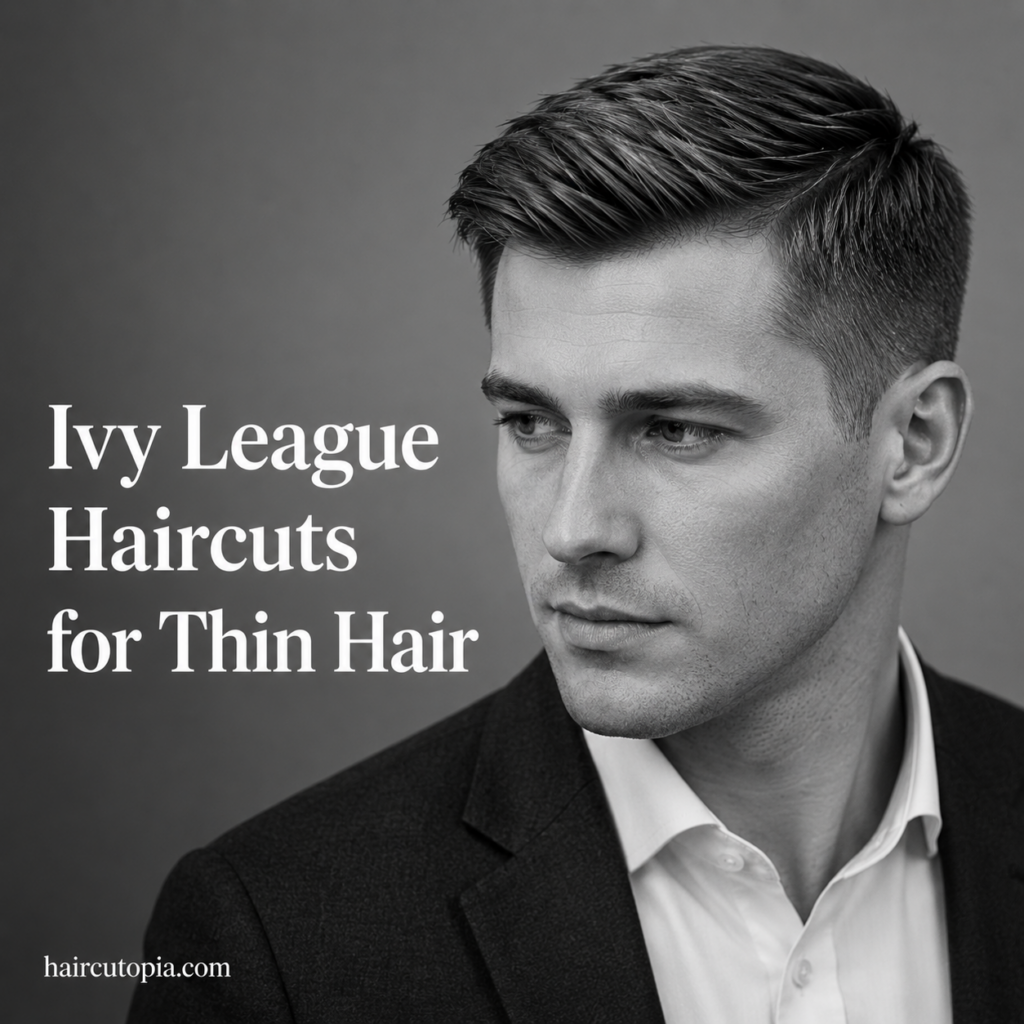
Thin hair can make finding the right haircut feel like a challenge. Some styles expose too much scalp, others fall flat by midday, and many trendy cuts simply don’t provide the fullness that men with thin hair are hoping for.
That’s where the Ivy League haircut shines.
Classic, versatile, and easy to maintain, the Ivy League haircut has long been one of the best options for men with thin hair. Its balanced proportions, slightly longer top, and neatly tapered sides create the illusion of density while maintaining a clean and sophisticated appearance.
Whether your hair is naturally fine, beginning to thin with age, or simply lacks volume, the Ivy League haircut can help you look sharper and feel more confident.
What Is an Ivy League Haircut?
The Ivy League haircut is a timeless men’s hairstyle that sits somewhere between a crew cut and a traditional side-part haircut.
Key characteristics include:
- Short tapered sides and back
- Longer hair on top
- A clean, polished appearance
- The ability to style the front upward or to the side
Unlike ultra-short buzz cuts that can make thinning hair more noticeable, the Ivy League leaves enough length on top to create texture, movement, and the appearance of fullness.
This combination makes it particularly appealing for men with thin hair.
Why the Ivy League Haircut Works for Thin Hair
Many hairstyles rely on thick, dense hair to achieve their intended look. The Ivy League is different.
Its structure naturally creates balance and can make hair appear fuller than it actually is.
Benefits include:
- Creates visual volume on top
- Reduces contrast between thinning areas and fuller sections
- Offers styling flexibility
- Works for various stages of thinning hair
- Looks professional and timeless
- Requires minimal daily maintenance
The haircut emphasizes shape and proportion rather than sheer hair density.
Can an Ivy League Haircut Make Thin Hair Look Thicker?
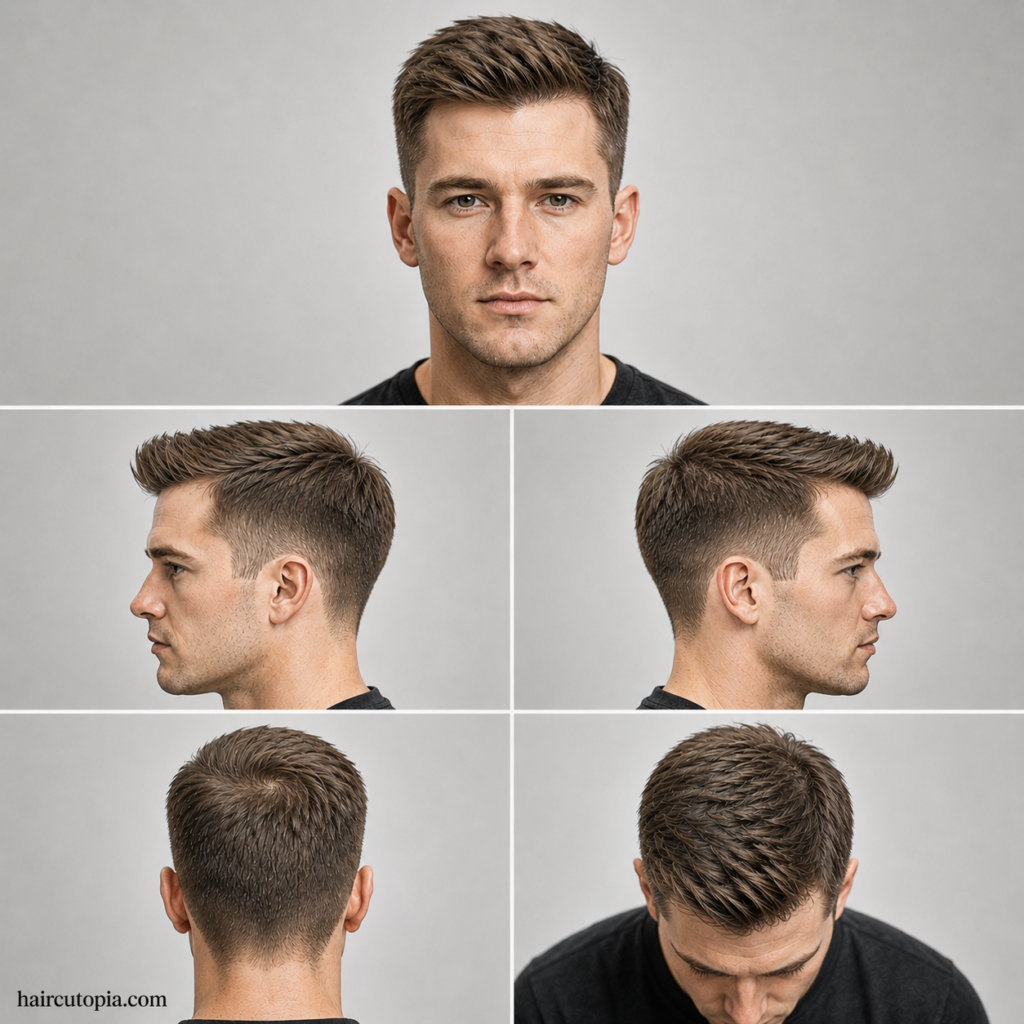
Yes, when cut and styled correctly.
One of the biggest mistakes men make with thin hair is either growing it too long or cutting it excessively short.
An Ivy League haircut strikes the perfect middle ground by:
- Keeping enough length for texture
- Creating lift at the front
- Reducing scalp visibility
- Maintaining clean sides for better balance
The result is a hairstyle that appears fuller, healthier, and more structured.
Best Ivy League Haircuts for Thin Hair
Classic Ivy League
The traditional Ivy League remains one of the safest and most flattering choices for thin hair.
The top is left long enough to style while the sides are neatly tapered.
Benefits include:
- Timeless appearance
- Easy maintenance
- Natural-looking volume
This version works especially well for men experiencing mild thinning.
Textured Ivy League
Texture is one of the most effective tools for making thin hair appear thicker.
A textured Ivy League incorporates subtle layers throughout the top, creating separation and movement.
Why it works:
- Adds dimension
- Prevents hair from lying flat
- Creates a fuller appearance
A matte styling product can enhance the effect even further.
Side-Part Ivy League
A side-part variation introduces structure and sophistication.
The part creates visual direction while helping distribute hair more evenly across the scalp.
This style is particularly useful for:
- Receding hairlines
- Uneven density
- Professional settings
A soft side part generally looks more natural than a sharply defined one.
Ivy League With Taper Fade
A taper fade removes bulk around the sides and neckline while keeping the overall look conservative.
For thin hair, the cleaner sides create contrast that makes the top appear fuller.
Advantages include:
- Modern appearance
- Sharper profile
- Enhanced top volume
A low taper often works best for maintaining balance.
Short Ivy League
Some men prefer simplicity.
A shorter Ivy League reduces styling time while still preserving enough length on top to avoid exposing too much scalp.
Benefits include:
- Easy upkeep
- Clean appearance
- Less emphasis on thinning areas
This option is particularly popular among older men.
Brushed-Up Ivy League
Creating slight lift at the front can dramatically improve the appearance of thin hair.
A brushed-up Ivy League directs the hair upward and back, adding height and fullness.
The style helps:
- Minimize flatness
- Draw attention upward
- Create a youthful look
Even a small amount of lift can make a noticeable difference.
Ivy League With Natural Texture
Not every hairstyle needs to look perfectly groomed.
Allowing natural texture to show can create movement and disguise areas where density may be lacking.
This relaxed version feels:
- Modern
- Effortless
- Age-appropriate
It works especially well for men with naturally wavy hair.
Ivy League With Low Fade
A low fade keeps the haircut polished without creating excessive contrast.
The gradual transition complements thin hair while maintaining a classic silhouette.
This variation offers:
- Clean edges
- Professional styling
- Easy maintenance
It remains one of the most versatile options available.
Ivy League With Soft Fringe
For men with a slightly receding hairline, a soft fringe can be surprisingly effective.
The front section is styled forward slightly to soften the hairline.
Benefits include:
- Improved forehead balance
- Additional coverage
- Modern appearance
The fringe should remain subtle rather than heavy.
Ivy League With Scissor Taper
A scissor taper creates a more natural transition than a skin fade.
For thin hair, this softer finish often looks fuller because it avoids exposing too much scalp around the sides.
The result is classic, refined, and easy to wear.
Best Face Shapes for an Ivy League Haircut
One reason the Ivy League remains popular is its adaptability.
Oval Face
Oval faces suit nearly every Ivy League variation.
Great choices include:
- Classic Ivy League
- Textured Ivy League
- Side-Part Ivy League
Round Face
Adding height helps elongate the face.
Recommended styles:
- Brushed-Up Ivy League
- Taper Fade Ivy League
- Textured Ivy League
Square Face
Strong jawlines pair naturally with structured haircuts.
Best options:
- Classic Ivy League
- Low Fade Ivy League
- Side-Part Ivy League
Long Face
Avoid excessive height if your face is already elongated.
Instead choose:
- Short Ivy League
- Soft Fringe Ivy League
- Scissor Taper Ivy League
How to Ask Your Barber for an Ivy League Haircut
Clear communication helps achieve the best results.
You can tell your barber:
“I’d like an Ivy League haircut with enough length on top to make my hair appear fuller and shorter tapered sides.”
Be sure to discuss:
- Areas of thinning
- Desired top length
- Preferred side length
- Parting preference
- Styling routine
Bringing a reference photo is always helpful.
Styling Thin Hair With an Ivy League Haircut
The right styling technique can significantly improve the appearance of thin hair.
Use Lightweight Products
Heavy products often flatten thin hair.
Instead choose:
- Matte paste
- Lightweight clay
- Texture cream
- Volumizing mousse
These products provide hold without weighing the hair down.
Blow-Dry for Extra Volume
A blow dryer can transform the look of thin hair.
Steps:
- Apply a volumizing product.
- Blow-dry while lifting the roots.
- Direct the hair into your preferred shape.
- Finish with a lightweight styling product.
This creates lift and fullness that lasts throughout the day.
Avoid Excessive Shine
Highly shiny products can reveal scalp visibility.
Matte finishes generally create the illusion of greater density.
Focus on Texture
Texture separates individual strands and prevents the hair from appearing flat.
Finger styling often works better than using a comb.
Common Mistakes Men With Thin Hair Should Avoid
Growing Hair Too Long
Longer hair can separate and reveal more scalp.
An Ivy League haircut works best because it maintains controlled length.
Choosing Ultra-Tight Fades
Extremely high skin fades can create too much contrast between the sides and top.
This sometimes makes thinning more noticeable.
Using Heavy Pomades
Greasy products often cause hair to clump together.
This reduces the appearance of fullness.
Skipping Regular Haircuts
Thin hair benefits from maintaining shape.
Regular trims help preserve volume and structure.
Maintenance Tips for Ivy League Haircuts
Keeping your haircut looking sharp doesn’t require a complicated routine.
Follow these simple habits:
- Schedule trims every 4–6 weeks
- Use a volumizing shampoo
- Avoid overusing styling products
- Blow-dry when possible
- Keep the sides neat and controlled
Consistency helps the haircut maintain its fuller appearance.
Is an Ivy League Haircut Good for a Receding Hairline?
In many cases, yes.
The Ivy League haircut can help soften the appearance of a receding hairline by:
- Creating texture at the front
- Providing styling flexibility
- Avoiding harsh contrasts
- Maintaining balanced proportions
A skilled barber can customize the cut to work with your natural growth pattern rather than against it.
Is an Ivy League Haircut Good for Older Men With Thin Hair?
Absolutely.
The Ivy League remains one of the most age-appropriate hairstyles available.
It offers:
- A clean appearance
- Professional styling
- Minimal maintenance
- Timeless appeal
Many men continue wearing some version of the Ivy League well into their 50s, 60s, and beyond because it never looks out of place.
Final Thoughts
When it comes to haircuts for thin hair, few styles offer the versatility and reliability of the Ivy League haircut. It creates shape, adds visual volume, and delivers a polished look without requiring excessive styling or maintenance.
Whether you choose a classic version, a textured variation, or a modern taper fade, the Ivy League can help thin hair appear fuller and more structured. Its timeless design has remained popular for generations for a simple reason—it works.
If you’re looking for a haircut that balances sophistication, practicality, and confidence, the Ivy League haircut is one of the smartest choices you can make for thin hair.

Related Posts
 Haircuts for Men with Thin Hair: 20 Stylish Cuts That Add Volume and Confidence
 Ivy League Haircuts: The Complete Guide to Classic, Modern, and Sophisticated Styles
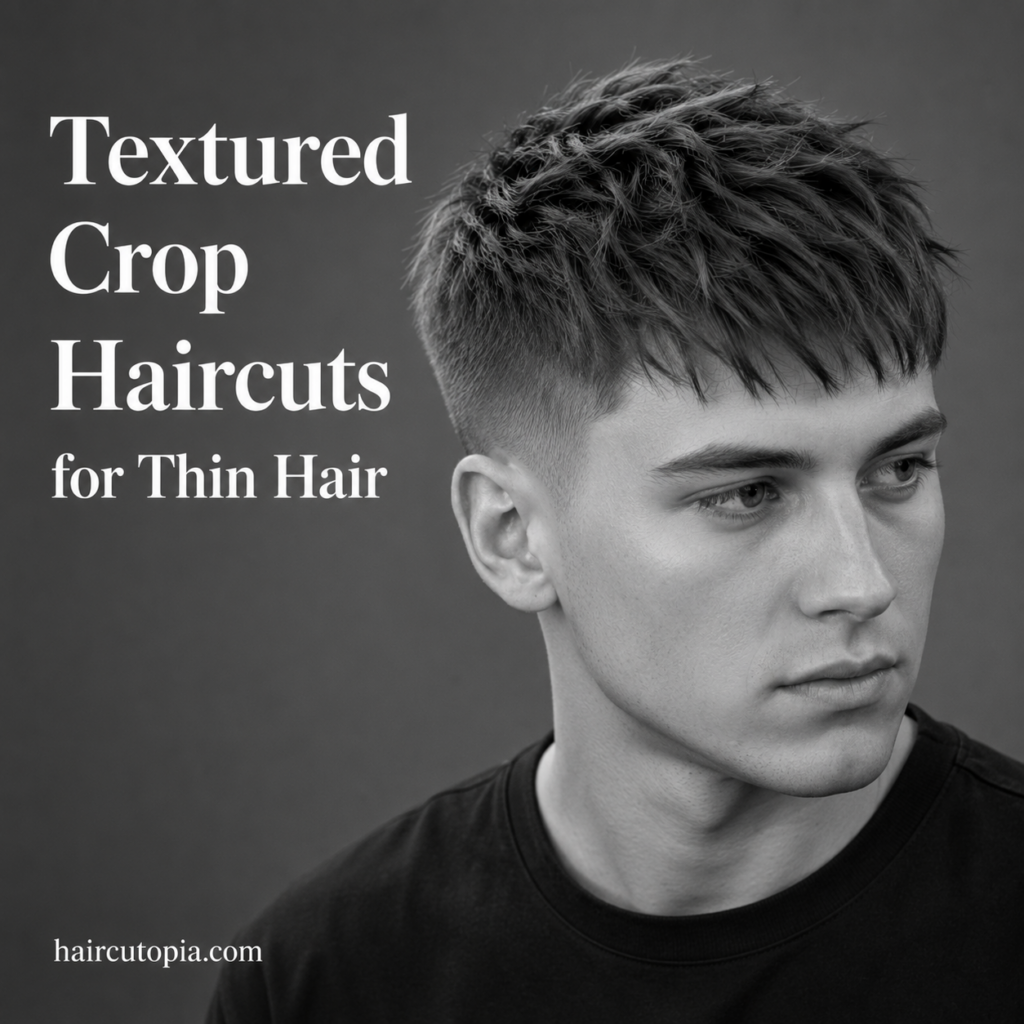 Textured Crop Haircuts for Thin Hair: The Best Style for Adding Volume and Fullness
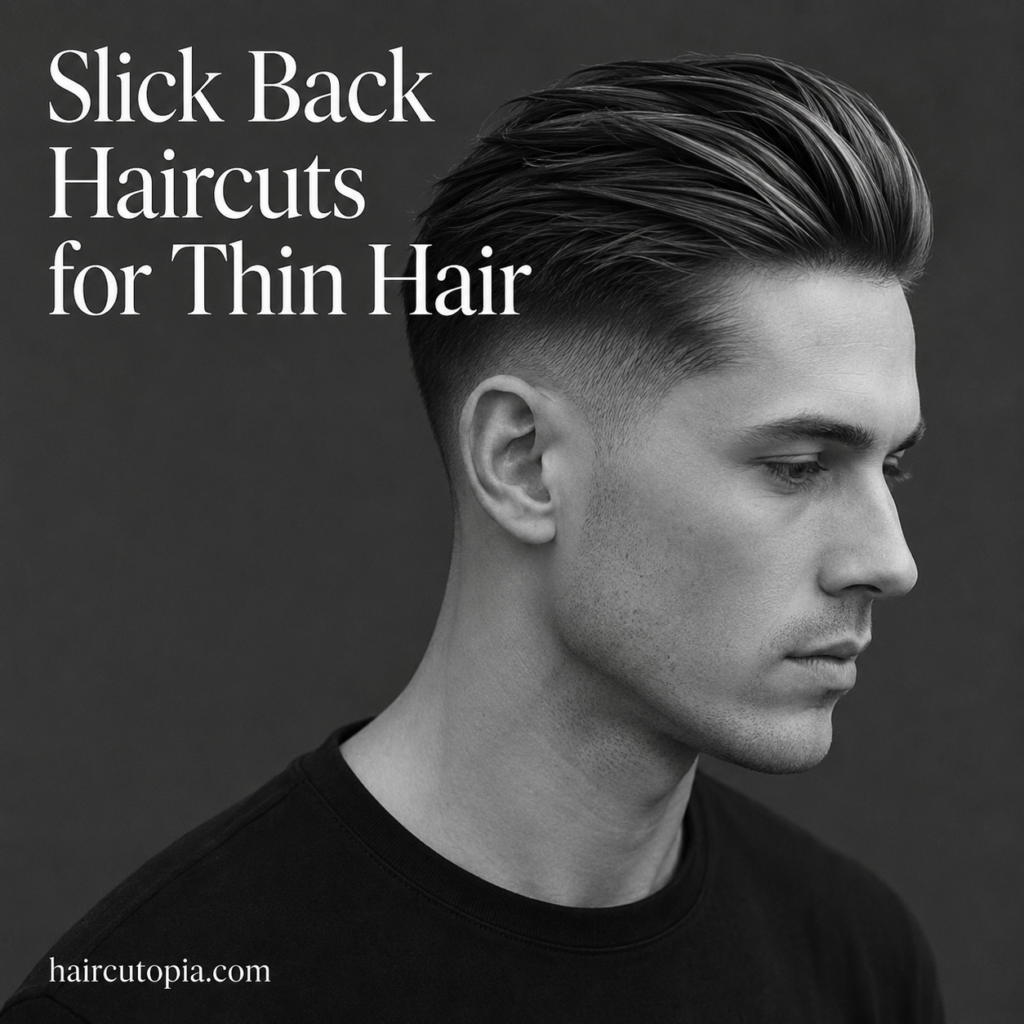 Slick Back Haircuts for Thin Hair: Best Styles to Add Volume and Confidence