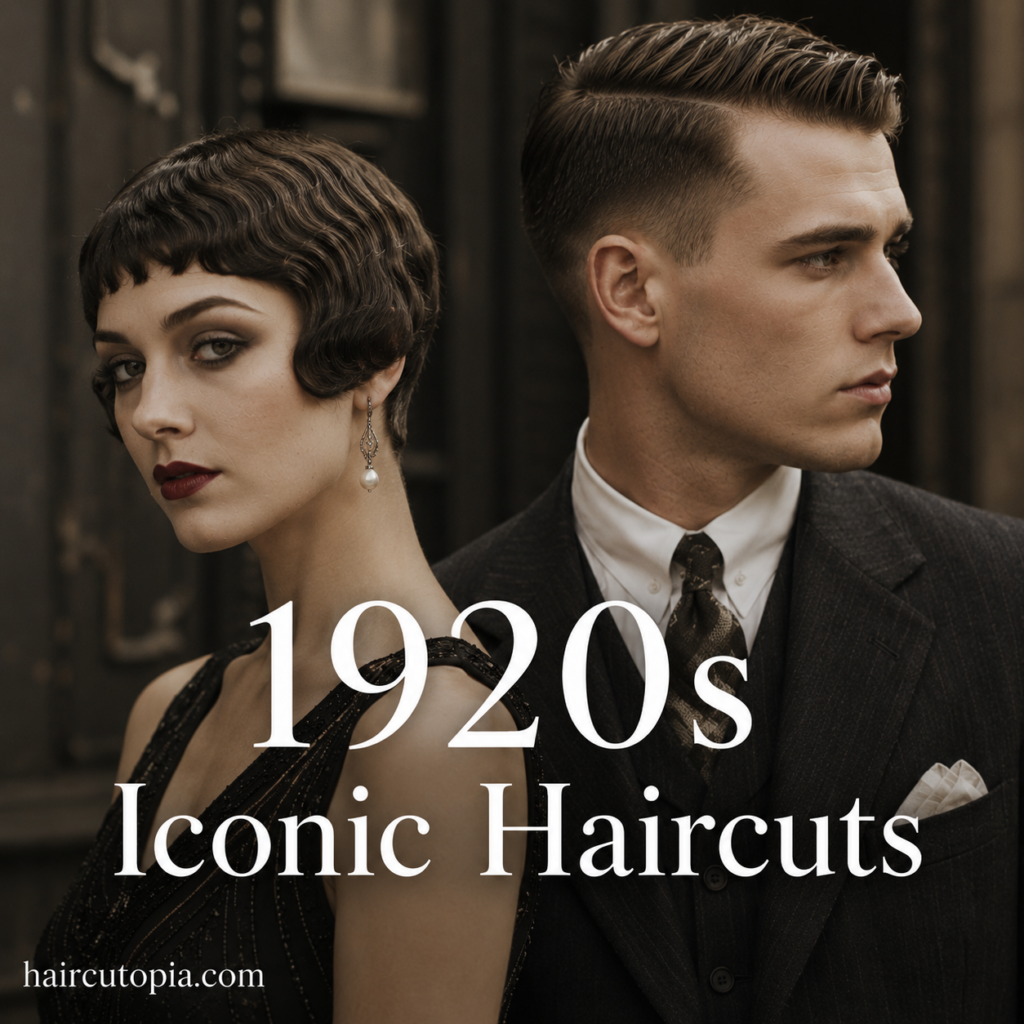
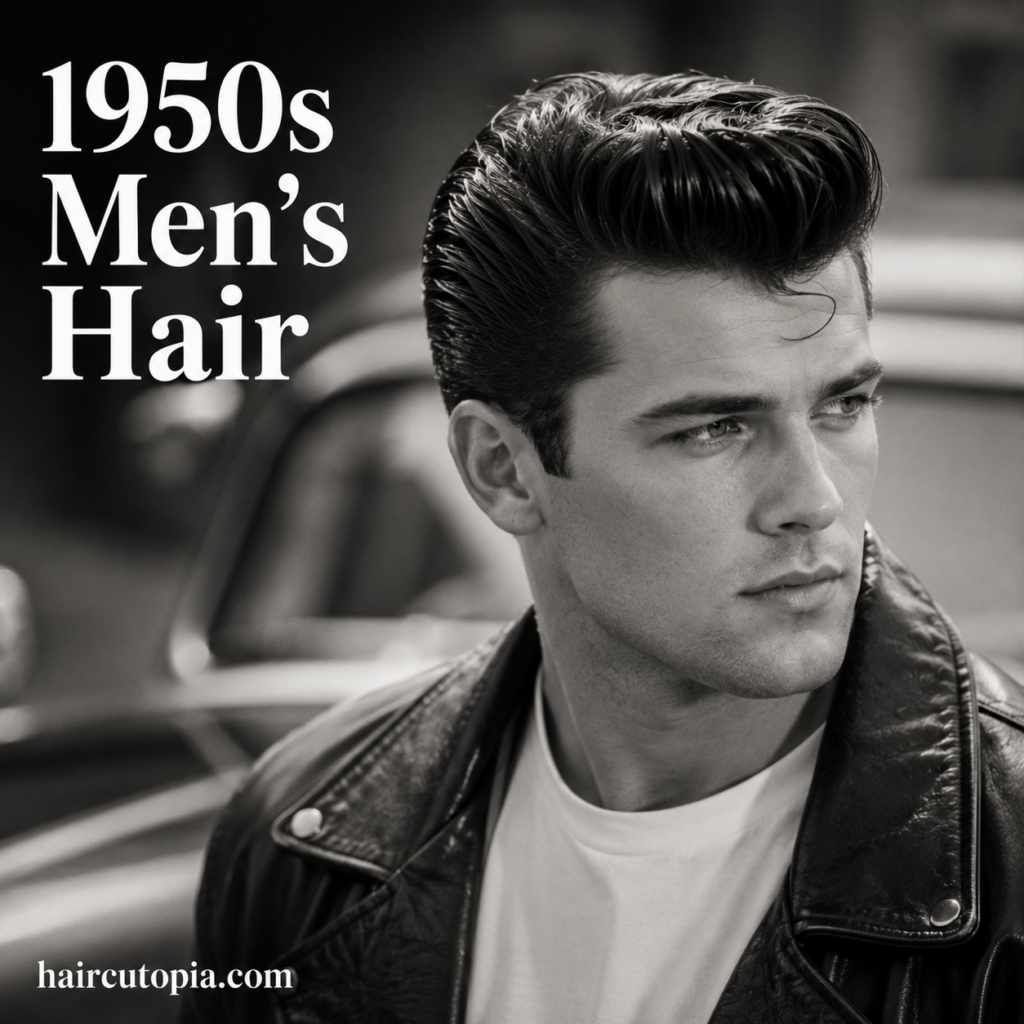
The 1950s marked one of the most influential decades in men’s grooming. After the clean-cut military styles of the 1940s, men began embracing hairstyles that reflected confidence, personality, and individuality. Thanks to Hollywood stars, rock-and-roll musicians, and changing fashion trends, men’s hair became an important part of personal style.
From slick pompadours to rebellious ducktails, the hairstyles of the 1950s continue to inspire modern barbershops today. Many classic cuts have evolved, but their signature shapes, volume, and polished finishes remain instantly recognizable.
Whether you’re interested in vintage fashion or simply looking for timeless hairstyle inspiration, here’s everything you need to know about 1950s men’s hair.
Why 1950s Men’s Hairstyles Became So Popular
Several cultural changes shaped the hairstyles of the decade.
After World War II, young men had greater freedom to express themselves through fashion. Television became a household staple, Hollywood films reached wider audiences, and rock-and-roll created entirely new style icons.
Men no longer viewed hair as something that simply needed to be neat—it became part of their identity.
Major influences included:
- Hollywood actors
- Rock-and-roll musicians
- Television personalities
- Car culture
- Youth rebellion
- Growing barbering techniques
- New styling products
For many men, the right haircut became just as important as the clothes they wore.
What Defined 1950s Men’s Hair?
Several characteristics appeared across nearly every popular haircut.
Height and Volume
Unlike the flatter styles of previous decades, the 1950s emphasized lift.
Hair was often brushed upward and backward to create dramatic volume around the front.
Heavy Shine
Pomades gave hair a glossy finish that became one of the decade’s defining features.
Matte finishes were uncommon.
Clean Edges
Barbers paid close attention to:
- Sideburns
- Necklines
- Tapered sides
- Sharp part lines
Everything looked intentional and polished.
Frequent Barber Visits
Most men visited their barber every few weeks to maintain clean tapers and keep longer top sections under control.
The Most Popular 1950s Men’s Hairstyles
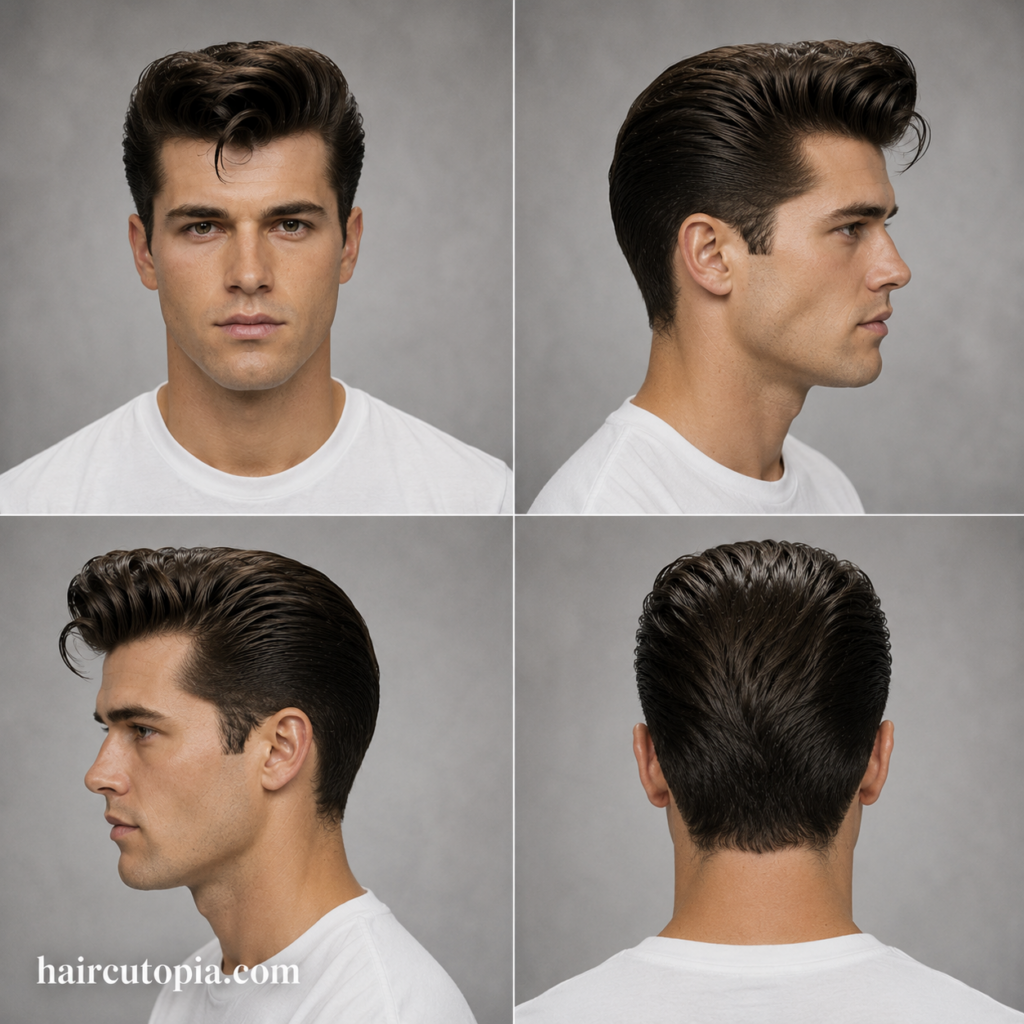
The Pompadour
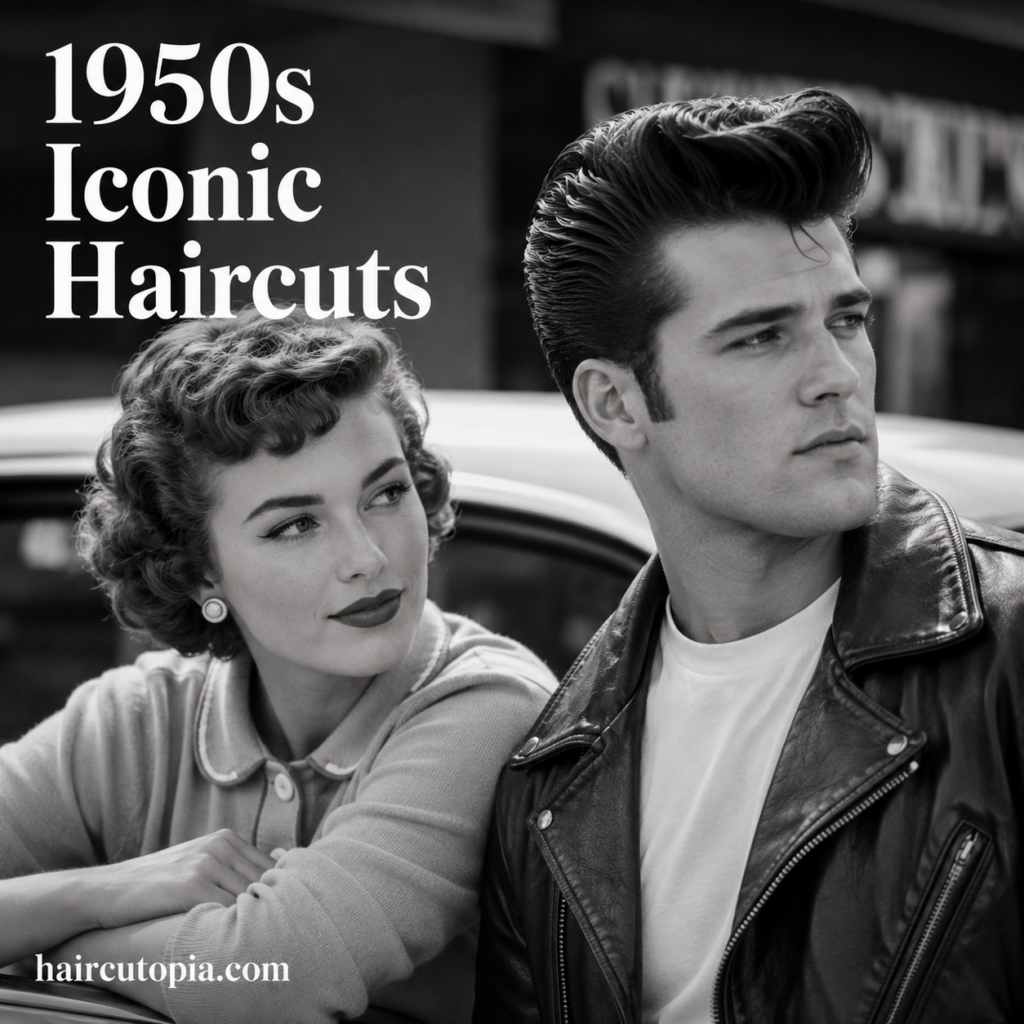
The pompadour became one of the decade’s most recognizable hairstyles.
Hair remained shorter on the sides while the top was grown longer and swept upward before flowing back.
Characteristics include:
- High front volume
- Slick finish
- Rounded silhouette
- Medium-to-long top
- Tapered sides
Although often associated with rock-and-roll culture, the pompadour worked surprisingly well in both casual and formal settings.
The Ducktail (DA)
The Ducktail—often called the “DA”—became one of the boldest hairstyles of the decade.
Hair was combed from both sides toward the center back of the head, creating a visible seam that resembled a duck’s tail.
Features included:
- Long top
- Slick sides
- Distinct center ridge
- High shine
- Sculpted appearance
It required patience, precision, and plenty of pomade.
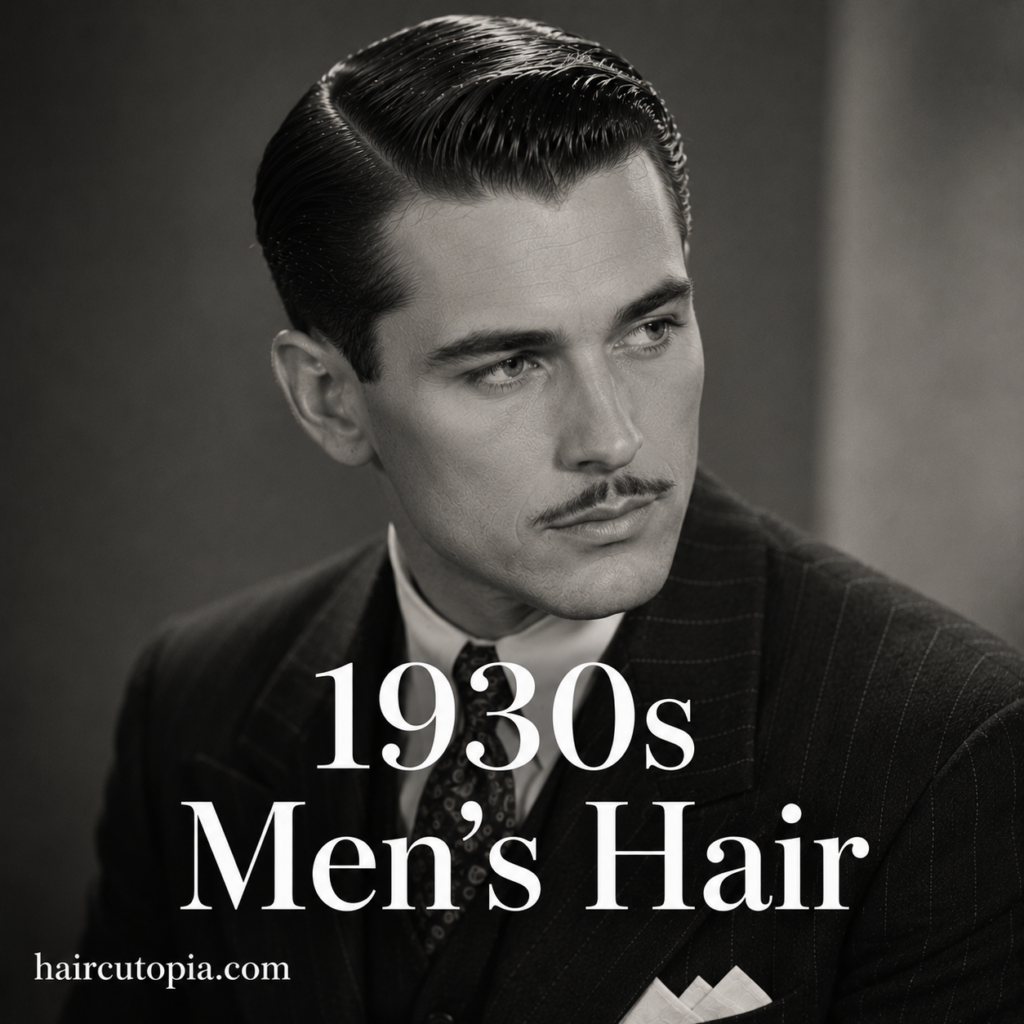
The Side Part
Not every man wanted dramatic volume.
The classic side part remained a favorite among businessmen, professionals, and older gentlemen.
Its appeal came from its simplicity.
Typical features:
- Defined part
- Moderate length
- Neatly combed top
- Tapered sides
- Clean neckline
Today, many modern gentleman’s cuts trace their roots directly to this style.
The Ivy League
The Ivy League offered a cleaner, more conservative alternative.
Popular among college students and professionals, it combined the neatness of a crew cut with slightly longer hair on top.
Benefits included:
- Easy maintenance
- Professional appearance
- Versatile styling
- Minimal product
Even decades later, it remains one of the most requested men’s haircuts.
The Crew Cut
Military influence remained strong throughout the decade.
The crew cut featured:
- Short sides
- Short back
- Slightly longer top
- Minimal styling
It projected discipline, confidence, and practicality.
The Flat Top
The flat top became popular among athletes and military personnel.
Its defining characteristic was a level top surface created through careful clipper work.
This style required:
- Thick hair
- Regular maintenance
- Skilled barbering
Although less common today, it remains a classic vintage look.
The Slick Back
The slick back offered sophistication without excessive height.
Hair was combed straight backward using pomade to create a smooth finish.
Ideal for:
- Formal occasions
- Business attire
- Evening wear
- Classic menswear enthusiasts
Popular Hair Products During the 1950s
Modern styling products were still evolving, so pomades dominated barber shelves.
Common products included:
- Oil-based pomades
- Hair creams
- Brilliantine
- Hair tonic
- Grooming oils
These products delivered:
- High shine
- Flexible hold
- Long-lasting control
- Classic polished appearance
The downside was that many formulas were difficult to wash out compared to today’s water-based products.
How Men Styled Their Hair in the 1950s
Styling followed a fairly consistent routine.
Step 1: Start with Damp Hair
Most men styled freshly washed or slightly damp hair.
Step 2: Apply Pomade
A small amount was warmed between the hands before being distributed evenly.
Step 3: Use a Fine-Tooth Comb
The comb shaped nearly every style.
Different combing techniques created:
- Pompadours
- Ducktails
- Side parts
- Slick backs
Step 4: Shape the Front
Volume was carefully built near the forehead.
This often took several passes with the comb.
Step 5: Finish the Sides
The sides were smoothed into place before the hairstyle was finalized.
Hollywood Stars Who Popularized 1950s Men’s Hair
Several famous entertainers helped define the decade’s grooming trends.
Elvis Presley
Perhaps no hairstyle is more closely linked with the 1950s than Elvis Presley’s dramatic pompadour.
His combination of height, shine, and sideburns inspired countless imitators.
James Dean
James Dean popularized a more relaxed version of the pompadour.
His slightly messy styling reflected youthful rebellion while still maintaining classic structure.
Marlon Brando
Marlon Brando’s hairstyles often blended slick backs with subtle volume.
His effortless confidence made these styles iconic.
Tony Curtis
Tony Curtis wore carefully sculpted hairstyles that balanced elegance with Hollywood glamour.
Rock Hudson
Rock Hudson favored polished side parts and neatly groomed hairstyles that became synonymous with classic leading-man style.
Barbering Techniques of the Era
Creating these hairstyles required skill.
Barbers relied on:
- Scissor-over-comb cutting
- Precision tapering
- Neckline detailing
- Razor finishing
- Careful blending
Without electric styling tools, much of the final appearance depended on expert cutting.
Why 1950s Men’s Hair Still Influences Modern Barbers
Many of today’s most requested haircuts borrow elements from the 1950s.
Modern examples include:
- Modern pompadours
- Skin fades with pompadour tops
- Textured side parts
- Contemporary slick backs
- Ivy League cuts
- Modern quiffs
Today’s versions often feature:
- Less grease
- More texture
- Matte styling products
- Natural movement
- Lower maintenance
Despite these updates, the original silhouettes remain easy to recognize.
Tips for Recreating a 1950s Men’s Hairstyle Today
If you want an authentic vintage look, keep these tips in mind.
Grow the Top Longer
Most classic styles need enough length to create volume.
Keep the Sides Neat
Request a tapered cut rather than an extremely short fade.
Choose the Right Product
For an authentic finish:
- Oil-based pomade creates maximum shine.
- Water-based pomade offers easier washing.
- Grooming cream produces a softer vintage look.
Learn Proper Combing Techniques
The comb was just as important as the haircut itself.
Practice directing the hair rather than simply brushing it.
Visit Your Barber Regularly
Classic cuts lose their shape quickly.
Scheduling trims every 3 to 5 weeks helps maintain clean lines and balanced proportions.
Are 1950s Men’s Hairstyles Still in Style?
Absolutely.
Many vintage-inspired hairstyles have experienced a major resurgence over the past decade.
Today’s interpretations combine classic structure with modern barbering techniques, making them easier to wear while preserving their timeless appeal.
Whether you prefer a refined side part, a dramatic pompadour, or a sleek slick back, the influence of the 1950s remains unmistakable in contemporary men’s grooming.
Final Thoughts
The 1950s transformed men’s hairstyles into symbols of personality, confidence, and cultural identity. From polished business cuts to rebellious rock-and-roll looks, the decade introduced styles that continue to shape modern barbering.
What makes these hairstyles endure isn’t just nostalgia. Their clean silhouettes, balanced proportions, and attention to detail still look sharp decades later. Whether you’re recreating an authentic vintage appearance or adding retro inspiration to a modern cut, 1950s men’s hair offers timeless options that never truly go out of style.