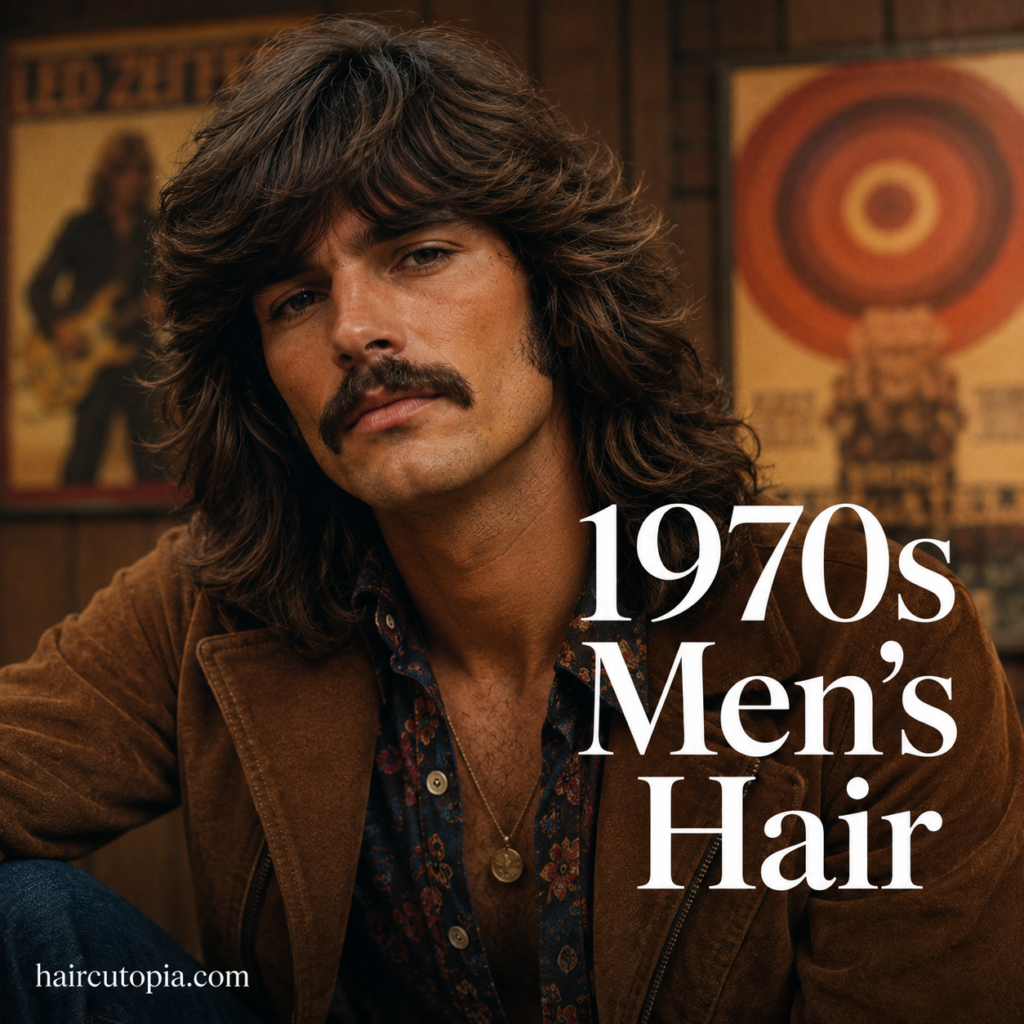
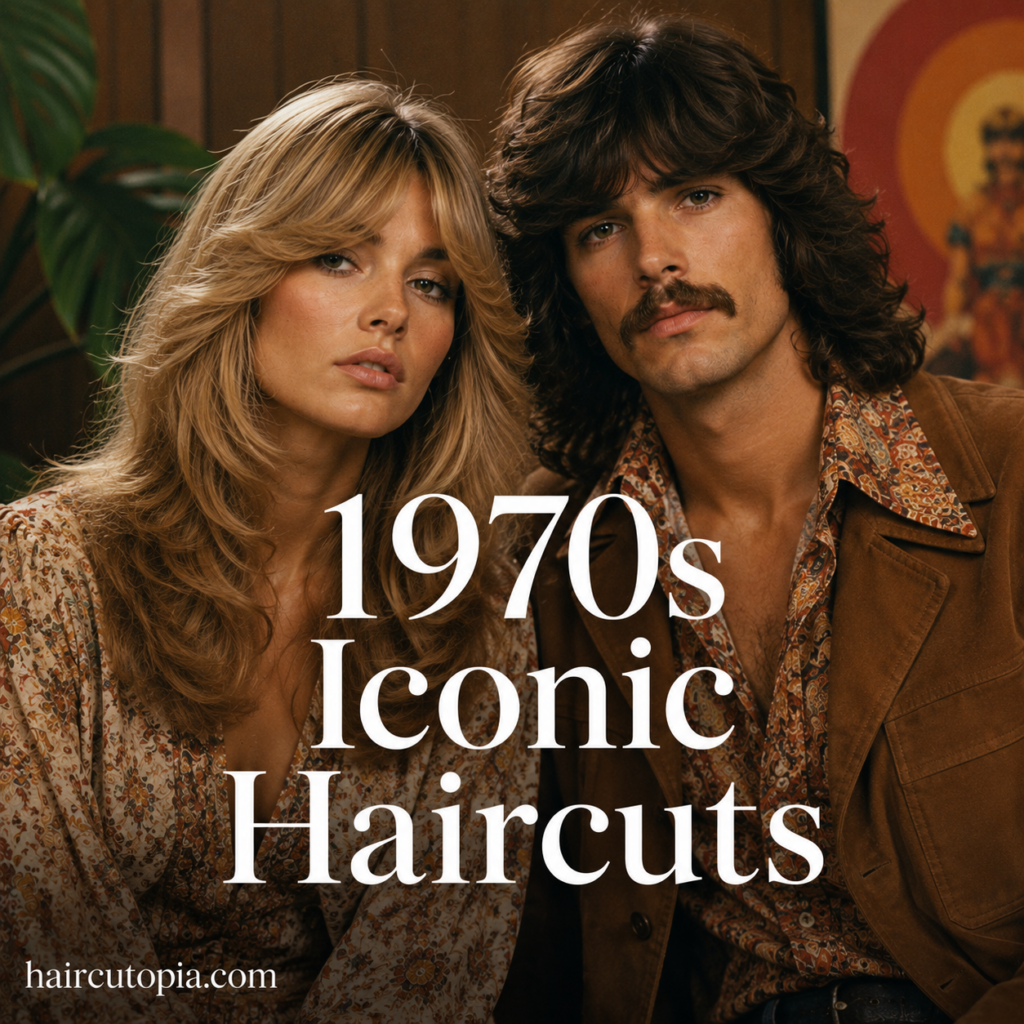
The 1970s changed hairstyling forever. It was a decade where individuality replaced rigid beauty standards, and hair became an extension of personal style rather than a trend everyone had to follow. Whether someone preferred long flowing layers, bold natural texture, or short sculpted cuts, the 1970s offered something for every hair type and personality.
Many of the era’s most recognizable haircuts are still influencing salons today. Modern butterfly cuts, wolf cuts, curtain bangs, layered blowouts, and textured shags all borrow elements from the styles that dominated the decade.
In this guide, we’ll explore the most iconic 1970s haircuts, what made them so memorable, and why they continue to inspire hairstylists around the world.
Why 1970s Haircuts Became Iconic
The hairstyles of the 1970s reflected a broader cultural shift toward freedom, creativity, and self-expression. Instead of one universally accepted look, people embraced styles that suited their features and natural texture.
Several influences shaped the decade’s biggest haircut trends:
- Rock and roll
- Disco culture
- The hippie movement
- Hollywood films
- Television personalities
- Natural hair movements
- New salon cutting techniques
This combination produced one of the most diverse decades in haircut history.
35 Iconic 1970s Haircuts
1. The Feathered Cut
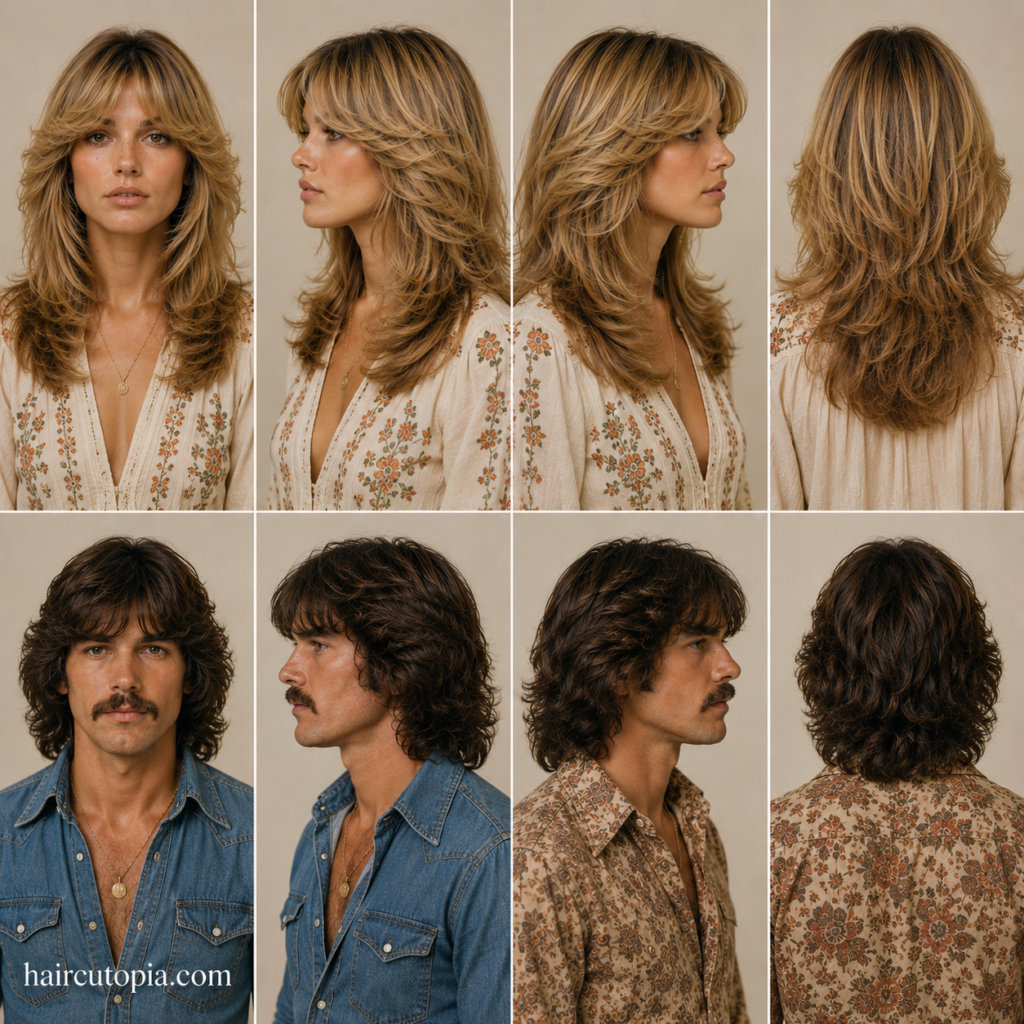
No haircut represents the 1970s better than feathered layers.
Hair was cut into soft layers and blow-dried away from the face to create flowing movement and volume.
Why it became iconic:
- Flattered nearly every face shape
- Added effortless movement
- Looked glamorous without appearing stiff
- Worked on medium and long hair
Today, feathered layers remain one of the most requested retro-inspired cuts.
2. The Shag Haircut
The shag became one of the defining cuts of the decade.
Its heavy layering created natural texture while reducing weight, making it stylish and easy to wear.
Key features included:
- Choppy layers
- Wispy bangs
- Textured ends
- Natural volume
3. Long Layered Hair
Long hair never went out of style during the 1970s, but layers transformed it into something more dynamic.
Benefits included:
- Better movement
- Less bulk
- More styling options
- Fuller appearance
4. The Afro
The afro became one of the most influential hairstyles of the decade.
More than a fashion trend, it celebrated natural texture, confidence, and cultural identity.
Its defining characteristics included:
- Rounded shape
- Healthy curls
- Balanced volume
- Natural styling
5. Curtain Bangs
Curtain bangs framed the face while blending seamlessly into longer layers.
Their versatility makes them just as fashionable today.
6. The Wedge
Popularized by figure skater Dorothy Hamill, the wedge became the decade’s signature short haircut.
It featured:
- Rounded volume
- Stacked layers
- Easy maintenance
- Clean neckline
7. Shoulder-Length Layers
For people who wanted versatility without committing to very long hair, shoulder-length layered cuts became a favorite.
8. The Layered Bob
The classic bob evolved during the 1970s through softer layering and increased movement.
Instead of looking rigid, it felt light and modern.
9. Long Center-Part Hair
Inspired by bohemian fashion, long center-part hairstyles became synonymous with effortless beauty.
10. Curly Shag
Naturally curly hair paired perfectly with shag layering.
The result offered bounce, movement, and reduced bulk.
11. The Pixie
The 1970s pixie softened compared to its structured 1960s predecessor.
Longer layers created a more feminine, textured finish.
12. The Flip
Hair flipped outward at the ends became another instantly recognizable haircut trend.
Typically worn at shoulder length, it created playful movement.
13. The Pageboy
The pageboy remained fashionable but became softer during the decade.
Rounded edges replaced sharp precision.
14. Long Straight Hair
Ultra-long straight hair reflected the relaxed spirit of the hippie movement.
Simple center parts completed the look.
15. Face-Framing Layers
Strategic layers around the cheeks and jaw softened facial features while adding dimension.
This technique remains one of today’s most requested haircut features.
16. Razor-Cut Layers
Razor cutting created lightweight texture and softer edges.
Many contemporary layered haircuts continue to use similar techniques.
17. The Soft Mullet
Before becoming more dramatic in the 1980s, early mullets featured subtle layering with smooth transitions.
18. Rounded Curly Cut
Rounded shaping enhanced natural curl patterns while maintaining balanced proportions.
19. Bohemian Layers
Long flowing layers perfectly complemented the free-spirited fashion of the era.
20. The Salon Blowout Cut
Many layered haircuts were designed specifically to maximize the movement created by salon blowouts.
21. Wispy Fringe
Lightweight bangs blended naturally into surrounding layers rather than creating harsh lines.
22. The Long Bob
The long bob became increasingly popular because it balanced elegance with practicality.
23. Layered Lob
The layered lob offered movement while preserving enough length for feathered styling.
24. Natural Texture Cut
Stylists increasingly worked with each person’s natural hair texture instead of trying to reshape it completely.
25. Glam Rock Layers
Rock musicians inspired bold layered cuts featuring:
- Long bangs
- Razor texture
- Volume
- Controlled messiness
26. Short Layered Crop
This practical haircut featured:
- Soft layering
- Textured finish
- Easy styling
- Rounded silhouette
27. Voluminous Crown Layers
Gentle layering around the crown created natural height without excessive teasing.
28. Curly Bob
Natural curls looked lively and balanced in chin-length and shoulder-length bob variations.
29. Airy Long Layers
Long layers created movement while keeping the overall hairstyle lightweight.
30. Textured Mid-Length Cut
Medium-length hair benefited from strategic layering that enhanced natural movement.
31. Classic Salon Layers
Professional salons refined layered cutting techniques throughout the decade.
These cuts became the foundation of countless modern hairstyles.
32. The Everyday Layered Cut
Simple layered haircuts became everyday favorites because they worked well with minimal styling.
33. Rounded Natural Shapes
Whether straight, curly, or coily, rounded silhouettes became increasingly popular.
34. Personalized Haircuts
Stylists began customizing cuts for each person’s face shape and hair texture rather than following one rigid trend.
35. Effortless Layered Hair
Perhaps the decade’s greatest haircut wasn’t one specific style.
It was the philosophy of creating haircuts that looked beautiful with natural movement rather than requiring constant styling.
What Made These Haircuts Stand Out?
Although each style was unique, most iconic 1970s haircuts shared several characteristics.
Common features included:
- Soft layering
- Feathered movement
- Face-framing shapes
- Natural texture
- Rounded silhouettes
- Healthy shine
- Personalized styling
The emphasis shifted from perfection to individuality.
Which Hair Types Suited 1970s Haircuts?
One reason these cuts remain timeless is their versatility.
Straight Hair
Ideal choices include:
- Feathered layers
- Long layered cuts
- Curtain bangs
- Layered bobs
Wavy Hair
Perfect for:
- Shags
- Bohemian layers
- Mid-length cuts
- Soft blowouts
Curly Hair
Excellent options include:
- Curly shags
- Rounded cuts
- Layered curls
- Curly bobs
Coily Hair
Beautiful choices include:
- Afros
- Rounded natural cuts
- Layered shaping
- Protective styles
How to Modernize an Iconic 1970s Haircut
Today’s stylists often update vintage cuts with softer techniques.
Popular modern adaptations include:
- Lighter feathering.
- More subtle layering.
- Softer curtain bangs.
- Reduced teasing.
- Enhanced natural texture.
- Face-framing highlights.
- Flexible styling products.
The goal is to preserve the spirit of the decade while creating a hairstyle that feels contemporary.
Why These Haircuts Are Still Popular
The 1970s continue to influence modern salons because the techniques remain flattering across different hair types and face shapes.
Many current favorites—including butterfly haircuts, wolf cuts, textured shags, curtain bangs, and layered blowouts—are direct descendants of iconic 1970s cuts.
Rather than recreating vintage styles exactly, today’s hairstylists reinterpret them using modern cutting methods and styling products.
Frequently Asked Questions
What was the most iconic haircut of the 1970s?
The feathered layered haircut is widely considered the decade’s most iconic style, followed closely by the shag haircut and the afro.
Were 1970s haircuts suitable for all hair types?
Yes. The decade embraced straight, wavy, curly, and coily hair, making it one of the most inclusive periods in hairstyling history.
Are 1970s haircuts still fashionable?
Absolutely. Curtain bangs, butterfly cuts, wolf cuts, feathered layers, and textured shags all have strong roots in 1970s hairstyling.
Why were layered haircuts so popular?
Layers added movement, removed bulk, and made hair easier to style while creating a soft, natural appearance.
How can I get a modern 1970s-inspired haircut?
Ask your stylist for soft layers, face-framing pieces, curtain bangs if desired, and feathered movement while avoiding overly dramatic teasing or stiff styling.
Final Thoughts
The iconic haircuts of the 1970s weren’t defined by a single trend—they were defined by freedom, movement, and individuality. Whether it was the glamorous feathered cut, the effortlessly cool shag, the confident afro, or soft layered bobs, each style reflected the decade’s shift toward natural beauty and personal expression.
That influence is still visible today. Many of the most requested modern haircuts borrow techniques that became popular during the 1970s, proving that great hair design doesn’t go out of fashion—it simply evolves.
Whether you’re looking for a subtle vintage-inspired update or a complete retro transformation, the iconic haircuts of the 1970s offer timeless inspiration for every hair type and personal style.