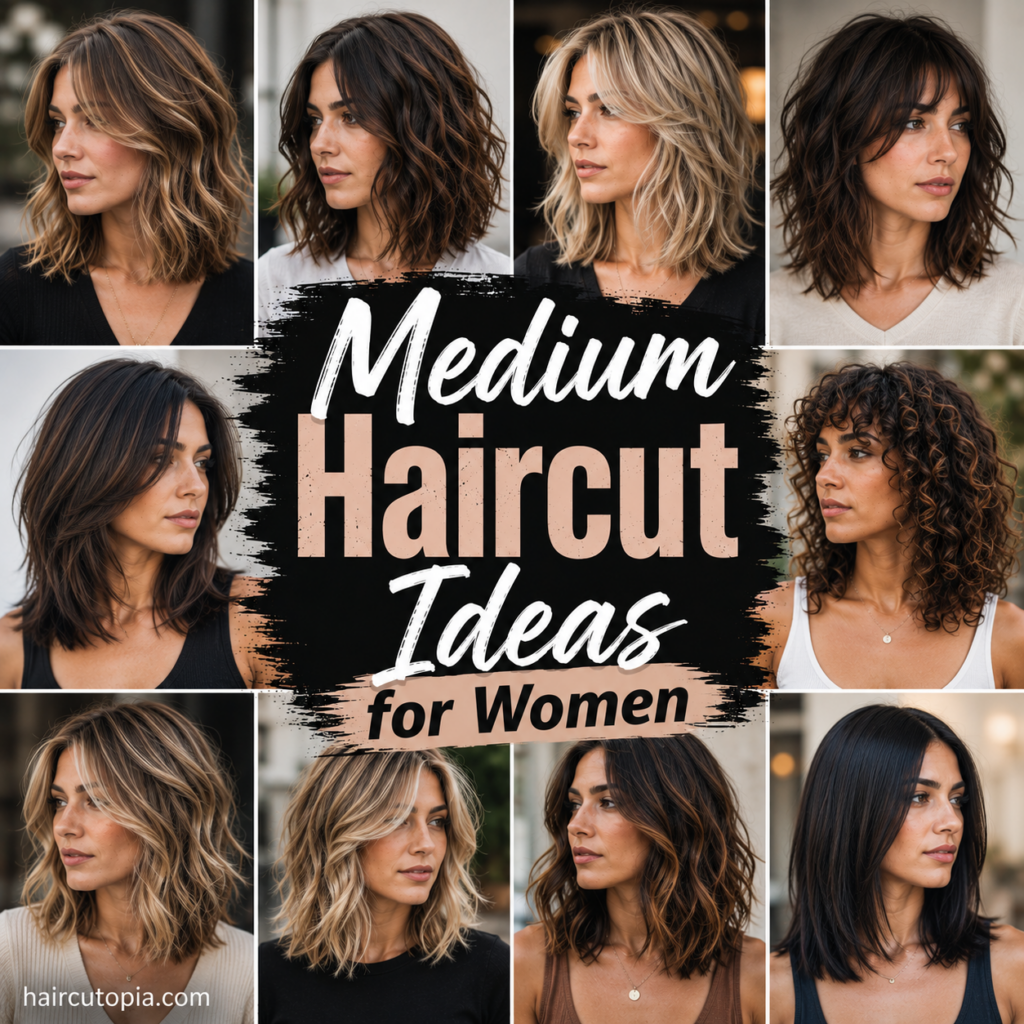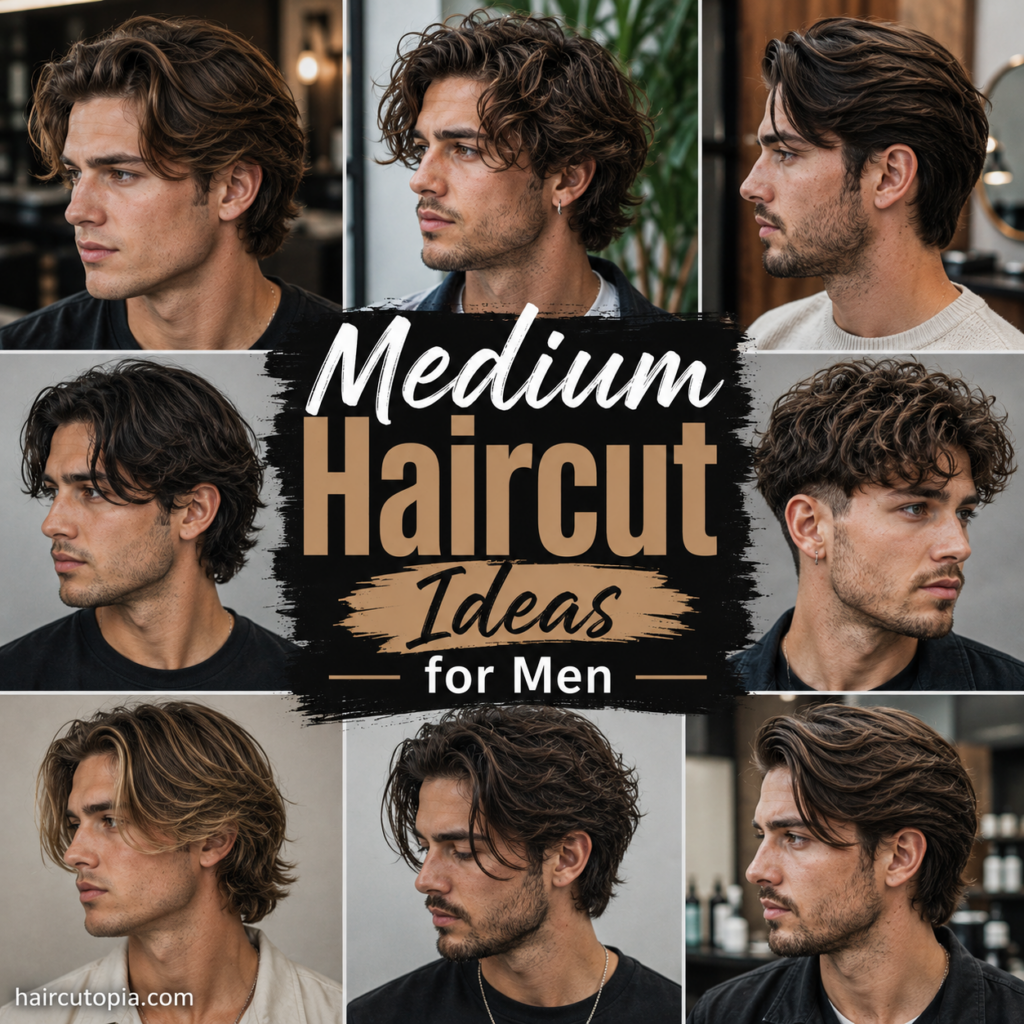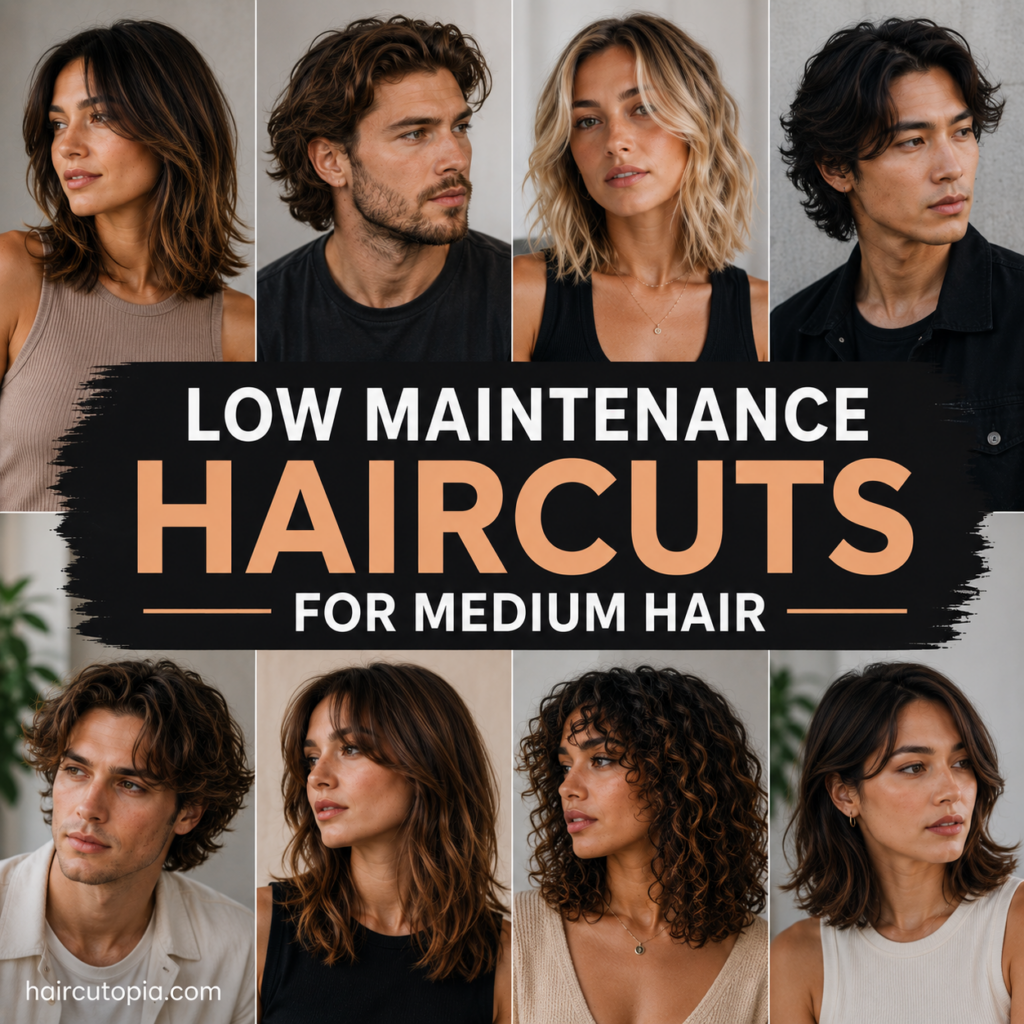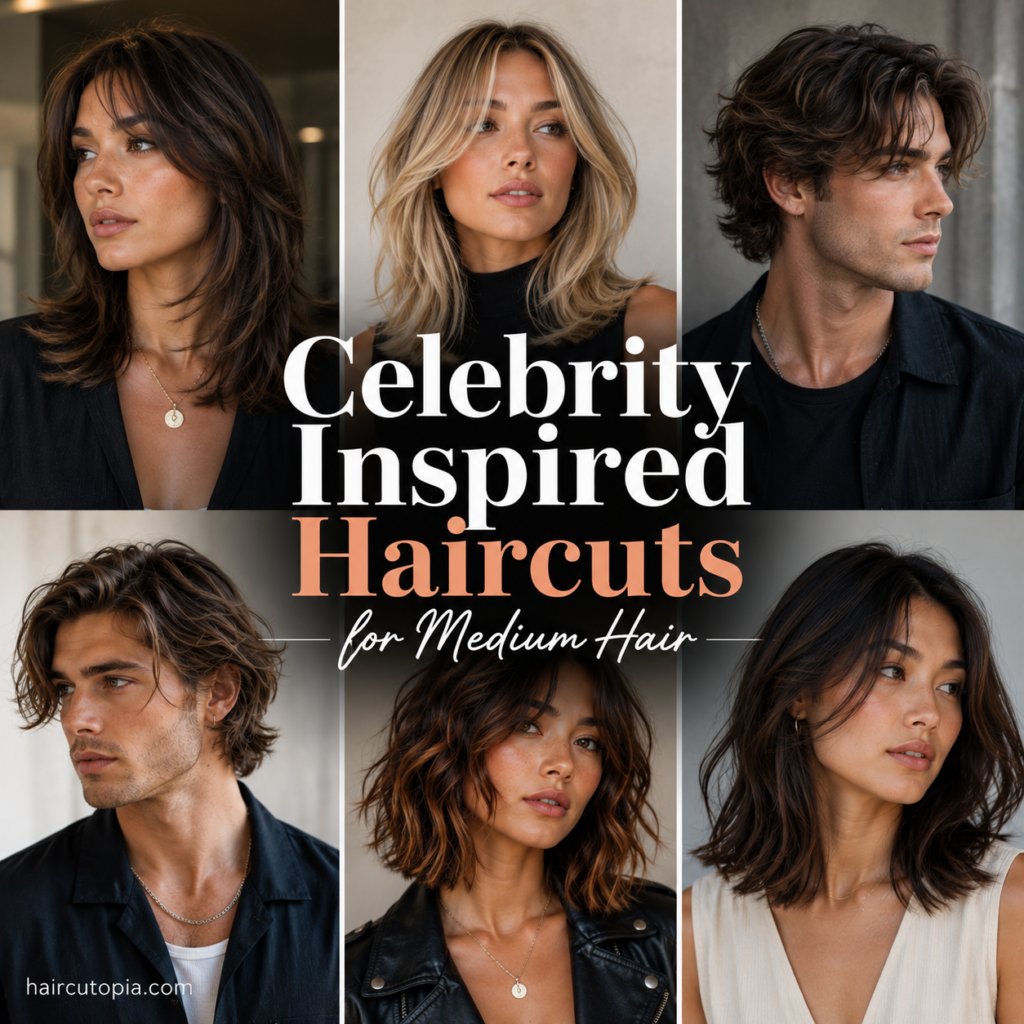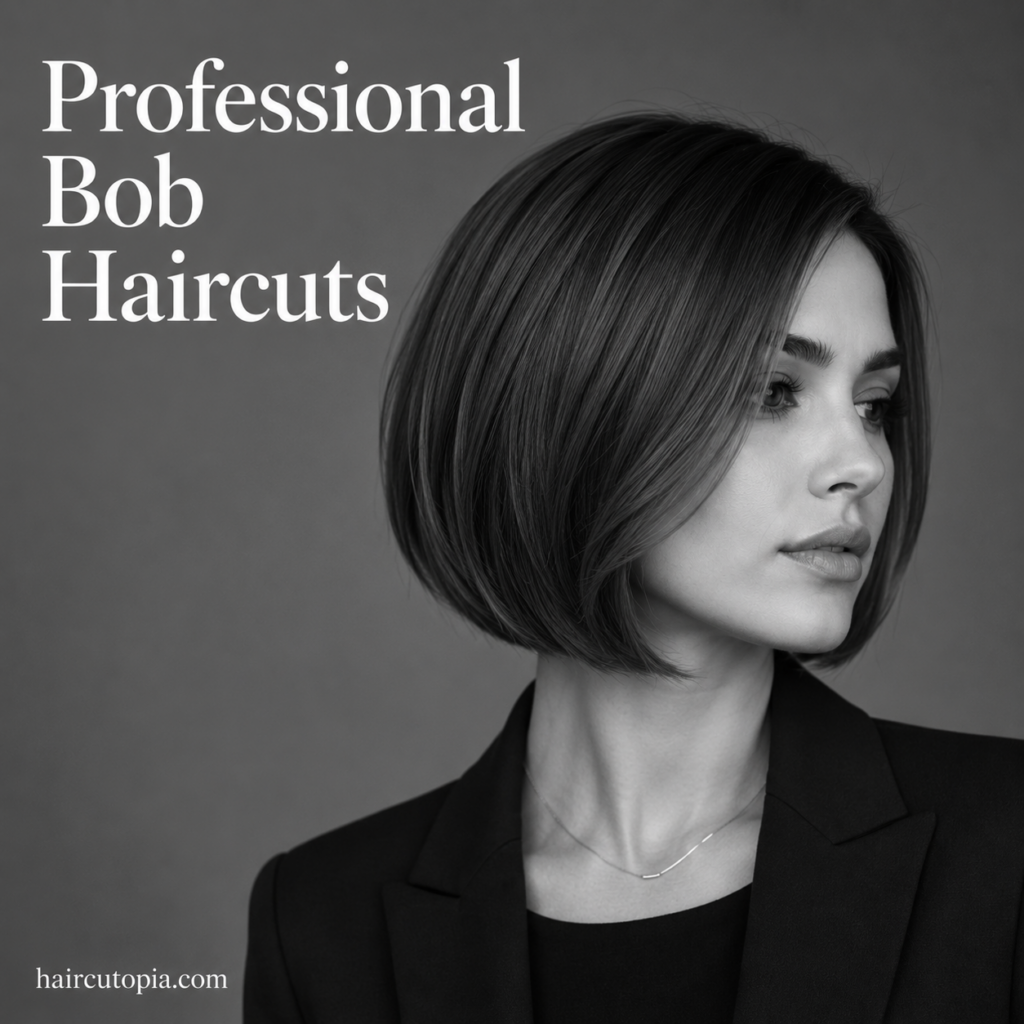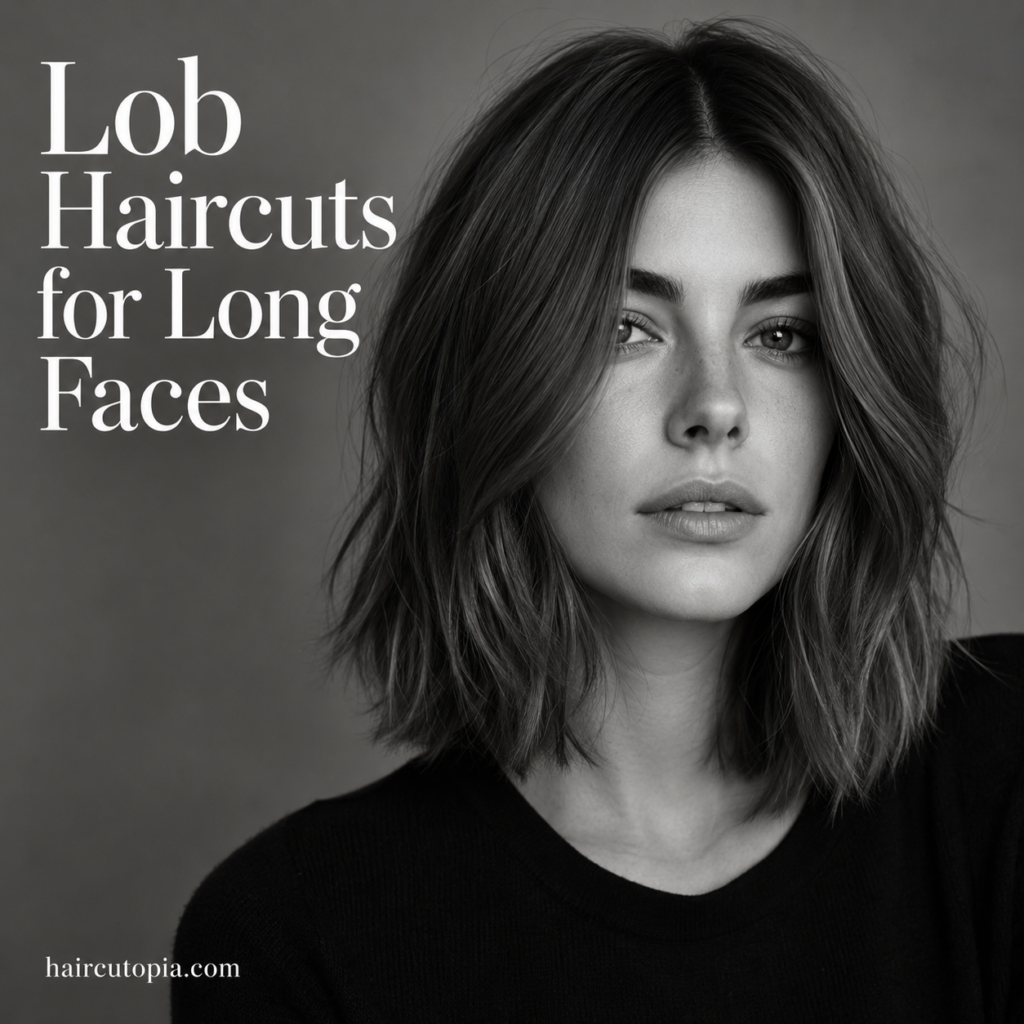
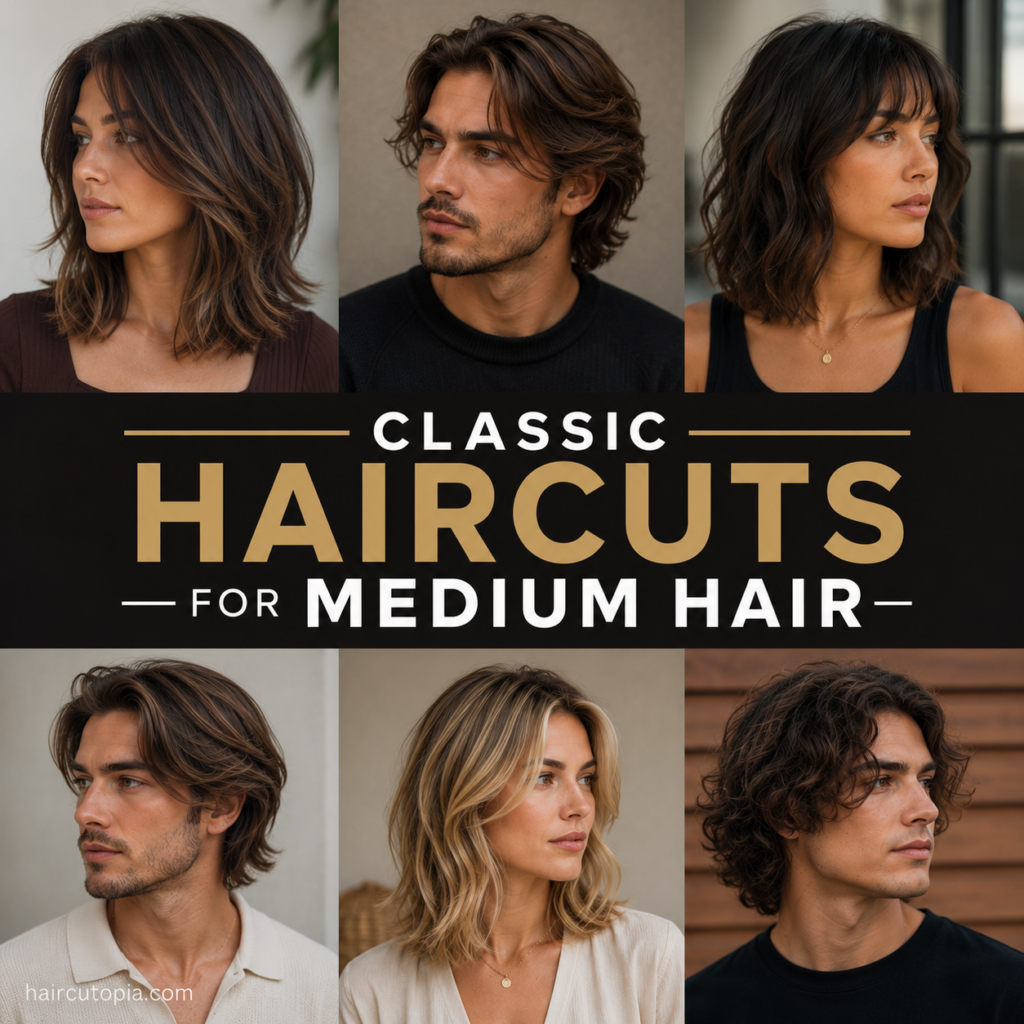
Medium-length hair hits a sweet spot that shorter and longer styles don’t always offer. There’s enough length to experiment with layers, waves, bangs, and different parts, but not so much that everyday styling becomes a project.
It’s also an ideal length for classic haircuts.
Many timeless styles naturally fall somewhere between the chin and shoulders or extend a little beyond. The lob, shag, layered cut, side-parted style, and shoulder-length blunt cut have all been reinvented repeatedly without losing their original appeal.
And classic doesn’t have to mean conservative. Change the texture, adjust the layers, add a fringe, or play with the part, and an established haircut can look completely current.
If you’re looking for a style with staying power, these classic haircuts for medium hair offer plenty of possibilities.
What Is Considered Medium-Length Hair?
There isn’t one exact measurement that defines medium hair.
Generally, it falls somewhere between the chin and a few inches below the shoulders. Collarbone-length hair is often included as well.
This range gives you enough length to create:
- Layers
- Bangs
- Waves and curls
- Face-framing pieces
- Half-up hairstyles
- Ponytails
- Small buns and updos
- Sleek straight styles
The versatility is a big reason medium hair remains so popular.
You can make a noticeable change without necessarily committing to a very short haircut or maintaining very long hair.
Why Classic Haircuts Work So Well at Medium Length
Medium hair gives a stylist room to create shape while still preserving movement.
With shorter hair, even small changes in length can dramatically alter the silhouette. Very long hair, on the other hand, can become heavy depending on its density and texture.
Medium-length cuts sit comfortably between those extremes.
Classic styles at this length tend to have:
- Balanced proportions
- Flexible styling options
- Enough length for movement
- Manageable maintenance
- Adaptability across different textures
- Room for subtle or dramatic layering
That’s also why many medium cuts grow out relatively gracefully.
1. The Classic Lob
The long bob, better known as the lob, is probably one of the most recognizable medium-length haircuts.
It generally falls somewhere between the chin and collarbone, although shoulder-length versions are common.
The basic shape is simple enough to customize almost endlessly.
A lob can be:
- Blunt
- Layered
- Straight
- Wavy
- Curly
- Center-parted
- Side-parted
- Worn with bangs
That flexibility is exactly what makes it a classic.
Why the lob stays popular
A lob creates the feeling of shorter hair without sacrificing all of your length.
Many versions are still long enough to pull into a ponytail, which makes the cut particularly practical for anyone who likes changing their hairstyle from day to day.
2. The Blunt Lob
A blunt lob keeps the perimeter strong and minimizes obvious layering.
This creates a clean silhouette and can make the ends look visually fuller.
Straight styling emphasizes the precision of the cut, but you don’t have to wear a blunt lob perfectly smooth.
Loose waves or slightly tousled texture can soften the strong perimeter and give the haircut a more relaxed finish.
Who should consider a blunt lob?
It can be particularly useful for fine or medium-density hair when preserving weight through the ends is a priority.
Very thick hair can wear a blunt shape too, although subtle internal weight removal may make the cut easier to manage.
3. The Layered Lob
The layered lob keeps the convenient length of a long bob while introducing more movement.
Layers can be concentrated around the front or distributed throughout the haircut.
The effect depends heavily on how much layering is used.
Long, blended layers create subtle movement. Shorter or more noticeable layers can produce volume and texture.
For wavy hair, a layered lob can help encourage the natural pattern instead of allowing the hair to fall into one heavy shape.
4. The Shoulder-Length Cut
Sometimes simple really is enough.
A shoulder-length haircut creates a clean foundation that can be styled in dozens of ways.
The perimeter can remain relatively blunt or be softened with subtle layers.
Because the hair sits around the shoulders, it can transition easily between casual and polished styles.
Wear it straight one day, add loose waves the next, or pull it back when you don’t feel like styling it at all.
5. The Classic Layered Cut
Layers are one of the easiest ways to transform medium hair without significantly changing the overall length.
A classic layered haircut uses gradual changes in length to encourage movement and shape.
Unlike a shag, the layers don’t necessarily need to be dramatic or highly visible.
They can be blended so smoothly that you notice the movement more than the individual sections.
Layering fine vs. thick hair
The amount of layering should generally reflect the hair’s density.
Fine hair can lose visual fullness if too much weight is removed. Longer, restrained layers often work better.
Thick hair can usually accommodate more layering, particularly when the goal is to reduce bulk and encourage movement.
6. Face-Framing Layers
Face-framing layers are concentrated around the front rather than throughout the entire haircut.
They can begin near the cheekbones, jaw, chin, or lower depending on the effect you want.
This makes them an easy way to refresh medium hair without dramatically changing the back.
Face-framing layers work particularly well with:
- Lobs
- Shoulder-length hair
- Wavy styles
- Center parts
- Curtain bangs
- Longer layered cuts
They can also help connect bangs to the rest of the haircut.
7. The Medium Shag
The shag has returned so many times that calling it a temporary trend doesn’t really make sense anymore.
A medium shag uses layers throughout the hair to create movement, volume, and texture.
Shorter sections around the crown are often combined with longer lengths around the perimeter.
Bangs are common but optional.
Making a shag feel modern
Modern shags don’t have to reproduce the dramatic shapes associated with earlier decades.
Softer layering, natural waves, and longer curtain-style bangs can make the haircut considerably more wearable.
It’s especially effective for hair that already has some natural texture.
8. The Soft Shag
If you like the movement of a shag but don’t want dramatic layers, consider a softer version.
The overall length remains more consistent while carefully placed layers create texture around the face and crown.
This can be a good compromise between a conventional layered haircut and a full shag.
It also tends to grow out more subtly because there isn’t as much difference between the shortest and longest sections.
9. The Butterfly-Inspired Medium Cut
The butterfly haircut may have gained renewed attention more recently, but its basic ingredients are familiar: face-framing pieces, flowing layers, and volume.
At medium length, the effect is softer than on very long hair.
Shorter layers around the face can create movement while the remaining length provides a fuller perimeter.
The style works particularly well with blowouts and waves, but it doesn’t need to be styled dramatically every day.
10. The U-Shaped Cut
A U-shaped haircut creates a softly curved perimeter when viewed from the back.
Instead of ending in a completely straight line, the center remains slightly longer than the sides.
The difference can be subtle.
At medium length, this shape adds movement without requiring heavy layering.
It’s a useful option if you want to preserve fullness while avoiding a completely blunt edge.
11. The Rounded Medium Cut
A rounded cut creates a softer overall silhouette.
Rather than relying on sharp angles or an extremely blunt perimeter, the shape follows the natural fall of the hair.
Layers may be incorporated to encourage the rounded effect.
This approach can work especially well with hair that naturally has volume, waves, or curls.
12. The Angled Lob
The angled lob keeps more length toward the front while gradually becoming shorter through the back.
How noticeable that angle appears depends on the cut.
A subtle difference between the front and back creates a timeless shape. A dramatic angle feels more fashion-forward.
The style can be worn straight to emphasize the geometry or waved to soften it.
13. Medium Hair With Curtain Bangs
Curtain bangs and medium-length hair are a natural combination.
The bangs typically start shorter near the center and become longer toward the sides, allowing them to blend into surrounding layers.
They can frame the face without creating the solid line of a full fringe.
Curtain bangs also offer several styling options.
They can be:
- Swept outward
- Worn closer to the forehead
- Blended into waves
- Tucked to the sides
- Grown into face-framing layers
That flexibility helps explain why the style keeps returning.
14. Medium Hair With Blunt Bangs
Blunt bangs create a stronger contrast with medium-length hair.
They usually fall across the forehead in a more defined line, drawing attention toward the eyes.
Pairing them with a relatively simple shoulder-length cut creates a classic silhouette.
For something less structured, the ends of the fringe can be lightly textured rather than perfectly uniform.
15. Medium Hair With Wispy Bangs
Wispy bangs offer a softer alternative to a full fringe.
Instead of creating a dense line across the forehead, smaller sections of hair are used to produce a lighter effect.
They work well with lobs, layered cuts, and shoulder-length styles.
Wispy bangs can also be a good starting point if you’re curious about getting bangs but don’t want a dramatic change.
16. Medium Hair With Side-Swept Bangs
Side-swept bangs have been popular through multiple eras.
The fringe is cut long enough to move across the forehead and blend toward one side.
Longer versions can transition naturally into face-framing layers.
This makes them relatively versatile as they grow.
You can wear them across the forehead, tuck them away, or eventually blend them into the rest of the haircut.
17. The Side-Parted Medium Cut
Changing the part can alter the entire personality of a medium haircut.
A side part creates asymmetry and can introduce volume through one side of the hair.
It works with straight, wavy, curly, blunt, and layered styles.
A precise side part tends to look more polished, while a slightly irregular part creates a relaxed finish.
18. The Center-Parted Medium Cut
The center part creates symmetry and places more attention on the layers surrounding the face.
It pairs especially well with:
- Lobs
- Curtain bangs
- Face-framing layers
- Straight hair
- Loose waves
- Shoulder-length cuts
If your hair naturally prefers another direction, you may need some styling at first to establish the part.
19. The Classic One-Length Cut
Not every medium haircut needs layers.
A one-length cut keeps most of the perimeter consistent, producing a strong and simple shape.
This can be particularly effective for fine hair because the ends retain more weight.
The haircut can still have subtle face-framing pieces if you want some movement around the front without layering the entire head.
20. The Medium-Length Scissor Cut
The traditional scissor cut isn’t limited to any one gender.
Instead of relying on aggressive fades or highly geometric shapes, the hair is carefully shaped while retaining natural movement and length.
On medium hair, this approach can create a soft, timeless silhouette.
The top and sides can be brushed back, parted, tucked behind the ears, or left naturally textured.
21. The Bro Flow
The bro flow is a classic medium hairstyle for men that relies heavily on natural movement.
Hair is allowed to grow long enough to sweep backward and away from the face.
Rather than creating a rigid shape, the haircut is designed to work with the direction the hair naturally wants to move.
Wavy hair is particularly well suited to this style, but straight and curly textures can also be adapted.
22. The Medium Side Part
A traditional men’s side part doesn’t have to be short.
Keeping medium length through the top and sides creates a softer, more relaxed version of the classic style.
The hair can be neatly combed for a polished appearance or styled with the fingers for more movement.
This style works especially well if you want something classic without a close fade or very short sides.
23. Medium Slicked-Back Hair
Slicked-back hair becomes especially versatile at medium length.
There is enough hair to create visible movement while still keeping the face open.
Traditional versions often use a glossy pomade for a smooth finish.
A modern interpretation can use styling cream or low-shine paste instead, allowing more texture to remain visible.
24. Medium Wavy Hair
Sometimes the best haircut is one that lets the natural texture do most of the work.
Medium-length waves can be shaped with subtle layering to prevent the hair from becoming overly heavy.
A stylist can also adjust the perimeter to control where volume develops.
The result should feel natural rather than overly engineered.
25. Medium Curly Hair
Medium length gives curls enough room to form while still allowing the haircut to maintain a recognizable shape.
Layers can help distribute volume and prevent the lower portion from becoming too heavy.
Because curl patterns vary considerably, there isn’t one layering formula that works for everyone.
A stylist experienced with your particular texture can determine where weight should remain and where it can be removed.
26. The Medium Curly Shag
Combining curls with a shag creates a haircut full of movement.
Layers encourage curls to form at different lengths rather than accumulating into one uniform shape.
A curly fringe can add even more personality.
This haircut works best when the layering is designed around natural shrinkage and curl behavior.
Classic vs. Modern Medium Haircuts
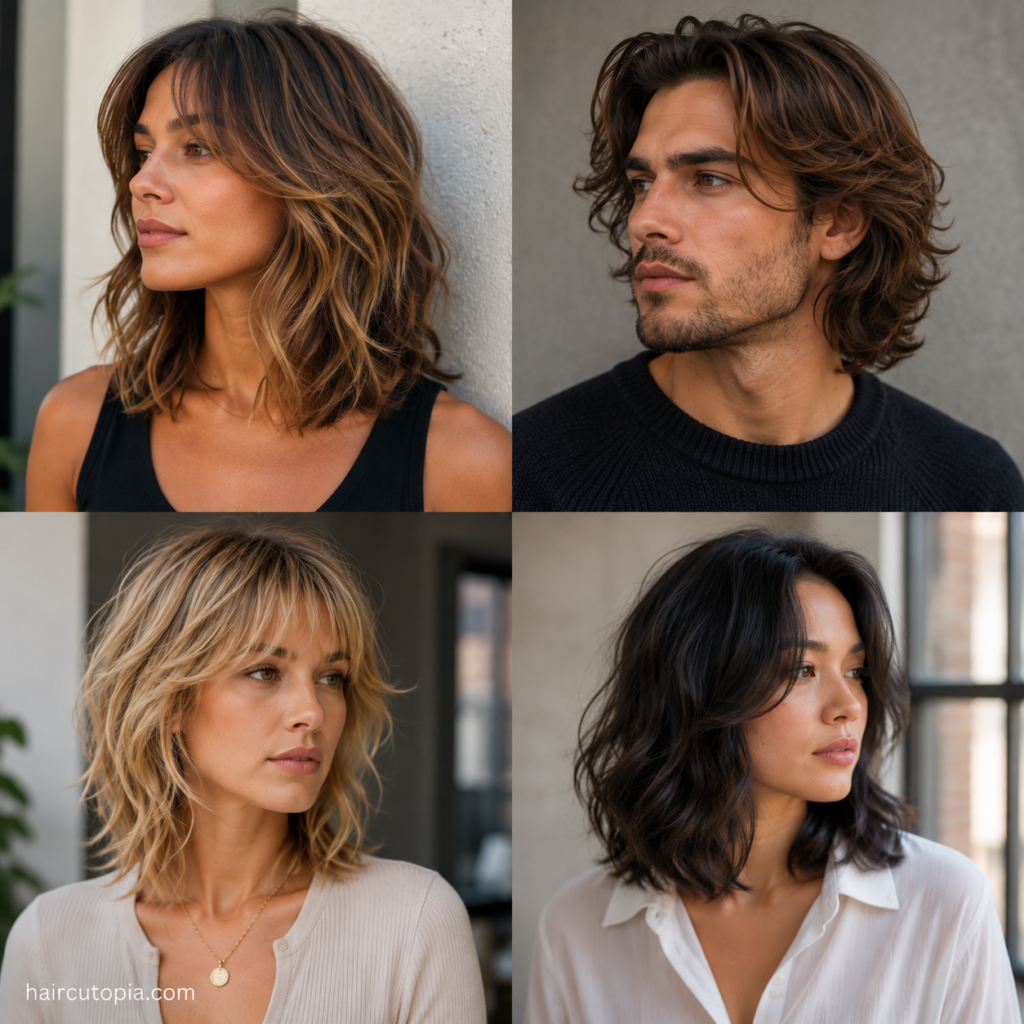
The difference between classic and modern haircuts is often smaller than it appears.
Many current styles borrow heavily from established cuts.
Classic medium hairstyles tend to favor:
- Balanced proportions
- Gradual layering
- Natural movement
- Wearable shapes
- Softer transitions
- Versatile styling
Contemporary versions might introduce:
- More dramatic face framing
- Heavier texture
- Stronger fringe shapes
- Disconnected layers
- Messier finishes
- More noticeable differences in length
A haircut can easily combine both approaches.
You might choose a classic shoulder-length shape and add contemporary curtain bangs, or take a traditional men’s side part and style it with natural texture instead of a perfectly polished finish.
How to Choose the Right Medium-Length Haircut
The best medium haircut is one that works when you’re not sitting in a salon chair.
Before choosing a style, think about your natural texture, hair density, styling habits, and how much maintenance you’re willing to do.
Straight hair
Straight hair makes the shape of a haircut particularly visible.
Blunt lobs, one-length cuts, face-framing layers, and geometric shapes can all work well.
Wavy hair
Medium length is particularly friendly to waves because there’s enough length for the pattern to develop without necessarily becoming too heavy.
Layered lobs, shags, and soft layered cuts can help emphasize natural movement.
Curly hair
Curls can benefit from strategic layering that distributes volume throughout the haircut.
The exact length should account for shrinkage, particularly if the hair is being cut or evaluated while wet.
Fine hair
If creating the appearance of fullness is the priority, keeping more weight around the perimeter can help.
Avoid automatically assuming that more layers will create more volume. Too many layers can sometimes make fine ends look thinner.
Thick hair
Thicker hair can often handle more layering and internal weight removal.
The goal is to reduce unwanted bulk without making the ends look sparse.
Choosing Medium Hair for Your Face Shape
Face shape can help guide decisions about length and volume, but it shouldn’t limit your options.
Instead, consider where the haircut creates visual emphasis.
For example:
- Curtain bangs emphasize the eyes and cheekbones.
- Chin-level layers draw attention toward the jaw.
- Crown volume adds visual height.
- A center part creates symmetry.
- A side part introduces asymmetry.
- Longer front pieces create vertical movement.
If you like a particular haircut, small adjustments can usually make it work better with your features.
How to Ask Your Stylist or Barber for a Medium Haircut
Medium length can mean different things to different people, so be specific.
Explain:
- Exactly where you want the finished length to fall.
- Whether you want to preserve enough length for a ponytail.
- How much layering you prefer.
- Where you want the shortest face-framing pieces.
- Whether you want bangs.
- How you normally style your hair.
- How much maintenance you’re comfortable with.
Reference photos are extremely helpful.
Try to choose examples with hair texture and density similar to your own. A layered cut on thick, straight hair may behave very differently on fine waves or dense curls.
How to Make a Classic Medium Haircut Look Modern
You don’t need to abandon a timeless shape just because you want something current.
A few smaller changes can make a big difference.
Add face-framing layers
This is one of the easiest ways to update medium hair without changing the overall length.
Introduce curtain bangs
Curtain bangs blend naturally with medium layers and can completely change the way the haircut frames your face.
Embrace natural texture
Allowing waves or curls to remain visible can give traditional cuts a softer, more relaxed finish.
Try a different part
Moving your part is a simple change that can alter the balance of the entire hairstyle.
Adjust the finish
A polished blowout, tousled waves, natural curls, or a sleek straight finish can make the same haircut look completely different.
Styling Products for Medium Hair
Medium hair usually benefits from products that provide control without eliminating movement.
Styling cream
A lightweight cream can smooth flyaways and provide definition without making the hair feel stiff.
Mousse
Mousse can create volume and support waves or curls without the heaviness of some creams.
Texture spray
Useful for creating separation in shags, layered lobs, and tousled styles.
Curl cream
Designed to encourage curl definition while helping manage frizz.
Pomade or paste
A small amount can work well for medium men’s styles, slicked-back hair, or shorter layered sections that need additional control.
Heat protectant
If you regularly blow-dry, straighten, or curl your hair, heat protection should be part of your styling routine.
How Often Should Medium Hair Be Trimmed?
Medium-length hair is generally forgiving when it grows.
Structured lobs and defined bangs may need attention sooner because small changes in length affect their shape.
Longer layered styles can often grow more naturally between appointments.
How frequently you need a trim depends on:
- The haircut
- Your hair growth rate
- The condition of the ends
- Whether you have bangs
- How precise you want the shape to remain
- Whether you’re maintaining or growing the length
Rather than following an arbitrary schedule, pay attention to when the haircut stops behaving the way you want it to.
Are Classic Medium Haircuts Still Trending?
Absolutely.
Medium hair continually moves in and out of the trend cycle because it offers so much flexibility.
The details change.
One year might emphasize blunt lobs. Another brings heavily layered shags back into focus. Curtain bangs return, side parts reappear, blowouts become popular again, and natural texture influences how familiar cuts are styled.
Underneath those changes are many of the same classic shapes.
That’s good news if you don’t want to replace your haircut every time a new trend appears. Start with a versatile medium-length cut and update the smaller details as your preferences change.
Final Thoughts on Classic Haircuts for Medium Hair
Medium hair gives you plenty of room to experiment without pushing you toward either extreme.
A lob can be sleek or tousled. A layered cut can be subtle or dramatic. A shag can lean retro or modern. Straight, wavy, curly, and coily textures can all be shaped into classic medium-length styles.
The best haircut isn’t necessarily the newest one.
Choose a shape that works with your natural hair and your real-life routine. From there, layers, bangs, texture, parts, and styling can keep it feeling fresh.
That’s the advantage of starting with a classic: you can change the details without having to start over.