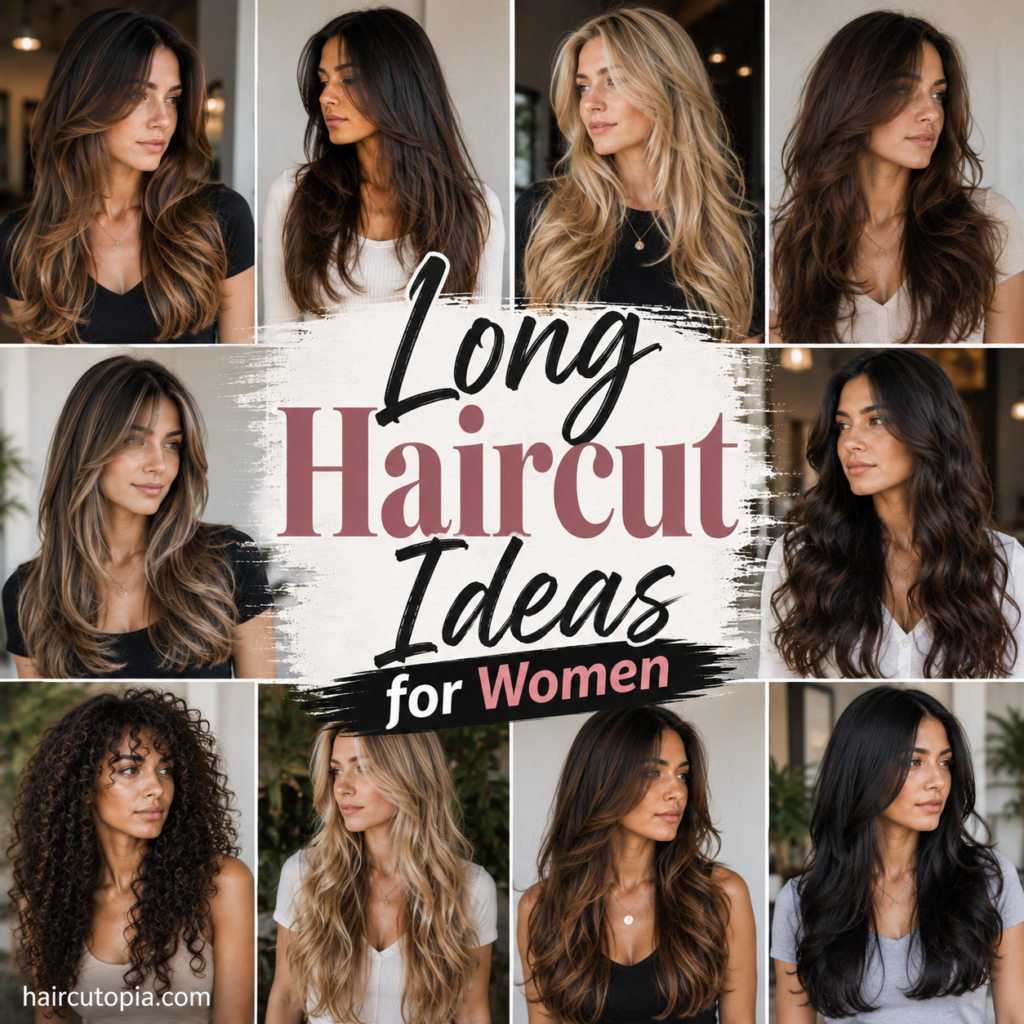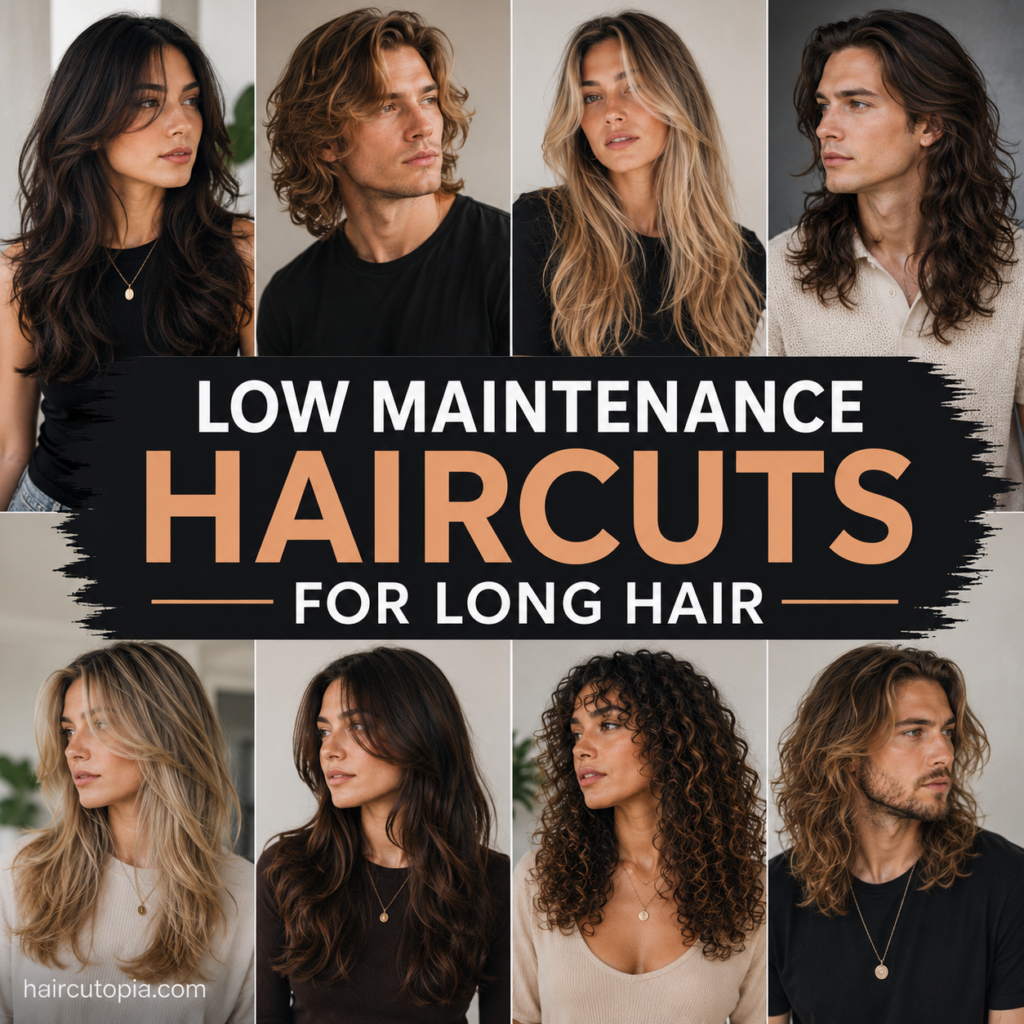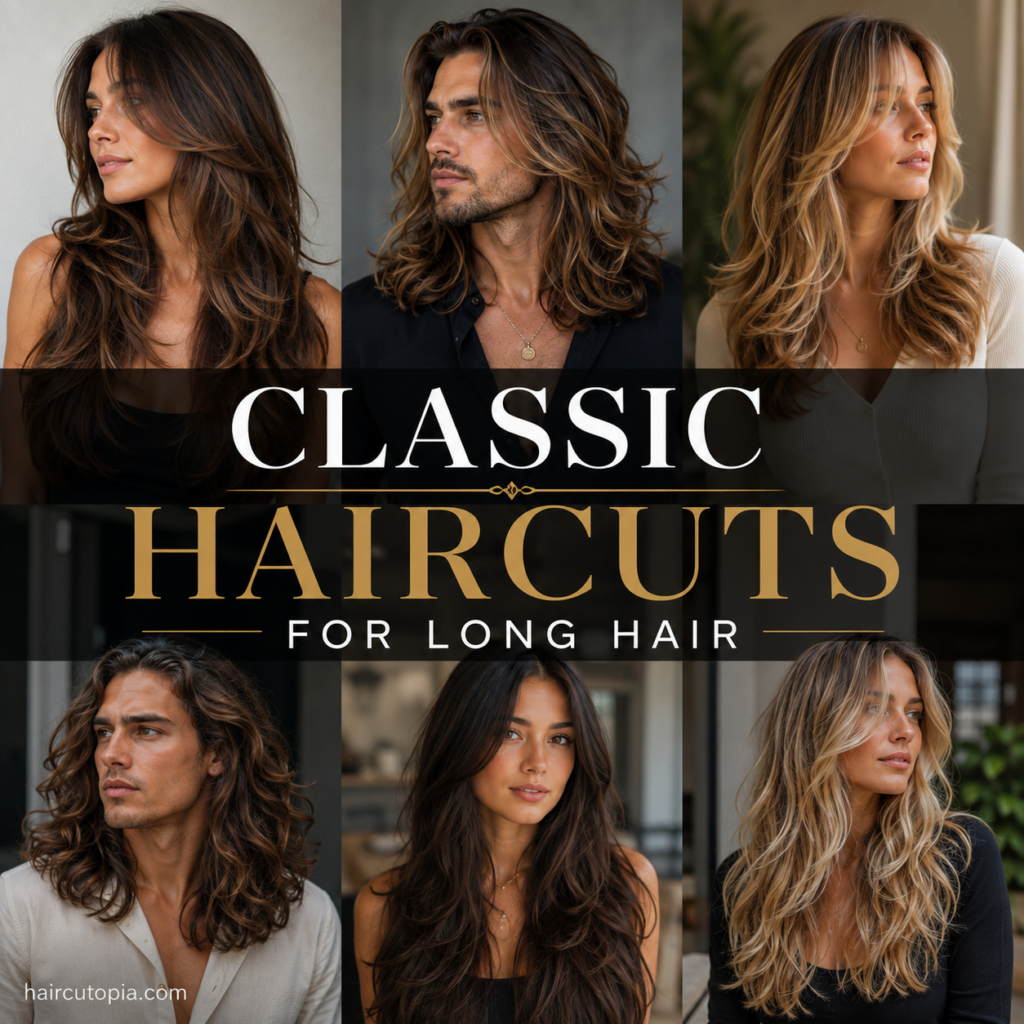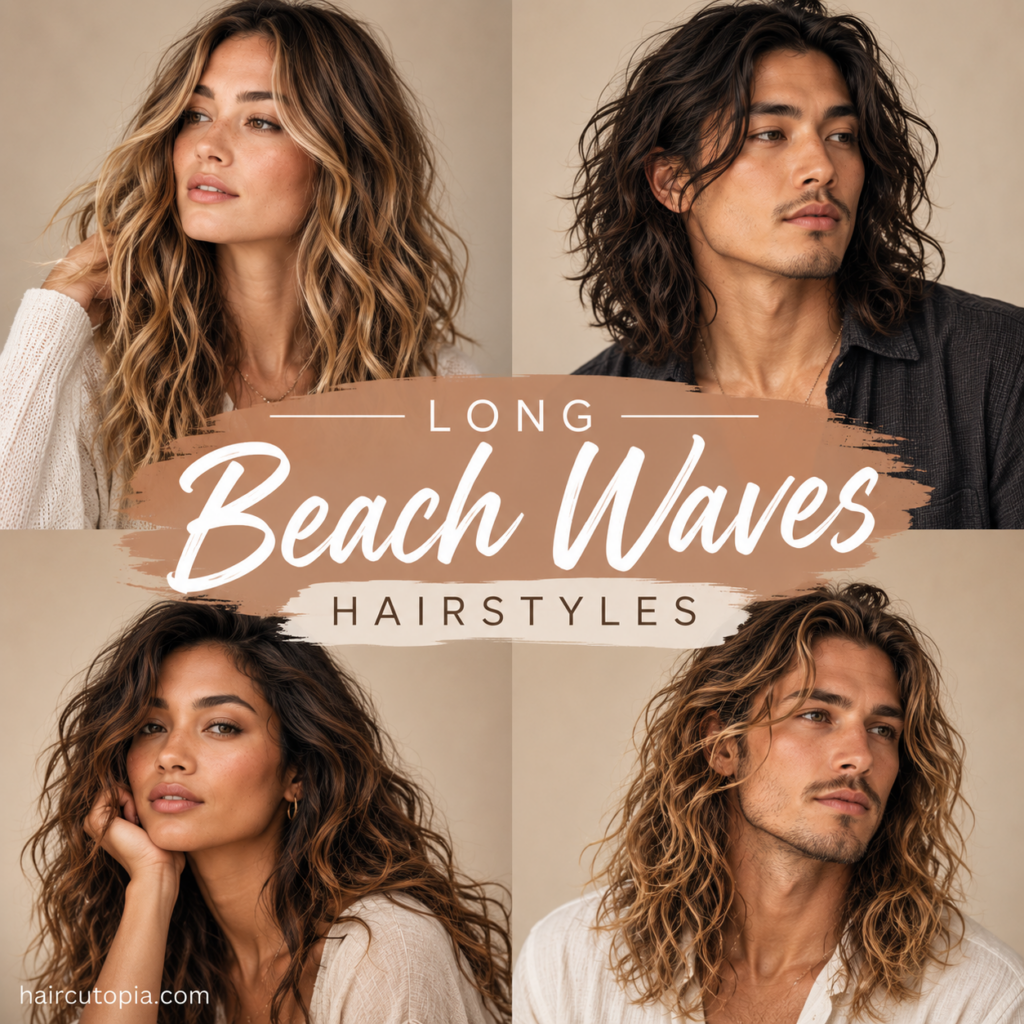
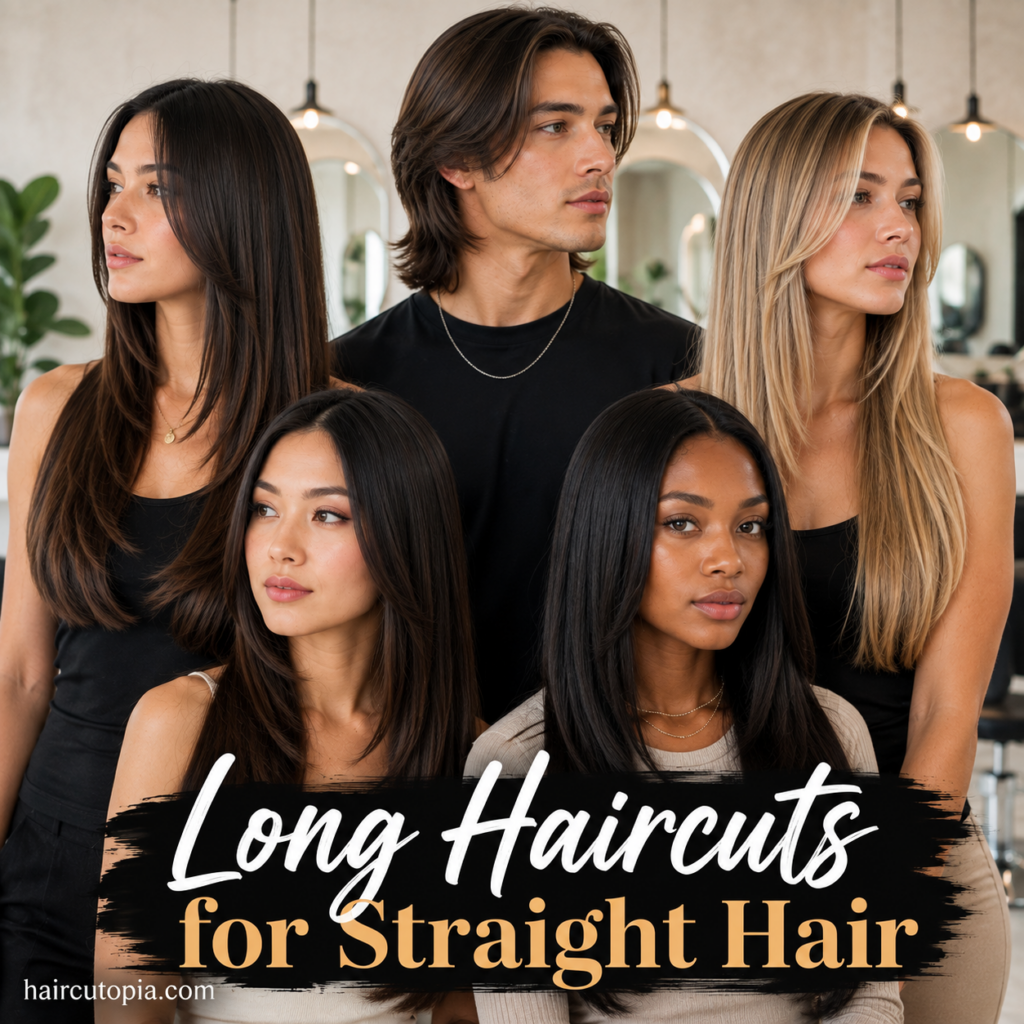
Long straight hair has a naturally sleek look, but keeping it all one length isn’t the only option. The right haircut can add movement, create the appearance of volume, frame the face, or simply make all that length easier to manage.
That’s especially important with straight hair because the shape of the haircut tends to be easy to see. Layers don’t disappear into curls, and the line of the ends can completely change how thick the hair appears.
Some people want to keep every possible inch. Others are happy to sacrifice a little length if it means getting more movement around the face or taking some weight out of thick hair.
Either way, there are plenty of long haircuts for straight hair that let you keep the length without letting the style feel heavy or shapeless.
Why Long Straight Hair Benefits From the Right Haircut
Straight hair can look incredibly polished when it’s long, but gravity eventually becomes part of the equation.
The longer the hair gets, the more weight it carries. Fine hair may begin to look flat at the roots, while thick hair can become heavy and difficult to manage.
A well-planned haircut helps control that weight without necessarily making the hair look much shorter.
Depending on your hair type, the right cut can:
- Create more movement through the lengths
- Make fine ends appear fuller
- Remove bulk from thick hair
- Add shape around the face
- Keep very long hair from looking bottom-heavy
- Make styling easier
- Give the hair a more intentional silhouette
You don’t need dramatic layers to accomplish this. Sometimes a subtle change to the perimeter or a few face-framing pieces are enough.
Best Long Haircuts for Straight Hair
Long straight hair gives you plenty of room to experiment with shape while keeping the overall length.
Here are some of the most versatile options.
Long Hair With Face-Framing Layers
Face-framing layers are an easy way to change long hair without removing much overall length.
Instead of layering the entire head, shorter pieces are concentrated around the front. They might begin around the cheekbones, jaw, chin, or collarbone.
Where the shortest layer begins makes a noticeable difference.
Higher layers create more movement around the face, while longer face-framing pieces provide a subtler transition.
This style works particularly well if your long straight hair tends to hang in one continuous line around your face.
Long Layered Haircut
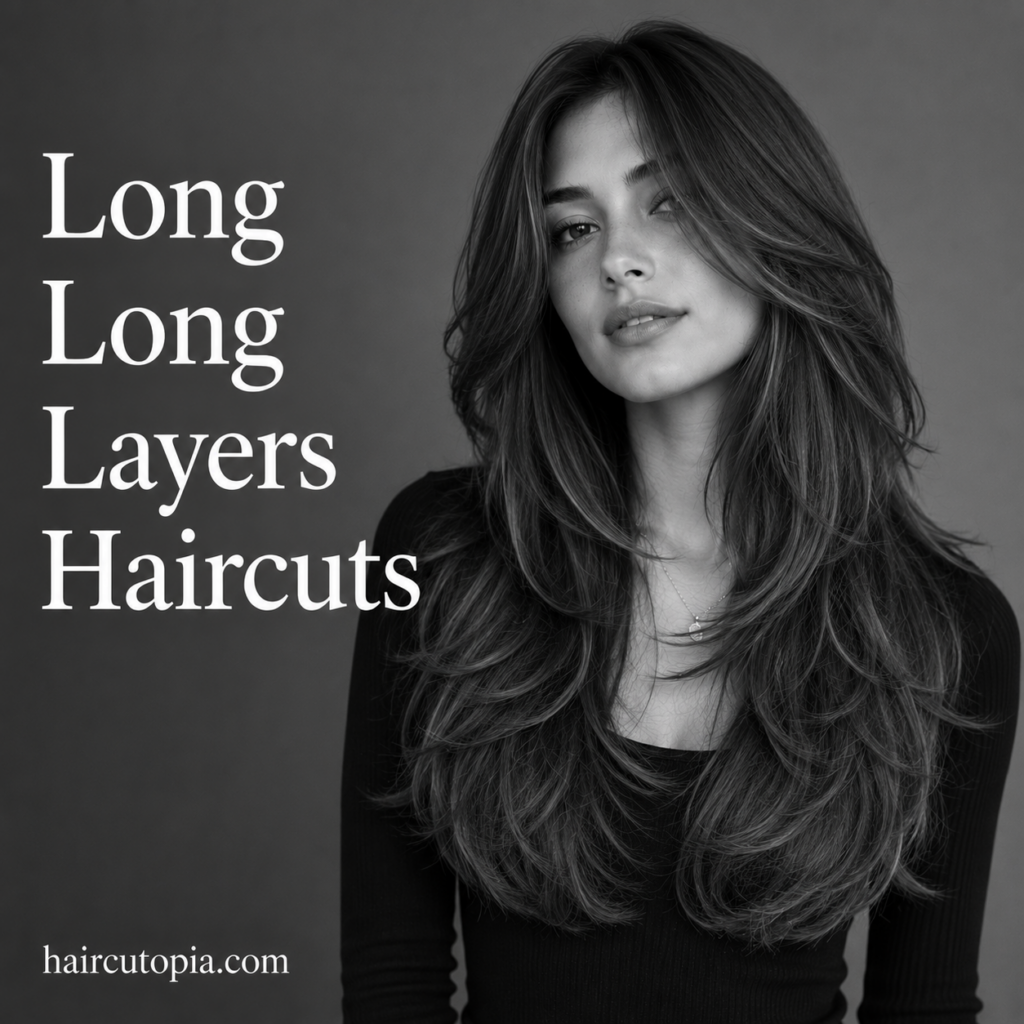
Long layers are a classic choice for straight hair because they create movement without making the haircut feel short.
The shortest layers can begin around the shoulders or farther down depending on your hair density and preferred look.
For thick straight hair, layers can remove a significant amount of weight. For fine hair, fewer and longer layers are generally safer because they preserve more density through the ends.
The goal is movement, not necessarily dozens of visible layers.
Butterfly Haircut
The butterfly haircut combines shorter face-framing sections with longer layers throughout the rest of the hair.
It creates the appearance of multiple lengths while allowing you to keep the longest sections intact.
Straight hair makes the layered structure particularly noticeable.
When styled with some lift or a slight bend at the ends, the shorter layers can frame the face while the longer sections create movement underneath.
If you like heavily layered hair but don’t want to lose your overall length, this is one of the more dramatic options.
U-Shaped Long Haircut
A U-shaped haircut creates a rounded perimeter when viewed from the back.
Instead of cutting the ends completely straight across, the center remains longer while the sides gradually become shorter.
The difference doesn’t have to be extreme.
A soft U shape gives long straight hair a more flowing silhouette while preserving plenty of density at the bottom.
It can be worn with or without additional layers.
V-Shaped Long Haircut
A V-shaped cut takes the idea a step further.
The hair gradually becomes longer toward the center of the back, creating a more defined point.
This shape works particularly well with very long hair because there’s enough length for the V to be noticeable.
It can also help break up the appearance of a heavy, solid perimeter.
Keep in mind that the center becomes noticeably longer than the sides, so this isn’t the best choice if your main goal is making the ends look as thick as possible.
Blunt Long Haircut
Long hair doesn’t have to be layered.
A blunt cut keeps the ends relatively even, creating a strong perimeter that can make straight hair appear thicker.
This is particularly useful for fine or medium-density hair where too much layering would make the bottom look sparse.
The simplicity is part of the appeal.
With straight hair, the clean edge becomes a visible feature of the haircut rather than something hidden within the texture.
Long Hair With Invisible Layers
Invisible layers are designed to create movement without giving the hair an obviously layered appearance.
Rather than cutting dramatically shorter sections on the surface, subtle internal layering removes weight and allows the hair to move more naturally.
This can be a useful option for thick straight hair if you like the appearance of a mostly one-length haircut but don’t like how heavy it feels.
The effect should be subtle rather than choppy.
Long Shag
A long shag is a much more layered option.
It usually features shorter pieces around the crown and face with progressively longer layers toward the ends.
On straight hair, the layers can look particularly defined because there isn’t a curl pattern blending them together.
The result can range from soft and wearable to deliberately dramatic depending on how short the upper layers are.
A shag is a good option if your priority is movement and texture rather than maintaining maximum density at the ends.
Long Hair With Curtain Bangs
Curtain bangs can transform long straight hair without changing much of the overall length.
They’re generally shorter near the center and gradually become longer toward the sides, where they blend into face-framing layers.
Because they’re longer than traditional bangs, curtain bangs offer more styling flexibility.
They can be:
- Parted in the center
- Swept slightly to one side
- Styled away from the face
- Tucked back as they grow
They’re especially useful if long hair feels like it’s hiding your face.
Long Hair With Bottleneck Bangs
Bottleneck bangs are somewhat fuller than curtain bangs.
They usually have a shorter section through the center and longer pieces around the sides, creating a curved shape around the forehead and cheekbones.
On straight hair, that shape tends to remain clearly visible.
Pairing bottleneck bangs with long layers can create movement at the front without requiring major changes to the rest of the hair.
Long Hair With Blunt Bangs
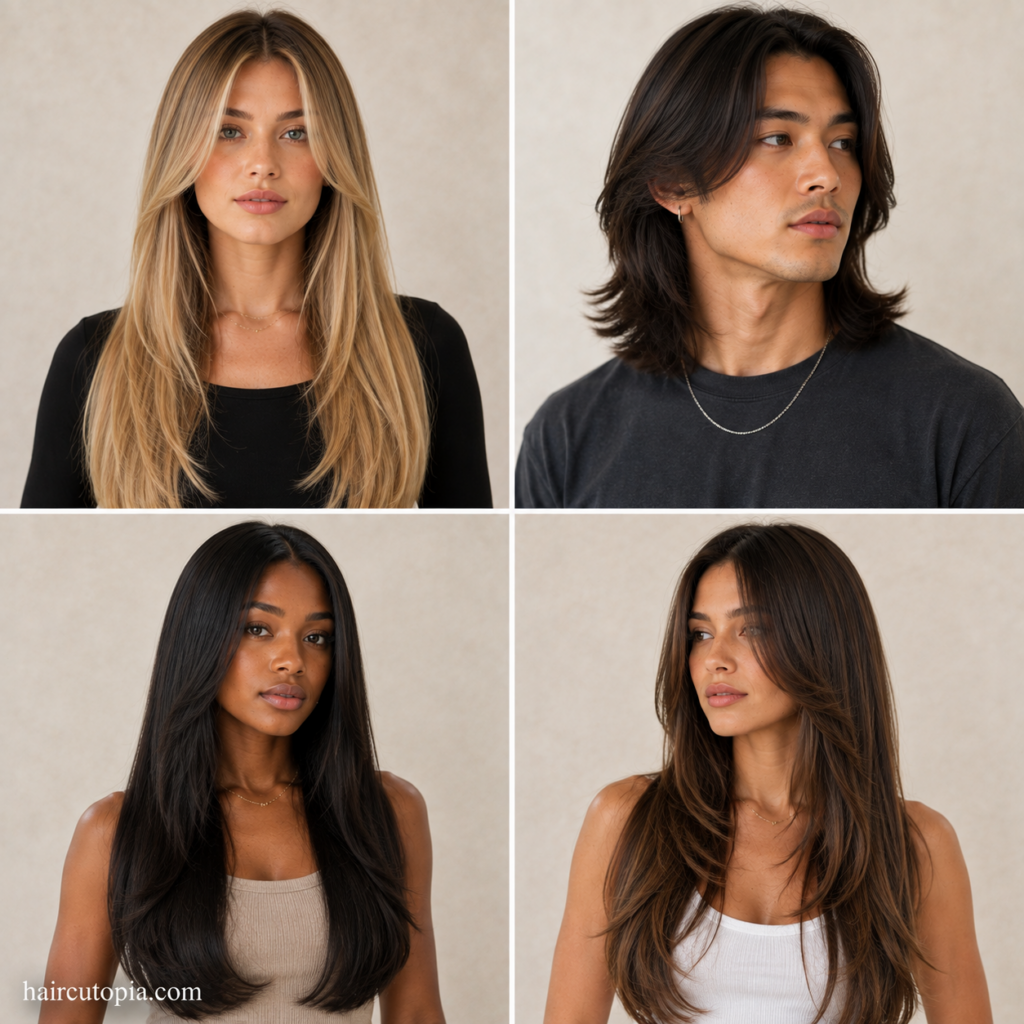
For a stronger contrast, blunt bangs can completely change long straight hair.
A defined fringe across the forehead paired with long lengths creates a bold, structured appearance.
Naturally straight hair is particularly well suited to this style because the bangs may require less daily straightening than they would with wavy or curly textures.
The tradeoff is maintenance.
Blunt bangs need regular trimming if you want to keep the line precise.
Long Haircuts for Fine Straight Hair
Fine straight hair requires some strategy once it becomes long.
As the hair grows, the additional weight can pull it closer to the scalp. Fine ends may also become more noticeable if too much density is removed through layering.
That doesn’t mean you have to avoid layers completely.
Good options include:
- Blunt long cuts
- Soft U-shaped cuts
- Minimal long layers
- Longer face-framing pieces
- Curtain bangs
- Subtle internal shaping
Keeping a stronger perimeter can make the bottom of the hair look fuller.
You may also find that trimming damaged or especially thin ends makes the entire haircut appear denser, even though you’ve technically made the hair slightly shorter.
Long Haircuts for Thick Straight Hair
Thick straight hair can look impressive at longer lengths, but there’s a lot of hair to manage.
Without shaping, the weight can pull the roots flat while creating substantial bulk through the lengths.
Layering is often useful here.
Consider:
- Long layers
- Butterfly cuts
- Long shags
- U-shaped cuts with layers
- V-shaped cuts
- Invisible layers
- Face-framing layers
Internal weight removal can also help if you want to maintain a smooth outer shape.
The important thing is removing weight strategically rather than thinning everything indiscriminately. Too much thinning can create short pieces that stick out or leave the ends looking less substantial than you’d like.
Long Straight Hair With Bangs
Bangs are one of the easiest ways to make long hair feel different without cutting the overall length.
Curtain Bangs
Curtain bangs blend naturally into long hair and are relatively forgiving as they grow.
They’re particularly effective when paired with face-framing layers.
Wispy Bangs
Wispy bangs create a lighter fringe without using a large section of hair.
They can be a good choice for fine straight hair because more density remains throughout the rest of the haircut.
Blunt Bangs
Blunt bangs provide the strongest contrast.
They work especially well if you like sleek, structured hairstyles and don’t mind scheduling regular trims.
Side-Swept Bangs
Side-swept bangs offer a softer transition into long hair.
They’re also useful when growing out a shorter fringe because they can gradually become part of your face-framing layers.
Choosing a Long Straight Haircut for Your Face Shape
Face shape can provide inspiration, but it doesn’t need to dictate your haircut.
Think of these suggestions as starting points rather than rules.
Round Faces
Long layers and face-framing pieces that begin below the chin can create vertical movement around the face.
Curtain bangs can also work well when they’re longer toward the sides.
Oval Faces
Oval faces generally work with a broad range of long hairstyles.
Blunt cuts, layered styles, bangs, butterfly cuts, and U-shaped or V-shaped perimeters can all be adapted depending on hair density.
Square Faces
Soft face-framing layers can create movement around a stronger jawline.
Curtain bangs, long layers, and rounded U-shaped cuts are all options if you want a softer effect.
If you’d rather emphasize angular features, a sleek blunt cut can do that too.
Heart-Shaped Faces
Face-framing layers that create movement around the jaw and chin can complement a heart-shaped face.
Curtain bangs and bottleneck bangs can also help connect the forehead area to the longer lengths.
Long or Oblong Faces
Very long, completely flat hair can sometimes visually lengthen the face even more.
Adding face-framing layers, bangs, or some volume through the sides can create more balance.
How to Make Long Straight Hair Look Fuller
Long straight hair can lose volume as it gains length, especially if the strands are fine.
A few adjustments can help.
Maintain Healthy-Looking Ends
Thin, damaged ends can make the entire haircut appear less dense.
Regular trims don’t make hair grow faster, but removing worn or sparse ends can create a noticeably fuller perimeter.
Don’t Over-Layer Fine Hair
Layers remove weight, which can create movement.
But they also remove density.
If your hair is fine, ask for restrained layering rather than dramatically short sections throughout the entire haircut.
Change Your Part
Moving your part even slightly can lift hair that has become accustomed to lying in the same direction.
It’s one of the simplest ways to create temporary root volume.
Keep Heavy Products Away From the Roots
Rich oils and creams can weigh down naturally straight hair.
If you use them, concentrate the product toward the mid-lengths and ends rather than applying it heavily near the scalp.
How to Style Long Straight Hair
Long straight hair doesn’t require complicated styling to look polished.
For a simple everyday routine:
- Apply heat protectant if you’re using hot tools.
- Blow-dry the roots with some lift rather than directing everything flat against the scalp.
- Smooth the lengths using a brush or your fingers.
- Emphasize face-framing pieces by directing them slightly away from the face.
- Finish with a small amount of lightweight product through the ends if needed.
You don’t necessarily need to flat-iron naturally straight hair.
A little bend through the ends can make layers more visible and prevent long hair from looking overly flat.
You can also experiment with loose waves, ponytails, braids, half-up styles, and buns. One of the biggest advantages of keeping straight hair long is having enough length for different styles.
Low-Maintenance Long Haircuts for Straight Hair
If you don’t want frequent salon appointments, choose a cut that grows out gracefully.
Some lower-maintenance options include:
- Blunt long cuts
- Soft U-shaped cuts
- Minimal long layers
- Long face-framing layers
- Invisible layers
Cuts with very short upper layers or precise bangs generally need more upkeep.
A dramatic butterfly cut, for example, may require styling to fully show off its shape, while a subtle U-shaped haircut can often air-dry without much effort.
How Often Should Long Straight Hair Be Trimmed?
Long hair can usually go longer between shaping appointments than short hair.
For many people, trimming every 8–12 weeks works well, although healthy hair with a low-maintenance shape may comfortably go longer.
The condition of the ends matters more than following an exact calendar.
Consider a trim when you notice:
- Split or frayed ends
- Increased tangling near the bottom
- A loss of the haircut’s original shape
- Ends becoming noticeably thinner
- Layers no longer blending well
Bangs may need separate maintenance between full haircuts.
What to Ask Your Stylist Before Cutting Long Straight Hair
When you’ve spent years growing your hair, even a couple of inches can feel significant.
Be specific about what you’re comfortable losing.
Talk with your stylist about:
- Your maximum acceptable length loss
- Hair density and strand thickness
- Whether your hair becomes flat at the roots
- Areas where thick hair feels bulky
- How much layering you want
- Where face-framing pieces should begin
- Whether you usually air-dry or blow-dry
- How often you style with heat
- How frequently you’re willing to get trims
If maintaining length is your highest priority, say so clearly.
You can still create movement through face framing, subtle layers, or perimeter shaping without dramatically shortening the hair.
Common Mistakes to Avoid With Long Straight Hair
Long hair gives you plenty of styling flexibility, but its length can also make certain problems more noticeable.
Keeping Damaged Ends Just for Length
There’s a point where preserving every inch can make the hair look shorter rather than longer because the ends become increasingly sparse.
Removing a small amount can sometimes create a much stronger overall shape.
Adding Too Many Layers to Fine Hair
Heavy layering can make already-fine ends look thinner.
Long, restrained layers usually provide a better balance between movement and density.
Leaving Thick Hair Completely Unshaped
Very thick straight hair can become heavy when it’s long.
Strategic layering or internal weight removal can make it significantly easier to manage without sacrificing the appearance of length.
Using Too Much Heavy Product
Long hair may need moisture through the ends, but that doesn’t mean every product needs to cover the entire head.
Concentrate richer products where they’re actually needed.
Choosing Layers That Require Daily Styling
Some highly layered cuts look their best after a blowout.
If you normally air-dry your hair, ask how the layers will look without styling before committing to them.
Finding the Right Long Haircut for Straight Hair
Long straight hair doesn’t have to mean one-length hair.
You can keep things sleek with a blunt cut, introduce subtle movement with long or invisible layers, create a softer silhouette with a U shape, or make a bigger change with a butterfly cut or long shag.
The right choice depends heavily on density.
Fine straight hair often looks fuller when more weight is preserved through the ends. Thick straight hair usually has enough density to support stronger layering and internal weight removal.
And if you don’t want to touch much of your length at all, start around the face. A few well-placed face-framing layers or bangs can make long hair feel completely different while leaving the back almost untouched.
Ultimately, the best long haircut is one that gives your straight hair shape without fighting its natural texture. You should still recognize your long hair when you leave the salon—just with better movement, balance, and a shape that feels intentional.