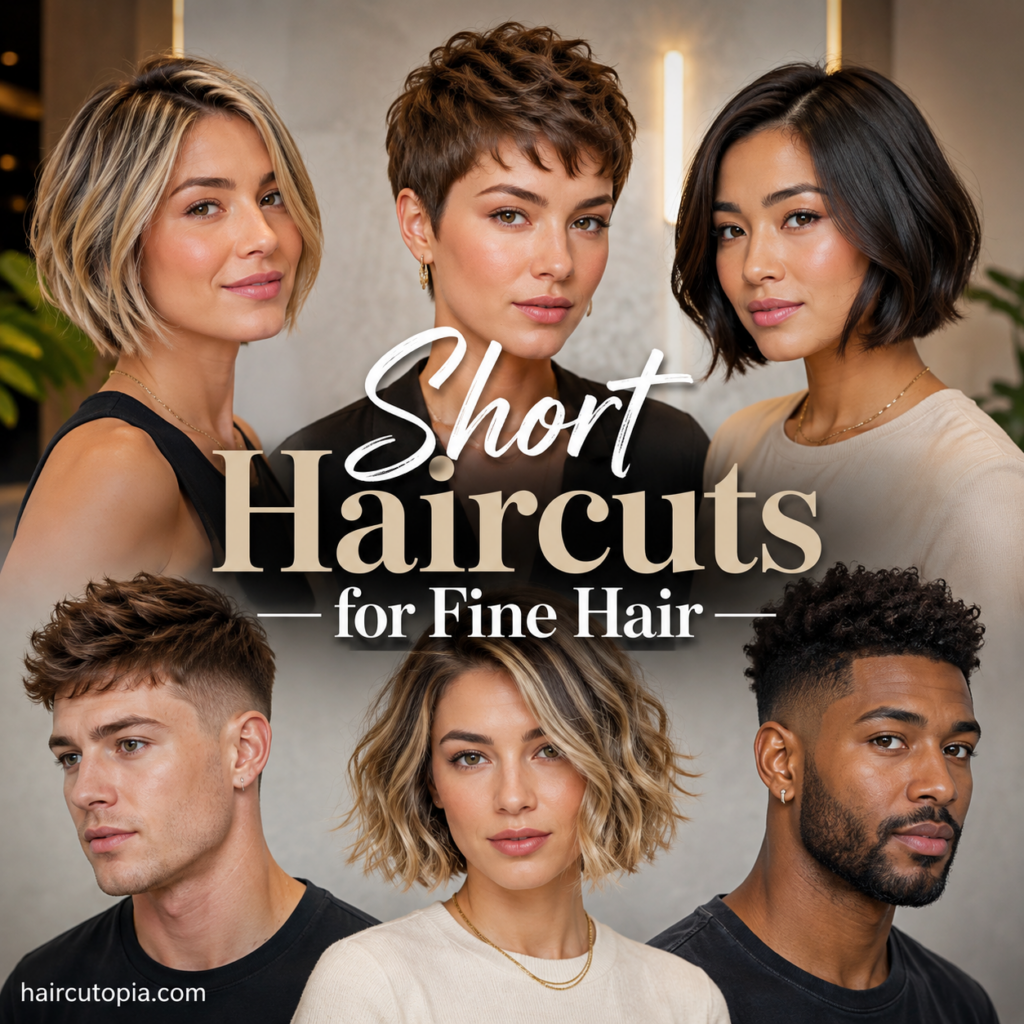
Fine hair can be incredibly soft, silky, and easy to style—but it also comes with a few challenges. One of the biggest is creating the appearance of fullness. The wrong haircut can make fine hair look flat or lifeless, while the right one can instantly add body, movement, and dimension.
The good news? You don’t need thick hair to wear a stylish short haircut.
In fact, many of the most flattering short hairstyles were practically made for fine hair. Strategic layering, clean lines, and textured finishes can create the illusion of thicker, healthier hair while keeping styling simple.
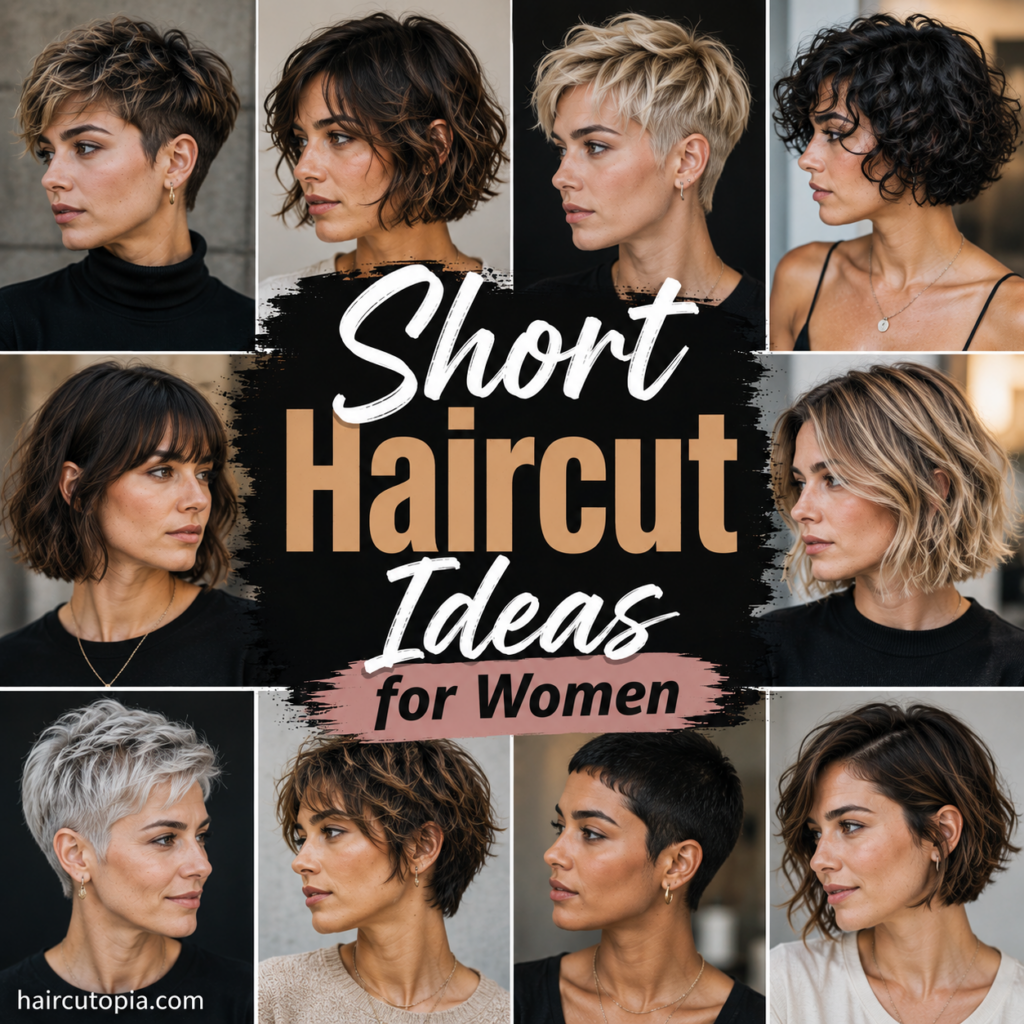
Whether you’re considering a pixie, bob, or something in between, here’s everything you need to know about choosing the best short haircut for fine hair.
Why Short Hair Works So Well for Fine Hair
Long hair can weigh fine strands down, making them appear even thinner.
Shorter styles remove excess weight, allowing the roots to lift naturally and making hair look fuller. They’re also easier to style and require less product to achieve volume.
Benefits of short haircuts for fine hair include:
- More natural volume
- Fuller-looking ends
- Easier daily styling
- Faster drying time
- Healthier-looking hair
- Less breakage from heavy lengths
The key is selecting a cut that creates shape without removing too much density.
Understanding Fine Hair vs. Thin Hair
Many people use these terms interchangeably, but they’re actually different.
Fine Hair
Fine hair refers to the diameter of each individual strand. Each hair is small in circumference, regardless of how many hairs you have.
Someone can have:
- Fine hair with high density
- Fine hair with low density
- Fine curly hair
- Fine straight hair
Thin Hair
Thin hair refers to the number of hairs growing on the scalp.
You can have:
- Thick strands but low density
- Fine strands with high density
- Fine strands and thinning hair
This distinction matters because some haircuts work well for fine hair, while others are designed specifically for thinning hair.
What Makes a Great Short Haircut for Fine Hair?
When choosing a haircut, look for styles that create visual density rather than removing too much hair.
The best cuts typically feature:
- Blunt or softly textured ends
- Light layers instead of heavy layering
- Volume around the crown
- Movement without looking wispy
- Easy styling with minimal heat
Avoid hairstyles that rely on excessive layering throughout the entire head, as they can make fine hair appear even thinner.
Best Short Haircuts for Fine Hair
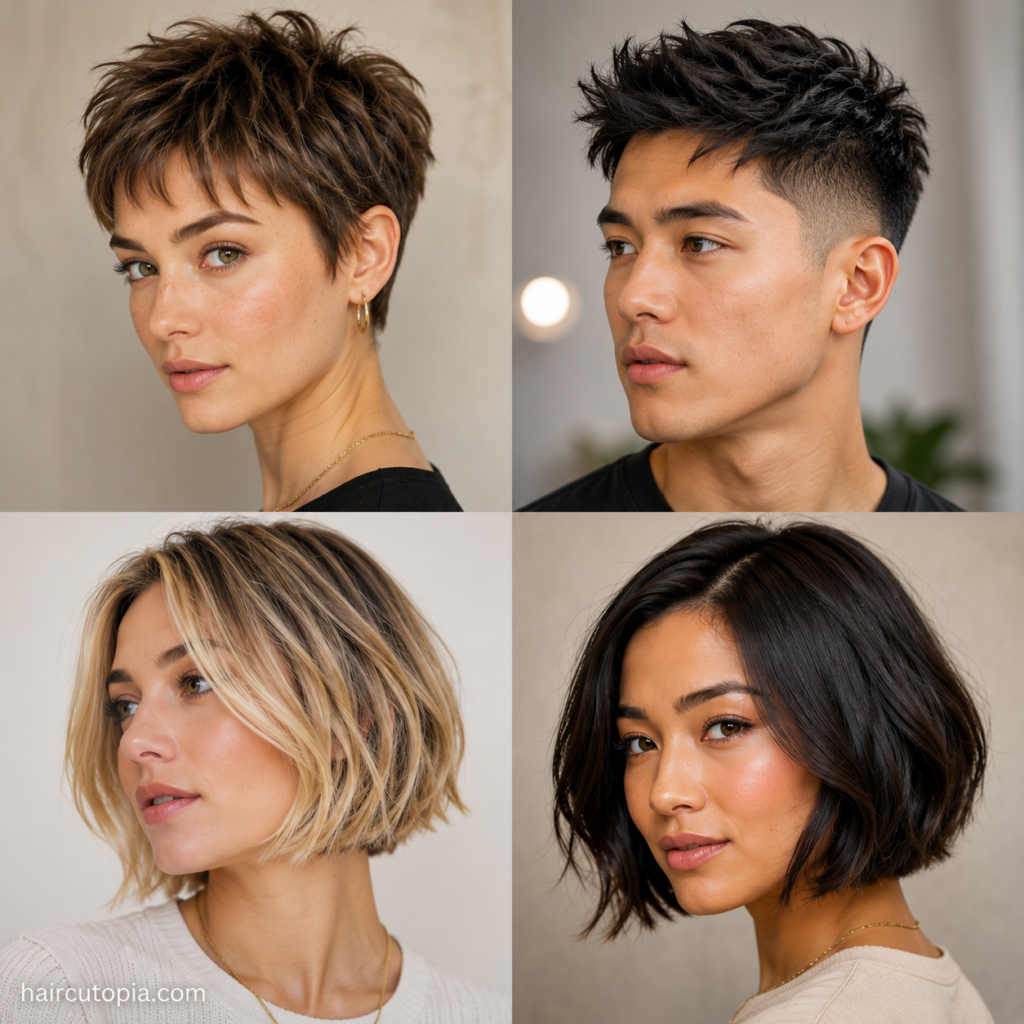
Classic Blunt Bob
The blunt bob is one of the most recommended hairstyles for fine hair—and for good reason.
Since every strand ends at the same length, the perimeter appears thicker and denser.
Why it works:
- Creates fuller-looking ends
- Makes hair appear healthier
- Timeless and versatile
- Works straight or slightly wavy
For even more volume, keep the length between the chin and jawline.
French Bob
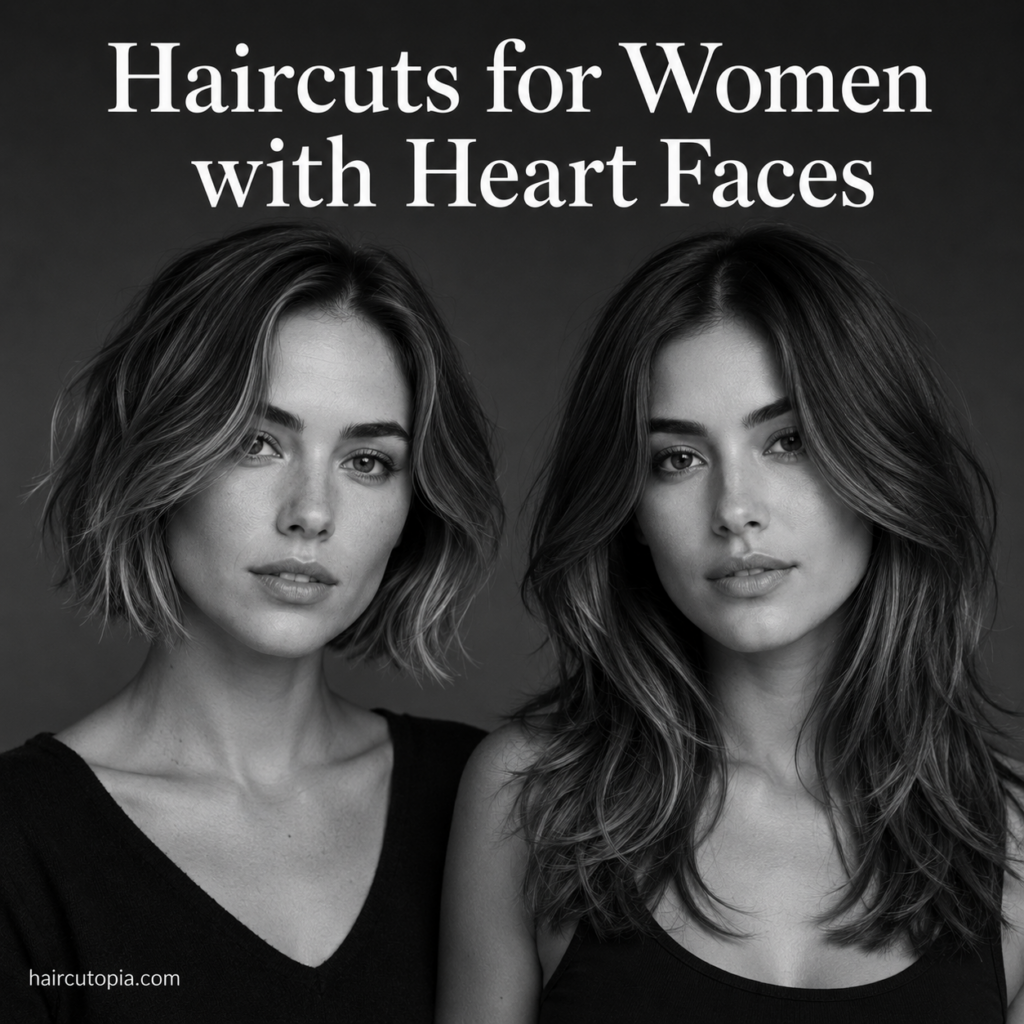
The French bob sits slightly shorter than a traditional bob and often includes soft bangs.
Its compact shape naturally boosts volume while giving fine hair a chic, effortless appearance.
Best for:
- Oval faces
- Heart-shaped faces
- Petite facial features
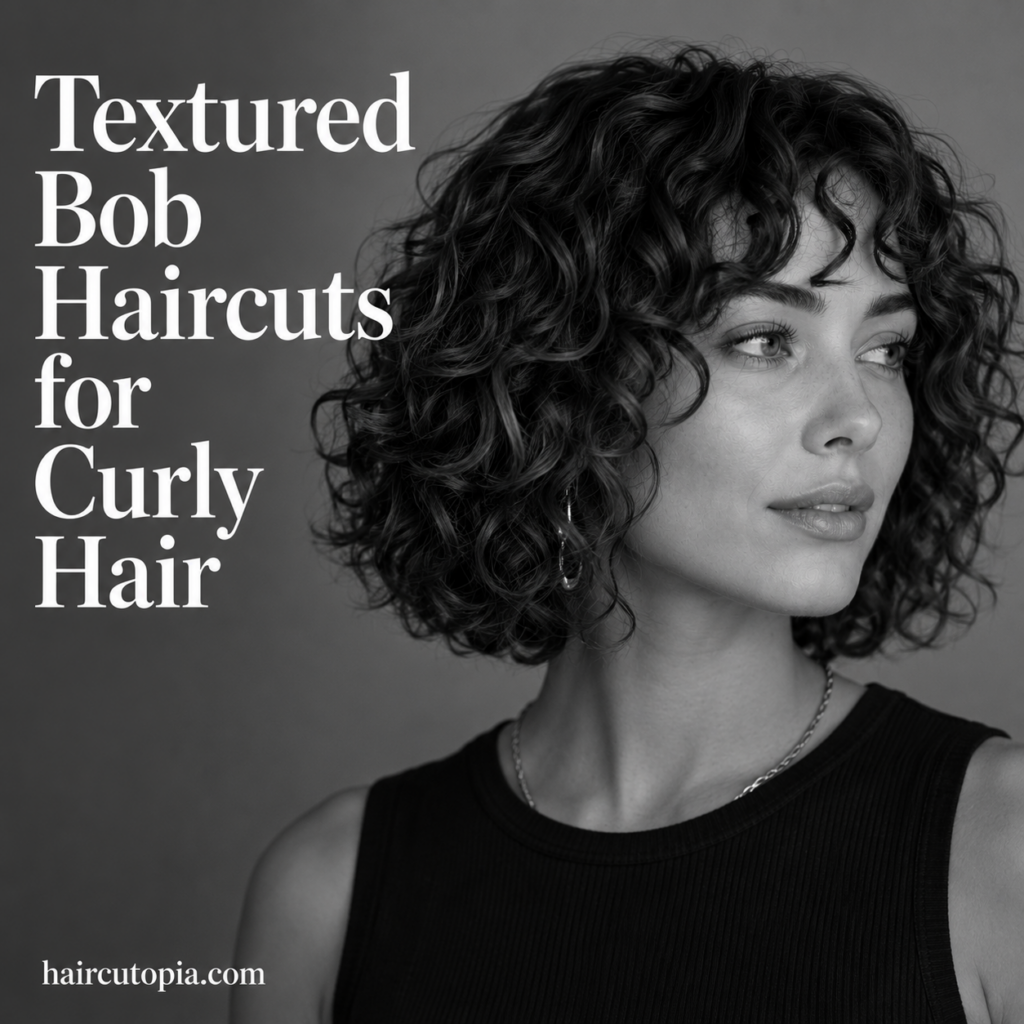
Textured Bob
A textured bob adds movement without sacrificing density.
Instead of heavy layers, your stylist creates subtle texture throughout the ends.
Benefits include:
- More body
- Natural movement
- Easy styling
- Modern appearance
Use a texturizing spray instead of heavy creams to keep the style light.
Stacked Bob
The stacked bob features shorter layers in the back that gradually become longer toward the front.
This creates natural lift at the crown.
Perfect if you want:
- More volume
- Fuller profile
- Easy blow-drying
- A polished everyday look
Angled Bob
An angled bob is slightly shorter in the back and longer toward the front.
This shape adds dimension without removing too much weight.
It’s especially flattering on straight fine hair because the sharp lines emphasize density.
Pixie Cut
Many people think pixies only work for thick hair, but they’re actually excellent for fine hair when cut correctly.
The secret is keeping enough length on top for styling.
Advantages:
- Creates height
- Adds texture
- Extremely low maintenance
- Looks modern and youthful
Long Pixie (Bixie)
The bixie blends a pixie and a bob into one versatile haircut.
This style has become increasingly popular because it offers:
- Soft movement
- More styling options
- Better grow-out
- Extra volume around the crown
For fine hair, it’s one of the easiest styles to personalize.
Layered Pixie
A lightly layered pixie creates movement without making hair appear sparse.
Ask your stylist for:
- Soft layers
- Piecey texture
- Longer crown
- Wispy fringe if desired
Avoid over-texturizing.
Italian Bob
The Italian bob features fuller ends with subtle volume throughout.
Unlike highly layered bobs, this haircut embraces weight.
The result is thicker-looking hair with a luxurious finish.
Jaw-Length Bob
Keeping the haircut at jaw level concentrates fullness where it’s matters most.
This length often:
- Frames the face beautifully
- Enhances cheekbones
- Makes fine hair appear thicker
- Requires minimal styling
Chin-Length Bob with Side Part
A deep side part instantly creates more lift at the roots.
Combined with a chin-length bob, it gives the illusion of much fuller hair.
This simple styling change can dramatically increase volume without cutting additional layers.
Soft Shag
Traditional shag haircuts can sometimes remove too much weight for fine hair.
However, a modern soft shag uses lighter layers that maintain density while adding movement.
It’s ideal for naturally wavy fine hair.
Short Lob
If you’re nervous about going very short, a short lob offers the perfect compromise.
It sits just above the shoulders and still delivers:
- Better volume
- Healthier appearance
- Styling flexibility
- Easy maintenance
Asymmetrical Bob
An asymmetrical bob instantly creates visual interest.
One side remains slightly longer, drawing attention to the haircut’s shape rather than hair density.
This makes fine hair appear more dynamic.
Short Haircuts That Add the Most Volume
If maximum fullness is your goal, these styles consistently deliver excellent results:
- Blunt bob
- Stacked bob
- Italian bob
- Textured bob
- Long pixie
- French bob
- Chin-length bob
- Angled bob
Each creates the illusion of thicker hair without relying on excessive styling.
Should Fine Hair Have Layers?
Yes—but only in moderation.
Heavy layers remove valuable weight from already delicate strands.
Instead, ask for:
- Invisible layers
- Soft internal layers
- Crown layering
- Light texturizing around the ends
Less is often more with fine hair.
Best Bangs for Fine Hair
Bangs can actually make fine hair look fuller when chosen carefully.
Popular options include:
Curtain Bangs
Lightweight and flattering on nearly every face shape.
Side-Swept Bangs
Add softness while creating volume near the front.
Wispy Bangs
Perfect if you want bangs without sacrificing too much density.
Soft Full Fringe
Works well when enough hair density is available.
Avoid extremely thin or heavily textured bangs, which may appear stringy.
Styling Tips for Short Fine Hair
Even the best haircut benefits from the right styling routine.
Blow-Dry Upside Down
This lifts roots before they settle.
Use Lightweight Products
Heavy creams flatten fine hair.
Choose:
- Volumizing mousse
- Root-lifting spray
- Dry texture spray
- Lightweight hairspray
Switch Your Part Occasionally
Changing your part encourages natural lift.
Avoid Excess Oils
While shine products look beautiful on thick hair, they can quickly weigh down fine strands.
Apply only a tiny amount to the ends if needed.
Best Hair Colors for Fine Hair
Color can create the illusion of thicker hair.
Popular choices include:
- Soft balayage
- Dimensional blonde
- Face-framing highlights
- Warm brunette with subtle highlights
- Lived-in color
Adding dimension makes hair appear fuller than a single flat color.
Haircuts to Avoid with Fine Hair
Not every trendy haircut is ideal.
Consider avoiding:
- Extremely long hair
- Heavy razored cuts
- Over-layered shags
- Very thin ends
- Excessively texturized pixies
These styles often remove too much weight and make fine hair appear less dense.
How Often Should You Trim Short Fine Hair?
Fine hair tends to lose its shape faster than thicker hair.
A trim every:
- 6–8 weeks for pixies
- 8–10 weeks for bobs
- 10–12 weeks for lobs
helps maintain fullness and keeps split ends from making hair look thinner.
Frequently Asked Questions
Does short hair make fine hair look thicker?
Yes. Removing excess length reduces weight, allowing roots to lift naturally while creating fuller-looking ends.
Is a bob or pixie better for fine hair?
Both can work beautifully. A blunt bob emphasizes density, while a pixie creates height and texture. The best choice depends on your face shape, styling preferences, and desired maintenance level.
Are layers bad for fine hair?
Not necessarily. Light, strategic layers can add movement and volume, but heavy layering often makes fine hair appear thinner.
What is the easiest short haircut to maintain?
A blunt bob, chin-length bob, or long pixie are among the easiest styles to maintain while still looking polished with minimal effort.
Can fine hair still look voluminous?
Absolutely. The right haircut, lightweight styling products, and proper blow-drying techniques can make fine hair appear significantly fuller.
Final Thoughts
Fine hair doesn’t have to limit your hairstyle choices. In fact, some of today’s most stylish short haircuts are especially flattering on finer strands.
Whether you choose a sleek blunt bob, a playful French bob, a textured pixie, or a softly layered bixie, the goal is the same: create shape, maintain density, and let your hair look its fullest.
Pair the right haircut with a lightweight styling routine, regular trims, and subtle dimension through color, and your fine hair can look effortlessly voluminous every day.