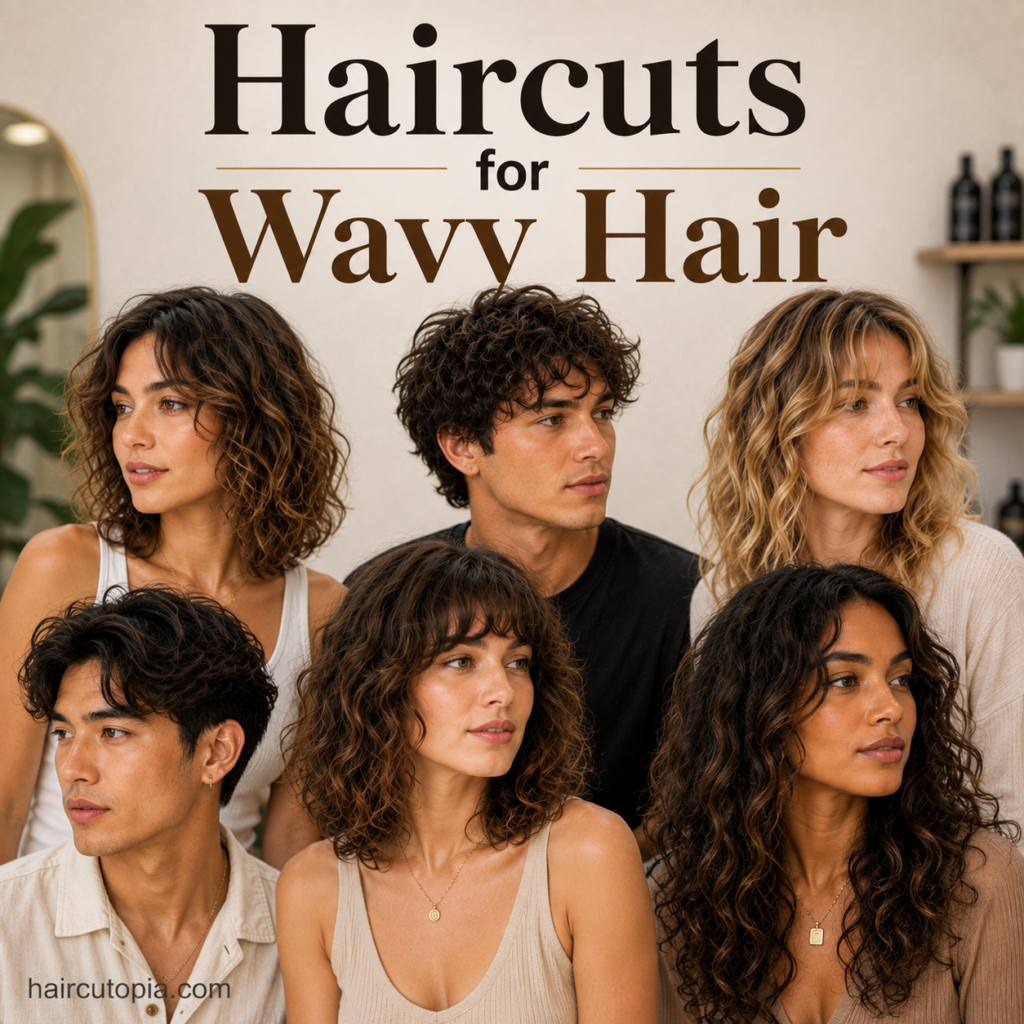
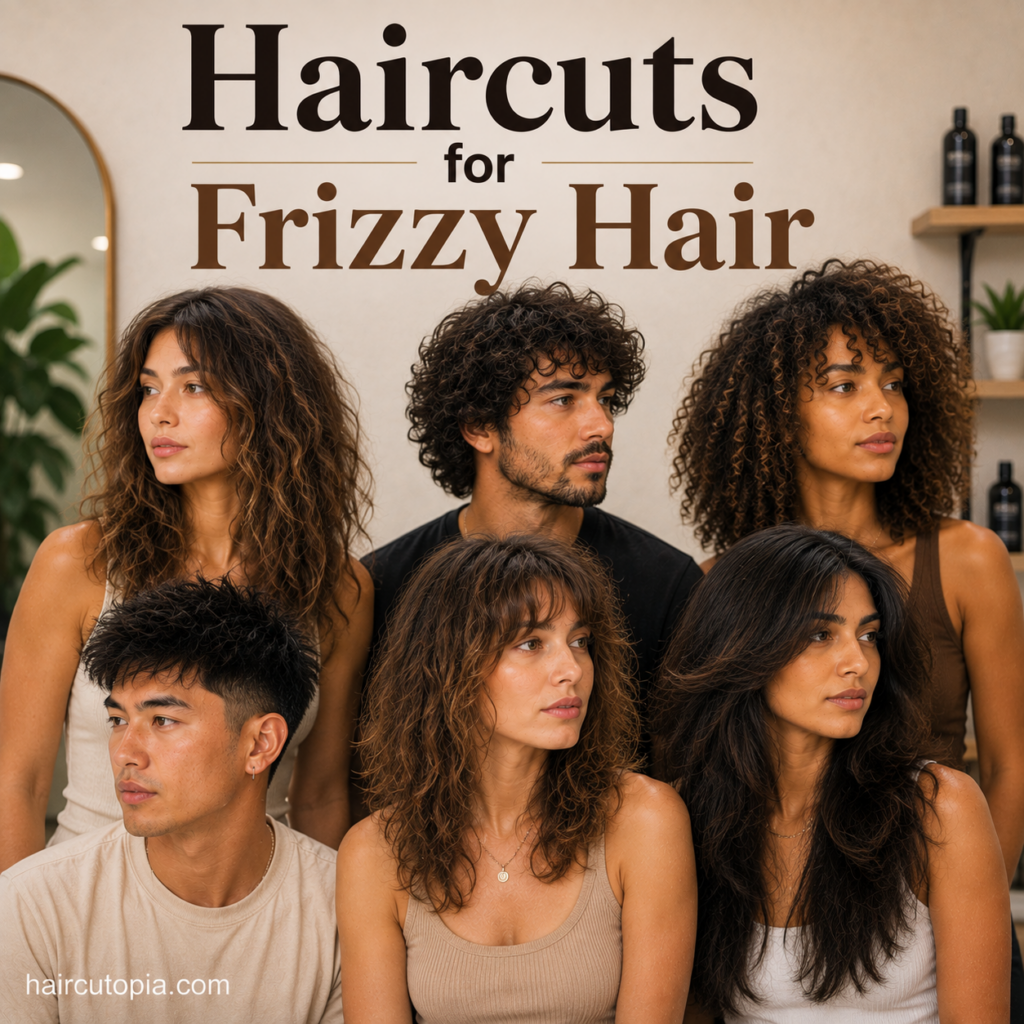
Frizz doesn’t mean you have the wrong hair. But the wrong haircut can definitely make frizz harder to manage.
Too many short layers can cause some textures to expand. A heavy one-length cut may pull waves and curls flat at the roots while creating bulk through the ends. Aggressive thinning can seem like an easy solution for thick, frizzy hair, only to leave behind shorter pieces that become even more noticeable in humidity.
The right haircut takes a different approach.
Instead of trying to eliminate every bit of frizz, it creates a shape that still looks good when your hair has natural movement, volume, and texture.
That might mean a layered bob, shoulder-length cut, soft shag, long layers, pixie, or a more structured shape that uses the hair’s natural fullness rather than fighting it.
The best haircut for frizzy hair depends on why your hair frizzes in the first place, along with its density, strand thickness, natural pattern, and how much styling you’re willing to do.
What Is Frizzy Hair?
Frizz describes strands that separate from the main shape of the hair rather than lying uniformly together.
It isn’t a hair type by itself.
Straight hair can frizz. So can wavy, curly, and coily hair.
Frizz can also appear differently depending on texture.
Straight hair might develop flyaways or a fuzzy surface. Wavy hair may become larger and lose some definition. Curly hair can develop a softer halo around the curl pattern.
A certain amount of frizz is completely normal, particularly with naturally textured hair.
The goal of a good haircut isn’t necessarily to remove it.
It’s to create a shape that works even when the hair isn’t perfectly smooth.
Why Does Hair Get Frizzy?
Frizz can have several causes, and more than one may be happening at the same time.
Common factors include:
- Humidity
- Dryness
- Natural texture
- Hair damage
- Heat styling
- Chemical processing
- Friction
- Rough handling
- Product buildup
- Weather changes
- New hair growth
- Breakage
Hair that is wavy, curly, or coily may naturally have more visible frizz because the strands don’t all travel in the same direction.
That doesn’t automatically mean the hair is damaged.
Understanding your natural texture helps you decide whether you’re trying to smooth frizz, define texture, encourage volume, or simply make the overall shape easier to manage.
Can a Haircut Reduce Frizz?
A haircut can’t change the basic structure of your hair or control the weather.
It can, however, make frizz easier to live with.
The right cut can:
- Remove damaged ends
- Improve the overall shape
- Redistribute excessive bulk
- Prevent a bottom-heavy silhouette
- Encourage waves and curls to form
- Reduce the need for constant heat styling
- Make natural volume look intentional
The key is choosing a haircut that works with your texture.
If your hair naturally expands in humidity, for example, a style that only looks good when completely flat may require much more maintenance than one designed around some natural volume.
What Makes a Good Haircut for Frizzy Hair?
A good haircut creates structure without relying on perfect smoothness.
Depending on your hair, helpful features may include:
- Long blended layers
- A strong perimeter
- Strategic internal layers
- Face-framing pieces
- Rounded shaping
- Controlled crown layers
- Textured ends
- Enough length to provide weight
There isn’t one universal formula.
Fine, frizzy hair may need a stronger perimeter because excessive layering makes the ends look sparse.
Thick, frizzy hair may benefit from more weight distribution.
Curly frizzy hair needs a shape that accounts for shrinkage.
The haircut should be based on the whole picture.
Best Haircuts for Frizzy Hair
Frizz doesn’t limit you to long hair or a single layered style.
Here are 15 haircuts that can work beautifully with frizz-prone textures.
1. Textured Pixie
A textured pixie can make natural movement part of the haircut.
Instead of trying to smooth every strand into place, the style uses separation and texture through the top.
This can work especially well with wavy or curly hair.
Keeping some additional length around the crown provides styling flexibility and prevents the haircut from becoming too rigid.
2. Long Pixie
A long pixie offers more control than an extremely short crop.
Additional length through the fringe and crown gives the hair enough weight to settle while still keeping the overall style short.
You can wear it swept to one side, tousled, or more polished.
If your hair expands dramatically when cut short, leaving extra length can make the style easier to manage.
3. Bixie Cut
The bixie sits between a pixie and bob.
Its slightly longer silhouette gives frizz-prone hair room to move without the weight of a full bob.
Subtle layering can create texture around the crown and sides.
This works particularly well if you prefer a relaxed style rather than a perfectly smooth finish.
4. Layered Bob
A layered bob can distribute volume through the haircut rather than allowing it all to collect at the bottom.
The amount of layering matters.
Thick hair may benefit from more shaping, while fine or thin hair usually needs fewer layers to preserve fullness.
A layered bob is especially useful for wavy and curly frizzy hair because the natural pattern contributes to the shape.
5. Blunt Bob
Layers aren’t always the answer.
A blunt bob creates a strong perimeter that can make fine or lower-density frizzy hair look more substantial.
The clean baseline gives the haircut structure even when the surface develops some flyaways.
For very thick hair, subtle internal shaping can reduce bulk without changing the visible perimeter.
6. French Bob
A French bob has a naturally relaxed character.
That’s useful for frizzy hair because the style doesn’t depend on every strand sitting perfectly in place.
It usually falls around the jaw and can be worn with or without bangs.
Natural waves and soft texture can make the haircut feel even more intentional.
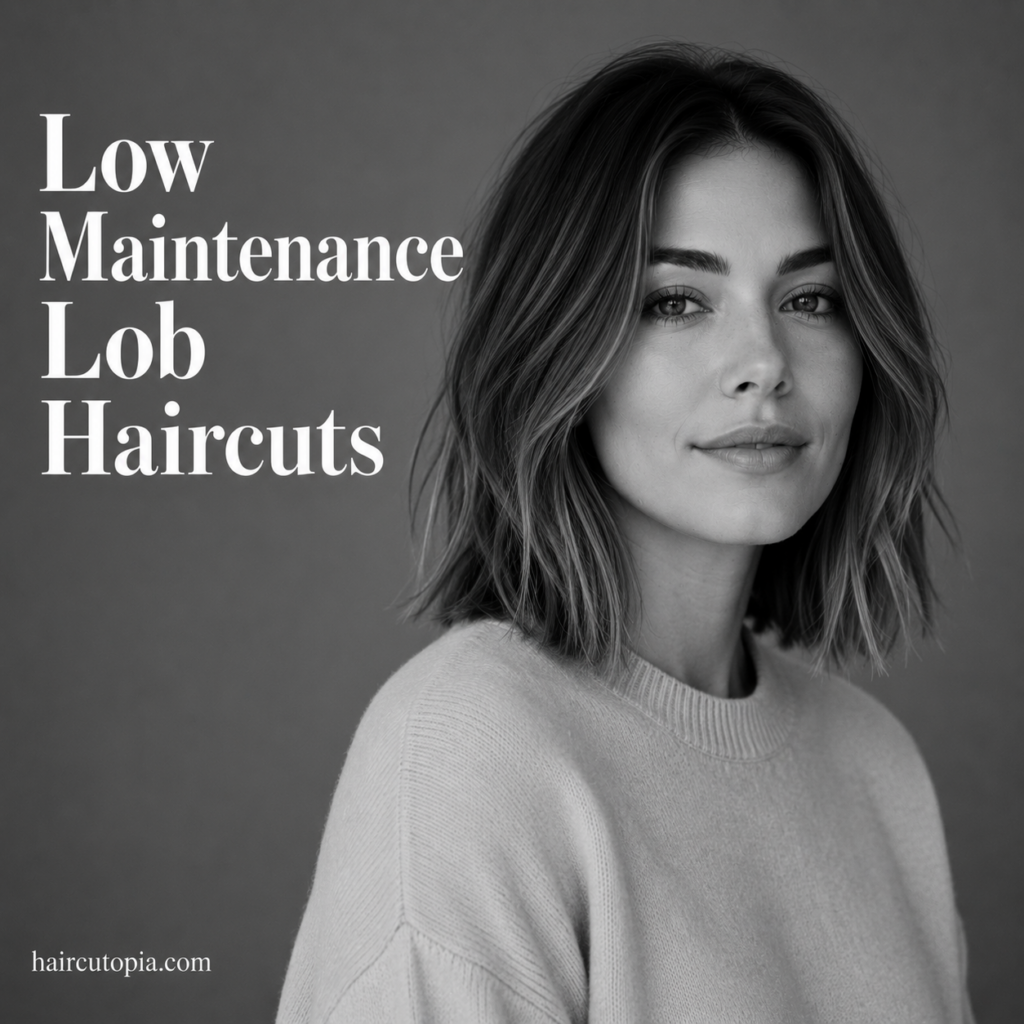
7. Layered Lob
A layered lob provides enough length to give the hair some weight while introducing movement through longer layers.
This can be a good compromise if short hair tends to expand but long hair feels too heavy.
The length usually falls around the shoulders or collarbone.
Keep the layers blended if you want a smoother silhouette.
8. Shoulder-Length Layered Cut
Shoulder length works with a wide range of frizz-prone textures.
There’s enough length for control without the heaviness of very long hair.
Layers can redistribute volume and encourage natural movement.
If your hair is fine, keep them subtle. If it’s thick and dense, additional internal shaping may help manage bulk.
9. Soft Shag
A shag doesn’t try to hide texture.
That’s exactly why it can work so well with frizzy hair.
Longer crown layers create movement while the intentionally undone finish makes a little frizz feel like part of the style.
A soft shag is less dramatic than a traditional heavily layered version, making it easier to manage on hair that expands significantly.
10. Wolf Cut
The wolf cut combines crown volume with longer sections through the bottom.
Wavy and curly frizzy hair naturally reinforce the textured silhouette.
This haircut is best if you actually like volume.
If you’re trying to make your hair appear as sleek and compact as possible, the shorter crown layers may create more fullness than you want.
11. Butterfly Haircut
The butterfly cut uses shorter face-framing sections that blend into longer layers.
It’s a useful option for medium and long frizzy hair because it creates movement while preserving plenty of length.
The longer overall shape also provides weight, which can help control excessive expansion.
12. Medium Layered Cut
A medium layered cut gives you flexibility without excessive length.
Long layers can prevent the haircut from becoming bottom-heavy while keeping the overall silhouette controlled.
This works with straight, wavy, and curly frizz-prone hair.
The key is adjusting the layering to your density.
13. Long Layered Cut
Long layers are one of the most versatile options for frizzy hair.
They preserve enough length for weight and control while preventing the hair from becoming one solid mass.
The shortest layers don’t need to begin high on the head.
Starting around the chin, shoulders, or lower can create movement without excessive crown volume.
14. U-Shaped Long Cut
A U-shaped perimeter creates a soft outline while maintaining length.
The center back remains longer and gradually transitions into shorter sections toward the sides.
This works particularly well for thick, long, frizz-prone hair.
Long internal layers can be added if additional movement is needed.
15. Long Shag
A long shag gives frizzy hair an intentionally textured silhouette.
Crown and face-framing layers create movement, while the longest sections preserve overall length.
Wavy and curly textures tend to work especially well with this style.
If your hair is extremely prone to expansion, choose longer crown layers rather than very short ones.
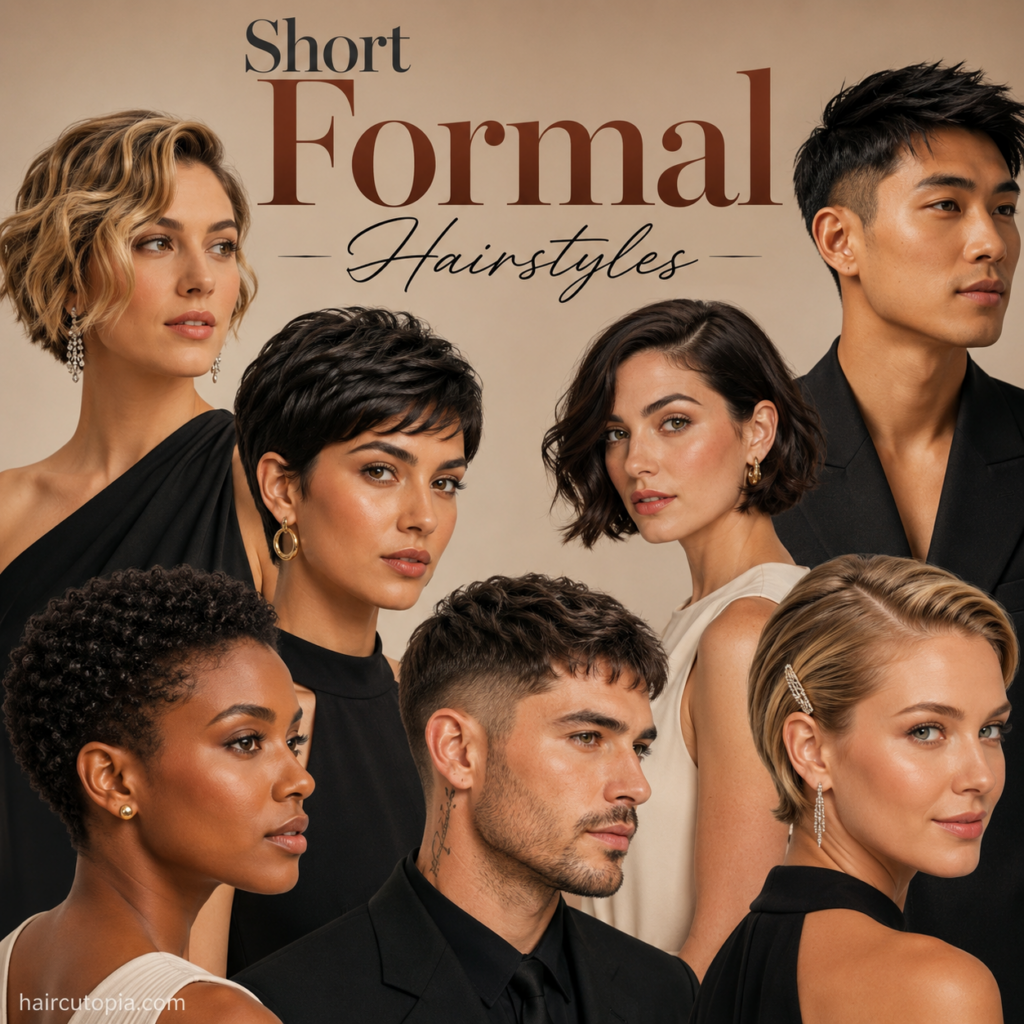
Short Haircuts for Frizzy Hair
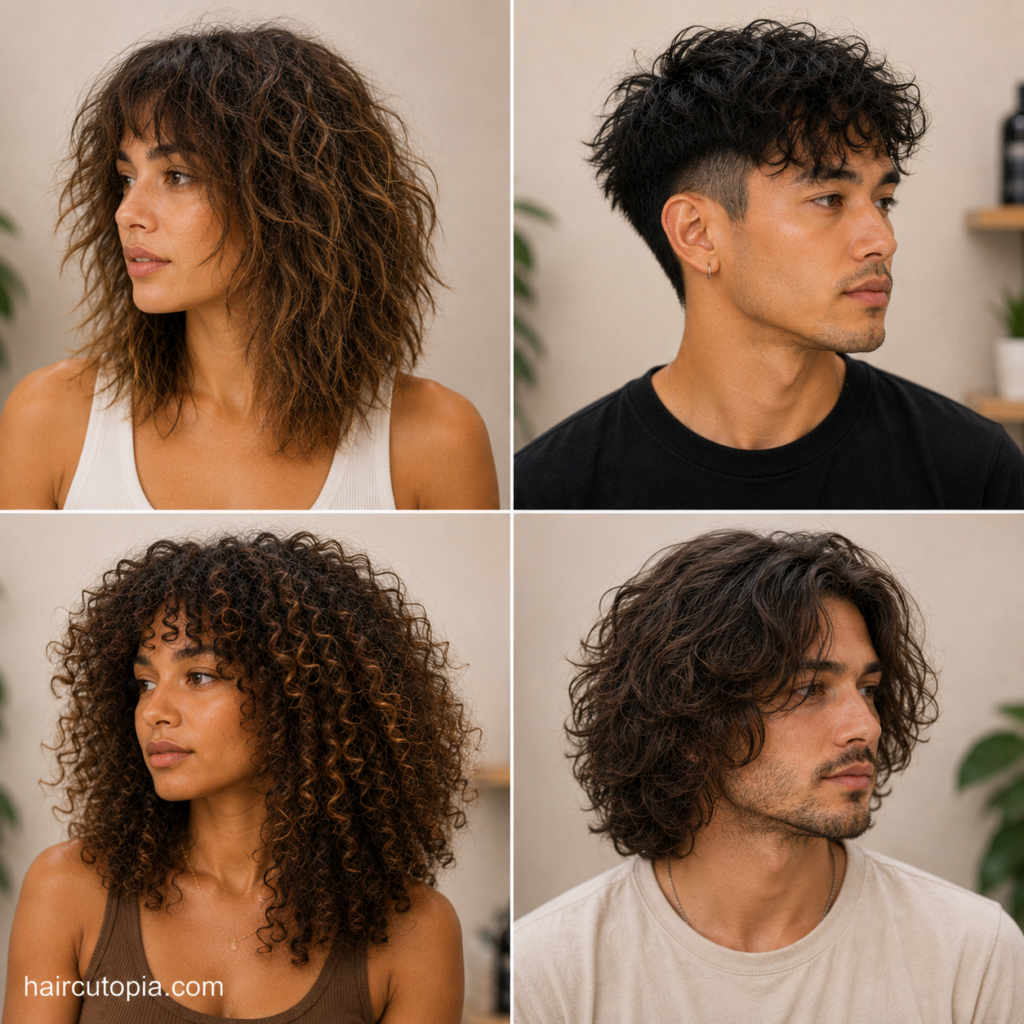
Short hair can absolutely work with frizz.
The main thing to remember is that removing length also removes weight.
That may cause wavy or curly hair to become more textured, and coarse strands may stand farther away from the scalp.
Good options include:
- Textured pixies
- Long pixies
- Bixies
- Layered bobs
- Blunt bobs
- French bobs
- Short shags
If you’re making a dramatic change, ask your stylist how your natural texture is likely to react once several inches are removed.
Starting slightly longer is sometimes easier than discovering the hair expands more than expected.
Medium Haircuts for Frizzy Hair
Medium length is a practical sweet spot for many people with frizz.
There’s enough weight to provide some control, but not so much that the roots are automatically pulled flat.
Consider:
- Layered lobs
- Shoulder-length cuts
- Medium layered cuts
- Soft shags
- Butterfly-inspired cuts
- Mostly one-length styles with internal shaping
Medium hair also gives you plenty of options for wearing it up on days when you don’t want to style it.
Long Haircuts for Frizzy Hair
Long hair provides natural weight, which can help control some frizz-prone textures.
But excessive length may also flatten waves and curls near the roots.
Long layers can create balance.
Good options include:
- Long blended layers
- Butterfly cuts
- U-shaped cuts
- Long shags
- Face-framing layers
- Mostly one-length long cuts
If your hair is fine or low density, avoid removing too much from the perimeter.
If it’s very thick, strategic internal shaping can make long hair significantly easier to manage.
Haircuts for Straight Frizzy Hair
Straight frizzy hair can still develop flyaways and surface texture.
A strong haircut provides structure even when the hair isn’t perfectly sleek.
Consider:
- Blunt bobs
- Lobs
- Collarbone-length cuts
- Long layers
- U-shaped cuts
If the hair is fine, preserving a stronger perimeter may be more helpful than extensive layering.
For thick straight hair, subtle internal layers can reduce bulk while maintaining a smooth exterior.
Haircuts for Wavy Frizzy Hair
Wavy frizzy hair can change significantly with humidity.
Instead of fighting that movement, choose a haircut that can accommodate it.
Good options include:
- Wavy bobs
- Layered lobs
- Soft shags
- Butterfly cuts
- Long layers
- U-shaped cuts
If you want more definition, layering can help the waves form.
If you want less overall volume, keep the layers longer and preserve additional weight.
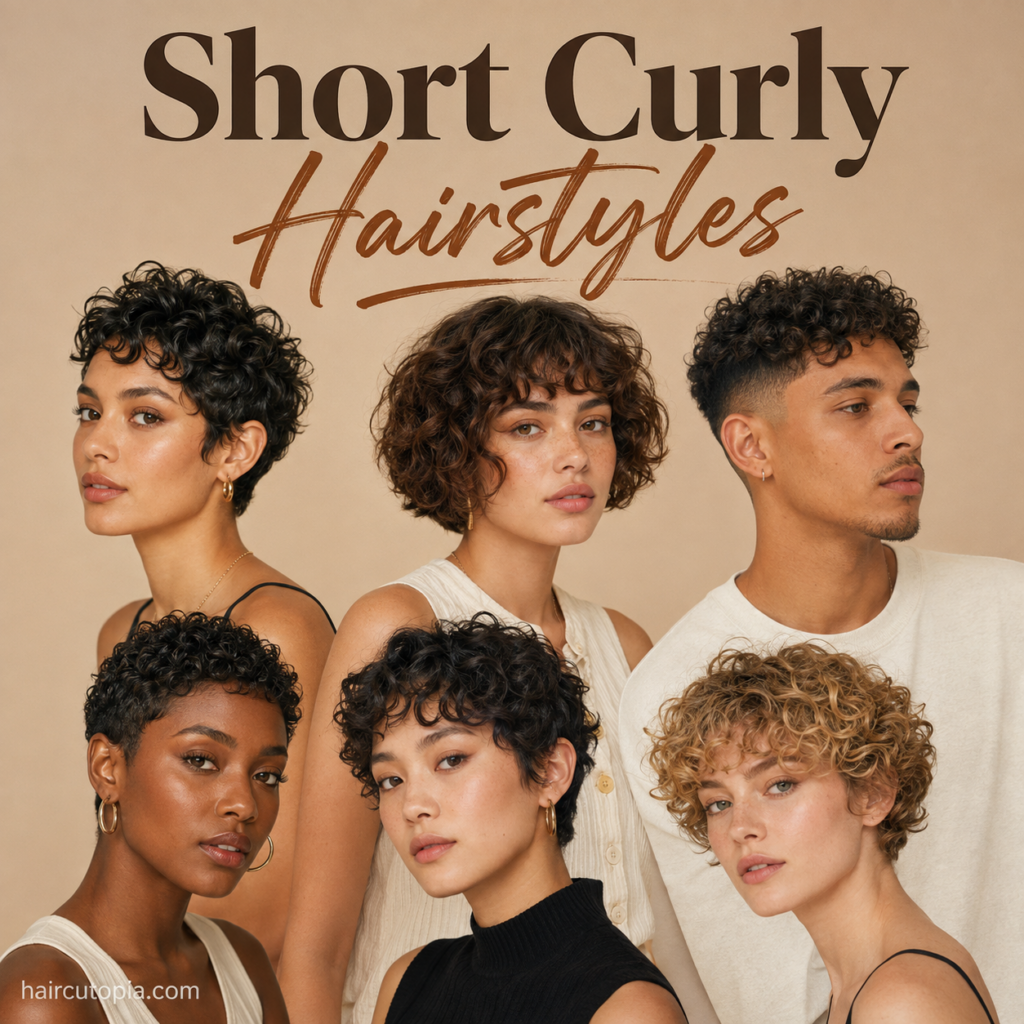
Haircuts for Curly Frizzy Hair
Frizz is a natural part of many curly hair patterns.
The haircut should still maintain a recognizable shape when the curls aren’t perfectly defined.
Strong choices include:
- Curly bobs
- Rounded cuts
- Curly shags
- Shoulder-length layers
- Long curly layers
- Tapered curly cuts
Shrinkage is important.
Always consider the dry length rather than judging the haircut only while the curls are wet or stretched.
Haircuts for Thick Frizzy Hair
Thick, frizz-prone hair can develop a lot of volume.
The answer isn’t necessarily aggressive thinning.
Instead, distribute the weight strategically.
Consider:
- Long layers
- Layered lobs
- Butterfly cuts
- Soft shags
- U-shaped cuts
- Medium layered styles
Internal shaping can reduce bulk without creating an exterior full of short pieces.
Keeping some length often provides useful control.
Haircuts for Fine Frizzy Hair
Fine frizzy hair needs a different approach.
The strands may become fuzzy or fly away easily, but removing too much hair can make the overall style look thin.
Good choices include:
- Blunt bobs
- French bobs
- Blunt lobs
- Collarbone-length cuts
- Lightly layered styles
Keep layering strategic.
A few face-framing or internal layers may provide movement without sacrificing the strength of the perimeter.
Haircuts for Thin Frizzy Hair
If you have thin, frizzy hair with lower overall density, preserving fullness should be a priority.
Frizz can actually create some visual volume, but excessive layering may expose sparse areas.
Consider:
- Blunt bobs
- Chin-length cuts
- Long pixies
- Lobs with minimal layers
- Shoulder-length cuts
Avoid aggressive thinning.
If density is already low, there usually isn’t much reason to remove large amounts of internal weight.
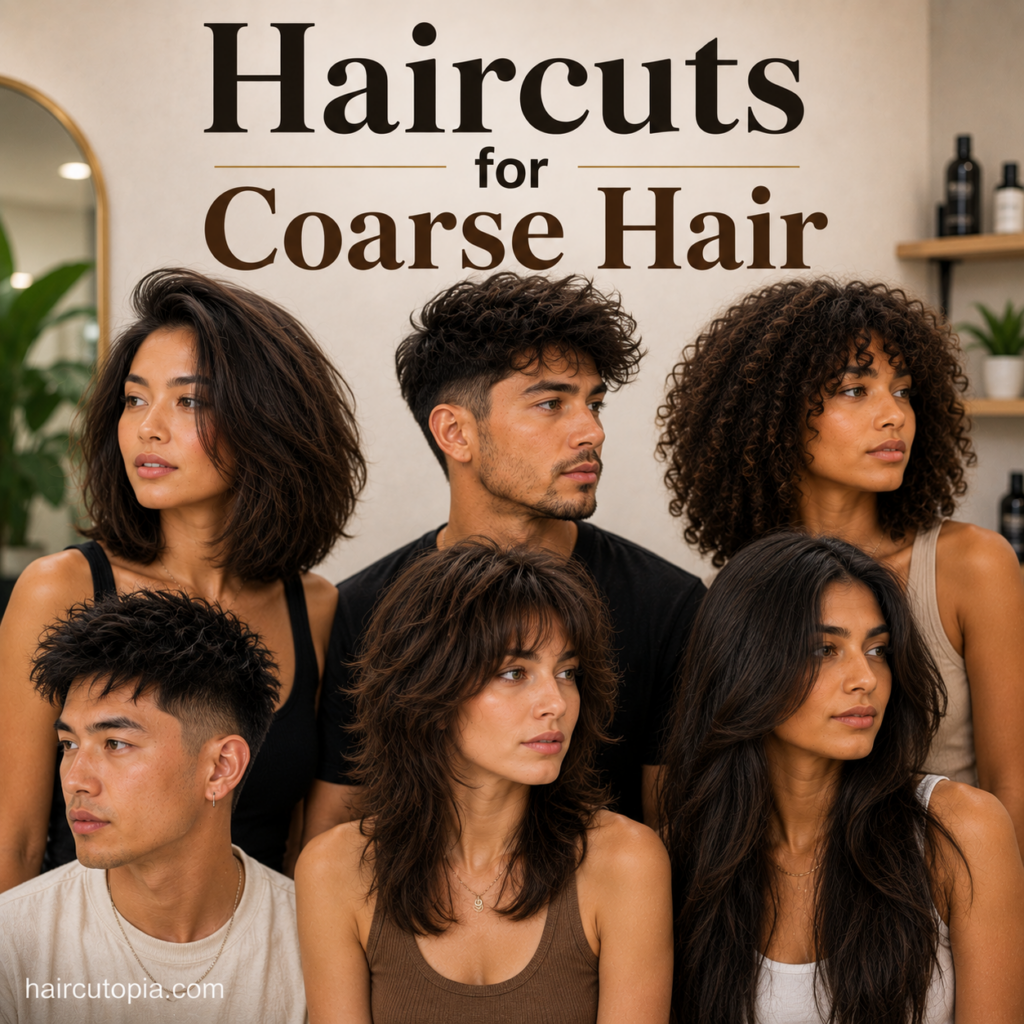
Haircuts for Coarse Frizzy Hair
Coarse frizzy hair can create substantial texture and volume.
It may also need enough length to prevent the hair from standing away from the main shape.
Good options include:
- Layered bobs
- Shoulder-length layers
- Soft shags
- Long layered cuts
- U-shaped cuts
- Butterfly cuts
Strategic layering can create movement without turning the haircut into a collection of short, frizzy pieces.
Should Frizzy Hair Be Layered?
It can be.
Layers can help:
- Redistribute volume
- Encourage waves and curls
- Reduce bottom heaviness
- Create movement
- Frame the face
- Prevent dense hair from feeling bulky
But layers can also increase volume.
If your hair expands easily and you want a smoother silhouette, keep the layers longer.
If your hair is fine or thin, avoid removing too much from the perimeter.
There’s no rule that all frizzy hair should be heavily layered.
What Layers Are Best for Frizzy Hair?
Long blended layers are one of the most versatile choices.
They provide movement without creating lots of short pieces.
Face-framing layers can add shape around the front.
Internal layers may reduce bulk while leaving the exterior relatively smooth.
Shorter crown layers create more volume and work well in shags and wolf cuts.
Choose based on the result you want rather than assuming one layering technique is best for frizz.
Should Frizzy Hair Be Thinned Out?
Sometimes, but not automatically.
Very dense hair may benefit from strategic weight removal.
Aggressive thinning can cause problems, particularly if the shorter pieces begin expanding away from the main shape.
It may create:
- More visible frizz
- Uneven volume
- Short pieces that stick out
- A weak perimeter
- Difficult grow-out
Instead of simply asking your stylist to thin your hair, explain where it feels too bulky.
That allows the weight to be removed deliberately.
Is Short or Long Hair Better for Frizzy Hair?
Neither is universally better.
Long hair provides weight, which may help control expansion.
Short hair removes damaged ends and can make natural texture feel more intentional.
The best length depends on your pattern.
If your hair becomes extremely large when short, additional length may provide control.
If long hair becomes heavy, shapeless, or difficult to dry, a shorter cut may be easier.
Are Bobs Good for Frizzy Hair?
Yes.
Bobs can work with straight, wavy, and curly frizzy textures.
Popular versions include:
- Blunt bobs
- Layered bobs
- French bobs
- Textured bobs
- Curly bobs
Fine or thin hair often benefits from a stronger perimeter.
Thick hair may need more internal shaping.
A bob doesn’t need to be perfectly sleek to look intentional.
Are Pixie Cuts Good for Frizzy Hair?
They can be excellent.
A textured pixie uses natural movement rather than hiding it.
A long pixie provides additional weight and control through the crown and fringe.
If your hair has strong waves, curls, or growth patterns, remember that they may become more noticeable once the hair is short.
Are Shags Good for Frizzy Hair?
Shags are particularly compatible with frizz if you like texture and volume.
The haircut is already designed to have movement.
A little natural expansion usually complements the shape rather than ruining it.
If you want a more controlled result, choose a soft shag with longer layers.
Are Blunt Cuts Good for Frizzy Hair?
Yes, especially for fine or thin hair.
A strong perimeter gives the haircut visual structure.
Even if the surface becomes slightly frizzy, the overall shape remains clear.
Thick frizzy hair can also wear blunt cuts, but internal weight removal may be needed to prevent excessive bulk.
Bangs for Frizzy Hair
Frizzy hair can absolutely wear bangs.
Options include:
- Curtain bangs
- Bottleneck bangs
- Wispy bangs
- Side-swept bangs
- Textured fringe
- Curly bangs
- Long face-framing fringe
The key is understanding how the fringe behaves naturally.
If your hair waves or curls, account for shrinkage.
If your hair reacts strongly to humidity, a slightly longer fringe may give you more styling flexibility.
Frizzy Haircuts by Face Shape
Face shape can help refine a haircut, but your natural texture should remain the priority.
Round Faces
Longer bobs, face-framing layers, and medium or long styles can create vertical movement.
Oval Faces
Most lengths work well.
Pixies, bobs, shags, and long layers are all options.
Square Faces
Soft texture, waves, curtain bangs, and layered medium cuts can complement angular features.
Heart-Shaped Faces
Bobs, lobs, and movement around the jaw can create balance.
Long Faces
Bangs, bobs, shoulder-length styles, and side volume can add horizontal emphasis.
These are guidelines, not restrictions.
Low-Maintenance Haircuts for Frizzy Hair
The easiest haircut is usually one that allows your natural texture to exist.
Good options may include:
- Textured pixies
- Bobs
- Shoulder-length cuts
- Soft shags
- Long blended layers
- U-shaped cuts
A style that requires daily straightening isn’t truly low maintenance if your hair naturally wants to wave or curl.
Choose a shape that still works when you air-dry or use your normal routine.
How to Style Frizzy Hair
The haircut provides the structure, but styling can help control or define the texture.
Start with Moisture
Frizz-prone hair often benefits from adequate conditioning.
The amount of moisture you need depends on your strand thickness and texture.
Fine hair usually needs lighter formulas than coarse or curly hair.
Apply Products to Damp Hair
Products generally distribute more evenly before the hair is completely dry.
Depending on your texture, you might use:
- Leave-in conditioner
- Lightweight styling cream
- Curl cream
- Mousse
- Gel
- Anti-frizz serum
You don’t need all of them.
Use the minimum amount that gives you the result you want.
Avoid Rough Drying
Aggressively rubbing the hair can separate strands and increase visible frizz.
Handle wet hair gently.
Use Heat Protection
If you blow-dry, straighten, or curl your hair, use appropriate heat protection.
Repeated heat damage can make frizz harder to manage over time.
Don’t Chase Every Flyaway
Perfectly uniform hair isn’t realistic for many textures.
A little natural movement can make the hairstyle look softer rather than unfinished.
Humidity and Frizzy Hair
Humidity can dramatically change how frizz-prone hair behaves.
Hair may absorb moisture from the surrounding air, causing strands to swell or natural texture to become more noticeable.
A haircut can’t prevent humidity.
But it can make the resulting volume look more intentional.
If you live in a humid climate, tell your stylist how much your hair changes throughout the day.
A haircut that only works in controlled indoor conditions may not be practical.
What to Ask Your Stylist
Explain what “frizzy” means for your particular hair.
Tell your stylist:
- Whether your hair is straight, wavy, curly, or coily.
- Where it tends to expand.
- Whether humidity changes the texture significantly.
- Your overall density.
- Whether your strands are fine, medium, or coarse.
- How you normally dry your hair.
- How often you use heat.
- Whether previous layers made frizz better or worse.
- How much maintenance you want.
If you’ve had a bad experience with thinning shears or aggressive texturizing, mention it.
Common Haircut Mistakes with Frizzy Hair
Over-Thinning
Removing too much hair can create short pieces that become even more noticeable when they frizz.
Making Layers Too Short
Short layers create additional volume.
That can be great if you want it, but frustrating if you’re trying to control expansion.
Ignoring Natural Texture
A haircut designed exclusively around straightened hair may behave very differently once your natural pattern returns.
Assuming Frizz Means Damage
Some frizz is simply part of natural texture.
The goal doesn’t always need to be eliminating it.
Choosing a High-Maintenance Shape
If you don’t want to heat-style every morning, choose a haircut that looks good with your natural texture.
How Often Should Frizzy Hair Be Cut?
The haircut determines the schedule more than the frizz itself.
As a general guide:
- Pixies: around 4–8 weeks
- Bobs: around 6–10 weeks
- Medium cuts: around 8–12 weeks
- Long cuts: around 8–16 weeks
If your ends are damaged or splitting, you may benefit from trimming sooner.
More structured cuts also need maintenance more frequently than long blended layers.
How to Choose the Best Haircut for Frizzy Hair
Start with your natural texture.
Is your hair straight with flyaways? Wavy and expanding? Curly with a soft halo? Coarse and resistant to lying flat?
Then consider density.
Fine or thin hair often needs a stronger perimeter. Thick hair can support more layering and internal shaping.
Next, decide how much volume you actually want.
Don’t automatically assume frizz means all volume needs to disappear.
Some haircuts look better with it.
Finally, think about your routine.
If you mostly air-dry, your haircut should work air-dried.
If you frequently wear your hair natural, choose inspiration showing a similar texture.
The goal isn’t a haircut that looks perfect for twenty minutes after leaving the salon.
It’s one that still makes sense three days later, on a humid morning, when your hair decides to do what it naturally does.
Final Thoughts
Frizzy hair doesn’t need one specific haircut.
You can wear a pixie, bob, shag, lob, shoulder-length cut, or long layered style.
What matters is how the haircut manages weight and works with your natural texture.
Fine and thin hair may benefit from stronger perimeters. Thick and coarse hair can often support more strategic layering. Wavy and curly hair need shapes that account for movement, volume, and shrinkage.
And sometimes the best approach isn’t trying to eliminate frizz at all.
A haircut that allows a little texture and variation can be much easier to maintain than one that depends on perfect smoothness.
Give the hair a strong shape, put the volume where you want it, and let the natural texture do some of the work.