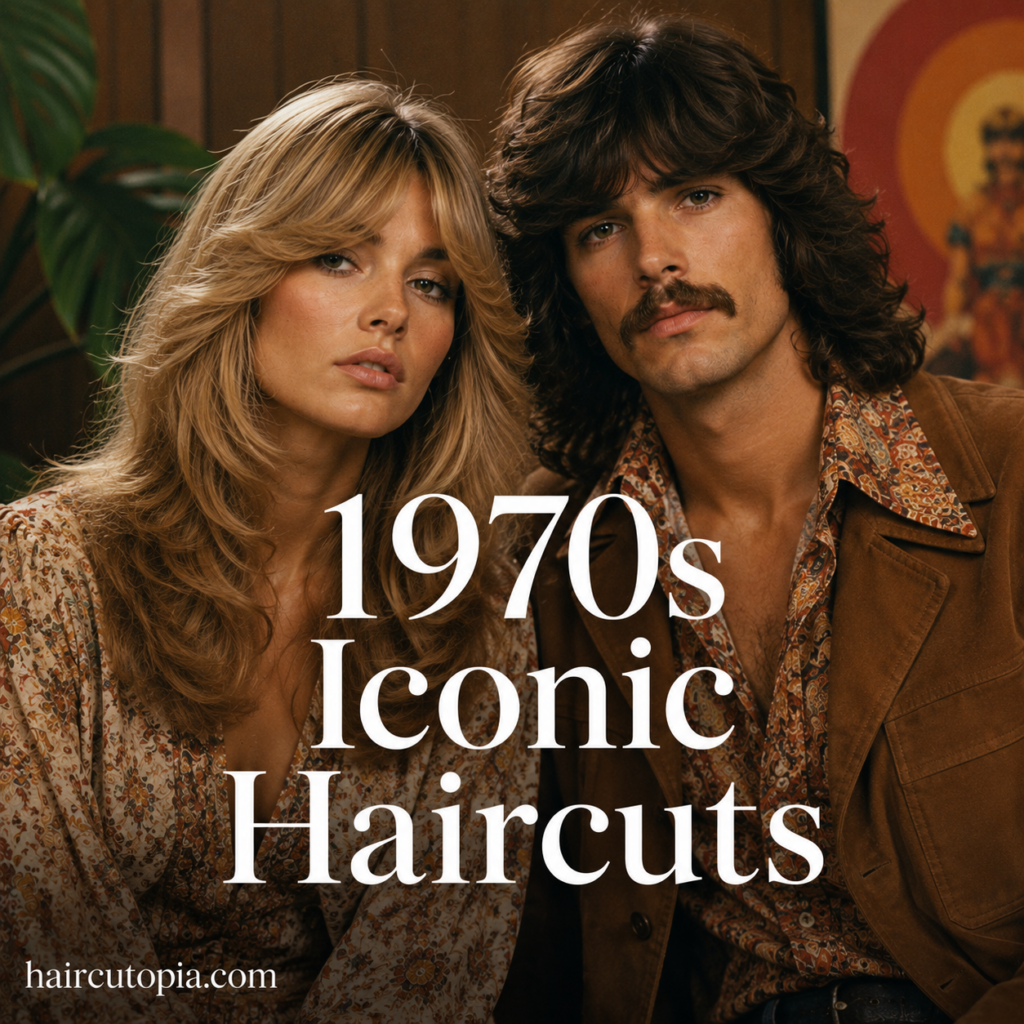
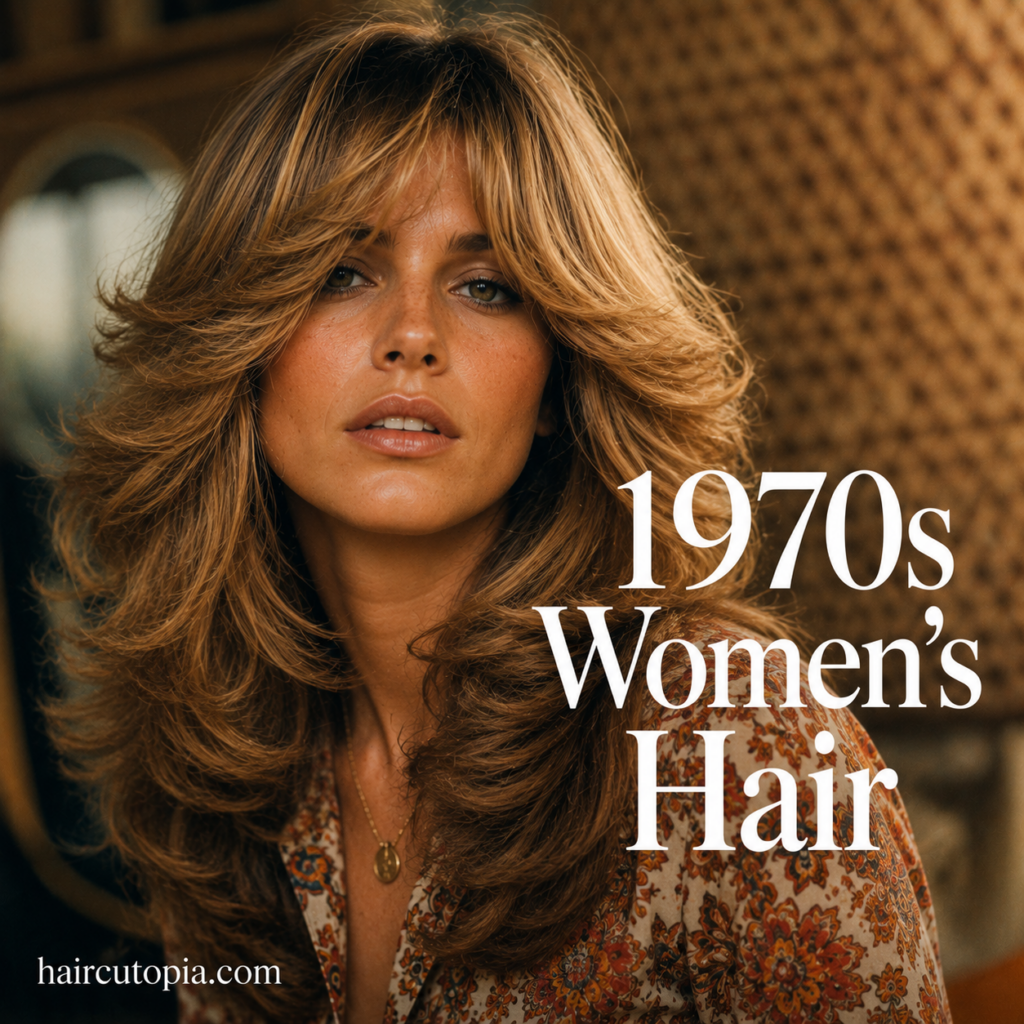
The 1970s were one of the most influential decades in women’s hairstyling. It was a time when beauty shifted away from rigid, perfectly sculpted looks and embraced softness, movement, and individuality. Hair became longer, fuller, and more natural, reflecting the free-spirited fashion and cultural changes of the era.
From feathered layers and glamorous disco blowouts to effortless bohemian waves and natural curls, women experimented with hairstyles that celebrated personality rather than perfection. Many of the cuts and styling techniques introduced during the decade remain popular today, inspiring everything from butterfly haircuts and curtain bangs to textured shags and layered blowouts.
In this guide, we’ll explore the most iconic 1970s women’s hairstyles, the trends that shaped the decade, and why these timeless looks continue to influence modern salons.
Why 1970s Women’s Hair Was So Revolutionary
The 1970s encouraged women to wear hairstyles that complemented their natural features instead of following one strict beauty standard.
Several influences shaped the decade’s biggest trends:
- Disco culture
- Hollywood celebrities
- Rock music
- The hippie movement
- Fashion magazines
- Television personalities
- Advances in salon cutting techniques
Instead of stiff hairspray and structured curls, the decade embraced movement, texture, and effortless elegance.
35 Iconic 1970s Women’s Hairstyles
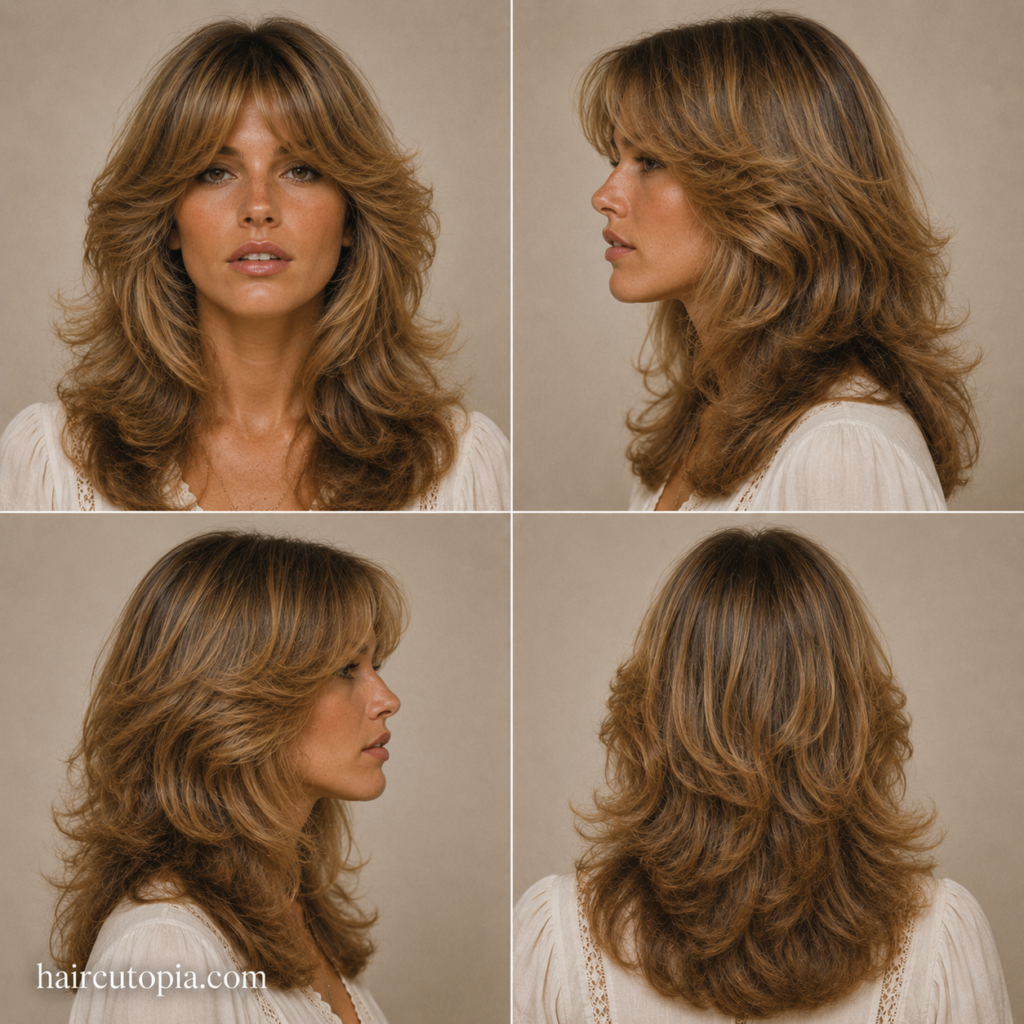
1. Feathered Layers
No hairstyle defines the 1970s more than feathered layers.
Long, flowing layers were blow-dried away from the face to create soft movement and volume.
Why it became iconic:
- Flattered nearly every face shape
- Added effortless volume
- Worked beautifully with medium and long hair
- Created a glamorous yet natural finish
Modern butterfly haircuts borrow heavily from this classic style.
2. The Shag Haircut
The shag combined heavy layering with natural texture.
Its relaxed appearance made it one of the decade’s most fashionable hairstyles.
Key features included:
- Choppy layers
- Wispy fringe
- Lightweight movement
- Soft volume
The shag remains one of today’s biggest hairstyle trends.
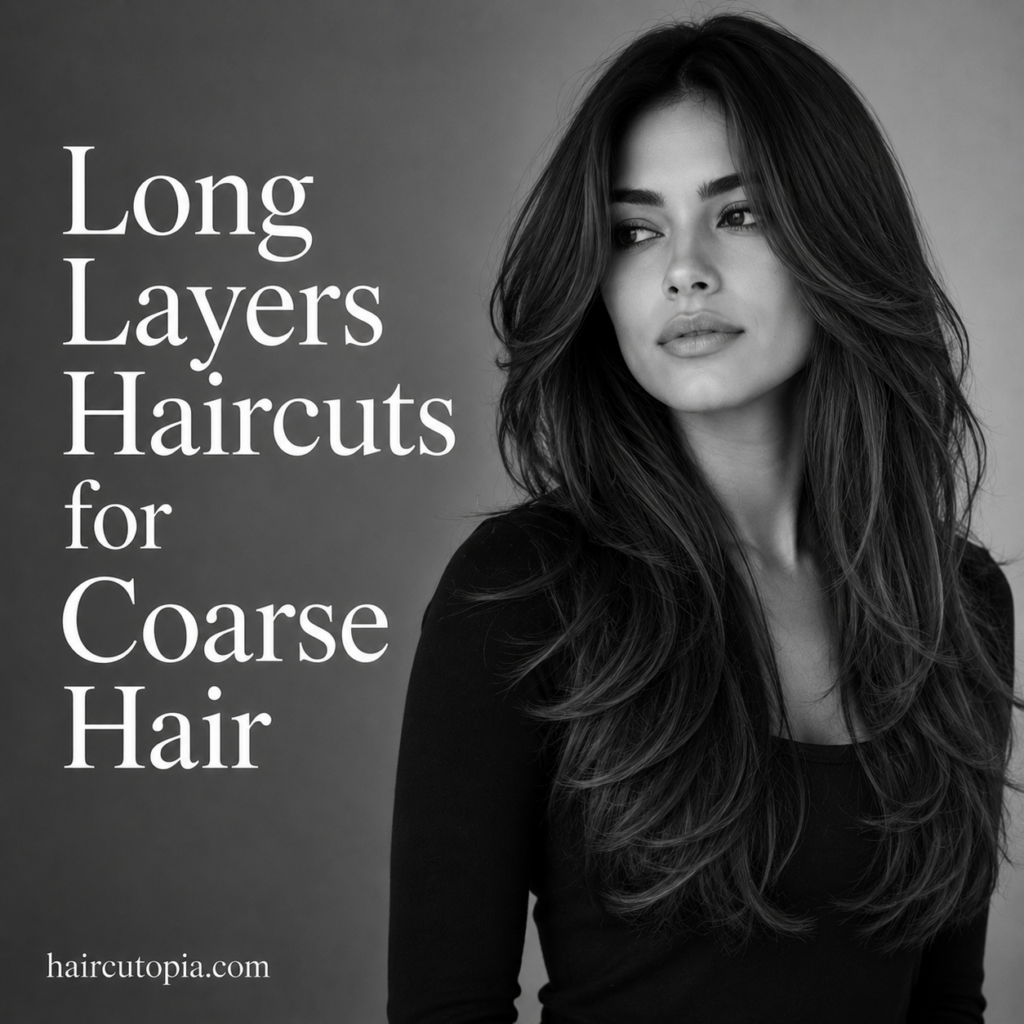
3. Long Layered Hair
Simple one-length hair gradually gave way to layered cuts that created movement and dimension.
Benefits included:
- Fuller appearance
- Easier styling
- Better shape
- Natural flow
4. Curtain Bangs
Curtain bangs framed the face while blending seamlessly into surrounding layers.
They remain one of the most requested fringe styles today.
5. Disco Blowouts
Disco culture inspired glamorous hairstyles full of bounce and shine.
Classic blowouts featured:
- Feathered ends
- Large volume
- Soft movement
- Glossy finish
6. Bohemian Waves
Inspired by the hippie movement, loose natural waves became a symbol of effortless beauty.
Accessories often included:
- Headbands
- Scarves
- Flowers
- Small braids
7. Long Center-Part Hair
A simple center part paired with healthy, flowing hair became one of the decade’s most recognizable looks.
8. The Wedge Haircut
Popularized by Olympic figure skater Dorothy Hamill, the wedge offered a stylish short alternative.
It featured:
- Rounded volume
- Stacked layers
- Clean neckline
- Easy maintenance
9. Soft Curls
Large brushed curls became especially popular during the disco years.
Unlike earlier decades, curls looked softer and more natural.
10. Shoulder-Length Layers
Shoulder-length hair balanced versatility with effortless styling.
It suited nearly every face shape.
11. The Layered Bob
The classic bob evolved through lighter layering and softer edges.
The result felt fresh and modern.
12. Long Straight Hair
Healthy, ultra-long straight hair reflected the relaxed attitudes of the decade.
A center part completed the look.
13. The Flip
Hair flipped outward at the ends became another unmistakable 1970s hairstyle.
Usually worn at shoulder length, it created playful movement.
14. Wispy Bangs
Soft, lightweight fringe blended naturally into surrounding layers.
They framed the face without appearing heavy.
15. Face-Framing Layers
Strategic layers around the cheeks softened facial features while adding dimension.
This remains one of today’s most requested haircut techniques.
16. Curly Shag
Naturally curly hair paired beautifully with shag layering.
The result reduced bulk while maximizing bounce.
17. Air-Dried Texture
Many women embraced their natural hair instead of relying on constant heat styling.
18. Layered Blowouts
Professional salons perfected blowouts that emphasized movement instead of stiffness.
19. The Pageboy
The pageboy softened during the decade with rounded edges and relaxed styling.
20. Layered Lob
The long bob gained popularity because it combined elegance with versatility.
21. Voluminous Crown
Gentle teasing at the crown added height without creating the dramatic volume associated with the following decade.
22. Half-Up Hairstyles
Half-up styles balanced casual beauty with polished elegance.
Popular accessories included:
- Velvet ribbons
- Barrettes
- Scarves
23. Loose Updos
Formal hairstyles became increasingly relaxed, with soft tendrils framing the face.
24. Natural Curls
Rather than hiding curls, many women embraced their natural texture.
This trend helped redefine beauty standards.
25. Rounded Curly Shapes
Rounded shaping emphasized fullness while maintaining balance.
26. Braided Details
Small accent braids added personality to long layered hairstyles.
27. Hair Scarves
Scarves became one of the decade’s most fashionable accessories.
They added color while complementing bohemian hairstyles.
28. Headband Styles
Wide fabric headbands paired beautifully with feathered layers and natural waves.
29. Razor-Cut Layers
Razor cutting techniques produced softer edges and lightweight movement.
Many modern layered haircuts continue to use this approach.
30. Healthy Shine
Conditioning treatments became increasingly popular as healthy-looking hair became a beauty priority.
31. Salon Feathering
Professional stylists refined feathering techniques that became synonymous with the decade.
32. Personalized Haircuts
Rather than following one trend, women increasingly customized hairstyles to suit their face shape and hair texture.
33. Soft Romantic Volume
Touchably soft volume replaced heavily sculpted hairstyles.
34. Everyday Layers
Simple layered cuts became everyday favorites because they looked polished without requiring excessive styling.
35. Individual Style
More than any single haircut, the defining trend of the decade was the freedom to express individuality through hair.
Hair Colors That Defined the 1970s
Natural-looking shades complemented the decade’s hairstyles.
Popular colors included:
- Honey blonde
- Golden blonde
- Rich brunette
- Chestnut brown
- Copper red
- Natural black
- Sun-kissed highlights
Most color trends emphasized warmth and dimension rather than dramatic contrast.
Hair Types That Worked Best
One reason these hairstyles remain popular is their versatility.
Straight Hair
Excellent choices include:
- Feathered layers
- Long blowouts
- Curtain bangs
- Layered lobs
Wavy Hair
Ideal for:
- Bohemian waves
- Shag haircuts
- Layered cuts
- Air-dried styles
Curly Hair
Beautiful options include:
- Curly shags
- Rounded curls
- Layered curls
- Natural volume
Coily Hair
Popular styles included:
- Rounded natural shapes
- Layered styling
- Protective hairstyles
- Defined curls
How to Recreate 1970s Women’s Hair Today
Modern versions of these hairstyles feel softer and easier to maintain.
To achieve the look:
- Start with a layered haircut.
- Blow-dry using a large round brush.
- Style layers away from the face.
- Use lightweight volumizing mousse.
- Finish with texture spray or flexible-hold hairspray.
- Avoid stiff styling products.
- Let natural movement remain visible.
The finished hairstyle should feel soft, airy, and effortless.
Why 1970s Women’s Hairstyles Are Popular Again
Many current trends are direct descendants of 1970s styling techniques.
Modern examples include:
- Butterfly haircuts
- Curtain bangs
- Wolf cuts
- Feathered blowouts
- Layered shags
- Face-framing layers
- Soft textured bobs
Today’s stylists modernize these classics with gentler layering and more natural finishes.
Frequently Asked Questions
What was the most popular women’s hairstyle of the 1970s?
Feathered layers were the decade’s signature style, followed closely by shag haircuts, disco blowouts, long layered hair, and curtain bangs.
Did all women wear feathered hair?
No. While feathered styles were incredibly popular, many women also chose layered bobs, wedge haircuts, natural curls, bohemian waves, and shoulder-length layered styles.
Are 1970s women’s hairstyles still fashionable?
Absolutely. Modern butterfly haircuts, curtain bangs, wolf cuts, feathered blowouts, and textured layers all trace their roots back to the 1970s.
Were 1970s hairstyles high maintenance?
Many salon blowouts required regular styling, but layered cuts were designed to move naturally and often looked great with minimal effort.
How can I modernize a 1970s hairstyle?
Choose soft layers, subtle feathering, natural volume, and lightweight styling products. These updates preserve the vintage feel while creating a fresh, contemporary look.
Final Thoughts
The 1970s transformed women’s hairstyling by celebrating movement, natural texture, and individuality. Instead of chasing one perfect hairstyle, women embraced layered cuts, glamorous blowouts, effortless waves, and styles that complemented their unique features.
That philosophy remains just as relevant today. Many of the decade’s most iconic techniques continue to shape modern hair trends, proving that timeless hairstyles never truly disappear—they simply evolve.
Whether you’re inspired by disco glamour, bohemian beauty, or classic feathered layers, the hairstyles of the 1970s offer endless inspiration for every hair type and personal style.