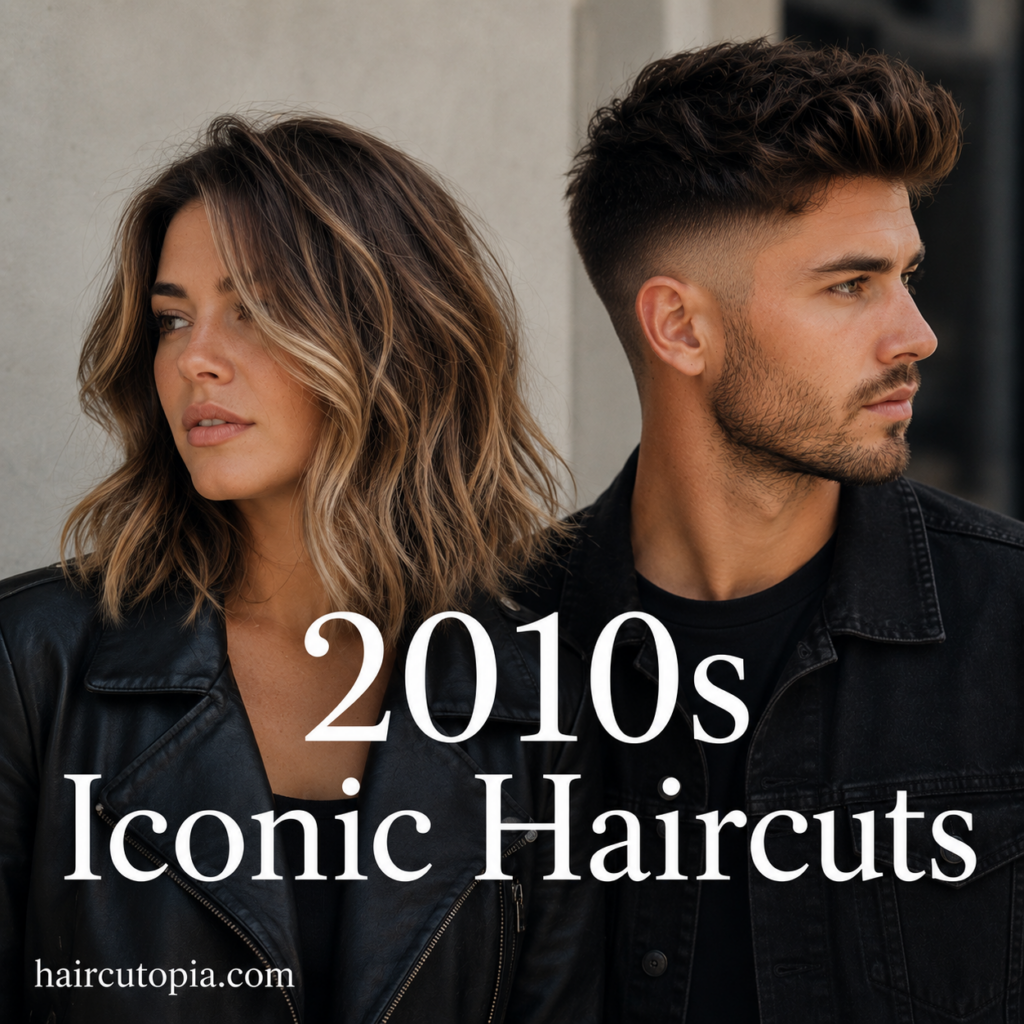
The 2010s were one of the most influential decades in modern hair history. Instead of being defined by one signature haircut, the decade introduced a wide variety of styles that celebrated individuality, natural texture, and effortless styling. Social media accelerated the spread of trends, while celebrity hairstylists and barbers inspired millions of people to experiment with new looks.
From the universally loved lob and long layers to textured crops, fades, and modern pompadours, the decade produced haircuts that continue to dominate salons and barbershops today.
In this guide, we’ll revisit the most iconic haircuts of the 2010s, explore why they became so popular, and discover why many of them remain timeless choices.
What Made 2010s Haircuts Different?
The biggest difference between the 2010s and earlier decades was personalization.
Instead of following one fashionable haircut, people chose styles based on:
- Hair texture
- Face shape
- Lifestyle
- Maintenance preferences
- Personal style
This shift made the decade incredibly diverse and helped many trends remain relevant long after the decade ended.
The Lob Became the Haircut of the Decade
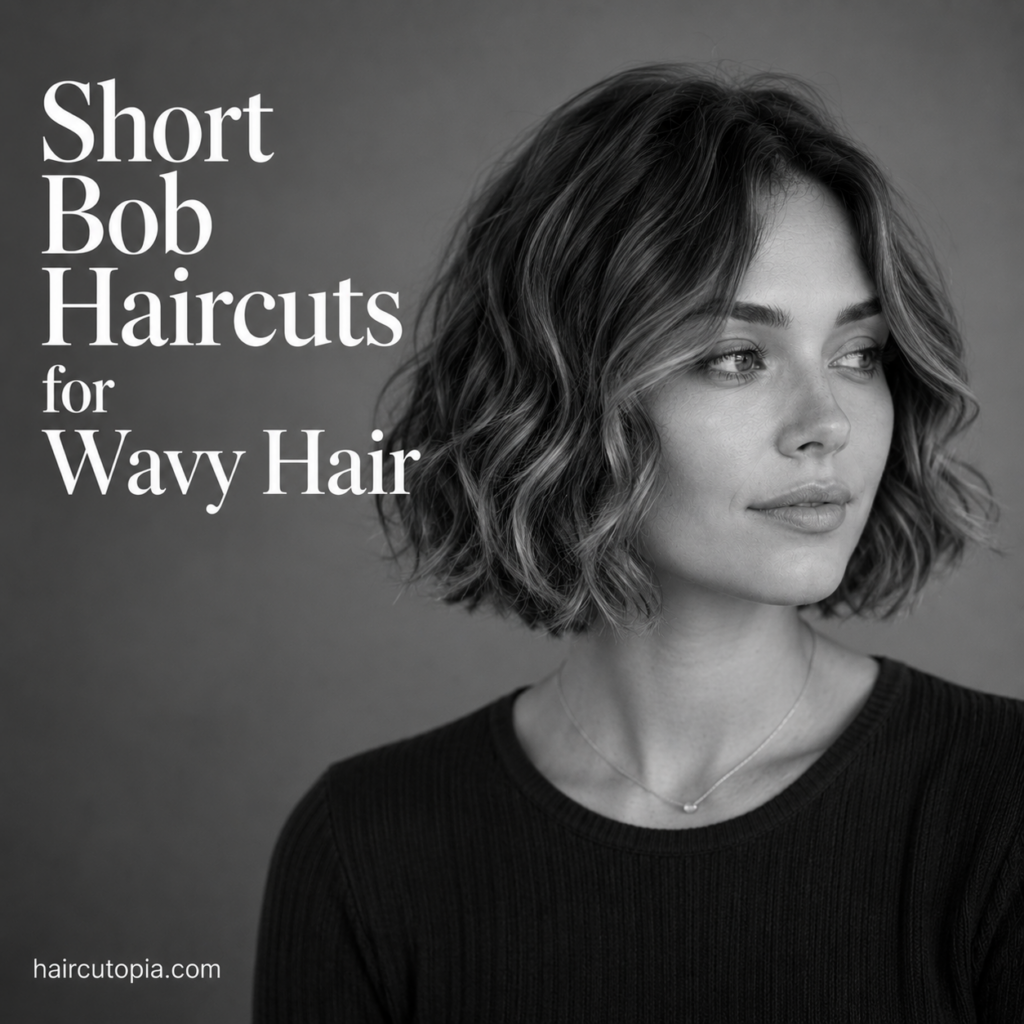
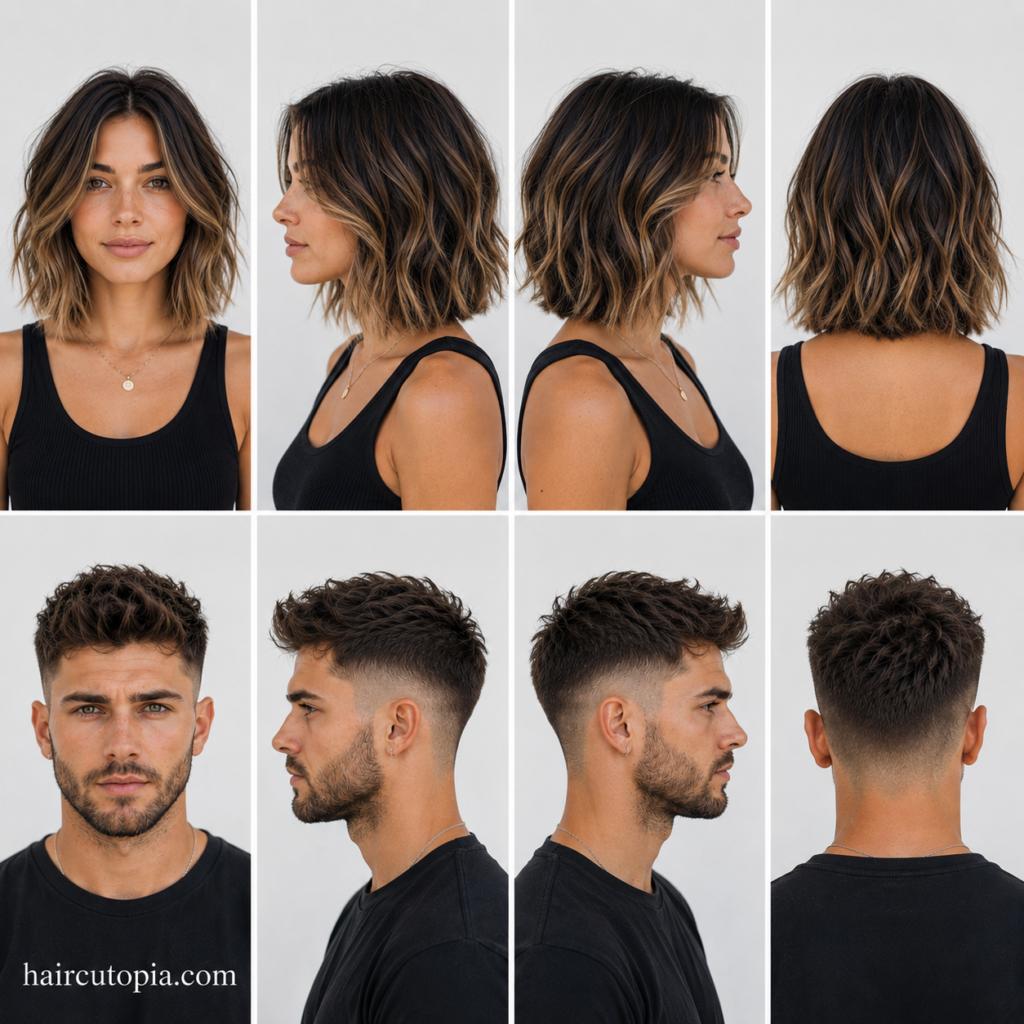
If one haircut represents the 2010s more than any other, it’s the lob (long bob).
Sitting between the chin and shoulders, the lob offered the perfect balance between short and long hair.
Why it became iconic:
- Easy to style
- Flattering for most face shapes
- Professional yet fashionable
- Worked with straight, wavy, and curly textures
It looked equally beautiful sleek, tousled, or softly curled.
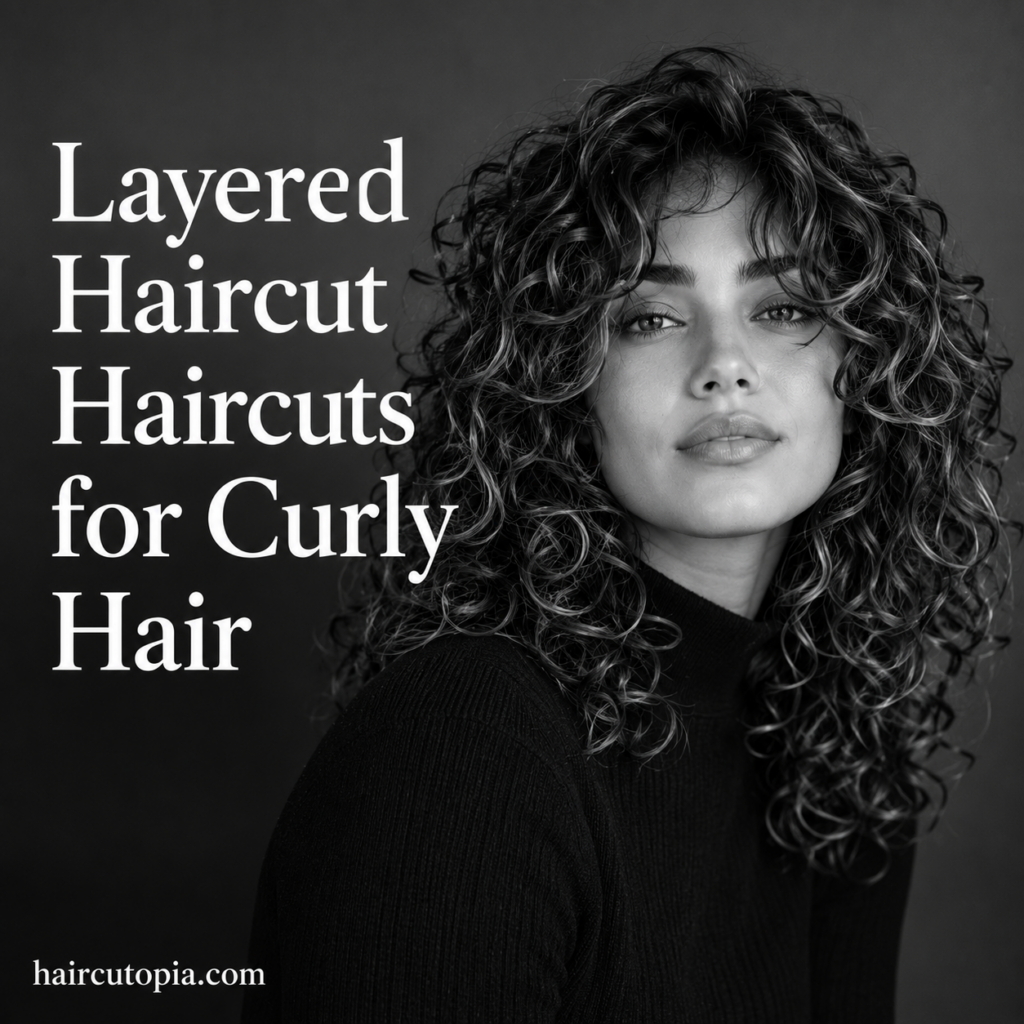
Long Layers Returned Stronger Than Ever
Long layered hair remained one of the decade’s biggest salon requests.
Modern layering emphasized:
- Soft movement
- Natural volume
- Face-framing pieces
- Lightweight styling
Combined with balayage and beach waves, long layers became one of the defining looks of the decade.
Fade Haircuts Dominated Men’s Grooming
No men’s haircut became more recognizable than the fade.
Different variations emerged throughout the decade:
- Low fade
- Mid fade
- High fade
- Skin fade
- Drop fade
- Burst fade
The fade became the foundation for countless modern hairstyles.
The Textured Crop Changed Short Hair
Late in the decade, textured crops exploded in popularity.
People appreciated them because they were:
- Easy to maintain
- Naturally styled
- Modern
- Versatile
Instead of perfectly combed hair, the textured crop embraced movement.
The Modern Pompadour
The classic pompadour received a major update during the 2010s.
Unlike earlier versions, modern pompadours featured:
- Faded sides
- Matte styling products
- Softer texture
- Less rigid structure
This contemporary version became one of the decade’s defining men’s hairstyles.
The Blunt Bob Returned
Sharp, precision-cut bobs made a comeback during the latter half of the decade.
People loved blunt bobs because they:
- Made hair appear thicker
- Created clean lines
- Looked polished
- Required minimal styling
The haircut paired especially well with center parts.
Curtain Bangs Made a Comeback
Although they became even more popular in the early 2020s, curtain bangs began their revival during the late 2010s.
They offered:
- Soft face framing
- Versatility
- Easy grow-out
- Timeless appeal
Curtain bangs complemented both long and shoulder-length haircuts.
Pixie Cuts Stayed Modern
Short hairstyles remained fashionable thanks to updated pixie cuts.
The 2010s version often included:
- Longer tops
- Side-swept bangs
- Soft texture
- Tapered sides
The result felt feminine, modern, and easy to personalize.
Undercuts Added Bold Contrast
Undercuts became increasingly popular for both women and men.
Some people chose:
- Hidden undercuts
- Disconnected undercuts
- Side undercuts
- Nape undercuts
These cuts allowed wearers to experiment without dramatically changing their overall hairstyle.
The Quiff Remained a Favorite
The quiff continued evolving throughout the decade.
Modern quiffs emphasized:
- Natural texture
- Volume
- Matte finish
- Soft movement
Unlike heavily gelled versions from earlier decades, the 2010s quiff looked relaxed and effortless.
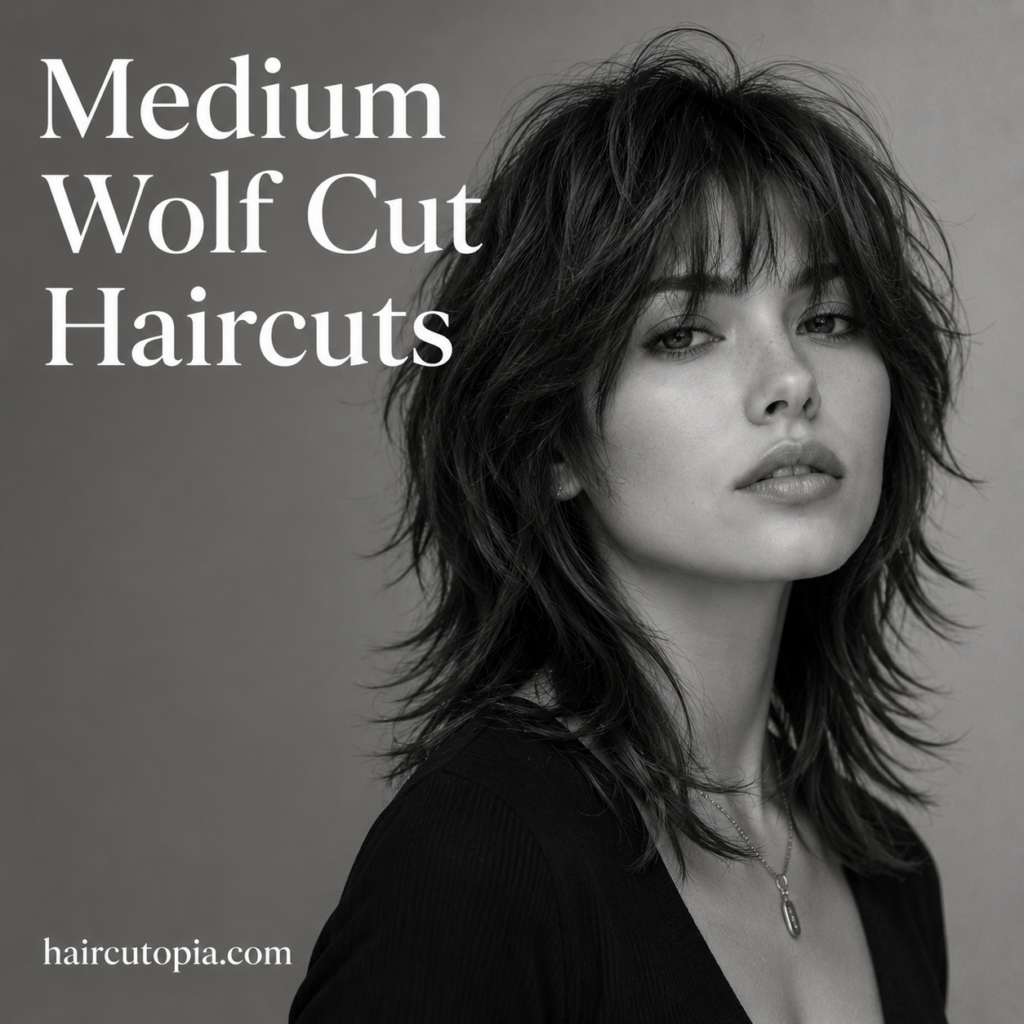
Shag Haircuts Returned
Inspired by the 1970s, shag haircuts experienced a major revival.
The modern version featured:
- Softer layers
- Lighter texture
- Curtain bangs
- Air-dried styling
The haircut appealed to people seeking natural volume without excessive styling.
The Bixie Emerged
Toward the end of the decade, hybrids between pixie cuts and bobs began gaining attention.
The bixie combined:
- Pixie length
- Bob softness
- Textured layers
- Easy styling
The style later became even more popular during the early 2020s.
Natural Texture Became the Focus
Rather than forcing hair into perfectly straight or tightly curled shapes, stylists embraced natural texture.
Haircuts were increasingly designed to enhance:
- Waves
- Curls
- Coils
- Volume
- Movement
This shift helped hairstyles feel healthier and more authentic.
Hair Color Enhanced Every Haircut
Although technically not a haircut, color became inseparable from the decade’s iconic styles.
Popular techniques included:
- Balayage
- Babylights
- Ombre
- Root smudging
- Money piece highlights
These methods added depth without overwhelming the haircut itself.
Barbering Reached a New Level
The rise of modern barber culture transformed men’s grooming.
Popular services included:
- Precision fades
- Beard shaping
- Razor detailing
- Hairline enhancements
- Modern grooming consultations
Social media helped showcase intricate barbering techniques worldwide.
Social Media Made Haircuts Go Viral
Instagram and Pinterest became virtual hairstyle catalogs.
People routinely visited salons with saved photos featuring:
- Celebrity haircuts
- Barber transformations
- Color makeovers
- Before-and-after images
Hair inspiration became easier to access than ever before.
How 2010s Haircuts Compared to Earlier Decades
| Decade | Defining Haircuts |
|---|---|
| 1980s | Voluminous layered cuts, perms |
| 1990s | Layered bobs, sleek long hair |
| 2000s | Choppy layers, razor cuts, spikes |
| 2010s | Lobs, fades, textured crops, long layers, blunt bobs |
Rather than replacing previous styles, the 2010s modernized many classic haircuts with softer lines and more natural styling.
Which 2010s Haircuts Are Still Popular?
Many remain among today’s most requested salon styles.
These include:
- Lob haircuts
- Long layers
- Fade haircuts
- Curtain bangs
- Blunt bobs
- Pixie cuts
- Textured crops
- Modern quiffs
- Shag haircuts
- Modern pompadours
Their versatility has helped them remain fashionable well beyond the decade.
Tips for Choosing a 2010s-Inspired Haircut
If you’re inspired by the decade, keep these suggestions in mind:
- Choose a haircut that complements your natural texture.
- Add soft layers for movement.
- Prioritize healthy-looking hair.
- Use lightweight styling products.
- Consider dimensional color like balayage.
- Work with your face shape instead of chasing trends.
- Focus on effortless styling rather than perfection.
Frequently Asked Questions
What was the most iconic haircut of the 2010s?
The lob is widely considered the defining haircut of the decade thanks to its versatility, flattering shape, and widespread popularity.
What men’s haircut defined the 2010s?
Fade haircuts became the signature men’s cut of the decade, serving as the foundation for pompadours, quiffs, textured crops, and many other modern styles.
Why were long layers so popular?
Long layers created movement, reduced weight, enhanced natural texture, and paired perfectly with balayage and beach waves.
Did classic haircuts return during the 2010s?
Yes. Styles like the bob, shag, pompadour, and pixie were all modernized with softer textures, cleaner finishes, and more personalized styling.
Are 2010s haircuts still fashionable?
Absolutely. Many of the decade’s most iconic cuts remain among the top requests in salons and barbershops because of their timeless versatility.
Final Thoughts
The 2010s proved that great hair isn’t about following one trend—it’s about finding a haircut that suits your personality, hair type, and lifestyle. The decade embraced individuality while refining classic cuts with modern techniques, healthier styling habits, and natural movement.
From the ever-popular lob and long layers to precision fades, textured crops, and curtain bangs, the iconic haircuts of the 2010s continue to influence today’s beauty industry. Their lasting popularity is a testament to how adaptable, wearable, and timeless these styles truly are.
Related Posts
 2000s Haircuts and Hairstyles: The Complete Guide to Y2K Layers, Spikes, Highlights, and Iconic Styles
 1950s Haircuts and Hairstyles: The Complete Guide to the Decade of Classic Glamour
 1930s Men’s Hair: Classic Haircuts, Hairstyles and Grooming Trends
 1920s Iconic Haircuts: The Cuts That Defined the Roaring Twenties