When it comes to workplace grooming, few hairstyles have earned the reputation and longevity of the Ivy League haircut. Clean, refined, and effortlessly professional, it’s a style that has remained a favorite among executives, entrepreneurs, managers, and professionals for generations.
While workplace dress codes have evolved over the years, personal presentation still plays an important role in professional settings. A well-maintained haircut can help communicate confidence, attention to detail, and professionalism before a single word is spoken.
That’s where the Ivy League haircut shines.
Its timeless structure, versatility, and polished appearance make it one of the safest and smartest haircut choices for men who want to look sharp in any business environment.
What Is an Ivy League Haircut?
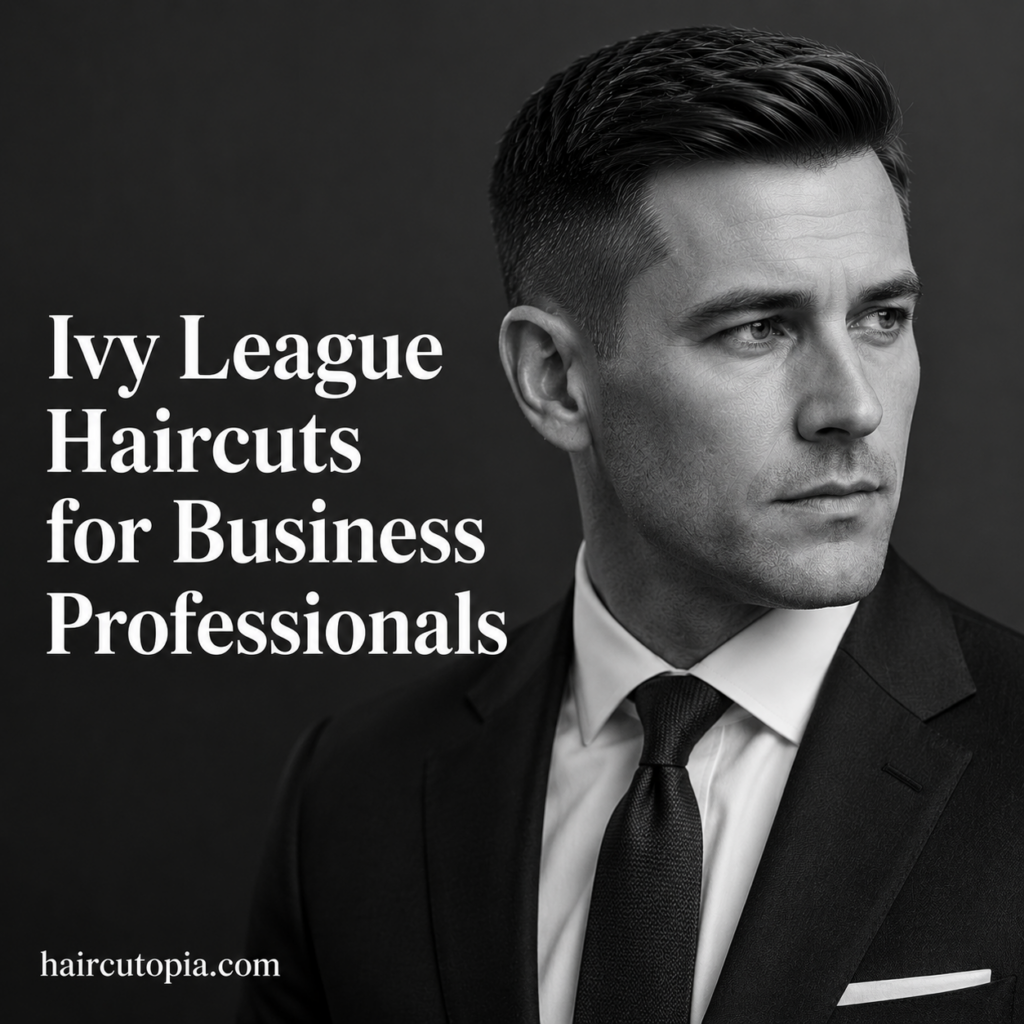
The Ivy League haircut is a short men’s hairstyle featuring tapered sides and a slightly longer top. Unlike a crew cut, the added length allows for styling flexibility, including side parts, brushed-back looks, and subtle texture.
The haircut is known for its:
- Clean silhouette
- Professional appearance
- Easy maintenance
- Styling versatility
- Timeless appeal
It’s often described as the perfect middle ground between formal and modern.
Why Business Professionals Choose the Ivy League
Many hairstyles look good in casual settings but don’t always translate well into professional environments.
The Ivy League avoids that problem.
It Looks Polished Without Looking Overdone
The haircut appears intentional and well-groomed while maintaining a natural appearance.
It Works Across Industries
Whether you’re in finance, healthcare, technology, law, real estate, consulting, or sales, the Ivy League fits seamlessly into the workplace.
It Creates Strong First Impressions
Professional appearance often influences how others perceive confidence and credibility.
The Ivy League helps project:
- Competence
- Reliability
- Professionalism
- Leadership
It Never Feels Trendy
Unlike hairstyles tied to specific fashion cycles, the Ivy League remains consistently relevant.
The History Behind the Ivy League Haircut
The Ivy League haircut originated in the mid-20th century and became associated with students attending prestigious universities.
Over time, the haircut gained popularity among:
- Business executives
- Military officers
- Politicians
- Corporate leaders
- Professionals across numerous industries
Its association with discipline, professionalism, and success helped establish it as one of the most respected men’s hairstyles ever created.
Best Ivy League Haircuts for Business Professionals
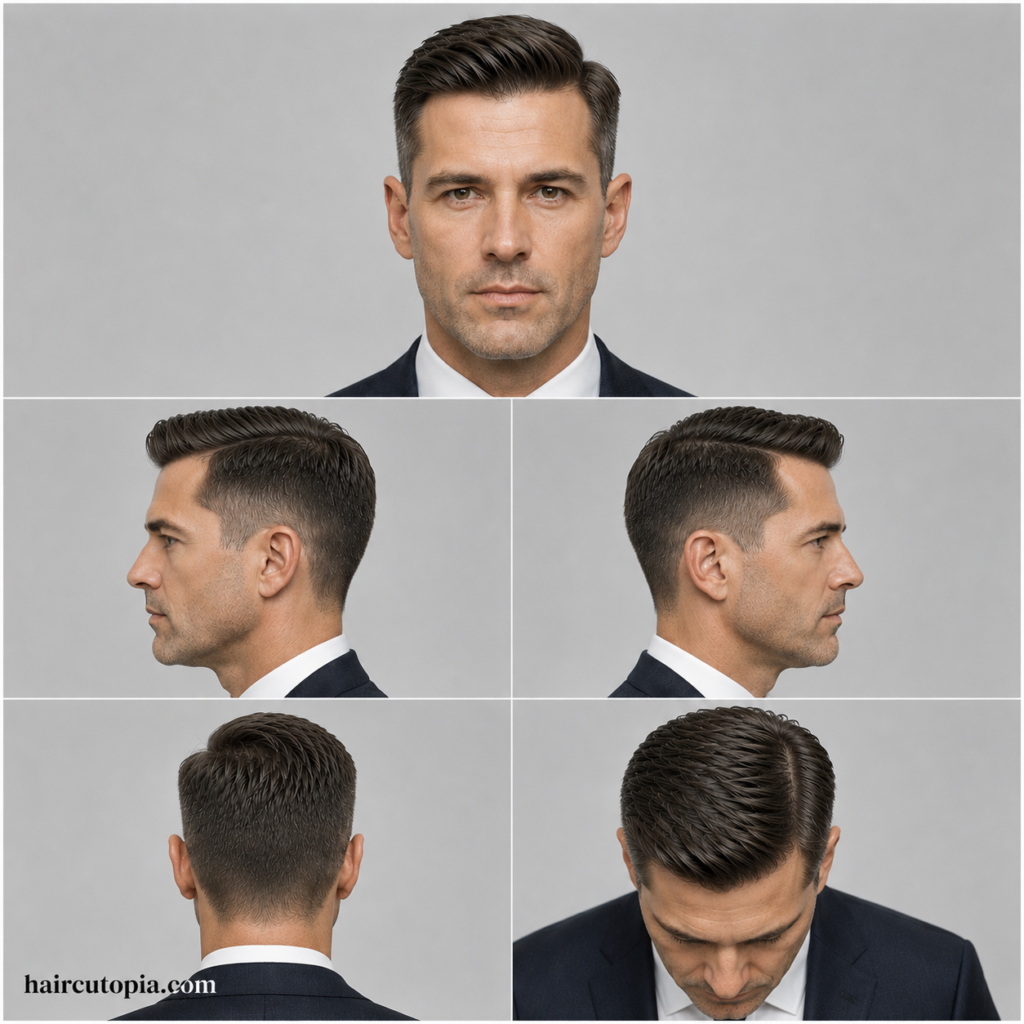
One of the biggest strengths of the Ivy League is its adaptability.
Several variations work particularly well in professional settings.
Classic Ivy League
The traditional version remains the benchmark for professional grooming.
Features include:
- Defined side part
- Tapered sides
- Moderate top length
- Smooth styling
This version works in virtually every workplace.
Executive Ivy League
The executive variation emphasizes precision and clean structure.
It’s particularly popular among:
- Senior managers
- Executives
- Attorneys
- Financial professionals
Textured Ivy League
Adding subtle texture creates a slightly more contemporary appearance while remaining workplace appropriate.
Benefits include:
- More volume
- Natural movement
- Relaxed sophistication
Ivy League with a Low Taper
A low taper provides a refined transition while maintaining a conservative appearance.
Ivy League with a Low Fade
For professionals in modern industries, a low fade introduces contemporary styling without becoming distracting.
Why the Ivy League Works So Well in Corporate Environments
Professional hairstyles should enhance your appearance rather than dominate it.
The Ivy League achieves this balance perfectly.
Clean and Organized Appearance
The haircut always appears intentional and maintained.
Versatile Styling
It works equally well with:
- Business suits
- Dress shirts
- Business casual attire
- Smart casual outfits
Appropriate for Leadership Roles
Many leaders choose classic hairstyles because they communicate stability and confidence.
The Ivy League naturally supports that image.
Best Hair Types for an Ivy League Haircut
The style works well with a variety of hair textures.
Straight Hair
Straight hair naturally complements the haircut’s structured shape.
Thick Hair
Provides excellent density and volume.
Fine Hair
Can appear fuller through strategic layering.
Wavy Hair
Adds subtle texture and character.
Salt-and-Pepper Hair
The Ivy League often looks even more distinguished when paired with gray or silver hair.
Best Face Shapes for the Ivy League
The haircut can be customized to complement most face shapes.
Oval Face Shape
Almost every variation works well.
Square Face Shape
The haircut enhances strong jawlines and masculine features.
Round Face Shape
Extra height on top helps create visual length.
Diamond Face Shape
Balanced proportions soften prominent cheekbones.
Heart-Shaped Face
The structured top creates overall harmony.
How to Ask Your Barber for a Professional Ivy League
Getting the right haircut starts with clear communication.
Consider requesting:
- A classic Ivy League haircut
- Tapered sides and back
- Enough length on top for a side part
- A professional finish
- Minimal texturing
Bringing a reference photo can help ensure the desired outcome.
How to Style an Ivy League Haircut for Work
One of the reasons professionals love this haircut is its simplicity.
Step 1: Start with Damp Hair
Freshly washed hair is easier to style.
Step 2: Apply a Lightweight Product
Recommended options include:
- Grooming cream
- Styling cream
- Light pomade
- Matte paste
Step 3: Establish Direction
Use a comb or your fingers to create a side part or natural sweep.
Step 4: Keep It Controlled
The best Ivy League hairstyles look polished rather than overly styled.
Best Hair Products for Professionals
Product choice plays an important role in achieving a workplace-appropriate appearance.
Grooming Cream
Provides flexible hold and natural movement.
Styling Cream
Creates soft control without stiffness.
Light Pomade
Offers structure and subtle shine.
Matte Paste
Adds texture while maintaining a professional finish.
Avoid products that create excessive shine or a greasy appearance.
Maintenance Tips
A professional haircut should always look intentional.
Recommended Trim Schedule
- Every 2 to 3 weeks for faded styles
- Every 3 to 4 weeks for traditional Ivy League cuts
- Every 4 to 5 weeks for longer versions
Regular maintenance keeps the taper and neckline sharp.
Common Mistakes Professionals Should Avoid
Waiting Too Long Between Haircuts
Overgrown sides can quickly make a haircut appear less polished.
Using Too Much Product
Heavy product often creates an unnatural appearance.
Following Short-Lived Trends
Classic hairstyles typically age better than trend-driven cuts.
Ignoring Hair Health
Healthy hair contributes significantly to overall professional appearance.
Why Executives Continue to Choose the Ivy League
Many executives and business leaders gravitate toward the Ivy League because it reflects qualities associated with leadership.
These include:
- Confidence
- Consistency
- Professionalism
- Attention to detail
While success ultimately comes from skill and performance, a polished appearance can help reinforce the image you want to project.
Is an Ivy League Haircut Right for Your Career?
If you’re looking for a hairstyle that combines professionalism, versatility, and timeless style, the Ivy League is difficult to beat.
It’s particularly well-suited for men who want:
- A workplace-friendly haircut
- Easy maintenance
- Professional credibility
- Versatile styling options
- A timeless appearance
Few hairstyles offer such a complete package.
Final Thoughts
The Ivy League haircut has remained a staple of professional grooming for decades because it consistently delivers what business professionals need: a clean, polished, and adaptable appearance. It works across industries, complements a wide range of hair types, and projects confidence without appearing overly formal.
For men who want a hairstyle that looks just as good in a boardroom as it does outside the office, the Ivy League remains one of the best choices available.

Related Posts
 Ivy League Haircuts for Business Professionals: Timeless Style for the Modern Workplace
 Ivy League Haircuts: The Complete Guide to Classic, Modern, and Sophisticated Styles
 Fringe Haircuts for Business Professionals: Clean, Modern Styles That Look Office-Ready
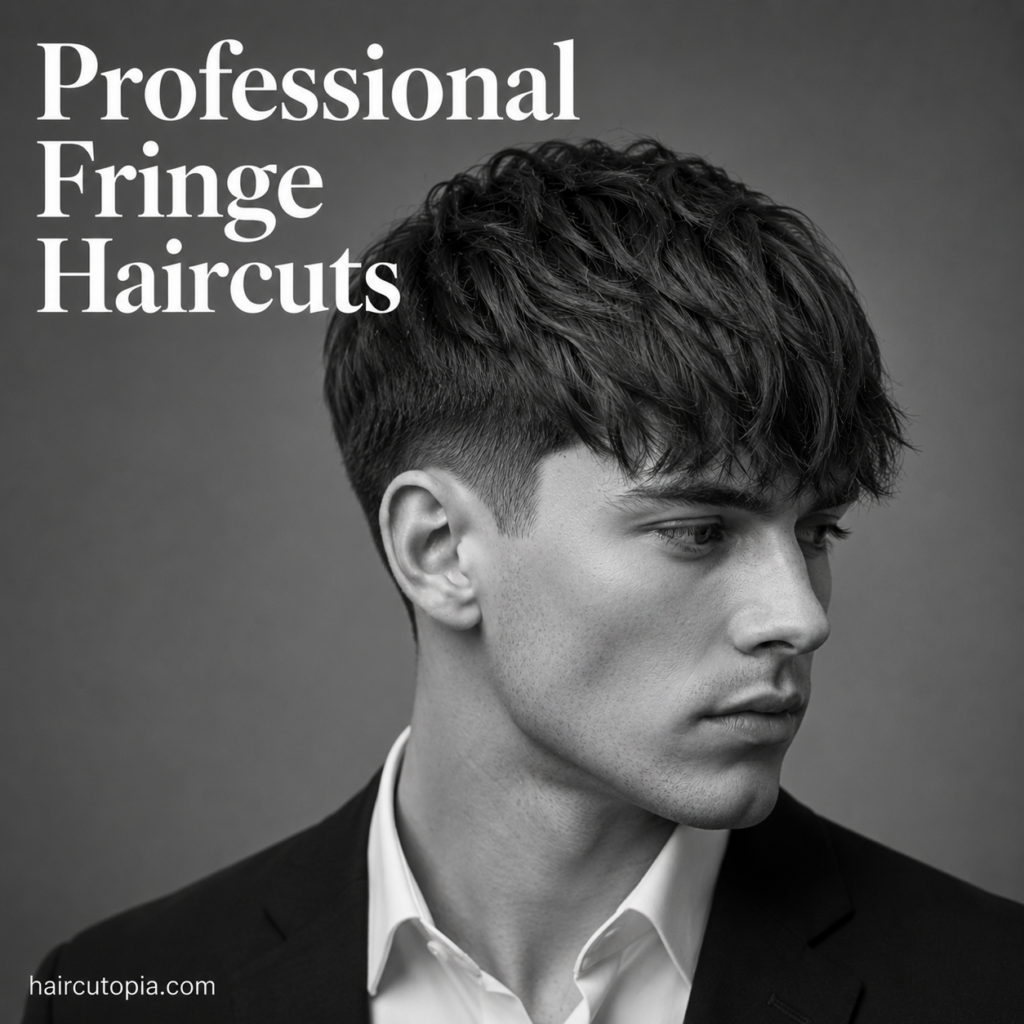 Professional Fringe Haircuts: 25 Clean and Stylish Looks for the Modern Workplace