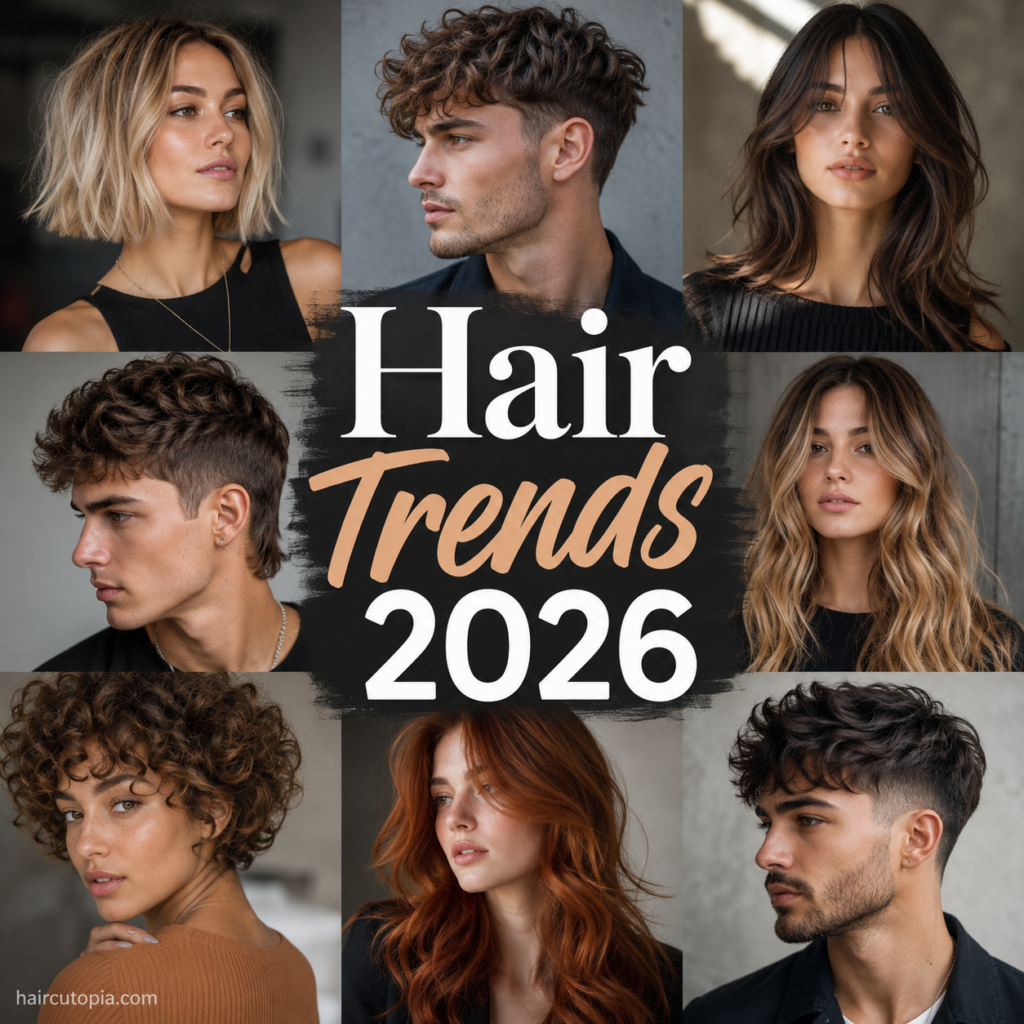
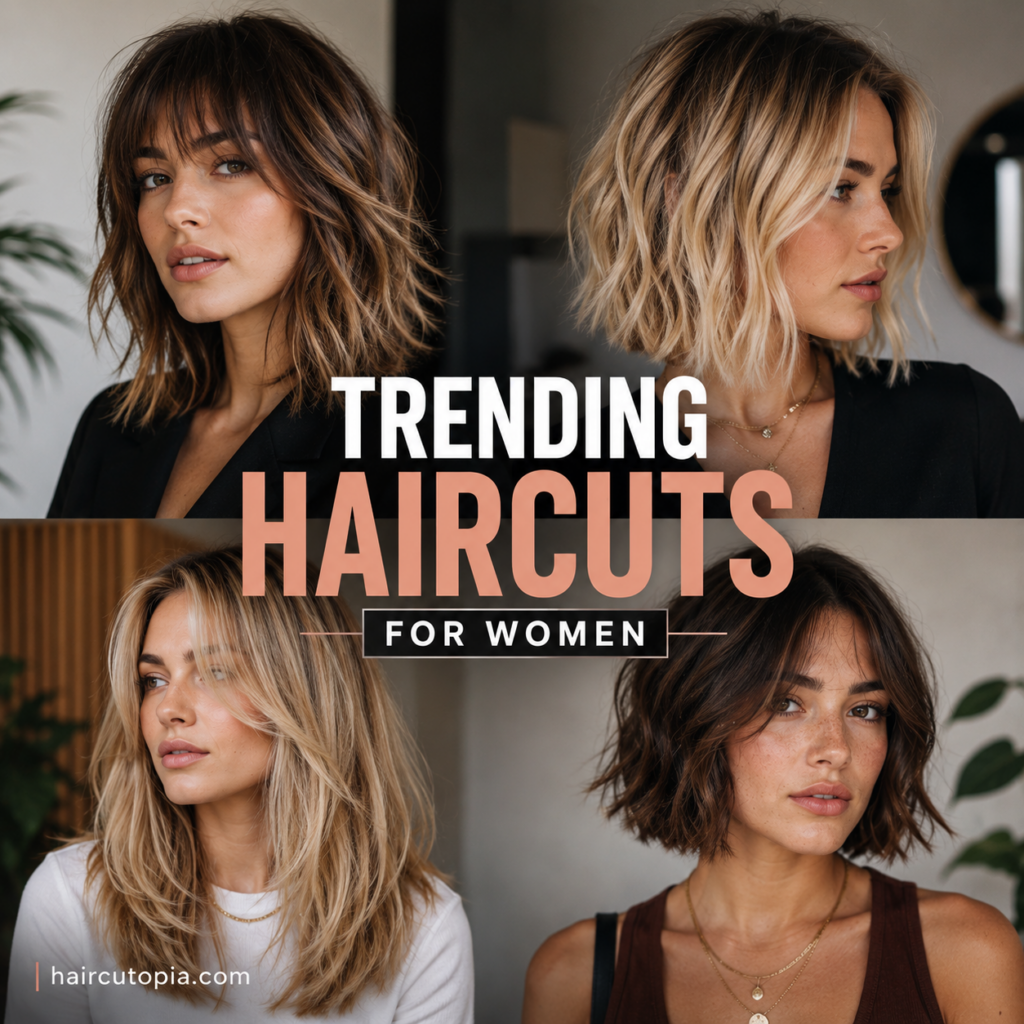
Haircut trends come and go, but the most interesting styles usually have one thing in common: they take something familiar and make it feel fresh again.
Right now, women’s haircuts are moving in several directions at once. Short bobs are getting sharper, layers are becoming softer and more fluid, bangs are showing up in everything from pixies to long cuts, and natural curls and waves are being shaped rather than hidden. There’s also plenty of room for individuality. A haircut doesn’t have to fit neatly into one trend to look current.
That’s good news if you’re thinking about changing your hair. Whether you want to lose several inches, add movement without sacrificing length, or simply update the shape around your face, there’s likely a current haircut that can work with your texture and routine.
Here are some of the trending haircuts for women worth considering, along with tips for choosing a cut you’ll actually enjoy wearing after you leave the salon.
What Women’s Haircuts Are Trending Right Now?
Current women’s haircut trends range from ultra-short pixies to long, flowing layers. Instead of one dominant look, the focus is increasingly on adapting a cut to the person wearing it.
Some of the most popular directions include:
- Textured and blunt bobs
- Italian bobs
- Bixie cuts
- Modern pixies
- Butterfly layers
- Face-framing layers
- Curtain bangs
- Birkin-inspired bangs
- Shaggy layers
- Modern wolf cuts
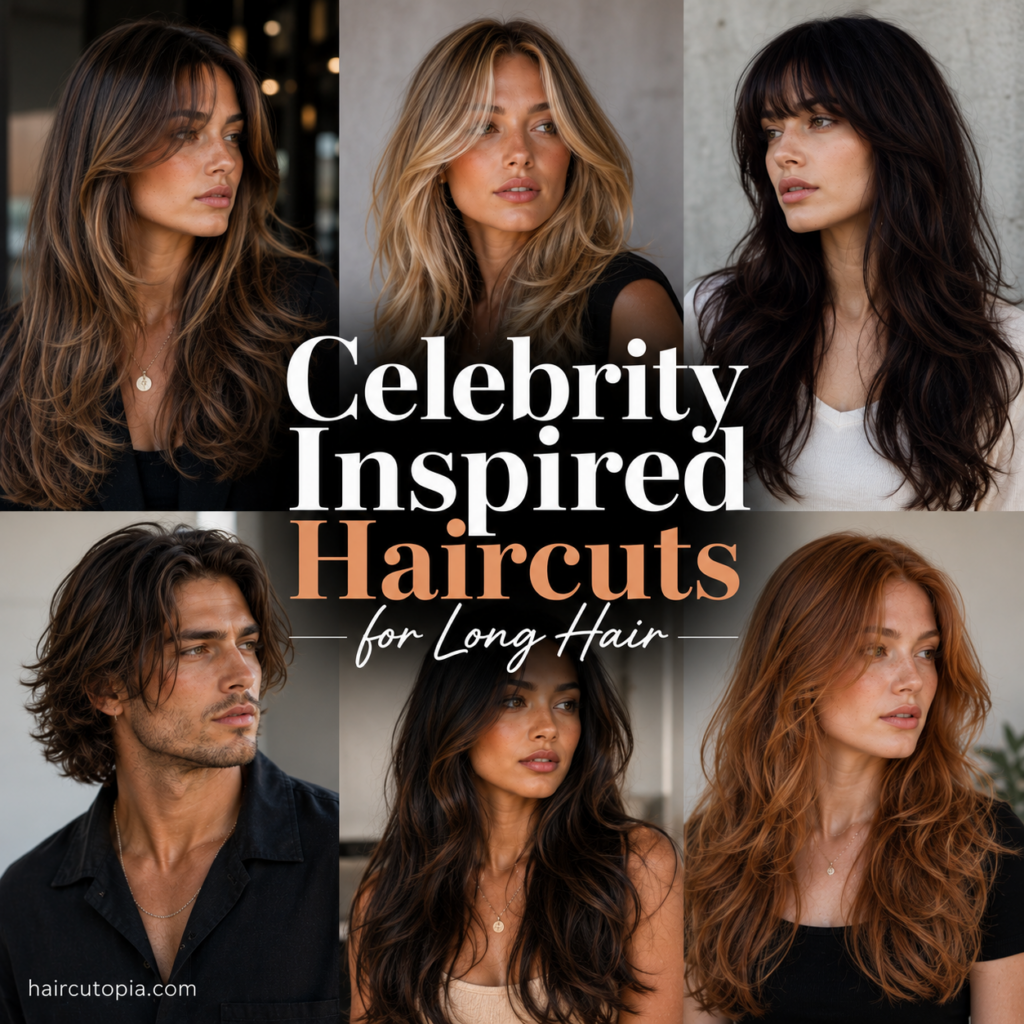
- Long layered hair
- Curly bobs
- Rounded curly cuts
- Collarbone-length cuts
- Soft, natural-looking movement
The overall theme is versatility. Hair can be sleek or messy, short or long, polished or undone. What makes the cut feel modern is often the shape and movement rather than a specific length.
1. Textured Bob
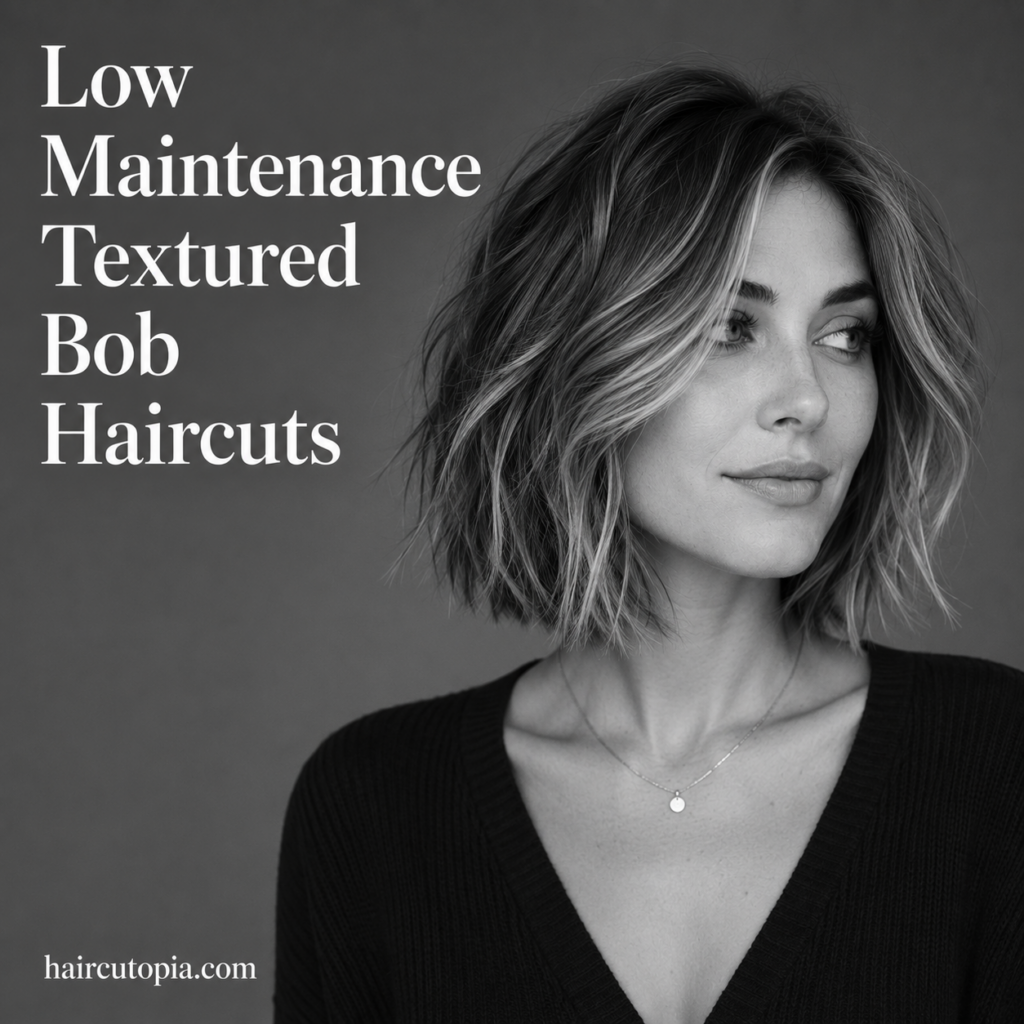
The bob remains one of the most recognizable women’s haircuts, but modern versions don’t have to be perfectly smooth or sharply structured.
A textured bob uses subtle layers and movement to give the classic shape a more relaxed finish. Depending on your preference, it can fall around the jaw or slightly below it.
This style works particularly well with natural waves because the texture keeps the cut from looking overly precise.
For straighter hair, a texturizing spray or light styling cream can add separation without making the ends feel stiff.
2. Blunt Bob
If you prefer clean lines, the blunt bob takes the opposite approach.
Instead of heavily layered ends, the perimeter is cut into a stronger, more defined shape. The result can make the hair look fuller, especially when the strands are fine or relatively straight.
A blunt bob may sit:
- At the jawline
- Just below the chin
- Above the shoulders
- Around collarbone length
The shorter versions create the strongest statement, while slightly longer variations tend to be easier to tie back and style in different ways.
3. Italian Bob
The Italian bob offers a softer, fuller take on the classic bob.
It typically falls around the chin or slightly below it and maintains enough weight to create a luxurious, voluminous shape. Unlike an extremely precise blunt bob, it can have movement through the ends.
One reason the Italian bob is so wearable is its flexibility. It can be styled smooth, tucked behind the ears, flipped to one side, or given a more tousled finish.
It works particularly well if you want short hair without making it feel severe.
4. French Bob
The French bob is usually shorter and more compact.
It often sits around the jawline and may be paired with bangs. The shape can be sleek, softly waved, or slightly undone depending on your natural texture.
A French bob makes a noticeable change without requiring an elaborate hairstyle.
It can look especially striking with:
- Soft bangs
- Micro bangs
- Natural waves
- Curly texture
- A slightly tousled finish
Because the length sits close to the face, small adjustments can dramatically change how the haircut looks.
5. Bixie Cut
The bixie combines elements of a bob and a pixie.
It has more length and movement than a traditional pixie but remains shorter and lighter than most bobs. Layers around the crown and sides create texture while longer pieces can frame the face.
This is a useful option if you want to experiment with short hair without committing to an extremely cropped style.
The bixie can also work as a transition haircut when growing out a pixie.
6. Modern Pixie Cut
Pixie cuts continue to evolve.
Modern versions often leave additional length through the top, fringe, or crown rather than cutting everything uniformly short. That extra hair provides more styling flexibility.
You might wear a pixie:
- Smooth and polished
- Tousled and textured
- Swept to one side
- With longer bangs
- With natural curls
- Slicked back
The tradeoff is maintenance. Short cuts can be quick to style each morning, but preserving their shape usually requires more frequent salon visits.
7. Long Pixie
Not ready for a traditional pixie? A longer variation offers a middle ground.
A long pixie keeps additional length around the top, ears, and fringe while maintaining a cropped overall shape. It can feel softer than a very short pixie and offers more options for styling.
It’s particularly useful for someone transitioning from a bob into shorter hair—or growing a shorter cut back out.
8. Butterfly Haircut
The butterfly haircut is built around layers.
Shorter face-framing pieces create movement around the cheekbones, jaw, and shoulders, while the overall length can remain relatively long. When styled with volume, the layers appear to flow away from the face.
The result is a haircut that can feel dramatically different without sacrificing most of your length.
Who Does the Butterfly Cut Work For?
It tends to work especially well on medium to thick hair because there’s enough density to support multiple layers.
Fine hair can still wear the style, but the layering may need to be more conservative to avoid making the ends appear too thin.
9. Face-Framing Layers
You don’t need an entirely new haircut to make long hair look different.
Face-framing layers can change the shape around the front while leaving most of the length intact. The shortest pieces might begin near the cheekbones, jaw, or chin depending on the desired effect.
They can be added to:
- Long straight hair
- Wavy hair
- Curly hair
- Medium-length cuts
- Butterfly cuts
- Shaggy hairstyles
This is one of the easier ways to update long hair without making a dramatic commitment.
10. Curtain Bangs
Curtain bangs remain popular because they’re generally softer than a heavy, straight-across fringe.
They tend to be shorter near the center and gradually become longer toward the sides, creating a parted shape that frames the face.
Curtain bangs can blend naturally into layered hair and work at several lengths.
Longer versions are especially versatile because they can often be tucked behind the ears or incorporated into the rest of the hairstyle.
11. Soft Full Bangs
Full bangs are returning in softer forms.
Rather than an extremely heavy block of hair across the forehead, current versions often have movement and slight separation between strands.
They can completely change the appearance of a familiar haircut without removing much overall length.
Full bangs pair particularly well with:
- Long layers
- Bobs
- Shags
- Shoulder-length cuts
- Straight hair
- Loose waves
Keep in mind that bangs usually require more frequent trims than the rest of your haircut.
12. Birkin-Inspired Bangs
Birkin-inspired bangs have a relaxed, slightly grown-out appearance.
They generally sit around the eyebrows and have enough separation to avoid looking overly heavy. Longer pieces near the sides help the fringe blend into the rest of the haircut.
The appeal is that they look polished without appearing too perfect.
They pair naturally with medium and longer hairstyles, especially when the rest of the hair has soft movement.
13. Modern Shag
The shag is all about layers and texture.
Shorter layers around the crown create movement while longer sections maintain the overall shape. Bangs are common but aren’t required.
Modern shags tend to be more customizable than the highly exaggerated versions associated with earlier decades.
A shag can work beautifully with naturally wavy hair because the layers encourage movement without requiring every strand to sit in a specific position.
14. Wolf Cut
The wolf cut combines the layered texture of a shag with some of the length distribution associated with a mullet.
There’s typically more volume around the crown, with the shape becoming lighter toward the ends.
Some wolf cuts are bold and heavily layered. Others are surprisingly subtle.
Is a Wolf Cut High Maintenance?
Not necessarily.
With naturally wavy or textured hair, the cut can air-dry into a relaxed shape. Straighter hair may require additional styling if you want to emphasize volume and separation between the layers.
The bigger commitment is growing out the shorter layers if you eventually decide you want a one-length haircut again.
15. Collarbone Cut
The collarbone cut sits in one of the most practical length ranges.
It’s short enough to feel like a noticeable change from long hair but usually long enough to pull into a ponytail.
It can be worn blunt or layered and adapts well to straight, wavy, and curly textures.
This makes it a strong choice if you want something current without committing to a chin-length bob.
16. Lob
The long bob—or lob—continues to stick around for a reason.
Usually falling somewhere between the shoulders and collarbone, it provides the shape of a bob with considerably more styling flexibility.
A lob can be:
- Blunt
- Layered
- Wavy
- Sleek
- Curly
- Paired with bangs
It also makes a practical transition cut if you’re gradually moving from long hair to something shorter.
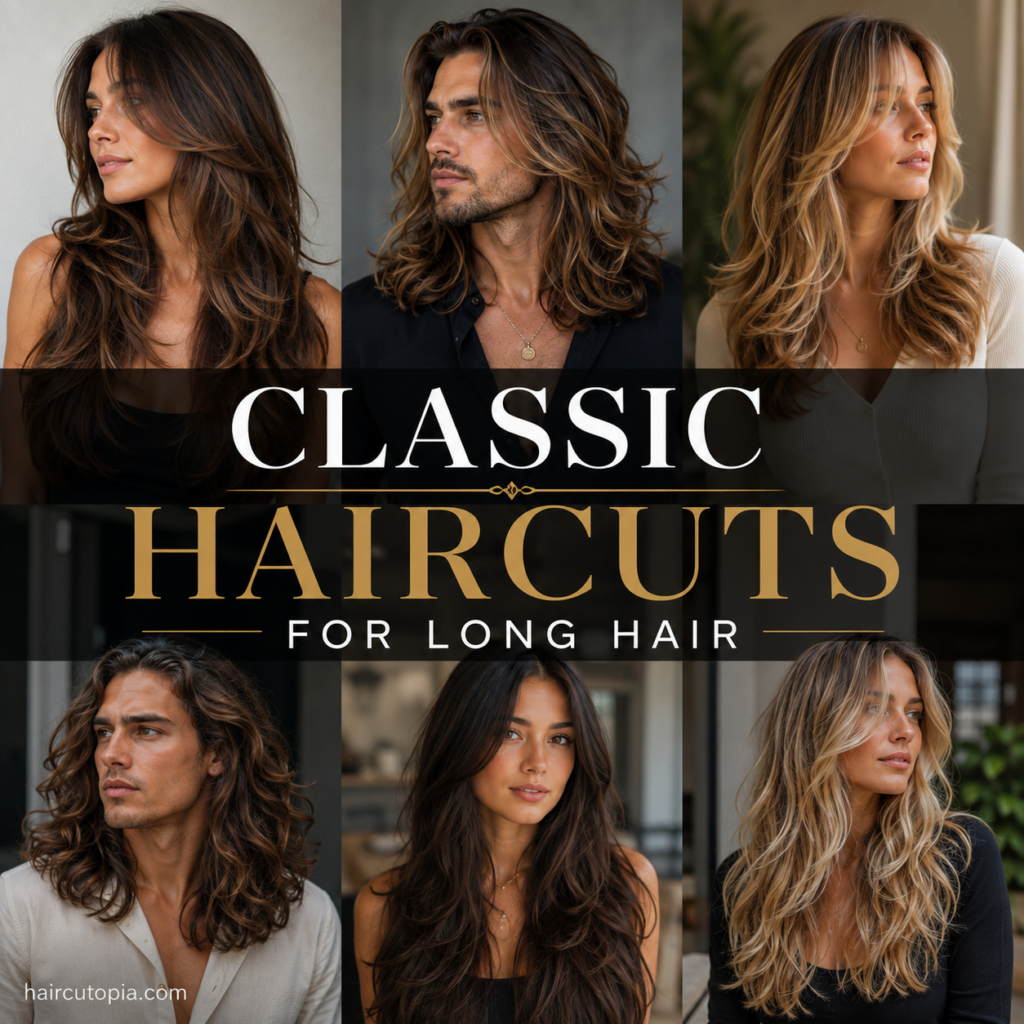
17. Long Layers
Long hair doesn’t need to be dramatically chopped to feel current.
Strategic long layers remove bulk, introduce movement, and help prevent very long hair from appearing heavy. They can be subtle enough that the overall length remains the main feature.
Long layers work particularly well when paired with face-framing pieces.
The combination allows movement around the face while preserving fullness toward the bottom.
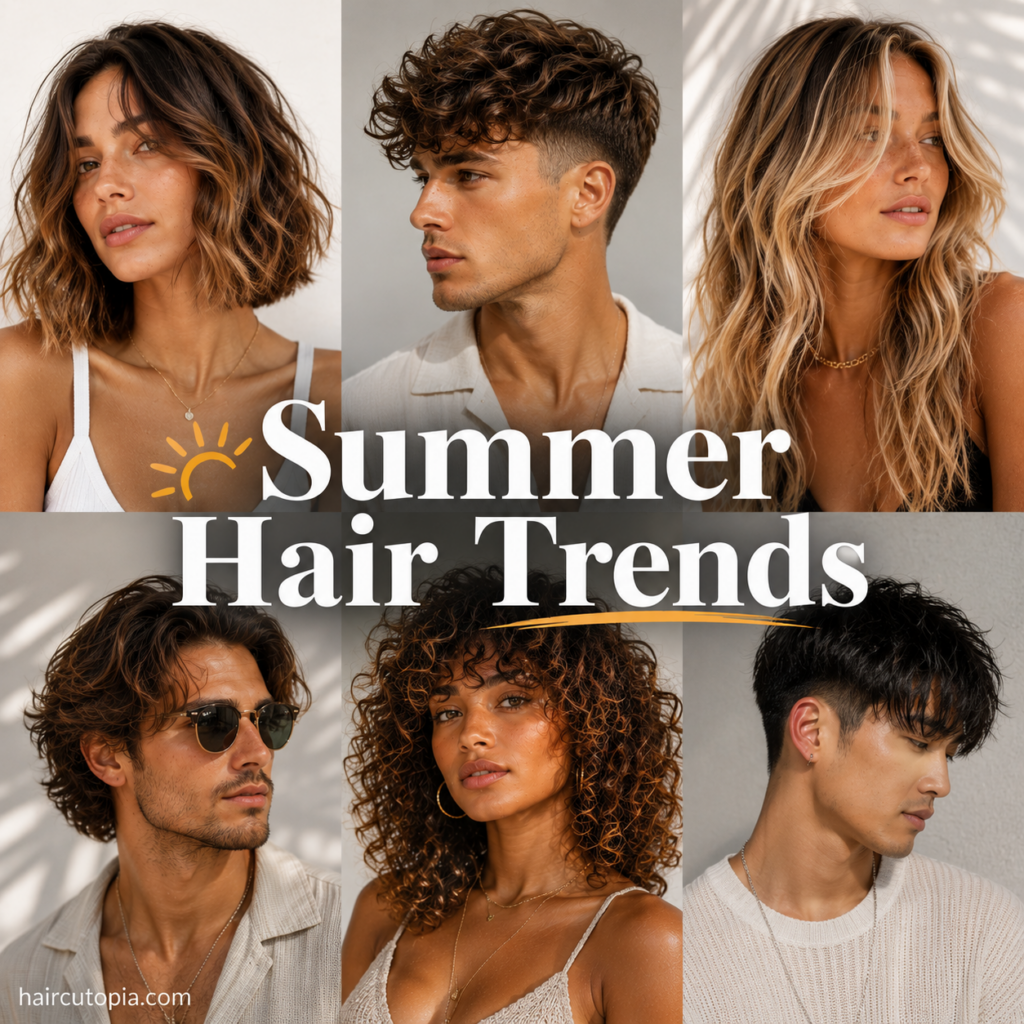
18. Curly Bob
A bob doesn’t need to be straight.
Curly bobs allow the natural curl pattern to determine much of the shape, creating volume and movement around the face.
The final length needs to account for shrinkage. Curly hair can appear considerably shorter when dry than when it’s stretched or wet.
A stylist experienced with curls can shape the cut according to how your individual curl pattern behaves rather than treating every section exactly the same.
19. Rounded Curly Cut
Rounded shapes are particularly effective for curls and coils.
Instead of allowing the hair to become heavy toward the bottom, strategic shaping distributes volume around the head.
The result can range from a compact curly crop to a large rounded silhouette depending on the length and curl pattern.
This type of haircut celebrates volume rather than trying to flatten it.
20. Shoulder-Length Layers
Shoulder-length hair offers an enormous amount of flexibility.
Adding layers prevents the shape from feeling too heavy while still leaving enough length for ponytails, buns, braids, waves, and other hairstyles.
It’s a practical choice for anyone who wants noticeable movement without going short.
Subtle face-framing pieces can make the transition even softer.
Trending Haircuts by Hair Length
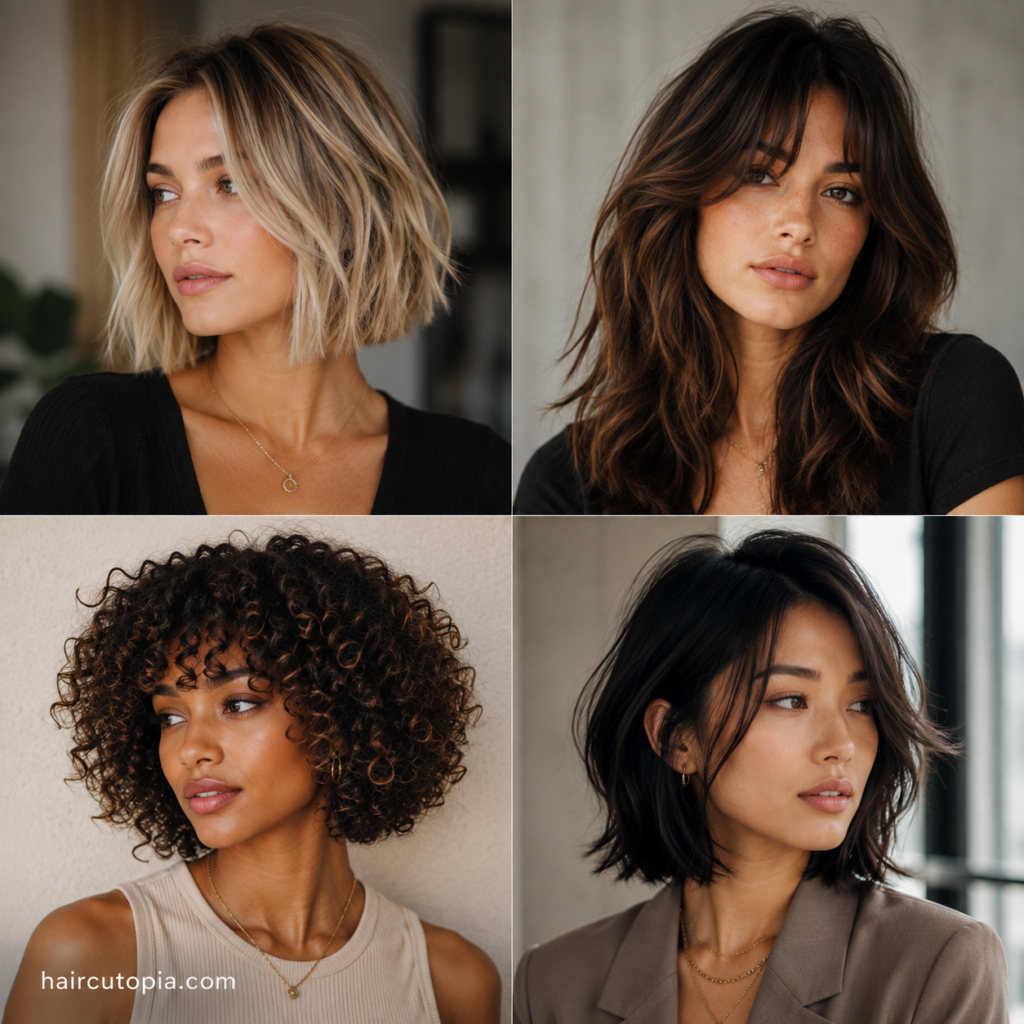
Choosing your preferred length can make narrowing down the options much easier.
Short Haircuts for Women
If you’re ready for a bigger change, consider:
- Modern pixie
- Long pixie
- Bixie
- French bob
- Short textured bob
- Jaw-length blunt bob
- Short curly bob
Short hair can simplify daily styling, but precise cuts often need more frequent trims to maintain their shape.
Medium-Length Haircuts
Medium-length styles offer perhaps the most versatility.
Popular options include:
- Lob
- Collarbone cut
- Shoulder-length layers
- Shag
- Medium wolf cut
- Layered bob
- Curtain bangs with layers
You retain enough length for many updos while gaining more movement than a traditional long cut.
Long Haircuts
Long hair trends are largely focused on shape and layering.
Consider:
- Butterfly layers
- Long face-framing layers
- Long shag
- Soft cascading layers
- Curtain bangs
- Birkin-inspired bangs
- Long curly layers
Even a relatively subtle change around the face can make long hair look completely different.
Trending Haircuts by Hair Type
Hair texture plays a major role in how a haircut behaves outside the salon.
Straight Hair
Straight hair shows the structure of a haircut particularly clearly.
Good options include:
- Blunt bob
- Italian bob
- Lob
- Butterfly cut
- Long layers
- Curtain bangs
- Pixie cuts
If your hair is fine and straight, excessive layering can reduce the appearance of density. Keeping more weight around the perimeter can create a fuller look.
Wavy Hair
Natural waves pair especially well with the movement found in many current haircuts.
Consider:
- Textured bob
- Shag
- Wolf cut
- Collarbone layers
- Butterfly cut
- Curtain bangs
- Long layered styles
A good cut can encourage the existing wave pattern rather than forcing it into a perfectly smooth shape.
Curly Hair
Curly hair benefits from cuts designed around volume, shrinkage, and individual curl patterns.
Popular choices include:
- Curly bob
- Rounded curly cut
- Layered curls
- Curly shag
- Curly pixie
- Long curly layers
How the hair looks dry matters enormously, so discuss shrinkage and your normal styling routine with your stylist.
Coily Hair
Coily textures can support beautifully sculpted shapes at almost any length.
Options include:
- Rounded cuts
- Tapered short cuts
- Layered coils
- Short natural cuts
- Curly or coily bobs
- Shaped Afros
The goal doesn’t have to be reducing volume. Strategic shaping can make volume itself the defining feature of the haircut.
Which Haircuts Make Fine Hair Look Fuller?
If you have fine hair, adding more layers isn’t always the answer.
Cuts with a stronger perimeter can make the ends appear denser. Blunt bobs, lobs, collarbone cuts, and minimally layered medium styles are all worth considering.
A few carefully placed layers can still provide movement, but excessive thinning may make fine hair look even finer.
Shorter lengths can also create the appearance of additional volume because there’s less weight pulling the hair downward.
Which Haircuts Work Well for Thick Hair?
Thick hair gives you plenty of material to work with, but too much weight can make certain cuts feel bulky.
Layers can help distribute that volume.
Butterfly cuts, long layers, shags, wolf cuts, textured bobs, and layered medium-length styles can all remove unnecessary bulk while preserving the appearance of thick, healthy hair.
The goal isn’t necessarily to thin the hair dramatically. Often, strategic layering in the right areas is enough.
Are Bangs Trending?
Bangs continue to play a major role in women’s haircut trends.
What has changed is the variety.
Instead of one dominant fringe, you’ll see:
- Curtain bangs
- Wispy bangs
- Full bangs
- Birkin-inspired bangs
- Micro bangs
- Curly bangs
- Side-swept fringe
- Long face-framing fringe
The best choice depends on your hair texture, forehead, growth patterns, and willingness to style them.
Bangs can make a dramatic difference, but remember that they usually need trimming more frequently than the rest of your hair.
Are Bobs Still Trending?
Absolutely. The bob has become less of a single haircut and more of an entire family of styles.
There are blunt bobs, French bobs, Italian bobs, textured bobs, curly bobs, layered bobs, and longer variations.
That adaptability is probably why the haircut continues to evolve rather than disappear.
If you like the idea of a bob but aren’t sure about going short, start with a longer version around the collarbone. You can always remove more length later.
How to Choose the Right Trending Haircut
Seeing a haircut you love is one thing. Figuring out whether it will behave the same way on your hair is another.
Before making a decision, consider a few practical factors.
1. Start With Your Natural Texture
Look at how your hair behaves when you don’t force it into a particular style.
Is it straight, wavy, curly, or coily? Does it become flat easily? Does it expand in humidity? Is it naturally dense or fine?
A haircut that works with those characteristics is usually easier to recreate at home.
2. Consider Your Face Shape
Face shape can help guide the placement of layers, bangs, and volume, but don’t treat it as a strict rulebook.
Someone with a round face doesn’t automatically need one specific haircut, just as someone with an oval face isn’t limited to another.
Small adjustments to length and layering can adapt most hairstyles to different facial proportions.
3. Think About Your Daily Routine
A haircut should fit your actual life.
If you prefer washing your hair and letting it air-dry, tell your stylist. If you regularly use a blow dryer and round brush, that opens up different possibilities.
Be realistic about how much time you want to spend styling.
4. Consider How Often You’ll Get It Cut
Some hairstyles are forgiving as they grow.
Others aren’t.
A sharp bob or pixie can begin losing its intended shape relatively quickly, while long layers can usually go considerably longer between salon appointments.
Maintenance is part of the haircut, so factor it into your decision.
What to Ask Your Hairstylist
Haircut names are useful, but photographs and specific details are often more helpful.
Before your appointment, think about:
- Your preferred overall length
- The shortest length you’re comfortable with
- How much layering you want
- Whether you want bangs
- Where you want face-framing pieces to begin
- Whether you normally air-dry or heat-style
- How often you’re willing to get trims
- Whether you usually wear your hair up
Bringing a few reference photos can help communicate the overall direction.
Your stylist can then adjust the cut for your hair density, texture, growth pattern, and facial proportions instead of trying to reproduce someone else’s haircut exactly.
How Often Should Women Get a Haircut?
The ideal schedule depends heavily on the style.
As a general starting point:
- Pixies and very short cuts: every 4–6 weeks
- Short bobs: every 6–8 weeks
- Lobs and medium cuts: every 8–12 weeks
- Layered medium hair: around every 8–12 weeks
- Long layered hair: around every 10–16 weeks
- Bangs: often every 2–6 weeks depending on length
You don’t need to follow these schedules exactly. Hair growth rate, condition, styling habits, and personal preference all make a difference.
How to Keep a Trending Haircut Looking Fresh
The right routine depends on your texture and haircut, but a few habits can make styling easier.
Avoid Overloading the Hair With Product
More product doesn’t necessarily mean more control.
Fine hair can quickly become weighed down, while curls may lose their natural movement if coated with heavy styling products.
Start small and add more only when needed.
Choose Products for Your Texture
Different hairstyles require different types of support.
For example:
- Lightweight mousse can add volume to fine hair.
- Texturizing spray can create separation in layered cuts.
- Smoothing cream can help control sleek bobs.
- Curl cream can enhance definition.
- Leave-in conditioner can provide moisture for curls and coils.
- Lightweight hair oil can help smooth dry ends.
You don’t need every product at once. A simple routine that works consistently is usually more useful.
Learn How Your Haircut Air-Dries
Even if you regularly heat-style your hair, it’s worth knowing how the cut behaves naturally.
A well-designed haircut should have some shape even without extensive styling.
If air-drying is important to you, mention that before your stylist begins cutting.
Low-Maintenance Trending Haircuts for Women
Low maintenance means different things to different people.
A pixie may take only a few minutes to style but require frequent salon appointments. Long layers may need fewer cuts but take considerably longer to wash and dry.
If you want a balance between the two, consider:
- Collarbone cuts
- Lobs
- Soft long layers
- Textured bobs
- Shoulder-length layers
- Cuts designed around your natural waves or curls
The most manageable haircut is generally the one that cooperates with your natural texture.
Should You Follow Haircut Trends?
Trends are useful for inspiration, not rules.
They can introduce you to shapes, lengths, and styling ideas you might not have considered otherwise. But there’s no reason to choose a wolf cut, bob, pixie, or butterfly cut simply because you’re seeing it everywhere.
Take the part of the trend you like and personalize it.
Maybe that’s the face-framing layers from a butterfly cut without all the additional layering. Perhaps it’s the length of an Italian bob with a softer perimeter. Or it could simply be adding curtain bangs to the haircut you already have.
That’s often how the most wearable version of a trend happens.
Final Thoughts on Trending Haircuts for Women
Current haircut trends offer plenty of freedom.
Short hair is moving between sharp bobs, playful bixies, and textured pixies. Medium styles are embracing collarbone lengths, shags, and soft layers. Longer hair is becoming more dynamic through butterfly layers, face-framing pieces, bangs, and natural texture.
You don’t have to completely reinvent your hair to make it feel current.
Sometimes removing several inches is exactly the change you want. Other times, a few carefully placed layers around the face are enough.
Use trending haircuts as a starting point, then adapt the idea to your texture, routine, and personal style. The haircut you’ll still enjoy weeks after your salon appointment is ultimately more valuable than the one that simply looks good in a trend photo.