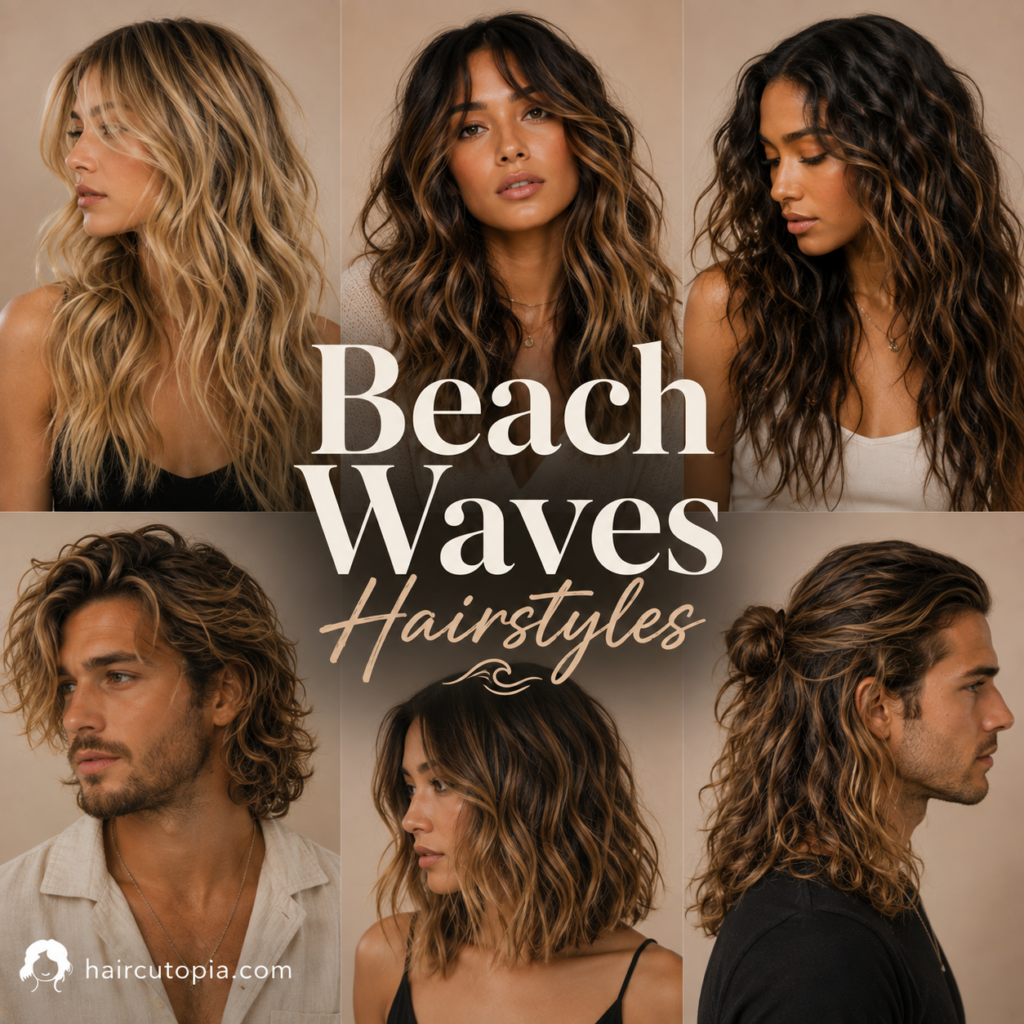
Beach waves have that slightly undone quality that makes hair look styled without looking overly styled. The bends aren’t usually perfectly uniform, the ends can be a little straighter, and a bit of natural texture only makes the look better.
Despite the name, you don’t need to spend the afternoon near the ocean to wear them.
Beach waves can work for everyday hairstyles, vacations, work, dates, weddings, festivals, and more formal events. They can be loose and subtle or full and voluminous, and the basic idea can be adapted to short, medium, and long hair.
They’re also not limited to naturally wavy hair. Straight hair can be styled into loose bends, while naturally wavy and curly textures can often achieve a beachier finish by emphasizing or relaxing what’s already there.
The trick is finding a method that works with your hair rather than trying to make every wave look identical.
What Are Beach Waves?
Beach waves are loose, relaxed waves designed to create movement through the hair without the uniform shape of traditional curls.
They’re generally characterized by:
- Soft bends
- Visible texture
- Separation between sections
- Natural-looking volume
- Less uniformity than polished curls
- Slightly undone movement
The exact wave pattern can vary considerably.
Some beach waves are barely there, creating just enough bend to break up straight hair. Others are deeper and more defined.
The result should still have movement rather than looking like a series of identical ringlets.
Beach Waves vs. Curls: What’s the Difference?
Beach waves and curls can overlap, but they’re not quite the same thing.
Traditional curls usually have a more rounded or spiral shape. Beach waves tend to form softer S-shaped bends through the hair.
The ends are also often left less curled.
Beach waves generally prioritize:
- Movement over uniformity
- Texture over perfect definition
- Separation over tightly grouped curls
- A relaxed finish over a highly polished one
That doesn’t mean beach waves have to look messy.
They can still be smooth, glossy, and carefully styled while maintaining their looser shape.
Why Beach Waves Are So Versatile
Part of the appeal is that the hairstyle doesn’t depend on absolute precision.
If one section bends slightly differently from another, that’s usually fine.
Beach waves can also be adjusted by changing:
- Wave size
- Volume
- Parting
- Direction
- Root texture
- End texture
- Overall definition
Loose waves can create a subtle everyday look, while larger, more polished waves can feel appropriate for a formal event.
They can also be combined with braids, ponytails, buns, and half-up styles.
Beach Waves for Long Hair
Long hair gives waves plenty of room to develop.
The movement can begin near the roots, around the cheekbones, or farther down the lengths depending on the look you want.
Popular variations include:
- Loose beach waves
- Voluminous waves
- Center-parted waves
- Side-parted waves
- Half-up beach waves
- Braided beach waves
- Beach waves with curtain bangs
With very long hair, weight can pull waves downward over time.
Creating slightly more definition than you ultimately want can allow the hairstyle to relax naturally as you wear it.
Beach Waves for Medium Hair
Medium-length hair is particularly well suited to beach waves because there’s enough length to show the wave pattern without excessive weight pulling it down.
Try:
- Shoulder-length beach waves
- Wavy lobs
- Tousled medium hair
- Half-up waves
- Side-parted waves
- Waves with curtain bangs
A medium haircut with layers can create additional movement because the waves don’t all end at the same point.
Beach Waves for Short Hair
Short hair can absolutely be styled with beachy texture.
The result may look more tousled than the long flowing waves typically associated with the style, but that’s part of its appeal.
Beach Waves on a Bob
A wavy bob combines a defined haircut shape with softer movement through the lengths.
Leaving the ends slightly straighter can help keep the result from becoming too rounded.
Beach Waves on a Lob
A long bob provides enough length for visible S-shaped bends.
This is one of the easiest shorter cuts to pair with beach waves.
Beachy Pixie Hairstyles
A pixie won’t create traditional flowing waves, but longer sections can be styled with bends and texture to create a similarly relaxed effect.
Short Waves With a Side Part
A deeper side part can create additional volume on one side and make short waves appear fuller.
Beach Waves for Straight Hair
Straight hair can be styled into beach waves using heat or heatless techniques.
The main challenge is often getting the waves to last without making them stiff.
Depending on your hair, a lightweight styling product may help create grip before styling.
Once the waves are set, avoid immediately brushing them aggressively.
Instead, allow them to settle before gently separating the sections with your fingers or an appropriate tool.
Beach Waves for Naturally Wavy Hair
If your hair is already wavy, you may not need to create an entirely new texture.
Instead, focus on enhancing the pattern you already have.
That might mean:
- Encouraging definition
- Reducing unwanted frizz
- Adding volume
- Separating sections
- Reshaping a few inconsistent areas
Naturally wavy hair doesn’t need every section corrected into the same pattern.
A little variation is part of what makes beach waves look relaxed.
Beach Waves for Curly Hair
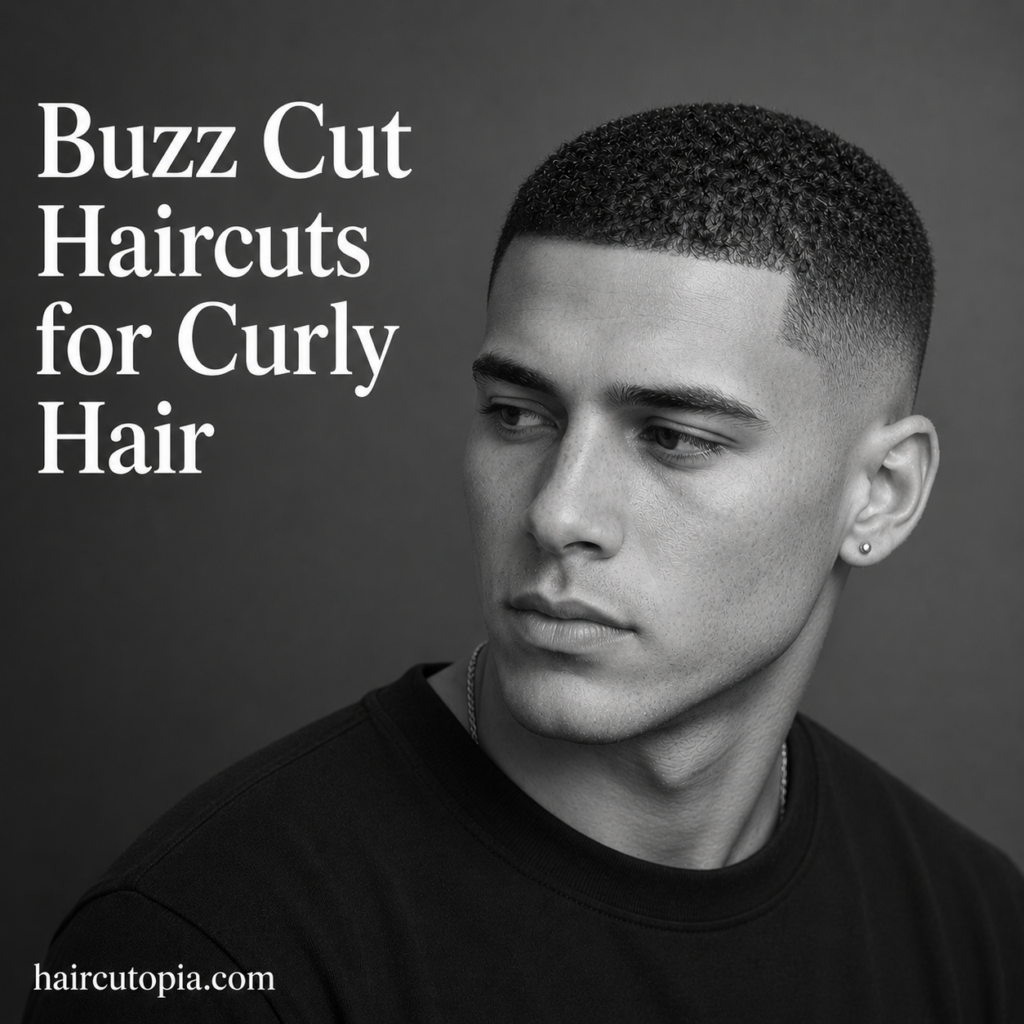
Curly hair can also be adapted into a looser beach-wave style, although the approach depends heavily on your curl pattern. If you’d rather emphasize your existing texture, curly hairstyles offer plenty of ways to work with the natural curl pattern instead of reshaping it into waves.
Some people may choose to stretch or loosen their natural curls. Others may simply style the curls into a softer, less defined pattern.
If you like your natural curl pattern, there’s no reason you need to change it just to achieve a “beach” aesthetic.
Texture itself can create the relaxed movement associated with beach hairstyles.
Beachy Hairstyles for Coily and Textured Hair
Beach-inspired hair doesn’t need to mean transforming coily hair into loose waves.
The broader aesthetic—volume, movement, softness, and an intentionally relaxed finish—can work with natural texture too.
Options include:
- Stretched textured styles
- Loose twist-outs
- Braided styles with wavy ends
- Half-up textured hairstyles
- Protective styles with loose movement
- Voluminous natural styles
Protective hairstyles can also fit a beach-inspired aesthetic through braids, twists, and other styles that preserve natural texture while incorporating movement or looser details.
Working with your existing texture often creates a more natural result than trying to duplicate a wave pattern designed around a completely different hair type.
Beach Waves Hairstyles for Men
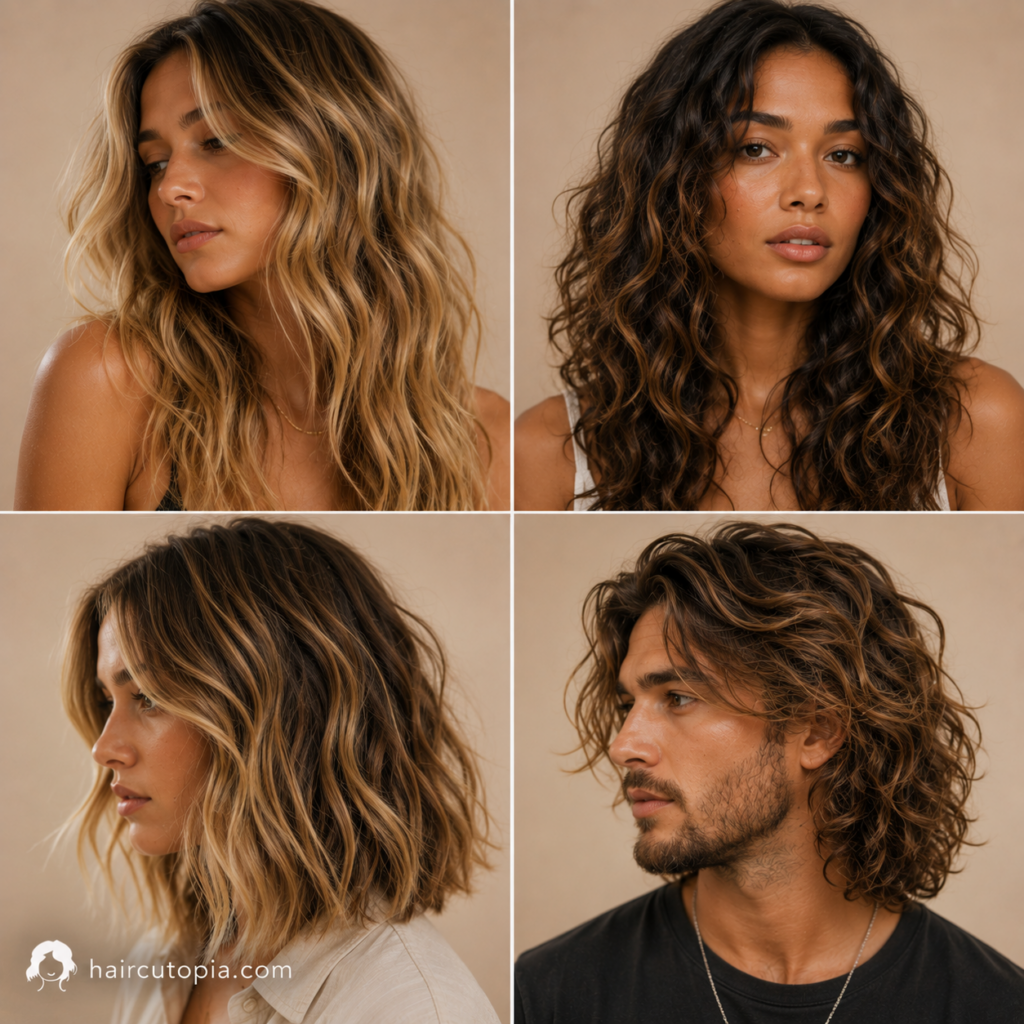
Men with enough length can wear loose waves and beach-inspired texture too.
Medium Wavy Hair
Medium hair can be styled with natural movement through the top and sides.
A relaxed finish usually works better than trying to make every section perfectly defined.
Long Beach Waves for Men
Long naturally wavy hair can be worn loose with minimal structure.
Layers may help create movement if the hair tends to fall heavily.
Beachy Surfer Hair
The classic surfer-inspired look typically emphasizes natural-looking texture and movement.
The goal isn’t necessarily to look like you just came out of the ocean. It’s simply a relaxed hairstyle that doesn’t appear overly controlled.
Wavy Hair With a Taper
Longer waves on top can be paired with shorter or tapered sides for a more structured haircut.
Men’s Half-Up Waves
Long wavy hair can be worn half-up to keep the front sections controlled while leaving the rest loose.
Loose Beach Waves
Loose beach waves create subtle movement rather than deep bends.
They’re especially useful if you want the hairstyle to look understated.
The wave may begin around the mid-length rather than directly at the roots.
Keeping the ends relatively straight can also make the style appear more relaxed.
Voluminous Beach Waves
For a fuller look, focus on both the waves and the root area.
Volume can come from:
- Natural texture
- Layers
- Root lift
- Larger sections
- Wave direction
- Part placement
A side part can immediately create more volume on one side, while a center part tends to distribute the shape more evenly.
Tousled Beach Waves
Tousled waves emphasize separation and texture.
Rather than arranging every strand perfectly, allow the sections to overlap naturally.
After the waves are set, gently separate them.
The goal is movement, not frizz for the sake of looking “messy.”
Soft Beach Waves
Soft waves sit somewhere between straight hair and more defined beach waves.
The bends are subtle and may only become obvious when the hair moves.
This can work particularly well for:
- Work
- Everyday hairstyles
- Minimalist looks
- Short and medium hair
Soft waves are also a good choice if you want texture without significant volume.
Beach Waves With a Center Part
A center part creates a balanced shape and allows the waves to frame both sides of the face.
You can begin the bends around cheek or jaw level to emphasize the face-framing effect.
Center parts work particularly well with long and medium hair, although they can also complement wavy bobs.
Beach Waves With a Side Part
A side part creates natural asymmetry and often adds more volume to one side.
This works well with:
- Long waves
- Wavy lobs
- Short beach waves
- Formal waves
- Side-swept hairstyles
You can tuck the less voluminous side behind the ear to make the contrast more noticeable.
Beach Waves With Curtain Bangs
Curtain bangs blend naturally into beach waves because both styles emphasize soft movement.
The bangs can curve away from the face while the longer sections continue the wave pattern.
This pairing works especially well with layered medium and long hair.
The bangs don’t need to match the exact wave pattern through the lengths.
Beach Waves With Bangs
Beach waves aren’t limited to curtain bangs.
They can also work with:
- Full bangs
- Wispy bangs
- Side-swept bangs
- Curly bangs
Keeping the bangs slightly different from the rest of the hair can actually create more visual interest.
Layered Beach Waves
Layers and beach waves naturally complement each other.
Shorter layers can create movement around the face, while longer layers prevent the ends from appearing too heavy.
The effect is particularly noticeable on thick or long hair.
If you already have layers, try allowing the waves to follow the haircut rather than forcing every section into identical bends.
Beach Waves With Braids
Braided hairstyles can be incorporated without losing the loose beachy feel, whether you use small face-framing braids, side braids, half-up details, or a crown-inspired style.
Ideas include:
- Small face-framing braids
- Side braids
- Half-up braids
- Crown-inspired braids
- Hidden accent braids
One or two small braids can be enough.
Too many structured details can shift the hairstyle away from the relaxed aesthetic, although that’s entirely a matter of preference.
Half-Up Beach Waves Hairstyles
Half-up half-down hairstyles are a natural match for beach waves because the upper section stays controlled while the loose lengths keep their movement and texture.
The upper section stays controlled while the lower waves remain visible.
Try:
- Half-up ponytails
- Half-up buns
- Twisted half-up styles
- Braided half-up styles
- Claw clip styles
A little volume around the crown can help the upper section blend with the waves underneath.
Beach Wave Ponytail Hairstyles
Beach waves don’t need to stay completely loose. They can also add texture and movement to ponytail hairstyles, including high, low, side, and half-up variations.
Gathering them into a ponytail can create an easy textured style.
High Wavy Ponytail
A high ponytail allows the waves to fall from the crown and creates additional movement.
Low Wavy Ponytail
A low ponytail has a softer, more relaxed shape.
Side Wavy Ponytail
Move the ponytail over one shoulder to keep the texture visible from the front.
Half-Up Wavy Ponytail
Gather only the upper section and leave the remaining waves loose.
Beach Wave Bun Hairstyles
Wavy texture can make bun hairstyles look fuller and more relaxed, particularly with messy low buns, textured high buns, half-up buns, and loose side buns.
Options include:
- Messy low buns
- Textured high buns
- Half-up buns
- Loose side buns
You don’t need to preserve every individual wave once the hair goes into the bun.
The texture simply helps create dimension.
Heatless Beach Waves
You don’t necessarily need hot tools to create waves.
Several heatless techniques can encourage bends while the hair sets.
Results vary considerably depending on hair texture, length, dampness, and the technique used.
Braided Heatless Waves
Braiding slightly damp or appropriately prepared hair and allowing it to dry can create waves.
The number and size of braids affect the pattern.
Fewer, larger braids generally create broader bends, while smaller braids create tighter texture.
Twisted Heatless Waves
Sections of hair can be twisted and secured while they set.
This may create a different pattern from braiding.
Bun Waves
Twisting the hair into one or more buns can encourage loose bends.
The exact result depends heavily on your natural texture.
Overnight Waves
Braids, twists, and other heatless methods can be left in overnight.
Make sure the style is comfortable enough to sleep in and avoid techniques that create excessive scalp tension.
How to Create Beach Waves With a Curling Iron
A curling iron can create beach waves when the finished curls are loosened rather than left as ringlets.
A basic approach is:
- Prepare and fully dry your hair.
- Apply heat protectant according to its directions.
- Divide the hair into manageable sections.
- Wrap sections around the iron.
- Leave some of the ends less curled if you prefer a beachier finish.
- Allow the hair to cool.
- Gently separate the curls into waves.
Alternating the direction of some sections can make the result appear less uniform.
Always follow the temperature and usage instructions for your specific tool and hair needs.
How to Create Beach Waves With a Curling Wand
A wand can create loose waves without the clamp of a traditional curling iron.
The basic technique is similar:
- Work with dry, prepared hair
- Use appropriate heat protection
- Wrap sections around the wand
- Avoid holding the hair against the tool longer than necessary
- Let the sections cool
- Separate them afterward
Larger sections generally produce a looser appearance, while smaller sections create more definition.
How to Create Beach Waves With a Flat Iron
A flat iron can be used to create bends by changing the direction of the tool as it moves through the hair.
Another method involves rotating the iron while gently pulling it through a section.
This technique can take some practice.
Don’t repeatedly pass the tool over the same section just because the first wave isn’t perfect.
If you’re new to the technique, practice with the tool turned off first so you can learn the hand movement without unnecessary heat exposure.
How to Get Beach Waves Without Heat
For a heatless approach:
- Start with hair prepared appropriately for your texture.
- Divide it into sections.
- Braid, twist, or wrap the sections.
- Allow the hair to set completely.
- Release it carefully.
- Separate and shape the waves with your fingers.
The hair should be fully dry before you undo the style if you’re relying on damp-setting.
Otherwise, the waves may fall quickly or remain uneven.
How to Make Beach Waves Look Natural
Natural-looking waves usually have some variation.
Avoid making every section:
- The exact same size
- Curled in the same direction
- Equally defined
- Perfectly symmetrical
You can also leave the ends straighter and vary where the waves begin.
Once the hair has cooled or set, gently separate the sections so they don’t remain as individual curls.
How to Make Beach Waves Look Less Curly
If your result looks more like curls than waves, don’t immediately restyle everything.
First, allow the hair to cool completely.
Then gently separate or loosen the sections.
Depending on your hair, you may be able to soften the pattern using your fingers or an appropriate brush or comb.
Next time, try larger sections, less wrapping, or leaving more of the ends straight.
How to Make Beach Waves Last Longer
How long waves last depends heavily on your natural texture and environment.
To improve longevity:
- Start with properly prepared hair
- Avoid making the sections too large for your hair type
- Allow heat-styled sections to cool before separating them
- Let heatless waves dry completely before releasing them
- Use appropriate styling products
- Avoid excessive touching
- Consider humidity
If your waves naturally relax throughout the day, you can start with slightly more definition than you ultimately want.
Beach Waves and Humidity
Humidity can increase frizz, change volume, or cause waves to relax depending on your hair.
Instead of expecting the style to remain completely unchanged, choose a finish that can tolerate some natural movement.
Textured, tousled beach waves are particularly forgiving because slight variation already fits the hairstyle.
An appropriate humidity-resistant product may also help depending on your hair.
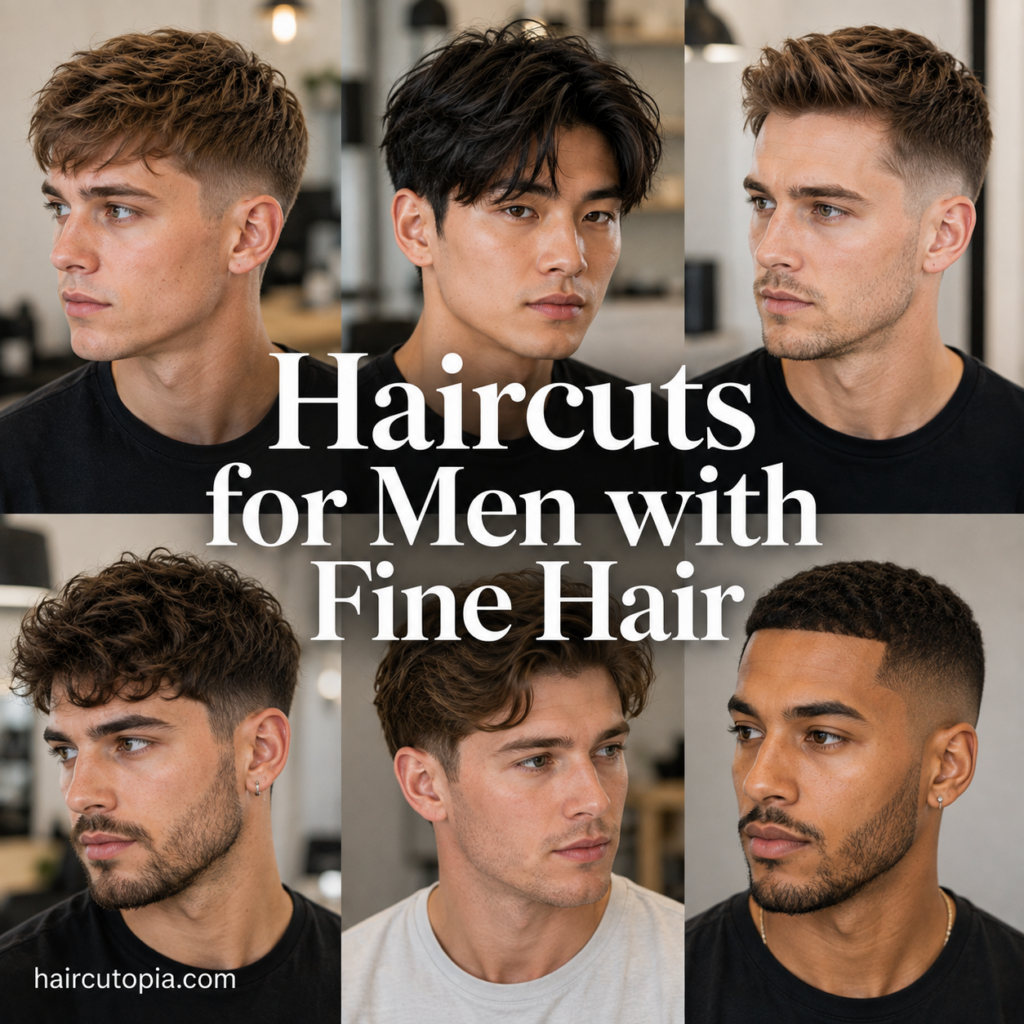
Beach Waves for Fine Hair
Fine hair can sometimes struggle to maintain waves or volume.
Consider:
- Using lighter styling products
- Avoiding excessive oils near the roots
- Creating slightly more definition initially
- Allowing sections to cool completely
- Adding root volume separately
Very heavy products may cause the waves to drop faster.
Beach Waves for Thick Hair
Thick hair may need to be divided into more sections so the wave pattern reaches throughout the hair.
If only the outer layer is styled, the result can look uneven.
Working in manageable sections also makes it easier to control the overall shape.
Thick hair can produce beautiful, voluminous beach waves, but you don’t necessarily need to maximize the volume if you prefer a softer result.
Beach Waves for Thin Hair
Loose texture can make thin hair appear more dimensional because the hair isn’t lying completely flat.
Try keeping the waves relatively soft rather than creating very separated sections that expose more space between strands.
A slightly shorter or layered haircut may also create more visible movement, depending on your hair.
Beach Waves for Weddings
Beach waves can work beautifully as wedding hairstyles, particularly when the overall look is romantic or relaxed and the waves are paired with braids, accessories, or a half-up style.
Wedding variations include:
- Polished loose waves
- Half-up beach waves
- Braided waves
- Waves with decorative pins
- Waves with flowers
- Side-swept waves
The waves can be slightly more structured than an everyday version so they hold their shape through a long event.
Beach Waves for Prom and Formal Events
For special occasions, beach waves can be adapted into polished formal hairstyles without losing their relaxed movement, particularly through more defined waves, intentional volume, half-up styling, or accessories.
Consider:
- Defined glossy waves
- Voluminous long waves
- Side-swept waves
- Half-up waves
- Braided waves
- Wavy ponytails
Accessories can also make a simple wavy hairstyle feel more event-ready.
Casual Beach Waves
Beach waves are naturally suited to casual styling.
You don’t need perfect definition or an elaborate finish.
Let the hair move.
If a few sections become straighter during the day, the hairstyle can still look intentional.
That’s one advantage beach waves have over more structured curls.
Beach Waves for Work
Beach waves can work in many professional settings when the overall style is neat and comfortable.
You can wear them:
- Completely down
- Half-up
- In a low ponytail
- In a loose bun
- Tucked behind one or both ears
If your workplace requires hair to remain secured for practical or safety reasons, choose a ponytail or bun instead.
Beach Waves With Hair Accessories
Accessories can add detail without overwhelming the texture.
Try:
- Barrettes
- Small clips
- Bows
- Headbands
- Decorative pins
- Flowers
- Scarves
Because beach waves already create plenty of movement, one well-placed accessory may be all you need.
How to Choose the Right Beach Waves for Your Hair
There’s no single correct beach-wave pattern.
Start with what your hair naturally wants to do.
Consider Your Hair Length
Long hair can support broader waves, while shorter cuts often look great with smaller, more tousled bends.
Consider Your Natural Texture
Naturally wavy hair may only need enhancement. Straight hair may need more deliberate styling. Curly and coily textures may require a completely different approach if you want a looser pattern.
Consider Your Hair Density
Fine hair and thick hair may respond very differently to the same technique.
Consider the Occasion
Everyday waves can be relaxed, while formal waves may benefit from more deliberate shape and longevity.
Consider the Weather
Humidity, wind, and heat can all affect the finished hairstyle.
Common Beach Wave Mistakes
Beach waves are supposed to look relaxed, but a few common issues can make them harder to achieve.
Try to avoid:
- Making every section identical
- Curling all the way to the ends when you want a relaxed finish
- Separating heat-styled waves before they’ve cooled
- Using too much heavy product
- Trying to force every hair texture into the same wave pattern
- Ignoring heat protection when using hot tools
- Repeatedly applying heat to sections that aren’t perfect
- Making heatless sections so tight that they’re uncomfortable
- Expecting the hairstyle to remain completely unchanged all day
- Brushing too aggressively before the waves have set
A slightly imperfect wave pattern is often what makes the hairstyle look good.
Frequently Asked Questions About Beach Waves Hairstyles
What are beach waves?
Beach waves are loose, relaxed bends through the hair that create movement and texture without the uniform spiral shape of traditional curls.
Can you get beach waves without heat?
Yes. Braids, twists, buns, and other setting techniques can create heatless waves, although the results vary depending on your natural texture and hair length.
Can short hair have beach waves?
Yes. Bobs, lobs, and some pixie cuts can all incorporate beachy bends and tousled texture.
Do beach waves work on straight hair?
Yes. Straight hair can be styled into waves with curling tools, flat irons, or heatless techniques. How long the waves last depends on your hair.
Can naturally curly hair have beach waves?
Yes, although creating a looser wave pattern may require stretching or reshaping the natural curls. You can also embrace your natural texture and create a beach-inspired hairstyle without trying to duplicate traditionally loose waves.
What size waves look most natural?
There’s no single ideal size. Natural-looking beach waves often combine slightly different bends rather than using one perfectly uniform pattern.
Should beach waves have straight ends?
They can, but they don’t have to. Leaving some of the ends less curled is one common way to create a more relaxed appearance.
How do I keep beach waves from turning into curls?
Use larger or looser sections, avoid wrapping the entire length too tightly, and gently separate the hair once it has completely cooled or set.
Can men wear beach waves?
Yes. Medium and long men’s hairstyles can emphasize natural waves and relaxed texture, while shorter cuts can incorporate beach-inspired movement through the top.
Are beach waves appropriate for weddings or formal events?
Absolutely. Beach waves can be made more polished with defined texture, intentional volume, half-up styling, braids, or accessories.
Finding the Right Beach Waves for You
The best beach waves don’t necessarily look like someone else’s.
They work with the hair you already have.
If your hair is naturally wavy, that might mean enhancing a pattern that’s already there. Straight hair can take on loose bends with heat or heatless styling. Curly and textured hair can interpret the look through softness, movement, volume, and a more relaxed finish.
You can wear beach waves long and loose, tuck them into a half-up style, add a braid, pull them into a ponytail, or use the texture to create a messy bun.
And they don’t need to be perfect.
In fact, a little variation is usually what keeps beach waves from looking too deliberate. Let some bends be stronger than others. Allow the ends to stay relaxed. Give the hair room to move.
That’s the whole point of the style.
Related Posts
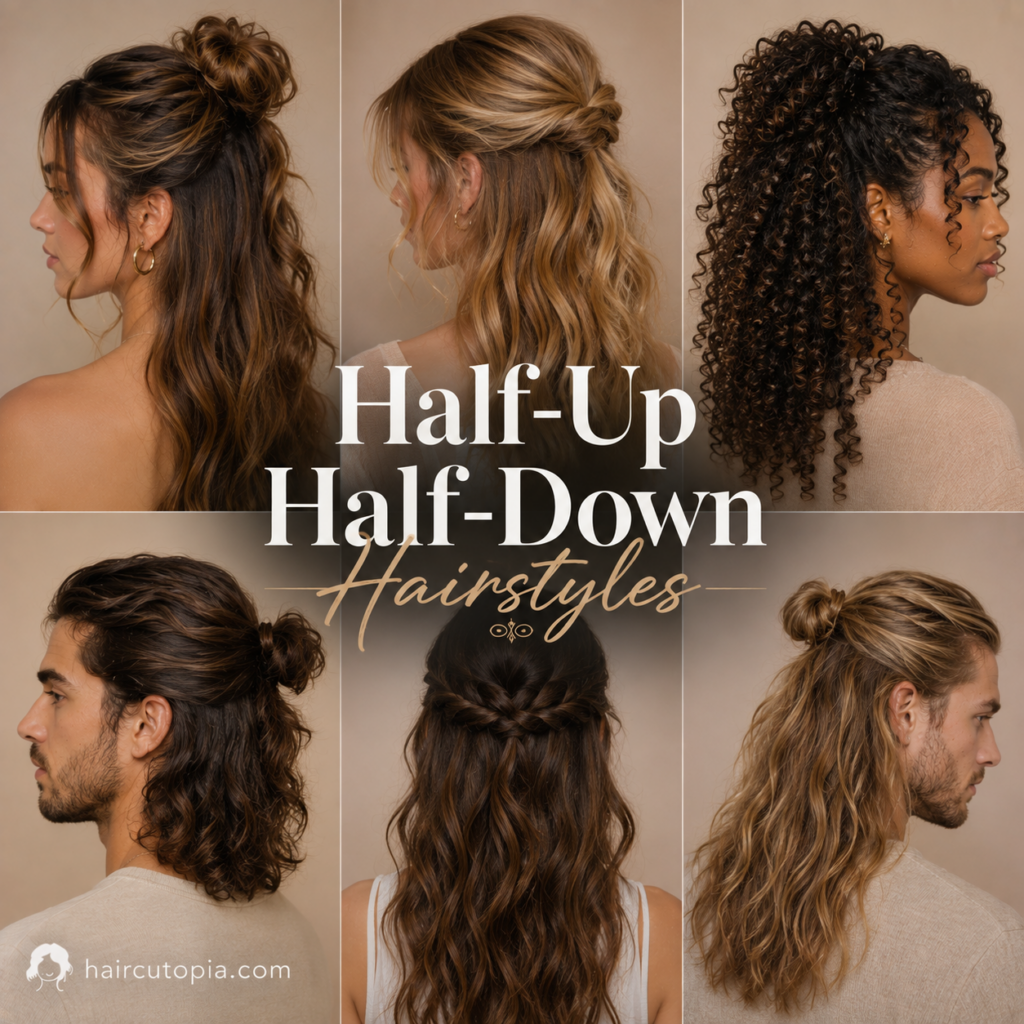 Half-Up Half-Down Hairstyles: Ideas for Every Hair Type and Occasion
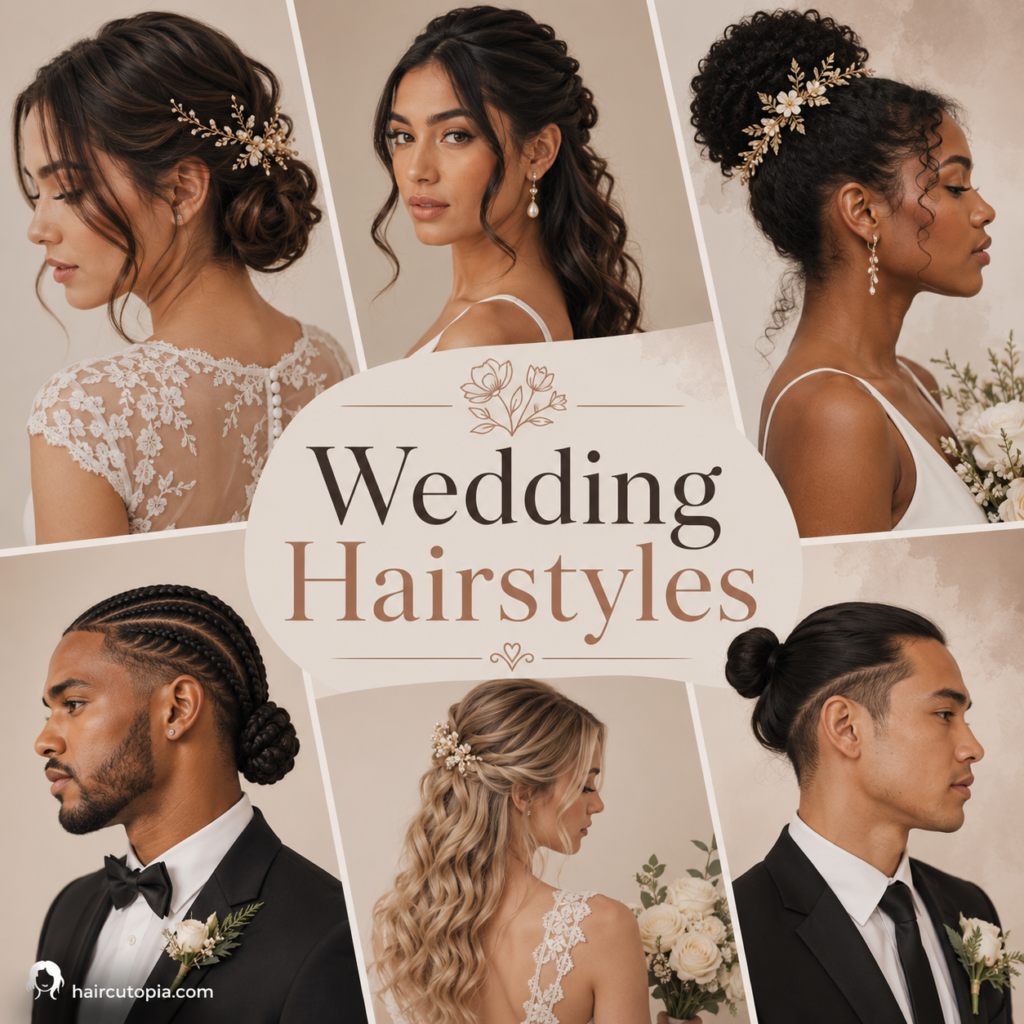 Wedding Hairstyles: Ideas for Every Hair Type, Length, and Bridal Style
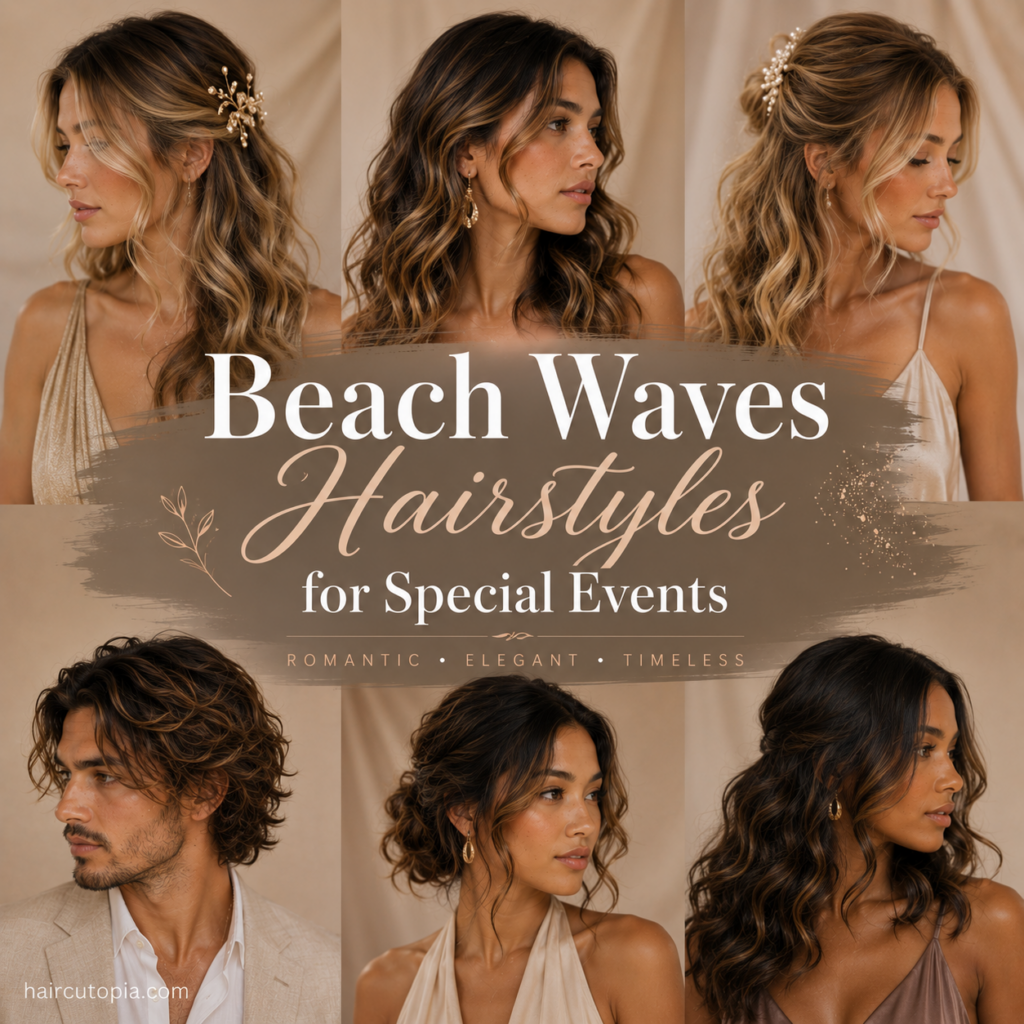 Beach Waves Hairstyles for Special Events: Elegant Looks for Weddings, Parties, and More
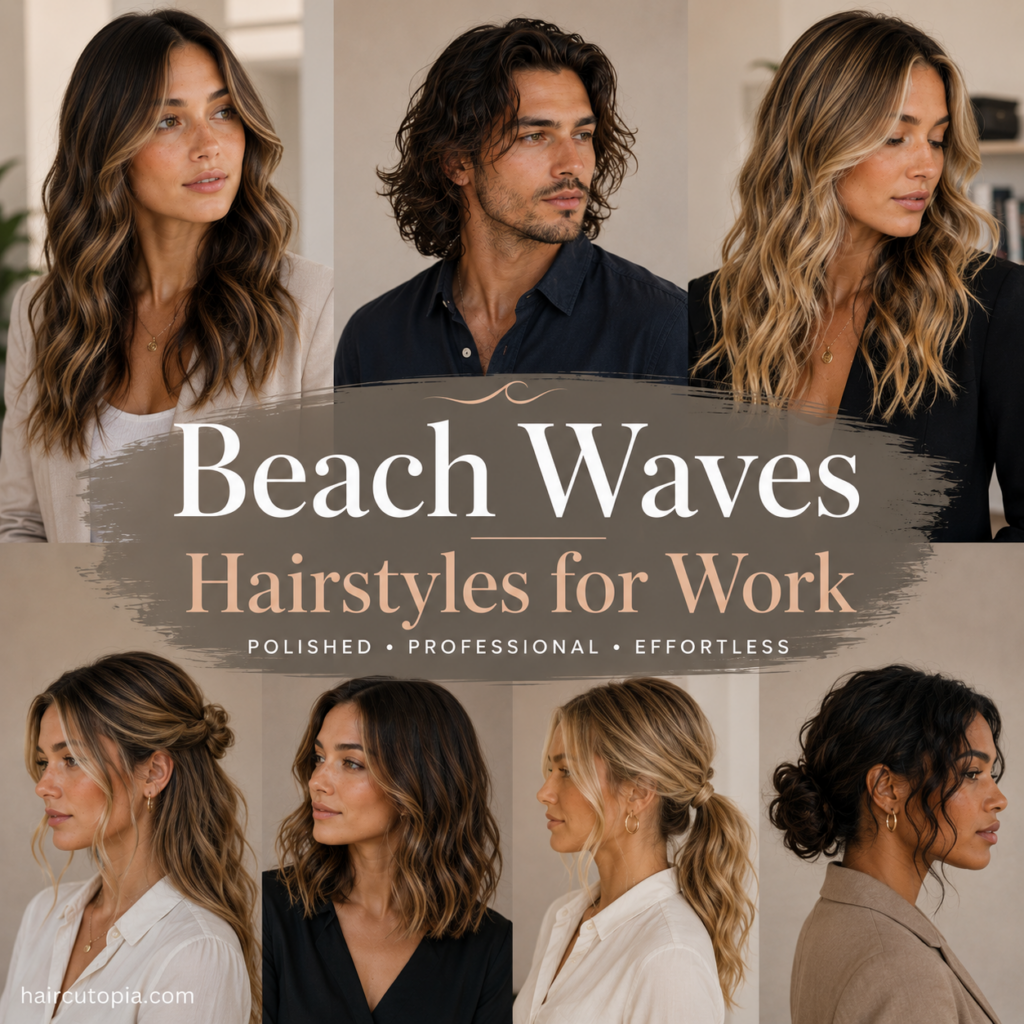 Beach Waves Hairstyles for Work: Polished, Professional Looks for the Office