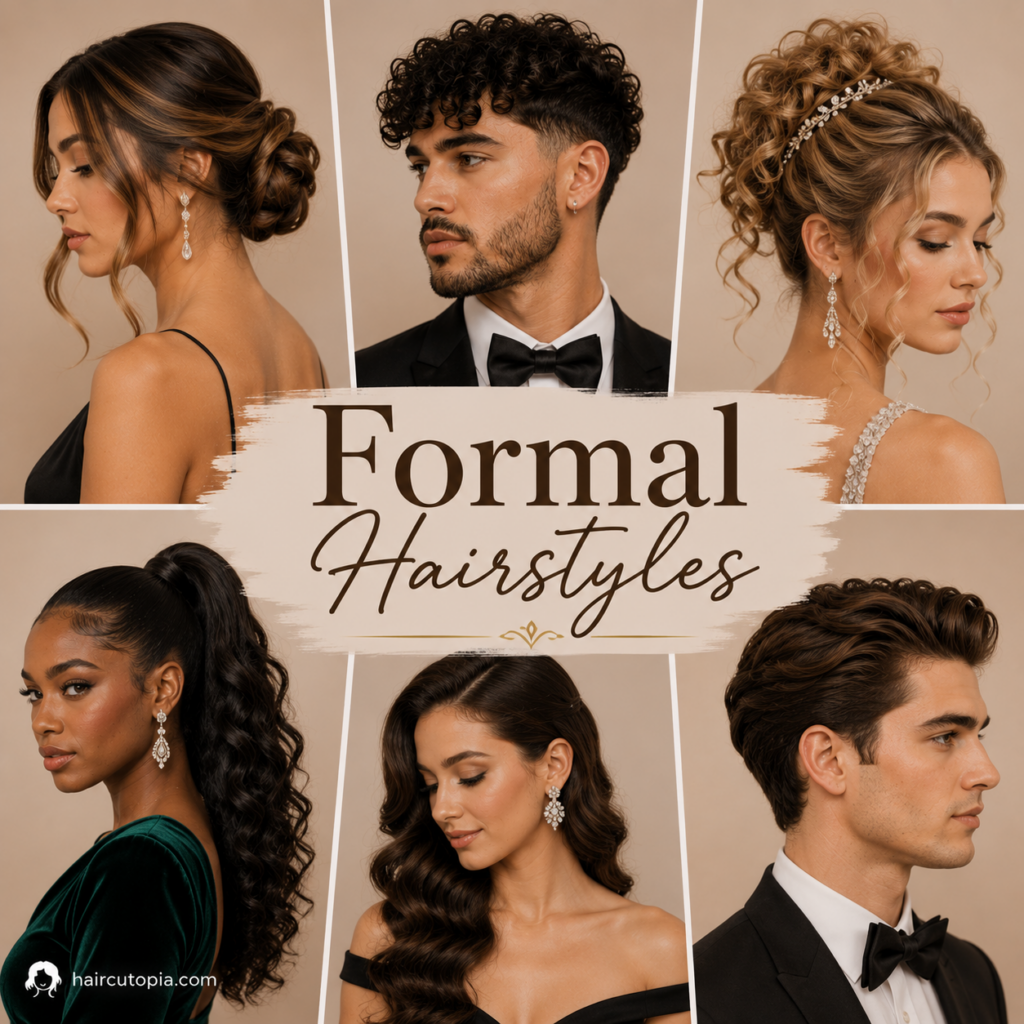
A formal hairstyle doesn’t have to mean an elaborate updo held together with dozens of pins. Sometimes polished waves, a sleek ponytail, defined natural curls, or a carefully styled short haircut can look just as appropriate for a special event.
What makes a hairstyle feel formal usually comes down to the finish. The hair looks intentional, works with the outfit, and has enough structure to hold up throughout the occasion.
That leaves plenty of room for personal style.
You might want a sophisticated low bun for a black-tie event, loose curls for a romantic evening, a sharp fade for a formal dinner, or a braided updo for prom. Hair length and texture will influence your options, but neither needs to limit them.
Here are formal hairstyle ideas for different hair types, lengths, and occasions, along with practical tips for choosing and maintaining a style that works for you.
What Makes a Hairstyle Formal?
There’s no strict definition of formal hair.
In general, a hairstyle starts to feel more formal when it looks deliberately finished rather than purely functional.
That might mean:
- Creating a clean shape
- Defining curls or waves
- Smoothing selected sections
- Adding controlled volume
- Pinning the hair into an updo
- Incorporating braids or twists
- Refining the hairline
- Using an elegant accessory
- Giving a familiar hairstyle a more polished finish
A ponytail, for example, can be something you throw together before going to the gym. But change the placement, smooth the roots, style the lengths, and wrap hair around the elastic, and the same basic idea can work for an evening event.
Formality is often more about execution than the hairstyle category itself.
How to Choose a Formal Hairstyle
The right style should complement the occasion without making you feel like you’re wearing someone else’s hair.
Before deciding, consider a few things.
Think About the Dress Code
A cocktail party and a black-tie wedding are both formal events, but they don’t necessarily call for the same level of styling.
For more formal settings, you might lean toward:
- Structured updos
- Chignons
- Sleek buns
- Polished waves
- Defined curls
- Clean, carefully shaped men’s styles
For semi-formal events, there’s usually even more flexibility.
Consider Your Outfit
Pay attention to the neckline, collar, shoulders, and back.
If your outfit has an elaborate neckline or detailed back, wearing the hair up can keep those elements visible.
With simpler clothing, long waves or curls can become part of the overall silhouette.
Work With Your Hair Texture
You don’t need to completely change your natural texture to make your hair formal.
Straight, wavy, curly, and coily hair can all be styled elegantly.
Often, emphasizing your existing texture produces a result that looks more natural and lasts better than trying to force the hair into something dramatically different.
Consider How Long the Style Needs to Last
A formal event can easily last several hours.
Choose a hairstyle that can survive:
- Sitting and standing
- Dancing
- Weather
- Photographs
- Travel
- Removing a coat or jacket
- Normal movement
A hairstyle that looks incredible for 20 minutes but constantly needs adjustment may not be the best choice.
Elegant Formal Updos
Updo hairstyles are closely associated with formal events because they create a defined silhouette and keep the hair controlled, with options ranging from sleek chignons to softer textured styles.
There are many ways to wear one.
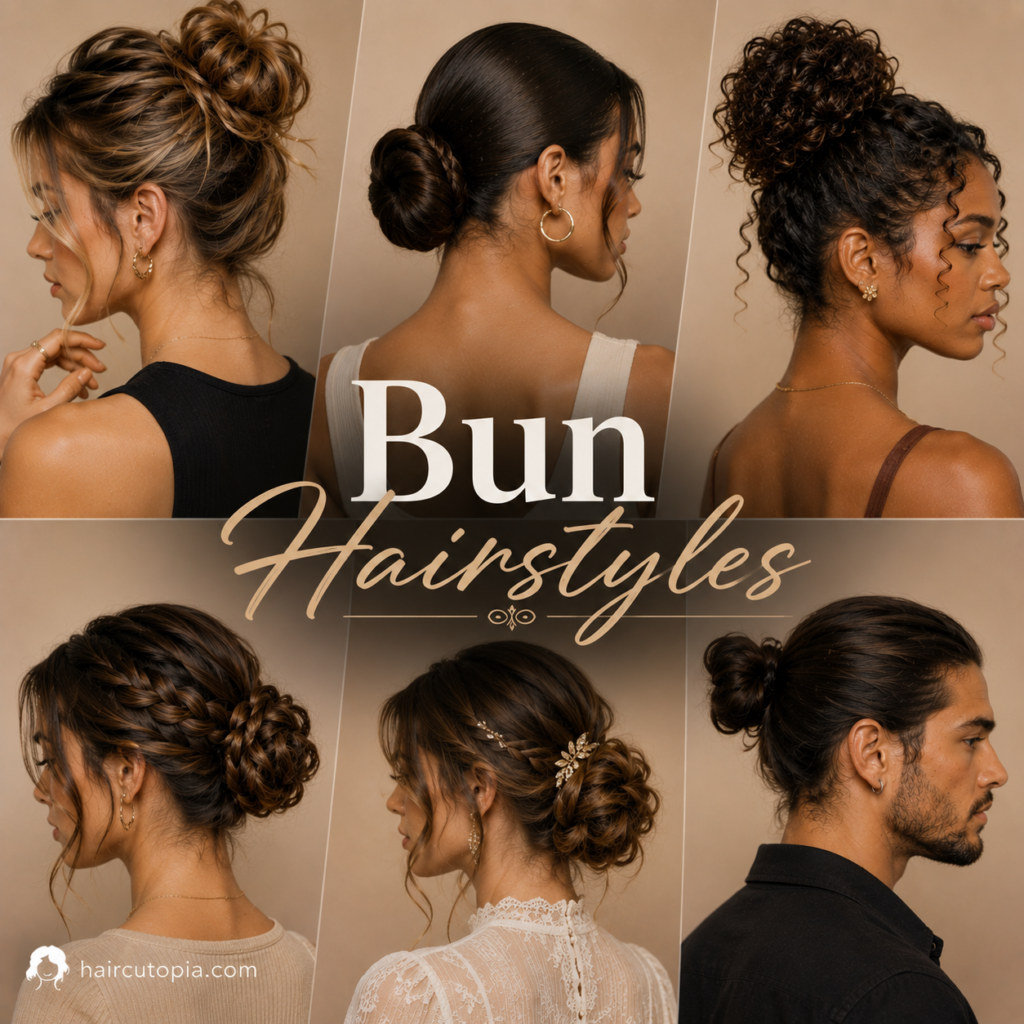
Low Bun
A low bun is one of the most versatile formal styles, and bun hairstyles can be adapted through their placement, texture, volume, and finish to suit everything from understated dinners to black-tie events.
Positioned around the nape, it can be smooth and minimalist or softer and more textured.
Popular variations include:
- Sleek low buns
- Center-parted buns
- Side-parted buns
- Textured low buns
- Braided buns
- Twisted buns
Leaving a few pieces around the face can soften the look.
High Bun
A high bun creates height and keeps the neck and shoulders completely visible.
It can be compact and sleek or larger and more voluminous.
This style works particularly well with statement earrings or outfits with interesting necklines.
Chignon
A chignon typically sits low on the head and uses folding, twisting, rolling, or pinning to create a structured shape.
It can look classic without necessarily feeling old-fashioned.
For a softer version, the hair can be slightly loosened around the crown and face.
French Twist
The French twist creates a vertical roll along the back of the head.
A smooth, tightly constructed version has a very traditional formal appearance, while a softer twist can feel more contemporary.
Decorative pins or combs can also be placed along the twist.
Textured Updo
Textured updos intentionally preserve movement in the hair.
Rather than smoothing everything flat, sections may be twisted, curled, separated, and pinned individually.
This approach works particularly well with naturally wavy or curly hair.
Formal Hairstyles With Hair Down
Wearing your hair down can look every bit as polished as an updo.
The key is creating a deliberate shape and finish.
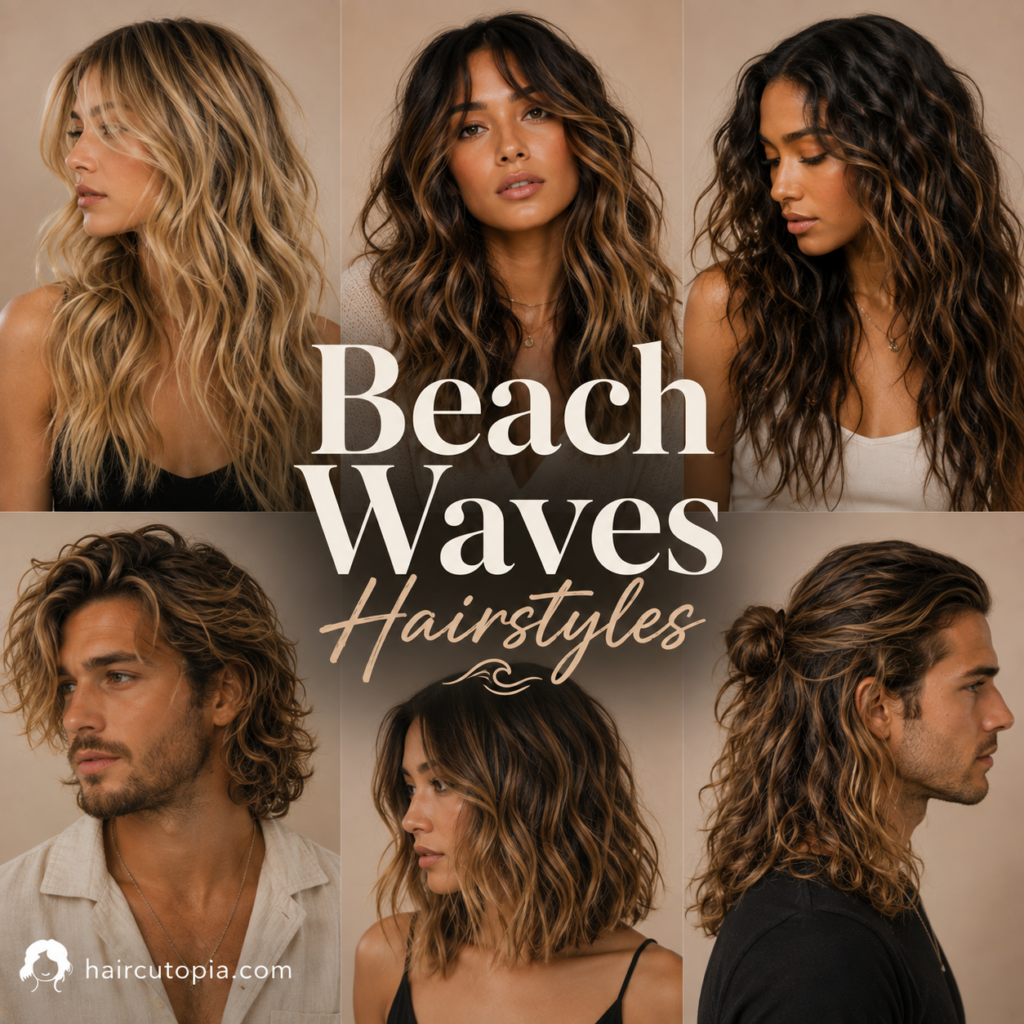
Hollywood Waves
Hollywood waves create a smooth, continuous wave pattern rather than separate curls.
The style is usually worn with a defined side part and has a glamorous, vintage-inspired appearance.
It’s especially effective on medium and long hair.
Soft Waves
Soft waves are less sculpted than Hollywood waves.
They create movement without looking overly structured, making them suitable for weddings, dinners, dances, and other formal occasions.
Polished Curls
Defined curls can become the entire formal hairstyle.
You can wear them with a center part, side part, or swept over one shoulder.
The amount of volume changes the overall effect considerably.
Sleek Straight Hair
Straight hair can look extremely polished when the cut and finish are precise.
Options include:
- Center-parted straight hair
- Deep side parts
- Hair tucked behind the ears
- Slicked-back styles
- Smooth bobs and lobs
Simple doesn’t have to mean casual.
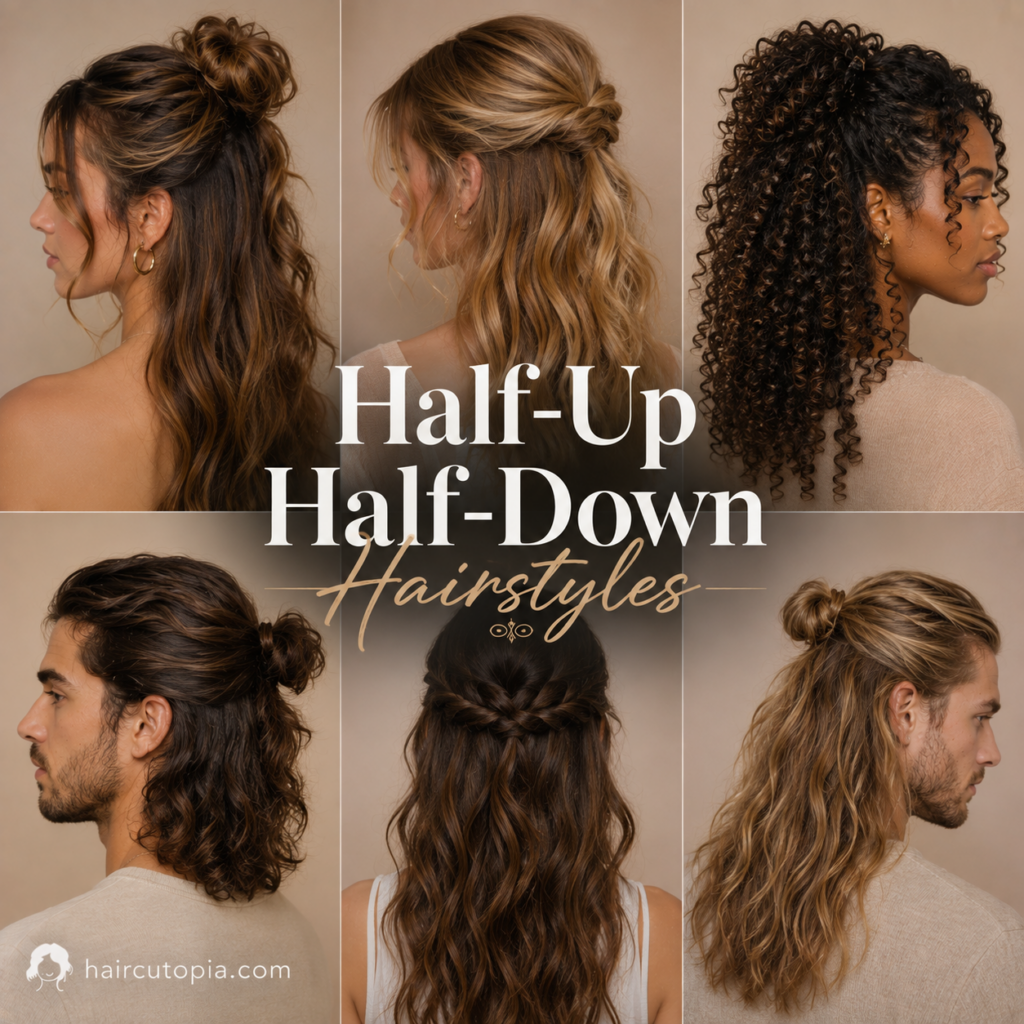
Half-Up Half-Down Formal Hairstyles
Half-up half-down hairstyles are useful for formal occasions when you want the appearance and movement of wearing your hair down while still creating structure around the face.
The upper portion creates structure while the lower hair provides movement.
Half-Up Curls
Curl the lengths and secure the upper sections toward the back.
The style can be sleek at the crown or slightly lifted for additional volume.
Half-Up Waves
Loose waves make a half-up hairstyle feel soft and understated.
A decorative clip can be added where the sections meet.
Twisted Half-Up Style
Instead of pulling the hair directly backward, twist sections from each side before securing them.
This adds visual detail without requiring braiding.
Braided Half-Up Hairstyle
Small French, Dutch, or traditional braids can replace the twisted sections.
The remaining hair can be straight, curled, or naturally textured.
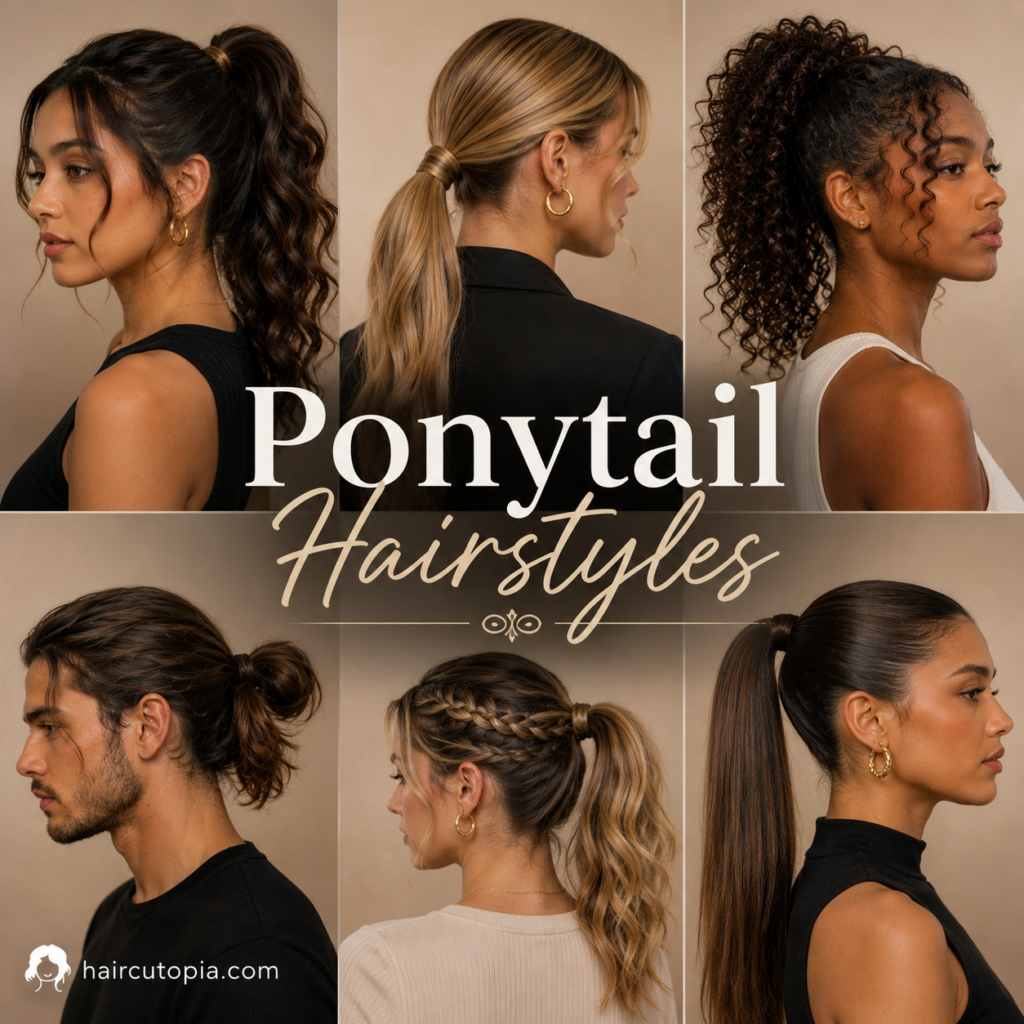
Formal Ponytail Hairstyles
Ponytail hairstyles are sometimes overlooked for formal occasions, but careful placement, styled lengths, controlled texture, and a polished finish can make them look remarkably sophisticated.
Sleek High Ponytail
A high ponytail creates a clean, lifted silhouette.
The lengths can be:
- Straight
- Curled
- Wavy
- Braided
Wrapping a small section of hair around the elastic helps conceal it.
Low Formal Ponytail
A low ponytail tends to feel understated and elegant.
It can be worn with a center or side part and works particularly well with smooth hair or soft waves.
Voluminous Ponytail
Adding volume through the ponytail creates a more dramatic look.
The roots can remain polished while curls or waves provide movement through the lengths.
Bubble Ponytail
A bubble ponytail uses several elastics spaced down the length, with each section gently expanded.
With careful finishing and subtle elastics, the style can transition from playful to formal.
Braided Formal Hairstyles
Braided hairstyles can add detail and structure to formal looks without requiring the entire hairstyle to be braided, whether they’re incorporated into an updo, bun, crown, or side-swept style.
Braided Updo
One or more braids can be wrapped, twisted, or pinned into an updo.
The braid might form the main structure or simply add texture around the sides.
Braided Bun
A simple way to create a braided bun is to braid a ponytail and wrap it around the base.
More intricate versions may include braids leading into the bun.
Crown Braid
A crown braid wraps around the head and creates a distinctive silhouette.
It can be tightly structured or gently loosened for a softer appearance.
Side Braid
A long braid worn over one shoulder can work particularly well for formal events.
Fishtail and loosely structured braids tend to create a romantic finish, while smoother braids look more polished.
Formal Hairstyles for Long Hair
Long hair provides plenty of material for intricate styling.
Popular choices include:
- Long waves
- Hollywood waves
- Large updos
- Chignons
- Braided buns
- Half-up curls
- Sleek ponytails
- Voluminous ponytails
- Side braids
- French twists
Long hair can create dramatic styles, but it also adds weight.
If you’re wearing an updo for several hours, make sure the pins and placement distribute that weight comfortably.
Formal Hairstyles for Medium Hair
Medium-length hair is long enough for many updos while remaining relatively easy to manage.
Consider:
- Low buns
- Chignons
- Half-up waves
- Curls
- Sleek lobs
- Low ponytails
- Braided updos
- Twisted styles
- Side-swept hair
Even when the hair isn’t long enough for a large bun, strategic pinning can create the appearance of a fuller updo.
Formal Hairstyles for Short Hair
Short hair doesn’t need extensions to look appropriate for a formal occasion.
The haircut itself can become the foundation of the style.
Wavy Bob
Adding controlled waves to a bob creates movement and dimension.
The waves can be loose and modern or sculpted for a vintage-inspired appearance.
Sleek Bob
A smooth bob with a precise part creates a clean, minimalist look.
Tucking one side behind the ear can highlight earrings or other accessories.
Textured Pixie
A pixie can be shaped with deliberate texture and definition.
Depending on the cut, the top can be swept back, forward, or toward one side.
Slicked-Back Short Hair
Slicking short hair away from the face creates a dramatic, polished effect.
It can work particularly well with minimalist clothing and statement accessories.
Formal Hairstyles for Curly Hair
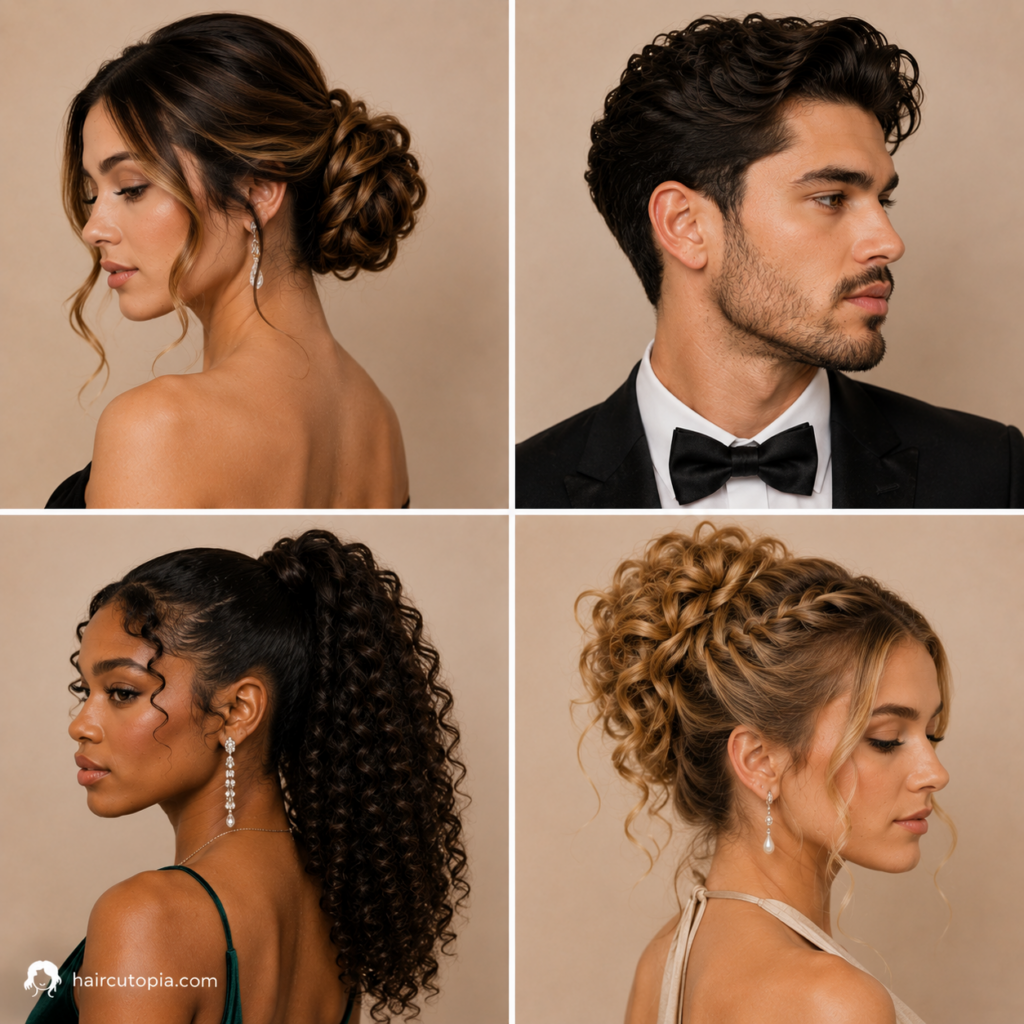
Curly hair already provides texture and dimension, which makes it especially suited to formal styling. Many curly hairstyles can transition naturally into formal looks through more deliberate shaping, pinning, accessories, or added structure.
You don’t have to straighten it first.
Options include:
- Defined curls
- Side-swept curls
- Curly low buns
- High curly updos
- Half-up curls
- Curly ponytails
- Braided curly styles
- Textured chignons
Allowing selected curls to remain loose around the face can soften an updo.
Formal Hairstyles for Coily and Textured Hair
Coily and textured hair offers a wide range of formal options.
Styles can highlight natural volume or incorporate braiding, twisting, and sculpting.
Ideas include:
- High puffs
- Sculpted natural updos
- Braided updos
- Twisted updos
- Cornrow-based styles
- High buns
- Low buns
- Defined coils
- Loc updos
- Formal protective styles
Decorative cuffs, pins, flowers, and other accessories can also be incorporated depending on the style.
Formal Hairstyles for Men
Formal men’s hairstyles can be classic, modern, or somewhere in between.
The goal is usually a clean, intentional finish that works with the haircut and hair texture.
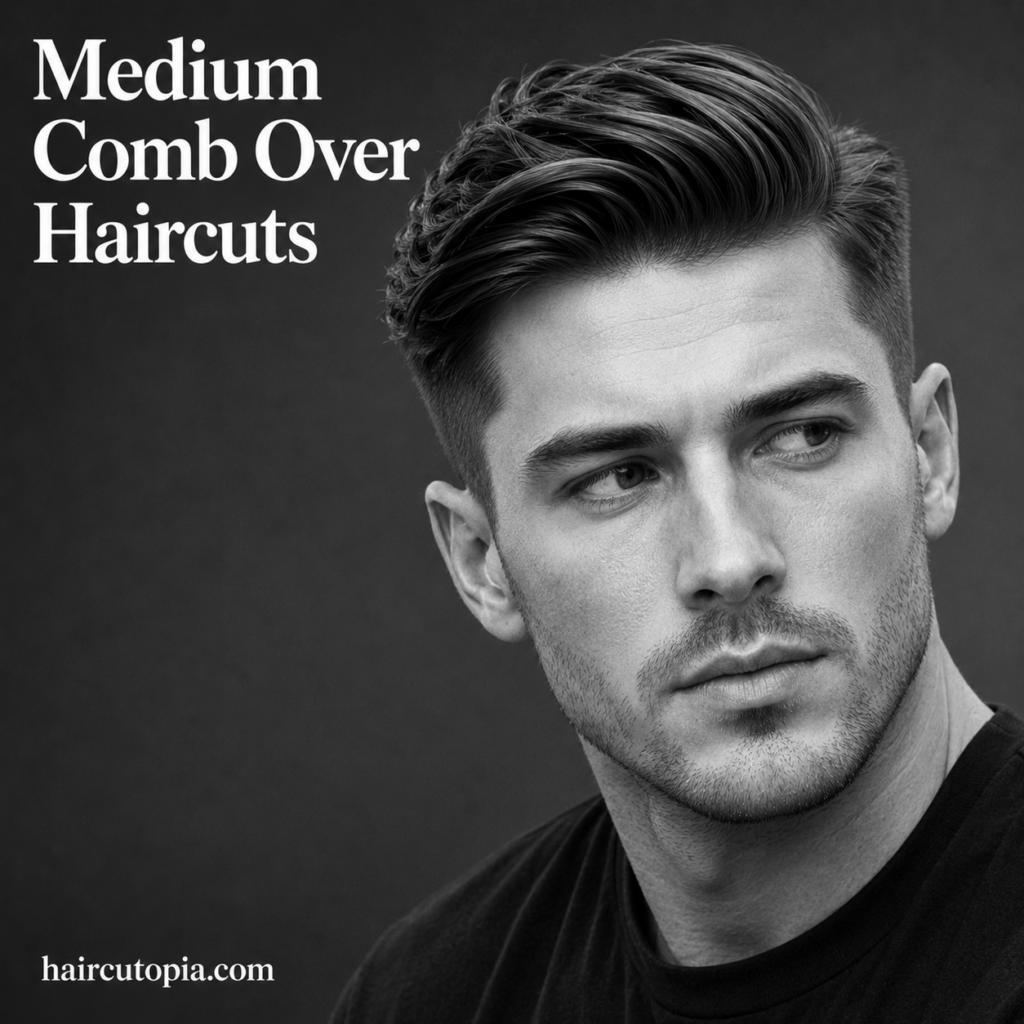
Classic Side Part
A defined side part creates a timeless formal look.
The hair can be kept relatively flat or styled with additional volume through the top.
Slicked-Back Hair
Slicking the hair backward keeps it away from the face and creates a polished silhouette.
The finish can range from highly controlled to slightly more natural.
Pompadour
A pompadour creates volume at the front while keeping the sides more controlled.
The amount of height can be adjusted depending on how dramatic you want the style to look.
Textured Formal Hairstyle
Men with naturally wavy or curly hair don’t need to eliminate texture.
A clean haircut with defined texture on top can work extremely well with formal clothing.
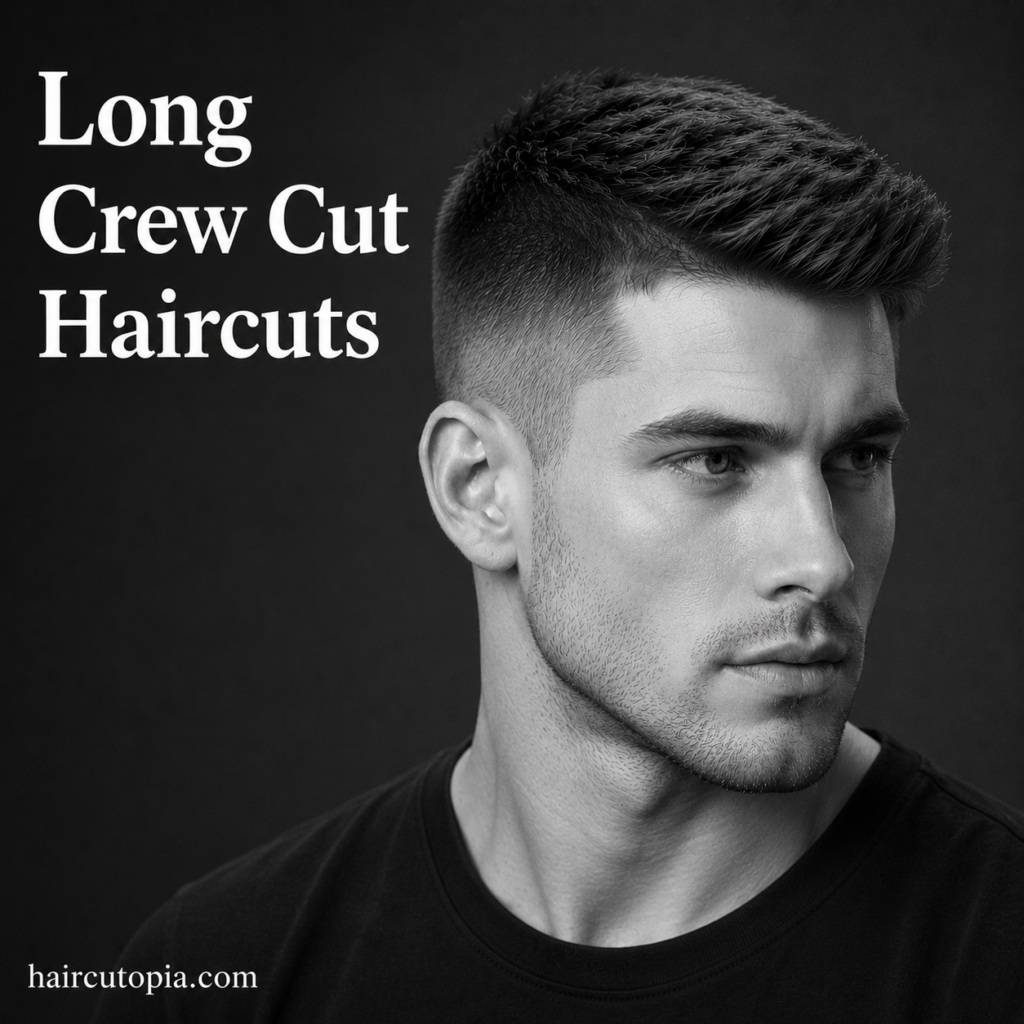
Curly Fade or Taper
A fade or taper paired with curls on top creates contrast while maintaining natural texture.
Keeping the edges and overall shape neat can make the style feel more formal.
Long Formal Hairstyles for Men
Long hair can be worn:
- Slicked back
- In a low ponytail
- In a bun
- Half-up
- Naturally loose and controlled
The style doesn’t necessarily need to be short or highly structured to work with formalwear.
Formal Hairstyles for Weddings
Wedding guests, members of the wedding party, and couples themselves have plenty of formal hairstyle options. For bridal-specific inspiration, wedding hairstyles can range from classic chignons and buns to loose curls, braids, ponytails, and half-up styles.
Popular choices include:
- Chignons
- Low buns
- Braided updos
- Hollywood waves
- Half-up curls
- Sleek ponytails
- Defined natural curls
- Polished men’s styles
If the event is outdoors, consider how humidity, wind, and temperature may affect the style.
Formal Hairstyles for Prom
Prom hairstyles often allow for a little more drama, making the occasion a natural fit for extra volume, defined curls, braided details, statement ponytails, and elaborate updos.
You might choose:
- Voluminous curls
- High ponytails
- Half-up curls
- Braided updos
- Textured buns
- Side-swept waves
- Sleek buns
- Glamorous Hollywood waves
Look at the neckline and back of your outfit when deciding whether you want the hair up or down.
Formal Hairstyles for Homecoming
Homecoming styles can be polished without necessarily feeling as elaborate as prom hair.
Good options include:
- Soft curls
- Half-up waves
- Low buns
- Sleek ponytails
- Braided half-up styles
- Straight hair with a polished finish
Choose something comfortable enough to move and dance in.
Formal Hairstyles for Black-Tie Events
Black-tie events typically call for a polished overall appearance, but that doesn’t mean there’s only one acceptable hairstyle.
Options include:
- Sleek chignons
- Sculpted updos
- Hollywood waves
- Polished natural curls
- Sleek ponytails
- Formal braided styles
- Classic men’s side parts
- Slicked-back men’s hairstyles
A minimalist hairstyle can work especially well when the clothing itself is highly detailed.
Simple Formal Hairstyles
You don’t need professional-level styling skills to make your hair look appropriate for a formal event. Many easy hairstyles can be given a more formal finish through cleaner sectioning, controlled texture, thoughtful placement, and simple accessories.
Some relatively simple ideas include:
- A sleek low ponytail
- A polished low bun
- Soft waves
- Defined natural curls
- A half-up twist
- A side-swept style
- A simple braided bun
- Straight hair with a precise part
- A high curly ponytail
- A polished claw-clip updo
Focus on making the hairstyle intentional rather than complicated.
Formal Hairstyles With Hair Accessories
Accessories can instantly make a simple hairstyle feel more dressed up.
Consider:
- Decorative pins
- Barrettes
- Hair combs
- Headbands
- Pearls
- Crystals
- Flowers
- Bows
- Hair cuffs
- Minimal metallic accessories
The accessory should complement the hairstyle rather than overwhelm it.
If you’re already wearing large earrings, a statement necklace, or heavily embellished clothing, a subtle hair accessory may create better balance.
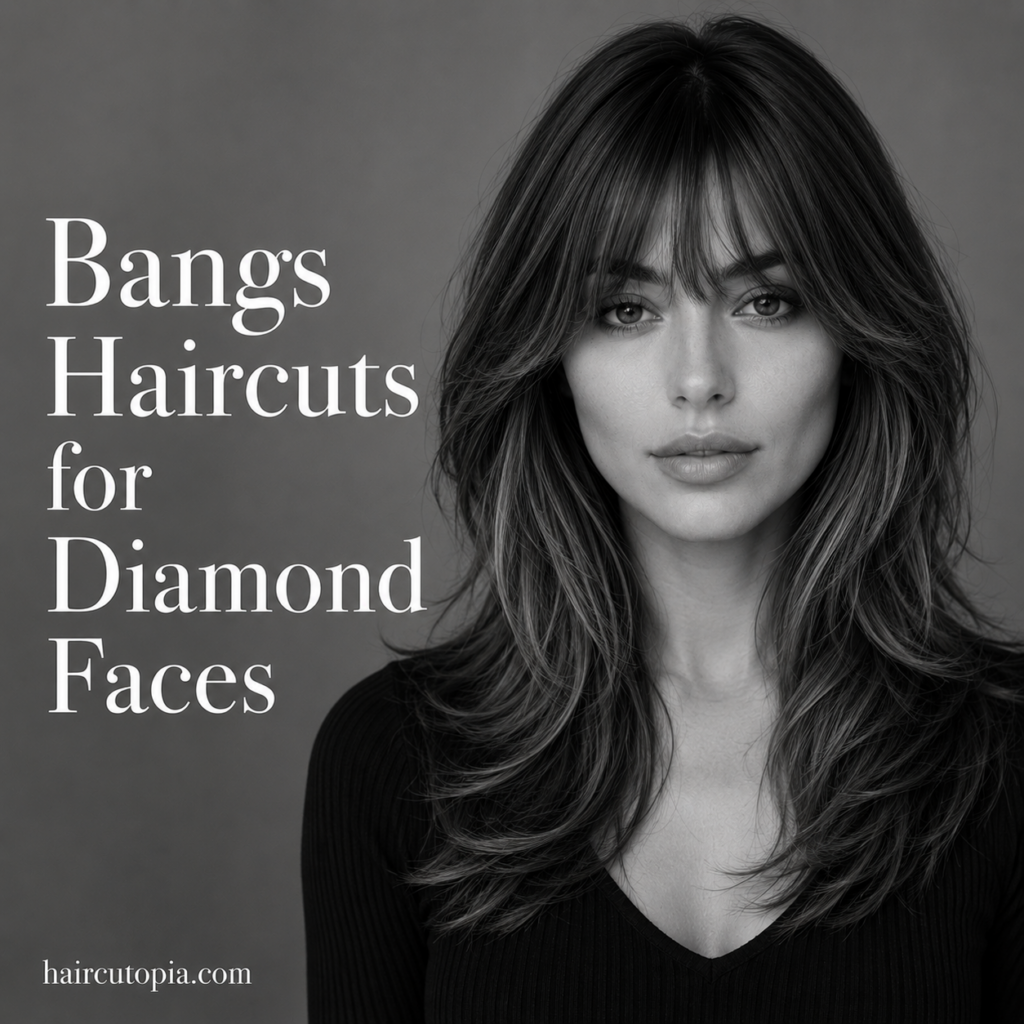
Formal Hairstyles With Bangs
Bangs don’t need to be hidden for formal events.
They can remain an intentional part of the hairstyle.
Curtain Bangs
Curtain bangs work naturally with updos, ponytails, and half-up styles because they create soft framing around the face.
Straight Bangs
Full straight bangs can create contrast with buns, ponytails, and long curls.
Curly Bangs
Curly bangs can blend beautifully into natural curly updos and loose hairstyles.
Side-Swept Bangs
Side-swept bangs pair naturally with asymmetrical hairstyles and side parts.
How to Prepare Your Hair for a Formal Hairstyle
Good preparation makes styling easier and can improve longevity.
1. Decide on the Style Before the Event
Avoid waiting until you’re dressed and ready to experiment with a complicated hairstyle you’ve never attempted before.
If the style is unfamiliar, practice it in advance.
2. Prepare According to Your Hair Type
Some hairstyles work best on freshly washed hair, while others benefit from additional texture and grip.
There’s no universal rule that formal hair needs to be unwashed.
Prepare your hair based on its texture and the style you’re creating.
3. Gather Everything You Need
Depending on the hairstyle, you might need:
- Bobby pins
- Hair elastics
- Sectioning clips
- Comb
- Brush
- Styling products
- Hairspray
- Curling or straightening tools
- Hair accessories
Having everything ready makes the process much easier.
4. Leave Enough Time
Formal hairstyles often take longer than expected, especially when you’re also getting dressed and preparing for an event.
Give yourself enough time to make small adjustments without rushing.
How to Make a Formal Hairstyle Last
Longevity starts with a hairstyle suited to your hair texture and environment.
Secure structural sections carefully before focusing on finishing details.
Depending on your style, useful products may include:
- Texture spray
- Mousse
- Gel
- Smoothing cream
- Pomade
- Hairspray
- Humidity-resistant styling products
Use enough product to support the hairstyle without automatically applying as much as possible.
More product doesn’t always mean better hold.
How to Keep Formal Hair Comfortable
A hairstyle can look perfect and still be a poor choice if it hurts.
Updos, braids, ponytails, and buns should feel secure without causing persistent pulling.
If you experience:
- Scalp pain
- Headaches
- Excessive pulling around the hairline
- Pins digging into the scalp
adjust the style.
You may be wearing it for many hours, so comfort is part of a successful formal hairstyle.
Choosing Between Wearing Your Hair Up or Down
If you’re stuck between the two, think practically.
Wear Your Hair Up If:
- You want to highlight your neckline or shoulders.
- You don’t want hair touching your neck.
- The weather will be hot.
- You prefer a more structured hairstyle.
- Your outfit has detailed back or shoulder elements.
Wear Your Hair Down If:
- You want to emphasize your length.
- You feel most comfortable with your hair loose.
- Curls or waves are a major part of the look.
- Your outfit has a relatively simple neckline.
- You want movement through the hair.
Half-up styles provide an easy compromise if you want elements of both.
Common Formal Hairstyle Mistakes
A few common issues can make formal styling more difficult than it needs to be.
Try to avoid:
- Choosing a hairstyle only because it’s trending
- Ignoring your natural texture
- Creating excessive scalp tension
- Using too many accessories
- Applying too much styling product
- Trying a difficult technique for the first time immediately before the event
- Ignoring humidity or wind
- Choosing a hairstyle that constantly falls into your face
- Forgetting how the style looks from the back
- Prioritizing appearance over comfort
Take a photo from several angles before leaving. Mirrors don’t always show you how the hairstyle will actually appear in pictures.
Frequently Asked Questions About Formal Hairstyles
What hairstyles are considered formal?
Updos, buns, chignons, waves, curls, sleek ponytails, braided styles, and polished short hairstyles can all be formal. The finish and overall presentation usually matter more than the specific hairstyle.
Can you wear your hair down to a formal event?
Yes. Polished waves, defined curls, sleek straight hair, and other loose styles can be completely appropriate for formal events.
Is a ponytail formal enough?
A carefully styled ponytail can work very well for formal occasions. Smooth or intentionally textured roots, styled lengths, and a concealed elastic can make a basic ponytail feel significantly more polished.
Can short hair be styled formally?
Absolutely. Short hair can be waved, slicked back, textured, accessorized, or simply styled to emphasize a precise haircut.
Do formal hairstyles have to be sleek?
No. Textured buns, natural curls, braids, loose updos, and intentionally voluminous hairstyles can all look formal.
What is an easy formal hairstyle?
A low bun, sleek ponytail, half-up twist, soft waves, or defined natural curls can provide a formal appearance without requiring an extremely complicated technique.
Are natural curls appropriate for formal events?
Yes. Natural curls and coils can be worn loose, defined, pinned up, braided, twisted, or incorporated into many other formal hairstyles.
How do I choose a formal hairstyle for my outfit?
Consider the neckline, shoulders, back, overall level of formality, and accessories. Wearing the hair up can reveal detailed clothing, while loose hair can add movement around simpler silhouettes.
Finding the Right Formal Hairstyle
The best formal hairstyle isn’t necessarily the most complicated one.
A sleek low bun can be just as striking as an elaborate braided updo. Natural curls can look just as polished as sculpted waves. A well-shaped short haircut can work just as effectively with formalwear as long styled hair.
Start with your natural texture, length, and the way you normally feel most comfortable wearing your hair. Then consider the event, outfit, weather, and how long the style needs to last.
From there, you can make the look as simple or elaborate as you want.
The goal isn’t to make your hair look completely different just because the occasion is formal. It’s to make the hairstyle feel intentional, polished, comfortable, and appropriate for the moment.