How to Style an Undercut

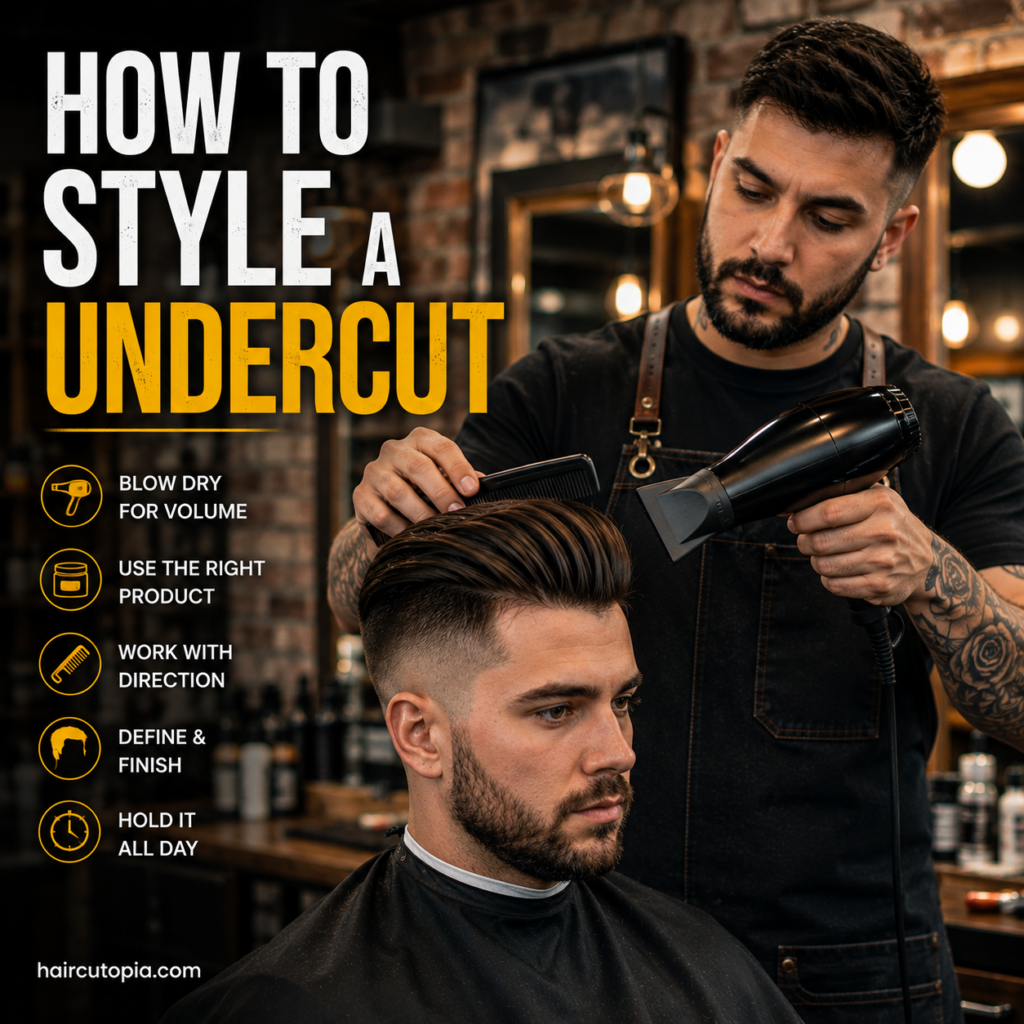
Professional barber blow-drying and styling a client's undercut haircut
Blow-drying the longer top before applying styling product helps create volume, direction, and lasting shape in an undercut.

An undercut gives you something a lot of shorter haircuts don’t: options.

Because the sides and back are kept short while the top stays noticeably longer, you can change the entire character of the haircut just by styling the top differently. Slick it back for a polished look, push it up into a quiff, add texture for something casual, or sweep it to the side when you want a cleaner everyday style.

The trick is figuring out how to make the longer hair actually cooperate.

Styling an undercut becomes much easier once you understand how to prepare your hair, use a blow dryer, choose the right product, and work with your natural hair type instead of fighting it.

Here’s how to style an undercut without turning your morning routine into a project.

Continue reading “How to Style an Undercut”
How to Maintain an Undercut

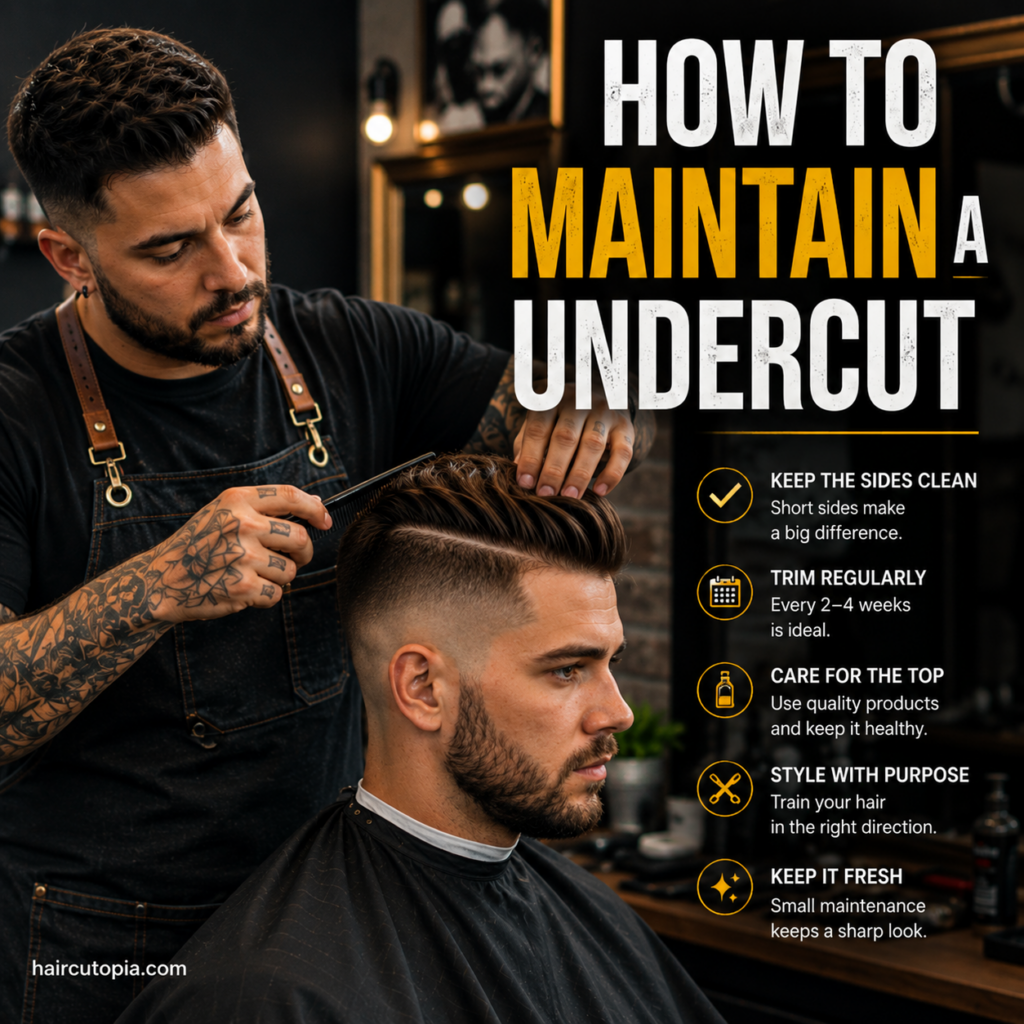
Barber maintaining a disconnected undercut with short faded sides and longer hair on top
Regular side cleanups and occasional top shaping help an undercut maintain its sharp contrast and defined shape.

An undercut looks its best when there’s a clear contrast between the longer hair on top and the shorter sides and back. Fresh from the barbershop, that difference is sharp and easy to see. A few weeks later, things can start getting a little less defined.

The sides become fuller, the neckline grows out, and the longer hair on top may stop cooperating the way it did when the cut was fresh.

Fortunately, maintaining an undercut doesn’t require constant trips to the barber. A good routine comes down to knowing when to get a cleanup, taking care of the longer hair on top, using the right styling products, and avoiding a few common mistakes between appointments.

Here’s how to maintain an undercut and keep it looking intentional as it grows.

Continue reading “How to Maintain an Undercut”

How to Ask for an Undercut

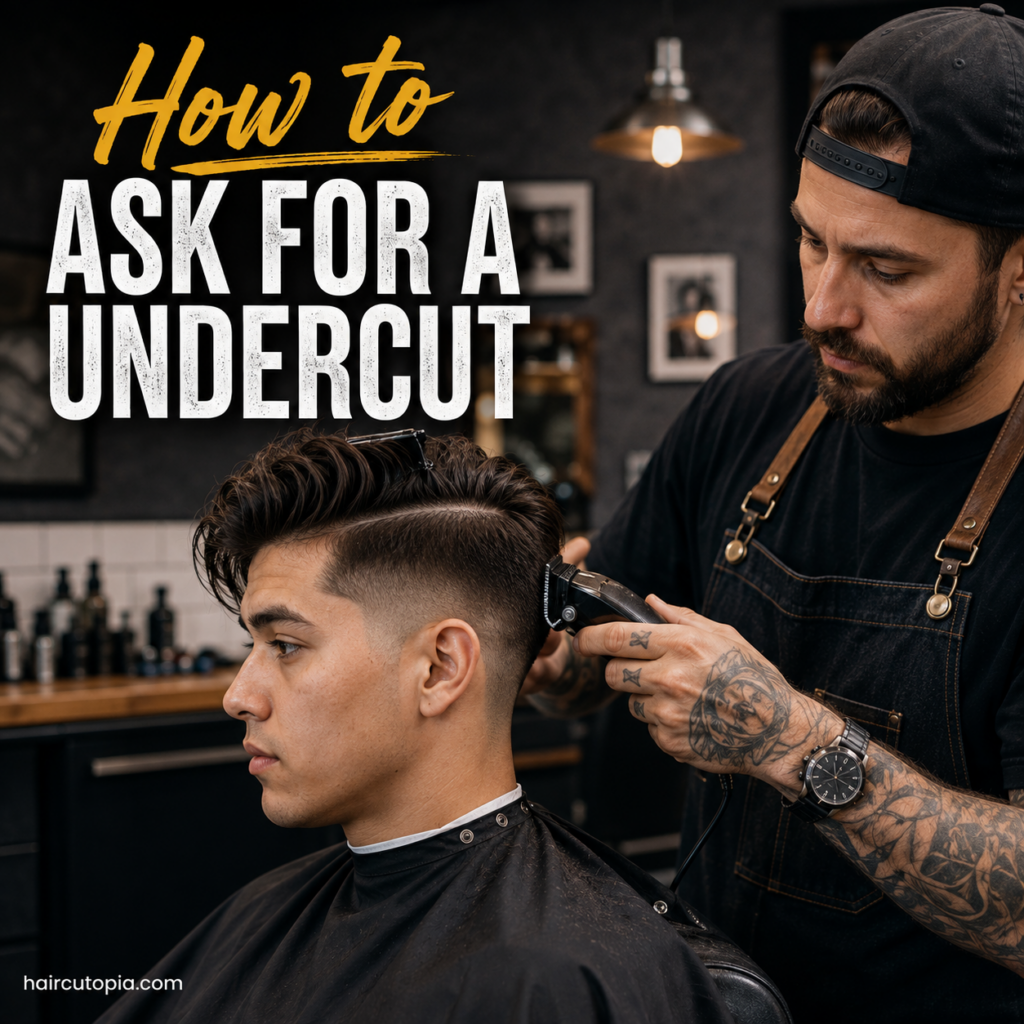
Professional barber cutting a client's undercut hairstyle in a modern barbershop
Knowing the side length, top length, fade, and amount of disconnection you want makes it easier to ask your barber for the right undercut.

The undercut is one of those haircuts that can look dramatically different depending on how it’s cut and styled. Some versions are clean and professional, while others create a much stronger contrast between the top and sides.

That flexibility is part of what makes the undercut so popular. It also means that simply telling your barber, “I want an undercut,” may not give them enough information to create the look you have in mind.

The good news is that you don’t need to know professional barber terminology. If you can explain the length you want, how much contrast you like, and how you normally style your hair, your barber can handle the technical details.

Here’s how to ask for an undercut and communicate exactly what you want before the clippers come out.

Continue reading “How to Ask for an Undercut”

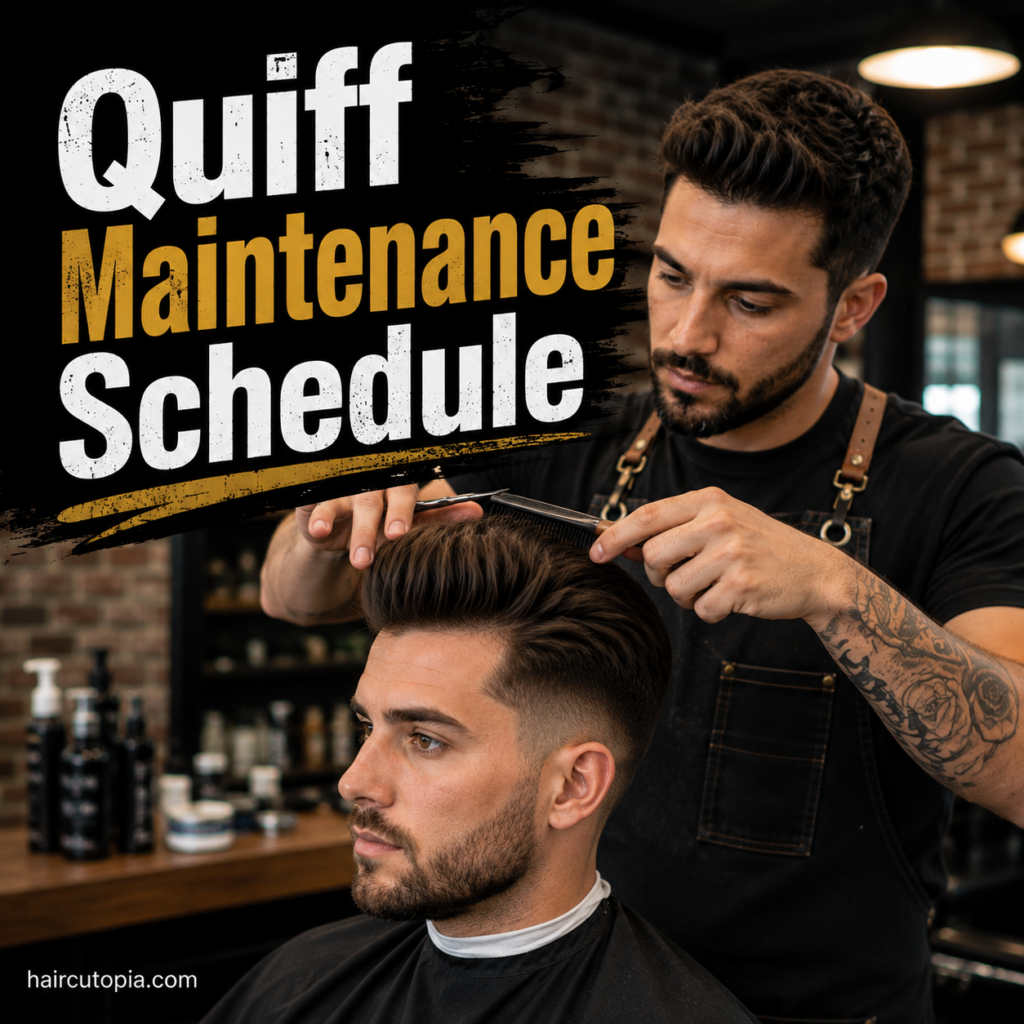
Quiff Maintenance Schedule

Barber trimming a client's quiff during a maintenance haircut
Regular trims help preserve the shape, volume, and balance of a quiff as the hair grows.

A quiff can still look good several weeks after a haircut, but it rarely looks exactly the same as it did when you left the barbershop.

The sides start filling in. The top gets heavier. That carefully shaped front may suddenly require more effort to keep upright. If your quiff includes a fade, you’ll usually notice the change there first.

Having a maintenance schedule helps you stay ahead of those problems without getting more haircuts than you actually need.

For most quiffs, a full haircut every 3 to 6 weeks is a useful starting point. But your ideal schedule depends on the length of the top, how short you wear the sides, your hair growth, and how polished you want the style to look.

Here’s how to build a quiff maintenance schedule that makes sense for your haircut.

Continue reading “Quiff Maintenance Schedule”

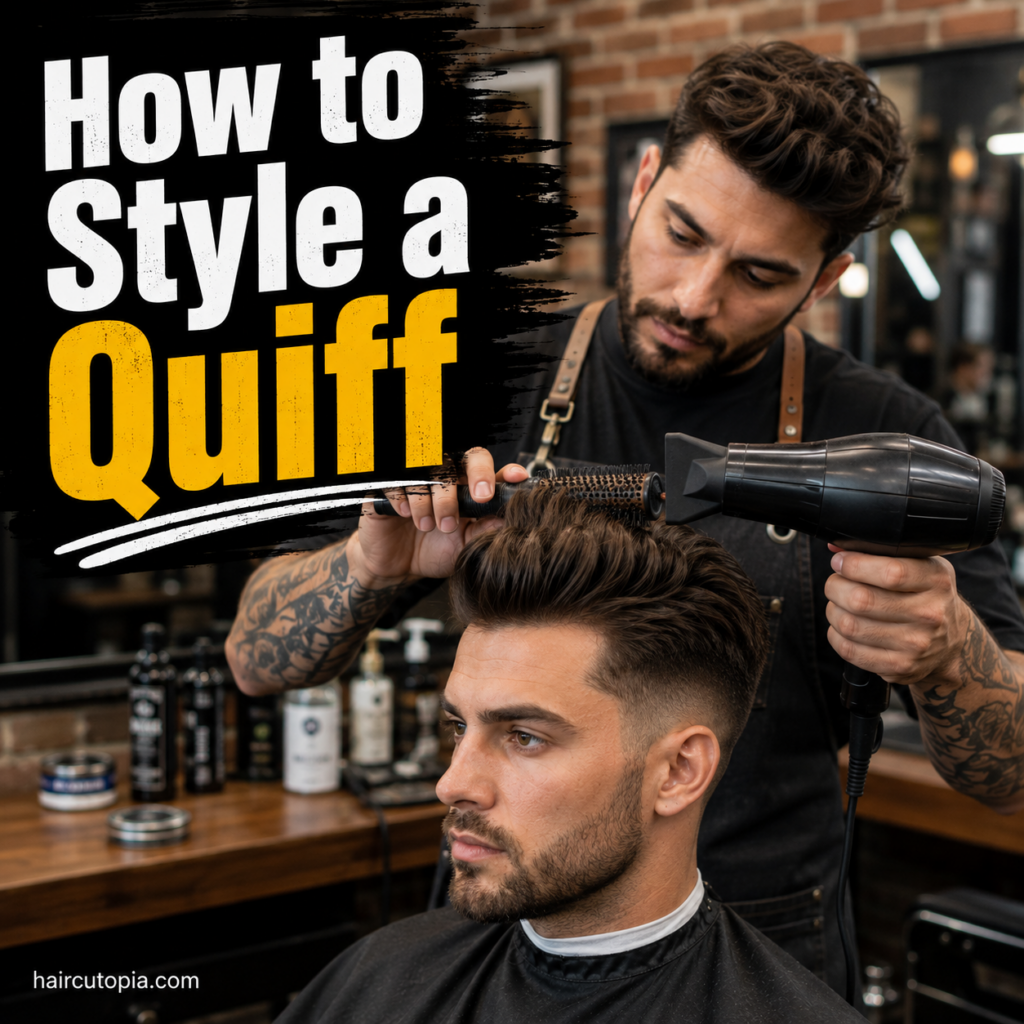
How to Style a Quiff

Barber using a blow dryer and round brush to style a client's quiff
A barber uses a blow dryer and brush to build volume and shape through the front of a quiff.

The quiff looks complicated when it’s done well, but the basic styling technique is surprisingly straightforward.

The biggest mistake is trying to create the entire hairstyle with wax, clay, or pomade. Styling product helps hold a quiff in place, but most of the shape and volume should be created before the finishing product ever touches your hair.

A blow dryer, the right direction, and a little patience at the front make a much bigger difference.

Whether you’re working with a short textured quiff or a longer, polished style, here’s how to get the shape right without turning your morning routine into a project.

Continue reading “How to Style a Quiff”

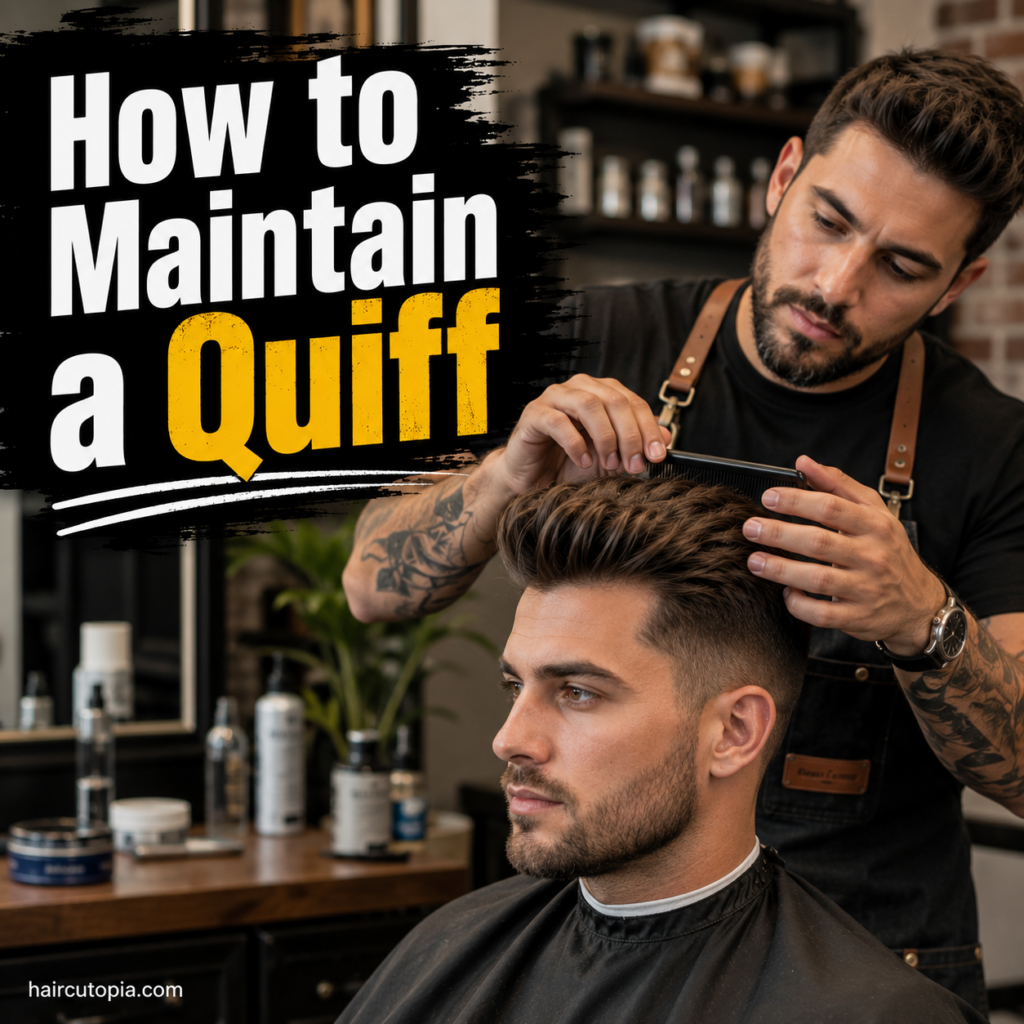
How to Maintain a Quiff

Barber styling and maintaining a client's quiff haircut
Regular shaping and proper styling help a quiff maintain its volume, texture, and overall shape.

A good quiff can look effortless, but keeping it that way takes a little maintenance.

The good news is that you don’t need an elaborate grooming routine. Most of the work comes down to keeping the haircut properly shaped, learning how to create volume when you style it, and using products that suit your hair instead of fighting against it.

Whether you wear a short textured quiff, a classic version with longer sides, or a modern quiff with a fade, the same basic principles apply.

Here’s how to keep your quiff looking sharp between barber visits.

Continue reading “How to Maintain a Quiff”

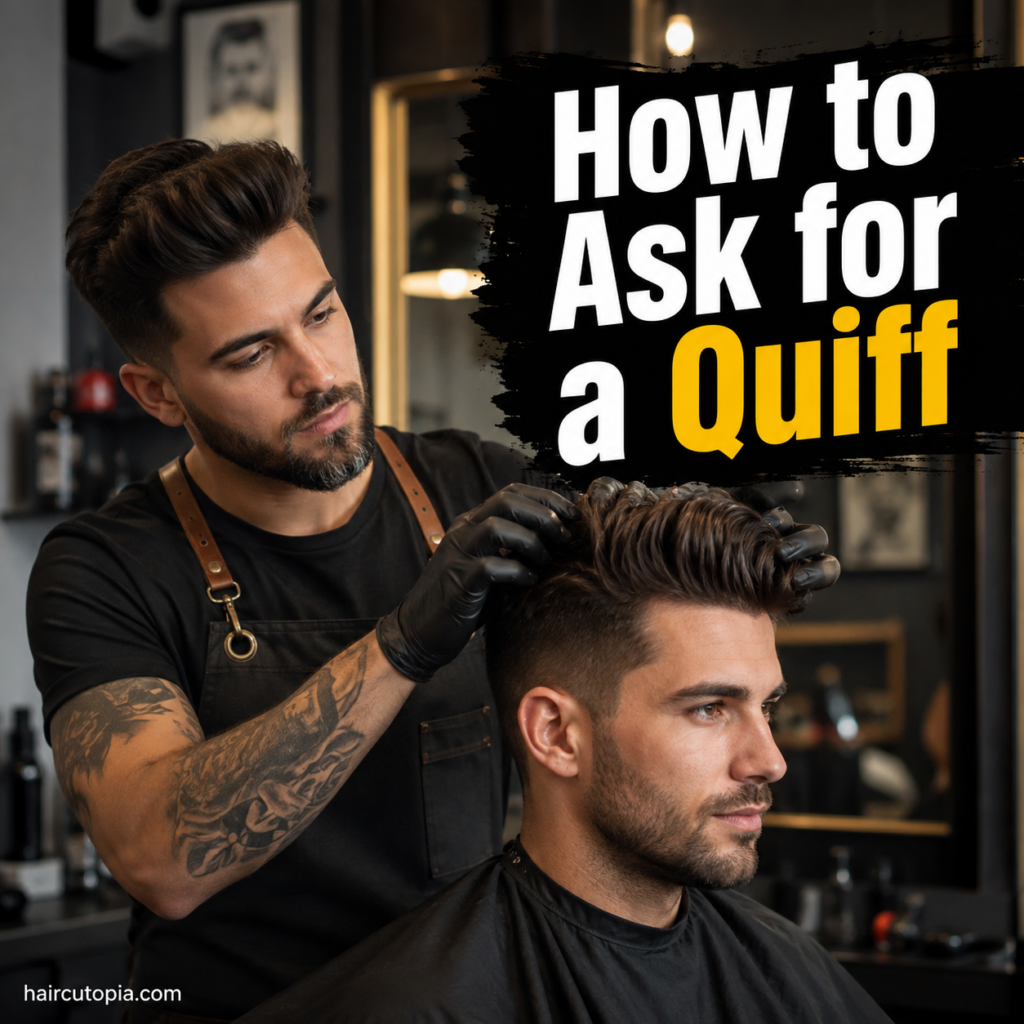
How to Ask for a Quiff

Barber styling a client's quiff haircut in a modern barbershop
Knowing the length, texture, and type of sides you want makes it easier to ask your barber for the right quiff.

The quiff is one of those hairstyles that can look classic, modern, polished, or slightly messy depending on how it’s cut and styled. That versatility is a big reason it has stuck around for decades.

The problem is that simply walking into a barbershop and saying, “I want a quiff,” leaves quite a bit open to interpretation.

A barber still needs to know how much length you want on top, how short the sides should be, whether you prefer a fade or taper, and how dramatic you want the front to look.

If you know how to describe those details, getting the quiff you actually pictured becomes much easier.

Continue reading “How to Ask for a Quiff”

Pompadour Maintenance Schedule

Barber maintaining a client's pompadour haircut
Regular barber visits help preserve the shape, volume, and clean sides of a pompadour as the haircut grows.

A pompadour can look incredibly sharp after a fresh haircut, but keeping that shape is a little different from maintaining a shorter, simpler style. You have length and volume on top to manage, while the sides may need regular attention—especially if your pompadour is paired with a fade.

The good news is that you don’t need a full haircut every week.

A practical pompadour maintenance schedule combines daily styling, regular washing based on your hair and scalp, occasional product cleanup, and barber visits before the haircut becomes difficult to control.

How often you need each step depends on your hair type, how quickly your hair grows, and whether you’re wearing a classic pompadour, taper, or tight fade.

Here’s a realistic schedule you can adjust to your own hair.

Continue reading “Pompadour Maintenance Schedule”

How to Style a Pompadour

Barber styling a client's pompadour haircut with a comb
Proper shaping and styling technique help create the height, volume, and swept-back finish of a pompadour.

A good pompadour looks like it should take a lot of effort. The front has height, the hair flows backward, and the entire style seems to stay suspended in exactly the right position.

In reality, styling a pompadour gets much easier once you stop trying to create all that volume with styling product.

The real work happens before the pomade, clay, or paste goes into your hair. Dampness, blow-drying direction, root lift, and the way you shape the front all play a bigger role than simply using a stronger product.

Whether you want a polished classic pompadour or a looser modern version, here’s how to style a pompadour step by step and keep it looking good throughout the day.

Continue reading “How to Style a Pompadour”

How to Maintain a Pompadour

Barber maintaining a pompadour haircut with a comb
Regular trims and proper styling help a pompadour maintain its shape, volume, and clean finish.

A fresh pompadour can look almost effortless when you leave the barbershop. The front has height, the sides are clean, and every strand seems to fall exactly where it should.

Then you wake up the next morning and have to recreate it yourself.

Maintaining a pompadour isn’t especially difficult once you understand what the style needs. The key is keeping enough length in the right places, controlling the shape as your hair grows, and using a styling routine that creates volume without loading your hair with product.

Whether you wear a classic pompadour with fuller sides or a modern version paired with a fade, this guide covers how to maintain the haircut between barber visits, style it at home, and keep it looking intentional as it grows.

Continue reading “How to Maintain a Pompadour”