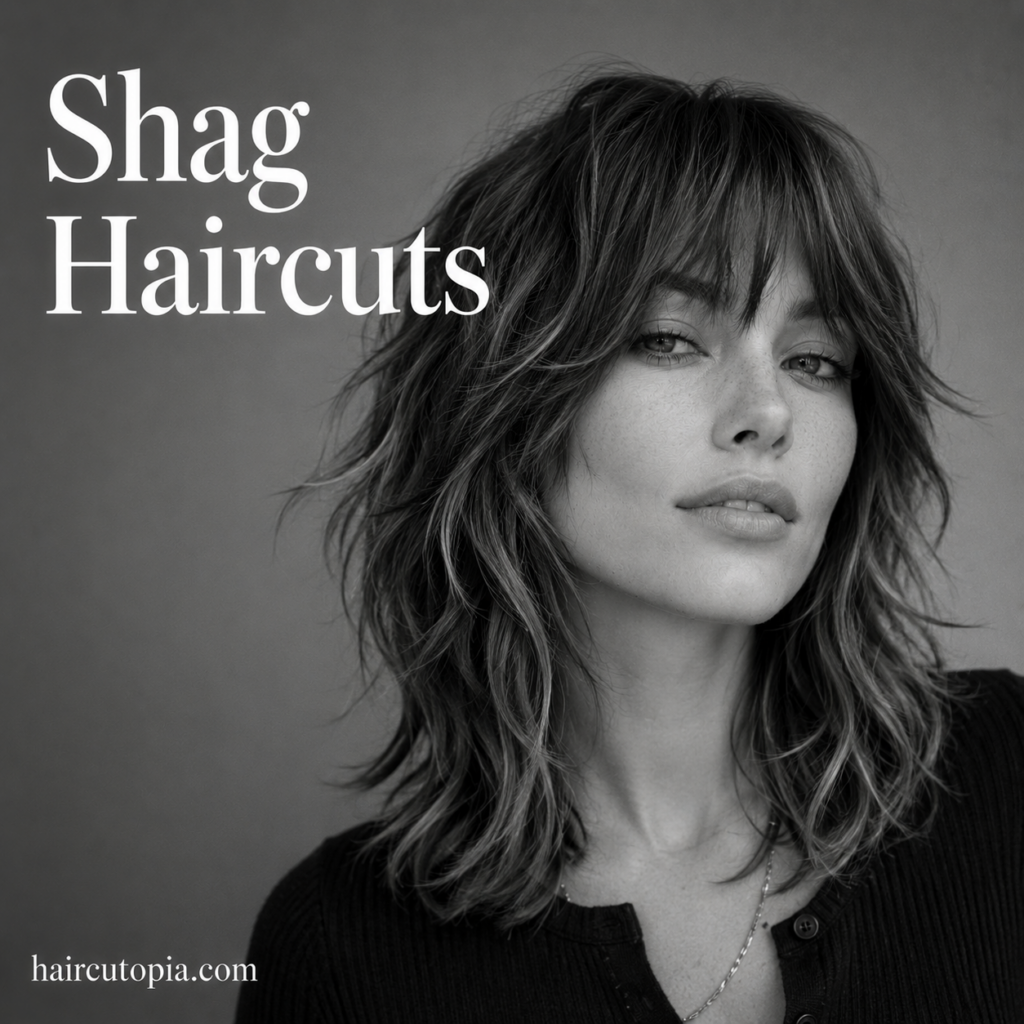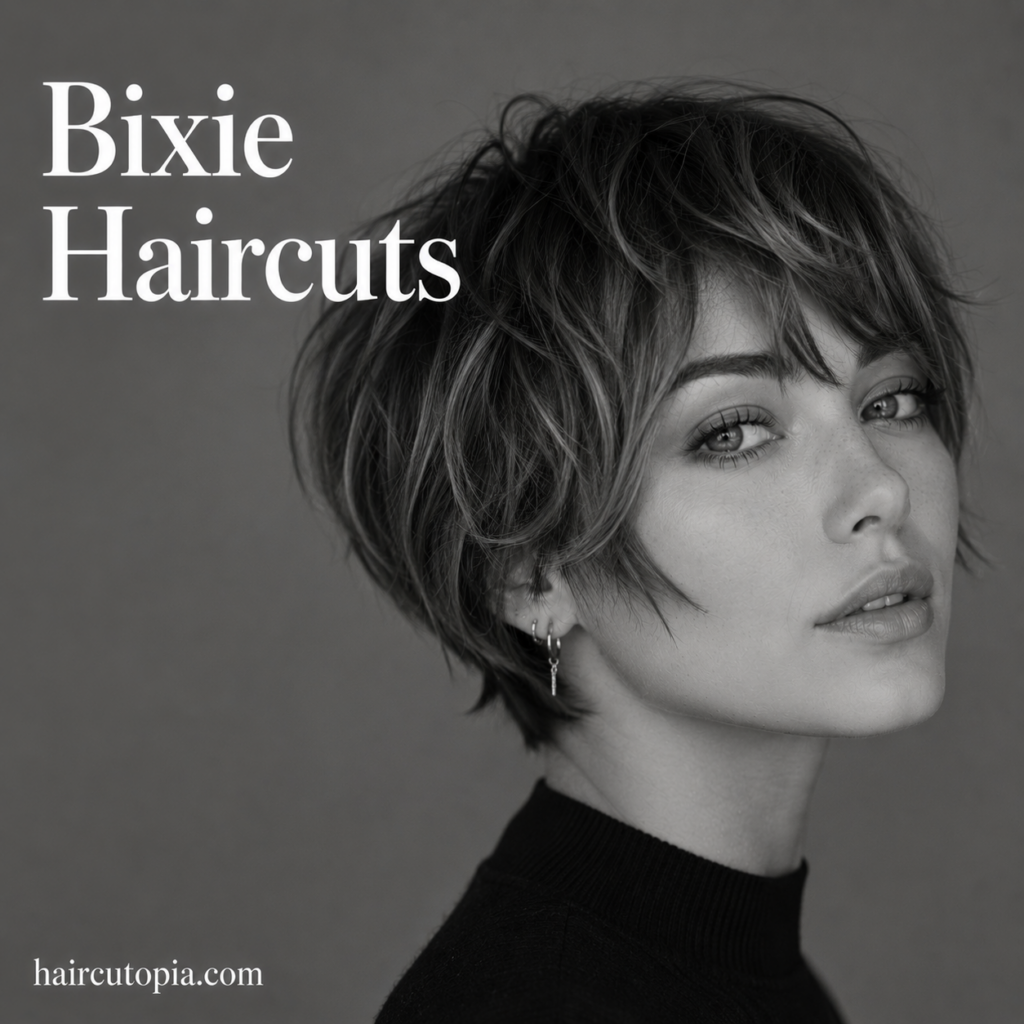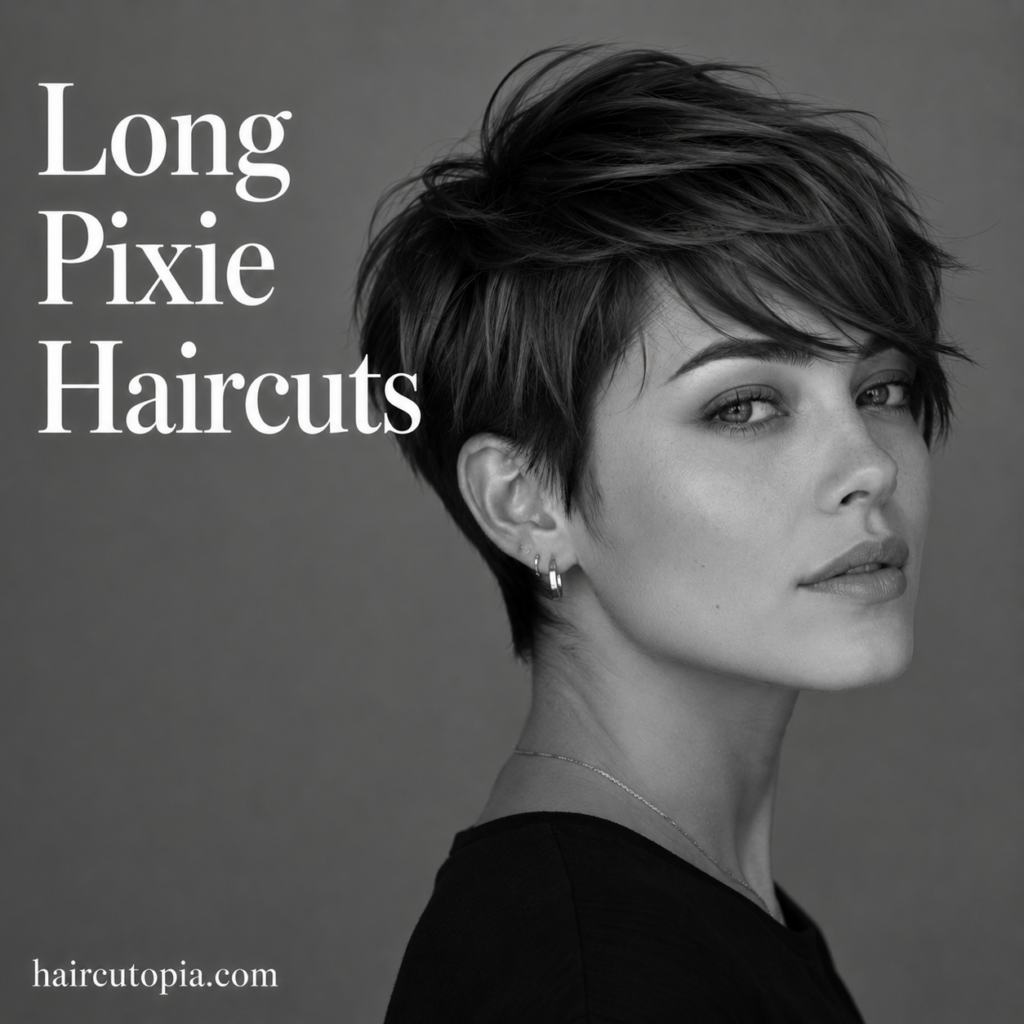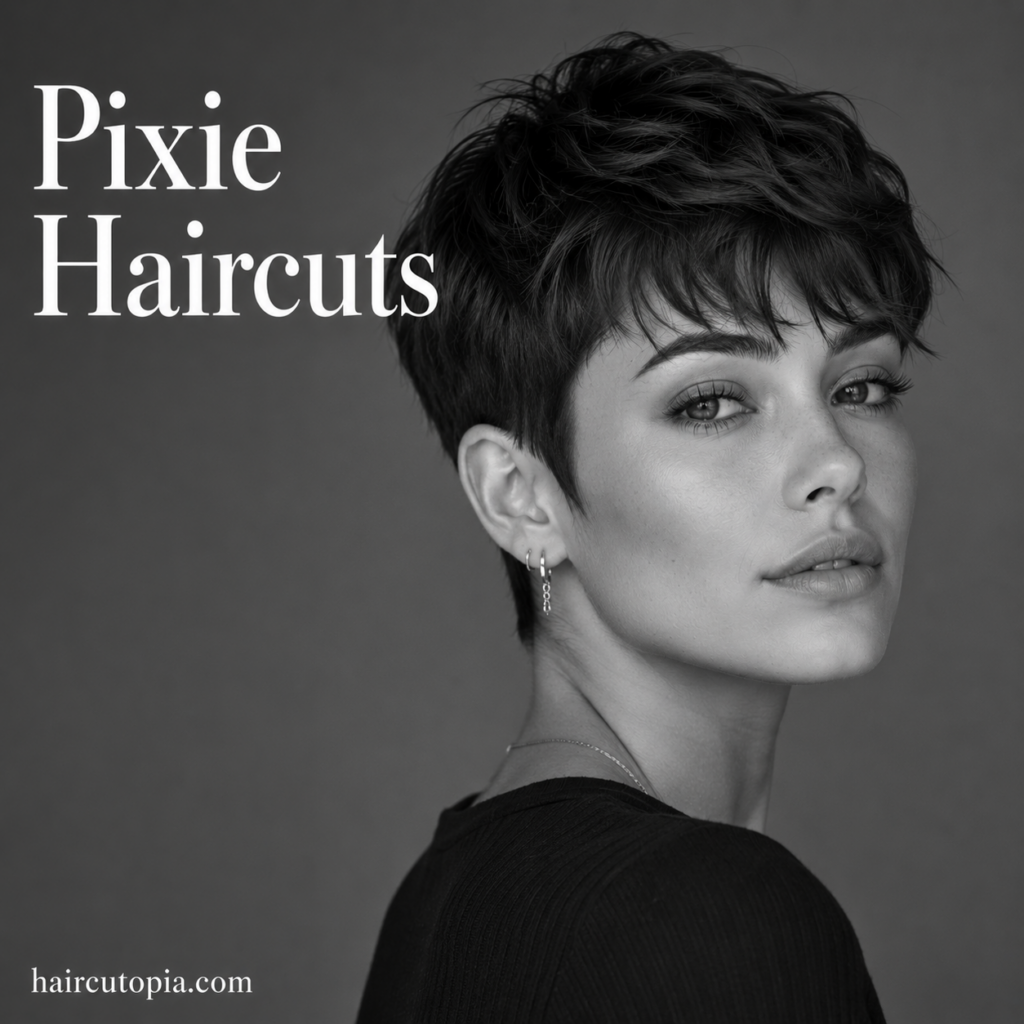
The wolf cut isn’t meant to sit perfectly in place.
That’s part of its appeal.
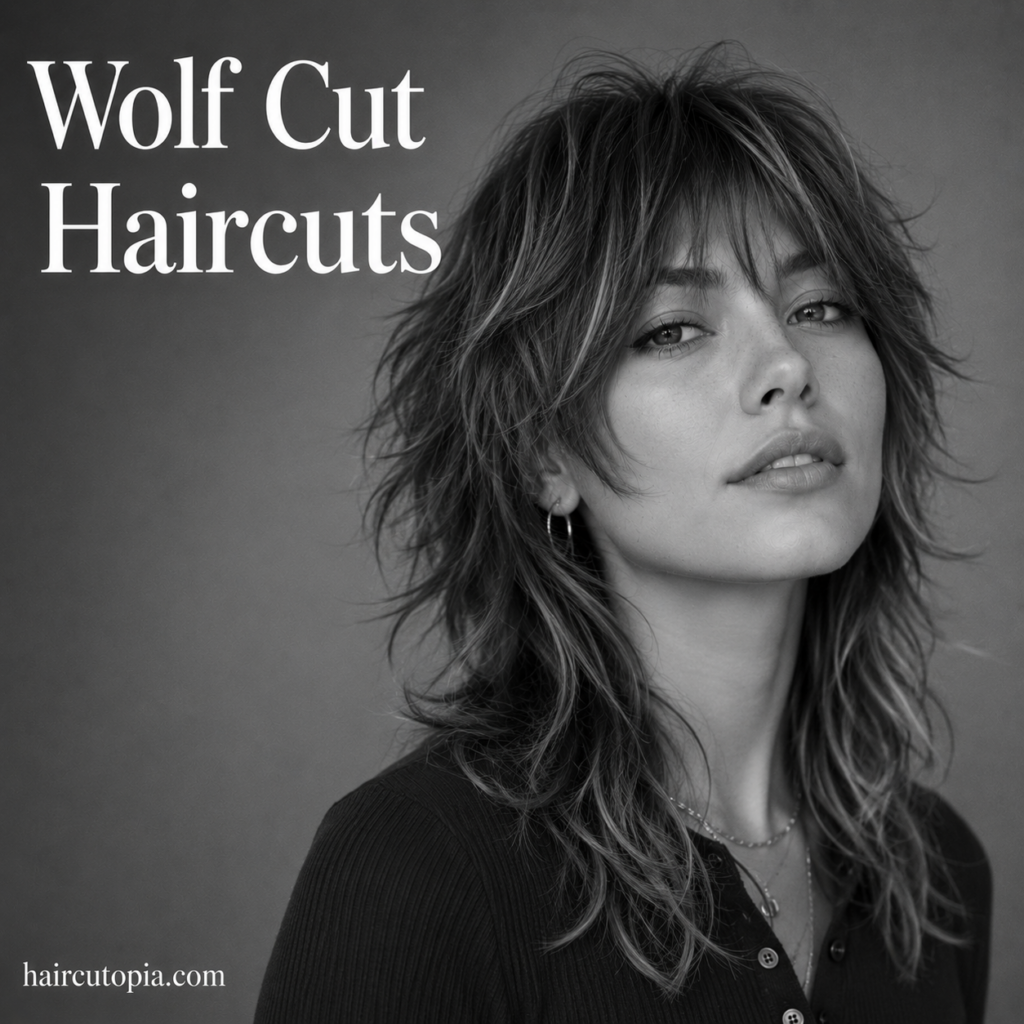
With shorter layers around the crown, plenty of movement through the middle, and lighter lengths toward the ends, the wolf cut creates a deliberately textured shape. Some versions are dramatic, with obvious separation between the top and bottom. Others soften the formula with longer layers, subtle face framing, and a more blended finish.
Either way, movement is the point.
The haircut borrows ideas from both the shag and mullet, but modern wolf cuts can be much more wearable than that description might suggest. They can be short or long, straight or curly, polished or messy. Bangs are common, though they’re not required.
What matters most is how the layers are distributed.
A good wolf cut should create volume and texture without making the lower sections look unnecessarily thin. The shortest layers need to work with your natural texture, density, and styling habits rather than simply copying a reference photo.
If you’re considering a wolf cut, here’s how the style works, the different variations to consider, and what you should know before committing to all those layers.
Continue reading “Wolf Cut Haircuts: The Complete Guide to Layered, Textured Wolf Cut Styles”