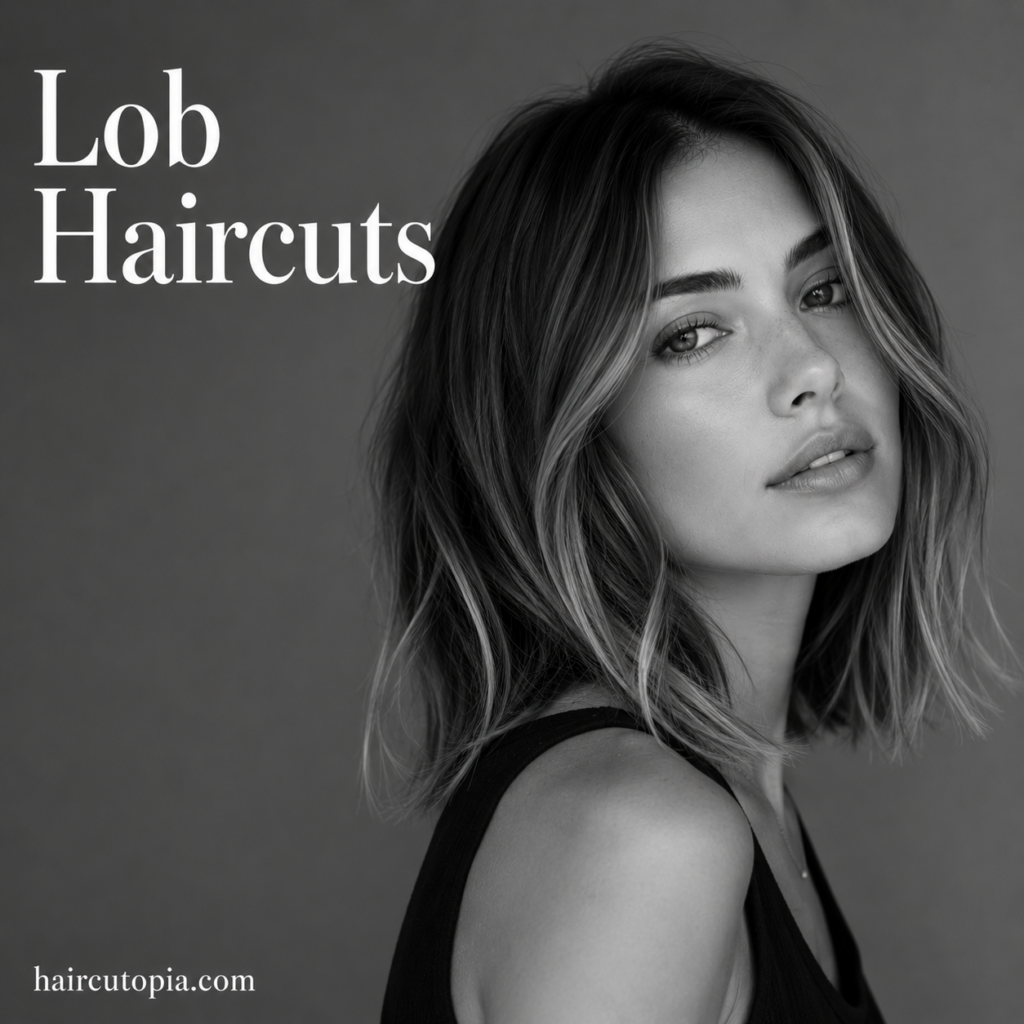
The lob is one of those haircuts that works when you’re ready for a change but aren’t quite ready to go short.
Sitting somewhere around the shoulders or collarbone, a lob has enough length to feel versatile while still giving your hair a noticeable shape. It can be sleek and blunt, softly layered, tousled and textured, naturally curly, or styled with loose waves. Add bangs or face-framing pieces and the entire look changes again.
That flexibility is what makes lob haircuts so appealing.
They’re long enough for many ponytails, buns, and half-up styles but short enough to remove some of the weight that comes with longer hair. A lob can also make damaged or thinning ends look more substantial by bringing the perimeter higher.
Still, not every lob should be cut the same way.
Hair texture, density, shoulder placement, face shape, and styling habits all influence where the length should fall and how much layering makes sense.
Here’s how to choose a lob that works with your hair rather than against it.
What Is a Lob Haircut?
“Lob” is short for “long bob,” a longer variation of the traditional bob haircut that typically keeps its recognizable perimeter while extending toward the shoulders.
A lob typically falls somewhere between the shoulders and collarbone, although slightly shorter or longer variations are common.
What separates a lob from simply having medium-length hair is usually the shape.
Lobs tend to maintain a recognizable bob-inspired perimeter. Even when layers are added, the baseline remains an important part of the haircut.
Common lob features include:
- Shoulder or collarbone length
- A defined perimeter
- Blunt or textured ends
- Optional layers
- Face-framing pieces
- Bangs or curtain bangs
- Straight, wavy, or curly styling
- Enough length for many tied-back hairstyles
Some lobs look highly structured. Others have a much softer, lived-in finish.
Both can work—the difference comes down to how the cut is designed.
Lob vs. Bob: What’s the Difference?
The main difference is length.
A traditional bob usually sits somewhere around the jaw, chin, or neck. A lob extends that basic shape toward the shoulders and collarbone.
That extra length changes the experience of the haircut.
A bob exposes more of the neck and places greater emphasis on the jaw and face. A lob feels less dramatic and retains more of the movement associated with medium-length hair.
It also provides additional styling options.
Depending on the exact cut, a lob may still fit into:
- Ponytails
- Low buns
- Claw clips
- Half-up hairstyles
- Loose braids
- Heatless styling methods
This makes the lob particularly attractive if you want the structure of shorter hair without losing the practicality of longer lengths.
Lob vs. Long Bob: Are They the Same?
In most conversations, yes.
“Lob” is simply an abbreviation of long bob, and stylists often use the terms interchangeably.
There can be a subtle difference in how people use the words, though.
Long bob may describe a broader range of bob-inspired cuts that extend beyond traditional bob length. Lob is commonly associated more specifically with that shoulder-to-collarbone sweet spot.
There isn’t an official measurement separating the two.
Instead of focusing too heavily on the terminology, decide where you actually want the perimeter to fall.
Showing that length to your stylist is far more useful than relying on the word “lob” alone.
Why Lob Haircuts Are So Popular
Among the most versatile medium-length women’s haircuts, the lob solves several common haircut dilemmas at once.
You want something noticeably different—but not too short.
You want enough shape to make the haircut interesting—but you still need to tie your hair back.
You want to remove length—but don’t want to spend the next year growing it back if you change your mind.
A lob handles those situations well.
It can also transition easily in either direction.
If you decide you love shorter hair, your next appointment can move the perimeter higher into a traditional bob. If you miss your long hair, a lob is already relatively close to medium length and can grow out without a dramatic transition.
That makes it one of the more forgiving haircut choices.
Popular Types of Lob Haircuts
The basic length is only the beginning.
Different cutting techniques can make one lob look completely different from another.
Classic Lob
A classic lob usually falls around the shoulders and maintains a relatively clean perimeter.
There may be subtle shaping, but the haircut isn’t dominated by obvious layers or dramatic angles.
This simplicity makes it adaptable.
You can wear it straight for a polished finish, add waves for movement, or let your natural texture influence the shape.
Blunt Lob
The blunt lob uses the strong, defined perimeter associated with blunt cut haircuts while maintaining the longer proportions of a lob.
The ends appear relatively even, creating a clean and substantial perimeter.
This style can look particularly striking on straight or lightly wavy hair.
It’s also popular for fine hair because maintaining weight through the ends may help create the appearance of greater density.
A blunt lob doesn’t have to be completely free of layering. Subtle internal shaping can provide movement while keeping the exterior line strong.
Layered Lob
A layered lob introduces different lengths throughout the haircut.
The amount of layering can range from barely visible to highly noticeable.
Long, blended layers can add movement while preserving fullness. Shorter layers can create more volume and texture through the upper portions of the haircut.
Layered lobs are particularly useful for thick hair or anyone who feels a one-length cut becomes too heavy.
Textured Lob
A textured lob takes the movement and separation associated with a textured bob and applies it to a longer, shoulder-length shape.
The ends may be lightly separated or softened to encourage movement.
This style pairs naturally with waves and bends because the goal isn’t a perfectly uniform perimeter.
A textured lob can also be relatively forgiving as it grows, since a slightly lived-in shape is part of its character.
Wavy Lob
Loose waves have become one of the most recognizable ways to wear a lob.
The length gives waves enough room to form while remaining short enough to keep the overall silhouette light.
Natural waves can do much of the work, or straighter hair can be styled with loose bends.
The result can range from polished waves to a much more relaxed, beachy texture.
Curly Lob
Curly hair can give a lob beautiful shape and volume.
The important part is accounting for shrinkage.
A haircut that reaches the collarbone while stretched may sit significantly higher when the curls are fully dry.
Layers can help distribute volume and allow individual curls to move more freely.
The ideal amount depends on density, curl pattern, and the silhouette you want.
Angled Lob
An angled lob uses a shape similar to an A-line bob, sitting slightly shorter toward the back and gradually becoming longer toward the front.
The difference can be subtle or dramatic.
A gentle angle creates movement without making the haircut look highly structured.
A more noticeable angle emphasizes the side profile and gives the cut a sharper appearance.
Shaggy Lob
A shaggy lob brings some of the noticeable layering and texture associated with shag haircuts into a shoulder-length bob shape.
Rather than maintaining the polished appearance of a classic lob, it embraces movement and separation.
Shorter layers around the crown can create volume, while longer pieces preserve the overall shoulder-length shape.
This style works particularly well with natural waves.
Lob With Face-Framing Layers
Face-framing layers concentrate movement around the front without necessarily changing the rest of the haircut.
The shortest pieces might begin near the cheekbones, jaw, chin, or lower.
This can make a relatively simple lob feel much more customized.
Face framing also blends naturally with curtain bangs and other longer fringe styles.
Choosing the Right Lob Length
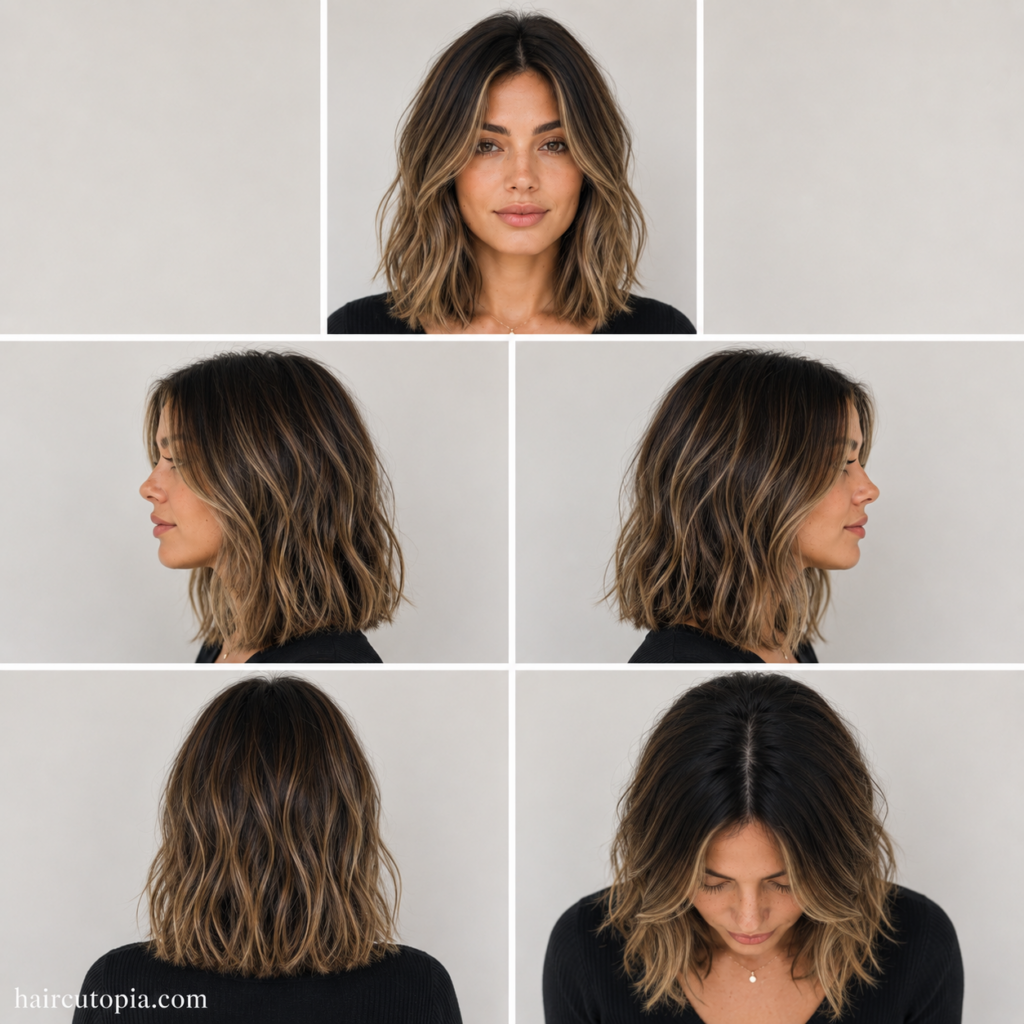
Not all shoulder-length hair behaves the same way.
Where the perimeter falls relative to your shoulders can affect both styling and movement.
Just Above the Shoulders
A lob sitting just above the shoulders maintains a particularly clean silhouette.
Because the ends aren’t constantly resting on the shoulders, they may be less likely to flip outward.
This length feels closer to a traditional bob while still providing additional versatility.
Shoulder-Length Lob
A shoulder-length lob sits directly around the shoulders.
It’s one of the most recognizable versions.
The benefit is balance: the haircut feels noticeably shorter than long hair without becoming truly short.
The downside is that the ends may interact with the shoulders and naturally flip inward or outward.
Depending on your texture, that can either become part of the style or require some additional styling.
Collarbone Lob
A collarbone-length lob offers additional movement and styling flexibility.
It can usually be pulled back more easily and provides enough length for substantial face framing and layering.
This is also a comfortable starting point if you’re cutting long hair for the first time and don’t want the change to feel too dramatic.
Blunt vs. Layered Lob Haircuts
This choice has a major influence on how your lob looks.
A blunt lob concentrates visual weight toward the perimeter.
It tends to feel:
- Clean
- Structured
- Full
- Minimal
- Polished
A layered lob distributes length throughout the haircut.
It tends to feel:
- Soft
- Airy
- Textured
- Voluminous
- Relaxed
Neither is universally better.
Fine hair may benefit from a stronger perimeter, particularly when fullness is a priority.
Thick hair may need layers or internal shaping to prevent the haircut from becoming overly heavy.
Many modern lobs combine both ideas.
The exterior can still appear relatively blunt while hidden or subtle layers create movement inside the haircut.
Lob Haircuts for Fine Hair
A lob can be an excellent length for fine hair.
Very long fine hair sometimes becomes increasingly sparse toward the ends. Bringing the perimeter upward can remove thinner sections and create a stronger baseline.
Good options include:
- Blunt lobs
- One-length lobs
- Collarbone cuts
- Softly angled lobs
- Lightly layered lobs
Be thoughtful with layers.
Removing too much weight can make fine hair appear thinner rather than fuller.
Long, subtle layers may provide enough movement without sacrificing density through the ends.
Styling products can help too, but lighter formulas are generally easier for fine strands to handle.
Lob Haircuts for Thick Hair
A lob gives thick hair enough length to maintain some weight while still allowing the haircut to have a defined shape.
Layering can be especially helpful.
Strategic layers or internal weight removal can prevent excessive bulk around the shoulders.
Possible styles include:
- Layered lobs
- Textured lobs
- Shaggy lobs
- Angled lobs
- Face-framed lobs
The goal shouldn’t automatically be to remove as much hair as possible.
Over-thinning can sometimes make thick hair expand or become harder to control.
The best approach depends on how your texture behaves once weight is removed.
Lob Haircuts for Straight Hair
Straight hair highlights the shape of a lob clearly.
Blunt and precision cuts can look especially clean because the perimeter remains easy to see.
A sleek lob creates a simple, modern silhouette without requiring complicated layering.
If you want more movement, face-framing pieces or subtle layers can soften the overall shape.
Straight hair is also easy to restyle with waves or bends when you want more texture.
Lob Haircuts for Wavy Hair
Wavy hair and lobs are a natural combination.
Removing some length can help waves become more noticeable because there’s less weight pulling them downward.
A textured or layered cut can encourage that movement even further.
If you normally air-dry your waves, the haircut should be evaluated in that state.
Tell your stylist how your hair behaves without heat styling so the finished shape works with your everyday routine.
Lob Haircuts for Curly Hair
Curly lobs can have plenty of movement and volume without feeling overwhelmingly long.
Layering can prevent too much weight from accumulating at the bottom.
However, shrinkage needs to be considered carefully.
The final dry length is what matters.
Depending on your curl pattern, a collarbone-length cut when stretched could sit around the shoulders once dry.
A stylist experienced with curls can help anticipate those changes before significant length is removed.
Lob Haircuts for Different Face Shapes
The lob is easy to adapt because the perimeter isn’t locked to one part of the face.
Small changes in length and layering can alter how the haircut frames your features.
Lob Haircuts for Oval Faces
Oval faces can experiment with most lob variations.
Blunt, layered, wavy, angled, and bang-heavy styles are all options.
Hair texture and personal style can take priority.
Lob Haircuts for Round Faces
A lob falling below the chin naturally creates longer lines around the face.
An angled cut with slightly longer front sections can emphasize that effect.
Face-framing layers can also be positioned to create movement below or around the cheeks.
Of course, you don’t need to use your haircut to make your face look narrower. A fuller, wavier shape can work just as well if that’s the look you prefer.
Lob Haircuts for Square Faces
Soft layers and waves can contrast with a defined jawline.
A blunt lob takes the opposite approach, creating another strong line and emphasizing facial structure.
Your choice depends on whether you want softness or definition.
Lob Haircuts for Heart-Shaped Faces
Shoulder and collarbone lengths can create movement around the lower portion of the face.
Curtain bangs and face-framing layers can further customize the proportions.
Lob Haircuts for Long Faces
A lob can create more horizontal emphasis than very long hair.
Waves and side volume can increase that effect, while bangs can visually change the proportions of the forehead.
Lob Haircuts With Bangs
Bangs are one of the easiest ways to make a lob feel new without changing its overall shoulder-to-collarbone length.
Lob With Curtain Bangs
Curtain bangs pair especially well with shoulder-length hair.
The fringe can gradually blend into longer face-framing sections, creating a smooth transition into the rest of the haircut.
This combination works beautifully with waves and layered styles.
Lob With Wispy Bangs
Wispy bangs add softness without creating a heavy line across the forehead.
They can complement fine hair and more relaxed lob shapes.
Lob With Blunt Bangs
Blunt bangs create stronger contrast.
Pair them with a blunt lob and the entire haircut becomes more graphic and structured.
This style may require more frequent fringe trims to maintain the intended length.
Lob With Side-Swept Bangs
Side-swept bangs create movement around one side of the face.
Longer versions can blend into face-framing layers and are relatively easy to grow out.
Lob Haircuts With Face-Framing Layers
Face framing is particularly effective at lob length.
Because the overall perimeter remains around the shoulders or collarbone, shorter pieces near the front can create visible movement without dramatically reducing fullness.
The starting point changes the effect.
Layers beginning near the cheekbones create more noticeable framing.
Starting around the chin produces a softer transition.
Longer pieces beginning below the chin create subtle movement while preserving more uniform length.
Face-framing layers can also help connect bangs to the rest of the haircut.
Middle-Part Lob Haircuts
A middle part gives a lob a balanced appearance.
It works particularly well with:
- Blunt lobs
- Curtain bangs
- Face-framing layers
- Loose waves
- Sleek styling
A perfectly centered part isn’t necessary.
If your natural growth pattern favors one side, a slightly off-center part can create a similar look with less effort.
Side-Part Lob Haircuts
A side part creates asymmetry and can make one side appear fuller.
It’s an easy way to change the silhouette without changing the haircut.
Side parts work particularly well with textured, wavy, and layered lobs because the additional volume complements the movement already present in the cut.
How to Style a Lob Haircut
One of the lob’s biggest advantages is styling flexibility.
Sleek and Straight
Straight styling emphasizes the perimeter.
It’s particularly effective with blunt and angled cuts.
Use heat protection when regularly blow-drying or straightening.
Loose Waves
Soft waves add movement and help break up a strong baseline.
For a more natural finish, avoid making every wave perfectly identical.
Air-Dried Texture
If your hair naturally waves or curls, a lob can work beautifully without extensive heat styling.
Use products suited to your texture and allow the haircut’s shape to do much of the work.
Tousled and Textured
A lightweight texture product can create separation through the mid-lengths and ends.
Start with less product than you think you need and build gradually.
Half-Up Hair
Most lobs provide enough length for simple half-up hairstyles.
This is also useful when growing out bangs.
Low Ponytail
Shoulder and collarbone lobs can often be gathered into a low ponytail.
If this matters to you, make sure your stylist knows before cutting shorter face-framing sections.
Claw Clip Styles
Longer lobs may have enough length for a small twist or claw clip.
Some shorter front pieces may fall naturally around the face, creating a relaxed finish.
Are Lob Haircuts Low Maintenance?
A lob can be one of the more practical medium-length haircuts, but maintenance depends on the version you choose.
A textured lob that works with your natural waves may require very little daily styling.
A sleek blunt lob may need regular blow-drying if your natural texture doesn’t fall straight.
Bangs create their own maintenance schedule.
The lob does have one advantage over very short bobs: growth tends to be less obvious.
An additional inch usually doesn’t completely change the haircut’s proportions.
You can also tie many lobs back when you don’t feel like styling them.
How Often Should You Trim a Lob?
Many lob haircuts can go approximately 8–12 weeks between trims.
More precise blunt cuts may benefit from earlier maintenance.
Soft, textured, or layered styles can sometimes go longer because the shape is more forgiving as it grows.
Your ideal schedule depends on:
- How quickly your hair grows
- The condition of your ends
- Whether you have bangs
- How precise the perimeter is
- Whether you’re maintaining or growing the length
If you’re growing your lob out, trims can focus on maintaining healthy-looking ends rather than restoring the original length.
How to Ask Your Hairstylist for a Lob
The word “lob” doesn’t tell your stylist everything they need to know.
Be specific about the details.
Discuss:
- Where you want the perimeter to fall.
- Whether you want it above, at, or below the shoulders.
- Whether the ends should look blunt or soft.
- How much layering you want.
- Whether you want face-framing pieces.
- Whether you’re adding bangs.
- How you normally style your hair.
- Whether you need enough length for a ponytail.
Bring photos, but explain what you like about them.
Maybe you like the length in one photo but the layering in another.
That’s useful information.
Your stylist can combine those preferences while adapting the haircut to your own texture and density.
Going From Long Hair to a Lob
A lob is a popular first step when someone with long hair wants a major change.
You’ll remove enough length for the haircut to feel fresh without immediately jumping to jaw-length hair.
The ends may also look noticeably fuller after damaged or heavily tapered length is removed.
Your natural texture might change as well.
Waves and curls can become stronger when they aren’t being stretched by the weight of long hair.
If you’re uncertain about how short to go, start around the collarbone.
You can always move the perimeter higher at your next appointment.
Growing Out a Lob
Growing out a lob is usually fairly simple.
The haircut naturally transitions from collarbone length into medium and eventually longer hair.
You may need occasional reshaping if you have significant layers or an angled perimeter.
Face-framing sections will also take time to catch up with the longest pieces.
Tell your stylist you’re growing the haircut rather than maintaining it.
That changes the goal of each trim from restoring the lob to preserving healthy ends while allowing length to accumulate.
Who Should Consider a Lob Haircut?
A lob may be a great choice if you:
- Want shorter hair without going truly short
- Need enough length for a ponytail
- Want to remove damaged ends
- Prefer a haircut that grows out easily
- Want more shape than long, one-length hair provides
- Like switching between straight and wavy styles
- Want to experiment with layers or bangs
- Are considering a shorter bob eventually
- Want something relatively flexible for everyday styling
The lob is particularly useful if you’re caught between wanting a noticeable haircut and wanting to keep your options open.
Frequently Asked Questions About Lob Haircuts
What does lob haircut mean?
Lob is short for long bob. It generally describes a bob-inspired haircut that falls around the shoulders or collarbone.
What is the ideal length for a lob?
There isn’t one required length, but shoulder to collarbone length is the most common range.
The best length depends on your texture, proportions, and whether you want to tie the hair back.
Is a lob the same as a long bob?
Yes, in most cases. Lob is simply an abbreviated version of long bob.
Is a lob shorter than shoulder-length hair?
It can be slightly above the shoulders, directly at shoulder length, or extend toward the collarbone.
Does a lob make fine hair look thicker?
A lob with a strong perimeter can make the ends of fine hair appear fuller, especially when excessive layering is avoided.
Is a lob good for thick hair?
Yes.
Strategic layers or internal shaping can reduce bulk while keeping the overall shoulder-to-collarbone length.
Can curly hair have a lob?
Absolutely.
Curly lobs can have excellent shape and movement. Shrinkage and layer placement should be considered when choosing the finished length.
Can you put a lob into a ponytail?
Many lobs can be pulled into a low ponytail, particularly shoulder and collarbone-length versions.
Shorter face-framing sections may remain loose.
How often should a lob be trimmed?
Approximately every 8–12 weeks works for many styles, although blunt cuts and bangs may require more frequent maintenance.
Is a lob easy to grow out?
Yes. Because it already sits around medium length, the transition toward longer hair is usually straightforward.
Final Thoughts on Lob Haircuts
The lob has earned its popularity because it asks you to compromise very little.
You can cut away a significant amount of length without giving up all the styling options that come with longer hair. You can wear it blunt and sleek, layered and voluminous, softly waved, naturally curly, or somewhere in between.
And if you change your mind later, you have options.
Go shorter and the lob becomes a bob. Let it grow and it transitions naturally into medium-length hair.
The details are what make the cut work.
Choose a perimeter that fits your routine, decide how much layering your density needs, and think about how you normally wear your hair rather than how you might style it once in a while.
A good lob should feel versatile, manageable, and intentional—whether you wear it freshly styled or simply let your natural texture take over.
Related Posts
 Lob Haircuts for Busy Moms: 25 Stylish, Low-Maintenance Long Bob Ideas
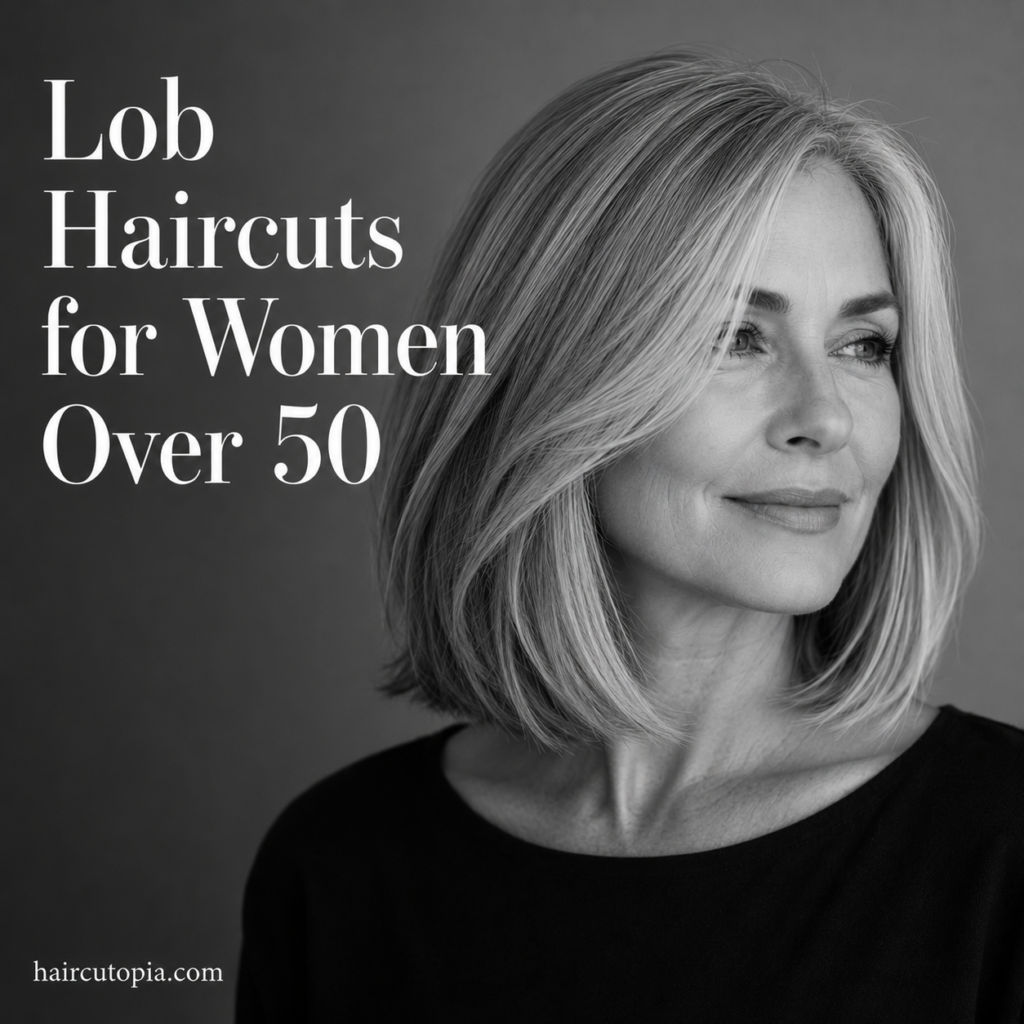 Lob Haircuts for Women Over 50: 25 Elegant Long Bob Styles That Never Go Out of Fashion
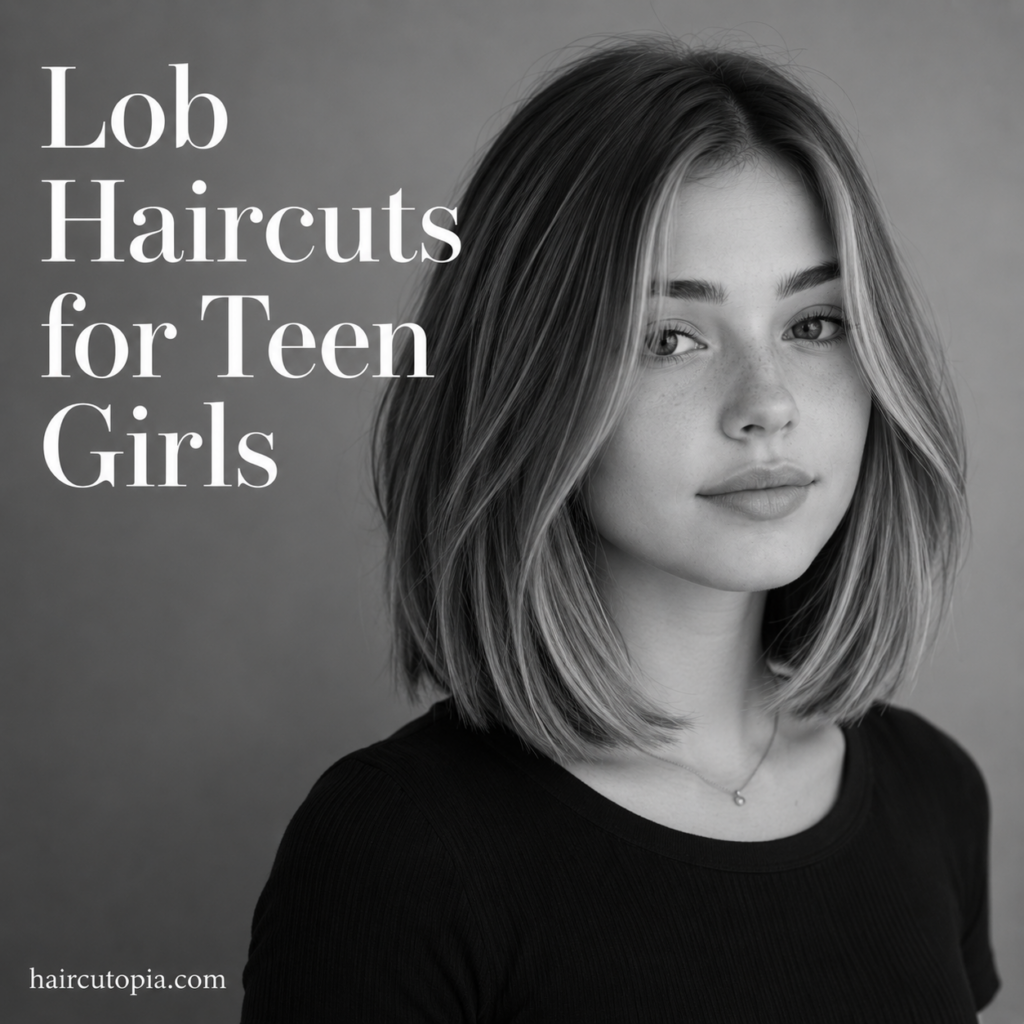 Lob Haircuts for Teen Girls: 25 Stylish Long Bob Ideas for Every Personality
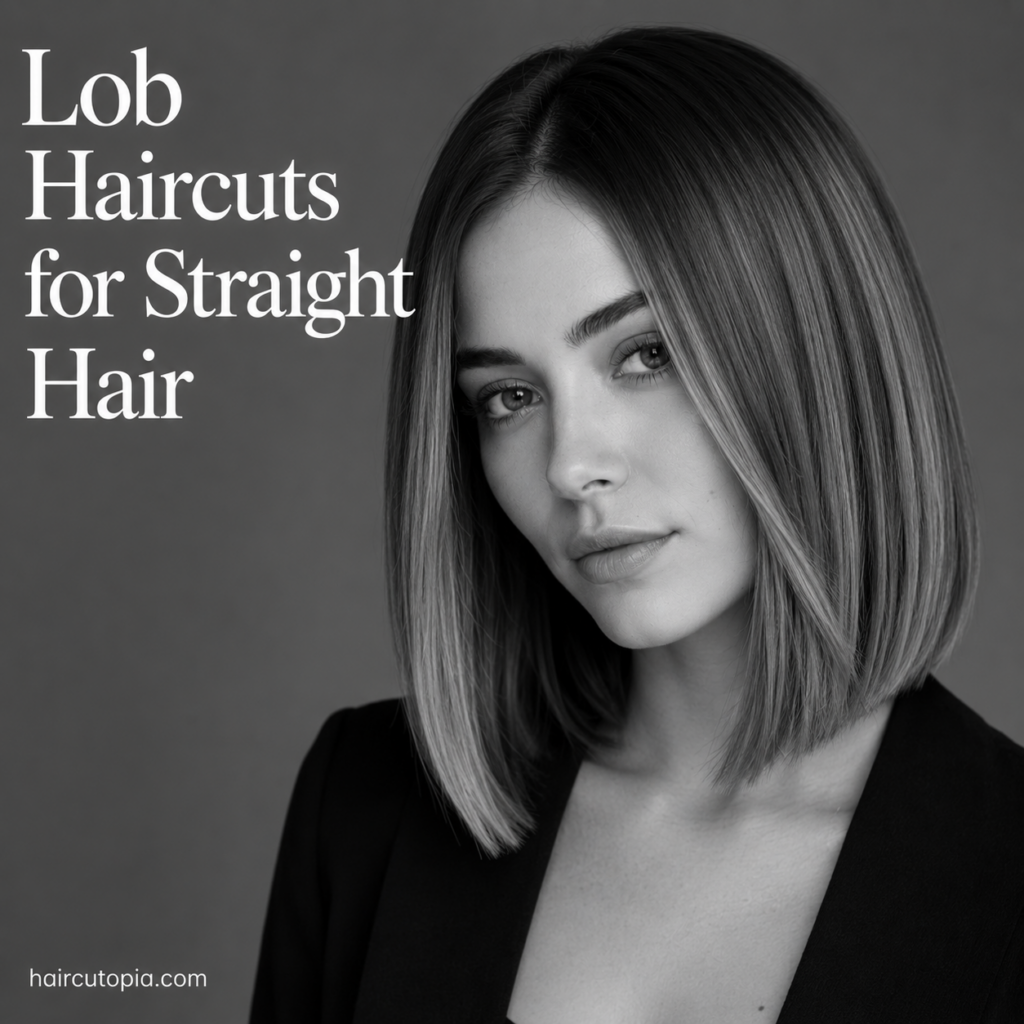 Lob Haircuts for Straight Hair: 25 Sleek and Stylish Long Bob Ideas