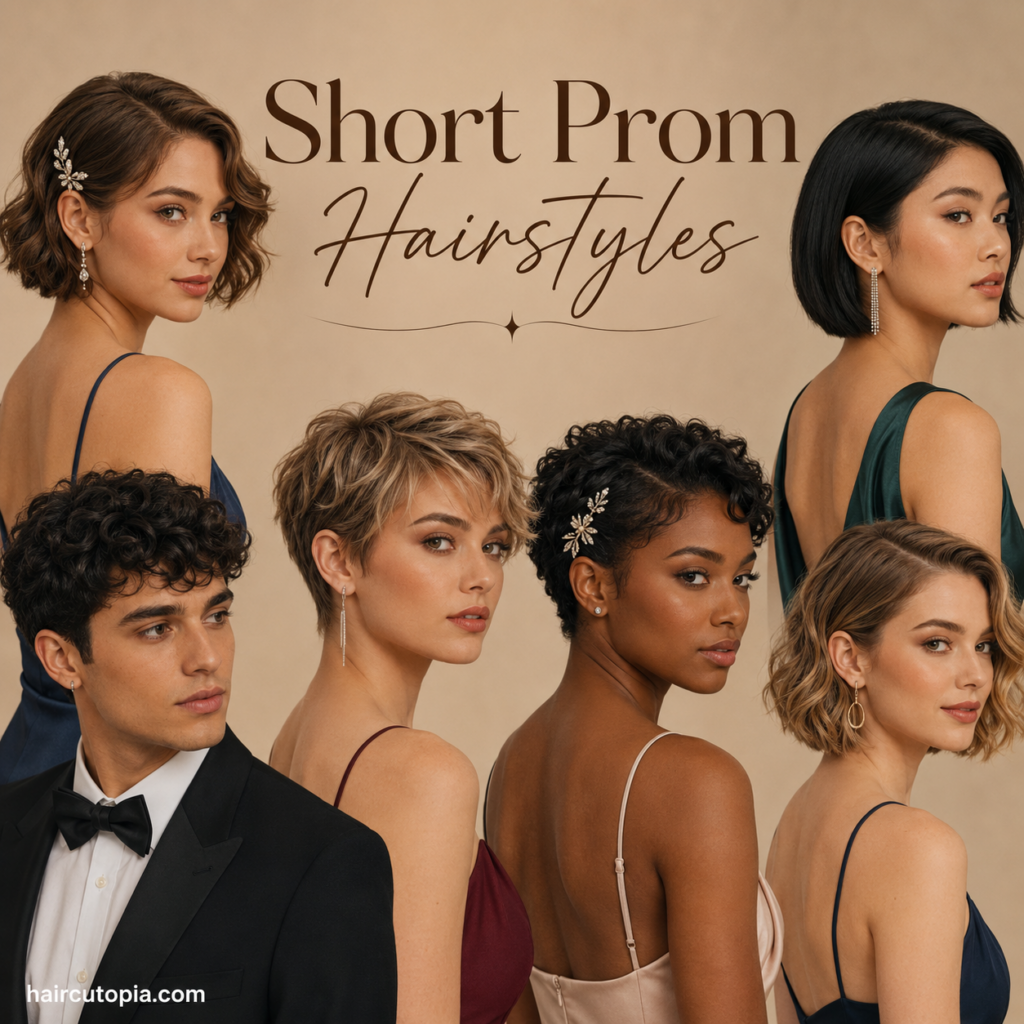
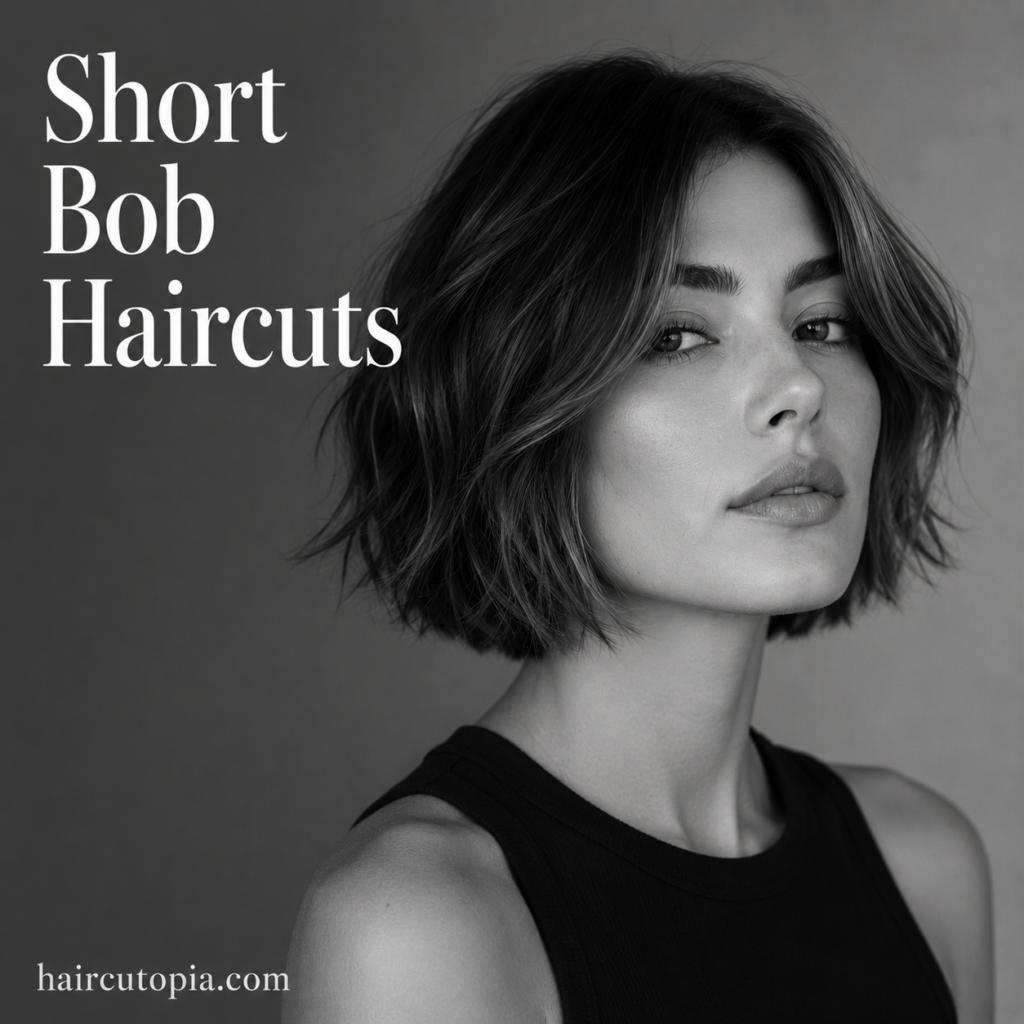
Short bob haircuts have a way of making even a simple hairstyle feel intentional. The length puts the shape of the cut front and center, whether that means a crisp jawline, softly textured ends, natural curls, or a slightly undone finish.
They’re also much more versatile than they first appear.
A short bob can be sleek and precise, airy and layered, softly rounded, blunt, tousled, or paired with bangs. Some versions barely reach the jaw, while others sit higher and expose more of the neck. A small adjustment in length can completely change the personality of the haircut.
That’s why choosing a short bob involves more than showing your stylist a photo and asking them to copy it. Your natural texture, density, face shape, growth patterns, and everyday styling routine all influence how the cut will actually behave.
If you’re thinking about going shorter, this guide covers the major short bob styles, how to choose the right length, what works with different hair types, and what to expect when it comes to styling and maintenance.
What Is a Short Bob Haircut?
A short bob is a cropped version of the traditional bob haircut, generally ending somewhere between the cheekbones and jawline, although some versions extend slightly below the jaw.
Unlike a pixie, a short bob usually maintains a recognizable perimeter around the head rather than being closely cropped through the sides and back.
That perimeter can be strong and blunt or soft and textured.
Common features include:
- Jaw-length or shorter proportions
- A defined baseline
- Minimal to moderate layering
- Exposed or partially exposed neckline
- Optional bangs
- Face-framing pieces
- Natural or styled texture
There isn’t one exact length where a regular bob suddenly becomes a short bob. The overall proportions matter more than a strict measurement.
Why Short Bob Haircuts Are So Appealing
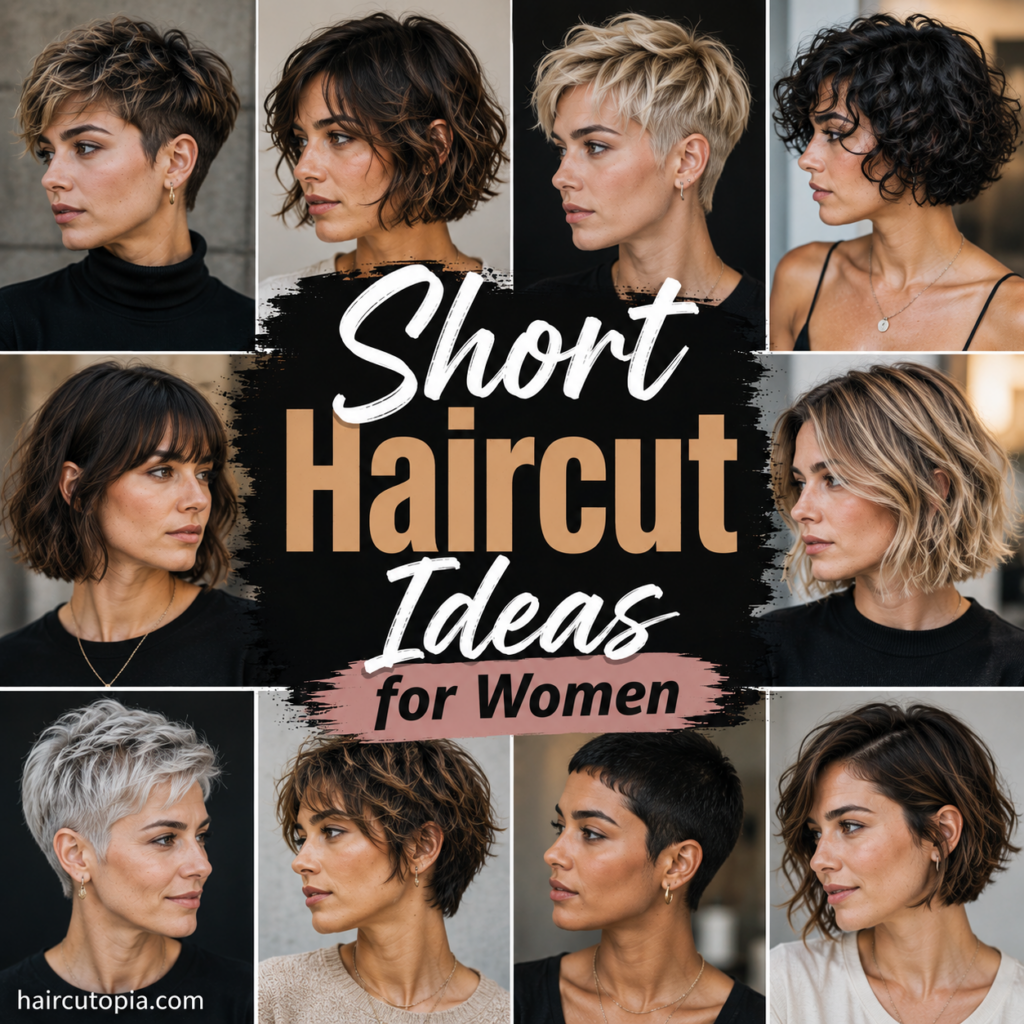
Among shorter women’s haircuts, a short bob creates a noticeable change without requiring the commitment of a pixie.
You still get the impact of shorter hair, but there’s enough length to experiment with texture, parting, accessories, and different finishes.
The shorter perimeter can also draw attention to areas that longer hair tends to cover, including the jaw, cheekbones, neck, and shoulders.
Then there’s the styling factor.
Removing several inches of length can significantly reduce drying time. Depending on your texture, a short bob may also need less product than longer hair.
That doesn’t necessarily make every short bob low maintenance, though.
Precision cuts may require regular trims, and some styles need daily heat styling to maintain their intended shape. The easiest version is usually one designed around how your hair naturally behaves.
Popular Types of Short Bob Haircuts
The term “short bob” describes a length category rather than one exact haircut.
Within that category, there are plenty of different shapes to consider.
Classic Short Bob
The classic short bob keeps things relatively simple.
It usually sits around the jaw with a clean perimeter and limited visible layering.
The result can be polished without feeling overly complicated.
A classic bob works particularly well if you want the length itself to make the statement. It can be worn sleek, softly waved, or with your natural texture depending on the cut.
Blunt Short Bob
A blunt short bob emphasizes a strong baseline, using the clean perimeter associated with blunt cut haircuts to give the shorter shape a crisp, structured finish.
Rather than using obvious layers to create the shape, the perimeter does most of the visual work.
This style can look especially striking on straight hair because the clean line remains easy to see.
Blunt ends can also create the appearance of greater fullness, making this version worth considering for fine or lower-density hair.
The haircut doesn’t have to be completely layer-free. Subtle internal shaping can be used without disrupting the solid exterior line.
Layered Short Bob
Adding layers changes the character of a short bob considerably.
Layers can reduce weight, encourage movement, or create volume depending on where they’re placed.
A lightly layered bob may still appear fairly classic from the outside. More pronounced layering can create a tousled, piecey finish.
Layered short bobs can be especially useful for thick or naturally textured hair, although the amount of layering should be customized carefully.
Textured Short Bob
A textured bob at a shorter length is designed to have movement rather than a perfectly uniform finish.
The ends may be softened or lightly separated, allowing individual sections to move more freely.
This style often works well with:
- Natural waves
- Loose bends
- Piecey styling
- Air-dried texture
- Slightly messy finishes
It can also be a good choice if you don’t want your haircut to look overly polished every day.
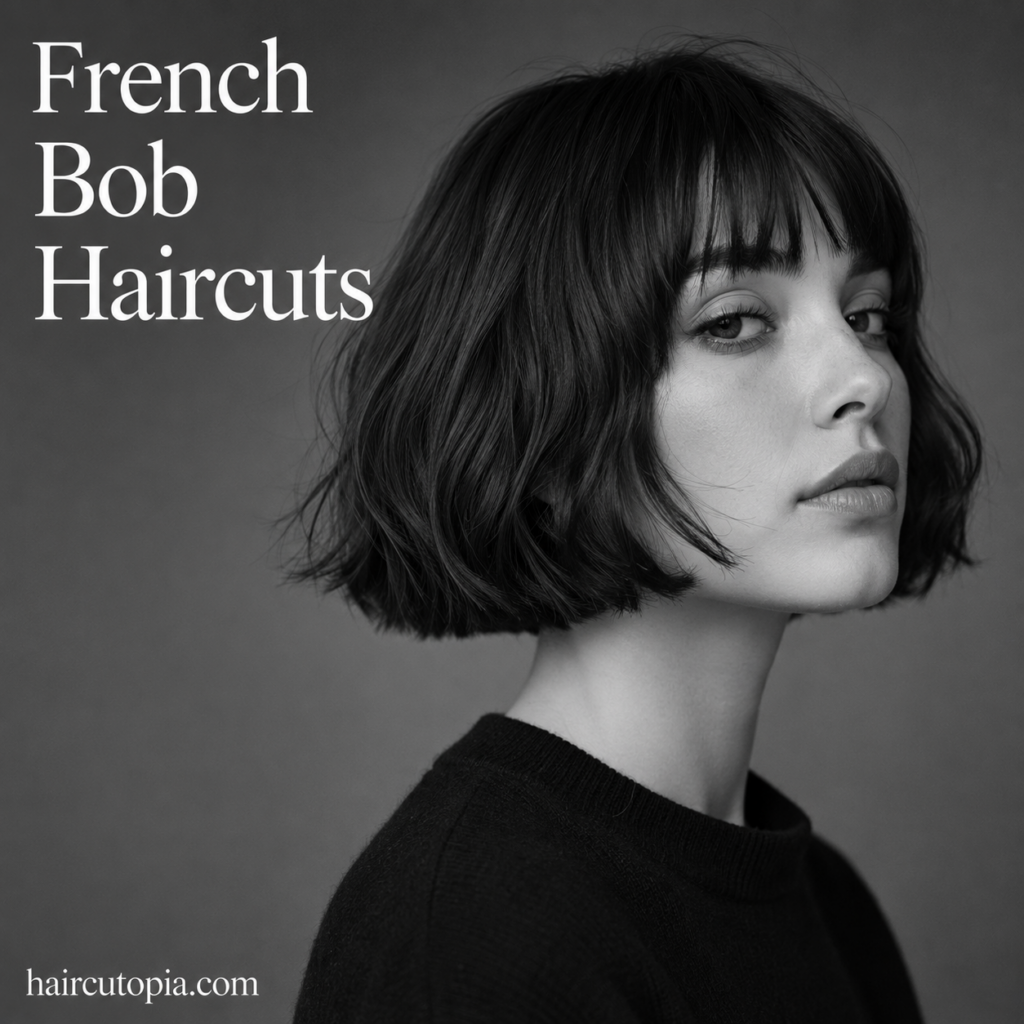
French Short Bob
The French bob is naturally at home in the shorter bob category.
It often falls around the jaw or slightly higher and may be paired with bangs.
Rather than relying on perfect smoothness, the French bob frequently has a softer, more relaxed texture.
The overall effect is compact and distinctive without needing elaborate styling.
A-Line Short Bob
An A-line bob can also be worn at a shorter length, with the back cut shorter and the shape gradually becoming longer toward the front.
The angle can be extremely subtle.
A slight difference between the back and front creates movement while keeping the haircut wearable. A stronger angle makes the shape much more noticeable from the side.
This is a good option if you like a defined silhouette but don’t necessarily want heavy layering.
Inverted Short Bob
An inverted bob combines a shorter back with longer front sections and usually incorporates some degree of graduation.
The graduation can create additional volume toward the back of the head.
A subtle inverted bob feels soft and modern, while a heavily stacked version produces a much more dramatic profile.
Asymmetrical Short Bob
An asymmetrical short bob intentionally leaves one side longer than the other.
The difference might be only an inch or so, or it can be much more dramatic.
Because the overall shape is already short, even subtle asymmetry can be noticeable.
This version works particularly well if you want something less conventional while still keeping the recognizable structure of a bob.
Short Bob With Bangs
Bangs can make a short bob feel like an entirely different haircut, changing how the shorter shape frames the forehead and face.
Because both the bob and fringe create strong lines around the face, their proportions should work together.
Options include:
- Blunt bangs
- Wispy bangs
- Curtain bangs
- Side-swept bangs
- Textured fringe
- Micro bangs
Shorter fringe tends to create a bolder effect, while longer bangs can blend more naturally into the sides.
How Short Should a Short Bob Be?
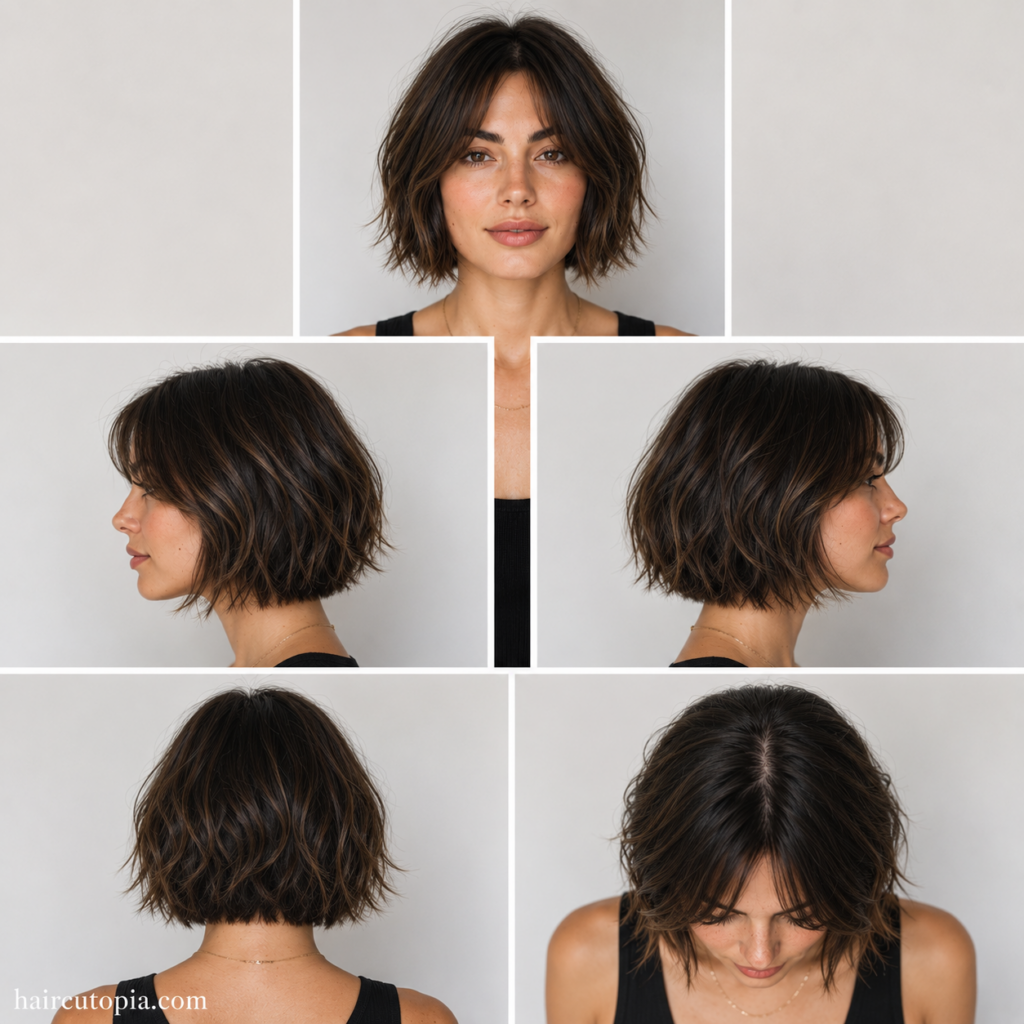
A difference of an inch can matter much more with short hair than it does with long hair.
Before cutting, decide where you want the perimeter to interact with your face.
Cheekbone-Length Bob
This is one of the shortest interpretations of a bob.
The hair sits high enough to expose much of the jaw and neck, creating a bold silhouette.
Because the cut is so short, your natural growth patterns and texture become especially important.
Jaw-Length Bob
Jaw length is one of the most recognizable short bob proportions.
The perimeter creates a clear frame around the lower part of the face.
It can look sharp when blunt or much softer when paired with texture and layering.
Chin-Length Bob
A chin-length bob provides slightly more coverage while still feeling distinctly short.
Depending on your facial proportions, chin and jaw lengths may be quite close.
This length works with a wide variety of finishes, including sleek, wavy, curly, blunt, and layered styles.
Just-Below-the-Chin Bob
If you’re nervous about going very short, a bob sitting just below the chin can provide a comfortable compromise.
It still exposes more of the neck than a traditional medium-length cut but offers a little extra styling flexibility.
Short Bob Haircuts for Fine Hair
A short bob can be particularly effective on fine hair.
Long fine hair sometimes loses visible fullness toward the ends. Removing length and creating a stronger perimeter can make the hair appear more substantial.
Blunt or minimally layered styles are often worth considering.
Good options include:
- Blunt short bobs
- Chin-length bobs
- Classic short bobs
- Soft A-line bobs
- Lightly textured bobs
The goal isn’t necessarily to avoid layers completely.
A few carefully positioned layers can create movement or lift. The important part is avoiding unnecessary weight removal if fullness through the ends is a priority.
Lightweight styling products can also help maintain volume without making fine strands feel heavy.
Short Bob Haircuts for Thick Hair
Thick hair gives a short bob plenty of natural body.
The challenge is controlling where that body sits.
If too much weight accumulates around the perimeter, the haircut can become wider toward the bottom than intended.
Strategic internal shaping or layering can help distribute that volume.
Potential options include:
- Layered short bobs
- Textured bobs
- Inverted bobs
- Graduated bobs
- Softly stacked styles
Be cautious about removing weight simply for the sake of making the hair thinner.
The placement matters.
A stylist who understands your texture can reduce bulk while preserving the overall shape.
Short Bob Haircuts for Straight Hair
Straight hair naturally shows the geometry of a short haircut.
That makes it ideal for precise bobs.
Blunt, A-line, asymmetrical, and classic short bobs can all showcase clean lines beautifully.
If your hair is extremely straight, even subtle changes to the perimeter will be noticeable.
For a softer look, light texturizing or gentle layers can break up the line without turning the haircut into a heavily layered style.
Straight hair also gives you plenty of options for changing the finish. Wear it smooth when you want precision, then add loose bends when you prefer something more relaxed.
Short Bob Haircuts for Wavy Hair
Natural waves bring movement to a short bob almost automatically.
The haircut can often be designed to encourage those waves instead of requiring them to be straightened away.
Textured and layered bobs are particularly compatible with wavy hair.
One thing to remember is that waves may become stronger after cutting.
Long hair has weight that can stretch a wave pattern downward. Once some of that weight disappears, the hair may spring upward and look shorter than expected.
Discuss the dry finished length before making a dramatic change.
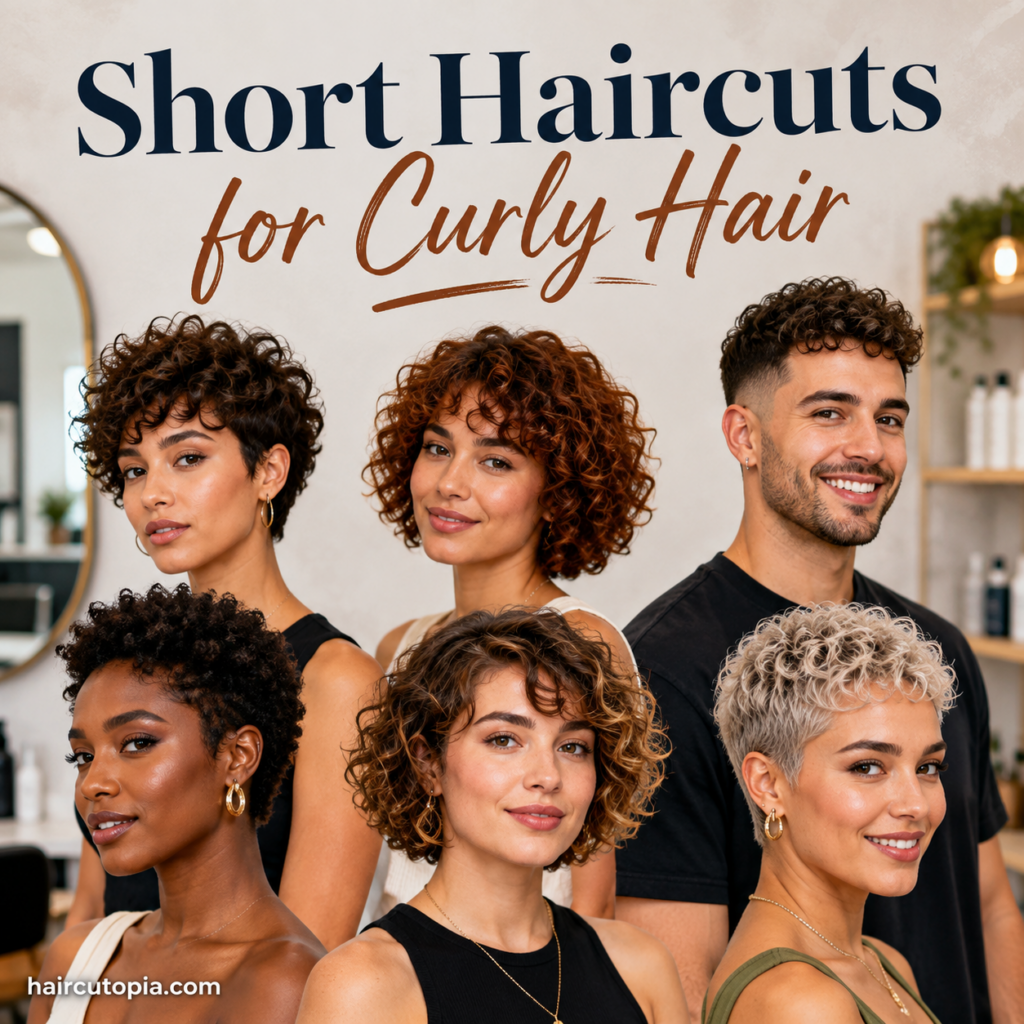
Short Bob Haircuts for Curly Hair
Curly hair can create a beautiful short bob, but length needs to be planned with shrinkage in mind.
The same curl can appear significantly shorter once dry.
The overall shape can be rounded, softly layered, voluminous, or more compact depending on your curl pattern and density.
Layers may help distribute volume, but they need to be positioned carefully.
Too much layering can create an entirely different silhouette than intended.
A stylist familiar with curly hair can help determine how the bob will behave in its natural state rather than judging the length only when the hair is stretched or wet.
Short Bob Haircuts for Different Face Shapes
Face shape doesn’t determine whether you’re allowed to wear a short bob.
Instead, it can help you decide where to place length, volume, bangs, and texture.
Short Bobs for Oval Faces
Oval faces can usually experiment with a wide range of short bob styles.
Blunt, French, textured, asymmetrical, and layered versions can all work.
This gives you more freedom to focus on your hair texture and the overall aesthetic you prefer.
Short Bobs for Round Faces
A bob ending around or slightly below the chin can create a different visual proportion around a round face.
Longer front sections can also introduce vertical lines.
But there’s no requirement to make the face appear longer.
A short jaw-length bob can intentionally emphasize the face and look equally striking.
Short Bobs for Square Faces
With a square face, you can choose to either contrast or emphasize the jawline.
Soft waves and textured ends create movement around stronger facial angles.
A blunt bob does the opposite. Its defined perimeter can reinforce the structure of the jaw and create a bold, graphic effect.
Both approaches are valid.
Short Bobs for Heart-Shaped Faces
Short bobs can add visual interest around the jaw and chin, making them a natural option for heart-shaped faces.
Texture, bangs, and chin-length proportions can all be adjusted to change the balance.
Short Bobs for Long Faces
Shorter lengths naturally create more horizontal emphasis than very long hair.
Bangs can add another horizontal element, while waves or volume through the sides can further alter the proportions.
French bobs and chin-length styles can be especially interesting options.
Short Bob Haircuts With Bangs
Because short bobs already frame the face closely, adding bangs makes the framing even more noticeable.
The type of fringe matters.
Short Bob With Curtain Bangs
Curtain bangs create a softer opening around the center of the face.
They can blend naturally into the sides of a short bob, especially when the haircut contains some layering or texture.
Short Bob With Wispy Bangs
Wispy fringe adds detail without creating a heavy line.
This can be useful when you want bangs but don’t want them to dominate the haircut.
Short Bob With Blunt Bangs
Blunt bangs create a much stronger statement.
Combined with a short, defined perimeter, they produce a structured shape with clear lines.
This combination usually requires more maintenance because both the bob and fringe need to retain their proportions.
Short Bob With Side Bangs
Side-swept fringe creates movement and asymmetry.
Longer versions can also be tucked or blended into the rest of the haircut, providing more flexibility as they grow.
Blunt vs. Layered Short Bob Haircuts
Choosing between blunt and layered is one of the biggest decisions when planning a short bob.
A blunt bob preserves more weight toward the perimeter.
It tends to look:
- Clean
- Full
- Structured
- Minimal
- Precise
A layered bob introduces more variation in length.
It can look:
- Airy
- Textured
- Voluminous
- Soft
- Tousled
Hair density plays an important role.
Fine hair may benefit from maintaining more weight, while thick hair may need some internal movement to prevent the shape from becoming too heavy.
You can also combine the two approaches.
A strong-looking perimeter with subtle internal layers often provides the best of both worlds.
Short Bob Haircuts With a Middle Part
A middle part can create symmetry and emphasize the shape of the bob on both sides of the face.
It works particularly well with blunt, textured, and slightly longer short bobs.
Face-framing pieces can soften the transition around the cheeks.
If your natural part isn’t centered, you don’t necessarily need to force it. Cowlicks and growth patterns may make a slightly off-center part easier to maintain.
Short Bob Haircuts With a Side Part
A side part creates immediate asymmetry.
It can also produce more apparent volume on one side, which works particularly well with wavy and textured bobs.
Changing the part is one of the easiest ways to alter the appearance of a short bob without changing the haircut itself.
How to Style a Short Bob
Short bobs can be surprisingly versatile.
You may have fewer updo options than with long hair, but changing the texture can transform the overall look.
Smooth and Sleek
A smooth blowout emphasizes the perimeter.
This finish is particularly effective for blunt, classic, and A-line short bobs.
Use heat protection when blow-drying or straightening regularly.
Loose Waves
Soft bends break up the shape and create movement.
Keeping the waves relaxed rather than perfectly uniform can make the style feel more natural.
Tousled Texture
Texturizing products can create separation and a slightly undone finish.
Start with a small amount.
Short hair can become overloaded with product quickly.
Natural Curls
For curly hair, definition and shape are usually more important than trying to make every curl identical.
Apply styling products according to your curl pattern and allow the haircut itself to establish the silhouette.
Tucked Behind the Ear
A simple ear tuck can dramatically change a short bob.
Tucking one side creates asymmetry, while tucking both sides puts more emphasis on the face and jawline.
Are Short Bob Haircuts Low Maintenance?
Some are. Others definitely aren’t.
A textured short bob that works with your natural hair may take only a few minutes to style.
A perfectly smooth precision bob might require regular blow-drying or straightening.
Salon maintenance is another consideration.
Short hair shows growth quickly because the proportions are compact. An extra inch can change where the perimeter sits relative to the jaw and neck.
Before choosing a style, consider both daily styling and salon visits.
The lowest-maintenance option is usually a cut that looks good with your natural texture and grows out gracefully.
How Often Should You Trim a Short Bob?
Many short bobs benefit from trimming approximately every 6–8 weeks.
Very precise or particularly short styles may need attention sooner.
More relaxed textured cuts may comfortably go longer.
Several factors affect the schedule:
- Hair growth rate
- Bob length
- Bangs
- Amount of graduation
- Desired precision
- How the haircut grows out
You don’t need to follow a rigid calendar.
If the haircut still falls correctly and remains easy to style, you may be able to extend the time between appointments.
What to Ask for at the Salon
“Short bob” still leaves plenty of room for interpretation.
Reference photos are useful, but explain what you specifically like about them.
Before cutting, discuss:
- The exact finished length.
- Whether you want the jaw exposed or partially covered.
- How blunt you want the perimeter.
- Whether you want layers.
- How much texture you prefer.
- Whether the back should be graduated.
- Whether you want bangs.
- How you normally style your hair.
Tell your stylist about your everyday routine as well.
If you rarely use a blow-dryer, that’s important information. Your haircut should ideally work when styled the way you actually style it.
What to Know Before Going From Long Hair to a Short Bob
Cutting long hair into a short bob is a major visual change.
It can also change how your hair behaves.
Removing length reduces weight. Wavy hair may become wavier, curls may spring upward, and thick hair may gain additional volume.
You’ll also lose some styling options.
Depending on the length, your new bob may not fit completely into a ponytail.
If that makes you nervous, consider transitioning gradually.
A longer bob can give you a sense of what shorter hair feels like before you move toward chin or jaw length.
Growing Out a Short Bob
One advantage of a short bob is that the grow-out process can be relatively straightforward.
As the cut approaches the shoulders, it begins transitioning into a long bob, giving you more styling flexibility while preserving much of the original bob shape. The main challenge may be maintaining balance between the front and back, particularly if your original haircut was graduated or A-line.
Short bob → classic bob → long bob → lob → medium-length hair.
The main challenge may be maintaining balance between the front and back, particularly if your original haircut was graduated or A-line.
With additional growth, the shape can move into lob haircut territory before eventually becoming a more conventional medium-length cut.
Occasional reshaping can keep the haircut intentional without removing much overall length.
If you’re growing it out, tell your stylist so they can trim with that goal in mind.
Who Should Consider a Short Bob?
A short bob may be worth considering if you want:
- A noticeable change from long hair
- A haircut with a defined shape
- Less hair to wash and dry
- More emphasis around your face and jawline
- A style that works with natural texture
- Something short without choosing a pixie
- A haircut that can look both polished and relaxed
The most important question isn’t whether a short bob is “right” for your face shape.
It’s whether you can find a version that fits your hair and lifestyle.
With the right length, texture, and shape, short bobs can be adapted far more than their simple silhouette suggests.
Frequently Asked Questions About Short Bob Haircuts
What length is considered a short bob?
A short bob generally falls somewhere around the cheekbones, jaw, or chin. Some versions extend slightly below the chin while still maintaining a distinctly short silhouette.
Do short bobs make hair look thicker?
They can.
Removing thin or tapered ends and creating a stronger perimeter can make fine or lower-density hair appear fuller.
Are short bobs good for thick hair?
Yes.
Thick hair can look excellent in a short bob when the weight is distributed properly through layering, graduation, or internal shaping.
Can you wear a short bob with curly hair?
Yes. Curly short bobs can create beautiful rounded, layered, or textured shapes. Shrinkage should be considered carefully when determining the final length.
Can you put a short bob in a ponytail?
It depends on the length.
Some chin-length bobs may allow a small or partial ponytail, while shorter versions usually won’t. If tying your hair back is important, mention this before cutting.
Is a short bob difficult to style?
Not necessarily.
A short bob designed around your natural texture can be relatively simple to style. Precision styles that require a smooth finish may take more daily effort.
How often does a short bob need trimming?
Around 6–8 weeks is common for maintaining a defined shape, although your personal schedule can vary depending on growth rate and the style of the cut.
What’s the difference between a short bob and a pixie?
A short bob generally maintains more length around the sides and a recognizable perimeter. Pixie cuts are typically cropped closer around the sides and back, with shorter overall proportions.
Are short bob haircuts suitable for older women?
Short bobs can work at any age.
Hair texture, density, lifestyle, and personal style are much more useful considerations than age when choosing the right version.
Are short bob haircuts still in style?
Short bobs continually evolve through changes in texture, length, fringe, and styling. Their simple underlying shape makes them easy to reinterpret rather than being tied to one specific trend.
Final Thoughts on Short Bob Haircuts
A short bob might look simple at first glance, but a few small details can completely change the result.
Move the perimeter above the jaw and the haircut becomes bolder. Leave it around the chin and it feels more classic. Keep the ends blunt for structure, add layers for movement, introduce bangs for stronger face framing, or embrace natural waves and curls for a softer shape.
That’s what makes short bobs so versatile.
The best version isn’t necessarily the shortest, sharpest, or most fashionable one. It’s the version designed around how your own hair behaves and how you actually want to wear it.
Choose the length carefully, decide how much structure or texture you want, and think realistically about maintenance before cutting.
Get those details right, and a short bob can feel fresh without feeling difficult.