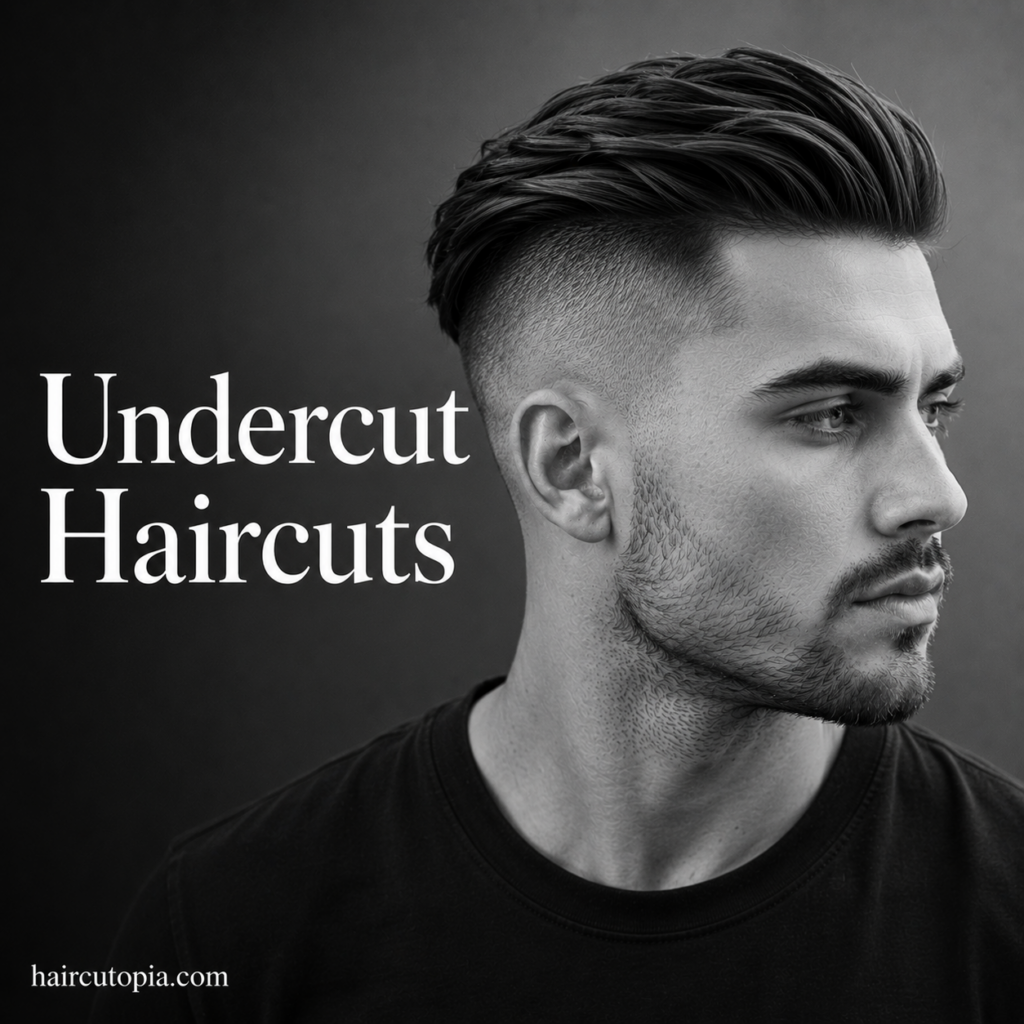
Undercut haircuts have been one of the defining men’s haircuts of the past decade, and for good reason. They combine bold contrast, clean lines, and endless styling possibilities, making them one of the most versatile haircut choices available. Whether you prefer a slick back, textured crop, pompadour, or curly top, an undercut creates a striking foundation that allows your hairstyle to stand out.
Unlike fade haircuts, which gradually blend the sides into the top, an undercut creates a more noticeable separation between the longer hair above and the shorter hair underneath. That dramatic contrast gives the haircut its signature look.
If you’re thinking about getting an undercut or simply want to learn more about the different variations, this guide covers everything you need to know—from choosing the right style to maintenance, styling tips, and how to ask your barber for the perfect undercut.
What Is an Undercut Haircut?
An undercut is a haircut where the hair on the sides and back is cut significantly shorter than the hair on top, with little or no gradual blending between the two lengths.
Instead of fading the sides, the transition is usually sharp and clearly defined.
The hairstyle on top can be worn in many different ways, including:
- Slicked back
- Textured
- Side parted
- Curly
- Wavy
- Messy
- Long
- Short
This flexibility is one of the biggest reasons undercuts remain so popular.
Why Undercut Haircuts Are So Popular
The undercut offers a modern look without limiting your styling options.
Some of its biggest advantages include:
- Strong visual contrast
- Works with short and long hair
- Suitable for most hair types
- Modern appearance
- Endless styling possibilities
- Easy to personalize
- Pairs well with facial hair
Because the top remains longer, you can completely change your appearance simply by styling it differently.
Undercut vs. Fade: What’s the Difference?
These two styles are often confused, but they’re quite different.
Undercut
- Sharp separation between top and sides
- Minimal blending
- High contrast
- Bold appearance
Fade
- Smooth transition
- Hair gradually shortens
- Softer appearance
- More natural blend
If you want a dramatic hairstyle with obvious contrast, an undercut is usually the better option.
Popular Types of Undercut Haircuts
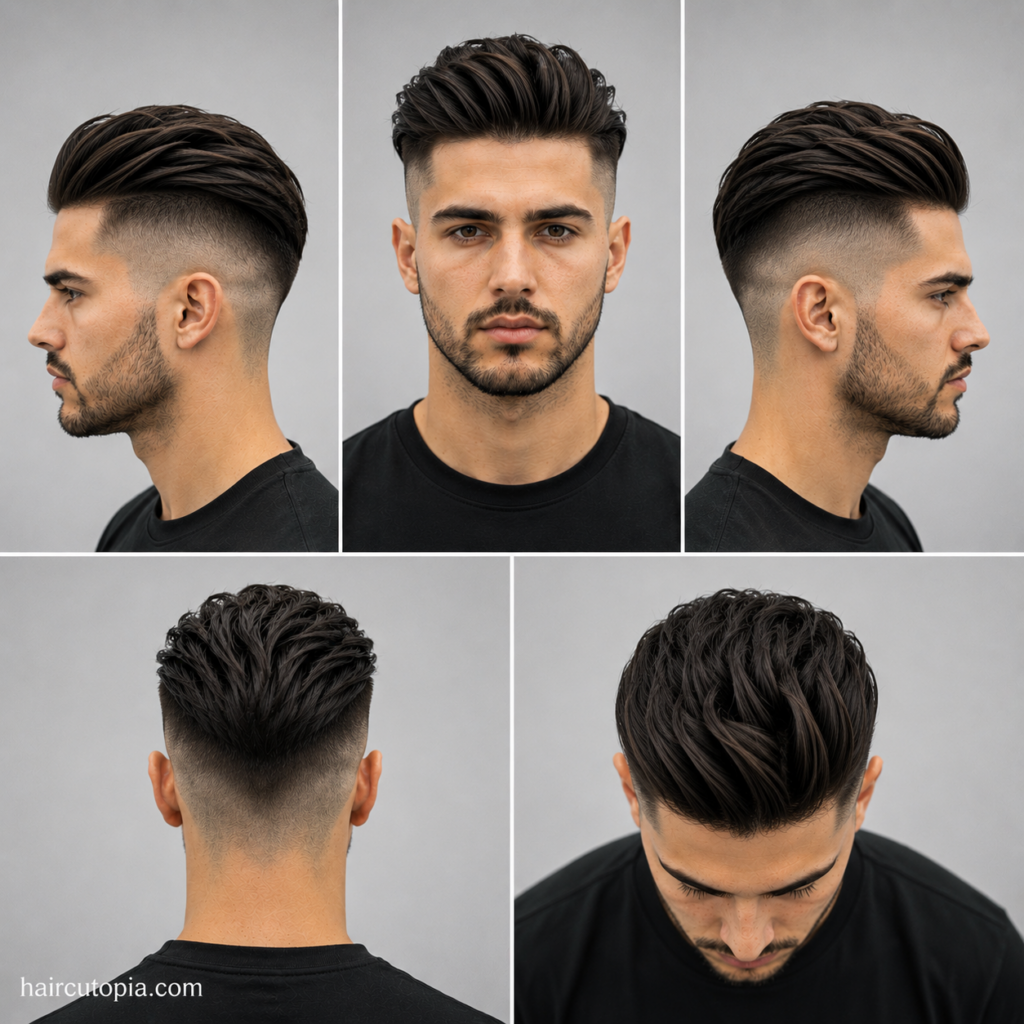
There are many ways to wear an undercut.
Classic Undercut
The traditional undercut features:
- Longer hair on top
- Short clippered sides
- Clean separation
- Timeless styling
It remains one of the most versatile versions.
Disconnected Undercut
A disconnected undercut emphasizes the contrast even more.
Characteristics include:
- No blending
- Sharp transition
- Bold profile
- Modern appearance
This variation has become one of today’s signature barber styles.
Short Undercut
A shorter version is ideal for men wanting:
- Easy styling
- Professional appearance
- Minimal maintenance
It’s an excellent option for everyday wear.
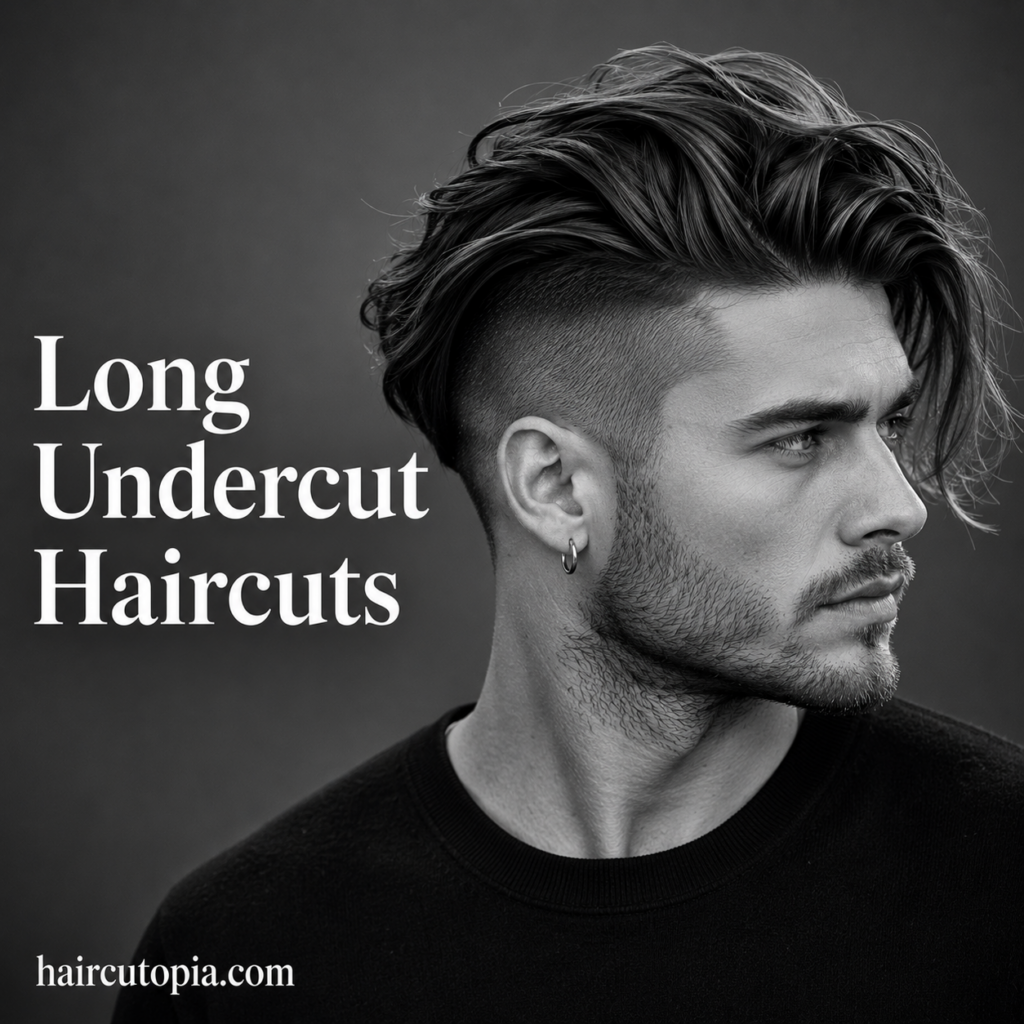
Long Undercut
Keeping substantial length on top allows for:
- Slick backs
- Pompadours
- Man buns
- Layered hairstyles
The longer the top, the more styling flexibility you have.
Textured Undercut
Modern barbers often add layers and texture throughout the top.
Benefits include:
- Natural movement
- Matte finish
- Increased volume
- Relaxed appearance
This style works especially well with thick hair.
Curly Undercut
Natural curls become the focal point while the sides remain neat.
Advantages include:
- Better curl definition
- Less bulk
- Easier maintenance
Side Part Undercut
A side part softens the bold contrast of the undercut while maintaining a polished appearance.
Excellent for professional settings.
Popular Hairstyles with an Undercut
An undercut works with almost every hairstyle.
Slick Back Undercut
A slick back haircut paired with an undercut is one of the most iconic combinations, emphasizing the longer swept-back top against the closely cut sides.
Features include:
- Clean sides
- Longer top
- Classic styling
- Timeless appeal
Pomade creates the traditional polished finish.
Pompadour Undercut
A pompadour paired with the short sides of an undercut creates dramatic contrast while emphasizing the hairstyle’s signature volume.
Ideal for:
- Thick hair
- Straight hair
- Wavy hair
Quiff Undercut
The quiff offers a more relaxed alternative to the pompadour.
Benefits include:
- Natural movement
- Volume
- Modern styling
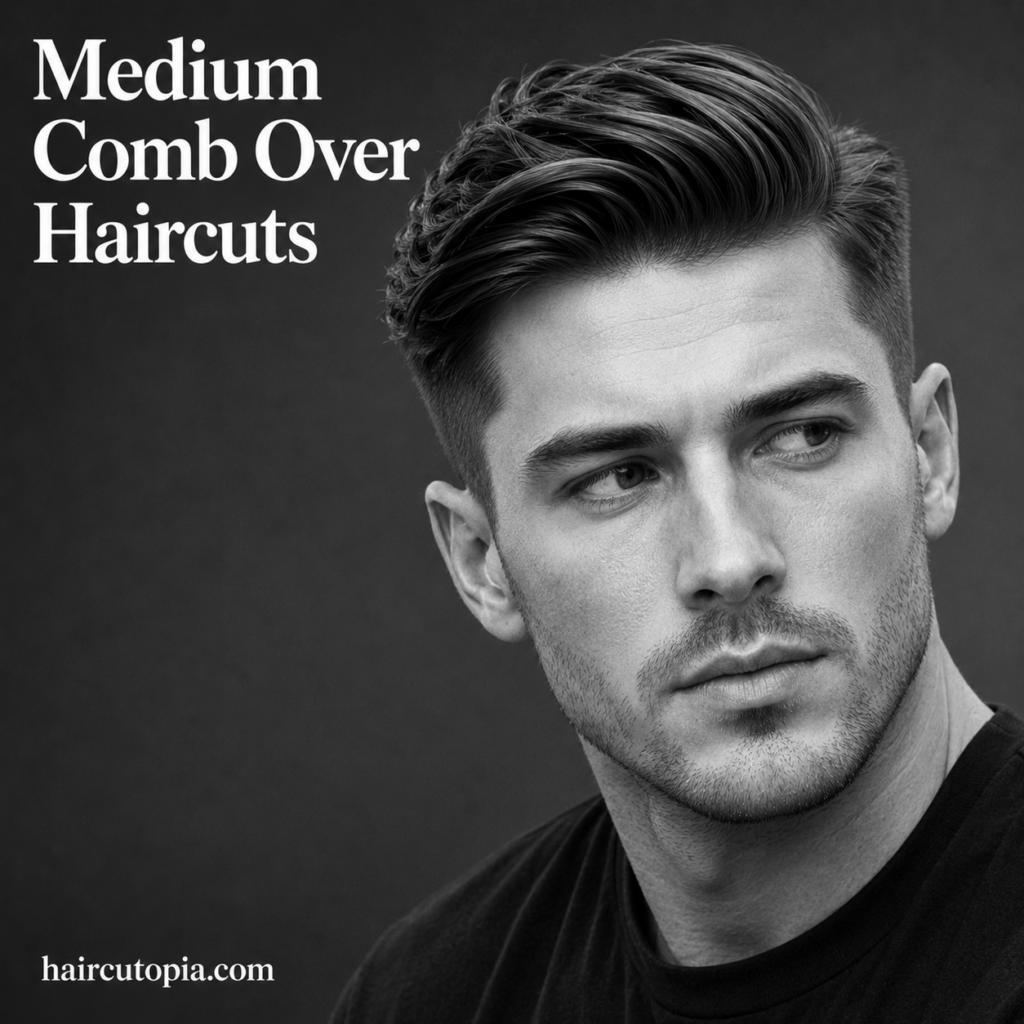
Comb Over Undercut
Today’s comb over focuses on texture rather than hiding thinning hair.
An undercut gives it a cleaner, more contemporary finish.
Side Part Undercut
Classic barbering meets modern contrast.
Suitable for:
- Business professionals
- Formal occasions
- Everyday styling
Textured Crop Undercut
The textured crop becomes even sharper with disconnected sides.
Excellent for:
- Thick hair
- Fine hair
- Wavy hair
Fringe Undercut
A forward-styled fringe creates an edgy appearance while the undercut keeps the sides clean.
Curly Undercut
Natural curls gain additional definition when paired with shorter sides.
Man Bun Undercut
Long hair tied back with shaved or clipped sides remains one of the most recognizable undercut variations.
Choosing an Undercut by Hair Type
Straight Hair
Straight hair showcases the clean contrast of an undercut particularly well.
Popular styles include:
- Slick back
- Side part
- Pompadour
- Quiff
Thick Hair
An undercut removes unnecessary bulk while leaving plenty of styling options.
Recommended styles:
- Textured crop
- Quiff
- Pompadour
- Slick back
Fine Hair
Fine hair benefits from textured layers on top.
Good choices include:
- Textured crop
- Side part
- Short quiff
Wavy Hair
Natural waves create effortless movement.
Popular combinations include:
- Loose quiff
- Wavy fringe
- Side part
Curly Hair
Curly undercuts continue to grow in popularity.
The shorter sides help:
- Highlight curls
- Reduce bulk
- Improve shape
Coily Hair
Undercuts provide excellent structure while maintaining natural texture.
Ideal for:
- Short coils
- Twist styles
- Natural curls
Choosing an Undercut by Face Shape
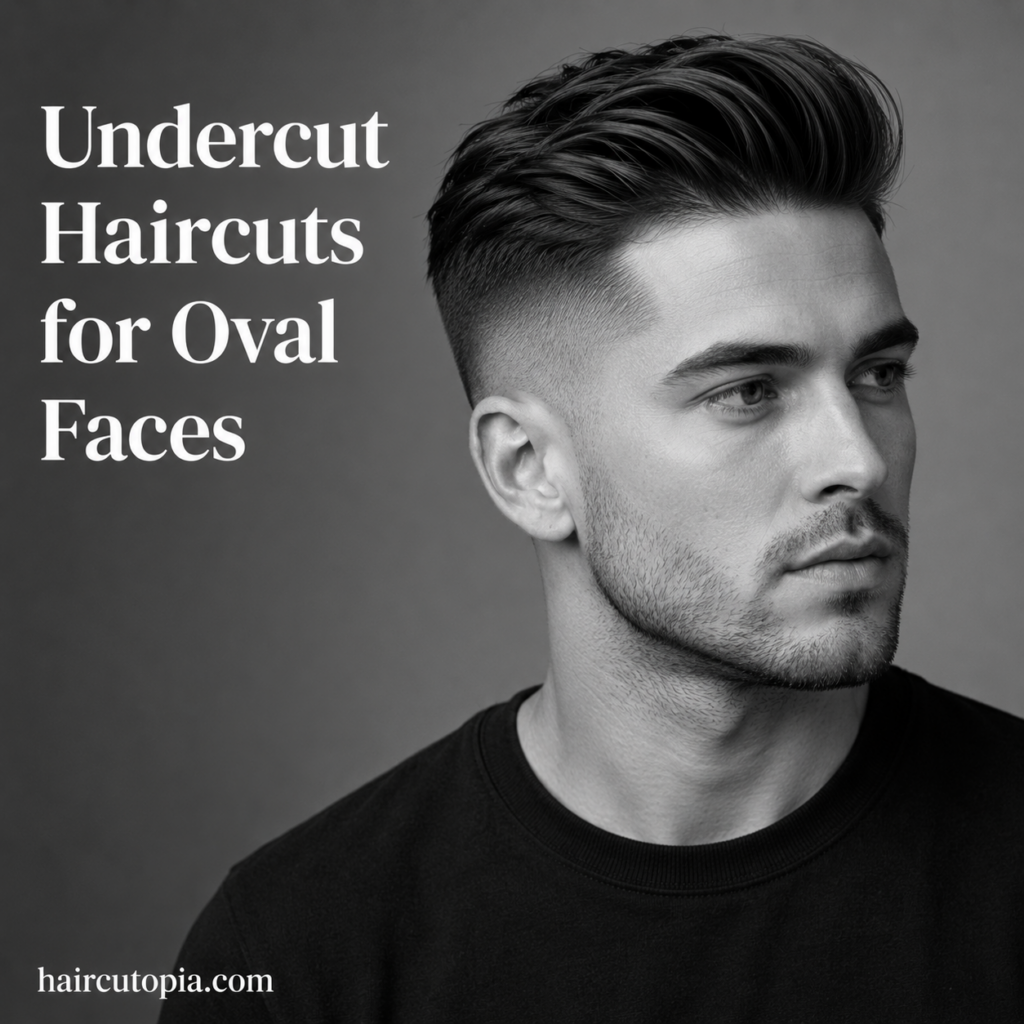
Oval Face
Oval faces can wear almost every undercut variation.
Round Face
Adding volume on top helps elongate the face.
Recommended:
- Pompadour
- Quiff
- Slick back
Square Face
Strong jawlines pair naturally with undercuts.
Excellent choices include:
- Crew-inspired undercut
- Slick back
- Side part
Heart Face
Balanced styles work best.
Try:
- Fringe
- Side part
- Textured crop
Diamond Face
Adding width through textured styling helps balance facial proportions.
Long Face
Avoid excessive height.
Better options include:
- Textured crop
- Caesar-inspired undercut
- French crop
Undercut Haircuts with Beards
An undercut pairs beautifully with facial hair.
Popular combinations include:
- Undercut with stubble
- Undercut with boxed beard
- Undercut with full beard
- Undercut with short beard
- Undercut with goatee
Keeping the beard well-groomed helps balance the strong contrast of the haircut.
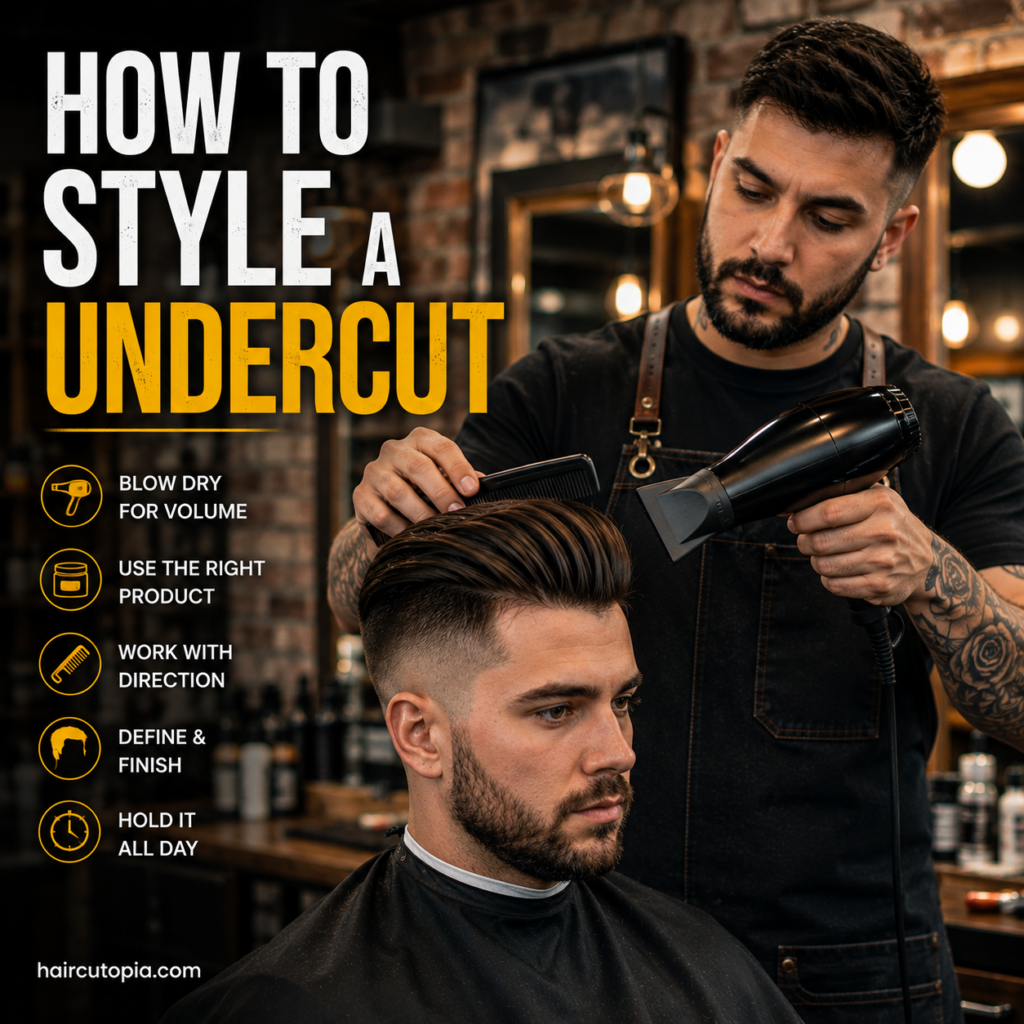
Styling an Undercut
The top of an undercut offers endless styling possibilities.
Popular products include:
Matte Clay
Perfect for:
- Texture
- Volume
- Natural finish
Pomade
Ideal for:
- Slick backs
- Side parts
- Shine
Hair Paste
Provides:
- Medium hold
- Flexible styling
- Casual appearance
Hair Cream
Excellent for:
- Curly hair
- Longer styles
- Frizz control
Sea Salt Spray
Adds:
- Volume
- Texture
- Loose movement
Choose products based on your hairstyle and hair type.
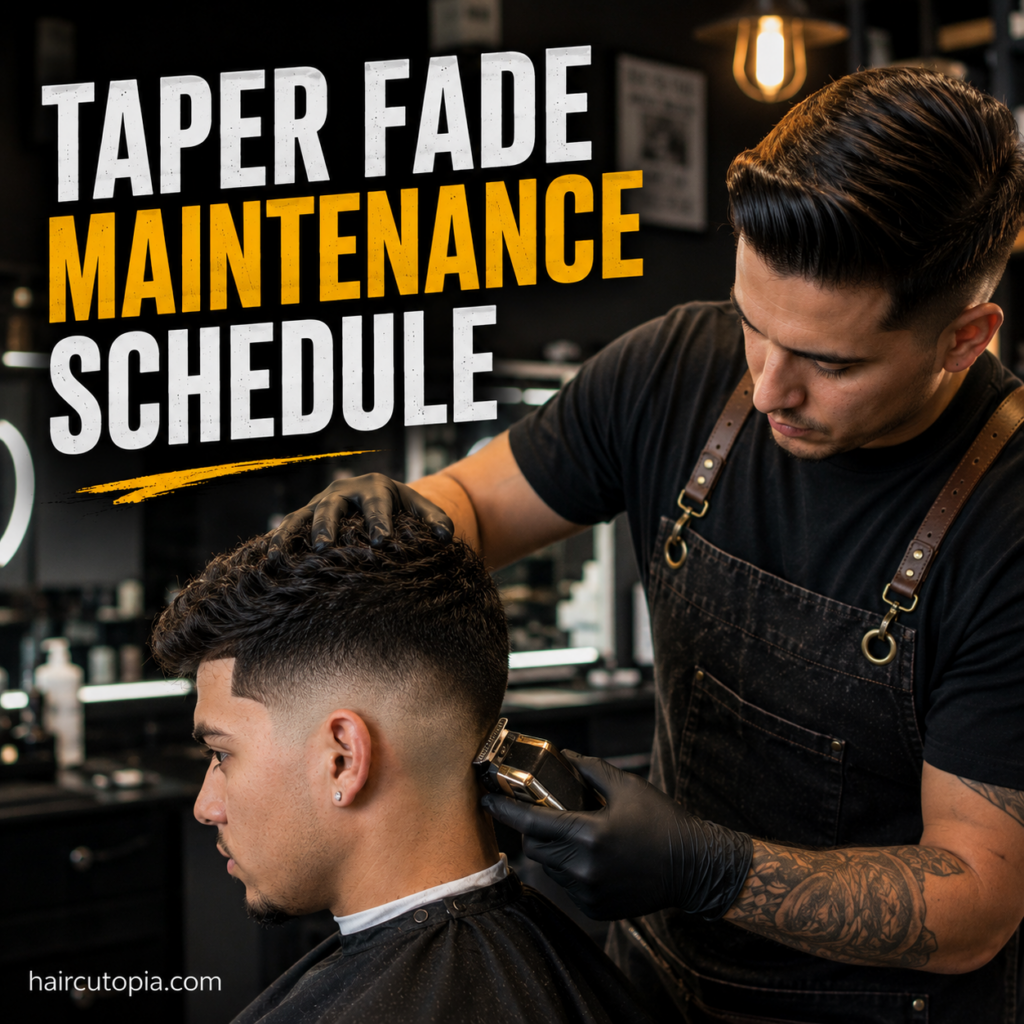
How Often Should You Get an Undercut?
Because the sides stay short, regular maintenance keeps the contrast looking intentional.
Recommended schedule:
- Every 2–3 weeks for short undercuts
- Every 3–4 weeks for most styles
- Every 4–6 weeks for longer hairstyles
Frequent trims help maintain clean edges.
How to Ask Your Barber for an Undercut
When discussing your haircut, mention:
- Length on top
- Length on the sides
- Disconnected or blended undercut
- Preferred neckline
- Texture
- Styling preference
Reference photos remain the easiest way to communicate your goals.
Common Undercut Mistakes
Avoid these common issues:
- Choosing too much contrast for your comfort level
- Ignoring your natural hair texture
- Skipping regular trims
- Using the wrong styling product
- Growing the top without maintaining the sides
An undercut looks best when both the top and sides are maintained together.
Frequently Asked Questions
What is an undercut haircut?
An undercut is a hairstyle where the sides and back are cut much shorter than the hair on top, with minimal or no blending between the two lengths.
Are undercuts still in style?
Yes. Undercuts remain one of the most popular men’s hairstyles thanks to their versatility and ability to pair with both classic and modern looks.
What’s the difference between an undercut and a fade?
A fade gradually blends the hair from long to short, while an undercut creates a distinct separation between the top and sides.
Do undercuts work with curly hair?
Absolutely. Curly undercuts are one of today’s most popular styles because they highlight natural texture while keeping the sides clean.
How often should you trim an undercut?
Most undercuts benefit from maintenance every three to four weeks, though shorter styles may require more frequent visits.
Final Thoughts
Undercut haircuts continue to be one of the most adaptable and stylish options for men. Whether you prefer a classic slick back, a textured crop, a voluminous pompadour, or natural curls, the undercut provides a bold foundation that allows your hairstyle to stand out.
The key to choosing the right undercut is understanding your hair type, face shape, and daily styling routine. With regular maintenance, quality hair products, and an experienced barber, an undercut can remain sharp, versatile, and effortlessly modern for years to come.