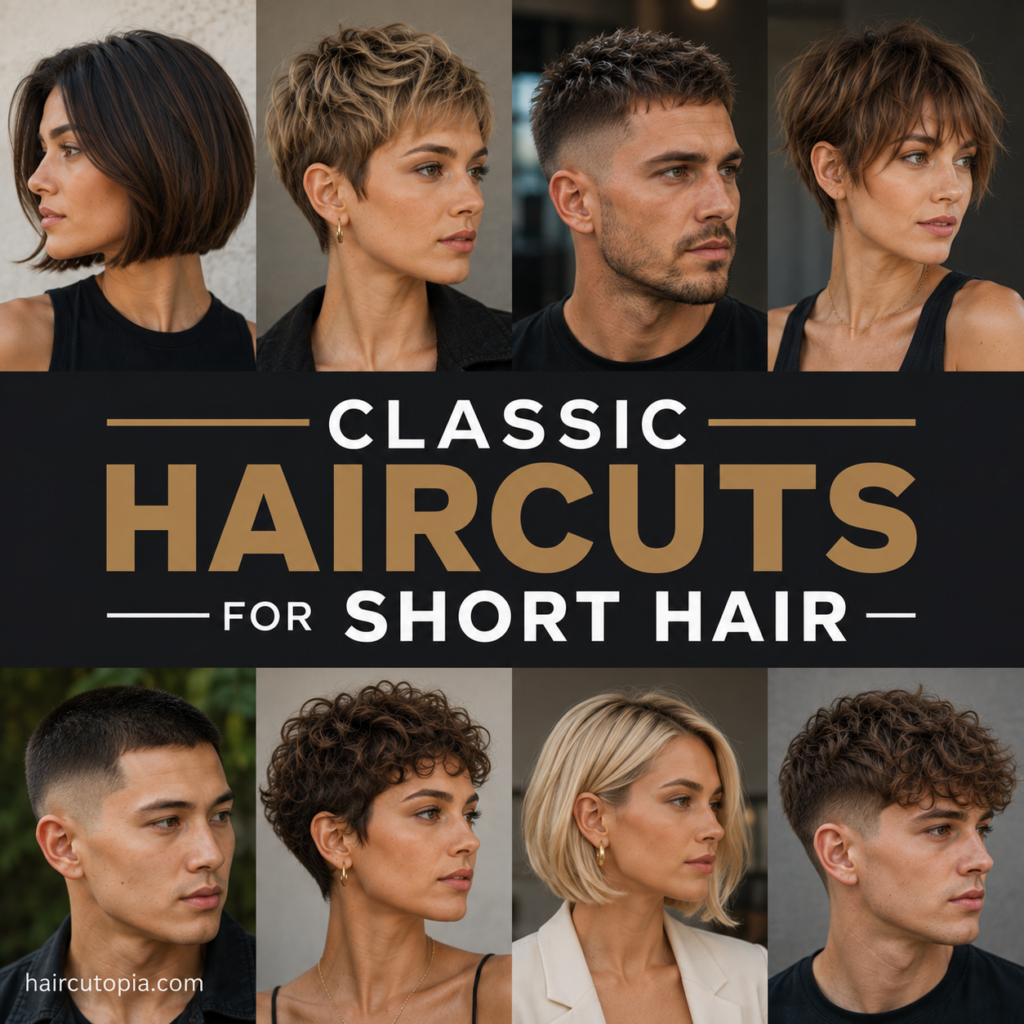
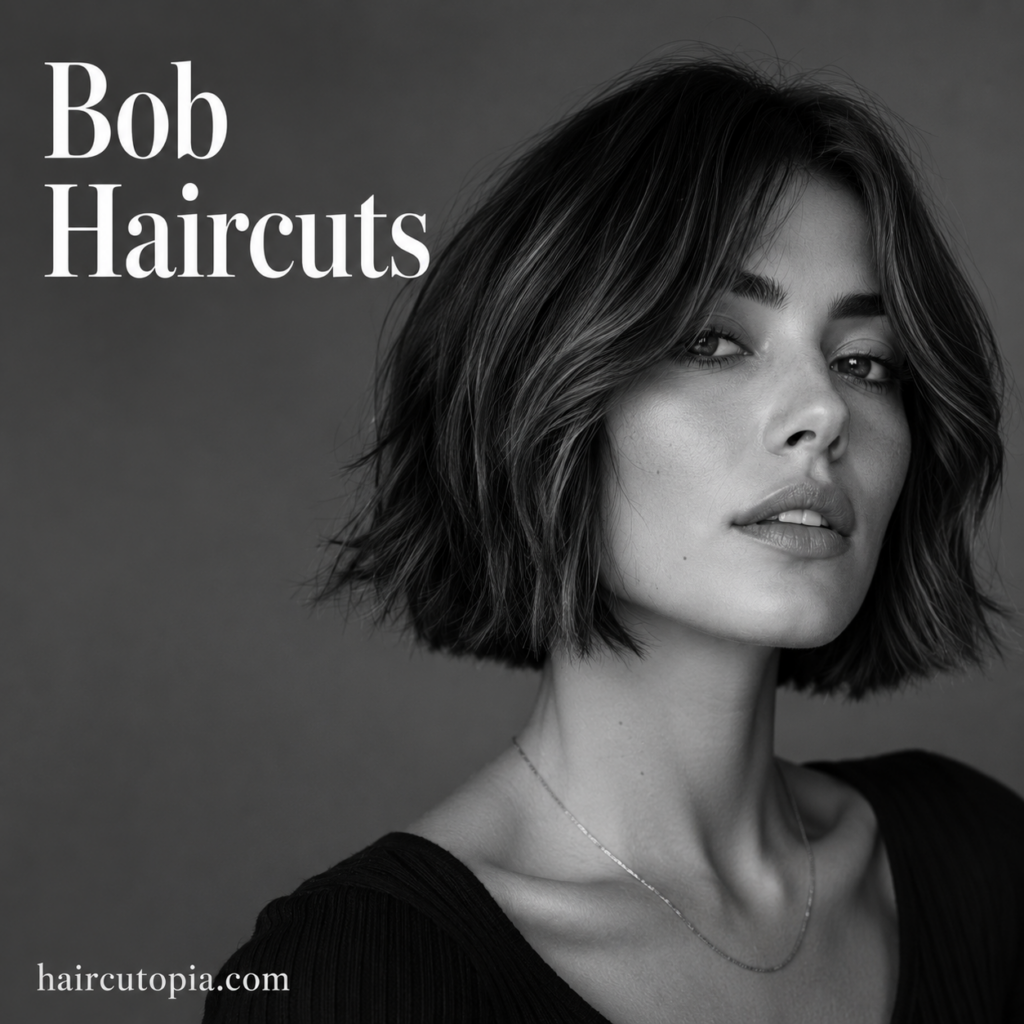
Few haircuts have reinvented themselves as many times as the bob. It can be sharp and sophisticated, soft and tousled, short and dramatic, or long enough to brush the shoulders. Change the length, add a few layers, introduce bangs, or alter the texture, and the same basic haircut suddenly feels completely different.
That versatility is a big reason bob haircuts continue to work across changing trends.
Among the many women’s haircuts available today, the bob remains one of the most adaptable. A classic bob usually sits somewhere between the jaw and shoulders, but today’s versions stretch that definition considerably. There are cropped bobs, long bobs, textured bobs, French bobs, A-line shapes, layered styles, curly bobs, and plenty of variations in between.
The trick isn’t simply deciding that you want a bob. It’s figuring out which version makes sense for your hair.
Your natural texture, density, face shape, preferred length, and willingness to style your hair all influence how a bob will look and feel. This guide breaks down the major bob styles and the details worth considering before making the cut.
What Is a Bob Haircut?
A bob is a short-to-medium-length haircut in which the overall shape typically falls somewhere around the jaw, neck, or shoulders.
Traditional bobs are known for a defined perimeter and relatively compact silhouette. Modern versions are much less restrictive.
A bob might feature:
- A blunt baseline
- Soft or dramatic layers
- Graduation through the back
- Longer pieces toward the front
- Bangs or curtain bangs
- Natural curls or waves
- Choppy texture
- A sleek, polished finish
That flexibility means two bob haircuts can look completely different while still belonging to the same general family.
The defining feature is usually the overall length and silhouette rather than one specific cutting technique.
Why Bob Haircuts Remain So Popular
The bob has been around for generations, yet it rarely feels completely dated.
Part of that comes down to adaptability.
When sleek hair is popular, the bob becomes smooth and precise. When relaxed texture takes over, it becomes tousled and layered. Trends can change around the haircut without eliminating its recognizable shape.
Bobs also create an immediate transformation.
Removing enough length to expose the neck, shoulders, or jaw can dramatically change how the hair frames the face. Even a simple bob can feel intentional because the perimeter becomes such a visible part of the style.
Another advantage is variety.
Someone who prefers minimalist hair might choose a blunt bob with almost no visible layering. Someone who wants movement could choose a textured or layered version. Curly and wavy textures can use the same general length while creating an entirely different silhouette.
There isn’t just one way to wear a bob.
Different Types of Bob Haircuts
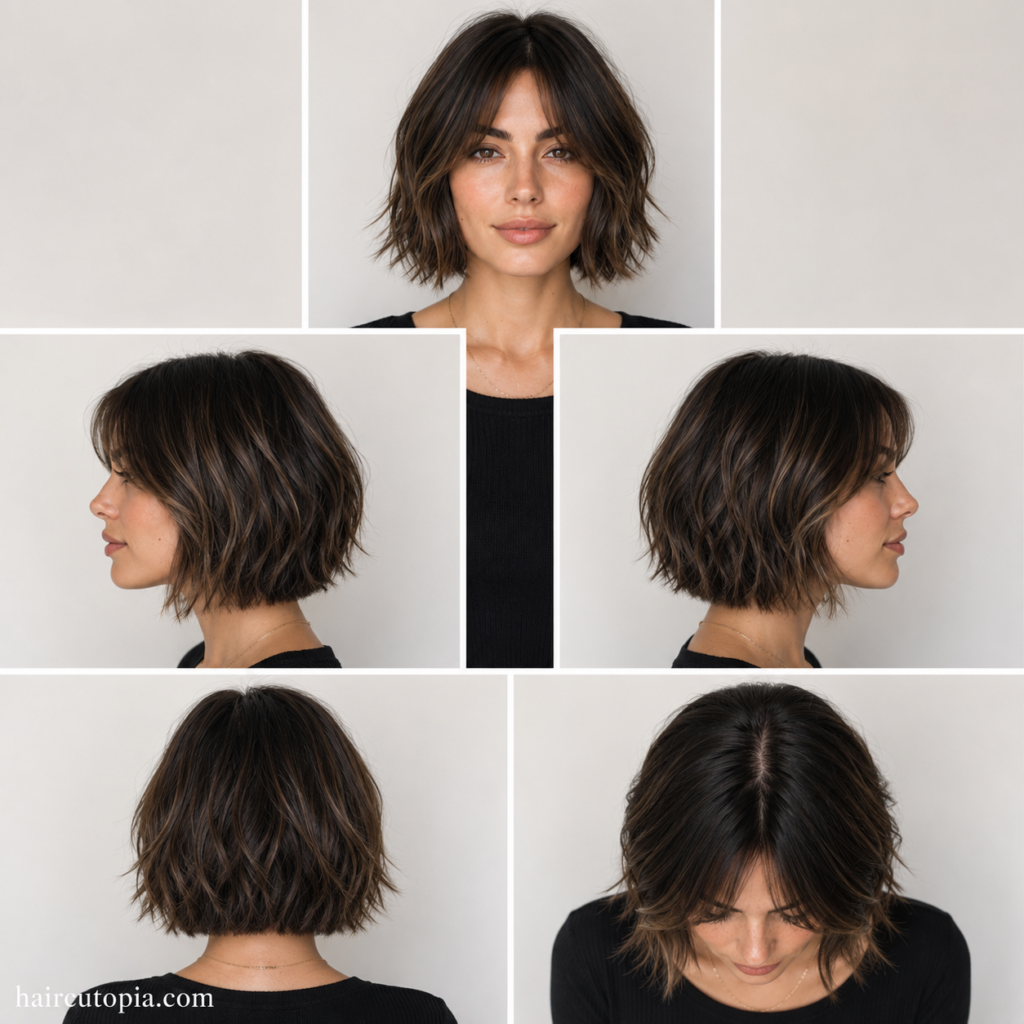
Understanding the major variations makes it much easier to explain what you want at the salon.
The differences often come down to length, layering, perimeter shape, and texture.
Classic Bob Haircut
The classic bob typically falls around the jaw or slightly below it and maintains a relatively clean shape.
It can be worn straight, softly waved, or with natural texture.
A classic bob doesn’t need to be perfectly blunt, but it generally avoids the dramatic layering associated with shags and heavily textured cuts.
The simplicity is part of its appeal.
Because the shape itself is strong, the haircut can look polished without needing complicated details.
Short Bob Haircut
A short bob haircut generally sits around the jawline or higher.
This length puts more emphasis on the face and neckline, making the haircut feel noticeably different from shoulder-length hair.
Short bobs can be:
- Blunt
- Layered
- Rounded
- Textured
- Tucked behind the ears
- Paired with bangs
- Worn sleek or tousled
Even an inch can make a significant difference at this length.
A bob that ends directly at the jaw creates a different visual line from one that falls two inches below it.
Long Bob Haircut
A long bob haircut extends the traditional bob shape toward the shoulders or collarbone.
This longer variation is often called a lob haircut, combining the recognizable shape of a bob with the added versatility of shoulder- or collarbone-length hair.
The additional length provides more flexibility for ponytails, half-up styles, waves, and other everyday styling.
Long bobs can also be a comfortable introduction to shorter hair. Someone coming from very long hair can experience the cleaner shape of a bob without immediately committing to jaw-length hair.
Blunt Bob Haircut
A blunt bob emphasizes a strong, relatively even perimeter.
Instead of relying on obvious layers for movement, much of the visual impact comes from the baseline.
Blunt bobs can look especially striking on straight hair because the line remains highly visible.
They can also be useful for finer hair when maintaining weight through the ends is a priority.
A blunt exterior doesn’t necessarily mean absolutely no internal shaping. A stylist may make subtle adjustments while preserving the appearance of a solid perimeter.
Layered Bob Haircut
A layered bob introduces different lengths throughout the haircut to create movement, volume, or weight distribution.
The layers can be extremely subtle or much more visible.
Soft layers can prevent a bob from feeling too heavy, while shorter layers can produce a more textured silhouette.
Layer placement becomes particularly important with thick, wavy, and curly hair because it influences where volume develops.
Textured Bob Haircut
The textured bob has a less rigid finish than a traditional blunt bob.
The ends may be softened, separated, or lightly layered to encourage movement.
Instead of every strand falling into one perfect line, the haircut is designed to look good with some natural variation.
This makes textured bobs particularly appealing if you prefer an effortless or slightly undone finish.
Natural waves can enhance the effect, although straight hair can also be styled with bends or loose movement.
A-Line Bob Haircut
An A-line bob gradually becomes longer toward the front.
The back remains shorter while the front sections create a forward angle.
That angle can be barely noticeable or intentionally dramatic.
Subtle A-line bobs tend to feel modern and wearable, while stronger angles create a more architectural shape.
Because the haircut has a clear silhouette even without extensive styling, it can make a strong visual statement.
French Bob Haircut
The French bob is generally a shorter interpretation of the bob, often sitting around the jaw or slightly above it.
Bangs are common but aren’t mandatory.
Rather than appearing perfectly styled, French bobs often embrace natural movement and a slightly relaxed finish.
The combination of short length, fringe, and texture gives the haircut its recognizable character.
Inverted Bob Haircut
An inverted bob uses graduation to create a shorter, stacked shape through the back with longer sections toward the front.
Although it shares similarities with the A-line bob, an inverted bob often has more noticeable volume and shaping at the back.
The amount of graduation determines how dramatic the silhouette becomes.
Subtle graduation can create gentle fullness, while heavier stacking produces a much more defined profile.
Asymmetrical Bob Haircut
An asymmetrical bob intentionally uses different lengths from one side to the other.
The difference can be subtle enough to notice only when the hair is styled straight, or dramatic enough to become the defining feature of the haircut.
This is a good example of how the simple bob structure can be transformed without adding excessive complexity.
Bob Haircuts With Bangs
Bangs can completely change the personality of a bob, adding another layer of shape around the forehead and face.
A bob without fringe leaves the forehead open and puts more emphasis on the perimeter. Adding bangs creates another strong line around the face.
Different combinations produce very different results.
Bob With Blunt Bangs
Blunt bangs paired with a structured bob create a bold, graphic shape.
This combination works particularly well when you want the haircut itself to be the main feature.
Because both the fringe and perimeter are clearly defined, regular maintenance may be necessary to preserve the intended proportions.
Bob With Curtain Bangs
Curtain bangs create a softer transition into the sides of the haircut.
They can be parted near the center and gradually lengthen toward the cheekbones or jaw.
This combination works particularly well with layered, textured, and longer bobs.
Bob With Wispy Bangs
Wispy bangs provide fringe without creating a heavy line across the forehead.
They can soften a blunt bob or complement a more relaxed, textured haircut.
Because they’re intentionally lighter, they often feel less visually dominant than traditional full bangs.
Bob With Side-Swept Bangs
Side-swept bangs introduce asymmetry and movement around the face.
They can work with both polished and layered bob styles and are especially useful if you prefer fringe that can eventually blend into the rest of the haircut as it grows.
Bob Haircuts for Different Hair Types
The same bob shouldn’t necessarily be cut the same way on every head of hair.
Texture and density influence how the shape behaves once you leave the salon.
Bob Haircuts for Fine Hair
Fine hair can work beautifully with a bob because shorter lengths can help the ends appear more substantial.
Blunt and lightly layered bobs are particularly popular choices.
Keeping a stronger perimeter may help create the impression of fuller hair, while excessive layering can sometimes make fine ends appear sparse.
That doesn’t mean layers need to be avoided completely.
A small amount of strategic layering can introduce movement without sacrificing too much weight.
Possible options include:
- Blunt bobs
- Chin-length bobs
- Long bobs
- Soft A-line bobs
- Lightly textured bobs
Styling products should generally remain lightweight so they don’t flatten the hair.
Bob Haircuts for Thick Hair
Thick hair gives a bob plenty of body, but controlling that body is often the challenge.
If a thick bob is cut with one heavy line and no internal consideration, the shape may become bulky toward the bottom.
Strategic layering, graduation, or internal weight removal can help create a more balanced silhouette.
Layered, textured, inverted, and longer bobs can all work well with thick hair.
The goal isn’t necessarily to remove as much hair as possible. It’s to distribute the weight where it creates the most flattering shape.
Bob Haircuts for Straight Hair
Straight hair showcases precision exceptionally well.
A strong perimeter remains visible, making straight hair ideal for styles such as:
- Blunt bobs
- Classic bobs
- A-line bobs
- Sleek long bobs
- Asymmetrical bobs
If you want more movement, light layering or texturizing can prevent the haircut from feeling too rigid.
Straight hair also makes small inconsistencies in a precision cut more noticeable, which is why careful shaping matters.
Bob Haircuts for Wavy Hair
Waves naturally introduce movement into the bob silhouette.
Textured, layered, French, and longer bobs can all complement naturally wavy hair.
A good cut can allow waves to create much of the styling on their own.
The stylist should consider how the wave pattern changes as the hair gets shorter. Removing length can sometimes cause waves to become more pronounced because there is less weight pulling them down.
Bob Haircuts for Curly Hair
Curly bobs can range from compact and rounded to loose and voluminous.
The key is accounting for shrinkage and curl pattern when choosing the finished length.
Layers can help distribute volume, but their placement needs to complement the natural curl formation.
Depending on the desired shape, a curly bob might sit around the chin, jaw, neck, or shoulders.
Someone considering a curly bob should ideally discuss both the wet and dry appearance with their stylist before cutting significant length.
Choosing a Bob Haircut for Your Face Shape
Face shape can help guide the details of a bob, but it doesn’t need to dictate whether you can wear one.
Almost any face shape can wear a bob when the length, fringe, and volume are adjusted appropriately.
Bob Haircuts for Oval Faces
Oval faces can generally experiment with many bob lengths.
Chin-length cuts, French bobs, blunt styles, layered bobs, and lobs can all work.
Hair texture and personal preference may be more useful deciding factors than face shape alone.
Bob Haircuts for Round Faces
Bobs that fall slightly below the chin can create a longer visual line around a round face.
A longer bob is another option if you want additional length.
That doesn’t mean chin-length or short bobs should automatically be avoided. Strategic volume, texture, and face-framing details can completely change how a shorter cut interacts with the face.
Bob Haircuts for Square Faces
A defined jawline can be either softened or emphasized.
Waves, texture, and gentle layering can create softness around stronger facial angles.
Alternatively, a sharp blunt bob can intentionally echo the jawline for a striking, structured look.
Neither approach is inherently better.
Bob Haircuts for Heart-Shaped Faces
Jaw-length and chin-length bobs can create visual interest around the narrower lower portion of a heart-shaped face.
Soft waves, bangs, and textured ends can further adjust the proportions.
Bob Haircuts for Long or Oblong Faces
Bobs can work particularly well for longer faces because shorter lengths can create more horizontal emphasis.
Chin-length bobs, waves, bangs, and styles with volume toward the sides are all possibilities.
The exact combination depends on whether you want to emphasize or visually balance your natural proportions.
How to Choose the Right Bob Length
Length is one of the biggest decisions you’ll make when getting a bob.
Moving the perimeter by even a small amount can dramatically change the finished look.
Above-the-Jaw Bob
An above-the-jaw bob feels bold and distinctly short.
It exposes more of the neck and places significant attention on the face.
This length can be particularly striking with bangs or natural texture.
Chin-Length Bob
The chin-length bob is one of the most classic versions.
The perimeter sits near the chin, creating a strong frame around the lower part of the face.
It can be blunt, layered, textured, straight, wavy, or curly.
Jaw-Length Bob
Jaw and chin lengths often overlap depending on facial proportions.
A bob ending directly around the jaw creates a noticeable visual line that can either emphasize or contrast with facial structure.
Neck-Length Bob
A neck-length bob provides slightly more movement and softness.
It retains the recognizable bob silhouette without feeling quite as short.
This length can also make growing the haircut out relatively straightforward.
Shoulder-Length Bob
Once the haircut approaches the shoulders, it begins entering long-bob or lob territory.
This length provides significantly more styling flexibility while maintaining the general structure of a bob.
Should You Get a Blunt or Layered Bob?
This is one of the most useful decisions to make before your appointment.
A blunt bob emphasizes the perimeter.
A layered bob emphasizes movement.
If your priority is making the ends look strong and substantial, a blunt shape may be appealing.
If you have thick hair or want more movement, layers may make the haircut easier to manage.
But it doesn’t have to be one extreme or the other.
Many modern bobs combine a relatively strong perimeter with subtle internal layers. This keeps the recognizable bob shape while preventing the hair from feeling overly heavy.
Your texture and density should help determine the balance.
Sleek vs. Textured Bob Haircuts
Styling can make the exact same haircut look dramatically different.
A sleek bob emphasizes precision.
Smooth blow-drying or straightening makes the perimeter and overall geometry of the haircut more visible.
A textured bob emphasizes movement instead.
Loose waves, natural bends, curl definition, or piecey styling can break up the shape and create a more relaxed appearance.
If you like switching between both finishes, tell your stylist.
A versatile cut should ideally work with the ways you actually plan to wear it.
Are Bob Haircuts Low Maintenance?
This depends on what you mean by low maintenance.
A bob can reduce washing and drying time compared with very long hair, but shorter doesn’t always mean easier.
Precision bobs may need frequent trims to maintain their shape.
Bangs add another maintenance requirement.
Some bobs also need regular heat styling if your natural texture doesn’t produce the desired finish on its own.
On the other hand, a textured bob designed around natural waves may require very little daily styling.
Before choosing a bob, think about both types of maintenance:
- Daily styling
- Salon upkeep
The easiest bob is usually one designed around your natural texture rather than one you have to recreate every morning.
How Often Should You Trim a Bob Haircut?
Bob haircuts tend to show growth more clearly than long hairstyles because the perimeter is such an important part of the shape.
A structured short bob may benefit from trimming roughly every 6–8 weeks.
Longer or intentionally textured bobs may be able to go longer between appointments.
Your ideal schedule depends on:
- How quickly your hair grows
- How precise the cut is
- Whether you have bangs
- Your preferred length
- How well the shape grows out
You don’t necessarily need a trim simply because a certain number of weeks have passed.
If the bob still falls well and remains easy to style, you may be comfortable waiting longer.
How to Style a Bob Haircut
One of the advantages of a bob is that relatively small styling changes can produce noticeably different looks.
Sleek and Straight
A smooth blowout emphasizes the shape and perimeter.
If using a flat iron afterward, heat protectant can help minimize unnecessary heat damage.
This finish works particularly well with blunt and A-line bobs.
Soft Waves
Loose waves add movement without completely changing the silhouette.
Rather than creating identical curls throughout the hair, alternating or loosely formed bends can produce a more natural result.
Natural Texture
If your hair is naturally wavy or curly, consider styling the bob around that texture.
Products designed for definition and hold can encourage the existing pattern rather than forcing the hair into a different shape.
Tousled Texture
A small amount of texturizing product can create separation through the ends.
This works particularly well with layered and textured bobs.
The goal is usually movement rather than stiffness.
Tucked Behind the Ears
Sometimes the simplest styling choice makes a big difference.
Tucking one or both sides behind the ears can expose the jawline and completely change the shape around the face.
It works especially well with shorter bobs.
How to Ask Your Hairstylist for a Bob
Simply saying “I want a bob” leaves a lot of unanswered questions.
Bring reference photos and discuss the specific features you like.
Talk about:
- Where you want the perimeter to fall.
- Whether you want a blunt or softer baseline.
- How much layering you prefer.
- Whether you want bangs.
- How you normally style your hair.
- Whether you need enough length for a ponytail.
- How frequently you’re willing to get trims.
Be specific about length.
Instead of saying “not too short,” show your stylist where you want the hair to fall.
Also explain your normal routine.
If you air-dry your hair every day, your stylist should know that before designing a bob that looks best after a detailed blowout.
What to Know Before Cutting Long Hair Into a Bob
Going from long hair to a bob can be exciting, but it’s a significant change.
Before the first cut, consider how you’ll feel about losing some of your usual styling options.
Very short bobs may not fit into a ponytail.
You may also notice your natural texture behaving differently once the weight of long hair is removed.
Waves can become stronger. Curls can spring upward. Thick hair can gain additional volume.
If you’re uncertain about going dramatically shorter, you can transition gradually.
Start with a long bob or collarbone-length cut. If you enjoy the shorter length, you can always move toward the jaw or chin at a later appointment.
Growing Out a Bob Haircut
A bob doesn’t have to become awkward the moment you decide to grow it.
The process can be managed through occasional reshaping.
As a short bob grows, it naturally begins moving toward a neck-length bob and eventually a lob.
Small trims can maintain the perimeter while allowing overall length to accumulate.
Bangs and heavily graduated sections may require more attention because they need time to catch up with the rest of the hair.
If you’re growing your bob out, tell your stylist.
The goal shifts from maintaining the exact original haircut to creating a shape that looks intentional during each stage of growth.
Who Should Consider a Bob Haircut?
A bob can work for a remarkably wide range of people.
You may particularly enjoy one if you:
- Want a noticeable change without choosing a pixie
- Like haircuts with a recognizable shape
- Want to remove damaged or tired-looking length
- Prefer shorter drying times
- Enjoy experimenting with bangs or texture
- Want a cut that can look polished or relaxed
- Are ready to make the perimeter a major feature of your hairstyle
The question isn’t usually whether you can wear a bob.
It’s which bob will work best.
Hair texture, density, facial proportions, styling habits, and preferred maintenance level can all be used to customize the basic shape.
Frequently Asked Questions About Bob Haircuts
What length is considered a bob haircut?
Most bob haircuts fall somewhere between the jaw and shoulders, although some versions sit slightly higher or lower.
Longer versions are commonly called long bobs or lobs.
What is the difference between a bob and a lob?
The primary difference is length.
A traditional bob usually ends around the jaw or neck, while a lob extends closer to the shoulders or collarbone.
Do bob haircuts make hair look thicker?
They can.
A shorter length with a strong perimeter can make the ends of fine or lower-density hair appear fuller. Blunt and lightly layered bobs are commonly chosen for this reason.
Can thick hair wear a bob?
Yes.
Thick hair can work extremely well with a bob when the weight is properly distributed. Layering, graduation, and internal weight removal can help prevent unwanted bulk.
Can curly hair be cut into a bob?
Absolutely.
Curly bobs can be shaped around the natural curl pattern. Shrinkage, volume, density, and layer placement should all be considered when determining the final length.
Are bobs difficult to grow out?
Not necessarily.
A bob naturally transitions into a longer bob and eventually a medium-length haircut. Occasional reshaping can keep the hair looking intentional throughout the process.
Does a bob require styling every day?
It depends on the haircut and your natural texture.
A bob designed around your natural waves or curls may require minimal styling, while a precision-sleek bob may require more regular blow-drying or heat styling.
How often should a bob be trimmed?
Many structured bobs are trimmed around every 6–8 weeks, although textured and longer styles may go longer between appointments.
Are bob haircuts still in style?
The details surrounding bobs continually change, but the haircut itself has remained relevant for decades.
Blunt, textured, layered, French, A-line, curly, and long bobs allow the basic shape to evolve with changing preferences.
Final Thoughts on Bob Haircuts
The bob has lasted for so long because it isn’t really one haircut.
It’s a foundation.
Cut it around the jaw and keep the perimeter blunt for a clean, structured look. Add layers and texture for something softer. Leave additional length for a versatile lob. Introduce bangs for an entirely different frame around the face. Let waves or curls reshape the silhouette naturally.
Those small decisions are what turn a generic bob into a haircut that feels personal.
Before choosing yours, think about more than the inspiration photo. Consider how your hair naturally behaves, how much styling you’re willing to do, where you want the perimeter to fall, and how frequently you’re comfortable visiting the salon.
Once those details are right, a bob can be surprisingly easy to make your own.
Related Posts
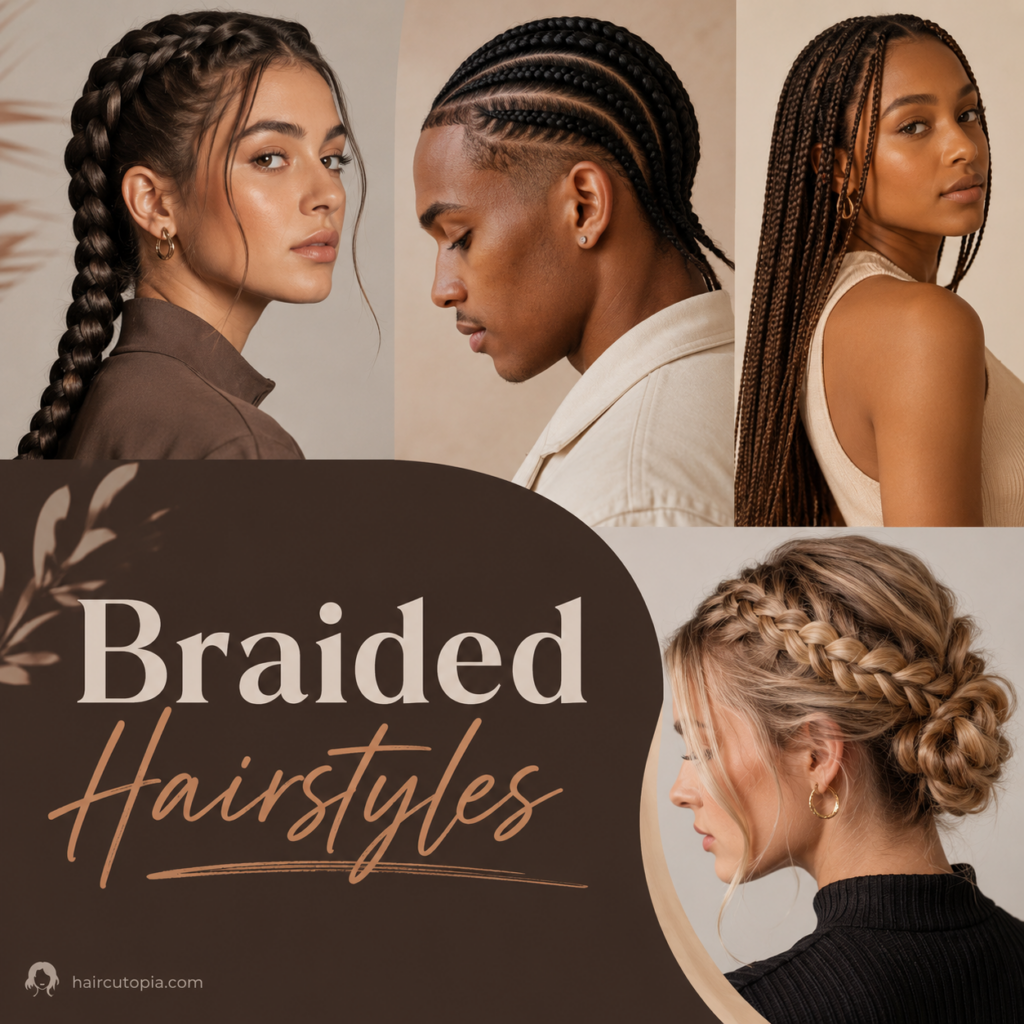 Braided Hairstyles: Types, Ideas, and How to Choose the Right Braid
 1990s Haircuts and Hairstyles: The Complete Guide to Layers, Grunge, Bobs, and Iconic ’90s Hair
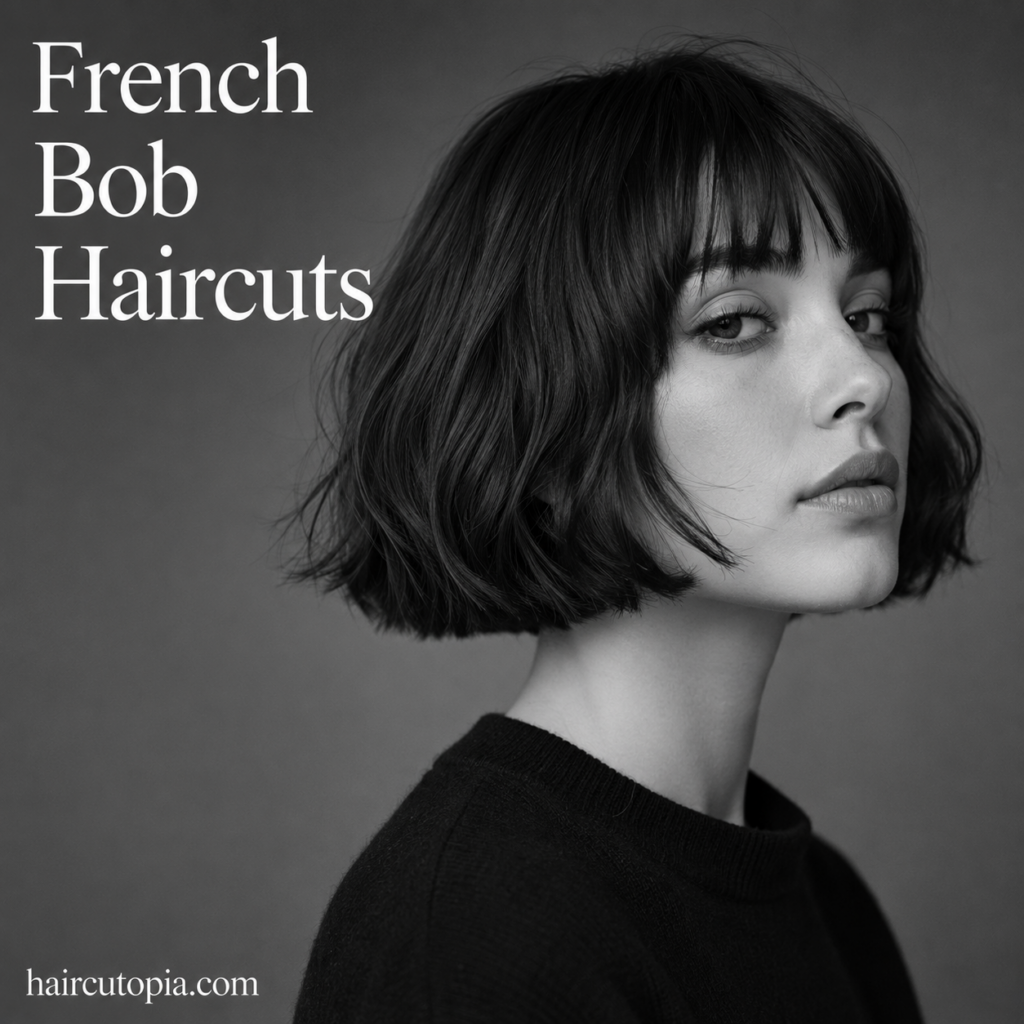 French Bob Haircuts: The Complete Guide to Chic, Short & Effortless Bobs
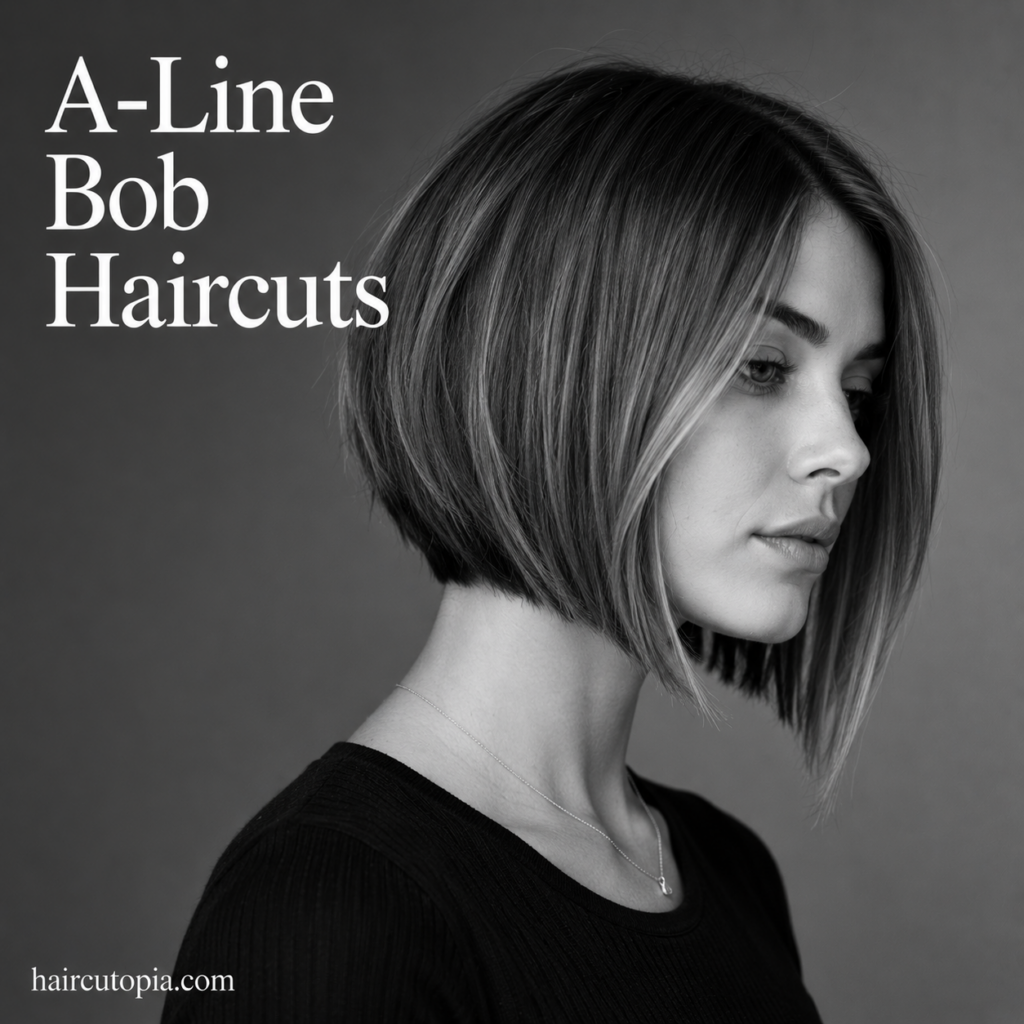 A-Line Bob Haircuts: The Complete Guide to Angled, Modern Bob Styles